Diagnose & Fix the Low Coolant Warning Light (Coolant Level Indicator) for Drivers: Causes, Safe-to-Drive Rules, and Quick Checks
If your low coolant warning light (often shown as a coolant level indicator message or symbol) turns on, it usually means the cooling system has less coolant than it should—and that can quickly escalate into car overheating if the underlying cause is a leak or pressure loss. The fastest “correct” response is to treat it as a cooling-system risk, check the level safely when the engine is cold, and avoid heavy driving until you know whether coolant is actually being lost.
Next, the big question most drivers need answered is simple: can you keep driving? The right answer depends on your temperature gauge, warning severity, and a few red-flag symptoms. This article gives Safe-to-drive guidance when light comes on using an easy decision tree so you don’t guess wrong when the engine is at stake.
Then, we’ll walk through Low coolant light causes and what to do, including Coolant leak vs sensor fault diagnosis—because a real coolant loss problem needs fast attention, while an intermittent sensor/float issue needs a different path.
Introduce a new idea: once you know what to do immediately, the next step is learning how to prevent repeat warnings with simple checks, the right top-off choices, and knowing when a Pressure test to find coolant loss is the smartest move.
Does the low coolant warning light mean you must stop driving immediately?
No—but the low coolant warning light is a “stop-and-check now” alert because (1) coolant loss can turn into car overheating fast, (2) driving can worsen a leak or boil-over, and (3) ignoring it risks expensive engine damage. Then, the safest decision is made by watching the temperature gauge and checking for clear danger signs before you continue.
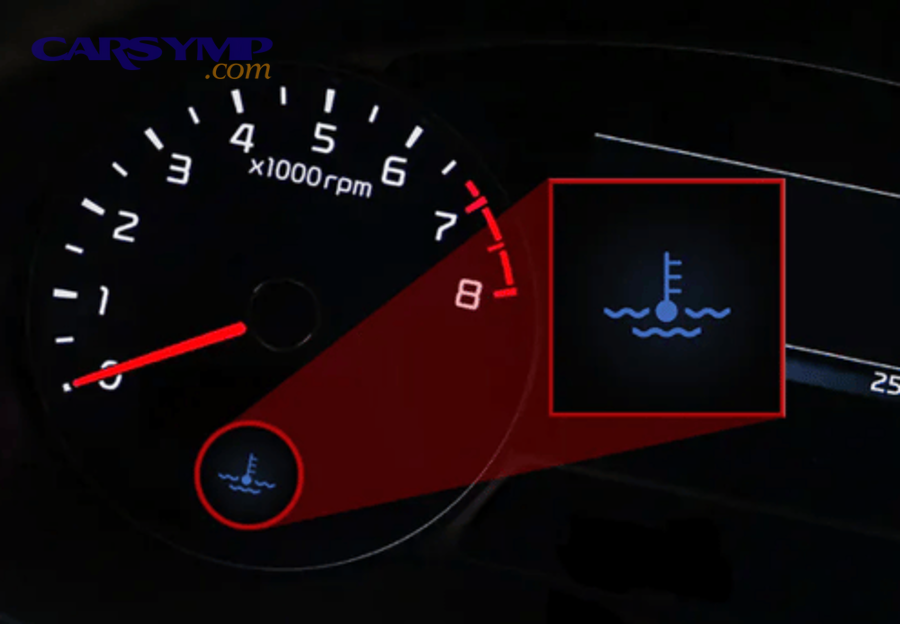
Is it safe to drive if the coolant light is on but the temperature gauge is normal?
Yes, sometimes—but only if the low coolant warning light is on and (1) the temperature gauge stays normal, (2) you have no steam/smell/leak signs, and (3) you can stop soon to check the level properly. However, “safe” here means minimizing risk, not pretending nothing happened.
Here’s a practical decision guide that matches real-world driving:
- If the temperature gauge is normal and stable:
You can usually drive a short distance to a safe place (parking lot, service station) to check. Keep RPM low and avoid steep hills, towing, and highway speeds—high load raises heat production. - If the temperature gauge begins creeping upward:
Treat it like an overheating event. Reduce load immediately (turn off A/C, ease off throttle), and pull over as soon as it’s safe. - If you see steam, smell sweet coolant, or see a puddle under the car:
Don’t “try to make it.” Coolant loss often accelerates under pressure and heat.
A simple “driver-safe” rule: a coolant level warning is a cooling system integrity warning. If the system is intact, you can usually get to a safe stop. If it’s leaking or failing to hold pressure, the situation can change quickly.
To keep the hook chain tight: if you can’t confirm the cooling system is stable, you’re gambling on the next few minutes of heat management—so your next step is a safe inspection.
Should you ever open the coolant cap or reservoir when the engine is hot?
No—never open the cooling system when the engine is hot because (1) it’s pressurized, (2) hot coolant can spray and cause severe burns, and (3) sudden pressure loss can trigger boil-over and make overheating worse. Instead, use a cool-down routine.
A safe cool-down routine drivers can actually follow:
- Park safely and turn the engine off if you suspect rising temperature.
- Wait until the system cools—the radiator, hoses, and reservoir should feel cool enough to touch cautiously.
- Visually inspect first (without opening anything): look for leaks, wet hoses, or spray residue.
- Only then check the reservoir level (many cars allow a level check through the translucent tank).
This “don’t open hot” habit matters because pressure is part of what keeps coolant from boiling in normal operation. In fact, technical references commonly describe that increasing cooling-system pressure raises boiling point by roughly ~3°F per psi, which is why pressure caps exist. (durathermfluids.com)
What does the low coolant warning light mean?
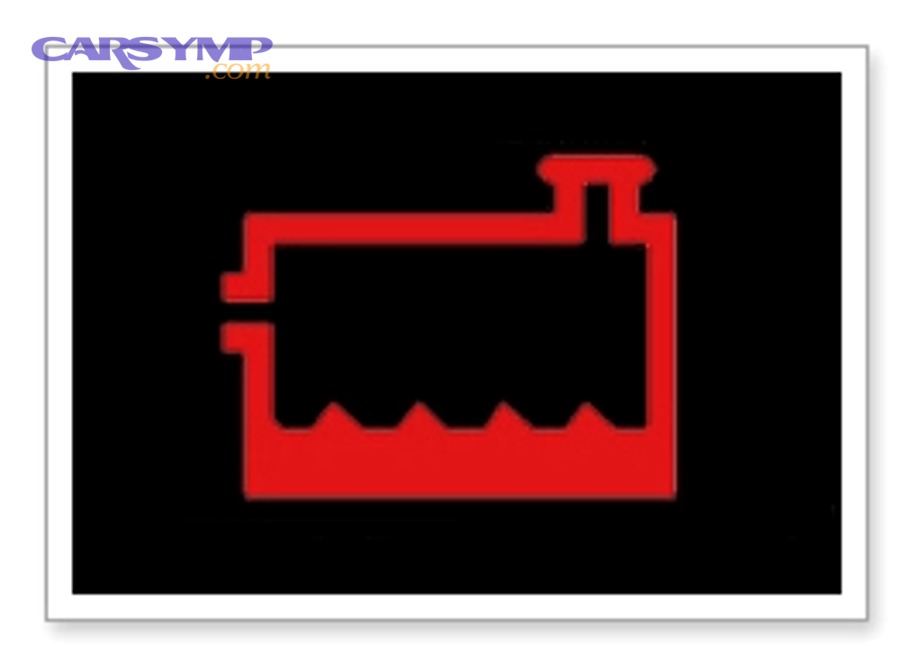
The low coolant warning light is a cooling-system alert that indicates coolant level is below the expected threshold (usually in the reservoir/expansion tank), triggered by a sensor or float, and it exists to prevent overheating damage by prompting early action. Then, the key is understanding it as a level warning first—not automatically a “the engine is already overheating” warning.
What is the coolant reservoir level (MIN/MAX) telling you?
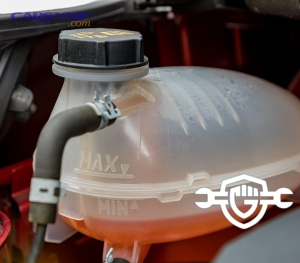
The MIN/MAX markings tell you whether the coolant level is within the safe operating range when checked at the correct time—usually when the engine is cold—so you can identify a real low level versus normal expansion and contraction. Next, that “correct time” is what prevents misreads.
How to check coolant level properly (the simple, correct method):
- Check when the engine is cold (or has sat long enough to cool). Coolant expands when hot and contracts when cold, so hot readings can mislead.
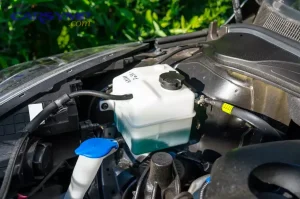
- Look at the translucent reservoir (many cars have a marked expansion tank).
- If it’s below MIN, the system is likely underfilled or losing coolant.
- If it’s between MIN and MAX, level is usually acceptable.
- If it’s above MAX, there may be overfill or return-flow issues.
- Do not rely on “looks fine” in the dark. Use a flashlight if needed.
What the markings imply in practical terms:
- Below MIN (cold): treat as real low coolant until proven otherwise.
- At MIN (cold): top-off may be needed, but you still need to ask why it got low.
- Normal level but warning persists: suspect sensor/float behavior or intermittent surge effects (we’ll diagnose that later under Coolant reservoir cap and float sensor issues).
What’s the difference between a low coolant light and an engine temperature warning?
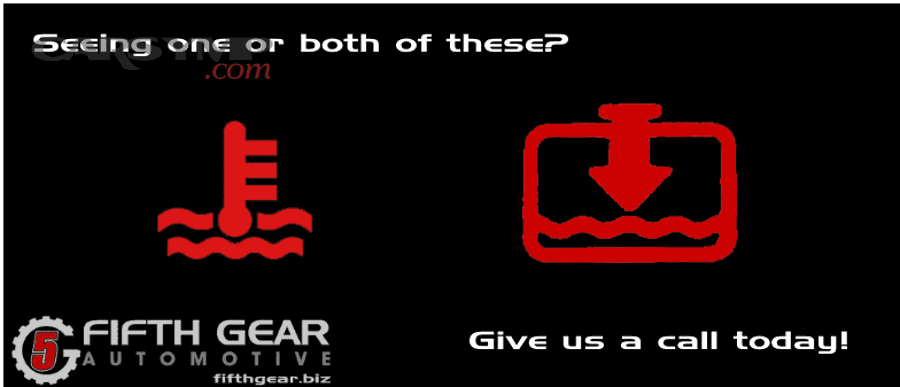
A low coolant light is primarily a level/integrity warning, while an engine temperature warning is an active overheating warning—level problems can lead to overheating, but the warnings mean different stages of risk. Then, the right move is to prioritize whichever indicates immediate danger.
Comparison that matters for drivers:
- Low coolant warning light (level):
- “You may be low, losing coolant, or not detecting correctly.”
- Your mission: verify level safely and identify loss.
- Engine temperature warning (overheat):
- “The engine is already too hot (or approaching it).”
- Your mission: reduce heat and stop safely to prevent damage.
If you get both:
- Treat it as overheating first: pull over, shut down, cool down. A low coolant condition is a common root of overheating, but temperature is the “right now” emergency.
What should you do first when the low coolant warning light comes on?
Use a quick response method with 6 steps—(1) verify temperature, (2) reduce load, (3) park safely, (4) cool down, (5) check level, and (6) top off correctly—so you minimize overheating risk and avoid dangerous hot-system handling. Then, you’ll move from guessing to controlled verification.
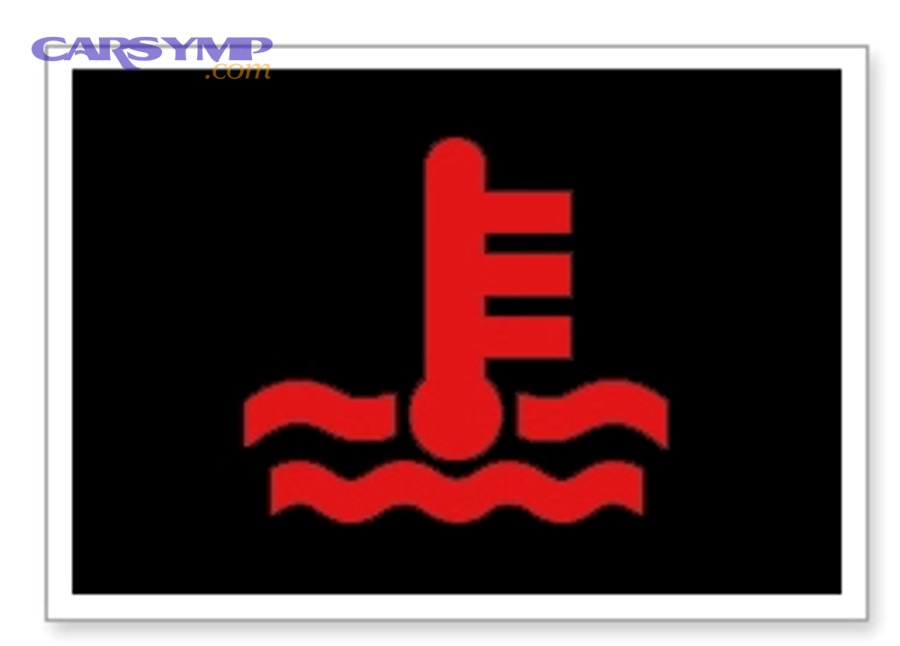
Here is a driver-first checklist that covers Overheating risk signs to monitor:
- Check the temperature gauge immediately.
- Turn off A/C and drive gently.
- Look for steam or a sweet smell (coolant vapor).
- Park somewhere safe as soon as practical.
- Let the engine cool fully before opening anything.
- Check level and inspect for signs of leaks.
What are the first 5 quick checks you can do in under 10 minutes?
There are 5 quick checks for the low coolant warning light: (1) temperature trend, (2) steam/odor, (3) visible puddles, (4) reservoir level, and (5) heater output—because each one points toward leak severity or imminent overheating. Next, you’ll connect each check to a clear decision.
Quick Check #1: Temperature trend
- Normal and stable: you may have time to inspect.
- Rising: stop and cool down.
Quick Check #2: Steam or sweet odor
- Steam from hood area or sweet smell often indicates hot coolant escaping. Don’t continue driving.
Quick Check #3: Puddles or wetness under the car
- Coolant can be green, orange, pink, or blue depending on type. Color alone is not a spec—just a clue.
Quick Check #4: Reservoir level (cold check)
- Below MIN: treat as real low coolant.
Quick Check #5: Heater output
- If you set heat to full and it suddenly blows cold (while the engine is warm), it can indicate poor coolant circulation/low coolant, which increases overheating risk.
Decision outcomes:
- All checks look stable + level is slightly low: top off (correctly), monitor closely, schedule inspection.
- Any overheating sign or active leak: stop, cool, and plan tow/repair.
How do you top off coolant correctly (and what should you add if you’re stranded)?
Top off by adding the correct coolant mix to the reservoir to the proper mark (usually between MIN and MAX) in 4 steps—cool engine, verify spec, add slowly, and recheck—so you restore safe level without introducing new problems. Then, you’ll match your top-off choice to the real-world situation.
Step-by-step top-off (safe and correct):
- Engine cold (or fully cooled).
- Locate the reservoir/expansion tank and check MIN/MAX.
- Add coolant slowly to avoid splashing and to prevent overfilling.
- Recheck level after a short drive once cooled again (because air can purge and level can change).
What coolant to add in an emergency:
- Best: the exact coolant type specified for your vehicle (often listed in the owner’s manual or on a label).
- If you’re stranded and must move the car a short distance: distilled water is commonly used as a temporary top-off in emergencies, but you should restore the correct mix and spec as soon as possible.
Important cautions that prevent repeat issues:
- Don’t mix random coolant types unless you know they’re compatible.
- Don’t overfill above MAX—expansion can push coolant out and create a “new” problem.
- If the warning returns quickly, assume ongoing loss and move to diagnosis.
Video (one helpful walkthrough):
What causes the low coolant warning light to turn on?
There are 6 main causes of a low coolant warning light—(1) external leaks, (2) pressure cap failure, (3) internal leaks, (4) component flow problems, (5) recent service/air pockets, and (6) sensor/float faults—based on whether coolant is truly lost or incorrectly detected. Then, diagnosing becomes a structured process instead of trial-and-error.
This section is the heart of Coolant leak vs sensor fault diagnosis, because the “correct fix” depends on which bucket you’re in.
Which coolant leaks are most common, and how can you spot them quickly?
There are 7 common coolant leak locations—hoses/clamps, radiator, water pump, thermostat housing, expansion tank, heater core, and head gasket—based on where pressure and heat stress the system most. Next, you’ll spot them using simple visual and smell patterns.
Most common external leak clues:
- Hoses and clamps: wetness at joints, crusty residue, or a drip line.
- Radiator: damp corners, wet end tanks, or streaks on the core.
- Water pump: crusty trails near the pump area (many pumps have a “weep hole” that leaks when failing).
- Thermostat housing: dampness around the housing seam.
Harder-to-spot leaks (often missed):
- Heater core leaks: sweet smell inside cabin, foggy windows, damp carpet.
- Slow seepage: tiny leaks that only happen under pressure/heat and evaporate before leaving a puddle.
If you want a structured symptom checklist, some driver-focused platforms like carsymp.com often categorize coolant-loss symptoms by location and severity—useful for matching your observation to likely causes.
Can a bad radiator cap or expansion-tank cap cause a low coolant warning?
Yes—a failing coolant reservoir cap or radiator pressure cap can trigger coolant loss and warnings because (1) it can’t hold pressure, (2) it can vent coolant/steam during normal heat cycles, and (3) it can pull air back in during cooldown, lowering the sensed level. Then, the warning can appear even without a dramatic leak.
Why pressure matters:
- Cooling systems run pressurized to raise boiling point and reduce boil-over. Technical references describe that increased pressure meaningfully raises coolant boiling temperature, which helps prevent overheating under load. (durathermfluids.com)
Practical signs a cap could be involved:
- You smell coolant after drives but don’t see a puddle.
- The area around the cap is damp or crusty.
- The warning appears after highway driving or hot shutdown.
Because caps are relatively inexpensive, they’re often an early “check this” item—but don’t stop there if you’re losing coolant.
How do you diagnose “real low coolant” vs a false warning?
Real low coolant is indicated when the level is genuinely below spec and tends to drop again over time, while a false warning is more likely when the level is normal yet the alert persists—so you diagnose by combining (1) cold-level verification, (2) repeatability, and (3) evidence of loss. Then, you’ll know whether you’re chasing coolant loss or a detection problem.
This is where How to check coolant level properly becomes your “baseline truth” before you replace parts.
Is the coolant level sensor or float switch causing a false warning?
Yes, it can—coolant reservoir cap and float sensor issues can cause false low coolant warnings because (1) the float can stick, (2) contamination can interfere, and (3) wiring/connectors can misread, especially when the coolant level is actually normal. Next, you’ll confirm it without unsafe disassembly.
Driver-safe checks that work:
- Check the coolant level cold, twice (today and tomorrow morning).
- Look for warning patterns:
- Comes on after bumps/turns → possible slosh/surge affecting a float.
- Comes on right after startup with correct level → possible sensor circuit issue.
- Inspect visually around the reservoir: is it cracked, stained, or wet?
Some technical discussions about coolant-loss testing show that sensors may not always reflect “worst-case” thermal risk during coolant loss events—meaning you should not depend on a single sensor to protect the engine in all conditions. (sae.org)
That’s why the “best practice” is: treat the warning as real until your level checks and leak checks prove otherwise.
Should you keep driving if the light comes back after topping off?
No—if the low coolant warning light returns soon after topping off, assume ongoing coolant loss or a detection fault because (1) coolant doesn’t “vanish” normally, (2) repeat warnings correlate with unresolved leaks/pressure failures, and (3) repeated heat cycles increase overheating risk. Then, you escalate from topping off to finding the cause.
What to do instead of repeatedly topping off:
- Track the level (cold) daily for a few days.
- Look for patterns (after highway, after idling, after overnight).
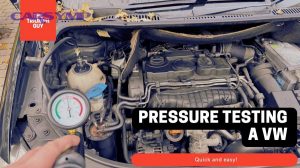
- Ask for a Pressure test to find coolant loss at a shop—this is a straightforward way to identify external leaks that only show under pressure.
A pressure test is valuable because it can reveal slow leaks without needing the engine to be fully hot, and it helps reduce “parts guessing.”
When is a tow or immediate mechanic visit non-negotiable?
A tow or immediate mechanic visit is non-negotiable when the low coolant warning light is accompanied by (1) rising temperature/overheat warning, (2) visible steam or rapid coolant loss, or (3) drivability symptoms like misfire—because these signs indicate the engine may already be in a damage zone. Then, your goal shifts from “get home” to “prevent escalation.”
What symptoms mean you should stop and tow the car?
There are 7 stop-and-tow symptoms: steam, temperature gauge climbing, overheating warning, coolant pouring/dripping rapidly, loss of cabin heat when engine is warm, sweet smell plus foggy windows, and rough running/misfire—based on immediate overheating and leak severity. Next, treat these as “do not negotiate” signals.
Stop and tow if you see:
- Steam from under the hood.
- Temperature gauge climbs toward hot or spikes suddenly.
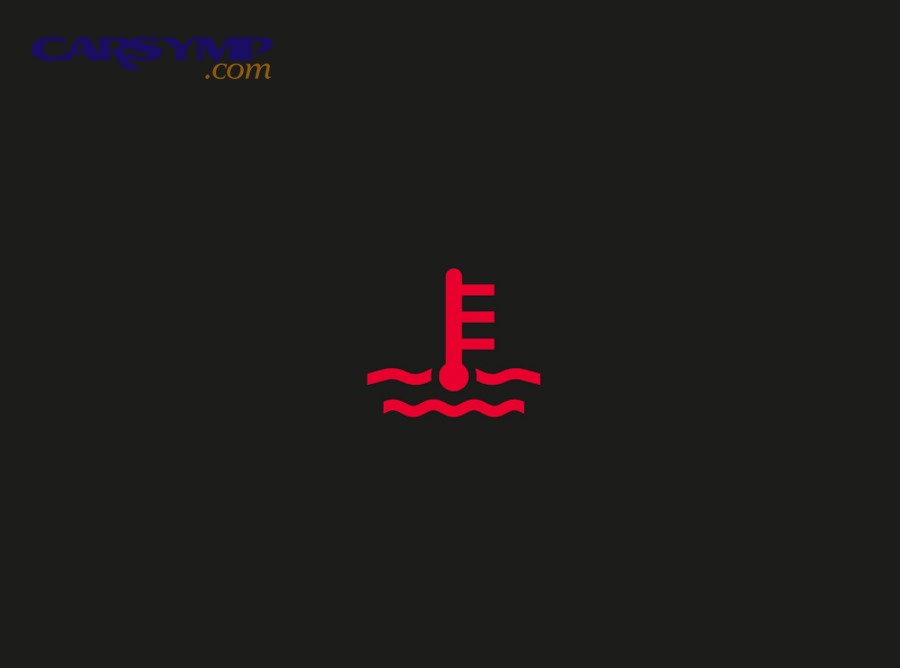
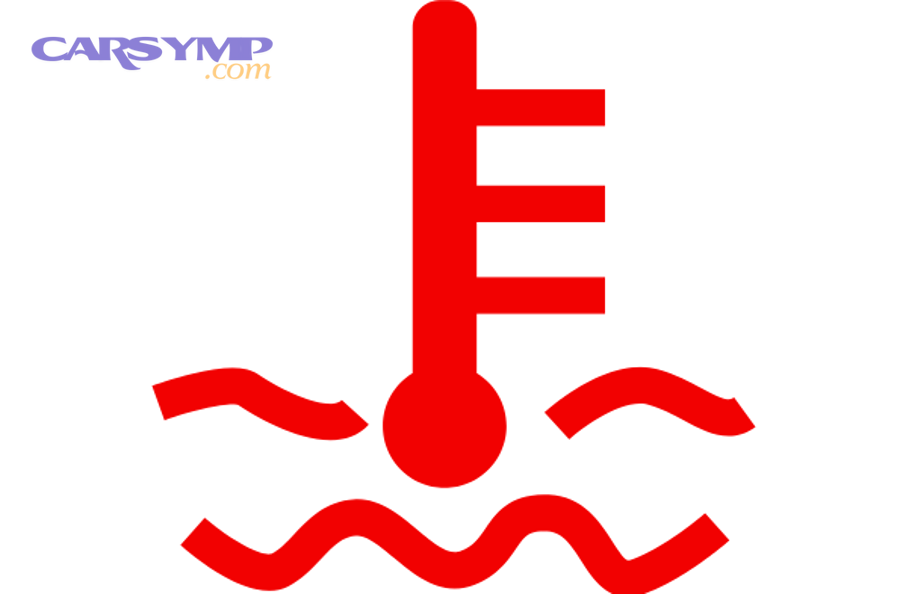
- Overheat warning light appears (red temperature icon).
- A puddle grows quickly under the car.
- Heater blows cold unexpectedly while driving (possible low coolant circulation).
- Cabin fogging + sweet odor (possible heater core leak).
- Rough running or misfires (possible severe overheating or coolant intrusion).
Even if the car “still moves,” these symptoms suggest the cooling system may not be controlling temperature—continuing is how minor problems become major ones.
What engine damage can low coolant cause if you ignore it?
Low coolant can cause progressive damage—(1) overheating and warped components, (2) head gasket failure, and (3) severe engine damage—because coolant is the engine’s main heat transport medium and without it, hotspots form quickly. Then, your “real cost” becomes the cost of damage, not the cost of coolant.
A realistic damage ladder:
- Overheating episodes → accelerated wear, degraded seals/hoses, and coolant boil-over.
- Warped cylinder head / head gasket stress → combustion gases enter the cooling system or coolant enters cylinders.
- Major engine repair or replacement if overheating is severe or repeated.
Evidence note (engineering perspective): a Clemson University dissertation on advanced engine cooling systems discusses how cooling-system performance and control directly impact engine reliability and thermal safety, reinforcing why losing cooling capacity can quickly become a reliability issue. (open.clemson.edu)
Why does the low coolant warning light keep coming back after service or refilling?
The low coolant warning light can keep returning after refilling because (1) coolant is still being lost (small leak or pressure issue), (2) trapped air pockets change the sensed level, and/or (3) the reservoir sensor/float is sticking or misreading—so the fix is confirming stability, not repeatedly topping off. Then, you’ll address the “edge cases” that confuse even careful drivers.
This is where Preventing low coolant warnings becomes practical: eliminate repeat triggers rather than reacting to alerts.
Can air pockets after a coolant change trigger an intermittent low coolant warning?
Yes—air pockets can trigger intermittent low coolant warnings because (1) trapped air displaces coolant volume, (2) the level can drop after the first heat cycles, and (3) sensor floats can read “low” during slosh or uneven fill. Next, you confirm by monitoring cold level across several heat/cool cycles.
A simple pattern that fits air pockets:
- You refill and the level looks fine.
- After a drive and full cool-down, the level is suddenly lower.
- The warning comes and goes for a few days.
If that happens:
- Recheck and top off to the correct cold mark (not over MAX).
- If warnings persist, shift back to leak/pressure testing.
What are subtle signs of a heater-core leak (coolant loss with no puddle)?
Heater-core leaks are subtle because coolant can leak inside the cabin and evaporate, so you often see (1) sweet smell inside, (2) foggy windows with an oily film, and (3) damp carpet—without a clear puddle under the car. Then, you treat it as a real coolant-loss issue, not a sensor glitch.
What to look for:
- Fogging that returns quickly even with defrost on.
- Dampness under passenger-side carpeting.
- Persistent sweet smell especially when heat is used.
Because heater-core leaks can worsen and cause visibility issues, they’re not a “wait and see” problem.
Could a head gasket issue cause repeated low coolant without obvious leaks?
Yes—head gasket problems can cause repeated low coolant without obvious leaks because (1) coolant can enter the combustion chamber and burn off, (2) combustion gases can push coolant out, and (3) overheating can worsen the seal failure over time. Next, you watch for a specific cluster of signs before you assume the worst.
Signs that increase suspicion:
- Unexplained coolant loss over days/weeks.
- Overheating episodes.
- White exhaust smoke after warm-up (not just cold condensation).
- Rough running or misfire codes.
- Bubbles in the reservoir (in some cases).
This doesn’t mean “it’s definitely a head gasket,” but it does mean you should prioritize diagnostic testing and avoid extended driving.
How can you prevent the low coolant warning light from returning?
You can prevent low coolant warnings by using a 5-part habit system—(1) monthly cold-level checks, (2) quick visual leak scans, (3) correct coolant spec and mix, (4) proactive cap/hose inspection, and (5) early leak testing—because repeat warnings almost always trace to loss, pressure, or detection problems. Then, prevention becomes simple routine instead of roadside stress.
A practical prevention plan:
- Monthly cold check: verify level between MIN and MAX.
- Look for residue: crusty streaks near hose joints, radiator seams, and the water pump area.
- Use correct coolant: match spec, not just color.
- Don’t ignore “small” drops: they often precede bigger leaks.
- Get a pressure test if coolant loss repeats—this is often the fastest way to stop the cycle.
Repair cost estimate for common causes
The table below summarizes typical Repair cost estimate for common causes (parts + labor ranges vary by vehicle, region, and access). Use it to understand which fixes are “small and quick” versus “plan a budget” items.
| Common cause | What’s usually replaced/repaired | Typical cost range (USD) | Notes |
|---|---|---|---|
| Radiator replacement | Radiator + coolant service | ~$1,307–$1,471 average range | RepairPal estimate range for radiator replacement. (repairpal.com) |
| Radiator hose replacement | Upper/lower hose + coolant | ~$471–$527 (est.) | RepairPal estimate range; varies by hose count/access. (repairpal.com) |
| Water pump replacement | Water pump + coolant (sometimes belt/related parts) | ~$857–$1,106 (est.) | RepairPal estimate range; timing-belt-driven pumps can cost more. (repairpal.com) |
| Radiator cap / reservoir cap | Pressure cap | Usually low-cost part; labor often minimal | Costs vary; confirm correct pressure rating/spec. |
If your warning is caused by something inexpensive (like a cap) but you keep topping off without fixing the real loss, the “cheap problem” can still end with expensive overheating damage—so tie cost awareness back to the primary intent: act early, verify properly, and diagnose the cause.
Evidence (if any)
According to a Clemson University dissertation from the Department of Mechanical Engineering (2016), improving and controlling engine cooling system performance can positively impact engine reliability, reinforcing why unresolved coolant loss and thermal instability should be treated as a serious risk—not just a nuisance warning. (open.clemson.edu)