


Overheating warning signs are easiest to manage when you catch them early, because the body usually gives clear “first alerts” before heat illness becomes an emergency. The safest approach is to monitor a short list of symptoms—like dizziness, nausea, unusual fatigue, and behavior changes—then stop heat exposure and cool down before your core temperature keeps climbing.
Heat exhaustion is the most common “danger zone” on the overheating spectrum, and it often looks like a sudden performance drop: heavy sweating, weakness, headache, and feeling lightheaded or sick. You can usually reverse heat exhaustion with fast cooling and fluids, but only if you treat it as a real warning—not something to power through.
Heat stroke is different: it is a medical emergency where the body can’t regulate heat well enough, and the most important signals are neurological—confusion, collapse, seizures, or fainting. If you suspect heat stroke, you act first and diagnose later: call emergency services and keep cooling aggressively while help is on the way.
Introduce a new idea: once you know what to monitor and how to tell heat exhaustion vs heat stroke apart, you can use the same symptom logic to respond immediately, prevent repeat episodes, and handle “hidden” risk factors that make overheating happen faster than people expect.
What are the early overheating warning signs you should monitor?
Early overheating warning signs are a cluster of physical and mental symptoms—often starting with thirst, headache, dizziness, nausea, and unusual fatigue—that signal your body is losing its ability to shed heat efficiently. Next, those subtle signals matter because the earlier you respond, the less likely you are to slide into heat exhaustion or heat stroke.
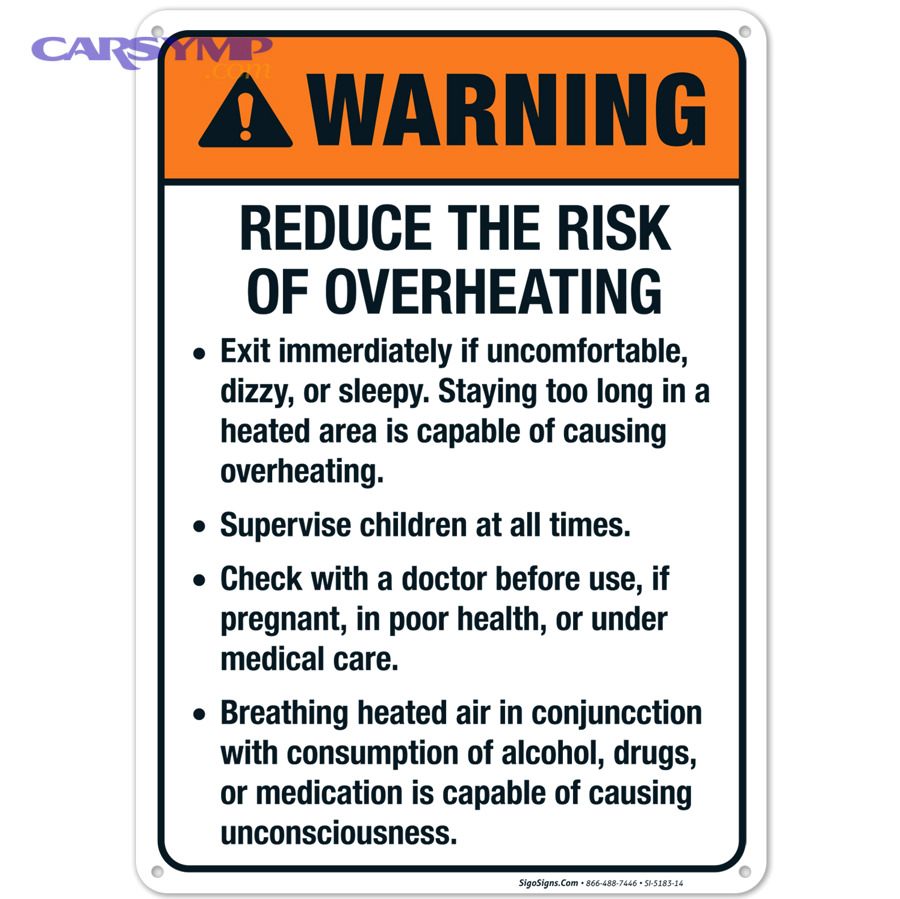
Overheating is not a single moment; it’s a progression. Your body cools itself mainly by sweating and moving heat from your core to your skin. When the environment is hot, humid, stagnant, or when you’re working hard, that cooling system gets overwhelmed. The first signs are your “dashboard lights”—they don’t always mean you’re in immediate danger, but they do mean you should change what you’re doing right now.
A practical way to monitor early overheating is to watch for change, not just intensity. Many people miss heat illness because symptoms start as “a little off” rather than “dramatic.” If you notice a fast shift—sudden weakness, new nausea, uncharacteristic irritability, or a headache that wasn’t there 20 minutes ago—treat it as a real overheating signal.
What are the most common early symptoms of overheating in adults?
Early symptoms of overheating in adults usually include thirst, heavy sweating, headache, lightheadedness, nausea, muscle cramps, and unusually rapid fatigue, based on how quickly heat stress disrupts hydration and circulation. Specifically, you should treat these as “stop-and-cool” signs because they typically appear before dangerous neurological symptoms.
- Thirst and dry mouth (often the first sign of rising dehydration)
- Heavy sweating that feels out of proportion to your effort
- Headache that starts during heat exposure
- Dizziness or lightheadedness, especially when standing up
- Nausea or stomach discomfort (sometimes with vomiting later)
- Muscle cramps (legs, arms, trunk) after heavy sweating
- Weakness or heavy fatigue that arrives suddenly
- Irritability or feeling “off,” short-tempered, or foggy
- Fast heartbeat or feeling like your heart is “working harder than normal”
The key is what these symptoms mean: your body is diverting blood to the skin to dump heat and losing fluid through sweat. That can reduce blood pressure and reduce the brain’s “comfort” with continued exertion. If you keep going, you raise your odds of heat exhaustion.
A simple field test is the talk-and-task check. If a person suddenly can’t hold a normal conversation, can’t follow simple steps, or can’t maintain their usual pace, treat that decline as an overheating warning sign—even if they insist they’re “fine.”
Evidence: According to a publication by the U.S. CDC/NIOSH (Heat Stress Fast Facts, 2010), common heat stress symptoms include rapid heartbeat, heavy sweating, extreme weakness or fatigue, dizziness, nausea/vomiting, and irritability.
What early overheating signs show up differently in kids and older adults?
Early overheating signs show up differently in kids and older adults because children heat up faster and depend on caregivers to notice changes, while older adults may sweat less and may show confusion earlier. Then, recognizing these age-pattern differences helps families intervene before symptoms become severe.
In kids, early overheating often looks like:
- Sudden tiredness or “meltdown behavior” that’s unusual for them
- Flushed face or unusually hot skin
- Stopping play and sitting down more than normal
- Complaints of headache, stomach pain, or “feeling sick”
- Heavy sweating (or, sometimes, sweating that suddenly decreases)
In older adults, early overheating often looks like:
- Lightheadedness when standing, weakness, or shakiness
- Headache and nausea that may be blamed on “not eating”
- Confusion, slowed thinking, or unusual sleepiness
- Less obvious sweating (some older adults sweat less effectively)
For families, the safest monitoring strategy is to treat behavior change as a symptom. If a child becomes unusually quiet, cranky, or lethargic in heat, that’s a clinical clue—not just “mood.”
Can overheating symptoms start even if you’re not sweating a lot?
Yes, overheating warning signs can start even if you’re not sweating a lot because sweating can decrease with dehydration, certain medications, age-related changes, or severe heat illness progression. However, the absence of heavy sweat should never reassure you when other symptoms—especially dizziness or confusion—are present.
- Dehydration can reduce sweat output even while core temperature rises
- Older adults may sweat less or later
- Certain medications can change sweating and hydration
- In some cases of severe heat illness, sweating patterns become irregular
A safer rule: Trust function over sweat. If someone can’t keep up, can’t think clearly, feels dizzy, vomits, or collapses, you treat it as a heat emergency regardless of skin moisture.
What is heat exhaustion and how do you recognize it?
Heat exhaustion is a heat-related illness where fluid loss and cardiovascular strain make you weak, dizzy, nauseated, and often drenched in sweat, but without the severe neurological impairment that defines heat stroke. Next, that distinction matters because heat exhaustion is a “rescue window” where fast cooling and hydration can prevent a true emergency.
Heat exhaustion typically develops after sustained heat exposure with sweating—especially when you’re working, exercising, or supervising kids outdoors. The body is still trying to cool itself, but it’s losing the hydration and electrolyte balance needed to keep blood pressure stable and muscles working normally.
Many cases begin with people ignoring early overheating warning signs: “I’m just tired,” “I just need to finish this job,” or “I’ll rest later.” Heat exhaustion is your body’s loud message that later might be too late.
Which heat exhaustion symptoms are most reliable to monitor in the moment?
Heat exhaustion symptoms that are most reliable to monitor in the moment include heavy sweating, weakness, dizziness, headache, nausea, and a fast pulse, especially when they appear together during heat exposure. Specifically, tracking this symptom bundle is more accurate than focusing on a single sign like “feels hot.”
A useful way to recognize heat exhaustion is to look for 3 layers happening at once:
- Sweat + skin signals
- Heavy sweating
- Cool, clammy skin (often)
- Sometimes goosebumps or chills in hot weather (a common “I’m in trouble” sign)
- Energy and balance decline
- Weakness, heavy fatigue
- Dizziness or lightheadedness
- Unsteady walking, needing to sit down
- Head/gut distress
- Headache
- Nausea or vomiting
- Cramps
If you see that pattern, treat it as heat exhaustion until proven otherwise. The “moment-to-moment” goal is not labeling; it’s preventing progression.
Evidence: According to the U.S. National Weather Service heat illness guidance, heat exhaustion symptoms commonly include heavy sweating, weakness or tiredness, cool/clammy skin, fast/weak pulse, muscle cramps, dizziness, nausea/vomiting, headache, and fainting.
How long should heat exhaustion symptoms last after cooling and hydration?
Heat exhaustion symptoms should start improving within about 30–60 minutes after you stop exertion, move to a cooler environment, and begin cooling and hydrating, though full recovery can take longer. Then, the key decision point is whether symptoms clearly improve or remain the same/worsen despite cooling.
- First 10 minutes: person should feel some relief after shade/AC, rest, and cooling measures
- 30 minutes: dizziness and nausea should be noticeably easing for most mild-to-moderate cases
- 60 minutes: if symptoms persist, worsen, or vomiting continues, treat it as a medical evaluation situation
If symptoms last longer than an hour, if the person vomits repeatedly, or if they cannot keep fluids down, the situation can shift from “recoverable heat exhaustion” to “needs urgent care.”
Is it safe to “push through” suspected heat exhaustion?
No, it is not safe to push through suspected heat exhaustion because it increases your risk of heat stroke, worsens dehydration, and can trigger collapse or injury when balance and judgment decline. Moreover, stopping early protects performance and safety, which is the real goal for workers and families.
- Heat exhaustion is already a failure signal of cooling capacity
- Decision-making gets worse as your brain warms and blood pressure drops
- The next stage can be heat stroke, which is life-threatening
If you’re at work, pushing through also increases accident risk—falls, tool misuse, vehicle errors—because dizziness and slowed reaction time show up early.
What is heat stroke and what are the emergency danger signs?
Heat stroke is a life-threatening heat illness where the body can’t regulate core temperature and the brain begins malfunctioning, showing danger signs like confusion, collapse, seizures, or loss of consciousness. Next, this is where urgency matters most because rapid cooling and emergency care can be the difference between recovery and severe harm.
Heat stroke is not “really bad heat exhaustion.” It is a separate emergency state where the central nervous system is affected. People can look disoriented, act strangely, faint, or suddenly stop being able to follow simple instructions. In exertional heat stroke (workers, athletes), collapse can happen fast.
If you ever wonder, “Is this heat stroke?” treat the uncertainty as your answer: act as if it is until professionals say otherwise.
Which heat stroke signs mean you should call emergency services right away?
Heat stroke signs that mean you should call emergency services right away include confusion, slurred speech, fainting, seizures, loss of consciousness, and inability to drink or cool down effectively during heat exposure. Specifically, neurological symptoms are the strongest “call now” indicator.
- Confusion or altered mental status (not oriented, not making sense)
- Slurred speech
- Seizures
- Fainting/collapse
- Loss of consciousness
- Very high body temperature (if measured)
- Hot skin that may be dry or profusely sweaty
- Rapid heart rate with worsening symptoms
While waiting for help, your job is to cool aggressively and continuously. Heat stroke is time-sensitive.
Evidence: According to the U.S. CDC/NIOSH heat-related illnesses guidance, heat stroke symptoms include confusion/altered mental status, loss of consciousness, hot dry skin or profuse sweating, seizures, and very high body temperature.
Can someone have heat stroke without extremely hot skin or without sweating?
Yes, someone can have heat stroke without extremely hot skin or without sweating because exertional heat stroke may still involve sweating, while classic heat stroke can present with reduced sweating, and skin temperature alone is not a reliable measure of core temperature. However, confusion and collapse are reliable red flags regardless of sweat.
- Skin can feel less hot if wind or evaporation cools the surface while the core stays dangerously hot
- A person might still sweat heavily during exertional heat stroke
- People may misread “not sweaty” as “not hot,” when it can be the opposite
So the safer model is: neurology over skin feel. If someone acts confused, collapses, or seizes in heat, you treat it as heat stroke.
How do you tell heat exhaustion vs heat stroke apart?
Heat exhaustion vs heat stroke is best separated by brain function: heat exhaustion usually preserves clear thinking, while heat stroke commonly includes confusion, collapse, or seizures that require emergency response. However, this comparison matters because the correct response—rest and rehydrate vs call emergency services—depends on fast triage.
Think of heat illness as a ladder:
- Early overheating warning signs (thirst, headache, fatigue)
- Heat exhaustion (symptom bundle + functional decline)
- Heat stroke (brain symptoms + emergency)
You don’t need perfect certainty; you need the safest choice. When in doubt, treat it as heat stroke, especially if the person is alone, medically vulnerable, or far from cooling resources.
What is the quickest “rule of thumb” comparison when you’re unsure?
The quickest rule of thumb is: if there is any confusion, collapse, seizure, or fainting in a hot environment, treat it as heat stroke and call emergency services; if the person is coherent and improves quickly with cooling, it is more consistent with heat exhaustion. Specifically, mental status is the fastest and most reliable differentiator.
Use the “Name–Place–Task” check:
- Can they state their name clearly?
- Do they know where they are?
- Can they follow a simple task (sip water, sit, hold a conversation)?
If they fail those, you treat it as heat stroke.
What are the key symptom differences: sweating, skin feel, body temperature, and behavior?
Heat exhaustion typically shows heavy sweating, cool/clammy skin, and fatigue with intact thinking, while heat stroke often shows altered behavior (confusion), possible hot skin, very high body temperature, and collapse risk; sweating may be present or absent. Meanwhile, focusing on behavior and function is more dependable than focusing only on sweating or skin feel.
Here’s a practical comparison:
| Feature | Heat Exhaustion | Heat Stroke |
|---|---|---|
| Thinking/behavior | Usually clear, tired | Often confused, disoriented, may collapse |
| Sweating | Often heavy | Can be heavy (exertional) or reduced (classic) |
| Skin feel | Often cool/clammy | Often hot; may feel dry or sweaty |
| Temperature | May be elevated | Often very high (if measured) |
| Urgency | Needs immediate cooling; monitor | Emergency—call for help immediately |
This table is a triage tool: it helps outdoor workers and families make a safer call when symptoms overlap. The headline difference remains the brain: confusion changes the category.
What should you do immediately when overheating signs appear?
The best immediate response to overheating warning signs is to stop exertion, move to shade or air-conditioning, cool the body aggressively, and begin controlled hydration, because rapid cooling interrupts the progression toward heat exhaustion and heat stroke. Next, the goal is speed and simplicity: do the highest-impact steps first.

If you’re managing a worker, teammate, or child, think in “first minute” priorities. Heat illness escalates when people keep moving, stay in sun, or delay cooling because they’re embarrassed or want to finish a task.
What are the fastest cooling steps you can do on-site (work, field, backyard)?
The fastest on-site cooling steps are to move into shade/AC, stop activity, loosen or remove excess clothing, apply cool water to the skin while fanning, and place cold packs at high-blood-flow areas like the neck, armpits, and groin. Specifically, combining water + airflow is one of the quickest practical cooling methods when ice immersion isn’t available.
- Stop exertion immediately
- Sit or lie down in a safe place
- Change the environment
- Shade, vehicle AC, building, breezy spot
- Cool the skin
- Pour cool water on skin + fan continuously
- Cool wet towels on neck and torso
- Target big vessels
- Cold packs at neck/armpits/groin
- Monitor
- Don’t leave the person alone if symptoms are significant
For outdoor workers, a buddy system is not optional. People in heat illness often underestimate how impaired they are. A second person should watch for mental status changes and ensure cooling continues.
Should you drink water, electrolytes, or both for suspected heat illness?
Electrolytes are helpful when you’ve been sweating heavily for a long time, while water is usually sufficient for short exposures; both can be appropriate, but the safest approach is small, frequent sips and avoiding “chugging,” especially if nausea is present. However, if vomiting, confusion, or inability to drink occurs, you shift focus to cooling and medical evaluation rather than forcing fluids.
- Mild early overheating (thirst, light headache, sweating): water is fine; add a snack later
- Heavy sweating for hours (work shifts, sports tournaments): electrolytes can help replace sodium lost in sweat
- Nausea present: take small sips; don’t force large volumes
- Vomiting or confusion: prioritize emergency response; do not delay care to “get fluids in”
Avoid alcohol during heat exposure because it can worsen dehydration and impair judgment.
When should you stop home care and seek urgent care vs call 911?
You should seek urgent care when symptoms don’t improve after cooling or when vomiting/dehydration prevents recovery, and you should call 911 when there are neurological danger signs like confusion, fainting, seizures, or loss of consciousness, because those indicate possible heat stroke. Moreover, “worsening over time” is itself a reason to escalate.
Home care (monitor closely) can be reasonable when:
- The person is coherent
- Symptoms improve quickly with cooling
- They can drink fluids and keep them down
- No high-risk medical issues are present
Urgent care / same-day evaluation when:
- Symptoms persist beyond about an hour despite cooling
- Repeated vomiting occurs
- Severe weakness persists
- High-risk individual (older adult, chronic illness, pregnancy) has more than mild symptoms
Call 911 immediately when:
- Confusion, slurred speech, seizures
- Fainting/collapse or loss of consciousness
- Inability to drink, severe agitation, or rapid deterioration
Evidence: According to OSHA heat illness first aid guidance, heat stroke symptoms (including confusion, slurred speech, unconsciousness, and seizures) require emergency response, while heat exhaustion symptoms require cooling and monitoring with escalation if symptoms persist.
How can outdoor workers and families prevent overheating before it starts?
You can prevent overheating by planning for heat exposure, pacing exertion, using shade and cooling breaks, and prioritizing hydration and acclimatization, because prevention works best when it starts before symptoms appear. Next, prevention becomes easier when you treat hot days as a different operating mode, not “business as usual.”

Prevention is not just comfort—it’s risk management. The strongest prevention plans reduce both heat load (sun, exertion, clothing) and recovery delay (no shade, no breaks, poor hydration access). For workers, prevention also reduces errors and injuries caused by heat-related fatigue and dizziness.
What prevention checklist should you follow for heat days (before you go outside)?
A heat-day prevention checklist includes hydration planning, scheduling adjustments, shade/cooling access, appropriate clothing, and symptom monitoring, because these steps reduce how fast your core temperature rises. Specifically, a checklist prevents the most common failure: realizing too late that you have no easy way to cool down.
- Plan cooling access
- Shade structures, fans, cooled vehicle, indoor breaks
- Schedule smart
- Do heavy tasks early; rotate duties; reduce intensity in afternoon heat
- Hydration plan
- Bring enough water; set reminders; pair with electrolytes when sweating heavily
- Clothing
- Light, breathable fabrics; wide-brim hat; consider cooling towels
- Buddy system
- Agree on check-in intervals; monitor behavior changes
- Know your “stop signs”
- Headache + dizziness, nausea, cramps, unusual fatigue → stop and cool
For families, the checklist includes child-specific planning: shaded play, frequent indoor cool-downs, and avoiding long stroller time in direct sun.
How do you adjust work/play for humidity and “feels like” temperatures?
You adjust work/play for humidity by reducing intensity, increasing cooling breaks, and moving activities to cooler times, because humidity blocks sweat evaporation and makes the body’s cooling system less effective even at the same air temperature. However, the safest adjustment is proactive: make the day easier before symptoms force you to stop.
Humidity changes the physics of cooling. Sweat works when it evaporates; high humidity slows evaporation. That’s why people can overheat faster in humid conditions even if the temperature doesn’t seem extreme.
- Shorter work intervals with longer cooling breaks
- More shade time and airflow (fans)
- Lower-intensity activities (walking instead of sprinting; lighter loads at work)
- Frequent symptom checks because “feels fine” can flip quickly
What are the best prevention tips for kids, older adults, and people with chronic conditions?
The best prevention tips for higher-risk groups are more frequent cooling breaks, closer observation for behavior changes, consistent hydration support, and reducing heat exposure duration, because these groups may overheat faster or show symptoms differently. Moreover, prevention is most effective when caregivers treat “quiet” and “confused” as heat symptoms.
For kids:
- Schedule outdoor play early morning
- Build in “cool-down rituals” (water + shade every 20–30 minutes)
- Watch for mood shifts and lethargy
- Never leave a child in a parked car, even briefly
For older adults:
- Encourage indoor cooling during peak heat
- Check in frequently, especially if living alone
- Watch for dizziness and confusion
- Ensure easy access to water and cool areas
For chronic conditions:
- Ask a clinician about heat safety if medications affect hydration or sweating
- Avoid “toughing it out” on hot days
- Use wearable reminders and buddy systems
What hidden factors can increase overheating risk even in “normal” heat?
Hidden overheating risk factors include medications, lack of heat acclimatization, sudden spikes in exertion, and certain health or environment patterns that reduce sweating or increase heat load even when temperatures seem manageable. Next, these factors matter because they explain why two people in the same heat can have very different outcomes.

Many overheating episodes happen on days that don’t feel like “heat wave” days. The person might be in partial shade, or the temperature might be moderate—but humidity, poor airflow, or high exertion still pushes the body over its cooling limit. This section helps you build micro-level awareness: the risk multipliers that change your threshold.
Which medications and substances can make you overheat faster?
Medications and substances can make you overheat faster when they increase fluid loss, reduce sweating, or alter alertness, because they disrupt the body’s ability to regulate temperature and hydration. Specifically, people should treat heat days with extra caution if they use medications that affect kidneys, blood pressure, or nervous system function.
- Diuretics (increase fluid loss)
- Some antihistamines (can affect sweating and alertness)
- Stimulants (can raise heat production and heart rate)
- Alcohol (increases dehydration risk and reduces judgment)
The practical move is not self-adjusting medication without guidance. Instead:
- Plan more cooling breaks
- Hydrate proactively
- Lower exertion intensity
- Ask your clinician or pharmacist about heat precautions if you have recurrent overheating episodes
What is heat acclimatization and how long does it take to build tolerance?
Heat acclimatization is the body’s adaptive process—through repeated heat exposure—of improving sweat response, circulation, and perceived effort so you tolerate heat better, and it commonly develops over about 7–14 days of consistent exposure. Then, this matters because the first hot week of a season is when many workers and families are least prepared.
- Earlier, more efficient sweating
- Better skin blood flow
- Lower heart rate at the same workload
- Improved comfort and performance in heat
A safe acclimatization approach is gradual: increase exposure time and intensity slowly instead of doing “full heat workload” on day one.
Evidence: According to a review of heat adaptation research published in 2016, heat acclimation regimens lasting under 14 days induce meaningful physiological adaptations that improve performance and tolerance in hot environments.
What’s the difference between exertional heat stroke and classic heat stroke?
Exertional heat stroke is more common in active people (workers, athletes) and can develop rapidly during intense effort, while classic heat stroke is more common in vulnerable populations during prolonged heat exposure (older adults, no-AC environments); both are medical emergencies, but the context and sweating patterns can differ. Meanwhile, the response priority is the same: call for help and cool fast.
- Exertional heat stroke: intense activity + heat; rapid onset; sweating may still be heavy
- Classic heat stroke: prolonged heat exposure; often slower onset; sweating may be reduced, but not always
In both cases, neurological signs (confusion, seizures, collapse) override everything else.
When can overheating signal something more serious like rhabdomyolysis?
Yes, overheating can signal something more serious like rhabdomyolysis when severe muscle breakdown occurs after intense exertion—often with heat stress—showing signs like extreme muscle pain, weakness, and dark “tea-colored” urine. Moreover, this matters because rhabdomyolysis can harm the kidneys and needs urgent medical evaluation.
- Muscle pain that feels far worse than expected for your workout or work shift
- Swelling or weakness that makes normal movement difficult
- Dark urine (cola/tea-colored), especially 1–3 days after extreme exertion
- Severe fatigue and inability to perform tasks you normally can do
Evidence: According to CDC/NIOSH guidance updated in 2025, rhabdomyolysis warning signs can include severe muscle pain/cramps beyond expected, dark tea- or cola-colored urine, and unusual weakness or exercise intolerance.
Evidence (if any)
- According to U.S. CDC/NIOSH heat stress guidance (updated 2024), heat stress can lead to illnesses such as heat exhaustion, heat stroke, and rhabdomyolysis.
- According to OSHA heat illness first aid guidance, heat stroke is a medical emergency; signs include confusion, slurred speech, unconsciousness, and seizures.
- According to a 2016 review of heat adaptation research, heat acclimation regimens under 14 days produce meaningful heat-tolerance adaptations, with greater effects in longer protocols.
Important note for readers who meant “overheating” as a vehicle problem (not body heat): In car dashboards, the low coolant warning light can be an early risk signal, and a Pressure test to find coolant loss is a standard diagnostic step when levels keep dropping. Good maintenance focuses on Preventing low coolant warnings, including checking for Coolant reservoir cap and float sensor issues that can cause false alerts or poor sealing.