


When you’re low on coolant and you need an emergency top-up, the safest rule is simple: add the safest available liquid to stabilize temperature now, then restore the correct coolant later—because preventing overheating today matters more than perfect chemistry in the moment.
Next, you’ll learn how to decide whether you should top up at all (or stop driving), because the wrong move—like opening a hot cap—can be dangerous and can worsen overheating.
In addition, we’ll compare water vs premixed coolant vs concentrate so you can pick the safest option based on what you actually have on hand, including what to do when you don’t know what coolant is already in the system.
Introduce a new idea: once the temperature is stable again, the article will shift into “after the emergency” actions—how to correct the mix, find leaks, and prevent a repeat breakdown.
Do you need to add coolant in an emergency, or should you stop driving?
Yes—if the engine temperature is normal-to-warm and you’re only slightly low on coolant, you can top up safely, because it prevents overheating, protects engine components, and buys you time to reach a proper repair.
Next, the key is to make the “drive vs stop” decision before you touch anything, because overheating damage happens fast when coolant is low.
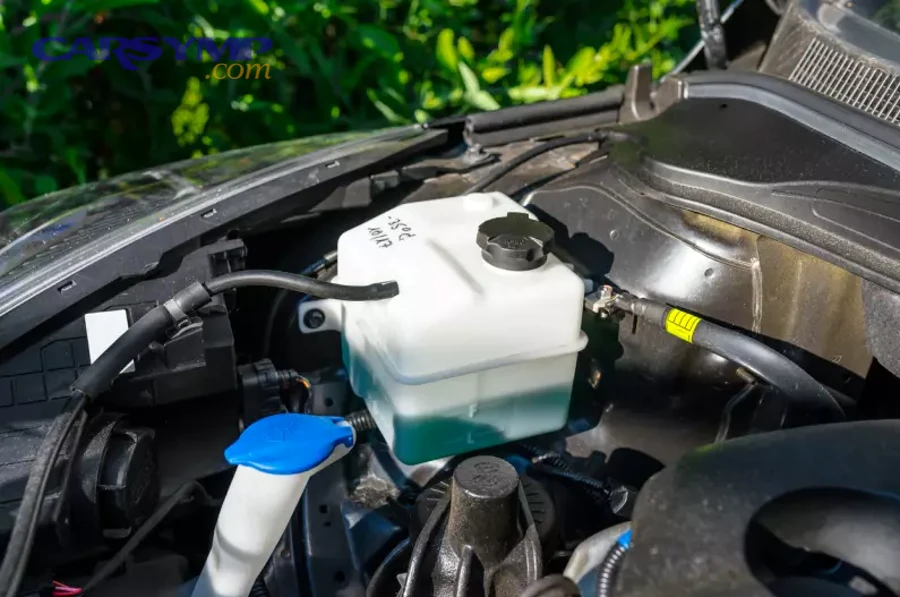
A low coolant situation isn’t one single problem—it’s a spectrum:
- Mild low coolant: Level is below “MAX” but above “MIN,” temperature gauge stays normal, no steam, no puddles.
- Moderate low coolant: Level at/under “MIN,” heater may blow cool air at idle, temperature needle rises in traffic.
- Severe coolant loss/overheating: Red temperature warning, steam, sweet smell, visible leaking, or the needle climbs rapidly.
If your car shows a low coolant warning light, treat it as a prompt to check the level soon, not as permission to keep driving indefinitely. A warning light means the system has already dropped below the threshold that the manufacturer considers safe for normal operation.
Is it safe to open the coolant cap when the engine is hot?
No—opening the radiator cap or pressurized coolant cap when the engine is hot is not safe because the system is pressurized, coolant can be near-boiling, and hot fluid/steam can erupt toward you.
To better understand why that matters, remember that a cooling system can run at high temperature and pressure; opening the cap suddenly removes that pressure and can force hot coolant out violently.
In practice, this means:
- Do not open a radiator cap while hot.
- Do not twist a pressurized reservoir cap while hot.
- Do not “crack it a little” to vent—many injuries happen during that exact step.
A safety standard discussion by NHTSA notes coolant can reach very high temperatures and that removing a radiator cap under pressure can eject hot fluid and steam toward a person nearby. (federalregister.gov)
What signs mean you should not top up and must stop immediately?
There are 6 main “stop now” signs: red temperature warning, steam/boiling, rapid temperature climb, coolant pouring onto the ground, engine misfire/loss of power, and a strong burning/sweet smell with heat rising from the hood.
Moreover, these “Overheating risk signs to monitor” aren’t subtle—when they appear, your goal changes from “top up” to “prevent engine damage and stay safe.”
Stop immediately and shut the engine off if you notice:
- Red temp light or “ENGINE OVERHEAT” message.
- Steam from the hood or coolant visibly boiling/overflowing.
- Temperature gauge rising quickly toward hot and not stabilizing.
- A puddle/stream of coolant under the car (active leak).
- Heater suddenly blows cold air while the gauge climbs (possible low coolant circulation).
- Knocking, misfires, or power loss as temperature rises (engine protection modes or damage risk).
If you’re in a safe place, shut the engine off, let it cool, and reassess. If you’re not safe, prioritize getting off the road and call for assistance—an overheated engine can be damaged in minutes.
What can you add as an emergency coolant top-up (water vs antifreeze/coolant)?
Water wins for “right now” safety when you don’t know coolant type, premixed coolant is best when you do, and concentrated antifreeze is only safe if you can add the correct amount of water too.
Then, the goal is to choose the option that reduces overheating risk without creating a new problem (like an overly strong concentrate mix or dangerous mixing).
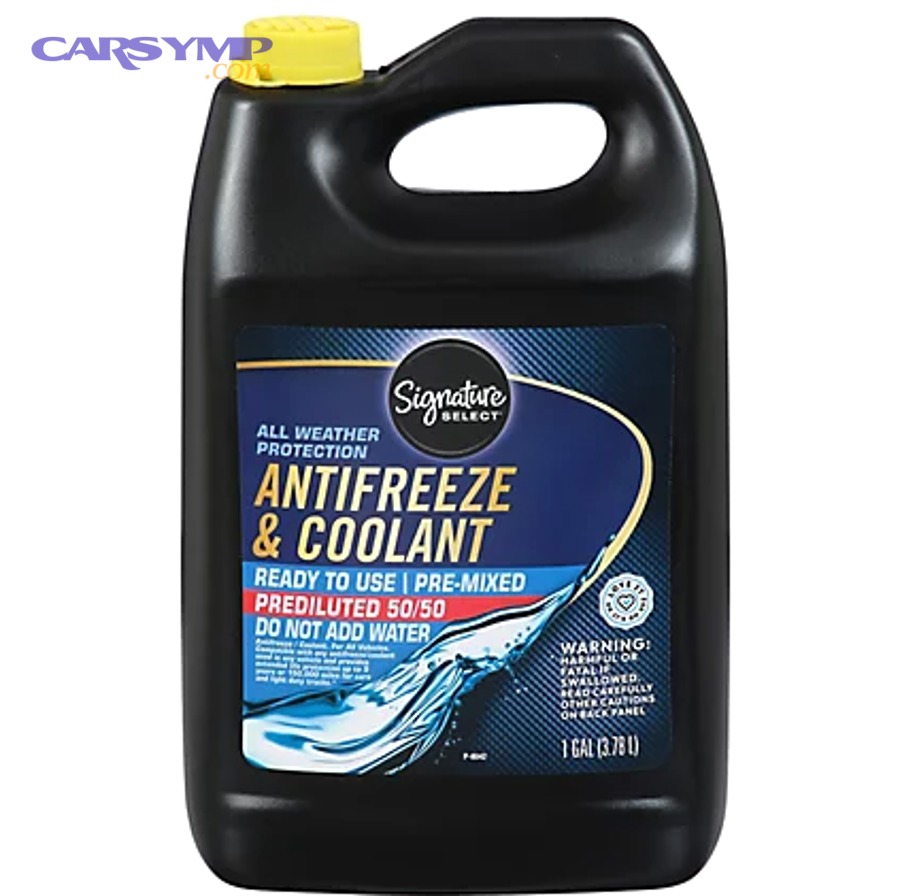
What is the safest fluid to add if you have nothing else: distilled water, tap water, or bottled water?
Distilled (or deionized) water is the safest emergency top-up because it reduces mineral buildup, avoids unknown additives, and mixes cleanly with existing coolant; bottled drinking water is second-best; tap water is a last resort.
Specifically, the “best” choice is about what you can put in today without causing long-term deposits or corrosion problems.
Ranked emergency choices (best → acceptable → last resort):
- Distilled/deionized water: Best short-term top-up, especially if you don’t know coolant chemistry.
- Bottled drinking water: Usually acceptable for a one-time emergency top-up.
- Tap water: Use only if it’s your only option to avoid overheating; plan to correct the mix later.
Why this ranking matters: minerals in hard tap water can contribute to deposits and scaling over time, which is a long-term efficiency problem—yet in a true emergency, overheating is the bigger immediate threat.
Should you add premixed 50/50 coolant or concentrated antifreeze in an emergency?
Premixed 50/50 coolant is safest because it delivers correct dilution immediately, while concentrated antifreeze is riskier because adding it alone can reduce heat transfer and leave you with an incorrect mixture.
However, if concentrate is your only option, it can still work—but only if you also add water to reach a reasonable mix.
Practical rule for emergencies:
- If you have premixed coolant (ready-to-use): add it to bring level back into the safe range.
- If you have concentrate only: add a small amount, then top with water—avoid filling the system with concentrate.
Why not “straight concentrate”? Because more glycol is not automatically better for cooling performance. In experimental radiator testing, researchers found that increasing ethylene glycol ratio reduced heat transfer performance compared with water in their setup, even while improving freeze protection. (dergipark.org.tr)
What this means for you: an emergency top-up isn’t a chemistry lab. You’re trying to stabilize temperature—so avoid extremes (all water forever, or all concentrate right now).
How much should you add to reach a safe level (MIN/MAX), and what if it keeps dropping?
Add enough to bring the reservoir level to at least the MIN line (and ideally between MIN and MAX), because that restores circulation margin, reduces overheating risk, and helps you monitor whether you’re losing coolant fast.
In addition, if the level keeps dropping, assume you have a leak until proven otherwise.
Safe topping strategy (fast + conservative):
- Let the system cool.
- Add fluid slowly until the level reaches MIN.
- Wait a minute, then recheck—air pockets can shift the level.
- If stable, add to the mid-point between MIN and MAX (don’t overfill).
If it keeps dropping:
- A falling level after a top-up often means active coolant loss (hose seep, radiator leak, water pump leak, cracked reservoir, or gasket issue).
- At that point, the next correct action is diagnosis, not “keep adding forever.”
This is where a Pressure test to find coolant loss becomes the most efficient next step at a shop: a pressure test can reveal external leaks (and sometimes internal ones) without guessing. (You’ll see this again in the after-emergency section.)
How do you add coolant safely in an emergency (step-by-step)?
Add coolant safely by cooling the engine, topping up the correct fill point, securing the cap, and monitoring temperature—using a simple 7-step method that reduces burn risk and helps prevent overheating on the drive that follows.
Below, the step-by-step matters because even the “right” fluid can become the “wrong” move if you add it at the wrong time or in the wrong place.
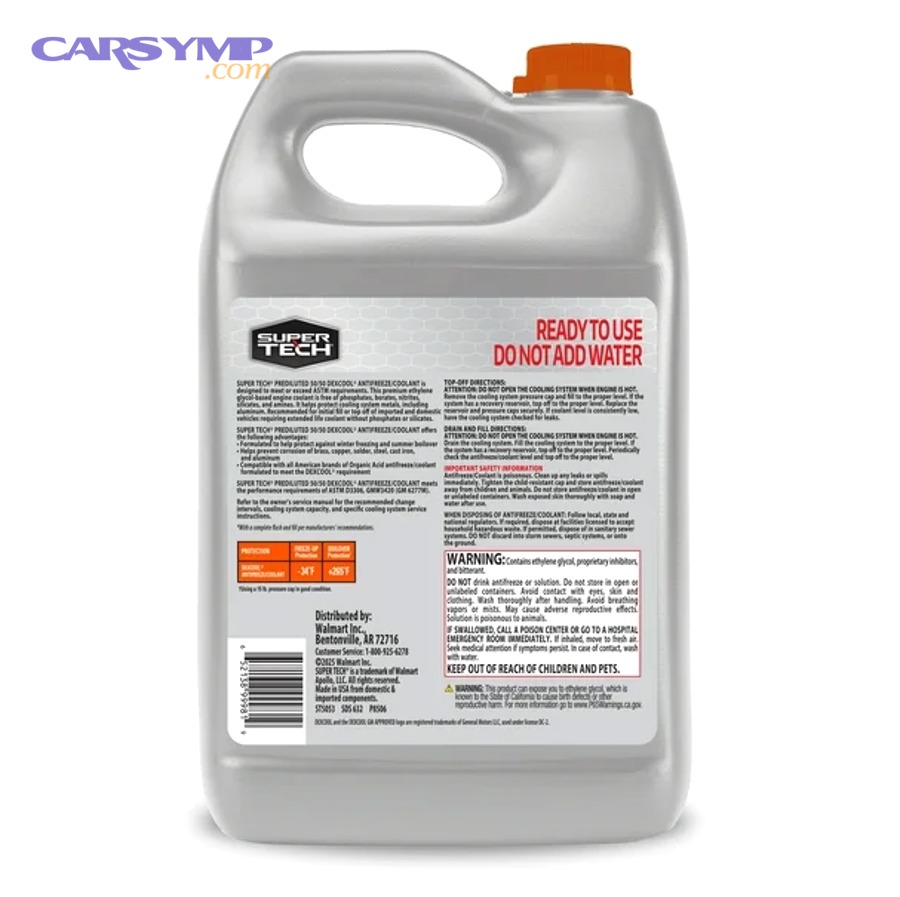
7-step emergency top-up method (reservoir-first):
- Park safely and shut the engine off if temperature is rising.
- Wait for cool-down (at least 20–30 minutes; longer if it was overheating).
- Locate the coolant reservoir (translucent plastic tank with MIN/MAX marks).
- Check the level and inspect for obvious leaks (puddles, wet hoses, spray marks).
- Open the reservoir cap slowly only when cool to the touch.
- Add fluid slowly to the safe range (MIN → mid-range).
- Start the engine and watch temperature; turn the heater on if needed to help shed heat.
If the temperature begins climbing again, stop and reassess—repeated overheating is a sign you may not have enough coolant circulation or you’re losing coolant rapidly.
Where exactly do you add coolant: overflow reservoir or radiator cap?
The overflow/expansion reservoir is the safest and most common place to add coolant because it’s designed for level checks and top-ups, while the radiator cap should only be opened when fully cool and only if your vehicle’s design requires it.
However, the “right” answer depends on what your car uses: some vehicles have a pressurized expansion tank that acts as the main fill point, while others still use a radiator cap.
Use the reservoir when:
- It has clear MIN/MAX marks.
- It’s labeled “coolant” or shows a coolant symbol.
- The cap is accessible and the engine is cool.
Use the radiator cap only when:
- The reservoir is empty and you cannot raise level.
- The manufacturer specifies radiator fill.
- The engine is fully cool and you can open it safely.
NHTSA’s discussion of coolant system pressure and the risk of hot fluid/steam release explains why opening a pressurized cap is dangerous and why modern systems emphasize safer venting and cap design. (federalregister.gov)
What are the safest steps to top up and recheck before driving again?
The safest recheck routine is: top up to safe level, idle while monitoring, verify heater output, and recheck level after cooling—because it confirms circulation, catches ongoing loss, and reduces the odds of a second overheating event.
Moreover, a recheck turns your top-up into a simple diagnostic moment.
Quick recheck checklist:
- Temperature gauge: should stabilize in normal range within a few minutes.
- Heater performance: warm air suggests coolant is circulating through the heater core.
- Leaks: look under the car after idling; check hose connections.
- Reservoir level: after the engine cools again, recheck and adjust between MIN/MAX.
If your low coolant warning light returns quickly after topping up, assume you have significant coolant loss and plan for immediate diagnosis.
Can you drive after topping up, and for how long?
Yes—you can usually drive after an emergency top-up if the temperature stays stable, the reservoir level is in the safe range, and there are no severe leak signs, because the cooling system has enough fluid to circulate and control heat for short trips.
However, treat it as a limp-home strategy, not a permanent fix.
Safe “limp-home” driving rules:
- Drive the shortest route to home or a shop.
- Avoid heavy traffic, steep climbs, and towing.
- Keep an eye on the gauge every minute or two.
- Pull over if temperature rises, steam appears, or power drops.
If you need to stop repeatedly to add water, don’t keep pushing your luck—your engine may be losing coolant quickly, and repeated overheating can cause expensive damage.
Will mixing coolants cause damage, and does coolant color matter?
Mixing coolants can cause problems in some cases, and coolant color alone is not a reliable identifier because chemistry (OAT/HOAT/IAT and manufacturer spec) matters more than dye.
Meanwhile, the emergency decision is different from the long-term decision: you might accept a temporary compromise to prevent overheating, but you should correct it afterward.
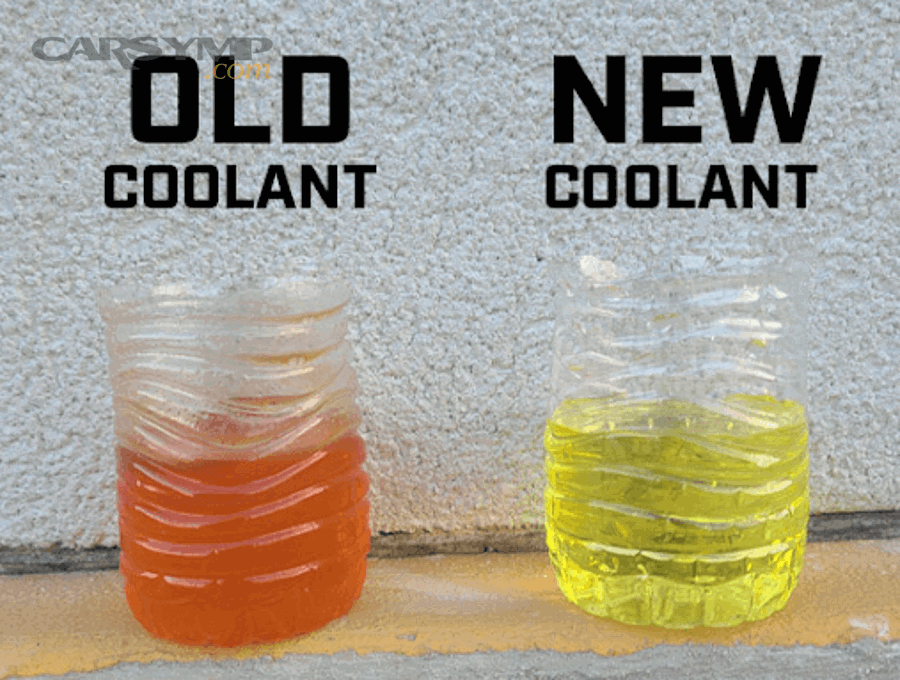
Is it okay to mix different coolant colors (green/orange/pink/blue) in an emergency?
Yes, but only as an emergency last resort, because mixing may reduce corrosion protection, can create gel/sludge in incompatible formulations, and can complicate proper maintenance—yet preventing immediate overheating is the higher priority.
More importantly, when you don’t know what’s already in the system, water is often the safest “compatibility-neutral” top-up.
Industry guidance describing IAT, OAT, and HOAT notes that some inhibitor packages should not be mixed because certain additives can react and form gel/sludge, especially when silicates meet organic acids. (oilproducts.eni.com)
Emergency mixing rules that keep risk low:
- Prefer distilled water if coolant type is unknown.
- If you must add coolant, prefer premixed and add the minimum needed.
- Plan to flush/refill to the correct spec soon.
What is the safest “universal coolant” approach when you don’t know what’s in the system?
The safest “universal” approach is to add distilled water to restore level, then identify the correct coolant spec later, because water avoids inhibitor conflicts and still restores heat-carrying capacity quickly.
In addition, this approach minimizes the chance you create a chemical incompatibility while you’re still in the emergency phase.
How to handle “unknown coolant” situations:
- Top up with distilled water to reach safe MIN-to-mid level.
- Keep driving minimal and monitored.
- Once safe, look up the vehicle’s required coolant spec (manual/label) and plan a correction.
If you do choose a “universal” coolant product, treat “universal” as marketing shorthand—not a guarantee—and still plan to confirm compatibility and service intervals afterward.
What’s the risk of adding only water for too long?
Adding only water for too long is risky because it weakens freeze protection, lowers boiling protection under pressure, and dilutes corrosion inhibitors, which can accelerate cooling-system wear over time.
Thus, “water-only” should be a temporary measure—acceptable for getting you home, not for month-long driving.
There’s also a performance tradeoff: while water can transfer heat effectively, coolant mixtures are designed to balance heat transfer, freezing protection, and corrosion control. Experimental radiator research shows that increasing ethylene glycol ratio can reduce heat transfer performance in certain conditions even as it improves freeze protection—reinforcing why the correct mixture matters after the emergency is over. (dergipark.org.tr)
Evidence (heat transfer vs mixture): According to a study by Kırıkkale University from the Faculty of Engineering and Architecture (Mechanical Engineering), in 2021, experiments on an automotive radiator found that as ethylene glycol mixture ratio increased, heat transfer decreased under their tested conditions. (dergipark.org.tr)
Introduce a new idea: Once you’ve stabilized temperature and made it home (or to a safe place), the smartest move is to prevent a repeat event by restoring the correct coolant spec and finding out why the level dropped in the first place.
What should you do after the emergency coolant top-up to prevent future overheating?
After an emergency top-up, you should restore the correct coolant mixture, confirm there’s no active leak, and verify protection levels, because emergency fluids are a temporary compromise and the real fix is stopping coolant loss and returning to the correct specification.
Next, you’ll shift from “survival mode” to “prevention mode,” which saves money and prevents the next overheating event.
How do you restore the correct coolant mix and spec (flush/refill vs drain-and-fill)?
Restoring the right coolant is mainly about spec + mixture, not color. In practical terms, you have two common paths:
1) Drain-and-fill (often sufficient when):
- You only topped up with distilled water.
- You did not mix unknown coolant chemistries.
- The system isn’t contaminated (no oil in coolant, no sludge).
2) Full flush and refill (often best when):
- You mixed different coolant types/colors and don’t know compatibility.
- The coolant looks rusty, sludgy, or contaminated.
- The vehicle has a strict OEM coolant spec and long-life coolant requirements.
A flush is not always mandatory after a small water top-up, but it’s a good idea when the coolant type is unknown or when mixing occurred, because it re-establishes the inhibitor package and correct freeze/boil protection.
How can you check if you have a leak after topping up (simple inspections)?
Start with a simple, systematic inspection—because many coolant losses are external and visible.
At-home checks (10 minutes):
- Look under the car after parking: green/orange/pink puddles are common clues.
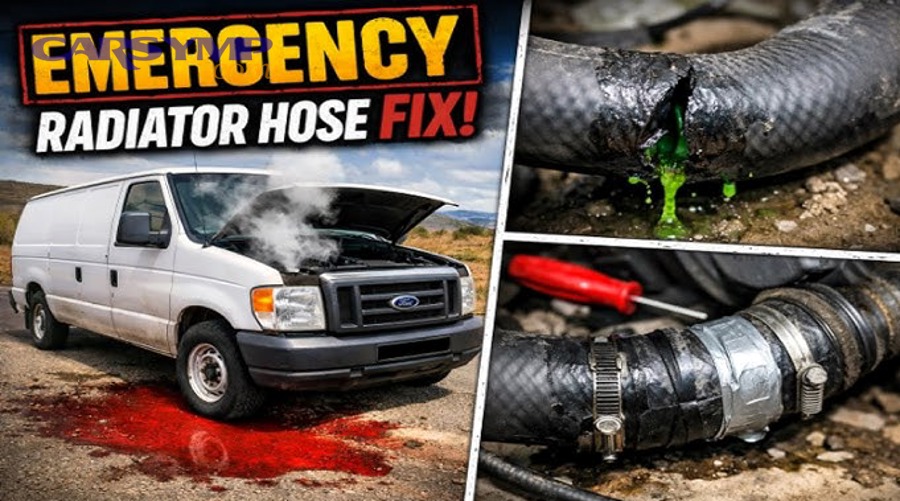
- Inspect upper/lower radiator hoses for wetness, crusty residue, or bulges.
- Check hose clamps for seep marks.
- Look at the reservoir seam for hairline cracks.
- Inspect around the radiator end tanks (plastic-to-aluminum seams often seep).
- Look near the water pump area for wetness or spray patterns.
If you can’t find the leak but the coolant keeps dropping, a Pressure test to find coolant loss is the most direct next step. A pressure test pressurizes the cooling system (engine off) so leaks show themselves without needing to “wait for it to overheat.”
How do you verify freeze/boil protection after topping up (test strips/refractometer)?
After adding water, the mixture may be too diluted—so verification matters, especially in very hot or very cold climates.
Two common verification tools:
- Test strips: quick indicator of protection and sometimes inhibitor condition.
- Refractometer: more accurate measurement of freeze-point equivalent for glycol mixtures.
If you can’t test immediately, prioritize a corrective service soon—because your emergency mixture may protect you today but may not protect you through a hard freeze or heavy load.
When should you see a mechanic immediately after an emergency top-up?
Go to a mechanic immediately if any of these are true:
- The car overheats again after topping up.
- The reservoir empties quickly (hours to a day).
- You see coolant mixed with oil (milky residue) or oil in coolant.
- You smell sweet exhaust or notice persistent white smoke.
- The heater stops producing heat while temperature rises.
- You find repeated low coolant warning light events.
These signs suggest ongoing loss, circulation issues, or internal engine problems—conditions that can escalate quickly if you keep driving.
Evidence (why cap safety matters post-event): NHTSA notes coolant systems can reach high temperatures and pressures, and that removing a radiator cap under pressure can release hot fluid and steam that can severely scald a person nearby. (federalregister.gov)