


If you drive a normal daily-route car, disc brakes win for consistent stopping and heat control, while drum brakes win on cost and packaging—and the right choice comes down to what’s on your car and what you’re trying to fix or buy.
Next, you’ll learn exactly how to identify disc vs drum brakes (front and rear) and what each key component does so you can match symptoms to the correct service item.
Then, you’ll get a practical breakdown of what to service or replace on disc brakes and drum brakes, including when to replace pads, rotors, shoes, drums, and when fluid service actually matters.
Introduce a new idea: once you can connect brake type → symptoms → parts list, you can shop smarter, avoid unnecessary upsells, and make confident choices when you book a brake job.
What’s the difference between disc brakes and drum brakes (and which one is “better” for most drivers)?
Disc brakes win in heat management and repeat-stop consistency, drum brakes are best for low cost and integrated parking-brake packaging, and the “better” choice depends on your driving load, your axle (front vs rear), and your maintenance priorities.
Next, to compare brakes correctly, you need to connect each design to what you actually feel at the pedal and hear at the wheels.
Do disc brakes stop better than drum brakes in normal driving?
Yes—disc brakes usually stop better in normal driving because they shed heat faster, recover quicker in wet conditions, and maintain more consistent friction across repeated stops.
However, the reason “better” matters most is not the first stop at a red light—it’s the tenth stop in traffic, the downhill grade, or the sudden panic stop after a long highway run.
Reason 1: Disc brakes manage heat more efficiently. The rotor sits exposed to airflow. The caliper squeezes pads against a flat disc, and that disc can dump heat to the air faster than a drum enclosure can. When friction surfaces stay cooler, they keep a more stable coefficient of friction, which keeps pedal feel and stopping performance consistent.
Reason 2: Disc brakes recover faster after water exposure. A rotor can fling water off as it rotates. A drum can trap moisture inside, which can temporarily reduce friction until heat dries it out. That “wet lag” can feel like a delay or a slightly longer stopping distance.
Reason 3: Disc brakes tend to feel more predictable. Many drum brakes have a self-energizing (servo) effect that can feel “grabby” as conditions change. Disc brakes are typically more linear: more pedal pressure produces more braking force in a consistent way.
That said, a well-maintained drum brake can still stop a car safely in daily use—especially on the rear axle, where the brakes do less work in most passenger cars.
Why do many cars have disc brakes in front but drum brakes in the rear?
Many cars use front disc and rear drum brakes because the front axle carries more braking load from weight transfer, while rear drums provide adequate rear braking at lower cost and make parking-brake integration simpler.
To better understand this split, picture what happens the moment you hit the brakes: the car’s mass shifts forward, and the front tires gain traction while the rear tires lose some.
Front brakes often do the majority of braking because:
- Weight transfer increases front-tire grip during braking, allowing the front brakes to generate more stopping force before traction limits kick in. (nrsbrakes.com)
- Front brakes absorb more heat because they do more work. Disc brakes’ exposed rotor design helps prevent fade and inconsistency.
- Cost and packaging still matter. Rear drums are cheaper and often integrate the parking brake as part of the drum mechanism.
If your vehicle has rear drums, it usually does not mean it’s unsafe or outdated—it often means the manufacturer chose a cost-effective rear solution that meets performance requirements for typical use.
Which brake type is best for city driving vs highway vs towing?
There are 3 common “best fits” for brakes based on driving load: disc brakes for repeated stop-and-go heat, disc brakes for high-speed stability, and heavy-duty disc setups for towing—while rear drums can remain perfectly acceptable for light daily driving.
Next, use your driving profile as the decision lens.
- City driving (stop-and-go): Disc brakes are typically best because they handle repeated heat cycles without as much fade or inconsistency.
- Highway driving (higher speeds): Disc brakes remain the safer choice for consistent performance when you need one strong stop from speed.
- Towing / hills / heavy loads: Disc brakes (often larger rotors, better pad compounds, sometimes upgraded cooling) are the best match because heat load rises sharply.
- Light daily commuting with modest loads: Rear drums can be cost-effective, durable, and low-maintenance when properly adjusted and serviced.
How can you tell if your car has disc brakes or drum brakes (front and rear)?
You can tell disc vs drum brakes by looking for a flat rotor and caliper (disc) versus a rounded enclosed drum housing (drum), and you can confirm by checking your vehicle’s rear wheel design, service records, or parts catalog listing by trim.
Then, once you identify the type, you can map symptoms to the correct parts list instead of guessing.
Can you identify disc vs drum brakes without removing the wheel?
Yes—you can often identify disc vs drum brakes without removing the wheel by looking through the wheel spokes for a visible rotor face and a caliper, but steel wheels, tight spoke patterns, or heavy brake dust can hide the view.
Next, use this quick checklist from easiest to most certain:
- Through-spoke view:
- Disc: you see a circular metal rotor face; you may also see a caliper “clamp” at one side.
- Drum: you see a more uniform round backing plate or a smooth enclosed housing; no visible rotor face.
- Wheel design clue: Many rear drum setups sit behind wheels where the braking hardware is less visible.
- Service record clue: If a prior invoice says “rear shoes” or “rear drums,” you likely have rear drum brakes.
If visibility is poor, removing the wheel makes identification obvious in seconds—but you don’t have to disassemble anything beyond that.
What are the main parts of a disc brake system (pads, rotors, calipers)?
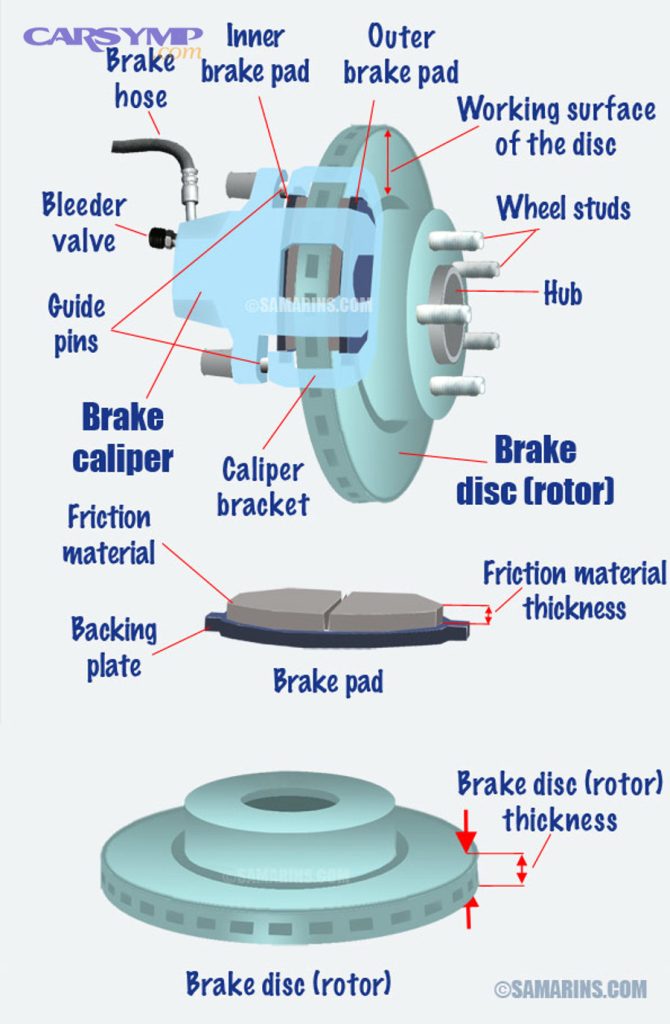
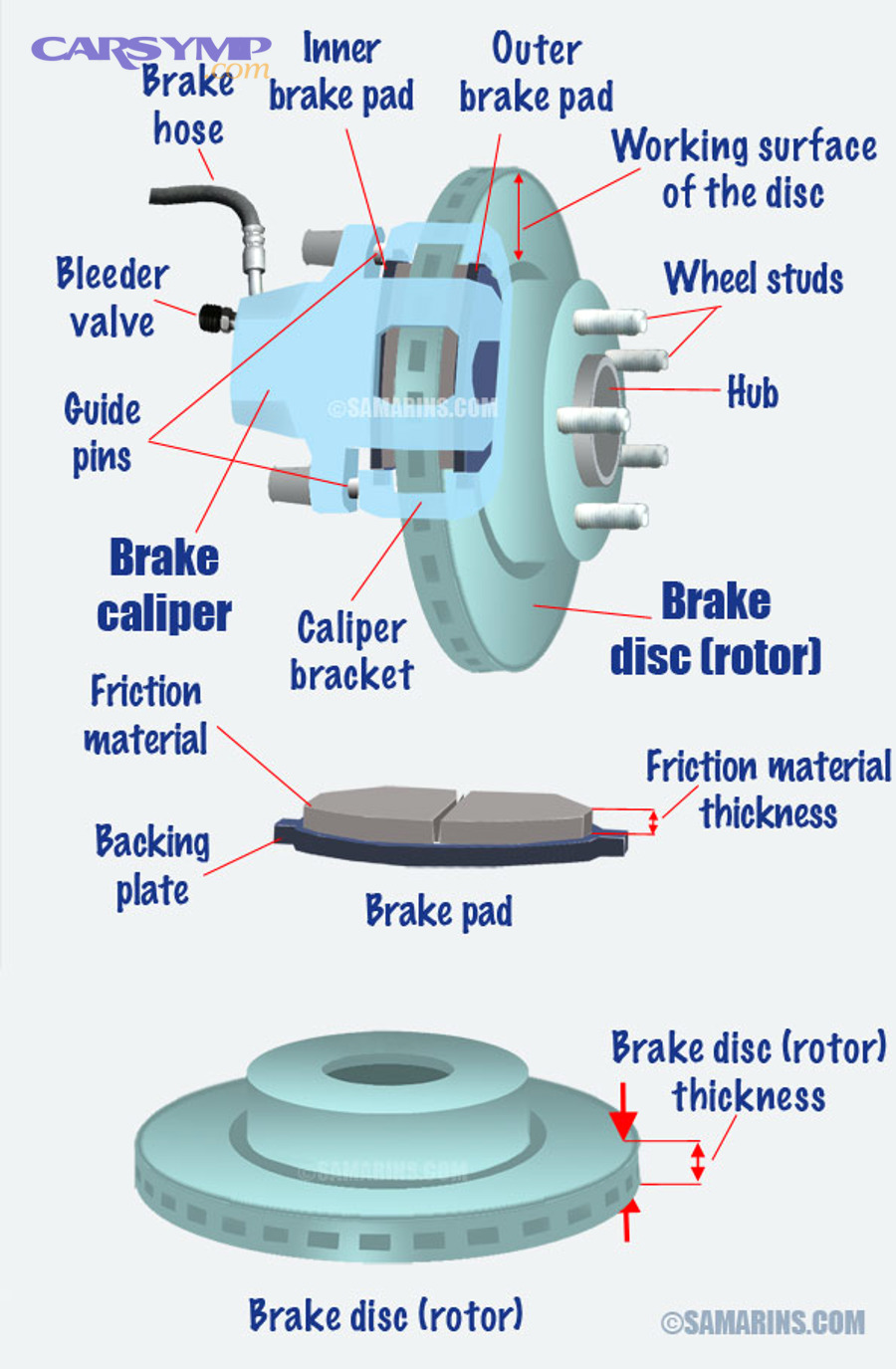
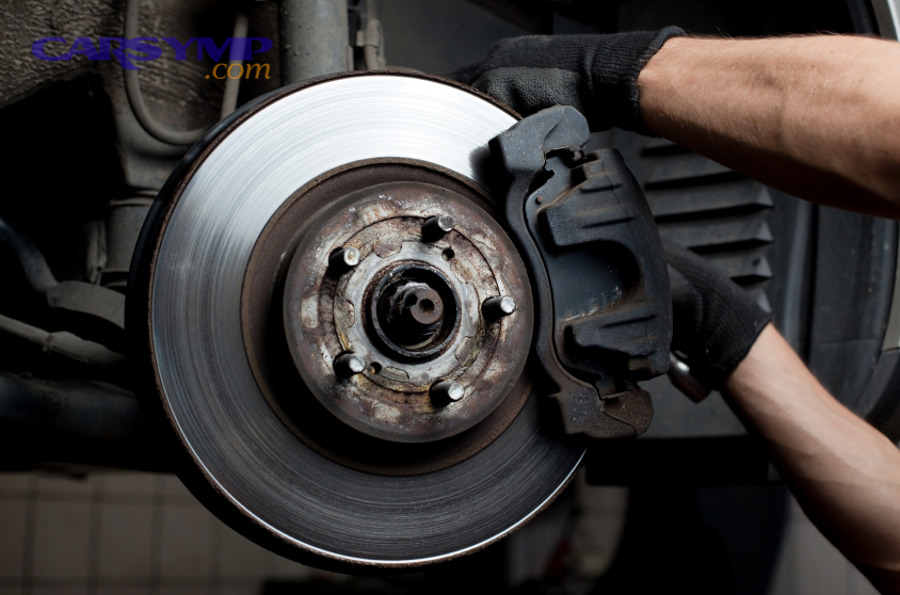
A disc brake system is a hydraulic friction brake where the caliper squeezes pads against a rotor to convert motion into heat, using pads (friction), rotors (heat sink), and calipers (clamping force) as the core working parts.
Specifically, understanding each part helps you recognize what “wear” looks like and what you’re actually buying.
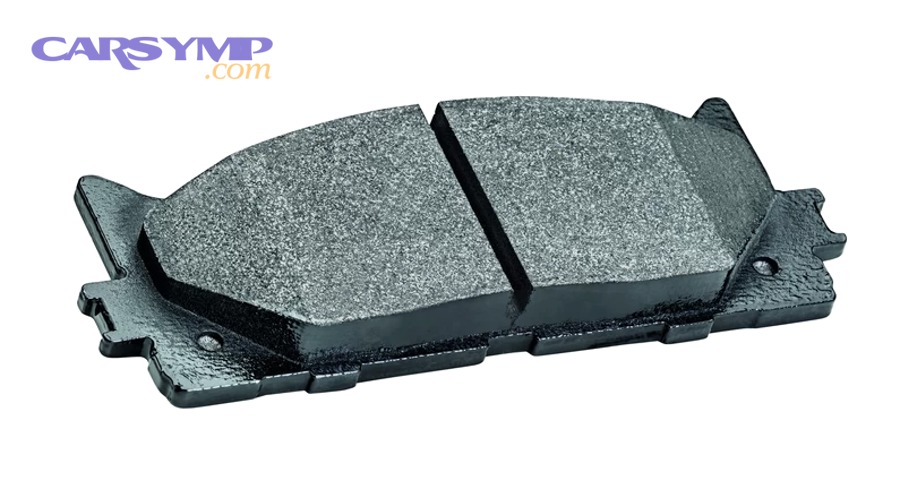
- Brake pads: Replaceable friction material that presses on the rotor. Pads wear down over time; many include wear indicators that squeal when thin.
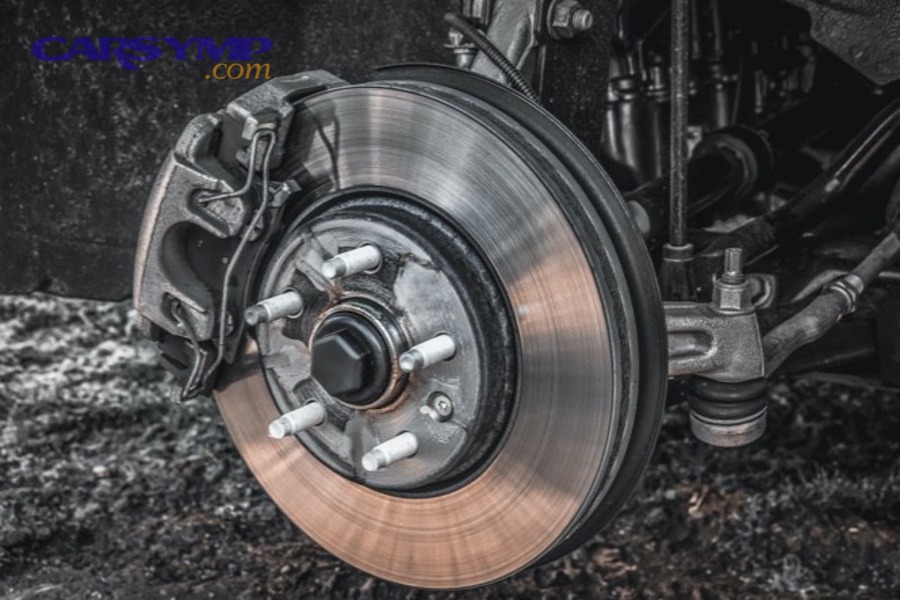
- Rotor (brake disc): The rotating disc attached to the hub/wheel. Rotors can develop grooves, hot spots, thickness variation, or rust edges.
- Caliper: The clamp that holds pads and uses pistons to apply force. Sliding calipers rely on guide pins that must move freely.
- Caliper bracket + hardware: Where pads slide; clips/shims reduce noise and vibration.
- Brake fluid + hoses: Transmit hydraulic pressure from the master cylinder to the caliper pistons.
A disc brake job is rarely just “pads”—it’s pads plus rotor condition, hardware condition, and caliper movement.
What are the main parts of a drum brake system (shoes, drums, wheel cylinders)?
A drum brake system is a friction brake where hydraulic pressure pushes a wheel cylinder to expand brake shoes outward against the inside of a rotating drum, using shoes, drums, springs/hardware, and adjusters as core parts.
Next, knowing drum parts matters because drum braking performance depends heavily on adjustment and hardware condition.
- Brake shoes: Curved friction linings that press outward. Shoes wear down and can glaze if overheated.
- Brake drum: Bowl-shaped rotating surface. Drums can wear oversized, develop grooves, or heat-check.
- Wheel cylinder: Hydraulic cylinder that pushes the shoes apart. Leaks contaminate shoes and reduce braking.
- Return springs and hold-down hardware: Pull shoes back and keep them stable. Weak or rusted springs can cause dragging or noise.
- Adjuster/self-adjuster: Keeps shoe-to-drum clearance correct. Poor adjustment leads to long pedal travel and weak parking brake.
What should you service or replace on disc brakes—and when?
There are 4 main disc brake service items—pads, rotors, caliper hardware/slide pins, and brake fluid—based on wear measurements, braking symptoms, and consistency of pedal feel.
Moreover, the smartest approach is to treat disc brakes as a system so you don’t replace pads while leaving the actual problem untouched.
Should you replace rotors every time you replace pads?
No—you should not automatically replace rotors every time you replace pads, because rotors only need replacement when they are below minimum thickness, have severe scoring/hot spots, or cause vibration from thickness variation or runout.
However, the decision matters because rotors can look “okay” but still create a pulsation that ruins new pads.
Replace or machine rotors when you see:
- Thickness below minimum spec (printed on rotor or in service data).
- Deep grooves, cracks, or heavy heat spots.
- Brake pulsation or steering shake under braking (often linked to disc thickness variation or runout).
- Uneven pad deposits from improper bedding or overheating.
If rotors are smooth, within spec, and braking is quiet and stable, pads-only may be fine—especially on lightly used daily drivers.
Evidence: According to a study by The University of Huddersfield from the School of Engineering, in 2008, researchers recorded heavy judder conditions alongside disc thickness variation and pressure fluctuation during high-speed thermal testing, including a reported 2.49 bar pressure fluctuation tied to judder behavior. (eprints.hud.ac.uk)
What symptoms mean your pads or rotors need replacement (squeal, grinding, vibration)?
There are 6 common symptom groups that signal pad or rotor service: squeal, grinding, vibration, pulling, burning smell/smoke, and increased stopping distance—based on whether friction material remains, whether metal is contacting metal, and whether the rotor surface is stable.
Next, use symptom-to-cause mapping so you service the right part the first time:
- High-pitched squeal: Often pad wear indicators or glazed pads; can also be missing hardware/shims.
- Grinding: Frequently means pads are worn through and metal backing is contacting rotor—urgent.
- Steering wheel shake or pedal pulsation: Often rotor thickness variation/runout or uneven pad deposits.
- Pulling to one side: Possible sticking caliper slide pin, uneven pad wear, or contaminated pad surface.
- Burning smell after braking: Overheating; possible fade; check for dragging caliper.
- Long stopping distance: Worn friction, fluid issues, or traction limitation; should be inspected.
The key is urgency: grinding and sudden loss of pedal feel are not “drive it later” symptoms.
What disc brake maintenance prevents premature wear (slide pins, hardware, fluid)?
Disc brake maintenance prevents premature wear by keeping caliper slide pins moving freely, replacing worn hardware that controls pad movement, and maintaining brake fluid condition to preserve hydraulic consistency under heat.
Specifically, this is where “cheap brake jobs” often cut corners—because hardware and cleaning take time.
Best-practice disc maintenance includes:
- Clean and lubricate slide pins with the correct brake grease; replace boots if torn.
- Replace pad hardware/clips when installing new pads to prevent rattles and uneven pad movement.
- Torque wheels correctly to reduce runout risk and vibration complaints.
- Inspect caliper piston boots for tears and leaks.
- Brake fluid service when fluid is old or contaminated, or when pedal feel degrades under repeated braking.
If you want to plan financially, pair this with a maintenance cost estimate that separates parts, labor, and “must-do” add-ons (hardware kits, fluid, caliper service) so you can see what actually adds value.
What should you service or replace on drum brakes—and when?
There are 4 main drum brake service items—shoes, drums, wheel cylinders, and adjuster/hardware—based on lining wear, drum condition, hydraulic leakage, and pedal travel/parking brake performance.
Besides cost, drum brakes are about adjustment and cleanliness, because contamination ruins braking fast.
Do drum brakes need periodic adjustment, and how do you know they’re out of adjustment?
Yes—drum brakes often need periodic adjustment because shoe-to-drum clearance grows as shoes wear, and you can tell adjustment is off when pedal travel increases, the parking brake needs more clicks, or rear braking feels weak.
Next, understand why adjustment is central: too much clearance delays shoe contact, which delays braking.
Common signs of poor adjustment:
- Longer brake pedal travel before the car slows strongly
- Parking brake lever travels farther or fails to hold on a hill
- Rear brakes feel “late” compared to fronts
- Uneven rear braking after shoe replacement (adjuster not set correctly)
Many modern drums have self-adjusters, but they can seize or fail—especially in rust-belt climates.
When should you replace drums vs resurface drums?
Replacing drums is best when the drum is worn past maximum diameter, has deep scoring or heat checking, or has poor surface stability, while resurfacing can work when the drum is within spec and damage is minor and uniform.
However, the real decision is economic and safety-based, not tradition-based.
Choose resurface when:
- Drum is within diameter spec and has light scoring
- You want to restore a uniform surface for new shoes
- The shop can machine it cleanly without removing too much material
Choose replace when:
- Drum is near or beyond maximum diameter
- Drum is cracked, heavily heat-checked, or severely grooved
- You want predictable results without machining variability
Because drum systems are sensitive to surface condition and adjustment, many drivers see better long-term outcomes from replacing marginal drums rather than resurfacing them “one last time.”
What drum brake symptoms point to wheel cylinder leaks or hardware failure?
There are 5 symptom patterns that often point to wheel cylinder leaks or hardware failure: pulling, grabbing, fluid on the backing plate, a sinking pedal with low fluid, or shoes contaminated with brake fluid.
More importantly, these issues escalate quickly because fluid contamination destroys friction material.
Watch for:
- Brake fluid level dropping with no obvious external leak near calipers
- Wetness inside the drum (on the backing plate)
- Sudden rear brake grabbing or inconsistent engagement
- Pulling under braking that persists after adjustment
- Burning odor from rear wheels from dragging shoes or broken return springs
If shoes are contaminated with brake fluid, replacement is usually the correct fix because cleaning rarely restores safe friction.
What brake parts should you buy (pads, rotors, shoes, drums) for your vehicle and driving style?
There are 3 practical ways to buy brake parts—OEM-equivalent replacements, durability-focused upgrades, and performance-focused upgrades—based on fitment accuracy, noise/dust expectations, and heat load from your driving style.
Next, connect “what you drive” to “what you buy,” because the wrong compound can make brakes noisy, dusty, or short-lived.
Are ceramic brake pads better than semi-metallic pads for most daily drivers?
Ceramic pads are often better for most daily drivers because they typically reduce brake dust and noise, while semi-metallic pads are often best for higher heat loads and heavy braking because they can deliver stronger bite and durability under stress.
However, “better” depends on your priorities and conditions.
Ceramic pads:
- Often quieter with less visible dust
- Often stable for commuter use
- Can feel slightly different in cold conditions depending on formulation
Semi-metallic pads:
- Typically handle higher heat loads better
- Often preferred for towing, mountains, or aggressive driving
- Can be noisier and dustier
If you commute gently and want clean wheels and quiet stops, ceramic is often the comfort choice. If you tow or drive hard downhill, semi-metallic is often the workhorse choice.
Which rotors should you choose: solid vs vented, plain vs slotted/drilled?
Vented rotors win for heat management, plain rotors are best for quiet and value in daily driving, and slotted/drilled designs are most useful for specific performance needs where heat and gas management matter more than noise and longevity.
Meanwhile, many “sport” rotors are purchased for looks rather than measurable daily benefit.
- Vented vs solid: Most front rotors are vented because fronts run hotter; some rears are solid for cost and packaging.
- Plain rotors: Best for most drivers—quiet, predictable, durable.
- Slotted rotors: Can help manage pad surface and debris in repeated high-heat use, but may increase noise and pad wear.
- Drilled rotors: Can crack under severe heat cycles; typically not necessary for daily driving.
A smart buying rule is to prioritize fitment, material quality, and correct thickness over cosmetic patterns.
Should you buy a complete brake kit (pads + rotors + hardware) or individual parts?
Yes—buying a complete brake kit can be the smarter choice because it improves parts compatibility, includes needed hardware, and simplifies decision-making, but individual parts can be better when only one item is truly worn or when you’re matching a specific compound or rotor design.
Next, use your situation to choose the purchase method:
Choose a kit when:
- You want a predictable, matched setup
- Your old hardware is rusted or noisy
- You want fewer “missing piece” delays during installation
Choose individual parts when:
- Rotors are in excellent condition and within spec
- You’re intentionally selecting a specific pad compound
- You’re correcting only one failure item (for example, a seized caliper replacement)
When you compare prices, use How to compare written estimates logic: line-item parts, line-item labor, and explicit add-ons (hardware, fluid, machining) so you can see whether a “cheap” quote is simply missing necessary work.
When should you get brake service now vs later (safety and urgency checklist)?
Yes—some brake symptoms require service now because they indicate rapid loss of friction material, compromised hydraulics, or unsafe stopping distance; you can triage urgency using noise type, pedal feel, warning lights, and visible leakage as the core criteria.
Next, treat urgency as a safety decision, not a convenience decision.
Is it safe to drive if your brakes are squeaking but still stopping normally?
Yes—sometimes it is safe to drive briefly with squeaking brakes because squeal can come from wear indicators, dust, or pad glazing, but you should still schedule inspection soon because squeal can also signal low pad thickness and imminent rotor damage.
However, your goal is to distinguish “annoying” from “dangerous.”
Squeal is more likely non-urgent when:
- It happens only at light braking
- It changes after a rain (surface rust)
- Braking power feels normal and smooth
Squeal is more urgent when:
- It is paired with vibration or pulling
- It becomes constant
- It transitions into grinding
If you’re unsure, assume caution and inspect sooner—because pads are cheaper than rotors and calipers.
What symptoms mean you should stop driving and get the car towed?
There are 5 “stop driving” brake symptoms: grinding metal-on-metal, a sinking/soft pedal, brake warning lights with loss of braking, visible fluid leaks near wheels, or brake fade/near-no-stop moments after repeated braking.
More importantly, these symptoms indicate you may not be able to stop in an emergency.
Stop driving if you have:
- Grinding that persists (likely no friction material left)
- Pedal sinks to the floor or suddenly becomes very soft
- Brake fluid leaking (wet wheel area, puddles under car)
- Brakes lose power on hills after repeated use (possible fade/fluid issues)
- ABS/brake warnings with noticeable braking changes
In these cases, towing is cheaper than a crash—and often cheaper than damage from continuing to drive.
Do you need a brake fluid flush—and how often?
Brake fluid flushes are needed because brake fluid absorbs moisture over time, which lowers boiling point and can reduce braking consistency under heat; most drivers benefit from a mileage/time-based interval that matches their environment and driving load.
To better understand the “why,” think of fluid as the hidden heat weak link: pads and rotors handle heat, but fluid must stay stable under heat too.
A practical way to plan is Maintenance cost by mileage intervals:
- Every 2–3 years (or per manufacturer schedule): consider fluid flush, especially in humid climates or heavy braking use
- After brake component replacement involving hydraulic opening: bleed/flush as needed
- If pedal feel changes under repeated braking: prioritize fluid condition check
Evidence: According to a study by the University of California, Riverside from the Department of Mechanical Engineering, in 2020, researchers reported field testing near major interstates to study brake and tire wear particulate matter and noted that non-exhaust sources like brake wear have become larger contributors to ambient PM2.5 as exhaust PM has declined. (me.ucr.edu)
How much does brake service typically cost, and what’s worth paying for?
Brake service cost is driven by axle location, brake type (disc vs drum), parts quality tier, and labor complexity, and it’s worth paying for correct fitment, proper hardware service, and verified rotor/drum condition because those choices protect braking performance and prevent repeat repairs.
Then, to keep costs predictable, you need to separate “essential” from “optional” work.
A useful maintenance cost estimate framework breaks your quote into:
- Parts: pads/shoes, rotors/drums, hardware, calipers/wheel cylinders (if needed)
- Labor: install time by axle and brake type
- Fluids/services: brake fluid bleed/flush, rotor resurfacing (if applicable), cleaning/lube
- Taxes/fees: shop supplies, disposal fees (varies by shop)
Is paying more for premium pads/rotors actually worth it for daily driving?
Yes—paying more can be worth it for daily driving because premium pads and rotors often reduce noise/vibration, improve consistency over heat cycles, and last longer, but the best value comes from choosing the right compound and ensuring the installation includes hardware and caliper service.
However, “premium” only helps when it aligns with your driving profile.
Premium often pays off when:
- You hate squeal and want quieter braking
- You drive hills or brake heavily in traffic
- You keep cars long-term and want fewer repeat jobs
Budget parts can be fine when:
- You drive lightly and prioritize lowest upfront cost
- You verify fitment and avoid unknown brands with inconsistent formulations
The hidden value is reduced comebacks: noise complaints and vibration complaints often stem from hardware, rotor condition, and installation quality—not only pad price.
What’s included in a proper brake job (and what shortcuts should you avoid)?
A proper brake job includes correct-fit friction parts, rotor/drum condition verification, new hardware where needed, caliper/adjuster function checks, and a test-drive confirmation, while shortcuts include reusing damaged hardware, skipping slide-pin service, and ignoring rotor/drum specifications.
More importantly, shortcuts create the “new brakes still feel bad” problem.
A proper brake job typically includes:
- Inspecting and measuring pad/shoe thickness
- Measuring rotor thickness and checking rotor surface condition
- Servicing caliper slide pins and replacing worn boots/hardware
- Confirming drum brake adjustment and hardware integrity
- Bleeding/servicing fluid when needed
- Road test to confirm noise, vibration, and braking balance
To protect yourself financially, apply How to compare written estimates: request the same line items across shops (pads/shoes, rotors/drums, hardware, fluid service, caliper service) so you compare apples to apples, not “mystery cheap” to “complete job.”
Contextual Border: You now have the core answers: disc vs drum differences, how to identify your setup, what to service, what to buy, and when it’s urgent. Next comes micro-detail that helps solve repeat problems and special cases.
What uncommon brake issues cause repeat repairs—and how can you prevent them?
Uncommon repeat brake issues usually come from disc thickness variation/runout, missing NVH hardware, corrosion-driven sticking calipers, or uneven pad wear patterns, and prevention depends on correct installation torque, clean mounting surfaces, proper lubrication, and correct bedding practices.
Next, treat repeat issues as “system behavior,” not “bad luck.”
Can “warped rotors” be a myth—and what actually causes vibration after a brake job?
Yes—“warped rotors” is often a misleading label because many vibration complaints come from disc thickness variation, runout, or uneven friction deposits rather than a rotor bending like a potato chip.
However, the practical takeaway is simple: you can prevent many pulsation problems with cleanliness and correct torque.
Common real causes of vibration:
- Runout from rust or debris between rotor and hub
- Uneven pad deposits from overheating or improper bedding
- Incorrect wheel torque causing distortion or uneven clamp load
- Rotor thickness variation developing over time
Prevention habits that work:
- Clean hub mating surfaces
- Use a torque wrench and correct pattern
- Verify rotor seating and caliper movement
- Bed pads properly after installation when recommended
Evidence: According to a study by The University of Huddersfield from the School of Engineering, in 2008, researchers observed disc thickness variation behavior alongside heavy judder conditions during thermal testing, linking deformation behavior to measurable pressure fluctuation at the caliper. (eprints.hud.ac.uk)
Why do brakes squeal even with new pads, and which hardware fixes it?
New brakes can squeal because vibration control depends on hardware condition, pad compound behavior, and caliper movement—not just pad thickness—so the most effective fixes usually involve correct shims/clips, proper lubrication points, and clean pad sliding surfaces.
Next, focus on the friction interface and the vibration path.
Squeal causes to check:
- Missing or worn anti-rattle clips/shims
- Dry or seized slide pins
- Pads not sliding freely in the bracket (rust buildup)
- Glazing from gentle braking only (no bedding)
- Rotor surface irregularities
Hardware fixes that often matter:
- New hardware kit (clips/shims) with new pads
- Correct high-temp brake grease on approved contact points (not on friction surface)
- Bracket cleaning to bare metal where pads slide
When a shop quotes parts, ask whether hardware is included—this is where written estimates differ.
Do hybrids/EVs need different brake maintenance because of regenerative braking?
Yes—hybrids and EVs can need different brake maintenance because regenerative braking reduces friction brake use, which can increase corrosion and sticking hardware issues, so periodic cleaning and inspection becomes more important even if pads last longer.
Meanwhile, many EV drivers confuse “long pad life” with “no brake service required.”
Common hybrid/EV brake quirks:
- Rust buildup on rotors from low-use friction braking
- Caliper slide pin sticking from time and corrosion
- Noise from surface rust that appears after rain or long parking
A simple prevention approach is to include periodic brake inspections and occasional firm braking (when safe) to keep surfaces clean—aligned with the vehicle maker’s recommendations.
What causes uneven pad wear (inside vs outside) and how do you stop it?
Uneven pad wear is usually caused by sticking slide pins, a binding caliper piston, or rust-jacking in the bracket that prevents pads from moving evenly, and you stop it by restoring free movement, replacing worn hardware, and correcting contamination or corrosion.
More importantly, uneven wear is an early warning that a “pads-only” approach may fail.
Common patterns and causes:
- Inside pad worn faster (sliding caliper): frozen slide pins or piston not retracting
- Outside pad worn faster: bracket binding or pad not sliding
- One wheel wears faster than the other: caliper drag or hose restriction
Fixes that hold:
- Replace/clean/lube slide pins and boots
- Clean bracket lands and install new hardware
- Replace caliper if piston binds or boots are damaged
- Verify proper torque and assembly alignment
Evidence (health micro-context): According to a study by the University of Southampton, in 2025, researchers found that particulate matter from certain brake pad types—particularly non-asbestos organic pads—showed higher toxicity effects on human lung cells than diesel exhaust particles in their testing, with copper content linked to increased harmful effects. (southampton.ac.uk)