


Skipping maintenance doesn’t usually feel like a decision—it feels like nothing happened, so it must be fine. The truth is simpler: the most commonly skipped car maintenance items are predictable, repeatable, and easy to catch if you use a checklist that focuses on fluids, filters, belts, brakes, tires, and basic inspections.
Most drivers also want to know why these overlooked items matter, because “recommended service” can sound vague until you connect it to real outcomes like overheating, brake fade, poor HVAC airflow, or a dead battery on a cold morning. Once you see the cause-and-effect chain, it’s much easier to prioritize.
Then there’s the timing question: how often should you do each service? The right answer depends on mileage, time, and driving conditions (short trips, towing, extreme heat/cold), so the best approach is a simple baseline schedule with clear triggers that move an item higher on your list.
Introduce a new idea: the fastest way to stop skipping maintenance is to separate “maintenance” from “repairs,” rank items by safety and cost risk, and verify gaps with records and quick inspections—so you spend money intentionally, not reactively.
What car maintenance items are most commonly skipped by everyday drivers?
There are 6 main groups of commonly skipped car maintenance items—fluids, filters, belts, brakes, tires, and battery/visibility checks—because drivers tend to prioritize what’s loud or broken and delay what’s quietly degrading.
Next, to make this checklist practical, you’ll see each group broken into high-impact items and simple “what to look for” cues.
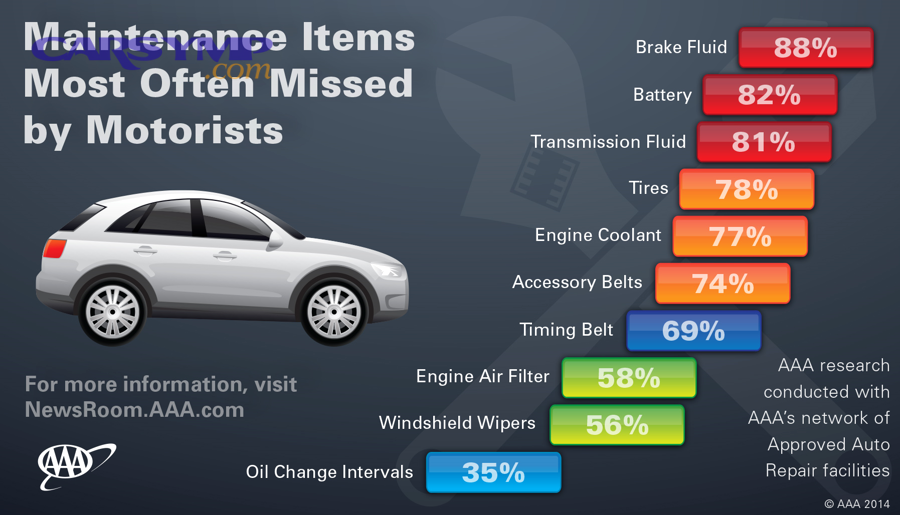
Which fluids are most often neglected (brake, coolant, transmission), and what happens if you ignore them?
Fluids are skipped because they “look fine” from the outside, but they change chemically and physically with heat cycles, moisture, and wear.
To illustrate the risk clearly, focus on the three fluids that most often convert “maintenance” into expensive repairs:
1) Brake fluid (often ignored until braking feels wrong)
Brake fluid is hygroscopic in most modern cars (it absorbs moisture over time), and moisture lowers the fluid’s boiling point—exactly what you don’t want when brakes get hot.
- What ignoring it can lead to: softer pedal feel, reduced braking performance under heat (“fade”), corrosion inside brake components.
- Quick triggers to do it sooner: dark fluid, unknown service history, track days/mountain driving, long downhill routes, or any brake hydraulic work.
Evidence: According to a study by M. Ibrahim from Sensors (2024), brake fluid typically absorbs moisture at a rate of ~1% or more per year, and water content meaningfully reduces boiling point in glycol-based brake fluids. (pmc.ncbi.nlm.nih.gov)
2) Engine coolant (often ignored until overheating or leaks)
Coolant is not just “green liquid.” It carries heat, protects against freezing, and includes corrosion inhibitors that weaken with time.
- What ignoring it can lead to: overheating, internal corrosion, water pump wear, radiator issues, heater core problems.
- Quick triggers: crusty residue around hoses, sweet smell, rising temp gauge, low reservoir levels, frequent top-offs.
3) Transmission fluid (often called “lifetime,” so it gets skipped)
Transmission fluid deals with heat, friction, and pressure. Even if a manufacturer uses long intervals, severe use (towing, heat, stop-and-go) accelerates breakdown.
- What ignoring it can lead to: rough shifting, slipping, premature wear.
- Quick triggers: towing, frequent mountain driving, burnt smell, jerky shifts, unknown prior maintenance.
A practical note: some vehicles also have differential/transfer case fluid (AWD/4WD) and power steering fluid (where applicable). These are easy to forget because they’re not part of “oil-change culture,” but they’re still fluids doing hard work.
Which filters do people forget (engine air, cabin air, fuel), and how do they affect performance and HVAC?
Filters are the easiest skipped items to fix because many are low-cost, visible, and fast to replace—yet they cause “mystery” symptoms when clogged.
More specifically, the most overlooked filters are:
1) Cabin air filter (comfort + safety)
This filter affects HVAC airflow, defogging performance, and interior air quality.
- What you’ll notice when it’s overdue: weak airflow even with fan high, musty smells, foggy windows that clear slowly, more dust inside.
2) Engine air filter (efficiency + drivability)
A clogged filter restricts airflow and can contribute to sluggish performance (especially under load).
- What you’ll notice: reduced responsiveness, poorer mileage, dirty filter media when inspected.
3) Fuel filter (when serviceable—varies by vehicle)
Some modern vehicles use in-tank filters that aren’t routine service items, while others have serviceable fuel filters.
- What you’ll notice (when it applies): hesitation, poor acceleration, difficulty starting.
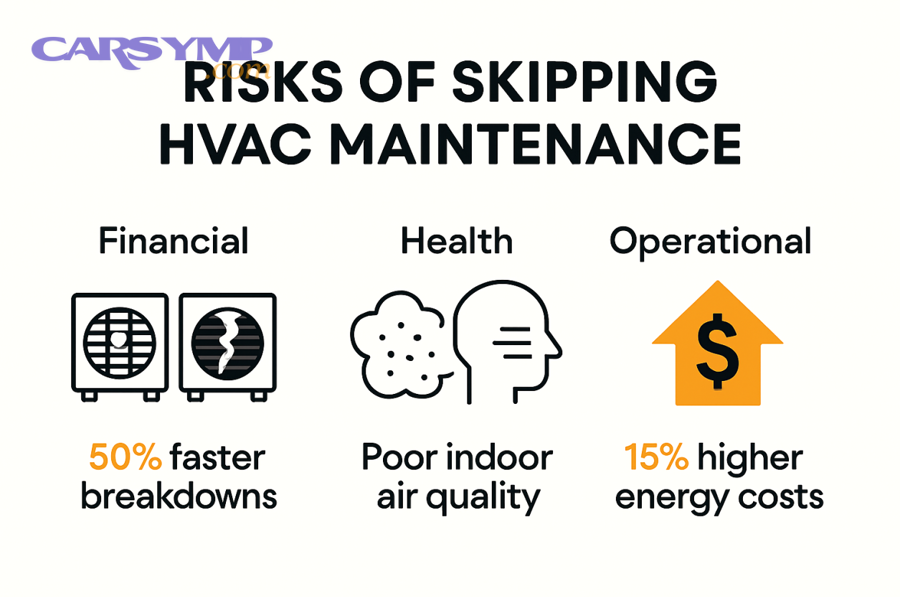
Which belts and related wear items are overlooked (serpentine belt, timing belt intervals, tensioners)?
Belts are commonly skipped because they can look “okay” right up until they don’t, and when they fail, they can strand you immediately.
Then, to prioritize correctly, separate belts into two categories with very different consequences:
1) Serpentine belt (accessory belt)
This belt drives accessories like the alternator, power steering pump (in some vehicles), and A/C compressor.
- What failure can cause: loss of charging (dead battery), loss of power steering assist (vehicle-specific), overheating (if water pump is belt-driven).
- What to check: cracks, glazing, fraying, squeal on startup, visible wear; also inspect the tensioner and idler pulleys.
2) Timing belt (vehicle-dependent; timing chain is different)
A timing belt’s job is synchronization. In many engines, a broken timing belt can cause internal engine damage (interference engines).
- Why it’s skipped: it’s not always visible, and it’s expensive compared to quick services.
- What to do: follow the manufacturer interval or treat unknown history as “due,” especially on used cars.
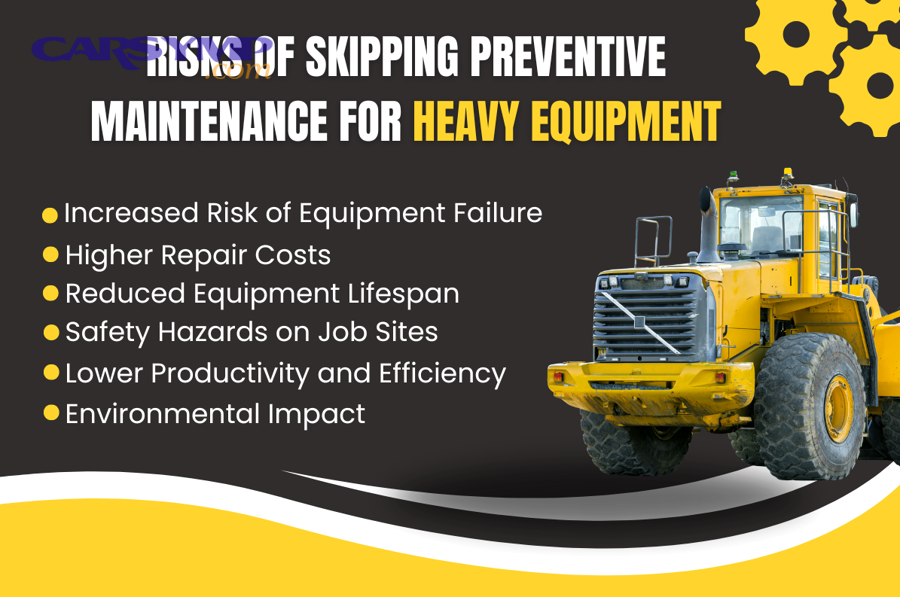
Is “overlooked maintenance” different from “repairs,” and why does that distinction matter?
Yes—overlooked maintenance is planned prevention, while repairs are reactive fixes after deterioration has already created a failure, and the distinction matters because maintenance usually buys predictability and lower risk.
Besides, once you see how skipped maintenance turns into repairs, it becomes easier to choose the right services and avoid paying for surprises.
What does “preventive maintenance” mean in plain English?
Preventive maintenance is a routine action you take before parts fail—like changing fluids, replacing filters, rotating tires, or inspecting belts—so the car keeps performing within its designed operating range.
For example:
- Replacing brake fluid helps maintain hydraulic performance and reduce internal corrosion.
- Replacing a cabin filter restores airflow and defogging capability.
- Replacing a worn serpentine belt prevents sudden loss of alternator charging.
The standout feature of preventive maintenance is that it targets wear progression (the predictable decay curve), not the failure event itself.
What are the most expensive “snowball” failures caused by skipped maintenance?
There are 5 common snowball failures that often begin with a skipped maintenance item and end with a major repair:
- Overheating chain reaction (coolant neglect → overheating → gasket/engine damage)
- Brake system degradation (old brake fluid + corrosion → expensive hydraulic component issues)
- Transmission wear escalation (fluid breakdown + heat → shift issues → internal wear)
- Timing belt catastrophe (missed interval → belt failure → potential internal engine damage)
- Tire cost acceleration (poor inflation/alignment → uneven wear → early replacement)
To make this concrete, it helps to think in terms of a maintenance cost estimate that compares “routine service now” vs “repair later.” The numbers vary widely by vehicle and region, but the pattern is stable: prevention is cheaper than failure.
Evidence: According to research summarized by AAA in its Your Driving Costs materials, “maintenance, repair & tires” are treated as a recurring operating cost category measured per mile, reinforcing that these are expected ongoing expenses—not rare events. (newsroom.aaa.com)
Which skipped items are safety-critical vs “nice to have”?
Safety-critical items are those that directly affect stopping, steering control, traction, and visibility, while “nice to have” items usually affect comfort or convenience first.
More importantly, this ranking helps you act fast when time and budget are limited.
Here’s a simple prioritization table to guide decision-making. (This table groups overlooked maintenance items by risk impact so you can decide what to do first.)
| Priority Tier | What it protects | Commonly skipped items in this tier |
|---|---|---|
| Tier 1: Safety-critical | braking, traction, visibility, control | tire pressure/condition, brakes, brake fluid condition, lights, wipers |
| Tier 2: Reliability-critical | prevents breakdowns and major damage | coolant health, serpentine belt/tensioner, battery/charging, transmission service (use-dependent) |
| Tier 3: Comfort/efficiency | air quality, HVAC performance, minor drivability | cabin air filter, engine air filter, minor fluid top-offs |
Should you prioritize brake fluid and tires over other services?
Yes—you should prioritize brake fluid and tires because they directly influence braking performance, traction, and the car’s ability to respond safely in emergencies, and they also tend to degrade quietly.
However, the practical reason is even simpler: you can’t “drive around” missing traction or braking capability.
Three clear reasons to prioritize them:
- Tires are your only contact with the road, and small changes in pressure and wear affect grip, stopping distance, and stability.
- Brake fluid condition affects braking consistency, especially under heat, because water contamination lowers boiling point. (pmc.ncbi.nlm.nih.gov)
- Both are easy to check frequently, which means you can reduce risk without waiting for a shop visit.
To illustrate the everyday impact, underinflation is not rare—it’s common.
Evidence: According to NHTSA guidance on tire safety, only 19% of consumers properly inflate their tires, and proper inflation can extend average tire life by 4,700 miles. (nhtsa.gov)
This is also where “tires over a year” becomes a useful planning idea: if you track pressure monthly and rotate on schedule, you’re far more likely to get a full year (or more) of even wear rather than paying early for uneven replacement.
What maintenance can you delay briefly without major risk—and what should never be postponed?
Brake and tire issues should never be postponed, while some comfort and minor efficiency items can be delayed briefly if you have no warning signs.
Meanwhile, the safe approach is to delay only items that do not threaten control or damage the engine quickly.
Never postpone (high risk):
- Low tire pressure, bulges, exposed cords, severe uneven wear
- Brake warning light, grinding/squealing, pulling, very soft pedal
- Overheating, coolant loss, steam, temperature gauge climbing
- Charging system warnings (battery light), repeated no-start events
Can delay briefly (lower immediate risk, if no symptoms):
- Cabin air filter replacement (unless defogging/airflow is compromised)
- Engine air filter (unless very clogged or drivability is affected)
- Minor cosmetic services
A real-world note: costs also vary by region. The Regional labor rate impact on maintenance costs is often the difference between “I’ll do it now” and “I’ll wait,” because the same service can cost meaningfully more in higher labor-rate markets—even if parts are identical.
How often should you do these overlooked services (miles, months, and driving conditions)?
Overlooked services should be scheduled using a time-or-mileage rule plus a driving-condition modifier, because many maintenance items degrade with time even if you don’t drive much.
Next, you’ll get a simple baseline cadence that works for most drivers, plus “severe service” triggers that shorten intervals.
What’s a simple interval rule-of-thumb for everyday driving?
A simple rule-of-thumb is to use three layers of cadence: monthly checks, seasonal checks, and annual/interval services—then adjust based on your owner’s manual.
Monthly (10 minutes, mostly visual):
- Tire pressure and quick tread look
- Lights and wipers
- Fluid level glance (coolant reservoir, washer fluid; oil level if dipstick-equipped)
- Look for new leaks under the car
Seasonal (every 3–6 months):
- Tire rotation (often aligns with oil changes for convenience)
- Cabin air filter check
- Battery terminals check for corrosion
- Belts/hoses visual inspection
Annual / long-interval (vehicle-specific):
- Brake fluid condition review (time-based concerns matter)
- Coolant condition review
- Transmission service consideration based on use and manual guidance
- Spark plugs (varies widely by engine)
This is not meant to replace the manufacturer schedule; it’s meant to stop “blind spots” that lead to skipped maintenance.
When does your car fall into “severe service” (short trips, towing, heat/cold), and how does that change intervals?
Severe service means your car regularly operates in conditions that increase heat cycles, contamination, load, or corrosion risk, so you should shorten certain intervals accordingly.
For example, “short trips” sound easy, but they can be hard on fluids because the engine and exhaust may not fully warm up long enough to evaporate moisture.
Common severe-service triggers:
- Frequent short trips (engine rarely reaches full operating temp)
- Stop-and-go traffic (heat + braking + idling)
- Towing or heavy loads
- Mountain driving (long climbs/descents)
- Extreme heat or extreme cold
- Dusty or polluted environments
How it changes your plan: you prioritize fluid condition checks sooner, rotate tires more consistently, and pay closer attention to brakes and cooling.
Which warning signs mean you should do maintenance sooner than the schedule?
There are 8 common warning signs that should move maintenance from “later” to “now,” because they often indicate accelerated wear or an active problem.
- Temperature gauge rising or frequent coolant top-offs
- Soft brake pedal or braking changes under repeated stops
- Vibration at speed (could be tires, balance, alignment, suspension)
- HVAC airflow weak even at high fan (often cabin filter)
- Battery slow crank or electrical glitches
- Burnt smell after driving (fluids, brakes, belt slip)
- Whining/squeal at startup (belt/tensioner or pulleys)
- Rough shifting or delayed engagement (transmission concerns)
If any of these appear, treat the owner’s manual interval as a ceiling, not a target.
Can you verify skipped maintenance from records and a quick inspection before you pay for anything?
Yes—you can verify skipped maintenance by combining service records, a fast visual inspection, and condition-based questions, and this reduces both unnecessary spending and missed high-risk items.
To better understand how to do this quickly, use the three-part system below: records → DIY check → shop verification.
What should you check in your maintenance records to spot gaps fast?
There are 3 main record gaps that signal skipped maintenance: missing time-based fluid services, missing wear-item replacements, and “unknown history” on big-ticket intervals.
Specifically, scan receipts and history for:
- Brake fluid service date (often absent)
- Coolant service (often missing on used cars)
- Transmission service (often not done if called “lifetime”)
- Cabin/engine air filter replacements (often ignored)
- Serpentine belt inspection/replacement (rarely documented unless replaced)
- Timing belt proof (critical: invoice, mileage, date)
If you can’t find proof for a timing belt replacement on an engine that uses one, treat it as “unknown,” which often means “due soon” for risk management.
What are the easiest DIY checks you can do in 10 minutes (no tools)?
There are 7 quick DIY checks that catch the majority of commonly skipped items without tools.
Then, once you build the habit, you’ll stop being surprised by “sudden” issues.
- Tire pressure (use a simple gauge; match door-jamb spec)
- Tread wear (look for uneven wear patterns and wear bars)
- Lights (walk around: headlights, brake lights, turn signals)
- Wipers (streaking, tearing, chattering)
- Fluid leaks (new puddles, wet spots, crusty residue)
- Cabin filter access (many are behind glove box; check debris level)
- Belt glance (visible cracking/fraying; listen for squeal)
Remember: these checks don’t replace a professional inspection—they prevent you from skipping the obvious.
What should you ask a mechanic to confirm you’re not upsold?
There are 5 questions that keep maintenance honest because they force condition-based evidence instead of vague urgency.
Moreover, these questions help you compare shops fairly when pricing varies.
- “What did you measure or test to recommend this?” (thickness, moisture test, photos)
- “Can you show me the part/fluid condition?” (old filter, fluid color, belt cracking)
- “Is this time-based, mileage-based, or symptom-based?” (clarifies urgency)
- “What happens if I wait 3 months?” (forces risk explanation)
- “Can you itemize parts vs labor?” (helps you understand the quote)
This is where regional pricing matters again: labor can dominate certain services, so two identical maintenance plans can produce different totals. That’s the practical Regional labor rate impact on maintenance costs in action—especially for belt-driven and fluid-exchange services that take time.
If you want a quick personal budgeting lens, ask for a “best case / recommended / urgent” tiered quote. That gives you a clear maintenance cost estimate that matches your risk tolerance instead of a single all-or-nothing number.
How do modern car types change what gets overlooked (hybrids, EVs, AWD/4WD, direct-injection engines)?
Modern vehicle types change overlooked maintenance because new drivetrains add hidden fluids and systems, while marketing terms like “lifetime” can hide long-interval needs.
Below, you’ll see the high-impact differences for AWD/4WD, hybrids/EVs, “lifetime fluids,” and direct-injection engines—so your checklist matches your actual car.
What maintenance is commonly missed on AWD/4WD vehicles (differential and transfer case fluids)?
AWD/4WD vehicles commonly miss differential and transfer case fluid service because these components are out of sight and rarely mentioned at quick-service shops.
Specifically, these fluids handle heat and load, and severe use (towing, mountains, off-road) accelerates breakdown.
Practical triggers:
- You tow or carry heavy loads regularly
- You drive long mountain grades
- You notice driveline vibration, binding, or unusual noises (get inspected)
Even if your vehicle calls it long-interval, unknown history is the main risk factor on used AWD/4WD vehicles.
Which items are different on hybrids and EVs (coolant loops, cabin filters, brake service patterns)?
Hybrids and EVs still need maintenance, but the emphasis shifts: brakes may wear slower due to regenerative braking, while cabin filters and coolant systems remain important.
More specifically:
- Brakes: pads may last longer, but brake fluid still ages with time and moisture. (pmc.ncbi.nlm.nih.gov)
- Cabin filter: still clogs from dust/pollen; HVAC performance still depends on it.
- Cooling: hybrids/EVs can have multiple coolant loops for power electronics and battery thermal management (vehicle-specific).
The key is not “less maintenance,” but “different maintenance priorities.”
Is “lifetime fluid” really lifetime, or just “long interval”?
No—“lifetime fluid” is usually best understood as a long-interval fluid under normal conditions, not a promise that fluid never degrades.
However, many manufacturers define “lifetime” within a warranty or design-life context, and severe service can shorten the practical interval.
A safe way to handle it:
- Follow the owner’s manual schedule first.
- If you have severe service use, shorten intervals logically.
- If history is unknown on a used vehicle, prioritize condition checks and risk-critical services.
Do direct-injection engines have unique overlooked maintenance (intake deposits), and what are the signs?
Yes—some direct-injection engines can have intake valve deposit concerns because fuel no longer washes the back of valves the way port injection did, and the signs often look like “general drivability issues.”
Meanwhile, this is not universal across all engines; it’s vehicle- and design-dependent.
Possible signs (when relevant):
- Rough idle, hesitation, misfires under load
- Reduced performance and efficiency over time
- Check engine light with misfire-related codes
If you suspect this, treat it as diagnosis-driven rather than checklist-driven—because the correct remedy depends on the engine design and symptoms.
Evidence (if any)
- According to a study by M. Ibrahim from Sensors, in 2024, brake fluid typically absorbs moisture at a rate of ~1% or more per year, and increased water content reduces boiling point in glycol-based brake fluids. (pmc.ncbi.nlm.nih.gov)
- According to NHTSA tire safety guidance, only 19% of consumers properly inflate their tires, and proper inflation can extend average tire life by 4,700 miles. (nhtsa.gov)
- According to AAA materials related to Your Driving Costs, “maintenance, repair & tires” are treated as a recurring operating cost category measured per mile, reinforcing the need to budget for routine upkeep. (newsroom.aaa.com)