


You can reduce car maintenance costs safely by focusing on the few maintenance habits that prevent expensive failures—especially in oil service, tires, and brakes—while avoiding “cheap fixes” that quietly increase risk and shorten component life. )
To make those savings real, you also need a simple way to prioritize which items protect safety the most, so you spend money where it matters and skip only what is truly unnecessary. )
Because price varies by shop and parts choice, you’ll also learn how to compare written estimates, when a dealer is worth it, and what DIY tasks are genuinely low-risk for everyday drivers. )
Introduce a new idea: once you understand the “safe savings” framework, you can turn it into a maintenance cost estimate you’ll actually follow—and use service history as a tool for Using service records to predict costs before they surprise you.

What does it mean to “reduce car maintenance costs safely” (and what is the goal)?
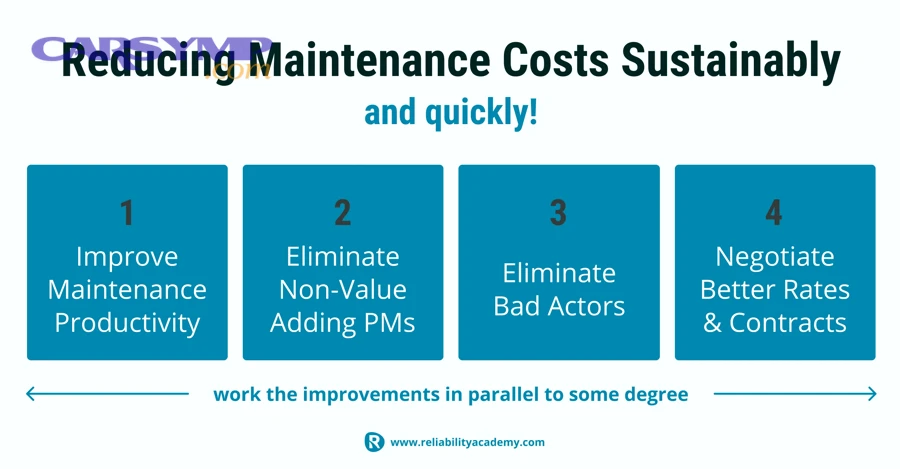
Reducing car maintenance costs safely means lowering your total maintenance spend without increasing the chance of breakdowns or safety-related failures, by prioritizing preventive tasks that protect reliability, stopping performance, and heat management. )
Next, to keep savings “safe” instead of “cheap,” you need a clear definition of what you’re trying to reduce and what you should never gamble with.
What are “maintenance costs” vs “repairs,” and which one can you realistically control?
Maintenance costs are predictable, scheduled expenses (fluids, filters, tires, brake wear items), while repairs are reactive fixes after wear or failure; you control maintenance most directly because timing and prevention are your biggest levers. ([aaa.com](https://www.aaa.com/autorepair/articles/10-car-maintenance-tips-to-help-prevent-major-repairs?))
Specifically, think of your car’s money story in three buckets:
- Routine consumables: oil and filter, engine/cabin air filters, wiper blades, and basic inspections.
- Wear items: tires, brake pads/rotors, battery, belts (where applicable), and suspension components over time.
- Failure-driven repairs: overheating damage, neglected brake wear, or running low fluids until parts fail.
The safest cost reductions almost always come from shifting dollars away from failure-driven repairs and into small, consistent routine checks. That trade works because a $10 habit (like monthly tire pressure checks) can prevent hundreds of dollars in premature tire wear, fuel waste, and related stress on the suspension.
Is it ever safe to delay maintenance to save money?
Yes—it can be safe to delay some maintenance when your car is not showing symptoms, you stay within manufacturer guidance, and you prioritize safety-critical items first; the three biggest reasons are risk level, condition signals, and consequence severity. )
However, the word “delay” needs guardrails. Here’s a practical, safety-first way to decide:
- Safe(ish) short delays (when condition is good): cabin air filter, cosmetic items, and some “nice-to-have” services when you can verify there’s no performance issue.
- Not safe to delay: tire pressure problems, low tread, brake noises or vibration, coolant loss, warning lights, or any fluid leak. These can change from “fine” to “dangerous” fast.
- Delay only with verification: oil interval stretching should follow your owner’s manual and your driving conditions, not a guess. ([saemobilus.sae.org](https://saemobilus.sae.org/papers/advanced-synthetic-passenger-vehicle-engine-oils-extended-oil-drain-performance-981444?))
To illustrate why safety comes first, underinflated tires don’t just waste fuel—they also alter handling and braking. A cost-saving delay that increases stopping distance is not a savings plan; it’s a risk plan.
Which maintenance items save the most money and protect safety the most?
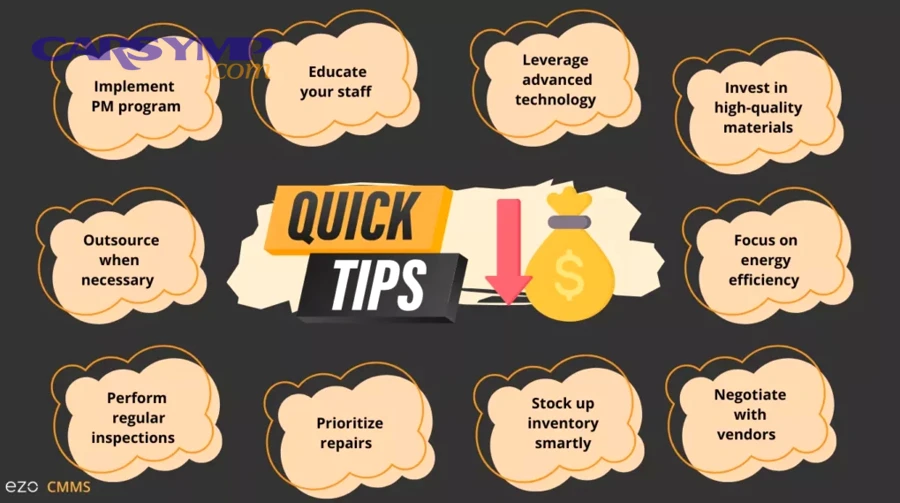
There are 5 main high-impact areas that save money safely—tires, brakes, engine oil, fluids & cooling, and early inspections—because they reduce both failure risk and total cost per mile. ([aaa.com](https://www.aaa.com/autorepair/articles/10-car-maintenance-tips-to-help-prevent-major-repairs?))
Then, once you know where the leverage is, you can rank your time and budget around what prevents the biggest “avoidable” bills.
Which three areas matter most for safe savings: oil, tires, or brakes?
Tires win for ongoing cost-per-mile and safety influence, brakes are best for direct safety protection, and oil wins for long-term engine reliability—so the optimal plan is to keep all three in a simple, repeatable routine. ([energy.gov](https://www.energy.gov/eere/vehicles/articles/fact-983-june-26-2017-proper-tire-pressure-saves-fuel?))
More specifically, each one saves money differently:
- Tires: correct pressure and rotation prevent premature replacement and reduce fuel waste. An ORNL-backed Department of Energy fact sheet reports fuel economy is about 2–3% lower when all four tires are at 75% of recommended pressure. ([energy.gov](https://www.energy.gov/eere/vehicles/articles/fact-983-june-26-2017-proper-tire-pressure-saves-fuel?))
- Brakes: early pad replacement can prevent rotor damage; ignoring noise can turn a “pads” job into a “pads + rotors + caliper” bill.
- Oil: correct oil spec and interval protect against wear and sludge; cheap oil or wrong viscosity can cost you far more than the savings. ([saemobilus.sae.org](https://saemobilus.sae.org/papers/advanced-synthetic-passenger-vehicle-engine-oils-extended-oil-drain-performance-981444?))
What maintenance items are often skipped—and why that becomes expensive later?
There are 7 commonly skipped maintenance items—tire rotation, tire pressure checks, brake inspections, fluid level checks, cabin/engine air filters, alignment checks, and battery testing—because they feel “optional,” yet they often prevent the most costly surprises. ([aaa.com](https://www.aaa.com/autorepair/articles/10-car-maintenance-tips-to-help-prevent-major-repairs?))
Besides being skipped, these items share one trait: they fail quietly before they fail loudly.
- Tire rotation: uneven wear shortens tire life; over time, that means paying for tires sooner than expected.
- Alignment checks: a slight pull can shred a tire shoulder—so you pay for tires and still have the underlying problem.
- Brake fluid/inspection: worn pads can damage rotors; old fluid can reduce consistent pedal feel under heat.
- Coolant level checks: small leaks can lead to overheating events—one of the fastest ways to turn “maintenance” into “major repair.”
According to a study by Williams College (Office of Sustainability), in 2010, under-inflated tires were associated with a fuel economy reduction of about 0.3% per 1 psi decrease across all four tires (based on Department of Energy statistics referenced in the report). ([sustainability.williams.edu](https://sustainability.williams.edu/files/2010/09/TirepressureBaldwin.pdf?))
How can you cut costs on oil service without increasing engine wear?
You can cut oil-service costs safely by following the correct oil specification, choosing a quality filter, using the right interval for your driving conditions, and avoiding unnecessary add-ons—because these steps protect wear control without paying for “extras” that don’t improve outcomes. ([aaa.com](https://www.aaa.com/autorepair/articles/10-car-maintenance-tips-to-help-prevent-major-repairs?))
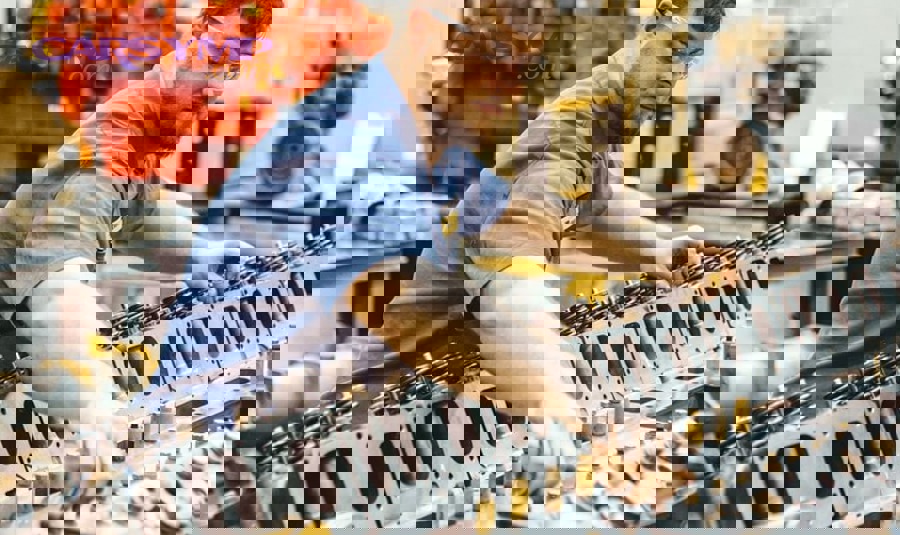
To better understand oil savings, start with the truth: “cheapest” oil service is rarely the least expensive over time if it increases wear or sludge risk.
Should you use synthetic oil to reduce long-term maintenance costs?
Yes—synthetic oil can reduce long-term maintenance costs safely when it matches your manufacturer’s required spec, because it can handle heat and oxidation better, support appropriate intervals, and protect under severe conditions more consistently. ([saemobilus.sae.org](https://saemobilus.sae.org/papers/advanced-synthetic-passenger-vehicle-engine-oils-extended-oil-drain-performance-981444?))
However, the “yes” has rules, and those rules keep the savings safe:
- Reason 1: Better high-stress performance under heat and load can help protect engines that run hot (turbos, towing, short trips).
- Reason 2: Interval flexibility can reduce service frequency when your manual allows it (but it’s never permission to ignore the manual). ([saemobilus.sae.org](https://saemobilus.sae.org/papers/advanced-synthetic-passenger-vehicle-engine-oils-extended-oil-drain-performance-981444?))
- Reason 3: Cleaner operation potential can reduce deposit formation in demanding conditions (depending on formulation and engine design). ([saemobilus.sae.org](https://saemobilus.sae.org/papers/extended-oil-drain-intervals-conservation-resources-reduction-engine-life-951035?))
According to a study by SAE International (technical paper 981444), in 1998, synthetic engine oil technology was tested under extended service intervals up to 25,000 miles or three years in controlled evaluations, illustrating how formulations are engineered for longer drains under defined conditions. ([saemobilus.sae.org](https://saemobilus.sae.org/papers/advanced-synthetic-passenger-vehicle-engine-oils-extended-oil-drain-performance-981444?))
How do you choose the right oil and filter without overpaying?
Choosing the right oil and filter without overpaying means you match the exact viscosity and approval spec in your owner’s manual and pair it with a reputable filter—because “meets spec” matters more than branding hype. ([aaa.com](https://www.aaa.com/autorepair/articles/10-car-maintenance-tips-to-help-prevent-major-repairs?))
More specifically, use this simple checklist at the parts shelf or service counter:
- Match viscosity: e.g., 0W-20, 5W-30—do not improvise unless the manufacturer provides alternate specs.
- Match approvals: many vehicles specify standards (API, ILSAC, or OEM approvals). “Similar” is not the same as “approved.”
- Filter quality: avoid ultra-cheap filters with unknown media; choose reputable brands known for consistent fit and filtration.
If you’re paying a shop, ask one question that prevents expensive confusion: “What exact oil spec are you installing, and can you note it on the invoice?” That single line is useful for warranty documentation and for future comparisons between quotes.
What’s the safest way to avoid unnecessary add-ons during an oil change?
The safest way to avoid unnecessary oil-change add-ons is to request a written estimate, ask for evidence-based recommendations (photos or measurements), and approve only what addresses a verified issue—because many upsells are optional and not tied to a real symptom. )
For example, if a shop recommends a flush, you can respond with a calm, safety-minded script:
- “What problem does this solve?”
- “What evidence did you observe?”
- “Is this required by the manufacturer schedule, or an optional service?”
In addition, keep a “known baseline” by checking your oil level monthly. A small leak caught early is a small fix; a leak ignored until the oil light comes on is a very expensive day.
How do tires reduce maintenance costs (and what’s the safest savings plan)?
Tires reduce maintenance costs by controlling fuel waste, preventing premature tread wear, and protecting braking and handling—so the safest savings plan is consistent pressure checks, timely rotation, and alignment awareness. ([energy.gov](https://www.energy.gov/eere/vehicles/articles/fact-983-june-26-2017-proper-tire-pressure-saves-fuel?))
Then, once tires are handled, many “mystery” costs shrink because tires influence vibration, suspension wear, and even driver confidence.
Does keeping correct tire pressure actually save money—and is it safety-critical?
Yes—correct tire pressure saves money and is safety-critical because it improves fuel economy, reduces uneven wear, and supports predictable braking/handling under emergency maneuvers. ([energy.gov](https://www.energy.gov/eere/vehicles/articles/fact-983-june-26-2017-proper-tire-pressure-saves-fuel?))
However, “correct” means the placard pressure on your driver-door jamb (or manual), not the maximum pressure molded on the tire sidewall.
- Reason 1: Fuel economy: With all four tires at 75% of recommended pressure, fuel economy can be about 2–3% lower in testing summarized by the U.S. Department of Energy. ([energy.gov](https://www.energy.gov/eere/vehicles/articles/fact-983-june-26-2017-proper-tire-pressure-saves-fuel?))
- Reason 2: Tire life: underinflation flexes the tire more, creating heat and accelerated shoulder wear.
- Reason 3: Safety margin: handling and braking become less consistent when a tire is significantly underinflated. ([crashstats.nhtsa.dot.gov](https://crashstats.nhtsa.dot.gov/Api/Public/ViewPublication/811086?))
Which is cheaper: rotating tires on schedule or replacing them early?
Rotating tires on schedule is cheaper than replacing them early because rotation spreads wear evenly, extends usable tread life, and helps you avoid buying “tires over a year” sooner than your budget expects. ([aaa.com](https://www.aaa.com/autorepair/articles/10-car-maintenance-tips-to-help-prevent-major-repairs?))
Specifically, rotation is a small, predictable expense that protects a large, unpredictable one. If your front tires wear faster (common on many front-heavy vehicles), skipping rotation can force you to replace two tires early—or four tires if tread depth differences become unsafe for traction and stability systems.
A practical budgeting view: if your tire set “should” last 45,000 miles but you cut that to 30,000 through uneven wear, you just increased your annual tire cost by 50% for no safety benefit—only because a low-cost habit was skipped.
When should you pay for an alignment to prevent expensive wear?
You should pay for an alignment when you notice pull, off-center steering, uneven tire wear, or after a significant pothole/curb impact, because alignment problems can destroy tread quickly and make the car feel unstable. ([aaa.com](https://www.aaa.com/autorepair/articles/10-car-maintenance-tips-to-help-prevent-major-repairs?))
More specifically, use these “alignment triggers” as a safe rule of thumb:
- Visual: inner or outer shoulder wear that doesn’t match the rest of the tread.
- Feel: steering wheel off-center on a flat road, or the car drifts despite correct tire pressure.
- Event: a hard hit that made you say, “Oof.” That’s often alignment money well spent.
In short, alignment is not a “luxury service” when it prevents rapid tire wear; it’s tire insurance.
How can you save on brakes without reducing stopping power?
You can save on brakes without reducing stopping power by replacing pads before they grind, choosing quality parts that match your driving, and avoiding shortcuts that compromise fit or heat performance—because braking safety depends on predictable friction and component integrity. ([aaa.com](https://www.aaa.com/autorepair/articles/10-car-maintenance-tips-to-help-prevent-major-repairs?))
Moreover, brake savings are often about timing: the earlier you respond to warning signs, the less you pay.
Is it safe to buy cheaper brake pads to reduce costs?
Yes—it can be safe to buy less expensive brake pads if they come from a reputable manufacturer, match the correct fitment, and meet appropriate performance standards; the three reasons are consistent friction, predictable noise/dust behavior, and reliable hardware fit. ([commons.wikimedia.org](https://commons.wikimedia.org/wiki/Category%3ADisk_brakes?))
However, “cheaper” should mean “good value,” not “unknown quality.” Here’s how to keep the savings safe:
- Reason 1: Consistent friction: quality pads maintain predictable stopping feel across temperature ranges.
- Reason 2: Hardware & fitment: proper shims/clips reduce squeal and uneven wear.
- Reason 3: Longevity: better compounds can last longer and protect rotors better, lowering total cost.
If you’re unsure, ask your shop to quote two tiers (value and premium) and explain what changes: noise, dust, rotor friendliness, and warranty. That keeps your decision grounded in outcomes, not marketing.
What’s the safer money move: pad slap, resurfacing, or replacing rotors?
Replacing rotors is safest when thickness/runout is out of spec, resurfacing is best when the rotor is healthy and within limits, and a pad slap is only optimal when rotors are smooth, within spec, and the braking system shows no vibration or heat damage. ([aaa.com](https://www.aaa.com/autorepair/articles/10-car-maintenance-tips-to-help-prevent-major-repairs?))
More specifically, use three criteria to choose:
- Thickness: rotors have minimum thickness specs; below that, they can overheat and warp more easily.
- Surface condition: deep grooves or heat spots often mean the rotor won’t bed pads properly.
- Vibration: pulsation suggests rotor issues or uneven pad deposits; ignoring it can worsen stopping feel.
If a shop recommends new rotors, ask them to record thickness and explain why resurfacing is not advised. That turns a vague recommendation into a measurable decision.
Which brake symptoms mean “stop saving and fix it now”?
There are 6 brake symptoms that mean “fix it now”: grinding, a sinking/soft pedal, pulling to one side, severe vibration, brake warning lights, and fluid leaks—because these signs indicate safety-critical loss of braking consistency. ([aaa.com](https://www.aaa.com/autorepair/articles/10-car-maintenance-tips-to-help-prevent-major-repairs?))
Especially with brakes, cheap delays can become dangerous fast. If you hear grinding, you’re often past pad material and into metal-on-metal contact. That’s when a smaller bill turns into a rotor (or caliper) bill.
What low-cost habits prevent expensive repairs the fastest?
There are 5 low-cost habits that prevent expensive repairs fastest: monthly tire pressure checks, quick fluid level scans, listening for new noises, responding early to warning lights, and driving smoothly—because they catch problems before they multiply. ([mwg.aaa.com](https://mwg.aaa.com/via/car/money-saving-car-ideas?))
Then, once these habits become routine, your car stops surprising you—and your spending becomes more predictable.
Which driving habits reduce wear on tires, brakes, and suspension?
There are 4 driving habits that reduce wear: gentle acceleration, earlier braking/coasting, avoiding pothole hits when safe, and minimizing unnecessary idling—because smooth inputs reduce heat and impact loads that wear parts prematurely. ([mwg.aaa.com](https://mwg.aaa.com/via/car/money-saving-car-ideas?))
For example, aggressive starts and stops grind down brake pads and scrub tires. Smooth driving reduces that friction and spreads wear more evenly over time. It also helps you notice changes sooner—like a new vibration or pulling sensation—because your “normal” is consistent.
How do you catch small problems early before they become expensive?
Catching small problems early means doing a simple “look, listen, smell, scan” routine weekly or monthly, because small leaks, uneven tire wear, and early brake noise are cheaper to address before they cause secondary damage. ([aaa.com](https://www.aaa.com/autorepair/articles/10-car-maintenance-tips-to-help-prevent-major-repairs?))
Use this 3-minute checklist:
- Look: puddles under the car, low tire tread, uneven tire shoulders, cracked belts (if visible).
- Listen: new squeaks, grinding, rhythmic thumps, or high-pitched squeals during braking.
- Smell: sweet smell (possible coolant), burning smell after braking (overheating), fuel smell (do not ignore).
- Scan: don’t tape over warning lights—pull the code if the light persists.
More importantly, document what you see. A simple note like “front right tire losing 2 psi weekly” can lead you to a nail before you destroy a tire.
Where should you get maintenance done to save money safely: dealer, independent shop, or DIY?
Independent shops often win on routine maintenance cost, dealers can be best for warranty/specialized work, and DIY is optimal for low-risk tasks with proper tools—so safe savings come from matching the job to the right provider. )
However, the cheapest invoice isn’t always the cheapest outcome, so you need a quick decision framework.
Dealer vs independent: which is typically cheaper for routine maintenance—and why?
Independent shops are typically cheaper for routine maintenance, while dealers can be worth it for brand-specific diagnostics and warranty-related work, because dealer labor rates and parts markups are often higher but include specialized training and tooling. )
To illustrate the practical choice:
- Choose an independent for oil changes, brakes, tires, basic suspension, and common services—especially when you want flexible parts options.
- Choose the dealer when warranty coverage matters, software updates are needed, or the issue is highly model-specific.
Meanwhile, whichever you choose, ask for line-item estimates. A clear breakdown makes comparison possible and keeps “extra” services from sneaking into the total.
What DIY maintenance is safe for most everyday drivers (and what should you avoid)?
There are 6 DIY tasks that are safe for most everyday drivers—tire pressure checks, replacing wiper blades, changing cabin/engine air filters, topping washer fluid, replacing bulbs, and checking basic fluid levels—while you should avoid brake hydraulic work or heavy lifting without proper equipment. ([aaa.com](https://www.aaa.com/autorepair/articles/10-car-maintenance-tips-to-help-prevent-major-repairs?))
Specifically, safe DIY has two rules: low complexity and low consequence if done imperfectly. Tire pressure checks are the perfect example—low risk, high reward.
- Safe DIY wins: air filters and wipers often take 10 minutes and save shop labor costs.
- Avoid (unless trained and equipped): brake bleeding, suspension spring work, or lifting the car without jack stands rated for the vehicle.
If you want to expand DIY gradually, start with one task, do it twice, and keep your receipts and notes. That creates competence without risking safety.
How do you compare written estimates to avoid paying for unnecessary work?
Comparing written estimates means matching apples-to-apples line items (labor hours, part brand/grade, shop supplies, taxes) and requiring justification for “recommended” work, because vague totals hide differences that change value and safety outcomes. )
Use a simple comparison method:
- Step 1: Ask both shops to quote the same scope (e.g., “front pads + rotors” or “pads only”).
- Step 2: Confirm part tier (OEM, OEM-equivalent, value line) and warranty terms.
- Step 3: Ask what measurement triggered the recommendation (pad thickness, rotor thickness, tire tread depth).
When you do this consistently, you stop paying for “feelings” and start paying for evidence.
How do you build a realistic maintenance cost estimate (monthly + annual) without guesswork?
You build a realistic maintenance cost estimate by converting your owner’s manual schedule into a monthly sinking fund, adding predictable wear items by mileage, and keeping a buffer for surprises—because budgeting works when it matches how parts wear in real life. ([aaa.com](https://www.aaa.com/autorepair/articles/10-car-maintenance-tips-to-help-prevent-major-repairs?))
Then, once you have the framework, you can adjust it for your driving and your car’s age instead of copying someone else’s numbers.
What is a simple maintenance budget formula for everyday drivers?
A simple formula is: (Routine maintenance + Wear items + Contingency) ÷ 12, because spreading costs monthly prevents “big bill shock” and keeps you from delaying safety-critical work when cash is tight. ([aaa.com](https://www.aaa.com/autorepair/articles/10-car-maintenance-tips-to-help-prevent-major-repairs?))
Here’s a practical breakdown that most everyday drivers can use:
- Routine maintenance bucket: oil service, filters, rotations, inspections.
- Wear item bucket: tires, brakes, battery—estimated by mileage and age.
- Contingency bucket: set aside a small buffer for bulbs, sensors, unexpected leaks, or a diagnostic visit.
To keep this concrete, the table below shows an example structure you can copy and customize. It’s not a universal price list; it’s a budgeting template that forces consistency.
| Category | What it includes | How to estimate | Budgeting tip |
|---|---|---|---|
| Routine | Oil + filter, rotations, filters | Owner’s manual intervals | Use a monthly sinking fund |
| Wear items | Tires, brakes, battery | Mileage + condition checks | Plan for “tires over a year” if mileage is high |
| Contingency | Diagnostics, small parts, leaks | Flat monthly buffer | Prevents unsafe delays |
If you drive a lot, your tire line item is where reality shows up first. That’s why “tires over a year” is a helpful lens: it turns a once-every-few-years purchase into a predictable monthly number you can actually plan for.
How do service records help predict future costs on a used car?
Service records help predict future costs by showing what has already been done, what is due next, and what patterns repeat—so using service records to predict costs lets you replace uncertainty with a schedule and avoid duplicating work you already paid for. ([aaa.com](https://www.aaa.com/autorepair/articles/10-car-maintenance-tips-to-help-prevent-major-repairs?))
More specifically, read service records like a timeline:
- Confirm the basics: oil spec and interval consistency, tire replacement dates, brake service notes.
- Identify “due soon” items: if brakes were last done 40,000 miles ago, it’s likely you’ll budget for them again soon depending on driving style.
- Spot repeating issues: “battery replaced every 2 years” can hint at charging issues or short-trip use.
When records are missing, you don’t have to panic—you just budget slightly more aggressively and create a new baseline with inspections and fluid checks.
What “cheap” maintenance choices are false savings (and what are safer alternatives)?
False savings are “cheap” choices that reduce today’s bill but increase total cost and risk later; safer alternatives keep the same goal (lower cost) while protecting outcomes like stopping power, tire life, and heat control. )
To better understand false savings, focus on one question: “If this fails, what’s the consequence?” If the consequence is safety-related, you want value—not the lowest possible price.
Which cost-cutting shortcuts increase risk the most (tires, brakes, fluids)?
There are 6 high-risk shortcuts—driving on underinflated tires, buying ultra-cheap unknown tires, ignoring brake noise, skipping coolant leak diagnosis, using the wrong oil spec, and delaying warning-light diagnosis—because they increase both failure risk and downstream repair costs. ([energy.gov](https://www.energy.gov/eere/vehicles/articles/fact-983-june-26-2017-proper-tire-pressure-saves-fuel?))
Specifically, these shortcuts fail in predictable ways:
- Underinflated tires: fuel economy penalties and faster wear, plus handling changes. ([energy.gov](https://www.energy.gov/eere/vehicles/articles/fact-983-june-26-2017-proper-tire-pressure-saves-fuel?))
- Ultra-cheap tires: can compromise wet traction and wear unpredictably; cheap traction is expensive in emergencies.
- Brake delay: pads can grind into rotors, increasing cost and reducing confidence.
- Coolant neglect: overheating events can be catastrophic.
OEM vs OEM-equivalent vs bargain parts: what’s the safest value choice?
OEM wins when exact fit, warranty sensitivity, or specialized systems matter, OEM-equivalent is best for safe value in common wear items, and bargain parts are only optimal when the brand is reputable and the part is low-risk—so “safest value” usually means OEM-equivalent from a trusted manufacturer. )
However, you can keep this simple by matching part choice to consequence:
- High consequence (safety-critical): tires and brakes deserve proven quality.
- Medium consequence: sensors and cooling parts benefit from reliable fitment.
- Lower consequence: cabin filter, wipers, bulbs are fine to optimize aggressively.
To sum up: the safest value choice is the part that performs predictably and lasts—because replacing a cheap part twice is rarely cheaper than buying a good one once.
Do tools like an OBD scanner or used oil analysis actually reduce costs safely?
Yes—basic tools like an OBD scanner and used oil analysis can reduce costs safely because they improve early diagnosis, reduce unnecessary part-swapping, and help you optimize intervals based on real condition rather than guesses. ([tandfonline.com](https://www.tandfonline.com/doi/full/10.1080/20464177.2015.1126468?))
Specifically, each tool helps in a different “money leak” area:
- OBD scanner: helps you confirm whether a warning light is likely a simple sensor issue or a symptom of a deeper problem—so you spend diagnosis money once instead of replacing parts blindly.
- Used oil analysis: can reveal fuel dilution, coolant contamination, or abnormal wear metals—signals that can prevent engine damage if caught early. ([tandfonline.com](https://www.tandfonline.com/doi/full/10.1080/20464177.2015.1126468?))
According to a study by MDPI (Energies journal), in 2025, data-driven oil interval optimization reported average oil change interval extensions of about 37% in the studied context, showing how condition-based approaches can reduce unnecessary maintenance actions when applied correctly. ([mdpi.com](https://www.mdpi.com/1996-1073/18/1/154?))
How do climate and driving conditions change the “safest” maintenance schedule?
Climate and driving conditions change the safest maintenance schedule by increasing stress factors like heat, corrosion, short-trip condensation, and load—so severe conditions often justify shorter intervals and more frequent inspections to prevent expensive failures. ([aaa.com](https://www.aaa.com/autorepair/articles/10-car-maintenance-tips-to-help-prevent-major-repairs?))
For example, consider these common scenarios:
- Cold winters: tire pressure drops as temperatures fall, so monthly pressure checks become even more important. ([energy.gov](https://www.energy.gov/eere/vehicles/articles/fact-983-june-26-2017-proper-tire-pressure-saves-fuel?))
- Hot climates/towing: oil and cooling systems face higher thermal stress; staying on-spec matters more. ([saemobilus.sae.org](https://saemobilus.sae.org/papers/advanced-synthetic-passenger-vehicle-engine-oils-extended-oil-drain-performance-981444?))
- Short trips: moisture and fuel dilution risks can increase; “time-based” oil intervals may matter more than mileage alone.
- Salt-belt driving: corrosion can accelerate brake line and underbody issues; inspections become a savings strategy.
Thus, the safest schedule is not the one that’s “longest”—it’s the one that matches your real-world use and keeps small issues from becoming expensive, risky problems.
Evidence (if any)
- Fuel economy and tire pressure: The U.S. Department of Energy summarizes testing indicating fuel economy is about 2–3% lower with all four tires at 75% of recommended pressure. ([energy.gov](https://www.energy.gov/eere/vehicles/articles/fact-983-june-26-2017-proper-tire-pressure-saves-fuel?))
- Fuel efficiency vs PSI relationship (regulatory analysis): NHTSA documentation discusses fuel economy changes associated with underinflation and estimates relating PSI changes to fuel efficiency in analysis supporting TPMS standards. ([nhtsa.gov](https://www.nhtsa.gov/sites/nhtsa.dot.gov/files/tirepressure-fmvss-138.pdf?))
- University-linked tire pressure statistic reference: Williams College Office of Sustainability (2010) references a DOE statistic describing about 0.3% fuel economy loss per 1 psi decrease (across all four tires) in its analysis. ([sustainability.williams.edu](https://sustainability.williams.edu/files/2010/09/TirepressureBaldwin.pdf?))
- Preventive maintenance guidance: AAA provides maintenance tips aimed at reducing expenses without compromising safety/performance. )
- Extended drain interval research (technical literature): SAE technical papers document testing and considerations around extended oil drain intervals under defined conditions. ([saemobilus.sae.org](https://saemobilus.sae.org/papers/advanced-synthetic-passenger-vehicle-engine-oils-extended-oil-drain-performance-981444?))