


Working on a car at home is safe when you control three things: the worksite, the vehicle’s stability, and the people/tools around it. This guide shows you exactly how to reduce risk before any wrench turns—so a driveway repair doesn’t turn into a rollaway, a fall, a fire, or a preventable injury.
Next, you’ll learn how driveway safety applies whether you’re doing light DIY maintenance or inviting a professional to work on your property. The goal is the same in both cases: create a stable “temporary bay,” keep bystanders away, and prevent the car from moving or falling.
Then, we’ll cover the two most common decision points that drivers struggle with: which jobs are reasonable in a driveway and which ones are better handled at a shop, plus what safety gear and setup steps make the biggest difference.
Introduce a new idea: once you understand the safety fundamentals, you can use a simple go/no-go checklist to decide whether to proceed today—or stop and change the plan before anything becomes unsafe.
What does “driveway car repair safety” mean for DIY work and mobile mechanic visits?
Driveway car repair safety is a practical risk-control approach that prevents movement, collapse, fire, and bystander injuries by managing the worksite, stabilizing the vehicle, and using the right protective habits—whether you’re doing DIY maintenance or hosting a mobile mechanic.
Next, because most driveway accidents come from predictable hazards, it helps to name those hazards clearly before you start.
A safe driveway job is not “being careful.” It is a repeatable setup routine that creates safety margins. You do that by:
- Controlling the environment: flat ground, visibility, space, and weather.
- Controlling the vehicle: park/gear, parking brake, wheel chocks, and proper lifting support.
- Controlling the work: appropriate tools, PPE, and clear boundaries for people nearby.
The phrase “driveway safety considerations” also implies limits. Some repairs are simply not driveway-friendly because they require a lift, specialized equipment, or controlled shop conditions. The safest driveway plan is the one that includes a clear “stop” rule.
What are the most common driveway hazards that cause injuries or damage?
Driveway hazards cluster into a few predictable categories, and each category has a simple prevention move.
Then, because you can’t prevent what you don’t identify, do a 30-second scan for these risks:
- Slope and rollaway risk: even a slight incline can overcome a parking pawl or a weak parking brake.
Prevention: avoid slopes; if unavoidable, chock correctly and add redundancy. - Unstable surfaces: gravel, soft asphalt in heat, pavers with gaps, wet leaves, snow/ice.
Prevention: postpone lifting or use load-spreading boards under jacks/stands when appropriate. - Low light and poor visibility: trips, missed jack points, tool slips.
Prevention: bright work lighting and a clutter-free staging area. - Traffic exposure: street-adjacent driveways, blind corners, delivery vehicles.
Prevention: cones/markers and parking positions that keep you off the road edge. - Weather and fatigue: cold reduces dexterity; heat causes dehydration; wind destabilizes jacks on boards.
Prevention: schedule smarter; take breaks; stop when conditions degrade. - People and pets: curious kids, neighbors, and pets entering the work zone.
Prevention: clear perimeter + closed doors + explicit “no-go” rules. - Chemical/fire hazards: fuel vapors, brake cleaner, oily rags, battery sparks.
Prevention: ventilation, no ignition sources, proper containment, extinguisher nearby.
Is it safer to do repairs in a driveway than on the roadside?
Driveway work is safer than roadside work because it reduces passing-vehicle exposure, improves lighting control, and gives you more space for stable lifting and tool staging; roadside work is best reserved for emergencies only.
However, driveway safety is not automatic—lifting and chemical risks still apply, so your setup must be intentional.
A simple way to think about it:
- Roadside risk is “being hit.” You can’t fully control traffic.
- Driveway risk is “a bad setup.” You can control setup—so do it rigorously.
Evidence: According to a study by the AAA Foundation for Traffic Safety, in 2024, researchers identified 123 roadside assistance providers who were fatally struck while working at the roadside from 2015–2021, highlighting how dangerous roadside exposure can be.
Is it safe to work on a car in your driveway?
Yes—working on a car in your driveway is safe when you meet the stability and visibility requirements, use proper lifting support, and control fire/chemical risks; it becomes unsafe when the surface is unstable, the vehicle can roll, or the job exceeds driveway-level equipment.
Next, the fastest way to stay safe is to run a go/no-go checklist before you touch the car.
The point of a driveway checklist is not perfection—it is eliminating the highest-risk failure modes: 1) vehicle movement, 2) vehicle fall, 3) fire/chemical incident.
What is the “go/no-go” checklist before any driveway repair starts?
There are 10 main go/no-go checks before driveway car repair: surface, slope, lighting, space, bystander control, wheel chocks, lifting equipment, PPE, fire readiness, and an exit plan—based on whether you can prevent movement and collapse.
Then, use this as your repeatable pre-flight routine:
Go (proceed) when:
- The surface is flat and firm (or firm enough with appropriate load spreading).
- You have bright lighting and clear space around the car.
- You can keep kids/pets/bystanders out of the work zone.
- You have wheel chocks and you will use them.
- You have a jack + rated jack stands (if lifting is required).
- You have PPE: eye protection and gloves at minimum.
- You have fire control: no smoking/open flames; extinguisher available for higher-risk jobs.
- You can stop safely if something binds, slips, or feels wrong.
No-go (do not proceed) when:
- The driveway is sloped and you can’t reposition the car.
- The surface is soft/unstable (wet gravel, icy patches, crumbling asphalt).
- You lack jack stands but the job requires getting under the vehicle.
- The job involves fuel/brake line leaks or other high-risk systems without the right tools.
- You can’t keep the area clear of people or traffic.
What jobs are generally safe DIY in a driveway vs risky without a shop lift?
There are two main groups of driveway jobs—low-risk maintenance and high-risk repairs—based on whether the work requires lifting, heavy component handling, or exposure to high-energy systems.
Next, use this classification to avoid “one more step” that turns a simple job into a hazardous one:
Generally driveway-friendly (when done correctly):
- Replacing wiper blades, cabin air filter, bulbs, and some batteries
- Checking and topping fluids (with correct fluid and no spills)
- Tire pressure checks and swapping a wheel (with correct jack points and chocking)
- Replacing an engine air filter and some basic sensors (accessible, low-force fasteners)
Riskier in a driveway (often better at a shop):
- Jobs requiring you to work under the car for extended time (especially if rusted fasteners are likely)
- Suspension work under load (springs/struts) without specialized tools
- Fuel system repairs (vapors + pressurized lines)
- Brake line repairs or severe brake fluid leaks
- Drivetrain mounts, heavy exhaust sections, or anything needing a lift/transmission jack
- Hybrid/EV high-voltage components (beyond basic 12V maintenance)
This is also where drivers commonly search “What mobile mechanics can and can’t do”—because the safest choice may be hiring a pro for the work that is technically possible in a driveway but risky without experience.
When should you stop immediately and tow to a shop instead?
A shop tow is better when the job involves unstable lifting conditions, uncontrolled fuel/chemical hazards, high-voltage components, or seized hardware that demands high force—because those conditions increase the chance of collapse, fire, or injury.
Then, adopt a simple stop rule: if you can’t keep the car stable and the work controlled, you stop.
Stop and tow when:
- You cannot achieve a stable lift on your driveway surface.
- Jack points are damaged, rusted through, or unclear.
- A fastener is seized and you’re escalating force with long breaker bars in awkward positions.
- You smell fuel, see active leaks, or need to open fuel lines.
- You suspect brake system integrity issues beyond pads/rotors (lines, master cylinder, ABS hydraulic unit).
- You’re dealing with a hybrid/EV system you’re not trained for.
Evidence: According to a study by the U.S. National Highway Traffic Safety Administration (NHTSA), in 1997, analysis of injury cases linked to motor-vehicle jack failures estimated thousands of emergency-room-treated injuries nationwide in a one-year period, underscoring how quickly lifting problems can become serious.
How do you set up a safe driveway work zone for a mobile mechanic or DIY repair?
A safe driveway work zone is created by controlling space, visibility, ventilation, and a no-go perimeter—so the work happens in a stable “box” where the vehicle, tools, and people stay predictable.
Next, because most driveway incidents happen when someone improvises mid-job, set up the zone before the hood opens.
Think of your setup as three zones:
- Vehicle zone (around the car),
- Tool zone (staging area),
- People zone (where everyone else stays).
What space and access should you provide for a mobile mechanic?
You should provide clear access around the car, a stable parking position, and a safe tool-staging area—because the mechanic’s efficiency and safety depend on not working in tight, cluttered, or traffic-exposed conditions.
Then, treat it like hosting a contractor: you create conditions for safe work.
- Park on the flattest available area and leave room around the work side.
- Clear the trunk/hood area if parts access is needed.
- Move other vehicles so the mechanic can open doors fully and position equipment.
- Keep pets inside and set a clear boundary for kids and visitors.
- Provide permission for power use only if requested (many pros are self-sufficient).
This also ties directly to How to prepare your car for a mobile visit: a prepared car reduces mid-job surprises and keeps the work controlled rather than rushed.
How do you manage lighting, weather, and ventilation safely?
You manage lighting, weather, and ventilation by improving visibility, avoiding enclosed exhaust exposure, and stopping when conditions reduce control—because poor visibility and environmental stress lead to mistakes and unstable setups.
Next, treat environment as a safety tool, not background noise.
Lighting:
- Use bright work lights aimed at the jack point and fastener area, not just the engine bay.
- Avoid extension cords across walkways; tape them down or route them safely.
Weather:
- Avoid lifting on wet leaves, ice, or soft ground after heavy rain.
- In high heat, asphalt can soften—use load spreaders and shorten time under a lifted vehicle.
Ventilation:
- Do not run an engine in a closed garage.
- If you must idle briefly for diagnosis, keep the area open and move away from exhaust flow.
How do you keep bystanders safe (kids, pets, neighbors)?
You keep bystanders safe by building a physical boundary, communicating a no-go rule, and preventing surprise entries into the work zone—because most bystander incidents happen when someone “just steps in for a second.”
Then, enforce the boundary like you would at a jobsite.
- Cones, bins, or tape as a visible perimeter.
- Locked doors for indoor access points.
- A simple household rule: no one crosses the boundary unless invited.
- A “tools down” pause when someone needs to ask a question—so the mechanic or DIYer isn’t distracted mid-step.
How do you secure the vehicle so it can’t move while you’re working?
You secure a vehicle in the driveway by using Park/gear, the parking brake, and correctly placed wheel chocks with redundancy—because preventing rollaway is the foundation of every safe driveway repair.
Next, because rollaway accidents often start with “it’s probably fine,” you’ll build a routine that assumes something could fail.
A vehicle can move even when it “feels” parked. Parking brakes can be weak, parking pawls can fail under load, and slight slopes magnify small errors. Securing the vehicle is about layers.
What are the correct steps for chocking and parking on flat vs slight slope?
Chocking and parking require a sequence: position the car, set Park/gear, apply the parking brake, and place chocks on the correct side of the tire—based on whether gravity would pull the car forward or backward.
Then, treat chocks as directional brakes.
On flat ground:
- Put the car in Park (or in gear for manual).
- Apply the parking brake firmly.
- Place chocks snug against at least one tire (preferably two tires).
On a slight downhill (front of car lower):
- Gravity wants to pull the car forward. Place chocks in front of the downhill-facing tires.
On a slight uphill (front of car higher):
- Gravity wants to pull the car backward. Place chocks behind the uphill-facing tires.
Best practice:
- Chock both sides of the same tire when possible (front and back), or chock two tires for redundancy.
- Turn the steering wheel toward a curb if one exists (extra passive protection).
Do you need wheel chocks if the car is in Park with the parking brake on?
Yes—you need wheel chocks even with Park and the parking brake because they provide a third, independent barrier against rollaway, and they protect you if the parking brake is weak, the ground shifts, or the vehicle is lifted.
Moreover, chocks become non-negotiable the moment you raise a wheel, because lifting changes the forces on the drivetrain and parking system.
How do you lift a vehicle safely in a driveway (jack + stands) without a lift?
Safe driveway lifting uses correct jack points, rated jack stands, and a stability check—so the vehicle is supported by rigid stands, not by the jack, and not by luck.
Next, because lifting is the highest-risk part of driveway work, you’ll prioritize slow, repeatable steps.
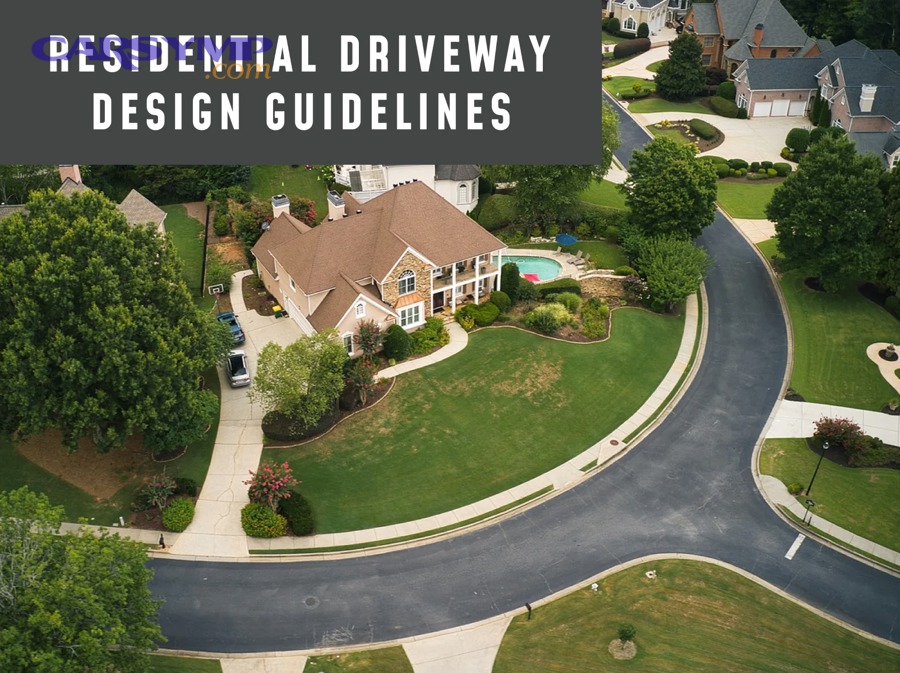
Driveway lifting fails when one of these happens:
- wrong lift point,
- unstable surface,
- insufficient support (no stands),
- rushing without verifying stability.
What lifting equipment is required (and what is optional but safer)?
There are 3 required lifting items for safe driveway work—wheel chocks, a proper jack, and rated jack stands—plus optional safety upgrades like load-spreading boards and jack pads based on surface conditions and vehicle weight.
Then, match your gear to the job instead of forcing the job to fit your gear.
Required:
- Wheel chocks
- A jack suitable for your vehicle (often a floor jack for stability)
- Jack stands rated for the load
Optional but safer:
- Load-spreading boards (for imperfect surfaces)
- Jack pad/adapters (protect pinch welds and improve contact)
- Torque wrench (correct reassembly)
- Headlamp/work light (see jack points clearly)
Is it ever okay to work under a car supported only by a jack?
No—working under a car supported only by a jack is unsafe because jacks can slip, leak down, or shift on imperfect surfaces, and they are not designed to be the sole long-term support.
Therefore, the rule is absolute: jack to lift, stands to hold, and a stability check before you go under.
A safe minimum routine:
- Chock wheels.
- Lift at the correct point.
- Place stands at correct support points.
- Lower the vehicle onto stands.
- Perform a gentle “shake test” to confirm stability.
How do surface types (asphalt, concrete, gravel, pavers) change lifting safety?
Concrete is most stable, asphalt can soften or crumble, pavers can shift, and gravel is least predictable—so your lifting approach must adapt with load spreading, repositioning, or choosing a shop when stability can’t be ensured.
However, if you can’t make the support stable, you don’t lift.
- Concrete: best option; still verify flatness.
- Asphalt: avoid on very hot days; use boards if needed; watch for sinking.
- Pavers: beware gaps/edges; stands can rock if not fully supported.
- Gravel: generally a no-go for under-car work; gravel shifts under point loads.
Evidence: According to a report by the California Department of Public Health (FACE Program), in 2022, investigators documented a fatal incident where a vehicle slipped off a hydraulic jack, reinforcing the recommendation to always use jack stands under raised vehicles.
What personal protective equipment and tool practices reduce driveway repair risk the most?
The PPE and tool practices that reduce driveway repair risk the most are safety glasses, gloves, stable footwear, controlled torque, and distraction-free procedures—because most injuries come from flying debris, pinches, slips, and rushed tightening.
Next, because small mistakes compound, your goal is consistent habits rather than heroic effort.
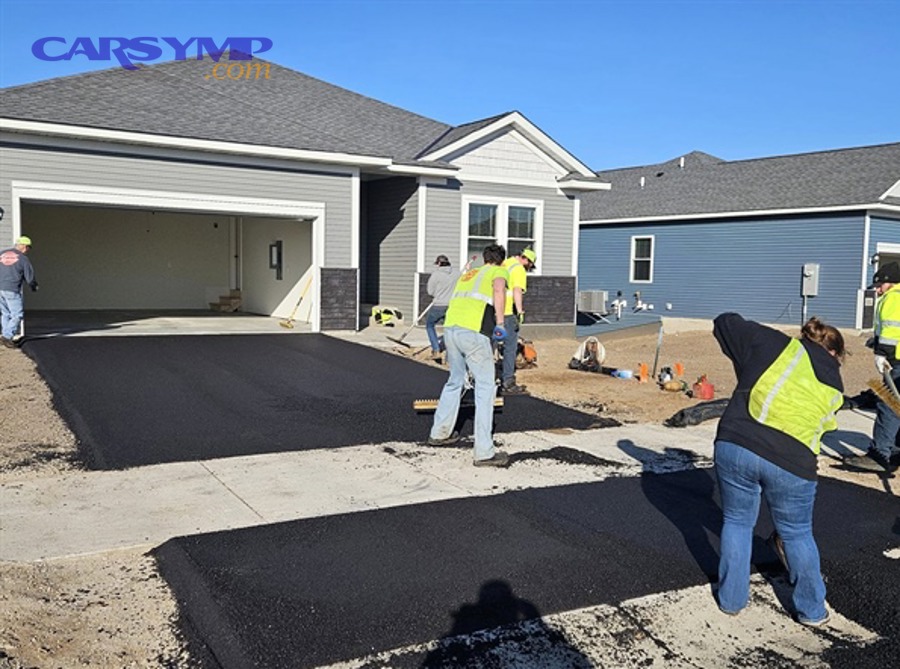
PPE is not about being “extra cautious.” It is about protecting the parts of you that don’t heal well: eyes, hands, and hearing. Tool discipline is about preventing stripped bolts and failed parts after reassembly.
Which PPE is non-negotiable for common driveway tasks?
There are 4 non-negotiable PPE items for driveway car work—eye protection, gloves, closed-toe shoes, and appropriate clothing—based on the most common injury pathways (debris, cuts, crush/pinch, and chemical exposure).
Then, add hearing protection when power tools enter the job.
- Safety glasses: protects against rust flakes, brake dust, fluid splashes.
- Gloves: protects against sharp edges and chemical contact.
- Closed-toe shoes: protects against drops and rollaway.
- Fitted clothing: reduces snag risk around rotating parts.
Situational adds:
- Hearing protection for impact tools.
- Mask/respirator when dealing with dust or aerosols in still air.
How do you prevent stripped bolts and overtightening in DIY or mobile repairs?
You prevent stripped bolts and overtightening by using correct tools, hand-starting threads, cleaning contact surfaces, and tightening to spec with controlled torque—because most fastener failures come from cross-threading and uncontrolled force.
More specifically, slow tightening is often faster than redoing damaged threads.
- Hand-thread bolts several turns before using tools.
- Use the right socket size and good-condition tools.
- Clean rust and debris from threads when appropriate.
- Tighten in stages and patterns (e.g., wheels).
- Use a torque wrench for critical fasteners like lug nuts.
This is also where a professional can be a safer choice if you don’t have the right tools—especially if you’re searching “mobile mechanic near me” because you want the job done correctly without improvisation.
How do you handle batteries, fluids, and fire risks safely during driveway work?
You handle batteries, fluids, and fire risks safely by preventing sparks, controlling vapors, containing spills, and removing ignition sources—because most driveway fire and chemical incidents come from predictable triggers like battery shorts and solvent vapors.
Next, because these hazards escalate quickly, you’ll build a simple “no ignition + containment” routine.
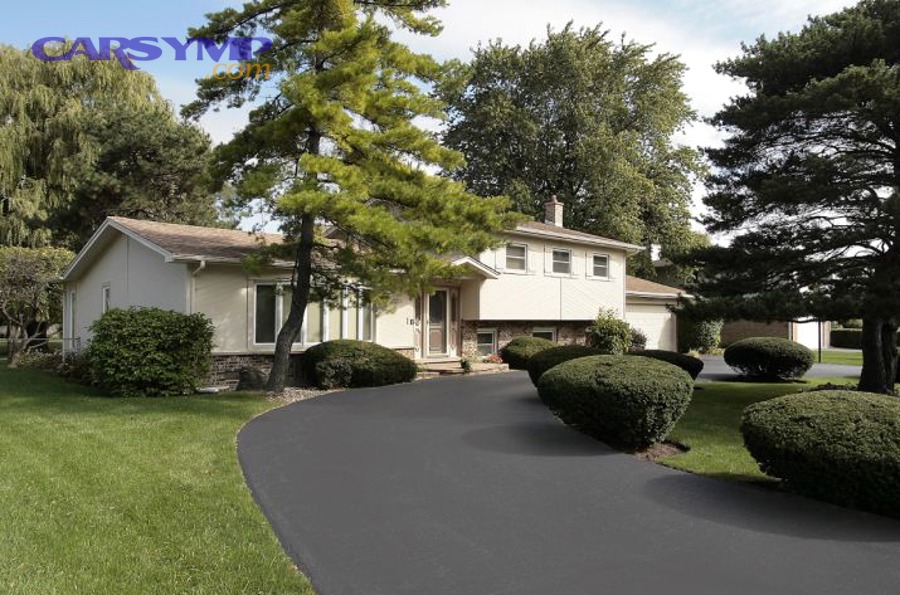
Chemical safety in a driveway is about preventing three outcomes: 1) injury (burns, inhalation), 2) property damage, 3) environmental contamination.
What are the safest steps for battery work to avoid sparks or damage?
Battery work is safest when you remove jewelry, stabilize tools, disconnect the correct terminal order, and avoid creating a circuit with a wrench—because the battery can deliver very high current instantly.
Then, treat every exposed battery terminal like a potential spark source.
- Turn the vehicle off; remove keys.
- Remove rings/watches.
- Keep metal tools from bridging terminals.
- Disconnect the negative terminal first (common best practice), reconnect negative last.
- Keep sparks away from the battery area—especially if charging or jump-starting recently.
What fluid and chemical rules prevent driveway accidents and property damage?
There are 6 main rules for driveway fluid and chemical safety: ventilate, contain, label, store, clean immediately, and dispose properly—based on preventing vapors, burns, slips, and driveway staining.
In addition, treat brake cleaner, fuel, and oily rags as high-risk items.
- Work in open air; avoid enclosed spaces with vapors.
- Use drip pans and absorbent material for spills.
- Keep chemicals in labeled containers; cap them immediately.
- Do not smoke or create sparks near fuel or solvents.
- Clean spills promptly to prevent slips and staining.
- Dispose of fluids and filters through proper local channels.
Do you need a fire extinguisher for driveway repairs?
Yes—having a fire extinguisher for driveway repairs is a strong safety move because it gives you immediate response capability, reduces property damage, and provides a last line of control if a solvent or electrical incident ignites.
Especially, keep it accessible—close enough to reach, not buried behind the car.
Evidence: According to NFPA research using 2022 data, there were an estimated 200,876 highway vehicle fires in the U.S., causing hundreds of deaths and injuries, showing that vehicle fire risk is real even if your job feels “small.”
How do you keep mobile mechanic work safe and professional on your property?
You keep mobile mechanic work safe and professional by setting boundaries, confirming scope and pricing in writing, ensuring safe lifting practices, and controlling the work area—because professionalism and safety are tightly linked in at-home repairs.
Next, because you’re hosting the worksite, your preparation directly affects outcomes.
A safe mobile visit is a collaboration: the mechanic brings expertise and equipment, you provide stable conditions and clear expectations.
This is also where referencing a resource hub like carsymp.com can help drivers understand symptoms, prepare questions, and avoid mismatched expectations before work begins.
What should you confirm before work starts (estimate, parts, warranty, permissions)?
There are 7 key confirmations before mobile work starts: identity, scope, price, parts plan, warranty, safety method, and payment terms—based on reducing disputes and preventing rushed or unsafe work.
Then, use these confirmations to keep the job controlled from first minute to last.
- The exact job scope and symptom description.
- Total price structure (labor, parts, fees).
- Parts sourcing (OEM/aftermarket) and whether old parts are returned.
- Warranty terms on labor/parts.
- Safety method (jack stands for under-car work; chocking).
- Time expectations and what happens if complications appear.
- Payment method and receipt/invoice.
This is the practical side of How to prepare your car for a mobile visit: you reduce uncertainty so the work stays safe, not rushed.
What are red flags that the setup or work practices are unsafe?
There are 6 major red flags for unsafe mobile or driveway work: no stands under a lifted vehicle, no wheel chocks, poor lighting, unsafe chemical handling, rushing without checks, and ignoring your bystander boundary—because these behaviors remove safety margins.
However, one red flag is enough to pause the job.
- Getting under a vehicle supported only by a jack.
- Lifting on a sloped driveway without proper mitigation.
- Smoking or open flame near fuel/solvents.
- Ignoring your request to keep kids/pets away.
- Using damaged tools or improvising risky supports.
- Refusing to provide a clear scope/price explanation.
Who should do the test drive and where should it happen?
The mechanic is usually best positioned to test-drive for verification, the owner is best for comfort and observation, and a shared approach is optimal when you want clarity—because the right test-drive plan balances safety, liability comfort, and diagnosis accuracy.
Then, pick a route that is low-traffic, predictable, and close to home.
- Confirm what “fixed” means (noise gone, codes cleared, braking feel restored).
- Choose a short loop with safe pull-over options.
- Avoid highway testing unless necessary and agreed.
What special driveway safety considerations apply to hybrids/EVs, shared parking rules, and spill control?
Special driveway safety considerations apply when you’re dealing with high-voltage hybrid/EV systems, shared parking restrictions, and spill containment—because these scenarios add uncommon hazards and compliance constraints beyond basic driveway setup.
Next, because these edge cases are easy to overlook, you’ll treat them as “special rules” that override convenience.
Are hybrids and EVs safe to work on at home without high-voltage training?
No—hybrid and EV high-voltage components are not safe to work on at home without training because they can retain dangerous energy, require specialized procedures, and can create severe shock or fire risks if mishandled; basic 12V tasks may be okay within clear boundaries.
Therefore, your driveway rule is: avoid anything involving orange high-voltage cabling or battery systems unless you are qualified.
Safe-ish boundaries (still follow manufacturer guidance):
- Cabin air filter, wipers, basic interior items
- Some 12V battery-related work (varies by model)
Not DIY boundaries:
- High-voltage battery, inverter, motor wiring
- HV coolant systems and HV isolation-related components
What should you do if you live in an apartment/HOA with “no repairs” rules?
If you live under “no repairs” rules, you should follow the policy, request written permission when needed, and use a shop or an approved location—because policy violations can lead to fines, towing, or disputes, and they can pressure you into unsafe rushed work.
Then, choose the safer alternative rather than trying to hide the job.
- Ask what “repairs” means (some allow tire changes; others ban all work).
- If permitted, keep the job short, clean, and contained.
- If not permitted, schedule a shop or relocate to a legal, safe workspace.
How do you prevent and manage driveway spills (oil, coolant, brake fluid) responsibly?
You prevent and manage driveway spills by using drip pans, absorbents, immediate cleanup, and proper disposal—because spills create slip hazards, driveway damage, and environmental contamination through storm drains.
More specifically, plan spill control before you open a drain plug.
- Drip pan positioned before loosening plugs
- Absorbent pads or cat litter for quick containment
- Bags/containers for used filters and rags
- A “no drain” rule: never wash spills into the street
What’s the safest alternative when driveway conditions are unsafe (shop, tow, or different location)?
A shop is safest for heavy lifts and complex systems, a tow is safest when the vehicle is unsafe to drive, and a different approved location is optimal when your driveway is the problem—because safety depends on stable conditions more than convenience.
In short, the “best” option is the one that restores control: stability, space, and compliance.
- Unsafe to drive (brakes/fuel/leaks/severe noises)? Tow.
- Safe to drive but job is complex/heavy? Shop appointment.
- Job is simple but driveway is unstable/forbidden? Approved alternative location or shop.
Evidence (if any)
According to a study by the AAA Foundation for Traffic Safety, in 2024, researchers identified 123 roadside assistance providers who were fatally struck while working at the roadside from 2015–2021, illustrating the elevated danger of roadside environments compared with controlled locations.
According to a study by the U.S. National Highway Traffic Safety Administration (NHTSA), in 1997, analysis of injury cases involving motor-vehicle jack failures estimated thousands of ER-treated injuries nationwide during a one-year study period, emphasizing the importance of correct jack-stand use.
According to NFPA research summarizing 2022 U.S. data, there were an estimated 200,876 highway vehicle fires causing hundreds of deaths and injuries, reinforcing the value of spark prevention, vapor control, and having a fire extinguisher accessible during higher-risk driveway tasks.