


Mobile mechanics can handle many everyday repairs and maintenance tasks at your home or workplace, but they can’t replace a fully equipped repair shop for jobs that require lifts, heavy machinery, specialized calibration, or controlled conditions. This guide draws a clear line between on-site repairs and shop-only jobs so you can book the right service the first time.
Next, you’ll learn what “mobile mechanic” really means in practice—how it differs from roadside assistance or towing, what tools a technician typically brings, and what limits are normal for a van-based setup. That clarity matters because many misunderstandings come from assuming “mobile” equals “full shop on wheels.”
Then, you’ll see a practical breakdown of what mobile mechanics can do for most drivers—routine maintenance, diagnostics, and common repairs—followed by what they can’t do and why. This “can vs can’t” framing helps you avoid paying for a visit that ends with a tow recommendation.
Introduce a new idea: once you understand the boundaries, you can choose smarter—deciding when mobile repair is ideal, when a shop is safer or faster, and what questions to ask before you schedule.
What does “mobile mechanic” mean in practice (and what counts as on-site repair)?
A mobile mechanic is a traveling automotive technician who performs maintenance, diagnostics, and certain repairs at your location using portable tools, limited lifting equipment, and safe work practices designed for driveways, lots, or fleet yards.
Next, that definition only helps if you also understand what mobile service is not, and where the boundaries come from.
Is a mobile mechanic the same as roadside assistance or a tow service?
No—a mobile mechanic is not the same as roadside assistance or towing because (1) a mechanic diagnoses and repairs, (2) roadside assistance focuses on quick stabilization (jump start, tire change, lockout), and (3) towing transports the vehicle to a shop when repair isn’t possible on-site.
However, these services often overlap in real life, especially when a “no-start” situation happens at home or at work.
Here’s the simplest way to tell them apart:
- Roadside assistance: fast, standardized help (battery jump, spare tire install, fuel delivery).
- Towing: moving a vehicle that cannot be safely driven or repaired where it sits.
- Mobile mechanic: deeper diagnosis + actual repair work that may take 30 minutes to several hours.
A practical example: if your car won’t start, roadside assistance may jump it, but a mobile mechanic can test the battery, alternator, and starter circuit to identify why the failure happened—and replace the faulty part if the job is feasible where the car is parked.
What equipment do mobile mechanics typically bring—and what do they rarely have?
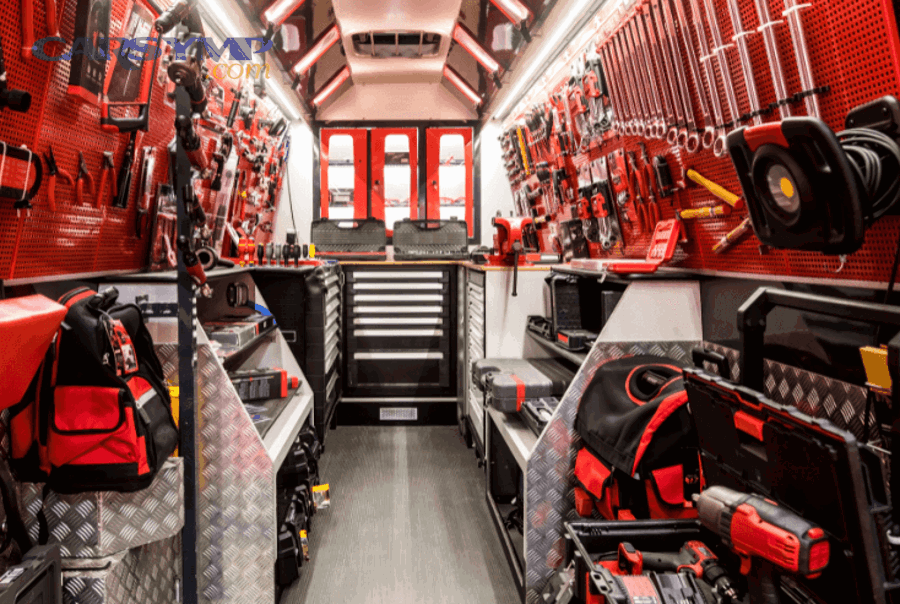
There are 2 main buckets of mobile-mechanic equipment: (A) portable diagnostic and hand tools they almost always carry, and (B) shop-scale machines they rarely have because they’re heavy, fixed, or require a perfectly controlled environment.
More specifically, equipment determines the “can” list as much as the technician’s skill does.
Typically brought (common on-site capability):
- OBD-II / OEM-capable scan tools and basic bidirectional controls (varies by provider)
- Multimeter, test light, battery/charging system tester
- Hand tools, torque wrenches, specialty sockets (filters, spark plugs, brake hardware)
- Floor jack + jack stands (or small lift systems for certain fleets)
- Fluid drain tools and capture containers (depending on local rules and business policy)
Rarely available on-site (common “shop-only” drivers):
- Alignment racks and alignment heads/cameras
- Tire mounting and balancing machines
- Large presses for certain suspension bushings/bearings
- Engine hoists or full drivetrain removal setups (some specialized mobile units exist, but it’s not typical)
- Advanced calibration bays for ADAS and certain sensor alignments
Can a mobile mechanic legally and safely work anywhere you park?
Yes, but not everywhere is appropriate because (1) safety requires stable ground and sufficient space, (2) many locations restrict vehicle work (HOAs, parking lots, city rules), and (3) some jobs create spill, fire, or traffic risks.
Besides legality, “safe access” is the real limiter—mobile repair depends on controlled working conditions even when the service is convenient.
A good worksite usually has:
- Level pavement (not gravel or sloped ground for lifting tasks)
- Adequate lighting and room to open doors/hood safely
- Permission to work (your property, permitted commercial lot, or approved fleet yard)
- Minimal traffic risk (not the shoulder of a busy road for extended repairs)
If the job involves lifting the vehicle, Safety and driveway work considerations become non-negotiable: stable jack points, proper stands, and clear rules about not working under a car supported only by a jack.
What can mobile mechanics do on-site for most drivers?
There are 3 main types of on-site jobs mobile mechanics can do for most drivers: (1) routine maintenance, (2) common repairs with standard parts access, and (3) diagnostic visits that confirm likely causes and next steps—based on what can be done safely without shop-only machines.
To illustrate, the easiest way to think about mobile service is: “If the car can be serviced with portable tools and safe lifting, it’s often a good fit.”
Which routine maintenance tasks can a mobile mechanic do at your home or workplace?
There are 4 main groups of routine maintenance mobile mechanics can deliver on-site: (A) fluids and filters, (B) ignition and basic engine upkeep, (C) brake and wear-item checks, and (D) minor under-hood replacements—based on accessibility and spill-control requirements.
More specifically, routine work is where mobile service tends to shine because the steps are predictable.
Common on-site maintenance includes:
- Oil and filter changes (if the provider supports fluid capture and disposal)
- Engine air filter and cabin air filter replacement
- Battery replacement and charging system checks
- Spark plug replacement (when access isn’t blocked by major disassembly)
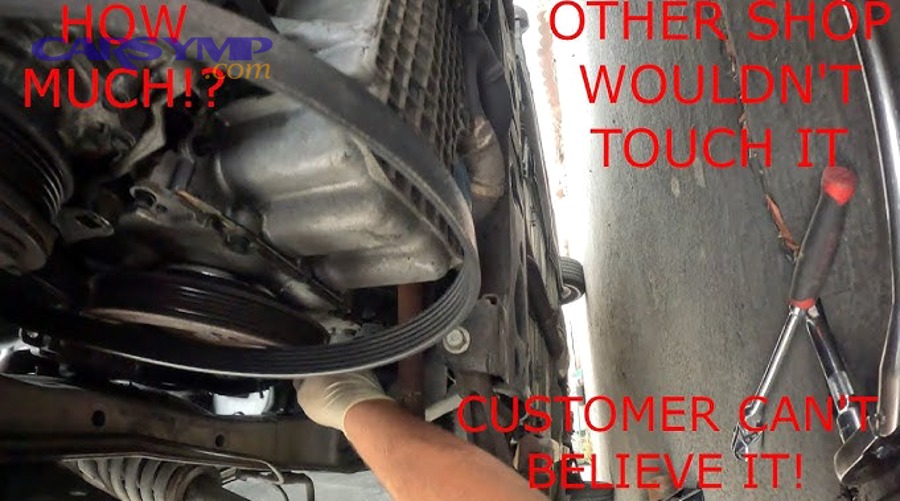
- Serpentine belt replacement (vehicle-dependent)
- Wiper blades, bulbs, and simple electrical items
When you see providers advertise Common services: brakes, that’s usually accurate—brake pad/rotor replacement is one of the most frequent mobile jobs because it can be done with portable tools and safe lifting in many driveways.
Can a mobile mechanic diagnose check-engine lights and starting problems on-site?
Yes, mobile mechanics can diagnose many check-engine and no-start problems because (1) scan tools can read codes and data, (2) electrical tests can verify battery/alternator/starter circuits, and (3) visual inspection can reveal leaks, broken hoses, or obvious failures—though some root causes still require shop equipment.
However, “diagnose” should mean confirm with testing, not just “read a code and guess.”
On-site diagnostics often work well for:
- No-start: dead battery vs failing alternator vs starter issues vs poor connections
- Misfires: coil/plug issues, vacuum leaks, some injector or fuel-trim clues
- Sensor-related faults: loose connectors, damaged wiring in accessible areas
- Overheating basics: low coolant, failed fans (vehicle-dependent), visible leaks
Where mobile diagnosis can hit a limit:
- EVAP smoke testing (often needs specialized equipment)
- Advanced fuel pressure/flow testing (sometimes portable, sometimes not)
- Programming/module reflash requirements
- Intermittent issues that need extended observation or specialized lab-style tools
If you want a quick primer on what scan tools can (and can’t) confirm, here’s one useful overview video:
What repairs are “usually possible” on-site vs “possible but situational”?
Mobile repair splits into 2 practical categories: “usually possible” jobs that fit most driveways, and “situational” jobs that depend on rust, access, weather, parts availability, and how stubborn bolts behave in the real world.
More importantly, the same repair can shift categories based on the specific vehicle and conditions.
Usually possible on-site (for many vehicles):
- Battery replacement
- Brake pads/rotors (most passenger vehicles, access-dependent)
- Alternator or starter replacement on some models (access-dependent)
- Belt replacement when accessible
- Simple sensors (e.g., easily accessible oxygen sensor on some cars—others are difficult)
Possible but situational:
- Suspension components (depends on seized hardware, need for press tools, alignment needs afterward)
- Wheel bearings (some require presses; many should be shop-based)
- Cooling system component swaps (thermostat/water pump vary widely by model)
- Exhaust repairs (rust and access can turn “simple” into “not practical” quickly)
A good mobile mechanic will set expectations: “I can attempt this on-site, but if hardware is seized or an alignment is required afterward, this may become shop-only.”
Evidence: According to a study by the University of Florida from its collision-repair and safety research work, in 2025, the industry highlighted growing complexity and capability gaps around modern vehicle systems (including calibration-related work), reinforcing why some tasks are better handled in specialized environments. (airprodiagnostics.com)
What can’t mobile mechanics do—and why are some jobs shop-only?
There are 4 main reasons mobile mechanics can’t do certain jobs on-site: (1) they require large fixed machines, (2) they require precise calibration in controlled conditions, (3) they involve major disassembly and heavy lifting, or (4) they create safety/environmental risks that are hard to control in a driveway.
However, “can’t” usually means “can’t be done safely or consistently at a professional standard without shop infrastructure.”

Which jobs typically require a lift, a machine, or a controlled shop environment?
There are 5 common groups of shop-only jobs: A) alignment and steering geometry, B) tire mounting/balancing, C) large-press suspension/bearing work, D) drivetrain rebuilds or internal engine work, and E) calibrations that require precision targets and consistent space.
Specifically, these jobs depend on equipment that’s expensive, heavy, and sensitive to setup.
Most often shop-only:
- Wheel alignment (even if a part replacement is on-site, alignment afterward usually needs a shop)
- Tire mounting and balancing (machines + safety cages)
- Major suspension jobs that require pressing bushings/bearings
- Transmission rebuilds and many internal engine repairs
- Exhaust fabrication and welding-heavy work (sometimes mobile-capable, often not ideal)
- ADAS calibration setups for many vehicles (varies by system)
Why are some diagnostics and repairs impossible without specialized testing equipment?
Some diagnostics are shop-only because they require controlled measurements, specialty tools, or repeatable environmental conditions—especially when the test result depends on precise pressure, smoke, alignment, or programming steps.
To better understand, think of these as “instrumented tests” rather than “visual + scan tool” tests.
Common examples:
- EVAP leak detection using smoke machines
- Advanced electrical diagnosis requiring lab-grade equipment or extensive access
- Module programming/reflashing that needs stable power supplies, subscriptions, and procedures
- Calibration tasks that require targets, measurement distances, and controlled lighting/space
Can a mobile mechanic do “big jobs” like engine swaps or transmission replacements?
No for most drivers, because big jobs usually require full lifts, hoists, and extended tear-down time, plus a controlled space for safely handling heavy components and troubleshooting surprises; some specialized mobile units exist, but they’re not the norm.
Meanwhile, it’s often cheaper and safer to do these repairs at a shop designed for multi-day work.
A realistic expectation: if the job is likely to take a full day (or multiple days) and involves removing major assemblies, plan for a shop unless you’ve confirmed the provider has the specific equipment and site requirements.
When should you choose a mobile mechanic vs a repair shop?
Mobile mechanics win for convenience and predictable on-site tasks, while repair shops win for equipment-heavy jobs and complex troubleshooting, and towing/roadside help is best for immediate stabilization or unsafe-to-drive situations.
In short, choosing the right option depends on safety, complexity, and what must be measured or calibrated.
What are the best use cases for mobile repair (and the red flags for shop-only)?
There are 2 clear buckets: “best use cases” where mobile service saves time without sacrificing quality, and “red flags” that indicate you should go to a shop (or tow) for safety and completeness.
More importantly, this framework prevents costly misbookings.
Best use cases for mobile repair:
- No-start at home/work (battery/charging/starter diagnosis)
- Routine maintenance and inspections
- Brake service when the site is safe and level
- Pre-purchase inspections (depending on depth requested)
- Minor replacements with straightforward access
Red flags that point to shop-only or towing:
- Steering feels loose, vehicle pulls sharply, or there’s severe vibration
- Active overheating, coolant boiling, or repeated temperature spikes
- Fuel smell/leak, heavy smoke, or risk of fire
- Post-collision issues or airbag/SRS problems
- Repairs that require alignment afterward (unless you have a plan for a shop follow-up)
Is a mobile mechanic cheaper than a shop once you include the service call fee?
Mobile service wins in time savings, shops often win in equipment efficiency, and total cost depends on job type, travel fee, and whether follow-up work is needed.
On the other hand, “cheaper” is not always the point—many drivers pay for convenience and reduced downtime.
To compare fairly, break the estimate into:
- Labor hours (and hourly rate)
- Travel/service call fee
- Parts cost and parts sourcing policy
- Shop supplies / disposal fees (if applicable)
- Warranty terms
Evidence: According to a study summarized in the CDK Service Shopper 5.0 research, in 2025, 40% of customers said they’d pay extra for a technician to come to their home or workplace—showing convenience can carry measurable value even if the visit fee exists. (cdkglobal.com)
Should you drive to a shop instead if the car is “safe enough” to move?
Yes, you should drive to a shop if it’s safe because (1) the shop has full equipment, (2) some problems need calibration or lift access, and (3) you avoid on-site constraints—but only if driving does not increase risk.
Besides cost, safety is the deciding factor.
A quick “safe to move” check:
- Brakes feel normal (no grinding-to-metal, pedal not sinking)
- Steering is stable (no sudden pulls or clunks on turns)
- No overheating signs (temp normal, no steam)
- No fuel leak smell or visible dripping
- Warning lights are understood (some are urgent, some are not)
When in doubt, a mobile diagnostic visit can be a smart first step—especially if the alternative is guessing and risking a breakdown mid-drive.
How do you confirm the job is a fit before booking (so you don’t waste a service call)?
There are 3 steps to confirm fit before booking a mobile mechanic: (1) describe symptoms with context, (2) share photos/videos and vehicle details, and (3) verify tools, parts, and location rules—so the technician arrives prepared and you avoid “can’t do it here” outcomes.
Next, using a consistent pre-book checklist is the fastest way to reduce surprises.

What questions should you ask a mobile mechanic to confirm they can do the job?
There are 8 key questions to ask, grouped by capability, logistics, and pricing—based on what usually causes mismatches between expectations and reality.
To illustrate, these questions are especially important when you’re searching for a mobile mechanic near me and comparing multiple providers quickly.
- Have you done this exact job on my make/model before?
- What tools will you bring for this job? (especially for brakes/suspension)
- Will the job require lifting the vehicle, and what surface do you need?
- Do you expect an alignment or calibration afterward?
- How do you handle seized bolts or unexpected complications? (stop-and-quote policy)
- How do you source parts, and what happens if parts don’t fit?
- What warranty do you offer on labor and parts?
- Can you provide a written estimate with line items?
This set of questions also forces clarity on Safety and driveway work considerations—surface, space, and what “safe lifting” means for that job.
Can you provide your own parts—and when is that a bad idea?
Yes, you can often provide your own parts, but it can be a bad idea because (1) fitment errors waste time, (2) warranty responsibility becomes unclear, and (3) cheap parts can fail early—especially on safety-critical systems like brakes and steering.
However, some owners prefer bringing parts when they already trust a brand and part number.
When customer-supplied parts usually work fine:
- Filters, wipers, simple bulbs (low risk)
- Certain batteries (if correct group size/spec is confirmed)
When it often backfires:
- Brakes (wrong trim package or rotor size is common)
- Sensors with multiple variants
- Suspension components with model-year changes
If you do provide parts, share:
- VIN
- Exact part numbers
- Receipts and warranty terms
What should a written estimate include for mobile repair (labor, travel, parts, warranty)?
A proper written estimate should include labor, travel fee, parts, taxes/fees, and warranty, plus a clear rule for what happens if diagnosis changes after inspection—so you can compare offers without hidden costs.
More specifically, clarity protects both sides: you get transparency, and the technician avoids scope creep.
A complete estimate typically lists:
- Vehicle info (year/make/model/VIN or partial VIN)
- Exact service requested + symptoms described
- Line-item labor (hours and rate)
- Service call/travel fee
- Parts cost + sourcing policy
- Disposal/shop supplies (if applicable)
- Warranty terms (labor and parts)
- Authorization policy for additional work (approval threshold)
Evidence: According to a study by the University of Michigan Transportation Research Institute from 2018, the average annual energy (fuel) cost for an electric vehicle was reported far lower than for gasoline vehicles, a reminder that powertrain type changes service patterns and what repairs are common—an important detail when booking mobile service for hybrids/EVs. (nrdc.org)
What special factors can change what a mobile mechanic can’t do (EVs, ADAS, and location rules)?
There are 3 special factors that can shift a job from “can” to “can’t” for a mobile mechanic: (1) high-voltage EV/hybrid safety requirements, (2) ADAS calibration and sensor alignment needs, and (3) local rules or site constraints that prevent safe work—even if the repair is normally mobile-friendly.
Next, understanding these factors helps you avoid scheduling failures on newer vehicles or restricted properties.

Can mobile mechanics service hybrid/EV systems safely, and what’s usually off-limits?
Yes, some hybrid/EV work can be handled safely by qualified mobile technicians, but many providers will decline high-voltage repairs because (1) safety training and PPE are specialized, (2) disabling procedures vary by model, and (3) liability is high if protocols are missed.
However, “EV-aware” mobile service is growing, especially for non-high-voltage tasks.
Often acceptable (provider-dependent):
- 12V battery service and electrical diagnostics
- Cabin filters, tires/brakes (still mechanical, but follow safe lift rules)
- Some cooling system maintenance (varies)
Often off-limits for many mobile providers:
- High-voltage battery service
- High-voltage cable/component replacement
- Certain power electronics diagnostics
A smart booking step: ask directly whether they’re trained for your vehicle’s powertrain and what safety protocols they follow.
Why do ADAS calibrations often push a repair into “shop-only”?
ADAS calibrations are frequently shop-only because they require precise targets, measured distances, controlled lighting, and repeatable setup to ensure cameras and radar interpret the road correctly after repairs.
Meanwhile, even small deviations in setup can affect results, which is why many providers insist on calibrated bays.
Evidence: According to research published in Scientific Reports in 2025, sensor calibration is described as crucial for ADAS function and is tied to specialized alignment platforms that are often high-cost and immobile—one reason many calibration workflows remain facility-based rather than driveway-based. (nature.com)
How do city rules, HOAs, and parking-lot policies affect on-site repairs?
Rules and policies can block on-site repair because the location—not the car—becomes the constraint, especially where property managers restrict fluid work, jacking vehicles, or extended repairs in shared lots.
Especially in dense areas, a “perfectly doable” brake job can become impossible if the lot prohibits vehicle work.
Common restrictions include:
- No vehicle maintenance in shared parking areas
- No jacking vehicles on-site
- No fluid draining or parts cleaning outdoors
- Time restrictions (quiet hours, no work after dark)
Best practice: confirm permission before the appointment, and choose a safe, private, level spot when possible.
Do weather and environmental handling (fluids disposal) limit mobile repairs?
Yes, weather and environmental handling can limit mobile repairs because (1) rain/snow reduces safety for lifting and electrical work, (2) extreme temperatures affect tools, parts, and comfort, and (3) fluid capture/disposal must be controlled to prevent spills—especially on driveways.
In addition, many reputable mobile providers will reschedule rather than compromise safety.
If your job involves fluids, ask how the technician:
- Captures and transports used oil/coolant
- Prevents spills on pavement
- Handles disposal according to local requirements
Evidence: According to a study by the University of Florida (UNF) referenced in a 2025 industry safety report, the expanding complexity of modern vehicle systems increases the importance of proper procedures and specialized environments—supporting the idea that some work should be moved indoors or to dedicated facilities when conditions aren’t controlled. (airprodiagnostics.com)