


Oil filter quality differences come down to three practical outcomes: how well the filter captures damaging particles, how consistently it keeps oil flowing (especially on cold starts), and how reliably its internal parts—media and valves—hold up through your maintenance cycle. Those differences are measurable, and once you know what to look for, “good” stops being a brand debate and becomes a performance choice.
Next, you’ll see how filter media, micron ratings, and valve design translate into real-world engine protection—so you can choose confidently whether you’re doing a routine service or planning a longer maintenance schedule.
Then, we’ll connect those technical differences to everyday decisions DIY owners actually make, including matching filter quality to driving severity, avoiding common comparison mistakes, and keeping the whole system consistent with your service plan.
Introduce a new idea: once you understand what quality means and how each component affects capture, flow, and durability, the rest of the article becomes a simple checklist you can apply every time you buy a filter.
What does “oil filter quality” actually mean in real-world engine protection?
Oil filter quality means a filter can consistently trap harmful particles at useful sizes, maintain adequate oil flow under real conditions, and avoid internal failures (media collapse, valve issues, leaks) throughout its intended service life.
More importantly, “quality” only matters when it protects your engine without creating new risks—like restriction at cold start or weak sealing—so it helps to define it in performance terms rather than price tiers.
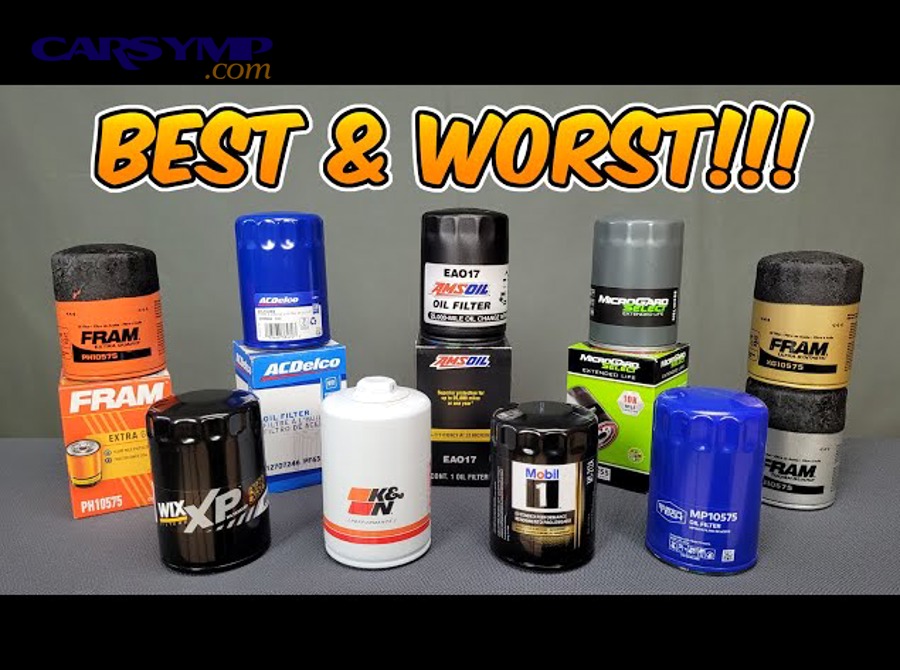
What are the three performance pillars of a good oil filter (capture, flow, durability)?
A good oil filter balances capture, flow, and durability so the engine gets clean oil quickly and consistently across the entire operating range.
To better understand why some filters protect better than others, start with what each pillar actually controls.
1) Capture (filtration performance)
Capture describes how effectively the filter removes particles that accelerate wear. Smaller particles can matter more than most people expect, because they can circulate repeatedly and abrade tight clearances. Research and industry summaries often point to a strong relationship between particle size and wear, which is why efficiency at smaller micron sizes is a major quality lever. (ag.purdue.edu)
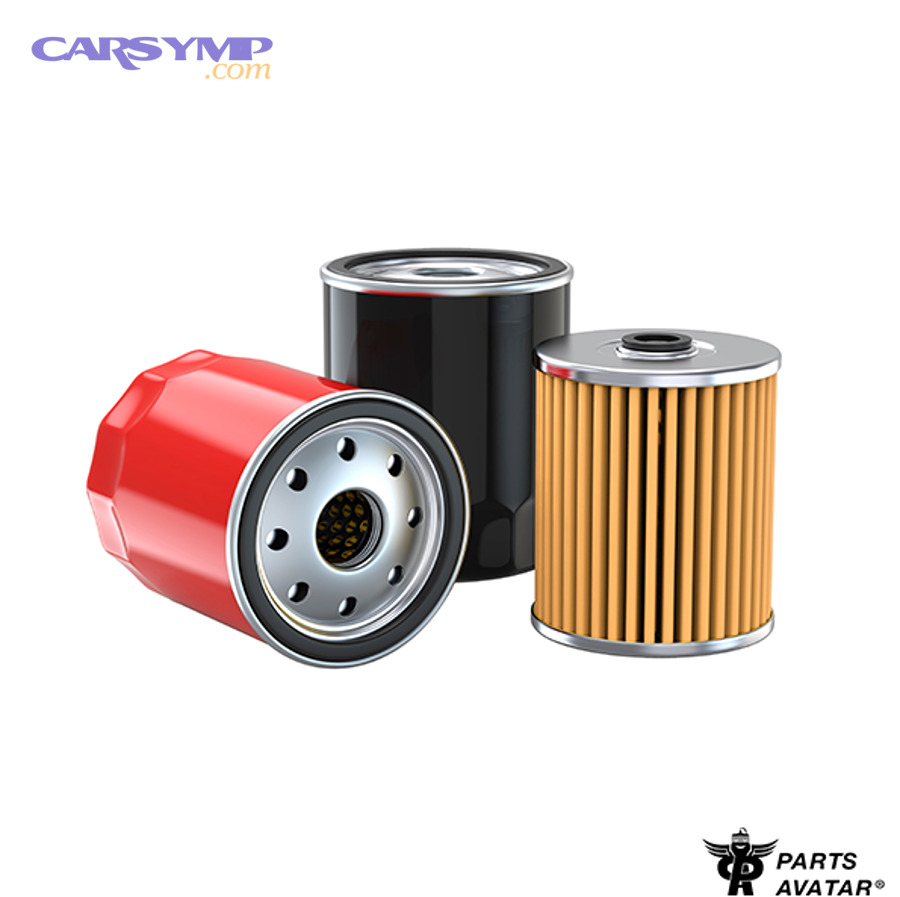
2) Flow (pressure drop and cold-start behavior)
Flow is the filter’s ability to pass enough oil without excessive restriction. Even a filter that captures very small particles can be a poor choice if its design creates too much pressure drop in cold weather or high-demand driving. Flow is not just “fast oil”—it’s stable oil pressure and lubrication delivery.
3) Durability (construction and valve reliability)
Durability describes whether the filter’s media, adhesives, center tube, and valves keep doing their job under heat, pressure, and contamination loading. A durable filter maintains structural integrity so it doesn’t bypass unnecessarily, deform, or develop sealing problems as miles accumulate.
Why can two filters that “fit” your car protect differently?
Two filters can fit the same threads and gasket surface yet protect differently because quality depends on internal design choices that aren’t visible from the outside.
Specifically, the biggest protection gaps usually come from differences in:
- Media type and surface area
- Efficiency at meaningful micron sizes
- Valve design and materials (anti-drainback behavior and bypass control)
- Build consistency (pleat spacing, sealing surfaces, adhesives, and overall QC)
In practice, that’s why a filter decision should align with your maintenance plan and the way you drive—not just the part number.
What are the differences between oil filter media types (cellulose, synthetic blend, full synthetic)?
There are three main oil filter media types—cellulose, synthetic blend, and full synthetic—and each differs in particle capture efficiency, contamination-holding capacity, and durability under heat and extended service.
Next, let’s explore how media choice changes both protection and the practical “feel” of an oil change schedule.
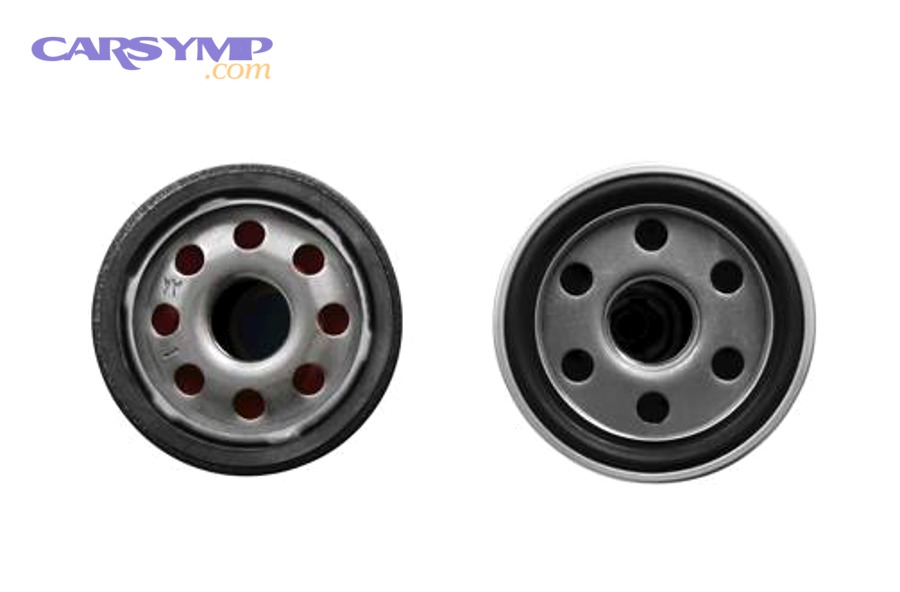
What are the main oil filter media types, and what is each best for?
There are 3 main types of oil filter media: cellulose, synthetic blend, and full synthetic, based on the filter material and structural support used to trap particles.
1) Cellulose (paper-based) media
Cellulose filters are common and affordable. They typically work well for standard service intervals when the engine is in good condition and the vehicle sees moderate conditions. The tradeoff is that cellulose media can be less durable and may load up sooner under severe driving.
Best for:
- Conventional intervals and moderate driving
- Owners who change oil frequently and want cost-effective protection
2) Synthetic blend media
Blend media combines cellulose with synthetic fibers to improve efficiency, consistency, and holding capacity compared with basic paper media.
Best for:
- Mixed driving conditions
- Owners who want a stronger all-around filter without stepping into premium pricing
3) Full synthetic media
Full synthetic media often offers improved consistency and durability—especially for heat, extended intervals, and high contamination loads. Many extended-life filters use synthetic media to hold more contamination while maintaining flow.
Best for:
- Longer service intervals (when supported by the vehicle and oil)
- Severe driving patterns (short trips, towing, heavy loads, high heat)
Does synthetic media always filter better than cellulose?
Synthetic media often wins in durability and contamination capacity, but it does not automatically “filter better” unless the design delivers higher efficiency at relevant micron sizes while keeping restriction under control.
However, marketing terms can hide the real variables, so it helps to compare media through measurable attributes:
- Efficiency at a stated micron size (not just “high efficiency”)
- Contaminant retention capacity
- Pressure drop behavior under cold starts and high flow demand
This is why published test methods matter. Standards such as ISO methods for full-flow oil filters are built to measure filtration efficiency using particle counting and contaminant retention concepts. (iso.org)
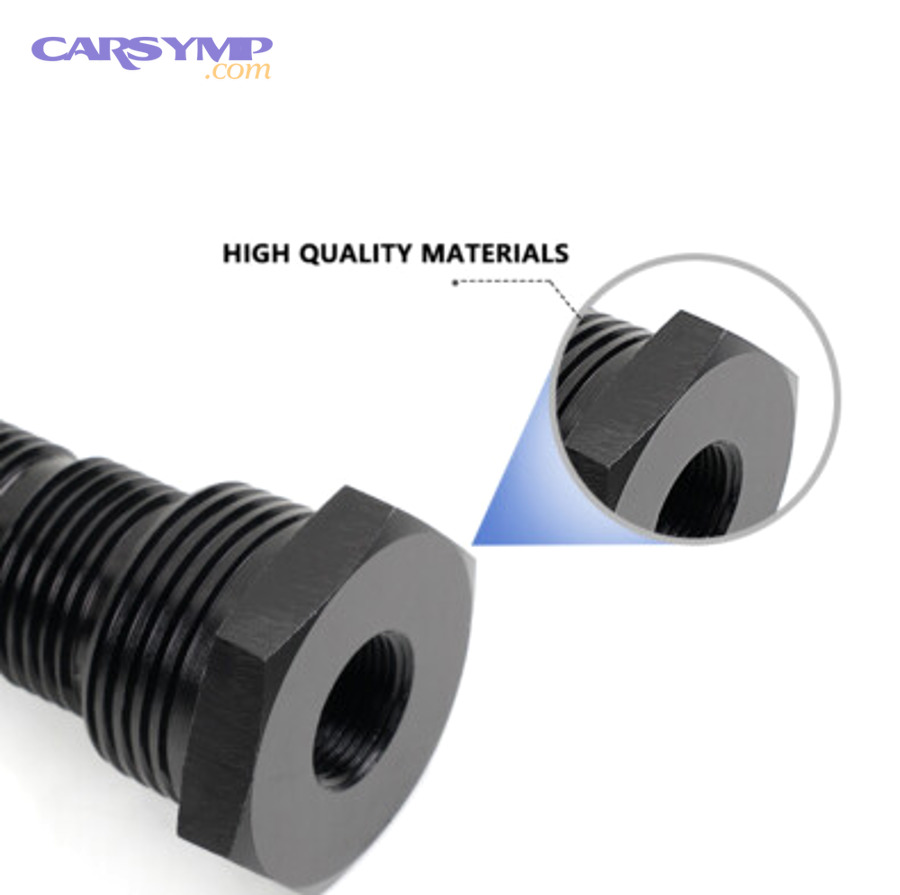
What does “micron rating” mean, and how does it relate to efficiency and engine wear?
A micron rating describes the particle size a filter targets, but quality depends on efficiency at that size—because a filter that is “X microns” on a label can still pass a lot of particles if its efficiency is low.
Next, we’ll connect microns to the kind of wear they influence and show how to read micron claims without falling into the nominal-versus-absolute trap.

What is a micron, and what particles are we trying to catch?
A micron (µm) is one-millionth of a meter, and in engine lubrication it’s a practical way to describe particle sizes that can circulate through tight clearances and contribute to abrasion.
For example, industry discussions of wear often emphasize that smaller particles can be disproportionately damaging compared with larger ones, because they can fit into more clearances and recirculate more easily. (ag.purdue.edu)
What you’re trying to catch depends on the engine’s clearances and contamination sources, but common particle sources include:
- Combustion byproducts (soot and oxidation products)
- Dust and dirt ingested through intake leaks
- Wear metals (generated by normal friction surfaces)
- Degraded oil additives and sludge fragments
A quality filter helps reduce how often those particles circulate through bearings, rings, and other wear-sensitive interfaces.
What’s the difference between “nominal” and “absolute” micron ratings?
Nominal and absolute micron ratings describe filtration differently: nominal usually means the filter captures some percentage of particles at a stated size, while absolute implies capture at a much higher threshold (often treated as near-total capture at that size).
However, the key problem is that these terms can be used inconsistently unless the filter’s rating is tied to a defined test method and stated efficiency.
That’s why many technical discussions prefer efficiency at X microns (or beta ratio-derived efficiency) rather than a standalone “micron rating.” Test standards for full-flow oil filters explicitly focus on particle counting approaches to evaluate efficiency and contaminant retention behavior. (cdn.standards.iteh.ai)
Do bypass valves and anti-drainback valves (ADBV) really matter?
Yes—bypass valves and anti-drainback valves matter because they control oil availability at startup and ensure the engine still receives oil flow when the media becomes restrictive, which directly affects protection during the most sensitive moments of operation.
Especially on cold starts, valve performance can be the difference between fast oil delivery and delayed pressure.
Does your engine need an anti-drainback valve?
Yes, many engines need an anti-drainback valve because it helps keep oil from draining out of the filter when the engine is off, which supports faster oil pressure on startup and reduces dry-running moments.
However, whether it’s required depends on filter orientation and engine design, so the right way to think about it is: if your filter mounts in a way that encourages drain-back, an ADBV is a protection feature you want working every time.
Common signs an ADBV might matter in your setup include:
- The filter mounts horizontally or base-up (more likely to drain)
- You hear brief timing chain rattle or top-end noise at startup
- Oil pressure seems to take longer to stabilize after the vehicle sits
In addition, filter guides often describe the ADBV as a valve that prevents drain-back to help oil reach the engine immediately at startup. (pgfilters.com)
What does the bypass valve do, and when does it open?
The bypass valve is a safety valve that opens when restriction across the filter media becomes high—so the engine still receives oil flow even if the oil is cold and thick or the filter is heavily loaded.
More specifically, the bypass valve opens under conditions like:
- Cold starts when oil viscosity is high and pressure drop rises
- High RPM/high demand moments when flow increases
- High contamination loading when the media is becoming restrictive
This is not “bad filtering by default”—it’s designed to prevent oil starvation. The goal of quality design is to keep bypass events appropriate and controlled, not eliminate the bypass function.
Silicone vs nitrile ADBV—does the material difference matter?
Silicone ADBV material often matters because it tends to resist heat aging and stiffness better than nitrile, which can help the valve seal consistently over longer service and higher-temperature operation.
Meanwhile, nitrile can perform well for standard intervals, but it may harden sooner in hotter conditions or when service is stretched.
Practical guidance for DIY owners:
- Choose silicone ADBV when you drive in extreme temperatures, plan longer intervals, or have known drain-back sensitivity.
- Choose nitrile ADBV when you change oil frequently and your engine doesn’t show drain-back symptoms.
What construction details separate a “good” oil filter from a “cheap” one?
A “good” oil filter is built with media support and internal structure that keeps pleats stable, seals consistent, and valves reliable—while a “cheap” filter often cuts cost in ways that reduce holding capacity, consistency, or sealing durability.
Next, let’s explore which internal parts actually change outcomes, so you’re not judging quality by a glossy label.
What internal parts should you care about when judging filter build quality?
There are 6 internal areas you should care about when judging oil filter build quality, based on whether they protect structure, sealing, and flow control:
- Filter media and pleat design
- Even pleat spacing supports consistent flow distribution
- More surface area can increase holding capacity, but only if supported properly
- End caps and bonding
- End caps (metal or fiber) and adhesive quality determine whether oil is forced through media rather than leaking around it internally
- Center tube (core) support
- A strong core prevents media collapse under high differential pressure
- Bypass valve design
- A stable bypass setting and robust spring/valve structure prevents erratic opening
- Anti-drainback valve (ADBV) sealing
- Material and fit determine whether it seals after thousands of heat cycles
- Base plate, threads, and gasket
- These determine external sealing—often the real-world difference between clean service and drips
If you’re trying to match filter quality to your maintenance approach, these internals matter more than a marketing phrase like “premium.”
Are metal end caps always better than fiber end caps?
Metal end caps are not always better than fiber end caps because overall design, bonding method, and QC determine whether the media seals properly and survives load, not the cap material alone.
However, metal caps can offer more consistent rigidity in some designs, while well-made fiber designs can still perform reliably.
A smarter comparison is to focus on:
- Consistency of media sealing to the end cap
- Pleat stability (no waviness or crowding)
- Core strength and bypass behavior
- Brand transparency about efficiency testing
How do you choose the right oil filter quality level for your driving and oil change interval?
You choose the right oil filter quality level by matching filter media and valve durability to your driving severity and planned oil change interval, so the filter remains efficient without excessive restriction for the entire service period.
Then, once the filter tier matches your use case, your maintenance routine becomes simpler and more predictable.

Which filter tier fits your situation (standard, mid-tier, extended-performance)?
There are 3 practical filter tiers—standard, mid-tier, and extended-performance, based on how long they can maintain filtration efficiency and flow under increasing contaminant load.
Standard tier
Choose standard filters when:
- You follow a conservative oil change schedule
- Driving conditions are moderate
- You want a straightforward, cost-effective maintenance loop
Mid-tier
Choose mid-tier filters when:
- Your driving includes short trips, stop-and-go, or mixed temperatures
- You want better media/valves without “extended life” pricing
- You prefer a buffer against harsher conditions
Extended-performance
Choose extended filters when:
- You legitimately extend your interval (and your vehicle/oil supports it)
- You drive in severe conditions (towing, high heat, frequent short trips)
- You want higher contamination capacity and durable valve materials
This is where the phrase Oil change interval by driving conditions becomes practical rather than abstract: severe driving increases contamination and stresses the filter faster, so the filter tier should rise with severity—not just the oil brand.
Is an “extended life” oil filter worth it for most drivers?
Yes, an extended-life oil filter can be worth it if you actually run longer intervals, drive in severe conditions, or want a larger safety margin in contamination capacity and valve durability—otherwise, the cost premium may not deliver meaningful benefit.
However, the value depends on whether your maintenance plan uses that capacity.
To make this decision concrete, tie it to your oil change reality:
- If you change oil early (well before the oil or filter is challenged), you may not “use” the extra capacity.
- If you drive hard or stretch intervals responsibly, extended capacity and durable valves can help keep filtration stable.
If you also track an Oil change cost estimate, compare the filter premium against:
- The cost of oil and time saved by fewer services (if you extend intervals)
- The risk cost of using a low-capacity filter in severe driving
What are common mistakes when comparing oil filters—and how do you avoid them?
Common oil filter comparison mistakes happen when people treat micron ratings, pleat count, or brand reputation as single-variable answers instead of evaluating efficiency, flow behavior, and valve reliability together.
More importantly, these mistakes can lead to mismatched filters—like choosing a “tight” filter without considering cold-start restriction.
What do oil filter labels and marketing terms usually leave out?
Oil filter labels usually leave out the test context—meaning they may not tell you the efficiency percentage, the test method, the flow conditions, or how performance changes as the filter loads with contamination.
Specifically, marketing terms often hide these gaps:
- “High efficiency” without stating efficiency at X microns
- “High flow” without pressure drop data
- “Synthetic media” without stating retention capacity or test standard
- “Extended life” without clarifying what conditions and intervals it is designed for
To avoid this, look for product literature tied to recognized testing concepts (particle counting efficiency, contaminant retention) rather than standalone adjectives. (cdn.standards.iteh.ai)
Why “more pleats” doesn’t automatically mean a better filter
More pleats doesn’t automatically mean a better filter because pleat count alone doesn’t reveal media type, pleat depth, spacing consistency, or whether the pleats are supported to resist collapse and channeling.
For example, a filter can have many pleats but still perform poorly if:
- Pleats are crowded and restrict flow
- Media is low-quality or inconsistently bonded
- The core support is weak and the media deforms under load
- The bypass valve opens too easily due to rising restriction
A better evaluation is “surface area + media performance + structural support,” not pleats alone.
Now that you know the core quality differences (media, microns/efficiency, and valve/construction) and how to choose the right tier for your driving, the next section answers related buyer questions that commonly come up after the fundamentals are clear.
What’s the difference between OEM and aftermarket oil filters—and when should you pick each?
OEM oil filters aim to match manufacturer targets for fit and performance, while aftermarket oil filters range from budget to premium designs—so the best choice depends on whether you want spec-matched simplicity, higher-efficiency upgrades, or cost control with smart selection.
In addition, this choice becomes easier when you tie it back to your service plan: the “right” filter is the one that supports your interval, conditions, and reliability expectations.
Are OEM oil filters better than aftermarket filters?
OEM filters are not automatically better than aftermarket filters because many aftermarket options meet or exceed OEM targets in efficiency, capacity, or valve materials—yet OEM filters often win in “predictable fit and baseline spec compliance.”
However, the most practical comparison is this:
- OEM wins when you want “set-and-forget” compatibility and you follow standard intervals.
- Premium aftermarket can win when you want higher efficiency at smaller micron sizes, greater holding capacity, or more durable valve materials—especially under severe driving.
If you’re optimizing for protection, remember that higher-efficiency filtration at smaller particle sizes has been associated with reduced wear in controlled studies and technical papers discussing filtration efficiency and engine wear. (sae.org)
Which aftermarket filters are most likely to be “OEM-equivalent” in practice?
Aftermarket filters are most likely to be OEM-equivalent when they match the OEM’s functional requirements: correct bypass behavior, correct sealing geometry, adequate capacity, and consistent build quality.
To better understand “OEM-equivalent” without relying on guesswork, look for these practical signals:
- The filter is designed for your exact application (not “universal fit”)
- The brand provides clear performance claims tied to test methods
- The filter includes the correct valve features for your engine layout (ADBV when needed)
- The gasket and base plate design match OEM sealing surfaces cleanly
- The filter tier matches your interval (standard vs extended)
If you cannot confirm these points, choose OEM or a reputable application-specific aftermarket filter rather than gambling on a cheap “fits many” option.
Can a cheap oil filter cause engine damage by itself?
Yes, a cheap oil filter can contribute to engine damage if it fails to seal, collapses internally, bypasses excessively due to restriction, or lacks needed valve function—because those issues can reduce lubrication quality at the exact moments engines are most vulnerable.
However, many budget filters won’t “instantly ruin” an engine when used correctly for short intervals, so the risk is usually about failure probability and mismatch, not a guaranteed outcome.
Three common risk pathways are:
- Valve mismatch or poor valve durability (drain-back, delayed oil pressure)
- Low capacity under severe driving (restriction rises, bypass opens more often)
- Sealing/build inconsistency (leaks, internal bypassing, media deformation)
That’s why the smartest approach is: if you choose a budget filter, keep intervals conservative and ensure the valve features match your engine’s needs.
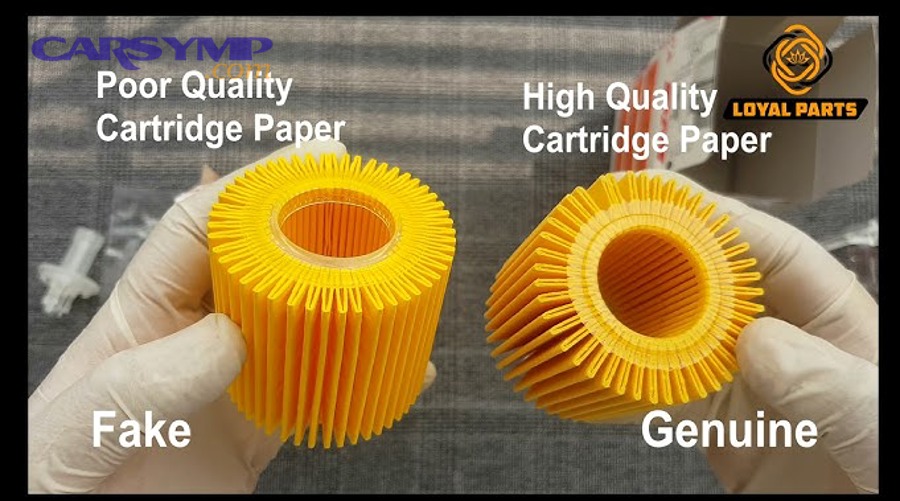
How can you spot a counterfeit or wrong-fit oil filter before installing it?
You can spot a counterfeit or wrong-fit oil filter by verifying the part number and packaging consistency, checking gasket and thread compatibility before installation, and inspecting the filter’s sealing surfaces for manufacturing defects.
Then, once it’s installed, you reduce risk further by doing a careful post-service check.
Use this quick pre-install checklist:
- Part number verification: cross-reference with the manufacturer’s catalog
- Threads: start by hand—threads should engage smoothly with no binding
- Gasket diameter and thickness: compare to the removed filter; the gasket must seat flat on the mounting surface
- Base plate and inlet holes: confirm the pattern and size look correct for your application
- Packaging cues: inconsistent printing, missing batch codes, or suspicious sellers are red flags
After the service, apply What to check for leaks after service in a disciplined way:
- Start the engine and watch for immediate seepage at the gasket
- Shut off, wait a few minutes, then re-check the filter perimeter and drain plug
- Re-check again after a short drive, because heat and pressure can reveal slow leaks
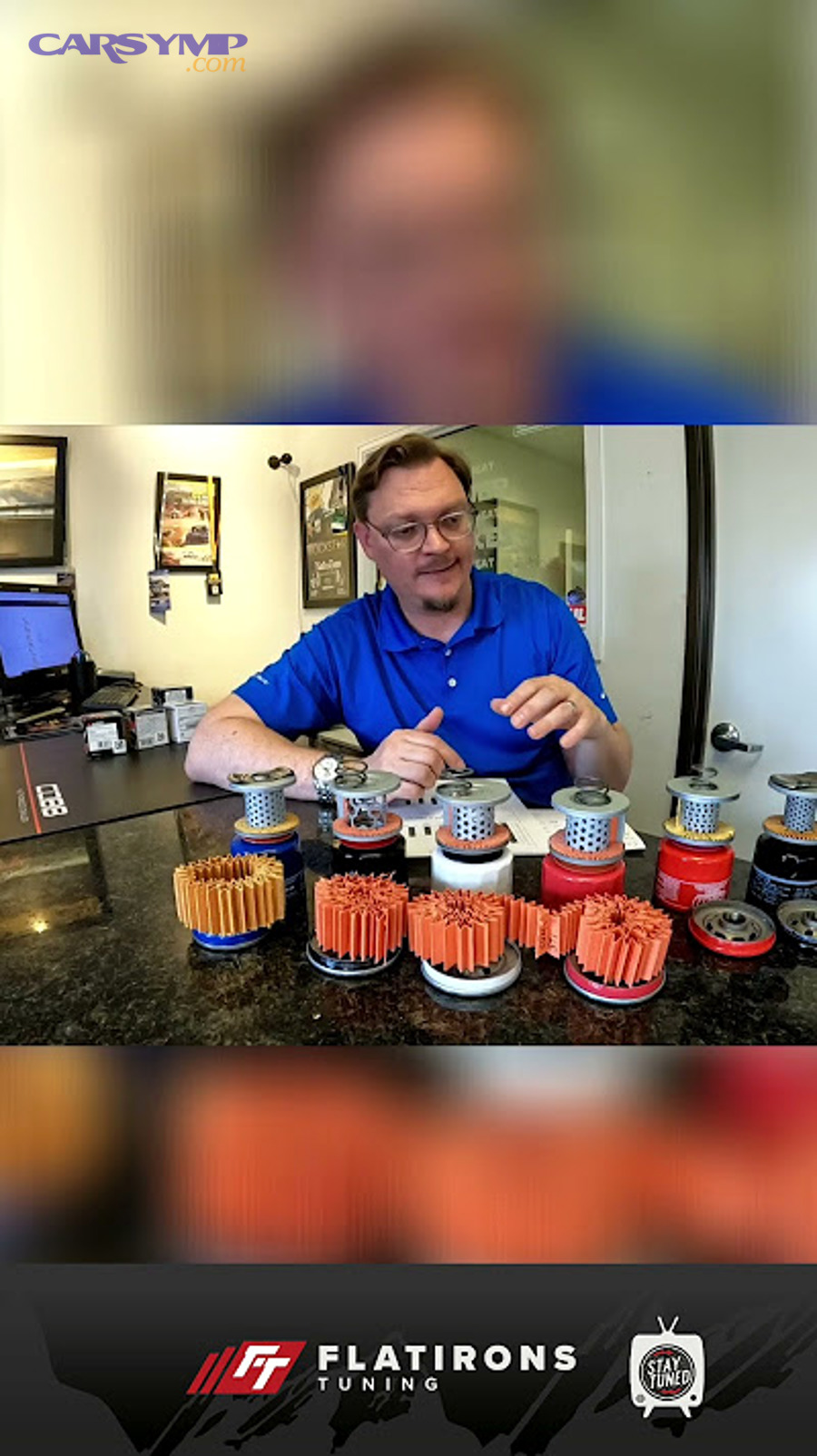
Finally, if you want a visual overview of filter construction differences and why they matter, the following video format (cutaways and comparisons) can help you recognize the components discussed above:
Evidence (if any): According to a Purdue University Extension resource (Department of Agricultural and Biological Engineering), in 2025, filtration improvements down to smaller particle sizes were associated with large reductions in engine wear compared with coarser filtration (e.g., finer filtration versus 40-micron filtration). (ag.purdue.edu)