


If your vehicle is past roughly 75,000 miles, high-mileage oil can help—when the engine is showing age-related behavior like minor seepage, rising oil consumption, or noisy cold starts, and when you still match the correct viscosity and specification for your engine.
High-mileage oil is not “magic oil,” but it is a purposeful formulation: it typically leans on a tuned additive package (often including seal conditioners and stronger deposit control) to support older engines that are more likely to have hardened seals, deposits, or wear-related clearances.
Many drivers also want clarity on what high-mileage oil can and can’t do—especially for leaks, burning oil, or low compression—so you don’t waste money chasing a mechanical problem with a bottle.
Introduce a new idea: the most reliable results come from treating high-mileage oil as part of a system—matching spec, choosing the right type, and switching carefully—so the rest of this guide walks you from “does it help?” to “which one do I buy?” to “how do I switch safely?”
Does high-mileage oil actually help older engines, or is it mostly marketing?
Yes—high-mileage oil can help older engines because it can condition aging seals, improve deposit control, and stabilize lubrication under wear-prone conditions, which often translates into less seepage, steadier consumption, and smoother cold-start behavior for the right vehicle.
More specifically, “help” has to mean something measurable and realistic. High-mileage oil is most helpful when an engine is still fundamentally sound but is showing common age markers—slightly hardened seals, sticky rings from deposits, or minor weeping around gaskets. It is far less helpful when the engine needs a mechanical fix, like a failed gasket, worn rings causing severe blow-by, or a cracked component.
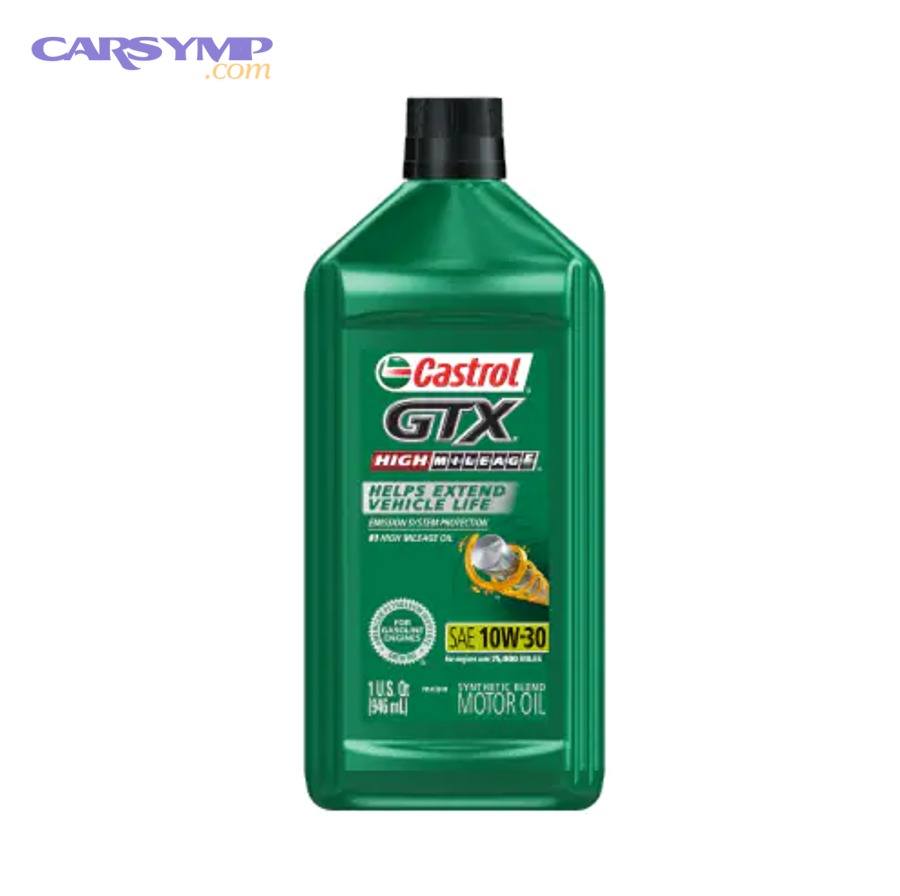
A practical way to judge whether you’re looking at “helpful” or “hype” is to separate symptom management from repair:
- Symptom management (where high-mileage oil may help): light seepage, slightly increased consumption, mild ticking at startup, sluggish oil control due to deposits.
- Repair territory (where oil won’t fix it): active dripping leaks, blue smoke under acceleration, coolant-oil mixing, persistent misfires from mechanical compression loss.
To keep your expectations aligned, use a simple rule: if the problem is structural, oil can’t rebuild it; if the problem is condition-related, oil may improve it.
According to a study by Purdue University (Extension publications in 2025), improving filtration can reduce engine wear substantially—one example cited is up to a 50% wear reduction when moving to finer filtration compared with a 40-micron filter—highlighting how “system choices” like oil + filter influence outcomes.
What is high-mileage oil, and how is it different from regular motor oil?
High-mileage oil is a motor oil formulated for older engines that typically includes a tuned additive package—often featuring seal-conditioning chemistry and enhanced deposit control—while still using standard viscosity grades and industry specifications like regular oil.
Then, the key difference is not that high-mileage oil ignores viscosity rules or “breaks” OEM guidance. The difference is usually how the additive package is biased to support older-engine behavior, which is why the title’s “older-engine oil” wording functions as a practical synonym for high-mileage oil in everyday use.
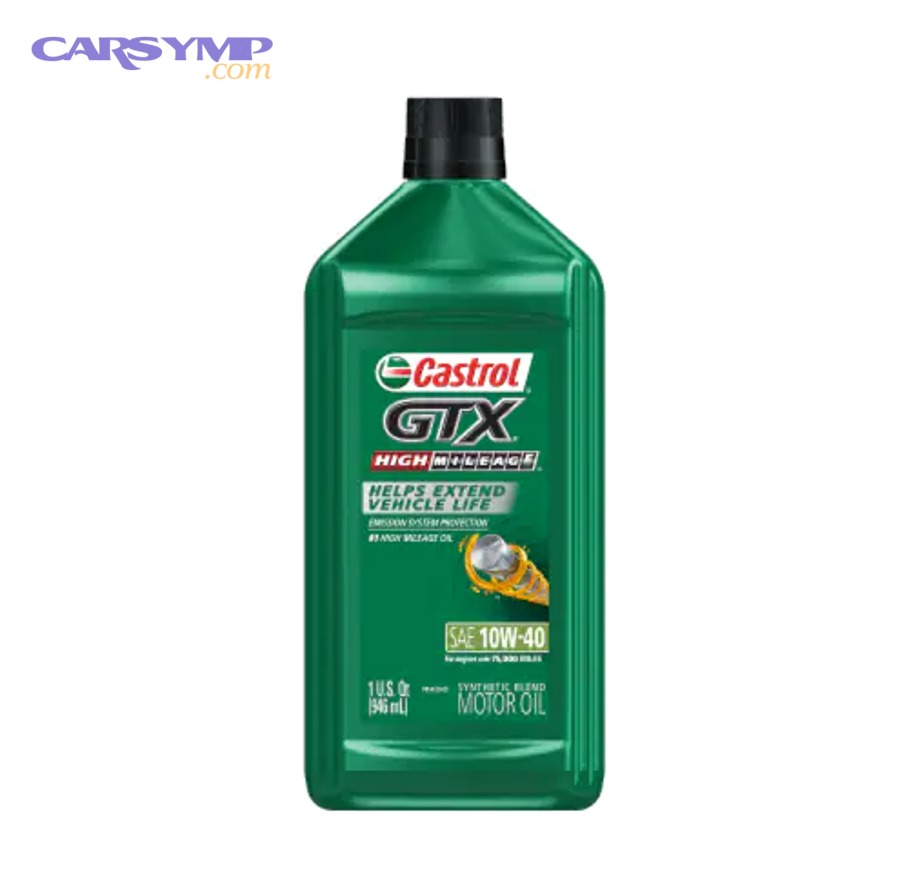
Here’s what “different” usually means in real terms:
- Seal-conditioning emphasis: Many high-mileage oils include additives intended to support elastomer seals that may have stiffened with age and heat cycling. That can reduce minor seepage in some cases, but it won’t repair a torn seal or failed gasket.
- Deposit control focus: Older engines can have more varnish and deposits. High-mileage oil often leans on detergents and dispersants designed to keep contaminants suspended and reduce sludge formation.
- Wear protection balance: Older engines can have larger clearances and more boundary lubrication events, so the formulation may aim for stable protection under those conditions (while still meeting the same spec class).
One common misconception is that high-mileage oil is automatically “thicker.” In practice, you still choose the correct viscosity grade (like 5W-30, 0W-20, etc.) and then select the high-mileage version of that grade if it fits your plan.
According to a study by the University of Dayton (thesis research, 2022), elastomer seal swell and compatibility can be measured and meaningfully influenced by fluid exposure, supporting the broader idea that seal-material behavior can change with lubricant chemistry—one reason high-mileage oils may affect minor seepage in specific cases.
When should you switch to high-mileage oil?
There are 3 main “switch triggers” for high-mileage oil—mileage/age, symptoms, and usage severity—based on whether your engine is aging normally, showing early wear behaviors, or operating under stress that accelerates deposits and seal hardening.
Next, treat 75,000 miles as a useful heuristic, not a law. Some engines at 120,000 miles run perfectly on standard oil that matches spec, while some engines at 60,000 miles show seepage because of heat cycles, short-trip sludge risk, or neglected maintenance.
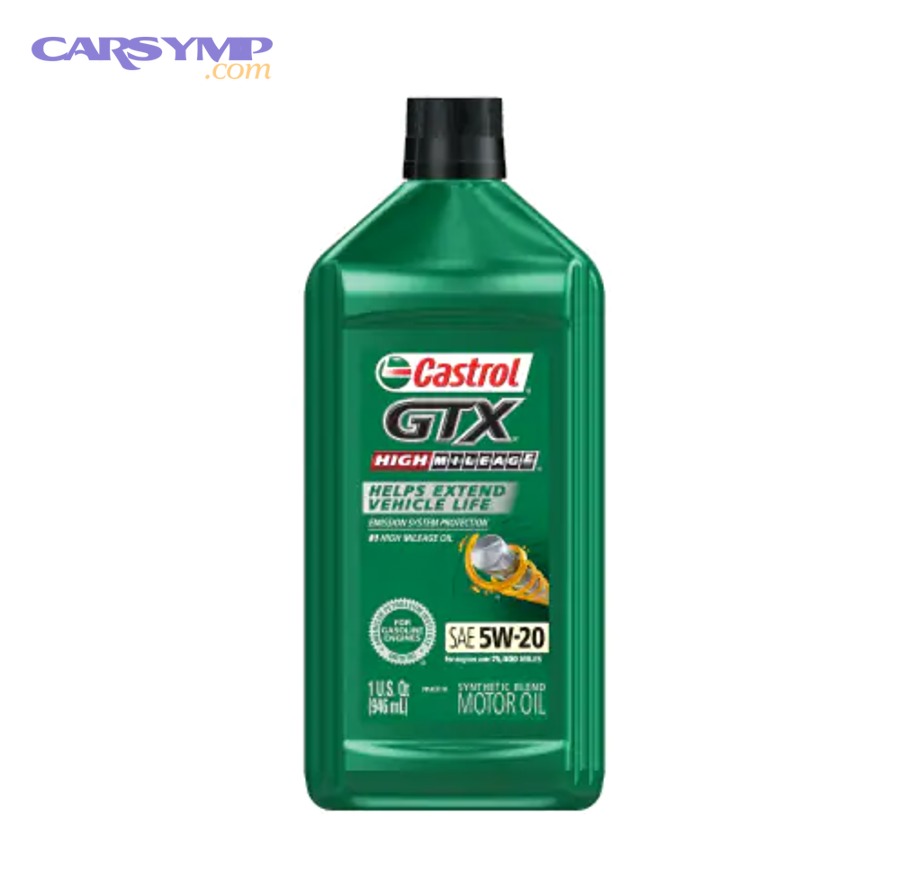
1) Mileage and age trigger
Use high-mileage oil when:
- Your car is around 75,000 miles or higher, especially if it has been exposed to frequent heat cycling or extended intervals.
- The engine is mechanically healthy, but you want a formulation better suited to older-engine conditions.
Avoid switching “just because” if you are strictly following a factory maintenance plan and you have no symptoms—because your best lever might simply be keeping the same spec and staying consistent.
2) Symptom trigger
High-mileage oil is most likely to help when you notice:
- Minor seepage around valve cover areas or light dampness near seals (not active dripping)
- Slightly rising oil consumption between services
- Cold-start ticking that improves as the engine warms (not constant knocking)
- Darkening oil quickly in a vehicle with a history of deposits (normal darkening is not automatically “bad,” but patterns can matter)
A useful habit is to keep a simple log: miles at fill, miles at next check, oil level change. High-mileage oil should make that log steadier, not worse.
3) Usage severity trigger
Switching is more justified when an older engine faces:
- Frequent short trips (more moisture/fuel dilution risk)
- Stop-and-go driving in heat
- Towing or heavy loads
- Long idle periods
These conditions increase heat cycles and contaminants—exactly the environment where deposit control and stable oil behavior matter.
To help you decide quickly, the following table summarizes the most common “switch” signals and what they usually indicate.
| Situation you see | What it often suggests | High-mileage oil role |
|---|---|---|
| Light seepage/dampness | Aging seals or gasket surfaces | May reduce minor seepage over time |
| Oil use slowly increasing | Deposits or worn oil control behavior | May improve consistency; won’t rebuild worn parts |
| No symptoms, good maintenance | Engine is stable | Optional, not required |
| Active dripping leak | Mechanical failure or gasket issue | Repair-first, oil is not the solution |
How do you choose the right high-mileage oil for your car?
There are 4 main selection factors for the right high-mileage oil—correct viscosity, correct specification, correct base oil type, and your engine’s symptom profile—based on what your manufacturer requires and what your older engine is actually doing.
To better understand “right,” start with the non-negotiables. The safest high-mileage oil is always the one that matches your owner’s manual viscosity and required specification. High-mileage is a feature set; the spec is your permission slip.
1) Match viscosity first (then choose high-mileage within that grade)
If your manual calls for 5W-30, you do not “upgrade” to 10W-40 as a shortcut unless you have a specific reason and understand the tradeoffs. A thicker oil can reduce some noise, but it can also reduce cold-flow performance, and it can be the wrong fit for modern tolerance designs.
A smart approach:
- Use the factory viscosity as your baseline.
- Consider only small adjustments if a trusted mechanic recommends it for your specific wear pattern and climate.
2) Verify the specification on the label
Even if two oils are both “high-mileage,” they might not meet the same spec. Look for:
- API service category (and/or ILSAC where relevant)
- OEM approvals if your vehicle requires them
If you want to keep the article’s core promise intact—“switch guidance”—you treat label specs as the gatekeeper.
3) Choose base oil type: conventional, blend, or full synthetic
This is where the Synthetic vs conventional oil comparison becomes useful, because “high-mileage” exists in all three families.
- High-mileage conventional: often best for older vehicles that have always used conventional oil and do normal driving with shorter intervals.
- High-mileage synthetic blend: a common middle ground for mixed driving and moderate interval goals.
- High-mileage full synthetic: often best for temperature extremes, long highway runs, towing, or owners who want the strongest stability while still meeting the correct spec.
The key is consistency. A high-mileage full synthetic that matches spec can be excellent, but it’s not automatically superior if your driving pattern is gentle and your intervals are short.
4) Align the formula to your symptom profile
Pick based on what you’re actually trying to improve:
- Minor seepage focus → prioritize reputable high-mileage formulas known for seal-conditioning emphasis
- Deposit concern focus → prioritize high-mileage formulas with strong detergency and dispersancy balance
- Consumption consistency focus → prioritize stable viscosity and deposit control, plus disciplined monitoring
Also, don’t forget the oil filter. Many “high-mileage success stories” are quietly a combination of oil choice and improved filtration discipline during each oil change.
How should you switch to high-mileage oil to get the benefits safely?
Switching to high-mileage oil is a 5-step process—confirm spec, choose the right formula, perform a clean oil change, monitor for changes, and adjust intervals—so you can capture benefits while quickly catching problems that need repair.
Then, don’t treat switching like a gamble. Treat it like a controlled experiment where you establish a baseline, change one variable (the oil), and watch what happens.

Step 1) Confirm spec and viscosity before buying
Use your manual or under-hood label to confirm:
- Viscosity grade
- Required performance spec
This prevents the most common switching mistake: choosing a “high-mileage” product that isn’t correct for the engine design.
Step 2) Do a clean, disciplined oil change
A clean oil change matters more than people think, because cross-contamination and bad habits can create “false results.” Use:
- The correct quantity
- A reputable filter
- A fresh drain plug gasket or washer if applicable
If you want the switch to be meaningful, don’t change three things at once (oil, filter type, and interval length) unless you can track outcomes.
Step 3) Monitor early (first 1–2 weeks) and then consistently
Watch:
- Oil level on the dipstick
- Any new drips on your parking spot
- Any changes in startup noise
This is where you apply What to check for leaks after service as a simple checklist:
- Check the drain plug area for fresh oil
- Check the filter perimeter for seepage
- Look around the valve cover edge and oil pan seam
- Re-check after one full heat cycle and again after a few drives
Step 4) Give it time—but not too much time
Many drivers notice changes within a few hundred miles, but the best test is often one full interval, then reassess. If seepage and consumption stabilize, you likely found a better match for your engine’s current life stage.
Step 5) Adjust interval strategy based on results
If your engine had deposits or your previous maintenance was inconsistent, consider a slightly shorter first interval to let the formulation work without overloading the oil with contaminants. After that, return to a stable plan.
According to a study by MIT (thesis research, 2010), lubricant-derived ash sources and additive-related residues can influence in-engine deposits and emissions-related outcomes, reinforcing why correct formulation and disciplined service choices matter more than “miracle” expectations.
Is high-mileage oil worth it, and when is regular oil (or repair) the better choice?
High-mileage oil is worth it when you want seal support, deposit control, or consumption stability; regular oil is best when your engine is symptom-free and strictly spec-driven; and repair is the right choice when you have active leaks, heavy burning, or mechanical compression problems.
In addition, “worth it” depends on the job you expect the oil to do. If you’re buying high-mileage oil as insurance for an aging but healthy engine, the cost can be justified by steadier behavior and fewer small annoyances. If you’re buying it to avoid fixing a dripping leak, it’s usually not worth it—because the leak will often worsen regardless of formulation.

When high-mileage oil is usually worth it
- Your vehicle is 75,000+ miles and shows mild seepage or mild consumption
- You do a lot of short trips or heat cycling
- You want a more older-engine-friendly additive balance while still meeting the correct spec
When regular oil is usually the smarter choice
- Your engine is clean, stable, and symptom-free
- You follow factory intervals and specifications closely
- Your driving is mostly easy highway miles and your oil level stays steady
When repair is the correct move (don’t “oil” your way around it)
- You see active dripping, not just dampness
- You see blue smoke, rapid oil loss, or repeated low-oil warnings
- You suspect coolant contamination, head gasket issues, or serious mechanical wear
A good closing mindset is simple: high-mileage oil is a tool for optimization, not a substitute for diagnosis. If you treat it that way—match spec, switch cleanly, monitor carefully—you’ll get the clearest answer to the question the title promises: when it helps, and when it doesn’t.