Plan Your Engine Oil Service: Oil Change Intervals, Oil Filter Basics, DIY Steps & Cost Tips for Car Owners
Planning an oil change is simple when you treat it like an engine oil service: follow the manufacturer’s spec, match the interval to how you drive, replace the filter, and verify the engine is leak-free and properly filled so your engine stays protected between services.
Beyond timing, a good plan also includes the parts of the service that actually prevent problems—especially choosing the right oil filter and understanding why Oil filter quality differences can change cold-start noise, pressure stability, and long-term cleanliness.
If you prefer DIY, you can complete an oil change safely with the correct tools, a clean step-by-step method, and a final checklist that includes Resetting oil life/service reminder and knowing What to check for leaks after service before you call the job done.
Introduce a new idea: once you can plan the service and perform it correctly, you can also control the Oil change cost estimate by comparing service options, avoiding unnecessary add-ons, and using evidence-based intervals instead of guesswork as part of smart auto maintenance.
What is an oil change (engine oil service) and what does it include?
An oil change is a routine engine oil service that drains used engine oil, replaces the oil filter, refills the engine with the correct oil specification, and confirms proper level and leak-free operation so lubrication and heat control remain stable between intervals.
To better understand what you’re paying for (or doing yourself), it helps to break the service into essential actions versus optional add-ons, because that’s where most confusion—and most overspending—starts.

What does “full-service oil change” mean—and what’s optional vs essential?
A “full-service oil change” usually means the shop replaces oil and filter, checks basic fluids, and performs quick visual inspections, but the only truly essential items are correct oil, correct filter, correct fill level, and a leak check under operating conditions.
Specifically, here’s how to separate essentials from optional items so you keep the service focused and effective:
- Essential (non-negotiable): Drain old oil safely, replace the oil filter, refill with the manufacturer-recommended viscosity and spec, verify the level, start the engine, and confirm no leaks.
- Strongly recommended: Replace the drain plug washer (if applicable), clean the drain area, torque the drain plug correctly, and document mileage/date for your maintenance record.
- Optional (depends on condition): Air filter, cabin filter, wiper blades, tire rotation, and battery test—helpful when needed but not inherently part of oil service.
- Often unnecessary unless diagnosed: “Engine flushes,” solvent additives, or blanket “treatments” that are sold without evidence of sludge or contamination.
When you keep the essentials consistent, the engine oil service becomes predictable: you control the lubricant, the filtration, and the final verification.
Does every oil change require a new oil filter?
Yes—most engines should get a new oil filter at every oil change because the filter traps abrasive particles, manages flow through a bypass valve when needed, and can become restricted over time, which reduces filtration performance and can increase dirty oil circulation.
More specifically, three practical reasons make “filter every time” the safest default:
- Filtration performance declines as it loads: A used filter has already captured debris, so the available media capacity is lower at the next interval.
- Cold-start behavior improves with a fresh filter: A fresh filter (especially with a healthy anti-drainback valve) helps maintain oil in the filter housing and can reduce dry-start delay.
- Leak prevention is simpler: A new filter includes a fresh sealing gasket/O-ring that reduces the risk of seepage after service.
Exceptions exist in niche situations (certain industrial applications or extended filtration systems), but for passenger vehicles and light trucks, replacing the filter each time is the most reliable plan.
Which parts are involved in an oil change (oil, filter, drain plug gasket, skid plate)?
There are 4 main parts involved in an oil change—engine oil, oil filter, drain plug sealing hardware, and access components (like a skid plate or undertray)—based on what must be removed, replaced, and verified to restore proper lubrication and sealing.
For example, each part plays a specific role in service quality:
- Engine oil: Provides lubrication, cooling, cleaning (detergency), and corrosion inhibition; must match the correct viscosity and required approvals.
- Oil filter: Captures contaminants; may include an anti-drainback valve and bypass valve that influence pressure and cold starts.
- Drain plug gasket/crush washer: Seals the drain plug to prevent seepage; some designs use a replace-every-time washer, others use a reusable gasket.
- Skid plate/undertray: Must be removed and reinstalled correctly; missing fasteners can cause rattles and poor airflow management.
According to a study by the University of California Agricultural Experiment Station, in 1929, the researchers found that oil-filtering systems can materially change engine oil cleanliness by capturing suspended contaminants, which supported the importance of proper filtration as part of routine service.
How often should you change your oil based on miles, time, and driving conditions?
There are 3 main ways to set an oil change interval—manufacturer schedule, oil life monitor, and severe-service adjustment—based on miles, time, and Oil change interval by driving conditions, and the safest plan follows the manufacturer spec while adjusting for your real-world use.
Next, the key is to stop thinking in only miles and start thinking in operating conditions, because that’s what actually degrades oil and loads the filter.

Should you follow the owner’s manual or the oil life monitor?
The owner’s manual wins for specifications and maximum boundaries, while the oil life monitor is best for adapting to your real driving pattern, so the optimal approach is to follow the manual’s required oil type and change the oil when the monitor (or time limit) indicates it’s due.
Meanwhile, here’s a practical decision rule that avoids confusion:
- Always follow the manual for: viscosity grade, required oil approvals, filter type, and any warranty-related requirements.
- Use the oil life monitor for: timing the interval within the manufacturer’s acceptable range, especially when your driving includes mixed city/highway patterns.
- Use a time cap: If you drive very little, change the oil at a calendar interval recommended by the manufacturer because short trips can still accumulate moisture and fuel dilution.
According to a study by Pennsylvania State University from its graduate engineering research on an engine oil life algorithm in 2009, oil life monitoring systems are built on models that estimate oil degradation from operating data rather than directly measuring oil condition, which is why you still need the correct spec and sensible boundaries.
Is the “3,000-mile oil change” rule still true?
No—the 3,000-mile rule is not universally true because modern engine designs, tighter fuel control, and improved oil formulations allow longer intervals for many vehicles, while severe-service driving can still require shorter intervals regardless of what the odometer says.
However, the “always 3,000” myth persists because it feels safe and simple. A better approach is to focus on Signs you’re overdue for an oil change and your driving conditions instead of a single number:
- Overdue signs that matter: rising engine noise on cold start, rough idle after long intervals, visible oil level dropping faster than normal, a burnt smell, or a warning message from the oil life system.
- Overdue signs that mislead: oil turning dark quickly (darkening alone is normal because detergents suspend soot and oxidation byproducts).
When you look at real symptoms and system data together, you get a safer schedule than any one-size-fits-all mileage rule.
What conditions count as “severe service” and shorten oil change intervals?
There are 6 main severe-service conditions—short trips, extreme temperatures, heavy towing/hauling, dusty environments, frequent idling, and stop-and-go traffic—based on how they increase contamination, oxidation, and fuel or moisture dilution in the oil.
More specifically, each condition affects oil in a predictable way:
- Short trips: The oil may not reach full temperature long enough to evaporate moisture and fuel dilution, accelerating sludge risk.
- Extreme cold: Thickened oil during cold starts increases wear risk during the first moments of operation.
- Extreme heat: Heat accelerates oxidation; oil thickens and additive packages degrade faster.
- Towing/hauling: Higher load increases oil temperature and shearing stress, reducing effective life.
- Dusty roads: Airborne particulates increase filter loading and abrasive contamination if intake filtration is compromised.
- Stop-and-go/idle time: More heat cycles and less steady-state efficiency can increase deposits and dilution.
This is why “Oil change interval by driving conditions” is not marketing language—it’s the logic behind severe-service schedules.
Can you go longer with full synthetic oil—and what are the safe limits?
Full synthetic wins in temperature stability, oxidation resistance, and cold-flow performance, while conventional oil is best for lower upfront cost, so the safe limit is the manufacturer-approved interval for your engine and your driving conditions—not the maximum number printed on an oil bottle.
On the other hand, Synthetic vs conventional oil comparison becomes clearer when you tie it to how you actually drive:
- Mostly highway, steady speeds: Synthetic often maintains viscosity stability longer and can be a good match for longer manufacturer intervals.
- Short trips, heavy idle, towing: Synthetic helps, but severe conditions can still justify shorter intervals because contamination and dilution don’t disappear.
- Low annual mileage: A calendar interval still matters; time-based aging and moisture accumulation can drive the schedule.
According to a study summarized by Purdue University Extension referencing a Consumers Union taxi-cab evaluation (100,000 miles), the researchers reported no meaningful wear differences between engines using conventional versus synthetic oil when both followed routine oil-change intervals—supporting the idea that interval discipline matters as much as oil type when the oil meets specs.
Which engine oil should you choose (viscosity and spec) for your car?
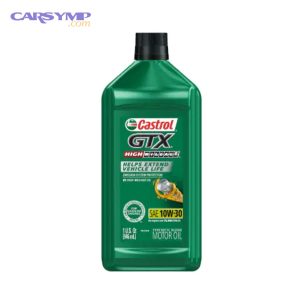
Choosing correct oil viscosity means selecting the exact viscosity grade and required performance spec listed by your manufacturer, because the right oil matches engine clearances, oil pump calibration, and temperature range to maintain stable pressure and film strength.
Then, once you stop treating oil like a generic fluid, you’ll make faster, safer decisions at the shelf—or at the service counter.

What do oil viscosity grades (0W-20, 5W-30) actually mean?
Oil viscosity grades are standardized labels where the “W” number describes cold-temperature flow performance and the second number describes viscosity at operating temperature, so a 0W-20 flows better in cold starts than a 5W-30 while still meeting a defined hot-viscosity range.
To illustrate, here’s the simple translation you can use in real decisions:
- Lower first number (0W vs 5W): Faster circulation in cold starts, which can reduce start-up wear and improve cranking flow.
- Second number (20 vs 30): A higher number is thicker at operating temperature, which can increase film thickness under load (when the engine is designed for it).
According to a study published through SAE technical literature in 1999, a 0W-20 low-viscosity engine oil showed measurable fuel economy improvement compared with higher viscosity grades under test conditions, demonstrating why manufacturers often specify lower-viscosity oils in modern engines.
Should you use conventional, synthetic blend, or full synthetic oil?
Full synthetic wins in high-temperature stability and cold-flow performance, synthetic blend is best for balanced cost and protection, and conventional oil is optimal for budget-focused drivers when the oil meets the required spec and the interval stays conservative.
However, the most important filter for this choice is compatibility—not marketing:
- Use conventional: When your manufacturer allows it, your driving is mild, and you change oil consistently.
- Use synthetic blend: When you want better stability without full synthetic cost, especially in mixed driving.
- Use full synthetic: When your engine requires it, you drive in heat/cold extremes, you tow, or your vehicle’s oil life monitor routinely sets longer intervals.
In auto maintenance planning, “best” means “best fit for your engine spec and real driving,” not “most expensive bottle.”
Do you need “high-mileage” oil for older engines?
Yes, high-mileage oil can help some older engines because it often includes seal conditioners, a tuned additive package, and detergency designed to reduce seepage and consumption, but it is not mandatory if your engine is clean, tight, and not using oil between changes.
Moreover, High-mileage oil: when it helps is easiest to decide with three reality checks:
- Oil consumption trend: If you’re adding oil between changes, high-mileage formulas may reduce the rate for some engines.
- Seepage and sweating: Minor gasket seepage may respond to seal conditioners; active leaks still require repair.
- Deposit sensitivity: If your engine has a history of sludge from neglected intervals, a high-detergent formulation (plus correct intervals) is more important than the label.
If you’re unsure whether your engine’s oil use is normal or a symptom, you can log the rate and compare it against your manual’s guidance; some drivers also reference educational symptom libraries like Car Symptoms to understand what “normal” looks like for their platform before they spend on add-ons.
How do oil filters work, and how do you pick the right one?
Oil filters work by forcing engine oil through filter media that traps particles while maintaining flow, and you pick the right one by matching fitment and quality features (media capacity, bypass valve design, and anti-drainback valve) to your engine’s requirements and interval.
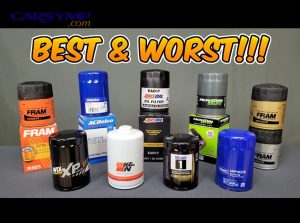
Besides oil choice, filtration is the second half of keeping oil clean, which is why oil filter quality differences show up as pressure behavior, start-up noise, and long-term deposit control.

What does the oil filter do—and what happens if it clogs?
The oil filter captures abrasive contaminants, soot, and wear particles, and if it becomes restricted it can trigger bypass operation that allows less-filtered oil to circulate temporarily, which protects oil flow but reduces filtration quality during that period.
Specifically, three filter functions matter most in real engines:
- Particle capture: Removes debris that accelerates wear when it circulates through bearings and cam surfaces.
- Flow stability: A properly designed filter maintains flow without excessive restriction across the interval.
- Valve management: The bypass valve and anti-drainback valve influence start-up behavior and protection when oil is cold or media is loaded.
If you notice delayed oil pressure warnings, new start-up rattles after a service, or persistent seepage around the filter base, those are signals to confirm correct filter type and installation rather than assuming “the engine is just old.”
Is a “premium” oil filter worth it compared to a standard filter?
A premium oil filter is worth it when you run longer manufacturer-approved intervals, drive in severe service, or want higher media capacity and better valve consistency, while a standard filter is best for conservative intervals and mild driving when it meets OEM specifications.
However, “premium” only matters if the design features match your needs. Here’s a clean comparison you can use without brand bias:
- Media capacity: Premium filters often have more media area, which can hold more contaminants before restriction increases.
- Anti-drainback valve quality: Better materials can maintain sealing and reduce drain-back after shutdown.
- Construction consistency: Stronger can designs and better gasket quality reduce deformation and seepage risk.
According to a study by the State of California (reported via official fleet evaluation documentation), high-efficiency oil filters were assessed for performance and adoption barriers in fleet use, highlighting that filtration efficiency and capacity can be meaningful in real-world maintenance programs—especially where intervals and utilization are high.
Cartridge vs spin-on oil filters: what’s the difference?
Cartridge filters win in reduced metal waste and often easier media replacement, while spin-on filters are best for quick, sealed replacement, so the right choice is simply the one your engine is designed to use—installed with the correct seals and torque.
On the other hand, the real difference for DIY and service quality is where mistakes happen:
- Cartridge filter pitfalls: Missing or pinched O-rings, incorrect O-ring placement, or over-tightening plastic housings.
- Spin-on filter pitfalls: Double-gasketing (old gasket stuck to the engine), over-tightening, or installing without lightly oiling the gasket.
When you pair the correct filter design with correct installation, you reduce the odds of leaks and pressure issues—two problems that get blamed on “bad oil” far more often than they should.
How do you change your oil at home safely (DIY steps)?
Changing your oil at home is a straightforward method with 7 steps—prepare, warm the engine, lift safely, drain, replace the filter, refill, and verify—so you achieve a clean engine oil service with correct level, no leaks, and accurate records.
To begin, safety and consistency matter more than speed, because the most expensive DIY outcomes come from shortcuts and Common oil change mistakes to avoid.

What tools and supplies do you need for an oil change?
There are 10 main items you need for a DIY oil change—correct oil, correct filter, drain pan, wrench/socket, filter wrench, funnel, gloves, rags, jack stands/ramps, and a torque tool—based on preventing spills, preventing stripped threads, and verifying the job correctly.
More specifically, this checklist keeps the job controlled:
- Correct engine oil: Match viscosity and required approvals from your manual.
- Correct oil filter: Confirm part number for your exact engine.
- Drain pan + measuring container: Helps confirm the engine’s oil capacity and prevents overflow.
- Socket/wrench for drain plug: Use the correct size to avoid rounding.
- Filter wrench (if needed): Especially helpful for tight filters or limited access.
- Ramps or jack + jack stands: Never rely on a jack alone for under-vehicle work.
- Torque wrench (recommended): Helps prevent drain plug over-tightening and stripped pans.
- Gloves + shop towels: Keeps the job clean and reduces skin exposure.
- Replacement washer/O-ring: If your drain plug or cartridge housing uses one.
- Recycling container: For transport to a disposal/recycling facility.
What are the step-by-step oil change steps (drain, replace filter, refill, verify)?
The best DIY method follows 7 steps—warm, secure, drain, filter, seal, fill, verify—so you prevent leaks, avoid overfilling, and confirm stable oil pressure and level after start-up.
Then, follow these steps in order to keep the hook chain tight from planning to verification:
- Warm the engine briefly: A few minutes helps oil flow, but avoid working with dangerously hot components.
- Park level and secure the vehicle: Use wheel chocks and set the parking brake.
- Lift safely (if required): Use ramps or jack stands on solid points; confirm stability before going underneath.
- Drain the oil: Position the drain pan, remove the plug carefully, and let oil drain fully.
- Replace the oil filter: Remove the old filter, confirm the old gasket is not stuck, oil the new gasket/O-ring, and install per spec.
- Reinstall the drain plug correctly: Replace the washer if required and torque the plug to specification.
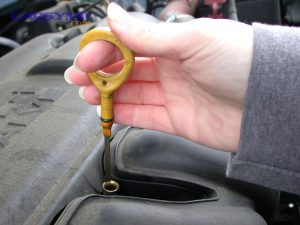
- Refill and verify: Add the correct amount, start the engine, check for leaks, shut down, wait a few minutes, and recheck the dipstick.
If you want a visual reference once you understand the steps, this video demonstrates the typical flow of a DIY oil change:
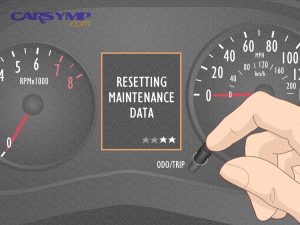
Finally, don’t skip resetting oil life/service reminder if your vehicle uses an oil life system, because the reminder is part of your interval plan—not just an annoyance.
What are the most common DIY oil change mistakes (double gasket, overfill, stripped plug)?
There are 7 common oil change mistakes to avoid—double gasketing, overfilling, underfilling, stripped drain plug threads, incorrect oil viscosity, loose filter installation, and skipping verification—based on what most often causes leaks, low pressure warnings, and engine damage.
Especially for first-timers, these are the failure points that matter:
- Double gasket on spin-on filters: The old gasket sticks to the engine; the new gasket seals poorly and can blow out under pressure.
- Overfill: Too much oil can cause foaming and crank windage; it can also trigger warning lights on some cars.
- Stripped drain plug threads: Over-tightening or cross-threading can damage the oil pan—an expensive outcome for a simple service.
- Choosing incorrect oil viscosity: “Close enough” can cause pressure and protection mismatches; always prioritize OEM spec.
- Loose filter or drain plug: Small leaks become big leaks after heat cycles.
- Skipping the post-start inspection: You must confirm what to check for leaks after service: filter base, drain plug, undertray area, and driveway drips.
- Not disposing of oil properly: Used oil and filters should be recycled through approved channels.
According to a study by Pennsylvania State University from its engineering research on oil-life modeling in 2009, operating conditions drive oil degradation estimates—so DIY success depends on both correct procedure and correct interval discipline, not just “getting fresh oil in.”
How much does an oil change cost, and what affects the price?
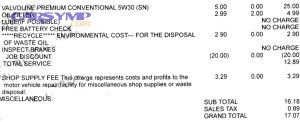
An oil change cost estimate is determined by 4 main cost drivers—oil type, oil capacity, filter quality tier, and labor/service model—so the price changes significantly between a small engine with conventional oil and a larger engine requiring full synthetic and an upgraded filter.
More importantly, understanding the price structure helps you compare options without falling into upsells that don’t improve protection.

What’s the typical price range for conventional vs full synthetic oil changes?
Full synthetic typically costs more than conventional because the oil itself is more expensive and many vehicles that specify synthetic also require specific approvals and higher-quality filters, while conventional is cheaper upfront but may be paired with shorter intervals depending on manufacturer guidance.
However, instead of chasing one “average price,” it’s more accurate to map cost to what you’re actually buying:
- Oil quantity (capacity): A 4-quart engine and an 8-quart engine can’t have the same materials cost.
- Specification requirements: OEM-approved oils can cost more than generic formulations.
- Filter tier: Oil filter quality differences show up as standard vs high-capacity vs high-efficiency options.
- Labor model: Quick-lube pricing differs from dealership pricing due to time, documentation, inspections, and overhead.
As a consumer, the most useful pricing move is to ask what oil spec and filter part number are included, because that reveals whether the quote matches your car’s needs.
Quick lube vs dealership vs DIY: which is better for your situation?
DIY wins on cost control, quick lube is best for speed and convenience, and dealerships are optimal for model-specific documentation and updates, so the best choice depends on your priorities: time, warranty documentation, and your confidence performing the work correctly.
Meanwhile, use this comparison framework to pick without guesswork:
- DIY: Best when you want full control over choosing correct oil viscosity and filter quality, and you can work safely; risk increases if you rush or lack tools.
- Quick lube: Best when time matters; you should still verify the oil spec and confirm the final level and leak check are done.
- Dealership: Best when your vehicle has strict spec requirements, complex undertrays, or service updates; often provides the cleanest record trail.
In all cases, a good provider completes the same core steps: correct oil, correct filter, correct fill, leak verification, and resetting oil life/service reminder.
Is it worth paying extra for add-on services during an oil change?
Yes, some add-ons are worth it because they prevent bigger problems—like tire rotations for uneven wear or replacing a cracked air filter—yet many add-ons are not worth it when they are sold as automatic “packages” without a clear diagnosis or measurable benefit.
On the other hand, you can separate value add-ons from low-value add-ons by asking three questions:
- Does it solve a confirmed issue? A seep needs a seal repair, not a mystery additive.
- Does it match the manufacturer schedule? Some services are interval-based; others are condition-based.
- Can you see the before-and-after? A worn filter or uneven tire wear is visible; vague “cleaning” claims are not.
When you apply that filter, you keep your engine oil service focused—and your budget predictable—without sacrificing reliability.
How can you optimize your oil change plan for edge cases and long-term engine health?
You can optimize your oil change plan by using 4 advanced levers—used oil analysis, evidence-based extended intervals, oil consumption tracking, and the balance between over-maintenance and under-maintenance—so your service schedule fits your engine, your driving, and your risk tolerance.
In addition, this is where you move from “following a schedule” to “managing a system,” which is the difference between random maintenance and real long-term reliability.

Should you use used oil analysis (UOA) to set your oil change interval?
Yes, used oil analysis can be worth it because it measures contamination and wear metals, identifies fuel dilution or coolant contamination early, and helps validate whether your oil change interval by driving conditions is too long or safely conservative.
Specifically, UOA is most useful in these situations:
- Fleet or high-mile drivers: Small per-change savings become large over time if the interval can be safely optimized.
- Severe-service drivers: Short trips, towing, and high idle time can cause dilution and oxidation that mileage alone doesn’t reveal.
- Engines with consumption or unknown history: UOA can highlight abnormal wear patterns or contamination that changes the maintenance plan.
According to a study by Istanbul Technical University researchers reported in SAE literature in 1998, used oil analysis data were applied to determine an optimum drain interval in a gasoline engine test, demonstrating that measured wear indicators can guide interval decisions when conditions are controlled.
Can extended drain intervals be safe—and what conditions must be true?
Yes, extended drain intervals can be safe when the oil meets the required spec, the engine runs clean and at stable temperatures, the filter capacity matches the interval, and verification (via manufacturer guidance or oil analysis) confirms the oil remains within acceptable limits.
However, extended intervals fail when one condition is ignored. Use this “must be true” checklist:
- Correct oil specification: Not just viscosity—also required approvals and additive performance.
- Healthy engine condition: No coolant contamination, no uncontrolled fuel dilution, and no severe sludge history.
- Appropriate filtration: If you extend the interval, filter capacity becomes more important, which is where oil filter quality differences matter.
- Driving pattern supports it: Long steady trips are more compatible with longer intervals than repeated cold starts and short trips.
When you treat extended drains as a controlled decision rather than a bragging right, you keep reliability intact.
What should you do if your engine burns oil between changes (top-off vs shorten interval)?
Shortening the interval is best when oil consumption is accompanied by contamination or severe driving, while topping off is optimal when the engine is otherwise healthy and the consumption rate is stable, so the correct choice depends on the cause and the trend over time.
To illustrate a practical decision path:
- Step 1: Measure the rate: Track how many quarts per 1,000 miles you add.
- Step 2: Look for leaks: Confirm what to check for leaks after service: drain plug area, filter seal, valve cover seepage, and oil pan edges.
- Step 3: Decide the response: If consumption is mild and stable, top-off and monitor; if it’s increasing, shorten intervals and investigate mechanical causes (PCV issues, rings, turbo seals, etc.).
- Step 4: Re-evaluate oil choice: High-mileage oil: when it helps becomes relevant if seepage or minor seal hardening appears.
This approach keeps you from “fixing” consumption by blindly using thicker oil, which can create new problems in engines designed for low-viscosity lubricants.
Is it possible to change oil too often (waste) vs not often enough (risk)?
Yes, changing oil too often wastes money and resources without extra protection in many modern engines, while not changing often enough increases oxidation, additive depletion, and deposit risk, so the smart plan is to follow manufacturer guidance and adjust for driving conditions instead of extremes.
In short, you’re balancing two antonyms in maintenance behavior:
- Over-maintenance (waste): Frequent changes that don’t improve wear outcomes when the oil is still healthy and the interval is already conservative.
- Under-maintenance (risk): Long intervals with severe driving, wrong oil, poor filtration, or ignored warning signs that push oil beyond safe limits.
A stable middle path looks like this: use the correct spec oil, choose a filter that matches your interval, watch signs you’re overdue for an oil change, and keep records. That’s how you turn oil service into a reliable system—one that supports long-term engine health without unnecessary spending.