


If your temperature gauge climbs, the fastest “foundation check” you can make is whether your coolant mixture ratio is correct—because a wrong ratio can reduce heat transfer, lower your boiling safety margin under load, and trigger real overheating.
Next, most car owners don’t need a custom formula: 50/50 coolant-to-water is the baseline that balances cooling performance with freeze/boil and corrosion protection for everyday driving.
Then, the “best” ratio isn’t always one-size-fits-all: 50/50 vs 60/40 depends on climate, load, and what your manufacturer allows—so choosing the right ratio is part of preventing overheating, not just topping off fluid.
Introduce a new idea: once you understand what ratio you have and what ratio you need, you can test it, correct it safely, and stop the same problem from coming back.
Is the wrong coolant-to-water ratio a real cause of overheating?
Yes—an incorrect coolant-to-water ratio can cause overheating because it can reduce heat transfer, increase localized hot spots, and shrink your boiling-point safety margin under pressure. Specifically, mixture ratio problems show up when the cooling system is already working hard—hot weather, stop-and-go traffic, long climbs, towing, or extended idling.
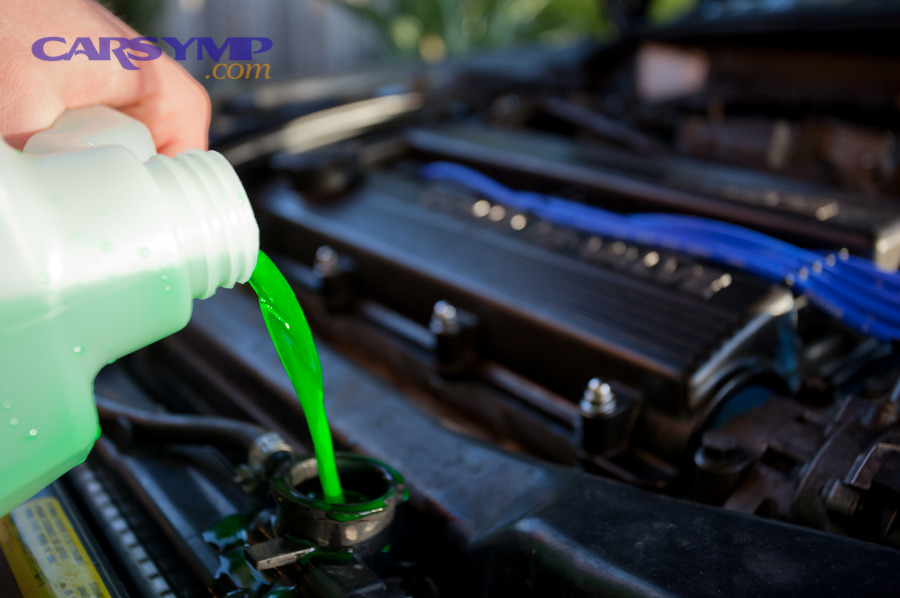
Can too much antifreeze make an engine run hotter?
Yes—too much antifreeze (too high glycol concentration) can make the engine run hotter for three practical reasons: water carries heat better than glycol, high glycol can reduce coolant flow efficiency, and it can increase the chance of hot spots under load. However, that does not mean “more water is always better,” because the coolant mixture must also resist boiling, freezing, and corrosion.
To better understand the “too much antifreeze” problem, start with how heat moves in your cooling system:
- The coolant absorbs heat from the engine block and cylinder head.
- The radiator rejects heat to airflow.
- The thermostat regulates flow, and the water pump maintains circulation.
When glycol concentration climbs beyond what your system is designed for, three things tend to happen:
- Heat transfer suffers where it matters most (at the metal surfaces).
Water has a higher capacity to absorb heat and generally conducts heat better than glycol mixtures. When you replace too much water with glycol, the coolant’s ability to pick up heat from the engine and dump it at the radiator can drop—especially during high-load conditions. - Viscosity rises, which can reduce effective flow.
Higher glycol mixtures are thicker, particularly in colder temperatures. That can increase pumping resistance and reduce flow through small passages, radiator tubes, and heater core circuits—leading to uneven temperatures. - Your “overheating threshold” becomes easier to reach in real driving.
The system may appear fine on mild days, then overheat in traffic or on hills because you’re operating with less thermal headroom.
Evidence: According to a study by Eskişehir Osmangazi University from the Faculty of Engineering and Architecture, in 2021, experiments on an automobile-radiator-style heat exchanger observed that as ethylene glycol mixture ratio increased, heat transfer decreased. (This aligns with the practical reality that higher glycol content can negatively impact cooling performance even while improving freeze protection.)
Can too much water cause overheating even if it “cools better”?
Yes—too much water can still cause overheating because it lowers boil protection, increases vapor-pocket risk, and weakens corrosion and seal protection that keeps the system working efficiently. More specifically, water may carry heat well, but it also needs help staying stable at high temperatures and pressures.
Here’s why water-heavy mixes can overheat in the real world:
- Boiling happens locally first. Even if the gauge isn’t pegged yet, certain hot zones (around combustion chambers) can create micro-boiling if the coolant’s boiling margin is too low. Boiling produces vapor bubbles, and vapor does not transfer heat well—so heat spikes.
- Pressure doesn’t save you forever. Radiator cap pressure raises the boiling point, but if you’re running a weak mixture and the system is slightly low on pressure (aging cap, small leak), you can hit boiling conditions sooner.
- Corrosion and deposits build silently. Too much water with insufficient inhibitor chemistry can accelerate corrosion and scaling (especially with tap water), reducing radiator efficiency over time—making overheating more likely later.
The “best cooling” strategy is not “maximum water.” It is balanced mixture + healthy system pressure + clean flow paths.
Does topping off with plain water change the ratio enough to matter?
Yes—topping off with plain water can change the coolant mixture ratio enough to matter because it steadily dilutes concentration, reduces freeze/boil protection, and can push you into a weak mix after repeated top-offs. However, one single small top-off is usually less dramatic than a pattern of topping off without addressing the cause.
To illustrate, think in “small leak math”:
- If you lose coolant slowly (hose seep, cap venting, tiny radiator leak), you’re losing mixed fluid, not pure water.
- If you repeatedly replace that loss with plain water, the concentration drops over time.
- Eventually, you may be running a weak mix that boils sooner or corrodes faster.
A practical rule that supports overheating diagnosis:
- One emergency top-off to get home is one thing.
- Multiple top-offs over days/weeks is a sign to test concentration and look for the leak source.
What is the “correct” coolant mixture ratio and what does 50/50 mean?
The correct coolant mixture ratio is the percentage of coolant concentrate mixed with water that your cooling system needs to balance heat control, corrosion protection, and freeze/boil safety—most commonly 50/50 for everyday cars. Specifically, “50/50” means half coolant (concentrate) and half water by volume, unless your product label states otherwise.
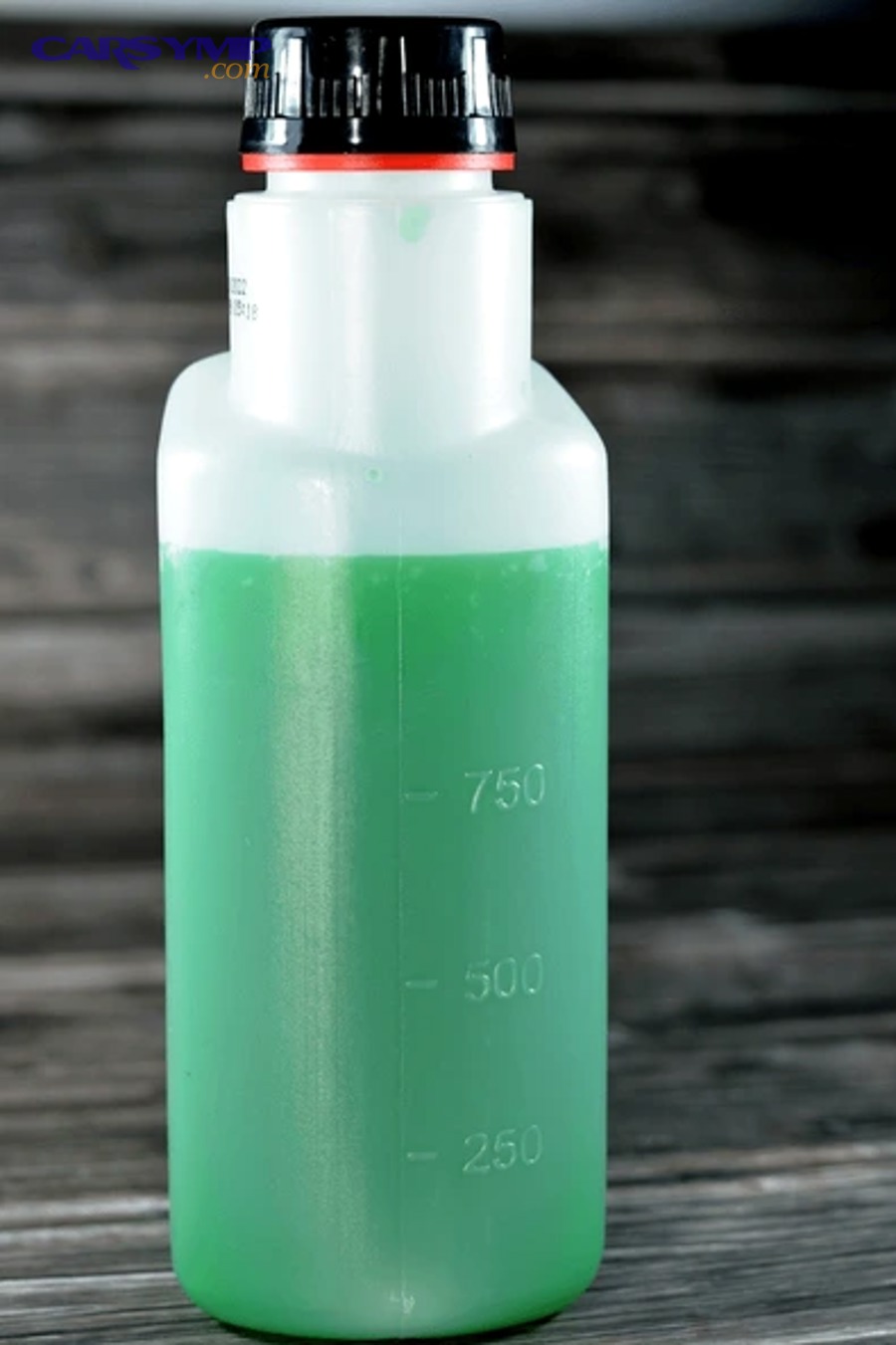
What’s the difference between premixed coolant and concentrate for ratio accuracy?
Concentrate wins for ratio accuracy, premix wins for convenience, and “mixing both randomly” is what creates the most ratio mistakes. More importantly, you need to know which one you’re holding before you “correct” anything.
Here’s the clean comparison:
- Premixed coolant (often labeled 50/50):
- Already blended with water to a target ratio.
- Best for simple top-offs.
- Risk: if your system is already weak or strong, premix may not correct it fast.
- Concentrate (full-strength):
- You mix it with distilled water to hit your target ratio.
- Best for correcting a weak mixture (because you can add concentrate to raise glycol concentration).
- Risk: adding concentrate blindly can overshoot and create a too-strong mix.
A common real-world trap:
If you have a system that’s been repeatedly topped off with water (weak mix), adding premix doesn’t raise the ratio as efficiently as adding concentrate. That’s why “premix only” can keep you stuck in the middle.
What temperature protection does a typical 50/50 mix provide (boil/freeze)?
A typical 50/50 mix provides balanced freeze protection and raises boil protection compared with water alone, especially when combined with normal system pressure from the radiator cap. However, exact freeze/boil numbers vary by coolant chemistry (ethylene vs propylene glycol) and system pressure.
The key idea for car owners is this:
50/50 is a stability ratio, not just a freeze ratio.
It protects against freezing in winter, boiling under load, and corrosion year-round.
If your goal is “fix overheating,” remember the hook: overheating is often a margin problem—and 50/50 restores margin for most daily drivers.
Why is distilled/deionized water recommended instead of tap water?
Distilled/deionized water is recommended because it minimizes minerals that create scale, reduces corrosion risk, and helps the coolant additives do their job over the service interval. In addition, mineral buildup can reduce radiator efficiency—making overheating more likely months later even if the ratio was “right” today.
Tap water can contain:
- Calcium and magnesium (scale)
- Chlorides (corrosion acceleration)
- Variable mineral content depending on location
Over time, those minerals can coat heat-transfer surfaces, acting like insulation. If you’re trying to prevent recurring overheating, using distilled water is a low-cost habit that protects cooling performance.
Which coolant ratio should you use: 50/50 vs 60/40 (and when)?
50/50 wins for everyday driving balance, 60/40 is best for colder climates needing extra freeze margin, and higher-than-recommended glycol ratios are rarely optimal for overheating prevention. Next, you should choose your ratio based on climate, load, and manufacturer limits—not on guesswork.
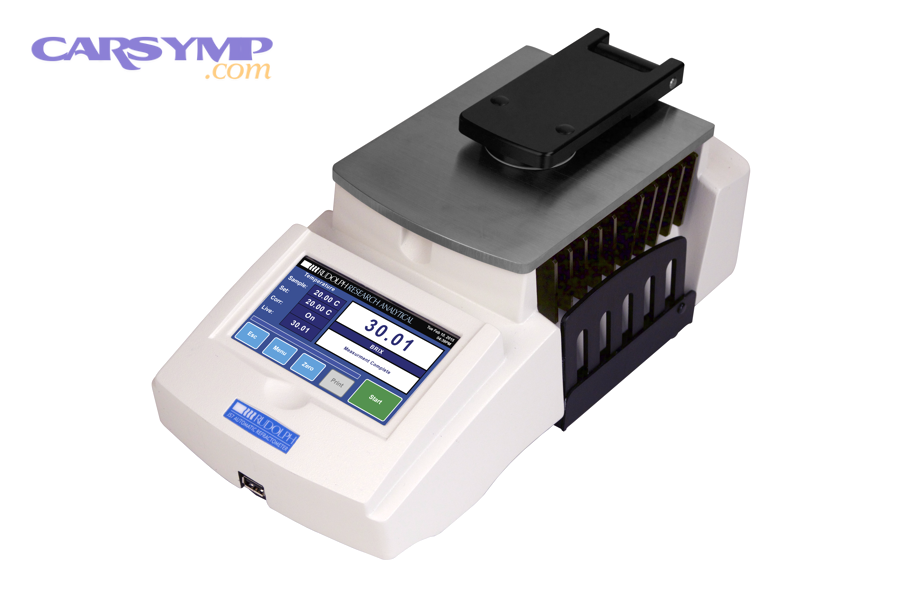
When is 50/50 the best choice for overheating prevention?
There are 4 main situations where 50/50 is the best ratio for overheating prevention: daily commuting, mixed city/highway use, moderate-to-hot climates, and vehicles that already run near normal operating temperature under load. Specifically, 50/50 gives you a strong blend of heat control and stability.
Choose 50/50 when:
- Your owner’s manual recommends it as the default.
- You drive in varied weather without extreme sub-zero exposure.
- You spend time in traffic or idle frequently (where heat rejection depends heavily on radiator airflow and fan performance).
- You want reliable corrosion protection and long coolant life.
This matters because overheating is rarely caused by one thing. A “correct baseline ratio” helps you avoid chasing your tail during overheating diagnosis.
When is 60/40 appropriate—and what are the risks of going higher?
60/40 is appropriate when you need extra freeze protection and your vehicle manufacturer allows it, but going higher risks worse heat transfer, thicker coolant, and reduced high-load cooling performance. More importantly, “more antifreeze” is not the same as “more cooling.”
Use 60/40 when:
- You live in consistently cold climates and park outside.
- Your manual or coolant spec supports that concentration.
- You’ve tested the mixture and confirmed you’re not overshooting.
Avoid pushing beyond typical recommended maximums because:
- Higher glycol can reduce heat absorption vs water-heavy mixes.
- Thicker fluid can strain flow through the radiator and heater core.
- It can mask other problems—because it changes the system’s behavior without fixing root causes.
If your car overheats mostly in summer traffic, a higher glycol ratio is usually not the right direction.
Is a higher-water mix ever better for heat control?
Yes—a slightly higher-water mix can improve heat control in some conditions because water transfers heat better, but it’s only smart if you still maintain adequate boil protection, corrosion inhibitors, and manufacturer compatibility. However, this is the “edge” of the topic and should be approached carefully.
A safer way to think about it:
- If you’re chasing overheating under heavy load, the first goal is system health (flow, airflow, pressure, no air pockets).
- Then, you optimize ratio within the allowed range.
- You do not sacrifice corrosion protection or boil margin just for theoretical cooling.
If you’re unsure, stay with 50/50 and focus on airflow and flow problems first—because those are the usual culprits.
How do you check your current coolant concentration accurately?
You check coolant concentration accurately by measuring it with a refractometer or coolant hydrometer, verifying the coolant type, and sampling safely when the engine is cold. Then, you compare your reading to the target ratio (often 50/50, sometimes 60/40) to decide whether to adjust.
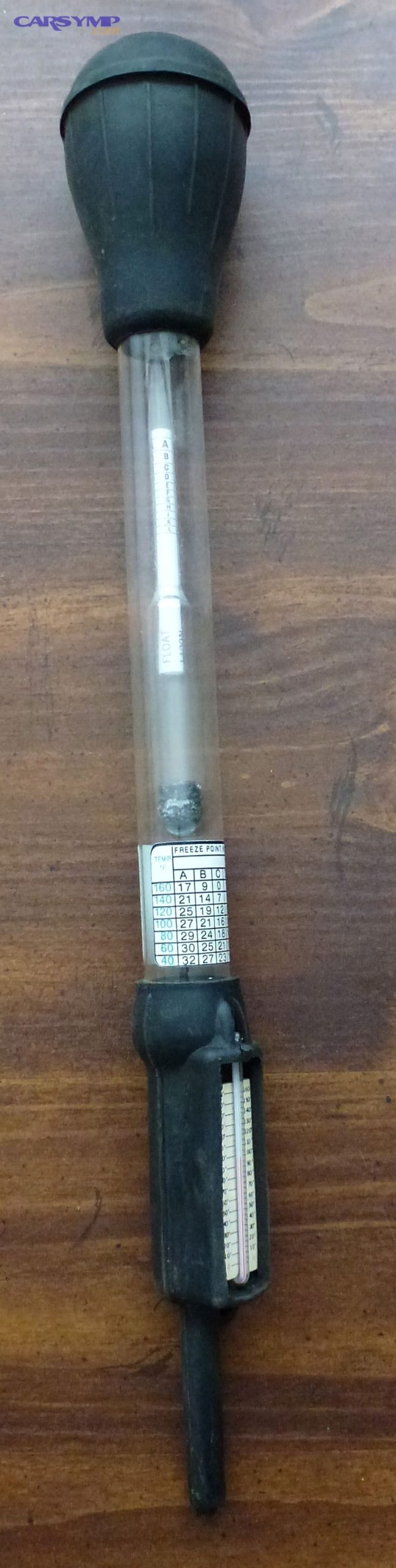
Should you test coolant in the reservoir or at the radiator?
Radiator sampling is usually more accurate, reservoir sampling is safer and often “accurate enough,” and the best choice depends on your system design and safety. However, you should prioritize safety: never open a hot pressurized system.
A practical comparison:
- Reservoir (expansion tank) testing
- Pros: safer, quick, no cap removal on many cars
- Cons: may be slightly less representative if the system has poor circulation or stratification after recent work
- Radiator neck testing (only when cold)
- Pros: most representative sample of what’s circulating
- Cons: requires cap access; higher risk if someone opens it hot
If you’re doing basic ratio correction, reservoir testing combined with stable operating behavior is often enough. If you’re doing serious overheating diagnosis, radiator sampling (cold) can be the better baseline.
What signs suggest the ratio is wrong without testing?
There are 6 common signs that suggest the ratio may be wrong: repeated top-offs, poor heater performance, inconsistent gauge swings, unusual coolant color/clarity, corrosion residue, and overheating during predictable conditions. Specifically, the “pattern” matters more than any single symptom.
Look for these clues:
- You’ve topped off multiple times with plain water.
- The heater output fluctuates at idle or after a coolant service (can indicate dilution or air pockets).
- Coolant looks unusually watery or unusually thick/oily (thick can be contamination or high concentration; oily can indicate other issues).
- Rusty residue around fittings or inside the reservoir.
- Overheating mainly under load (hills/towing) with no visible leak—ratio and pressure become prime suspects.
- Coolant service history is unknown.
Still, signs are not proof. A tester settles the question in minutes.
Can air pockets mimic a “wrong ratio” overheating problem?
Yes—air pockets can mimic a wrong-ratio problem because trapped air reduces circulation, creates hot spots, and causes erratic temperature readings and poor heater output. Moreover, air can appear after any drain-and-fill, hose replacement, thermostat swap, or low-coolant episode.
Air pockets are one of the most common “it still overheats after I added coolant” scenarios. You may see:
- Temperature spikes at idle, then “normal” at speed
- Gurgling sounds behind the dash
- Heater going cold at stops
- Reservoir level changing drastically after cooldown
If your mix ratio tests fine but symptoms persist, treat trapped air as a primary suspect before you replace parts.
How do you fix an incorrect coolant mix ratio without damaging the engine?
The safest way to fix an incorrect coolant mix ratio is a controlled adjustment in 4 steps: confirm coolant type, measure current concentration, replace a measured amount with the correct fluid (water or concentrate), and bleed air to restore stable circulation. Next, you verify with a re-test and a drive cycle.
This is where many people accidentally turn a small issue into a big one. The correction process should be calm, measured, and safe—especially during overheating diagnosis.
If the mix is too strong, how do you dilute it correctly?
To dilute a too-strong mix correctly, you remove a measured amount of coolant and replace it with the same amount of distilled water, then re-test until you hit your target ratio. Specifically, dilution works best when you make small corrections and recheck rather than trying to “hit it in one.”
A safe dilution workflow:
- Let the engine cool completely.
- Confirm you have a drain point (radiator drain petcock or lower hose).
- Drain a known volume (for example, a quart/liter at a time).
- Add the same volume of distilled water.
- Run the engine to circulate (with heater on if safe and appropriate).
- Cool down and re-test.
Why small increments work: cooling systems vary widely in capacity. A “one big drain” guess can overshoot and leave you with a weak mix, which trades one problem for another.
If the mix is too weak, how do you strengthen it correctly?
To strengthen a weak mix correctly, you replace some mixed coolant with concentrate (not premix), then re-test until the concentration reaches your target. More specifically, you’re increasing glycol content in a controlled way.
A reliable method:
- Measure current concentration first.
- Drain a measured amount of coolant (mixed).
- Add the same amount of concentrate coolant.
- Circulate, cool, and re-test.
If you only add premix to a weak system, you may correct it slowly or not at all—because premix is half water, which doesn’t raise concentration efficiently.
When should you do a full flush instead of adjusting the ratio?
You should do a full flush instead of adjusting the ratio when the coolant type is unknown, contamination is visible, rust/sludge is present, or repeated adjustments can’t stabilize temperatures and levels. In addition, a flush is the clean reset that supports Preventing recurring overheating.
Do a flush when you see:
- Muddy, brown, or sludgy coolant
- Oil contamination signs (milky residue, oily sheen)
- Evidence of mixed coolant types
- Severe corrosion particles in the reservoir
- Unknown maintenance history and overheating concerns
A flush also matters when you’re chasing a stubborn problem because it restores flow paths and can remove deposits that act like insulation inside radiator tubes.
What are the minimum “safe-to-drive” rules if overheating is happening now?
There are 5 minimum safe-to-drive rules when overheating is happening now: reduce load immediately, pull over early, never open a hot cap, cool the engine fully, and diagnose the cause before resuming normal driving. More importantly, “just get home” can become engine damage.
Use this quick safety checklist:
- Turn off A/C and reduce speed/load.
- Pull over sooner rather than later.
- Shut off the engine if the gauge is in the danger zone or warning lights appear.
- Do not open the radiator cap while hot. Wait for full cooldown.
- Check coolant level in the reservoir when cool; top off only if low and only with compatible fluid.
Once you’re safe, move from “triage” to overheating diagnosis. If the ratio is correct and the level is correct, the next layer is often Thermostat vs radiator vs water pump diagnosis—because those components govern flow and heat rejection. The key is to avoid repeating the overheat event while you isolate the root cause.
In short, overheating is not something to “power through.” Your goal is to stabilize the system, verify mixture ratio, and then decide if a deeper mechanical fault is present.
What coolant type and system factors can override “perfect ratio” results?
Coolant type and system condition can override a perfect ratio because incompatible chemistry can form deposits, trapped air can reduce circulation, and failed components can prevent heat rejection even with the right mixture. Besides, the correct ratio is only one pillar of cooling-system performance.
How do you choose the correct coolant type (OAT vs HOAT vs IAT) for your car?
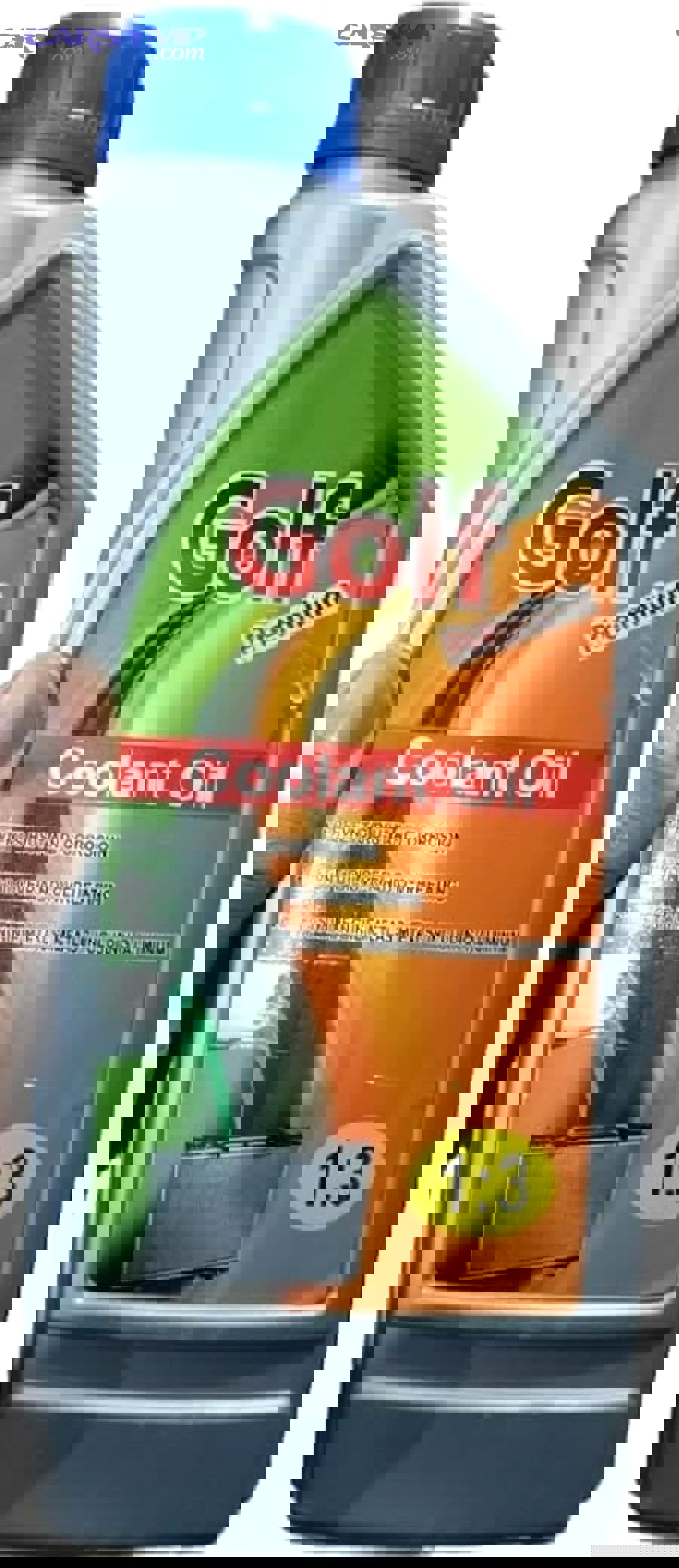
OAT wins for many modern long-life systems, HOAT is best for certain OEM-specific blends, and IAT fits older designs—but the correct choice is always the one your manufacturer specifies for your engine and materials. More specifically, coolant chemistry affects seal life, corrosion control, and deposit formation.
Practical guidance:
- Check your owner’s manual, coolant cap label, or OEM service information.
- Match the coolant specification, not just the color. (Color is not a universal standard.)
- If the type is unknown, do not “blend and hope”—flush and refill with the correct type.
Coolant type matters for preventing recurring overheating because chemistry problems can gradually reduce radiator efficiency and clog small passages—even if the ratio is technically correct.
Can mixing incompatible coolants cause overheating even at 50/50?
Yes—mixing incompatible coolants can cause overheating even at 50/50 because chemical incompatibility can create gel/sludge, restrict radiator flow, and reduce heat transfer efficiency. Moreover, the restriction can mimic a clogged radiator or weak water pump.
If you suspect incompatible mixing, look for:
- Thickened coolant texture
- Residue buildup in the reservoir
- Heater performance worsening over time
- Overheating that gradually becomes more frequent
In these cases, ratio correction alone won’t solve it. A proper flush and correct coolant refill is the clean fix.
What is waterless coolant, and does it prevent overheating better than 50/50?
Waterless coolant can improve boiling margin, a standard 50/50 mix often cools better in terms of heat transfer, and the “best” choice depends on your goal: boil resistance vs heat rejection vs cost/compatibility. Specifically, waterless coolants trade some heat transfer performance for higher boiling points and different operating behavior.
Key tradeoffs to understand:
- Water carries heat extremely well, so water-based mixtures often remove heat efficiently.
- Waterless coolants can reduce boil-over risk but may not automatically reduce operating temperature in every setup.
- Compatibility and cost can be significant factors.
For most car owners dealing with overheating, waterless coolant is usually not the first move. The first move is restoring the correct coolant type, correct ratio, proper bleeding, and system integrity.
Do additives/surfactants help with overheating—and when should you avoid them?
Sometimes additives can help marginal cooling by improving wetting and reducing localized hot spots, but you should avoid them if they conflict with coolant chemistry, mask an underlying failure, or violate manufacturer guidance. More importantly, additives are not a substitute for fixing airflow, flow, or pressure issues.
If you’re trying to solve overheating, treat additives as “last-mile tuning,” not the main plan. For reliable results and preventing recurring overheating, prioritize:
- Correct coolant type and ratio
- No leaks and stable pressure cap
- Proper bleed procedure (no air pockets)
- Healthy radiator airflow (fans, shrouds, clean fins)
- Verified flow components (thermostat operation, water pump condition)
Evidence: According to a study by Eskişehir Osmangazi University from the Faculty of Engineering and Architecture, in 2021, increasing the ethylene glycol fraction in water–ethylene glycol mixtures used in an automobile-radiator-style setup was associated with decreased heat transfer performance, reinforcing that “more antifreeze” is not automatically better for overheating prevention.