


When your car overheats on the road, the safest move is to reduce stress on the engine, pull over as soon as it’s safe, and let the system cool before you inspect anything. This single decision prevents two bad outcomes at once: traffic danger and expensive engine damage. (mwg.aaa.com)
Next, you also need a clear list of what not to do—because the most common injuries and costly mistakes happen after you stop, when people rush and open hot caps or poke around a steaming engine bay. (pmc.ncbi.nlm.nih.gov)
Then, you need a practical “drive or tow” rule set: if the temperature quickly returns to normal and stays stable, you might be able to creep to help; if it spikes again, you need to stop and call for a tow. (firestonecompleteautocare.com)
Introduce a new idea: once you know the safe roadside steps, you’ll understand the main causes behind the overheat (traffic vs highway patterns) so you can explain symptoms clearly and prevent it from happening again.
Is it safer to pull over immediately when your car overheats on the road?
Yes—pulling over immediately (when safe) is the safest response because it reduces engine damage risk, lowers the chance of a roadside emergency escalating, and protects you from burn injuries that often happen during rushed inspections. (mwg.aaa.com)
More importantly, the safest “pull over” is not a sudden panic stop; it’s a controlled exit from danger that keeps you, passengers, and other drivers safe while your engine stops cooking itself.
Should you turn on hazard lights and reduce speed right away?
Yes—turning on hazards and reducing speed right away is smart because it warns other drivers, gives you time to choose a safe stopping spot, and minimizes engine load while you transition off the roadway.
Then, to connect the action to the problem, remember this: an overheating engine is already losing its safety margin, so smooth driving matters.
- Hit hazards early so drivers behind you don’t misread your slowing as indecision.
- Ease off the throttle and avoid hard acceleration; high load makes heat rise faster.
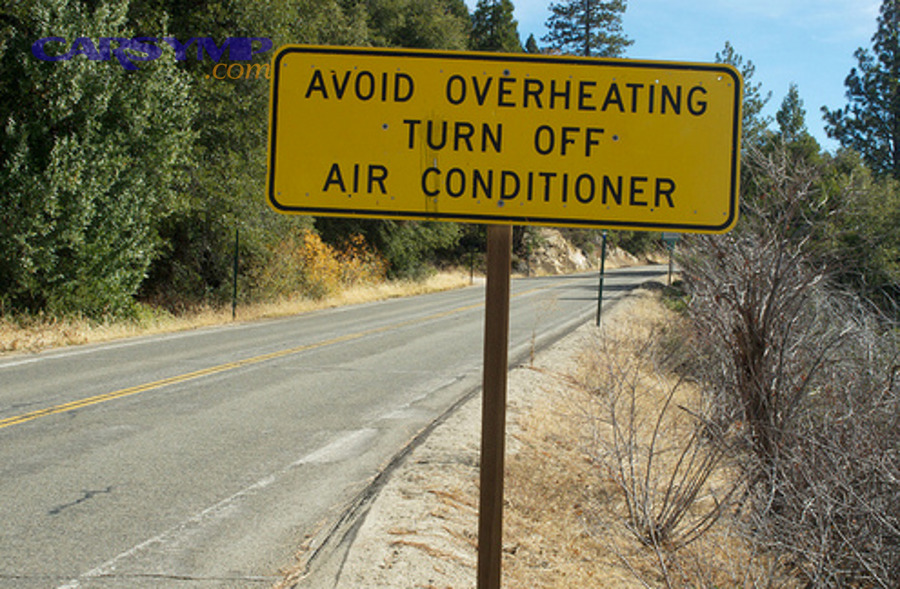
- Turn off A/C immediately; it adds load and heat to the cooling system. (mwg.aaa.com)
- If you’re stuck in traffic, you can use the heater briefly as a stopgap to pull heat away from the engine—uncomfortable, but sometimes helpful for a short distance to reach a safe shoulder or lot. (mwg.aaa.com)
A good rule: you’re not trying to “keep going”—you’re buying seconds to stop safely.
Is it safe to open the hood immediately if you see steam?
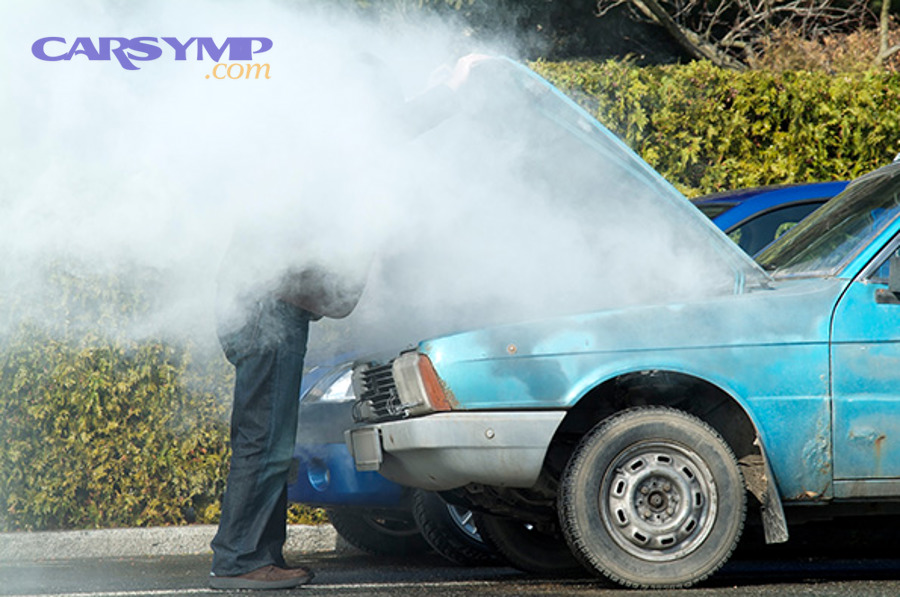
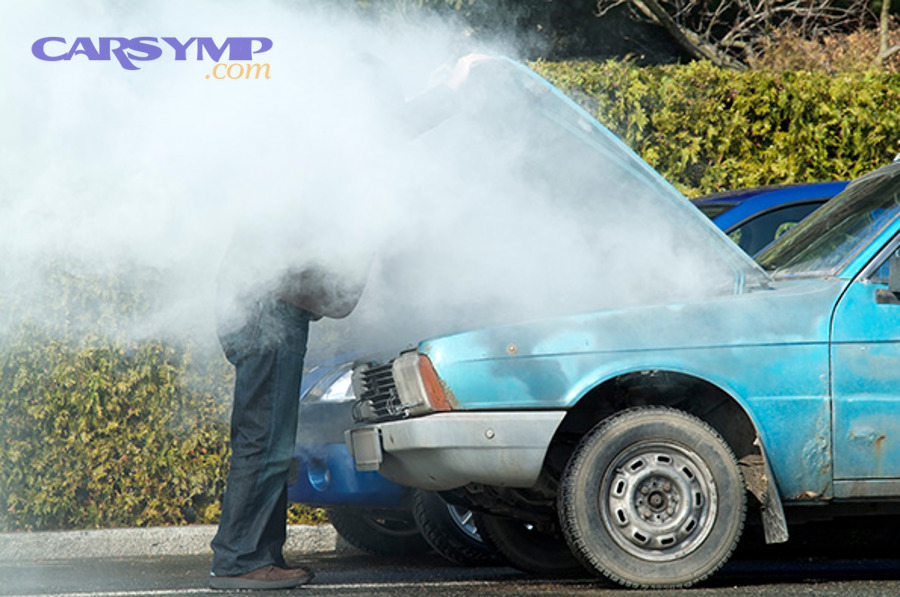
No—it’s not safe to open the hood immediately because steam and pressurized hot coolant can cause scald burns, sudden spray, and panic-driven contact with hot surfaces. (firestonecompleteautocare.com)
Next, here’s the safer approach that keeps the hook chain intact: if you see steam, you treat the engine bay like a pressurized kettle.
- Wait 15–30 minutes after shutting off the engine before you even think about inspecting closely. (firestonecompleteautocare.com)
- Stand to the side when you pop the hood latch; don’t lean over the front edge.
- Open the hood slowly and pause if you see spray or hear hissing.
Evidence: According to a study by Weill Cornell Medical College from its Burn Center research team, in 2004, 86 patients were identified with scald burns caused by contact with car radiator fluid, showing this is a recurring and preventable injury pattern. (vivo.weill.cornell.edu)
What does “car overheating” mean, and what are the immediate danger signs while driving?
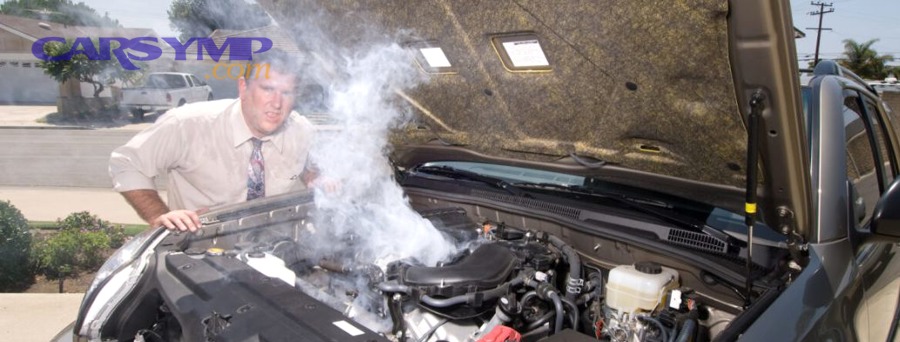
Car overheating is a condition where engine coolant temperature rises beyond the normal operating range, reducing heat control and risking rapid engine damage; it typically shows up as a climbing temperature gauge, warning lights, steam, and a noticeable drop in performance. (chase.com)
Then, to keep the flow clear, the key is to treat overheating as a process (temperature rising) rather than a single moment (steam). If you catch the process early, you avoid the worst outcomes.
What dashboard readings or symptoms confirm the engine is overheating?
The most reliable confirmation is a temperature gauge moving above its normal “middle” range toward hot, a dedicated temperature warning light/message, or visible steam from the hood. (chase.com)
Next, use a simple “signals checklist” while you’re still moving toward a safe stop:
- Gauge behavior: Most cars sit near the middle when healthy; a steady climb above your normal pattern is the warning. (chase.com)
- Warning light/message: Many vehicles trigger a coolant temperature symbol or “engine temperature high” alert.
- Steam from hood: Often means coolant is boiling or venting—treat as urgent. (mwg.aaa.com)
- Performance change: Sluggish acceleration, reduced responsiveness, or odd smells. (mwg.aaa.com)
Evidence: According to a study by JPMorgan Chase (consumer education citing expert consensus) from its Auto Education content team, in 2022, experts “tend to agree” many engines run around 190–225°F, and gauges typically sit near the middle—so a move toward the hot zone is a meaningful deviation. (chase.com)
What can happen if you keep driving while the temperature is rising?
Continuing to drive while the temperature rises can warp critical engine components, damage seals like the head gasket, and turn a manageable cooling issue into a major repair. (firestonecompleteautocare.com)
Then, to connect the risk to the action: the longer the engine spends overheated, the more metal expands beyond design limits.
Common escalation paths include:
- Warped cylinder head → sealing issues → misfires, leaks, compression loss.
- Head gasket failure → coolant loss, overheating loops, possible contamination.
- Accessory damage → belts, sensors, plastics stressed by heat.
If you’re on the fence about “one more mile,” assume the car is telling you “no.” Your job is to stop the heat spiral.
What are the safest step-by-step actions to take once you’ve stopped?
There are 7 core safe steps once you’ve stopped: secure the scene, reduce heat load, shut down correctly, wait for cooldown, inspect from a safe distance, check coolant level safely, and choose help (tow or cautious drive) based on stability. (mwg.aaa.com)
Next, the difference between a safe stop and a risky stop is sequence—you’re preventing burns, preventing panic, and preventing a second overheating spike.
What is the safest cooldown sequence (A/C off, heater on, engine off, wait time)?
The safest cooldown sequence is: A/C off → find a safe place → hazards on → stop and idle briefly only if needed → engine off → wait 15–30 minutes → open hood cautiously after steam/spray stops. (mwg.aaa.com)
Then, keep the logic tight:
- Turn off A/C immediately (reduces load). (mwg.aaa.com)
- If you can’t stop instantly, turn heater on temporarily to move heat into the cabin (short-term strategy only). (mwg.aaa.com)
- Pull over safely, hazards on, park, set brake.
- Shut off the engine once stopped; idling an overheating engine can keep temps high.
- Wait 15–30 minutes to reduce pressure and burn risk. (firestonecompleteautocare.com)
- Open the hood carefully (side stance, slow lift).
This step order is the foundation for safe steps when car overheats on road because it treats burns and traffic as the two biggest immediate threats.
What should you check first after cooling: coolant level, leaks, fans, belts?
After cooling, check four things first: visible leaks, coolant reservoir level, fan activity (if it cycles), and belt condition—because these are high-signal checks that don’t require tools or risky disassembly. (mwg.aaa.com)
Next, do the checks in a way that prevents you from getting hurt:
- Look under the car for fresh puddles or dripping (coolant often looks bright green, orange, pink, or blue depending on type).
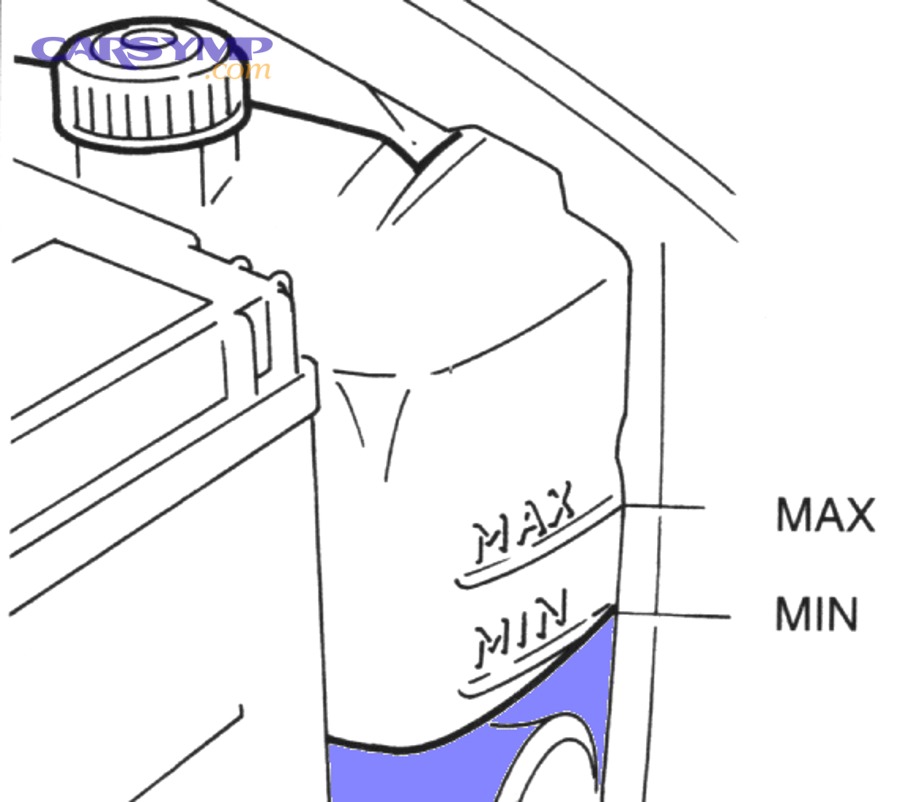
- Check the coolant reservoir level (not the radiator cap) if the engine is cool.
- Listen for fans: some cars run fans after shutdown; if you restart later, fans should engage as temps rise.
- Scan belts/hoses visually: a thrown belt or burst hose is often obvious.
This is also where you begin basic overheating diagnosis without pretending you can fully repair the car on the shoulder: you’re identifying whether the problem looks like loss (leak), airflow (fan), or circulation (belt/pump/thermostat).
Which actions should you avoid to prevent burns and engine damage?
There are three “never do” actions: never open a hot radiator/pressure cap, never pour cold water on a hot engine/radiator, and never keep driving while the gauge is still climbing—because each one increases injury risk or mechanical damage immediately. (pmc.ncbi.nlm.nih.gov)
Then, make it concrete:
- Don’t open a pressure cap when hot. Pressure + boiling coolant can erupt. (pmc.ncbi.nlm.nih.gov)
- Don’t pour cold water on hot components. Thermal shock can crack parts. (firestonecompleteautocare.com)
- Don’t “rev it to cool it.” That can raise heat output and worsen the spike.
Evidence: According to a study by a UK burns research team (motor vehicle radiator scald injuries) from its Burns/Plastic Surgery clinical research unit, in 2016, 66% of radiator scald injuries occurred when people actively removed the pressure cap of an overheated radiator. (pmc.ncbi.nlm.nih.gov)
Should you add coolant or water on the roadside, and how do you do it safely?
Coolant wins for correct protection, water is acceptable only as an emergency top-off, and the safe method is to add fluid only after a real cooldown—preferably into the reservoir—so you avoid scalding and pressure-release hazards. (mwg.aaa.com)
Then, connect the decision to your situation: roadside top-off is about getting to safety or help, not “fixing the car permanently.”
Is adding coolant safer than adding water, and when is water acceptable?
Coolant is safer for the engine long-term, while water is acceptable in an emergency when you must restore level to move a short distance to help—because coolant maintains corrosion protection and boiling control better than plain water. (mwg.aaa.com)
Then, use a practical decision rule:
- If you have the correct coolant (or premixed coolant), use it.
- If you only have water, use it only to reach assistance, and plan to service the system properly afterward.
- If the car is actively dumping coolant, topping off is usually temporary at best; you’re likely towing.
This is also where many drivers get stuck in “Thermostat vs radiator vs water pump diagnosis” thinking. The roadside truth is: even if you suspect the cause, the safe priority is restoring safe operating conditions and getting professional inspection if the issue returns.
Is the coolant reservoir different from the radiator cap, and which should you open?
Yes—the coolant reservoir (expansion tank) is different from the radiator/pressure cap, and you should open the reservoir only when the engine is cool; the radiator cap is the highest-risk opening because it directly holds pressurized hot coolant. (chatham-ma.gov)
Then, follow the safest approach:
- Wait until the system is cool (no steam, gauge back to normal, surfaces not radiating intense heat). (firestonecompleteautocare.com)
- Check the reservoir markings (MIN/MAX). (2pass.co.uk)
- Add fluid slowly to the reservoir to the correct mark.
- Avoid the radiator cap unless the manual explicitly directs you and the engine is fully cool. (chatham-ma.gov)
If you’re unsure which cap is which, don’t guess—guessing is how scald injuries happen.
Can you drive after an overheat, or do you need a tow?
Driving after an overheat is only reasonable if the temperature returns to normal and stays stable under light load; if it spikes again, you see steam, or you’re losing coolant, you need a tow because repeated overheating quickly multiplies the risk of serious engine damage. (firestonecompleteautocare.com)
Then, keep the hook chain tight: your decision is not about bravery—it’s about stability.
Is it okay to drive to a nearby shop if the temperature returns to normal?
Yes, sometimes—but only if the gauge returns to normal, stays normal at idle for several minutes, and remains stable during a short, gentle drive with close monitoring, because stability is the only signal that you’re not actively damaging the engine. (mwg.aaa.com)
Then, use this controlled checklist before moving:
- Let it cool, then restart and idle while watching the gauge.
- Turn A/C off; keep engine load low. (mwg.aaa.com)
- If the needle climbs again, shut down immediately and call for help.
- If stable, drive slowly, avoid hills, avoid hard acceleration, and be ready to pull over again.
This is not a “finish the trip” plan. It’s a “reach help without making it worse” plan.
Which symptoms mean “tow it” immediately instead of driving?
You should tow immediately if you have continued steam, rapid re-overheating, visible coolant loss, warning lights that persist, engine knocking/misfiring, or any sign the car can’t maintain normal temperature—because these are signs of an active failure, not a one-time spike. (mwg.aaa.com)
Then, make it specific with a high-signal tow list:
- Steam doesn’t stop after a cooldown, or returns quickly.
- Coolant level drops again shortly after topping off.
- Gauge spikes within minutes of restarting.
- Heater blows cold while the engine is hot (can indicate coolant flow problems).
- Engine runs rough / misfires / knocks.
This is also where “Preventing recurring overheating” begins in practice: if you tow now, you often avoid turning a $200–$600 cooling repair into a multi-thousand-dollar engine repair.
What are the most common causes of overheating on the road ?
There are 4 main types of overheating causes: coolant loss (leaks), airflow failure (fans/radiator blockage), circulation failure (thermostat/water pump/belt), and heat-load overload (towing, hills, A/C)—and they differ by when overheating happens and what symptoms appear. (acg.aaa.com)
Then, the simplest way to organize causes is to match the pattern to the driving condition: highway speed, stop-and-go traffic, or load-heavy climbs.
Which causes are most likely at highway speeds vs in stop-and-go traffic?
At highway speeds, coolant loss or circulation problems are more likely; in stop-and-go traffic, airflow problems like fan failure are more likely—because highway airflow should cool the radiator, while traffic depends heavily on fans and steady coolant circulation. (firestonecompleteautocare.com)
Then, use these pattern clues:
- Overheats mostly in traffic/idle: suspect fan not running, clogged radiator fins, or airflow restrictions.
- Overheats at speed: suspect low coolant, leak, thermostat stuck, or water pump/circulation issues.
- Overheats on hills/towing: suspect load overwhelm, marginal cooling system, weak airflow, or coolant mix issues.
This is where the phrase “Thermostat vs radiator vs water pump diagnosis” becomes useful as a structured thought process:
- Thermostat problems often show as inconsistent warm-up, sudden spikes, or poor flow timing.
- Radiator/airflow problems often show as traffic-only overheating.
- Water pump/belt problems often show as poor circulation signs and repeated spikes even after cooldown.
Which quick visual clues help you narrow down the cause without tools?
You can narrow the cause without tools by looking for leak location, coolant level behavior, fan behavior, and heater output—because these clues point to loss, airflow, or circulation failures with minimal risk. (mwg.aaa.com)
Then, use this quick grouping table to make roadside observation more systematic (this table summarizes what the most common visible signs usually indicate):
| Quick clue you can observe | Most likely type of problem | Why it points there |
|---|---|---|
| Puddle/drip under front + low reservoir | Coolant leak (loss) | Level drops because fluid exits system |
| Steam from front area near radiator | Leak or pressure venting | Boiling coolant escapes under pressure |
| Overheats mainly at idle/traffic | Airflow/fan issue | Low speed relies on fan, not ram-air |
| Heater blows cold while gauge is hot | Circulation/low coolant | Heater core isn’t getting hot coolant |
| Temperature spikes fast after restart | Active failure | System can’t hold stable temperature |
If these clues show an active failure, you stop the guessing game and call for help—because the safest steps are still the priority.
What else should drivers know to prevent repeat overheating and handle edge cases?
Drivers should focus on three extras: match the response to conditions (traffic, heat, hills), recognize special vehicle behaviors (hybrids/EV cooling systems), and use a prevention checklist that stops small cooling issues from becoming recurring emergencies. (mwg.aaa.com)
Next, this is where you shift from “survive the moment” to “make sure it doesn’t happen again,” without drifting away from the core safety intent.
How is overheating handling different in heavy traffic, extreme heat, or mountain driving?
In heavy traffic, extreme heat, or steep climbs, overheating control becomes more about reducing load early and creating a safe stopping window, because conditions prevent quick cooldown and reduce the margin for error. (mwg.aaa.com)
Then, apply condition-specific tactics:
- Traffic: A/C off immediately; use heater briefly only to reach a safe exit; don’t commit to “just one more light.” (mwg.aaa.com)
- Extreme heat: Expect longer cooldown; open hood cautiously; keep passengers safe and hydrated.
- Mountains/towing: Downshift sooner, avoid lugging the engine, reduce speed early, and plan pull-offs.
If overheating repeats in these scenarios, it often means your system is marginal—so “Preventing recurring overheating” requires maintenance, not just better driving habits.
Do hybrids/EVs have different “overheat” behaviors and warnings?
Hybrids and EVs can show different warnings and fan behaviors because they may cool multiple systems (engine, inverter, battery), so you should follow the dashboard instructions and treat any “temperature high” alert as a pull-over-and-cooldown event. (acg.aaa.com)
Then, use two practical rules:
- Don’t assume silence means safe—electric fans can run quietly, and warnings can be more specific.
- Don’t restart repeatedly if the vehicle tells you to stop; repeated attempts can worsen heat stress.
When in doubt, prioritize safety and roadside assistance.
What rare signs suggest a pressure-cap issue or early head-gasket trouble?
Rare signs that hint at pressure/cap problems or early head-gasket concerns include repeated overflow into the reservoir, unexplained coolant loss without visible leaks, persistent bubbling in the reservoir, or recurring overheating soon after you’ve topped off and bled air. (pmc.ncbi.nlm.nih.gov)
Then, keep this grounded: you don’t diagnose a head gasket on the shoulder, but you can recognize “this is beyond a simple top-off.”
- Pressure-cap related pattern: coolant pushes out, returns later, and overheating repeats unpredictably.
- Combustion-gas intrusion pattern: persistent bubbling, recurring overheating, and coolant level instability.
If you see these patterns, you stop driving and schedule professional testing.
Evidence: According to a study by Weill Cornell Medical College from its Burn Center research team, in 2004, researchers documented 86 cases of radiator-fluid scald burns and concluded warning labels alone weren’t enough—supporting the idea that prevention must include safer habits and procedures, not just labels. (vivo.weill.cornell.edu)
What quick prevention checklist reduces the chance of another roadside overheat?
A quick prevention checklist reduces repeat overheating by catching coolant loss, airflow weakness, and circulation problems early—so you don’t discover them when the gauge hits the red.
Then, use this practical routine (monthly, and before long trips):
- Check coolant level (engine cold) and inspect for slow drops.
- Inspect hoses for swelling, cracks, or crusty residue at clamps.
- Look at radiator fins for debris buildup that blocks airflow.
- Confirm fan operation during warm idle (many fans cycle on/off).
- Use the correct coolant type and mix as specified by the vehicle.
- Fix small leaks immediately—small leaks become big overheating events.
This is where professional overheating diagnosis becomes valuable: a shop can pressure test the system, verify thermostat operation, confirm water pump flow, and identify airflow issues before you get stranded. (firestonecompleteautocare.com)