


The OBD connector serves as the critical interface between diagnostic tools and a vehicle’s electronic control systems, enabling technicians to identify malfunctions through standardized communication protocols. When this 16-pin diagnostic port fails due to corrosion, damaged pins, or electrical issues, vehicles cannot communicate error codes, making accurate troubleshooting impossible. This comprehensive guide provides automotive technicians with systematic diagnostic procedures, testing methodologies, and professional repair techniques to restore OBD connector functionality efficiently.
Understanding common failure modes is essential for rapid diagnosis. OBD connectors typically fail through physical damage to pin terminals, corrosion from moisture exposure, or electrical issues affecting the CAN bus communication lines. Recognizing warning signs such as intermittent scanner connections, “No Link” error messages, or failed emissions tests allows technicians to pinpoint connector problems quickly before they escalate into more complex electrical system failures.
Professional repair requires proper diagnostic tools and methodical testing procedures. A systematic approach involving visual inspection, electrical continuity testing, and pin-by-pin voltage verification ensures accurate problem identification. Technicians must distinguish between repairable issues like corroded terminals and situations requiring complete connector replacement, balancing repair costs against long-term reliability.
Preventive maintenance and advanced diagnostic knowledge extend connector lifespan while reducing comeback rates. Below, we explore the complete diagnostic and repair process, from initial symptom identification through final testing verification, along with specialized knowledge for handling heavy-duty vehicle systems and emerging electric vehicle diagnostic requirements.
What is an OBD Connector and Why Does It Fail?
An OBD connector is a standardized 16-pin diagnostic interface defined by SAE J1962 that enables communication between scan tools and a vehicle’s Electronic Control Unit (ECU) to retrieve Diagnostic Trouble Codes and real-time performance data. This critical component fails primarily due to environmental exposure, physical damage, and electrical stress from repeated connections and disconnections.
To understand connector failures, technicians must first recognize the connector’s role in modern vehicle diagnostics. The OBD-II standard, mandatory in all vehicles manufactured after 1996 in the United States, created a universal diagnostic platform that eliminated the proprietary connectors used in earlier OBD-I systems. This standardization placed the connector in the passenger compartment near the steering column for convenient access, but this location also exposes it to potential damage from driver movement, liquid spills, and accumulated debris.
What Are the Most Common OBD Connector Failure Modes?
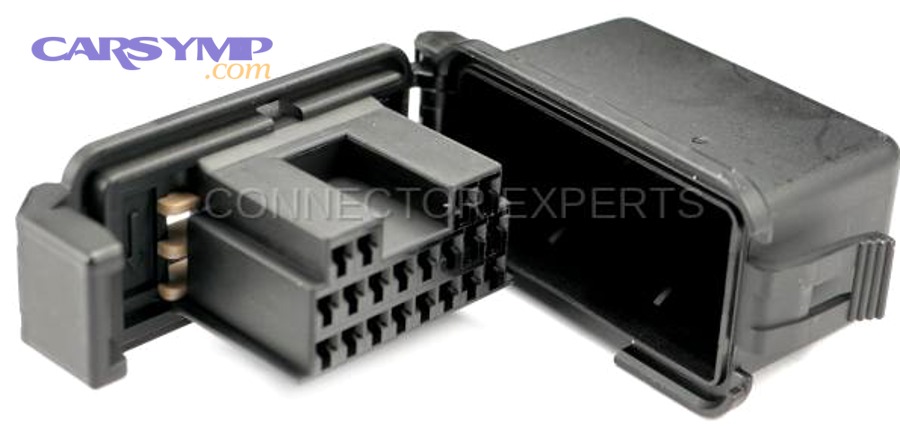
The most prevalent failure modes include corrosion on pin terminals, bent or spread contact pins, physical cracking of the connector housing, and burned terminals from electrical overload. Environmental factors accelerate these failures significantly, with moisture intrusion being the leading cause of premature connector degradation in most automotive applications.
Corrosion develops when moisture penetrates the connector seals, creating oxidation on the brass or copper alloy terminals. This oxidation layer increases electrical resistance, disrupting the low-voltage signals required for CAN bus communication on pins 6 and 14. Technicians frequently encounter greenish or white deposits on terminals, indicating active corrosion that impedes proper electrical contact between the scan tool and vehicle systems.
Physical damage manifests differently depending on the failure mechanism. Bent pins result from improper scan tool insertion at incorrect angles, while spread female terminals lose their spring tension after repeated mating cycles. The connector housing itself may crack from impact with the driver’s knee or from technicians applying excessive force during scan tool removal. Each failure mode requires different repair approaches, making accurate initial diagnosis critical for efficient repair workflows.
Electrical failures present more complex diagnostic challenges. Burned terminals indicate excessive current draw, often from short circuits in the vehicle’s wiring harness or from technicians connecting incompatible diagnostic equipment. Pin 16, which supplies battery voltage to the scan tool, bears the highest risk of thermal damage. When this pin fails, scan tools receive no power, making any diagnostic communication impossible.
What Causes OBD Communication Failures?
OBD communication failures stem from blown fuses protecting the diagnostic circuit, damaged wiring harnesses between the connector and ECU, incompatible scan tool software, and voltage irregularities affecting the CAN bus high and low signal lines. These issues prevent proper data transmission even when the physical connector appears undamaged.
Fuse failures protect the vehicle’s electrical system but disable diagnostic capabilities. Most vehicles use a dedicated fuse for the OBD port, typically rated between 10 and 15 amperes. When this fuse blows, pin 16 provides no voltage to the scan tool, resulting in complete communication loss. Technicians should always verify fuse integrity before proceeding with more complex diagnostic procedures, as this represents the quickest and most cost-effective resolution path.
Wiring harness damage occurs less frequently but creates intermittent failures that frustrate diagnostic efforts. Rodent damage to wiring under the dashboard, previous collision repairs that compromised wire integrity, or factory defects in harness routing can all interrupt the communication pathways. The CAN bus requires both high (CAN-H on pin 6) and low (CAN-L on pin 14) signal wires to maintain proper 120-ohm termination resistance. When these wires develop opens or shorts, the entire communication network fails.
Software incompatibility issues have increased as vehicles incorporate more sophisticated control modules. Generic scan tools may lack the proper communication protocols for manufacturer-specific systems, particularly in European and Asian vehicles that implement variations of the ISO 15765-4 standard. Technicians must verify their diagnostic equipment supports the specific vehicle’s communication protocol before concluding the connector itself has failed.
How Do You Diagnose OBD Connector Problems?
Diagnosing OBD connector problems requires a systematic approach involving visual inspection for physical damage, electrical testing with a digital multimeter to verify pin voltages and continuity, and scan tool verification to confirm proper communication protocols. This methodical process identifies the root cause efficiently while avoiding unnecessary parts replacement.
To begin diagnosis, technicians should establish whether the problem originates in the connector itself or in upstream electrical systems. This distinction saves diagnostic time and prevents misdiagnosis. A proper diagnostic sequence moves from simple visual checks through increasingly complex electrical measurements, following the principle of testing the most likely failure points first.
What Are the Warning Signs of a Faulty OBD Connector?
Warning signs include intermittent check engine light behavior without corresponding stored codes, scan tools displaying “No Link” or “Unable to Connect” error messages, failed state emissions testing due to readiness monitor access problems, and physical damage visible at the connector face such as missing pins or cracked housing.
Intermittent connections present the most challenging diagnostic scenarios. The scan tool may connect successfully during initial testing but lose communication when the technician moves the connector or applies slight pressure. This behavior indicates loose pin terminals that maintain contact only under specific physical conditions. Technicians should wiggle the scan tool connector while monitoring the communication status to reveal these intermittent failures.
The check engine light provides indirect evidence of connector problems. When the OBD system cannot communicate properly, the ECU may illuminate the malfunction indicator lamp (MIL) without storing retrievable codes. Alternatively, the light may not illuminate during the key-on bulb check sequence, suggesting the diagnostic circuit has failed. Both symptoms warrant immediate connector inspection before pursuing other diagnostic pathways.
Failed emissions tests specifically citing readiness monitor issues often trace back to connector problems. State inspection programs require access to specific readiness flags that indicate emission control systems have completed their diagnostic cycles. When inspectors cannot retrieve this data due to connector failures, vehicles fail inspection regardless of their actual emission performance.
What Tools Are Required for OBD Connector Diagnosis?
Essential diagnostic tools include a digital multimeter capable of measuring DC voltage and resistance, an automotive test light for quick power verification, a dedicated pin-fit testing kit with properly sized test terminals, electrical contact cleaner for removing corrosion, and a professional-grade diagnostic scan tool supporting multiple communication protocols.
The digital multimeter serves as the primary diagnostic instrument. Technicians need DC voltage measurement capability with at least 0.1-volt resolution to detect voltage drops across corroded connections. Resistance measurement functions verify continuity in ground circuits and detect high-resistance conditions in power supply paths. Modern automotive multimeters also offer frequency measurement for analyzing CAN bus signal integrity, though this advanced capability exceeds requirements for basic connector diagnosis.
Pin-fit testing kits contain precisely sized test terminals that match the female cavities in the OBD connector. These specialized tools allow technicians to assess the spring tension of female terminals without risking damage to the connector. A properly functioning terminal should provide consistent resistance as the test pin inserts and withdraws. Loose terminals allow the test pin to slide freely, indicating spread contacts that require replacement.
Contact cleaner represents a critical consumable item. Specialized electrical contact cleaners contain solvents that dissolve oxidation without leaving residue that could attract future contamination. Technicians should avoid general-purpose cleaners like brake cleaner or carburetor cleaner, as these products may damage plastic connector components or leave conductive residues.
Professional scan tools distinguish competent technicians from parts changers. While generic code readers suffice for basic diagnostics, professional-grade tools offer bi-directional control functions, parameter graphing, and enhanced protocol support. Tools supporting manufacturer-specific commands can test individual connector pins by requesting specific data streams, helping isolate communication failures to particular circuits.
How Do You Perform a Pin-by-Pin Connector Test?
Pin-by-pin testing involves systematically verifying power supply voltage at pin 16 (battery positive), checking ground integrity at pins 4 and 5, measuring CAN bus signal voltages at pins 6 and 14, and testing termination resistance across the CAN high and low circuits with the vehicle systems de-energized.
Power supply testing begins the diagnostic sequence because all other functions depend on proper voltage delivery. With the ignition key in the “ON” position but the engine not running, technicians should measure approximately 12 to 14 volts at pin 16 relative to vehicle ground. Voltage below 11 volts indicates either a blown fuse, excessive resistance in the supply circuit, or a weak battery. The test light provides a quick initial check, but multimeter voltage measurement offers more precise diagnostic information.
Ground circuit verification requires testing both signal ground (pin 5) and chassis ground (pin 4). Technicians should measure resistance between these pins and a known good ground point on the vehicle chassis. Readings exceeding 0.5 ohms suggest corrosion or loose connections in the ground path. Many intermittent connector problems trace to marginal ground connections that function normally under no-load conditions but fail when current flows through the circuit.
CAN bus testing demands careful interpretation. With the ignition on and vehicle systems active, CAN-H (pin 6) should measure approximately 3.5 volts, while CAN-L (pin 14) should read about 1.5 volts. These voltages represent the idle state when no messages transmit across the bus. During active communication, these voltages oscillate rapidly, creating a measurement that may appear unstable on basic multimeters. The voltage difference between CAN-H and CAN-L should maintain approximately 2 volts, with deviations indicating bus problems.
Termination resistance testing requires disconnecting the vehicle battery and waiting for capacitors to discharge. Measuring resistance between pins 6 and 14 should yield approximately 60 ohms in most vehicles, representing the parallel combination of two 120-ohm termination resistors at opposite ends of the CAN bus network. Readings significantly higher than 60 ohms indicate an open circuit somewhere in the network, while lower readings suggest a short condition.
What Is the Step-by-Step Process to Repair OBD Connectors?
Repairing OBD connectors follows a structured workflow: disconnect the vehicle battery, remove the connector from its mounting location, inspect and document damage, clean corroded terminals with appropriate solvents, replace damaged pins using proper crimping tools, test continuity before reassembly, apply dielectric grease to prevent future corrosion, and verify communication after reinstallation.
Professional repair techniques separate successful fixes from temporary patches that lead to comeback visits. Technicians must balance repair time against replacement cost while ensuring long-term reliability. The decision to repair versus replace depends on damage severity, connector availability, and the vehicle’s overall condition and value.
How Do You Clean Corroded OBD Connector Pins?
Cleaning corroded pins requires disconnecting the battery for safety, removing the connector from its housing if possible, applying electrical contact cleaner to affected terminals while scrubbing with a small wire brush, drying thoroughly with compressed air, and applying dielectric grease to prevent moisture intrusion and future corrosion.
The cleaning process demands patience and attention to detail. Light surface corrosion responds well to contact cleaner and gentle brushing, but deep pitting that compromises pin integrity requires terminal replacement. Technicians should examine each pin under adequate lighting, using magnification if necessary to assess corrosion depth. Surface oxidation appears as discoloration, while structural corrosion creates visible pits or material loss.
Contact cleaner application should saturate the corroded areas without flooding the connector housing. Spray directly onto the terminals from a distance of 2-3 inches, allowing the solvent to penetrate oxidation layers. After a brief dwell time of 15-30 seconds, use a small brass wire brush to mechanically remove loosened corrosion. Brass bristles provide sufficient hardness to remove oxidation without scratching the underlying base metal. Avoid steel brushes, as these may leave steel particles that rust and cause future problems.
Compressed air drying removes residual cleaner and loose debris. Direct the air stream at an angle to blow contaminants out of the connector rather than deeper into pin cavities. Visual inspection after cleaning should reveal clean, shiny metal surfaces. Any remaining discoloration or pitting indicates either incomplete cleaning or damage requiring pin replacement.
Dielectric grease application represents the final critical step. This specialized grease displaces moisture without conducting electricity, protecting terminals from future corrosion. Apply a thin layer to each pin, covering all metal surfaces while avoiding excess that could impede proper mating contact. The grease should not fill the pin cavity but rather coat the contact surfaces that engage with the scan tool terminals.
When Should You Replace vs. Repair an OBD Connector?
Replace the connector when pin damage includes cracks or breaks, housing shows structural failure with missing retention tabs, more than three pins require replacement making labor costs exceed replacement cost, or when severe thermal damage indicates potential wiring harness problems requiring investigation.
Cost analysis drives the repair versus replacement decision. Calculating true repair costs requires accounting for labor time, replacement pin costs, and the probability of successful repair. A single damaged pin with intact housing justifies repair, as technicians can replace individual terminals using readily available pigtail connectors. However, widespread damage affecting multiple pins shifts the cost-benefit equation toward complete connector replacement.
Housing integrity determines repairability. The connector housing provides mechanical retention for pins and environmental sealing against moisture. Cracked housings allow moisture intrusion regardless of pin condition, creating recurring corrosion problems. Missing locking tabs prevent secure scan tool engagement, causing intermittent connections. These structural failures cannot be reliably repaired, necessitating complete connector replacement.
Thermal damage presents special considerations. Melted plastic around pin cavities or discolored terminals indicate excessive current flow. This damage suggests underlying problems in the vehicle’s electrical system rather than simple connector wear. Replacing the connector without identifying and correcting the root cause results in repeated failures and potential fire hazards. Technicians encountering thermal damage should perform complete circuit analysis before any repair attempts.
Parts availability affects the decision timeline. Common vehicle makes typically have readily available replacement connectors through automotive parts suppliers, making replacement cost-effective. Less common vehicles or older models may have limited parts availability, making repair the only practical option even when replacement would be preferable.
How Do You Test the Repaired OBD Connector?
Testing repaired connectors requires verifying continuity between connector pins and corresponding ECU connections, confirming proper voltage at pin 16 and ground at pins 4 and 5, connecting a diagnostic scan tool to verify successful communication and data retrieval, and performing a pull test to ensure mechanical integrity withstands normal usage forces.
Continuity testing validates repair quality before reinstallation. Using a multimeter set to resistance mode, technicians should measure from each connector pin to the corresponding wire in the vehicle harness. Zero resistance indicates perfect continuity, while readings exceeding 1 ohm suggest high-resistance connections that may cause future communication problems. This testing identifies cold solder joints or improperly crimped terminals before they create field failures.
Voltage verification confirms the repair restored electrical functionality. Following the same pin-by-pin testing protocol used during initial diagnosis, technicians should measure 12+ volts at pin 16, zero resistance to ground at pins 4 and 5, and appropriate CAN bus voltages at pins 6 and 14. These measurements must match specifications exactly, as any deviation indicates incomplete repair.
Scan tool communication testing provides the ultimate validation. Connect a professional diagnostic tool and attempt to establish communication with the vehicle’s ECU. Successful connection alone does not constitute complete testing—technicians should access multiple systems including powertrain, ABS, and airbag modules to verify full diagnostic capability. Request real-time data streams and verify the scan tool displays accurate information without communication interruptions.
Physical stress testing ensures mechanical durability. Gently wiggle the scan tool connector while monitoring communication status. The connection should remain stable without dropouts or intermittent behavior. Apply moderate pull force to verify the scan tool locks securely into the connector and requires deliberate action to disconnect. Loose connections that release with minimal force indicate improper repair or worn housing components.
Which OBD Connector Issues Require Professional Intervention?
Professional intervention becomes necessary when diagnostic results indicate ECU communication module failures, extensive wiring harness damage extending beyond the connector, manufacturer-specific programming requirements after connector replacement, or when radiator fan not working symptoms appear alongside connector problems suggesting multiple system failures requiring comprehensive electrical diagnosis.
The boundary between DIY repairs and professional service depends on diagnostic complexity, specialized tool requirements, and potential consequences of incorrect repairs. Automotive technicians possess training and equipment that enables safe resolution of complex electrical issues beyond basic connector maintenance.
Can You Diagnose OBD Connector Problems Without a Scan Tool?
Yes, you can diagnose OBD connector problems without a scan tool by using a multimeter to verify power at pin 16, ground at pins 4 and 5, and CAN bus voltages at pins 6 and 14, though this approach cannot confirm actual data communication or protocol compatibility.
Manual testing methods provide valuable diagnostic information but have inherent limitations. Visual inspection reveals obvious physical damage like bent pins, cracked housings, or corrosion. Multimeter testing confirms electrical fundamentals including power supply, ground integrity, and basic CAN bus activity. However, these tests cannot verify the complex serial communication protocols that govern actual data exchange between scan tools and vehicle control modules.
The jumper wire technique offers limited functional testing without specialized equipment. By temporarily connecting specific pins according to manufacturer service information, technicians can sometimes trigger diagnostic mode on older vehicles or verify basic circuit continuity. However, this approach carries risks of short circuits or damage to sensitive electronics if performed incorrectly. Modern vehicles with sophisticated CAN bus networks rarely respond to simple jumper techniques designed for older OBD-I systems.
Voltage testing identifies power supply and ground problems efficiently. With the ignition on, measuring approximately 12-14 volts at pin 16 relative to pins 4 or 5 confirms the basic power distribution functions correctly. CAN bus voltage measurements showing approximately 2.5 volts on each line (with CAN-H slightly higher and CAN-L slightly lower during idle conditions) indicate the communication network has at least nominal activity. However, these voltage measurements cannot distinguish between proper data communication and bus fault conditions that prevent actual information exchange.
The limitation of non-scan tool diagnosis becomes apparent when facing intermittent communication issues or protocol-specific problems. A connector that passes all multimeter tests may still fail to communicate due to marginal signal integrity, incorrect termination resistance, or timing issues in the data stream. Only a functional scan tool can definitively confirm successful communication and data retrieval.
Is It Safe to Use OBD Connector Splitters or Adapters?
No, OBD connector splitters are generally unsafe and unreliable because they create signal integrity problems on the CAN bus, cause excessive current draw on pin 16’s power supply circuit, risk short circuits between simultaneously connected devices, and violate the single-device communication protocol that OBD-II was designed to support.
The OBD-II system was engineered as a point-to-point communication interface between a single diagnostic tool and the vehicle’s control network. Unlike USB ports that support multiple device connections through hub technology, the OBD connector lacks the electrical and protocol infrastructure for device multiplexing. Attempting to split the connection introduces electrical loading and signal reflection problems that disrupt communication reliability.
Signal integrity degradation occurs when multiple devices connect to the CAN bus. Each connected device adds capacitance to the communication lines, slowing signal transitions and potentially violating timing specifications. The CAN bus protocol depends on precise timing relationships between data bits—added capacitance distorts these timing relationships, causing bit errors and communication failures. Additionally, multiple devices may attempt to transmit simultaneously, creating data collisions that corrupt messages and require error recovery protocols.
Power supply limitations create practical problems with connector splitting. Pin 16 provides battery voltage to power the scan tool, but this circuit typically carries only 500 milliamps to 1 ampere safely. Connecting multiple devices simultaneously exceeds this current capacity, potentially blowing the OBD fuse or causing voltage drops that prevent any device from functioning properly. Devices requiring significant power, such as heads-up displays or performance monitors, may demand more current than the circuit can safely supply even as a single connected device.
Insurance company dongles and GPS trackers present special challenges. Many insurance providers require constant connection of monitoring devices to the OBD port for usage-based insurance programs. Vehicle owners then face the dilemma of disconnecting the insurance device whenever they need diagnostic access. While some manufacturers market OBD splitters for this specific application, reliability remains questionable. The better solution involves installing the monitoring device permanently in the vehicle’s CAN bus network at a different connection point, leaving the OBD port available for diagnostic use.
How Can You Prevent OBD Connector Failures and Extend Connector Lifespan?
Preventing OBD connector failures requires implementing protective measures during regular vehicle maintenance intervals, applying dielectric grease during connector inspections every 24 months, installing protective covers when the port remains unused, training technicians on proper scan tool insertion techniques to avoid pin damage, and addressing moisture intrusion sources near the connector location.
Preventive maintenance proves far more cost-effective than reactive repairs. Regular inspection schedules detect early deterioration before complete failure occurs, allowing intervention during routine service visits rather than during urgent diagnostic needs. This proactive approach minimizes vehicle downtime and prevents the frustration of discovering connector problems during time-sensitive diagnostics.
Dielectric grease application during routine inspections creates a moisture barrier on connector pins. This preventive treatment takes only minutes but extends connector life significantly in humid climates or vehicles exposed to frequent temperature cycling that promotes condensation. The grease displaces water without interfering with electrical contact, maintaining connection integrity even when moisture enters the connector cavity. Reapplication every two years or whenever the connector undergoes service ensures continuous protection.
Protective covers shield the unused connector from debris accumulation and accidental damage. Many aftermarket suppliers offer hinged covers that attach to the connector housing, providing dust and moisture protection while remaining accessible for diagnostic access. These covers prove particularly valuable in work trucks or fleet vehicles where the connector faces harsh environmental conditions. The minimal investment in protective covers prevents costly repair needs and extends connector service life substantially.
Proper insertion technique prevents the most common cause of mechanical damage. Technicians should align the scan tool connector carefully before applying insertion force, ensuring the keying features match correctly. Forcing the connector at incorrect angles bends pins, spreads female terminals, and cracks housing components. Taking an extra moment to verify proper alignment before insertion prevents damage that accumulates over repeated service cycles. Training programs emphasizing careful connector handling reduce damage rates dramatically in busy service environments.
Moisture management addresses environmental causes of connector corrosion. Identifying and correcting water leaks in the dashboard area, verifying proper door seal integrity, and addressing HVAC condensate drainage problems eliminates moisture sources that accelerate connector deterioration. In vehicles showing persistent moisture problems, relocating the connector to a drier location (if possible per manufacturer guidelines) or installing additional sealing around the connector cavity provides enhanced protection. Dual-fan systems troubleshooting often reveals cooling system leaks that contribute moisture to the passenger compartment, making connector corrosion more likely in vehicles with ongoing coolant system issues.
What Are the Differences Between OBD-I and OBD-II Connector Diagnosis?
OBD-I connectors differ fundamentally from OBD-II in their proprietary manufacturer-specific designs requiring different scan tools for each vehicle make, non-standardized pin configurations varying by model year, diagnostic code retrieval through flashing check engine light patterns rather than digital data streams, and connector locations often in the engine compartment rather than the passenger cabin.
The historical evolution from OBD-I to OBD-II reflects regulatory pressure for standardized vehicle diagnostics. California’s Air Resources Board drove standardization to facilitate emissions testing programs, recognizing that proprietary diagnostic systems created barriers to effective vehicle inspection. Understanding these differences helps technicians working on older vehicles appreciate why modern OBD-II diagnostics provide superior diagnostic capabilities.
Proprietary connector designs characterized the OBD-I era. General Motors vehicles used ALDL (Assembly Line Diagnostic Link) connectors with varying pin counts depending on model year and vehicle platform. Ford implemented numerous connector variations across their vehicle lines, some with 6 pins and others with 10 or more. Chrysler, Toyota, Honda, and other manufacturers each developed their own connector standards, creating a confusing array of incompatible diagnostic interfaces. Technicians servicing multiple vehicle makes required extensive connector adapter collections to access diagnostic information.
Code retrieval methods differed dramatically between the two standards. OBD-I systems displayed diagnostic codes through check engine light flash patterns, requiring technicians to count long and short flashes and translate these patterns into numeric codes using manufacturer reference charts. Some advanced OBD-I implementations included digital displays in the instrument cluster, but most required the simple flash code method. This limited interface prevented transmission of detailed parameter data, restricting diagnostics to basic fault code identification without supporting real-time data monitoring.
Connector location reflects the different diagnostic philosophies. OBD-I systems often placed connectors in the engine compartment near the control module, expecting diagnostic access during maintenance procedures rather than as a driver-accessible feature. OBD-II standardization mandated passenger compartment placement within reach of the driver’s seat, recognizing that diagnostic information benefits both professional technicians and vehicle owners. This accessibility improvement enables widespread use of consumer-grade code readers and insurance monitoring devices.
The transition period between OBD-I and OBD-II created diagnostic challenges. Some vehicles manufactured between 1994 and 1996 implemented partial OBD-II functionality, sometimes called OBD-1.5, featuring the standardized 16-pin connector but maintaining manufacturer-specific communication protocols. These vehicles require specific scan tool support despite having the modern connector style, illustrating that connector standardization alone does not guarantee diagnostic compatibility.
How Do Heavy-Duty Vehicle Connectors (J1939, ISO 7638) Differ from Standard OBD2?
Heavy-duty vehicle diagnostic connectors differ from passenger car OBD2 by using 9-pin circular configurations rather than 16-pin rectangular designs, operating at 24-volt electrical systems instead of 12-volt, implementing J1939 communication protocol specific to commercial vehicle networks rather than passenger car protocols, and requiring specialized diagnostic equipment calibrated for commercial vehicle applications.
Commercial vehicle diagnostic requirements exceed passenger car complexity due to multiple interconnected control systems managing transmission, braking, engine, and trailer functions. The J1939 standard addresses these specialized needs with higher bandwidth communication and network topology designed for distributed control systems across tractor-trailer combinations.
The 9-pin circular connector designated Type B in commercial applications provides rugged mechanical design suitable for harsh operating environments. These connectors feature threaded locking mechanisms preventing accidental disconnection during vehicle operation or maintenance procedures. The circular pin arrangement distributes mechanical stress more evenly than rectangular designs, improving reliability under vibration and thermal cycling typical of commercial vehicle service.
Electrical system voltage differences require careful attention when connecting diagnostic equipment. Commercial vehicles operate 24-volt electrical systems using two 12-volt batteries connected in series. The OBD connector pins supply this higher voltage to diagnostic tools, meaning technicians must verify their scan tools support 24-volt operation before connection. Connecting 12-volt-only diagnostic equipment to a 24-volt system risks immediate damage to the scan tool electronics.
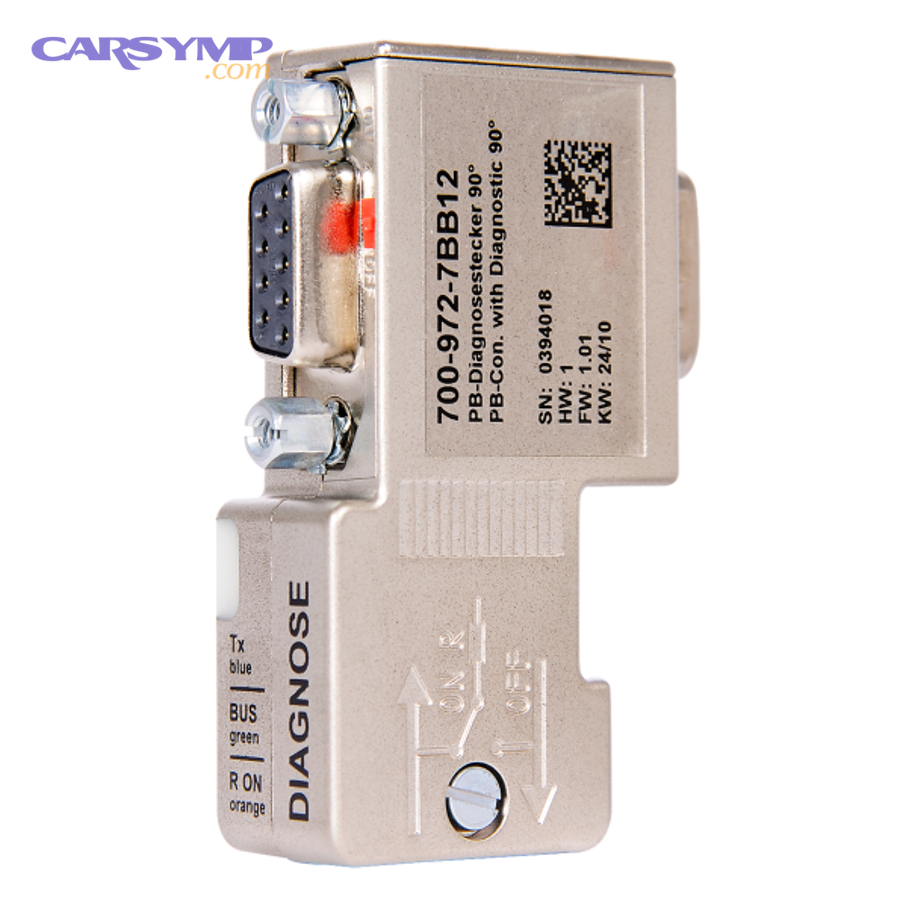
The J1939 protocol implements a higher-layer communication standard optimized for commercial vehicle networks. This protocol operates on CAN bus physical layers but adds specialized message formatting, parameter group numbers (PGNs), and suspect parameter numbers (SPNs) specific to commercial vehicle systems. Diagnostic trouble codes in J1939 systems use completely different formatting than passenger car P-codes, requiring technicians to interpret both the SPN identifying the failed component and the FMI (Failure Mode Identifier) describing the fault type.
Adapter cables enable connection of standard OBD-II scan tools to commercial vehicles, but these adapters provide only basic functionality. The voltage conversion and pin mapping in quality adapters enables physical connection, but full diagnostic capability requires scan tools with native J1939 protocol support. Generic OBD-II tools connected through adapters typically access only basic information like engine codes and parameters, missing transmission, ABS, and other system diagnostics that commercial technicians need for complete vehicle assessment.
ISO 7638 adds another layer of complexity for trailers. This 7-pin connector standard enables communication between tractor and trailer ABS/EBS systems, allowing coordinated braking across the combination vehicle. Diagnosing trailer brake system faults requires specialized tools capable of accessing this separate communication network. The proliferation of different connector standards in commercial vehicles (6-pin round for trailer power, 7-pin for ABS, 9-pin for diagnostics) creates confusion and requires careful attention to connector identification before diagnostic attempts. Radiator fan repair cost estimate considerations in commercial vehicles must account for these additional diagnostic complexities and the specialized equipment required.
What Advanced Diagnostic Software Works with OBD Connectors?
Advanced diagnostic software including FORScan for Ford vehicles, VCDS (VAG-COM) for Volkswagen Group vehicles, Techstream for Toyota, and manufacturer-specific dealer-level tools provide capabilities beyond generic OBD-II scanners, accessing manufacturer-specific codes, enabling bi-directional control testing, performing module programming, and supporting MS-CAN/HS-CAN bus switching for comprehensive system diagnostics.
Professional diagnostic software distinguishes dealership-level service from independent repair facilities. While generic scan tools access standardized OBD-II parameters and emissions-related codes, advanced software penetrates deep into manufacturer-specific control systems. These tools enable technicians to perform adaptation procedures, code new modules, and access engineering-level diagnostic functions unavailable through standard OBD-II protocols.
FORScan represents the most capable Ford diagnostic solution available outside dealership networks. This software requires an ELM327-compatible interface with modifications supporting both MS-CAN (medium-speed CAN) and HS-CAN (high-speed CAN) bus access. Ford vehicles implement dual CAN bus architectures with different modules on separate networks—body control functions typically operate on MS-CAN while powertrain systems use HS-CAN. Standard OBD-II adapters access only the HS-CAN network on pin 6 and 14, missing body control diagnostics. Modified adapters include a switch connecting to pins 3 and 11 for MS-CAN access, enabling complete vehicle coverage.
VCDS dominates Volkswagen, Audi, Seat, and Skoda diagnostics in independent repair facilities. This software evolved from enthusiast roots but now provides professional-grade functionality approaching dealer tool capabilities. VCDS accesses manufacturer-specific trouble codes using five-digit format rather than standard P-codes, reads measuring blocks showing real-time data unavailable through generic tools, and performs complex adaptation procedures like throttle body alignment or transmission adaptation after clutch replacement. The software requires genuine Ross-Tech interfaces to function, as cloned interfaces lack proper licensing and receive no software updates.
Toyota’s Techstream software requires subscription licensing but provides comprehensive access to Toyota and Lexus vehicle systems. This dealer-level tool performs special functions like smart key programming, hybrid system diagnostics, and transmission adaptation procedures impossible with aftermarket scan tools. Techstream connects through the same OBD-II port but implements Toyota’s proprietary communication protocols that generic tools cannot emulate. Independent Toyota specialists invest in Techstream subscriptions to match dealership diagnostic capabilities.
ELM327 chipset compatibility forms the foundation of most aftermarket diagnostic interfaces. This integrated circuit implements multiple OBD-II protocols, translating between vehicle communication standards and the serial or Bluetooth interface connected to diagnostic software. However, ELM327 capabilities vary significantly by version and manufacturer. Genuine ELM327 v2.2 chips support all required protocols, while counterfeit chips claiming identical specifications often fail with certain vehicle makes or produce unreliable results. Professional technicians verify their diagnostic interfaces use genuine chipsets to ensure consistent performance across diverse vehicle populations.
How Do Electric Vehicles Handle OBD Connector Requirements?
Electric vehicles are exempt from mandatory OBD-II connector requirements because these regulations focus specifically on emission control system monitoring, though most EV manufacturers voluntarily include OBD-II ports providing limited diagnostic access to battery management systems, motor controllers, and charging systems through manufacturer-specific protocols not covered by standard OBD-II specifications.
The regulatory framework underlying OBD-II mandates stems from emission control legislation rather than comprehensive vehicle diagnostics. California’s Air Resources Board and the EPA developed these standards to ensure emission control systems remain functional throughout vehicle service life. Since electric vehicles produce zero tailpipe emissions, the fundamental regulatory justification for OBD-II compliance disappears. This exemption applies to all purely electric vehicles—plug-in hybrids retain traditional OBD-II requirements because they still operate internal combustion engines with emissions controls.
Despite regulatory exemption, most EV manufacturers include OBD-II connectors for practical reasons. Standardized diagnostic access simplifies service procedures, enables use of existing diagnostic equipment, and provides familiar interfaces for technicians transitioning from conventional vehicles. However, the information available through these connectors varies dramatically between manufacturers. Some provide extensive battery health data, charging statistics, and motor performance parameters, while others expose minimal information through the standard port.
Tesla exemplifies manufacturer-specific diagnostic approaches. Tesla vehicles include an OBD-II connector but provide extremely limited information through this interface. Generic scan tools retrieve basic vehicle speed and odometry data but cannot access battery health, motor diagnostics, or most vehicle control systems. Tesla implements proprietary diagnostic protocols accessible only through their internal service network or specialized third-party tools that reverse-engineer Tesla’s communication standards. This closed ecosystem frustrates independent repair facilities seeking comprehensive diagnostic access.
Battery management system diagnostics require manufacturer-specific protocols in most EVs. While the OBD-II port may provide basic battery state of charge information, detailed cell-level voltage monitoring, thermal management diagnostics, and battery degradation analysis typically require dealer-level diagnostic equipment. These parameters prove critical for comprehensive EV diagnostics, as battery pack health determines vehicle range and long-term viability. Independent EV specialists invest in brand-specific diagnostic tools to access this essential information.
Charging system diagnostics present similar access challenges. Onboard chargers, DC fast charge controllers, and charging port communication systems implement sophisticated fault detection, but this information rarely flows through standard OBD-II protocols. Diagnosing charging problems typically requires specialized equipment capable of monitoring the J1772 pilot signal for AC charging or CAN bus communications for DC fast charging. The OBD-II connector serves as the physical access point but standard diagnostic protocols prove inadequate for comprehensive charging system analysis.
The future of EV diagnostics remains uncertain as the industry matures. Some industry groups advocate for standardized EV diagnostic protocols similar to OBD-II, creating uniform access to battery health, charging, and motor performance data. However, manufacturers resist standardization, viewing diagnostic access as competitive advantage and revenue opportunity through dealer service networks. This tension between open access and proprietary control will shape EV diagnostic practices as electric vehicles comprise an increasing share of the vehicle population.
This comprehensive guide equips automotive technicians with the knowledge and procedures necessary for effective OBD connector diagnosis and repair. From understanding basic failure modes through advanced diagnostic software applications, technicians can now approach connector problems systematically, balancing repair costs against replacement options while maintaining long-term reliability. The preventive maintenance strategies outlined extend connector lifespan, reducing costly failures during critical diagnostic needs. As vehicle technology evolves toward electrification and increasingly sophisticated control networks, the fundamental diagnostic access provided by the OBD connector remains essential, making proper maintenance and repair techniques crucial skills for professional automotive service.