


When your air conditioning fails during a heatwave or a power outage strikes in summer, you need immediate cooling solutions to protect your health and property. The 12 fast-acting temporary cooling methods for emergency situations include DIY techniques like cold compresses and blocking sunlight, portable equipment such as spot coolers and battery-powered fans, strategic hydration practices, and professional emergency cooling rental services—all designed to reduce indoor temperatures quickly without relying on central AC. These methods range from zero-cost passive cooling strategies that work within minutes to rental equipment that can be deployed within hours, offering layered protection against heat-related emergencies.
Understanding which cooling method works fastest and most effectively for your specific emergency situation can mean the difference between discomfort and danger. Each cooling strategy addresses different aspects of heat management: some lower ambient room temperature, others reduce body core temperature directly, and certain methods target specific hot zones in homes or commercial facilities. The effectiveness of each method depends on factors including climate conditions, available resources, space size, and the severity of the emergency.
Beyond immediate relief, implementing temporary cooling methods correctly requires knowing how to combine multiple strategies for maximum effectiveness. Simple actions like applying ice packs to pulse points work synergistically with cross-ventilation techniques, while portable air conditioners become more efficient when paired with window-blocking methods. Safety considerations also play a critical role—certain makeshift solutions can create fire hazards or electrical risks if implemented improperly during the stress of an emergency.
This comprehensive guide will walk you through each fast-acting cooling method step-by-step, from the simplest DIY techniques you can start right now to professional emergency cooling equipment that requires rental and installation. You’ll learn exactly when to use each method, how to implement them safely, and when it’s time to evacuate to cooling centers or call emergency services. Below, we’ll start by defining what qualifies as an emergency cooling situation and why these temporary solutions are necessary for health and safety.
What Are Temporary Cooling Methods for Emergencies?
Temporary cooling methods for emergencies are rapid-deployment strategies and equipment designed to reduce dangerous heat levels when permanent air conditioning systems fail, power outages occur, or extreme heat events exceed normal cooling capacity. These solutions differ from permanent HVAC systems in their portability, quick setup time, and ability to function without existing infrastructure—making them essential for situations ranging from sudden AC breakdowns to natural disasters that disrupt power grids.
Understanding the difference between temporary and permanent cooling is critical for setting proper expectations during emergencies. Permanent systems like central air conditioning require professional installation, ductwork, and continuous electrical supply, while temporary solutions can be deployed by homeowners or rental companies within minutes to hours. Temporary methods also serve different functions: some provide whole-room cooling, others target specific areas or individuals, and certain techniques focus on preventing heat-related illness rather than lowering ambient temperature.

Emergency cooling becomes necessary in several critical scenarios. AC system failures during peak summer heat create immediate health risks, especially for vulnerable populations including elderly individuals, young children, and those with chronic medical conditions. Power outages lasting more than a few hours can transform homes into dangerously hot environments, with indoor temperatures climbing 10-20 degrees above comfortable levels. Extreme heat events—when outdoor temperatures exceed historical norms for extended periods—can overwhelm even functioning AC systems, requiring supplementary cooling methods to maintain safe indoor conditions.
Why Do You Need Emergency Cooling Solutions?
Emergency cooling solutions protect against life-threatening heat-related illnesses, prevent equipment damage, maintain workplace safety standards, and avoid costly property damage during cooling system failures. Heat exhaustion and heat stroke can develop within hours when indoor temperatures exceed 90°F, particularly affecting vulnerable populations who cannot regulate body temperature effectively. Equipment protection becomes critical in commercial settings where server rooms, medical facilities, and manufacturing operations require precise temperature control to prevent operational failures and product loss.
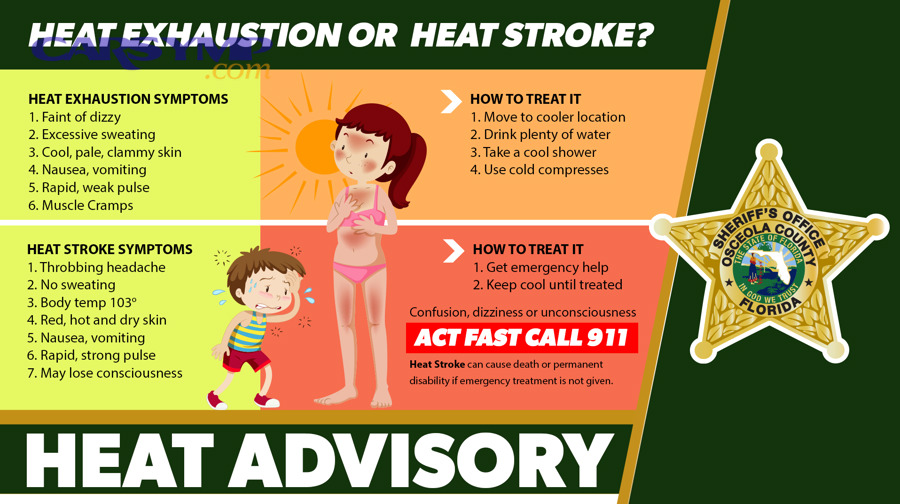
The health risks associated with inadequate cooling escalate rapidly during emergencies. Heat exhaustion symptoms—including heavy sweating, rapid pulse, dizziness, and nausea—can progress to heat stroke within 30-60 minutes if body temperature continues rising. Heat stroke represents a medical emergency with symptoms including confusion, loss of consciousness, and body temperatures exceeding 104°F, requiring immediate cooling intervention and emergency medical care. According to data from the Centers for Disease Control and Prevention, extreme heat causes approximately 1,220 deaths annually in the United States, with the majority occurring in homes without adequate cooling.
Workplace temperature standards established by the Occupational Safety and Health Administration (OSHA) recommend maintaining indoor temperatures between 68-76°F with humidity levels between 20-60%. When cooling systems fail in commercial facilities, employers face legal obligations to provide emergency cooling solutions or modify work schedules to protect employee safety. Failure to maintain safe working temperatures can result in productivity losses, increased accident rates, and potential OSHA violations carrying significant financial penalties.
Property damage from inadequate cooling extends beyond discomfort. Temperature-sensitive materials including pharmaceuticals, food products, electronics, and certain building materials can suffer irreversible damage when exposed to excessive heat. In residential settings, extreme indoor temperatures can warp wood flooring, damage electronics, spoil food inventory, and create conditions favorable for mold growth when combined with high humidity levels.
How Fast Do Temporary Cooling Methods Work?
Temporary cooling methods deliver relief at different speeds: immediate techniques like cold compresses and pulse point cooling reduce body temperature within 0-5 minutes, short-term solutions including fan-based cross-ventilation and window blocking show measurable effects within 5-30 minutes, while extended emergency cooling equipment such as portable AC units and spot coolers achieve target temperatures within 1-24 hours depending on space size and ambient conditions.
Immediate relief methods focus on lowering core body temperature rather than cooling entire spaces. Applying ice packs or cold wet towels to pulse points—wrists, neck, behind knees, and ankles—creates rapid cooling by targeting areas where blood vessels run close to the skin surface. This technique can lower body temperature by 1-2 degrees Fahrenheit within 5 minutes, providing critical relief during the initial emergency response phase. Cold water consumption works similarly, with studies showing that drinking 16 ounces of ice water can temporarily lower core body temperature by approximately 0.5-1.0 degrees within 10-15 minutes.
Short-term passive cooling strategies require slightly longer to show effects but cost nothing to implement. Closing blinds, curtains, and shades on all windows—particularly those facing direct sunlight—can reduce indoor temperatures by up to 20 degrees Fahrenheit over a 30-60 minute period. Cross-ventilation techniques using existing fans positioned to create airflow paths through the home typically show temperature improvements of 3-5 degrees within 15-30 minutes, though effectiveness depends heavily on outdoor temperature and humidity levels.
Extended emergency cooling equipment provides the most substantial temperature reduction but requires setup time and often rental arrangements. Portable air conditioners typically need 30-60 minutes for installation and venting, then achieve target cooling within 2-4 hours for rooms up to 500 square feet. Industrial spot coolers deployed by emergency rental companies can arrive within 2-24 hours depending on location and availability, with large-capacity units capable of cooling commercial spaces within 4-6 hours of activation.
What Are the Most Effective DIY Cooling Methods Without AC?
The most effective DIY cooling methods without AC include cold compress application to pulse points, comprehensive window blocking with reflective materials, strategic fan placement for cross-ventilation, and aggressive hydration with ice water—each costing little or nothing while providing measurable temperature reduction within 5-30 minutes when properly implemented. These methods work best when combined in layers, addressing both ambient room temperature and individual body cooling needs simultaneously.
To better understand how to implement each DIY method effectively, we’ll examine the specific techniques, expected results, and safety considerations for four core approaches that anyone can deploy immediately during a cooling emergency.
How Do You Use Cold Compresses and Ice Packs for Cooling?
Cold compresses and ice packs applied to pulse points—wrists, neck, inner elbows, ankles, and behind the knees—provide rapid body cooling by chilling blood flowing through vessels close to the skin surface, with effects noticeable within 2-5 minutes and core temperature reductions of 1-2 degrees achievable when rotated properly every 10-15 minutes.
The pulse point application technique leverages basic physiology to maximize cooling efficiency. Major blood vessels run close to the skin at these specific locations, allowing cooled blood to circulate throughout the body more quickly than random cold application. For maximum effectiveness, apply ice packs or cold compresses to at least three pulse points simultaneously—typically the neck, both wrists, or behind both knees. The cooling effect compounds as chilled blood circulates, with most people reporting noticeable relief within 3-5 minutes of application.
DIY ice pack alternatives work just as effectively as commercial products when properly prepared. Frozen water bottles wrapped in thin towels prevent direct ice-to-skin contact while maintaining prolonged cooling, typically lasting 20-30 minutes before requiring replacement. Rice-filled socks frozen for 1-2 hours conform better to body contours and can be microwaved repeatedly, though they provide less intense cooling than ice-based options. For emergency situations without freezer access, soak washcloths or small towels in the coldest available water and apply them to pulse points, replacing every 5-10 minutes as they warm.
Duration and frequency recommendations balance effectiveness with safety. Apply cold compresses for 10-15 minute intervals, then remove for 5 minutes before reapplying to prevent skin damage from excessive cold exposure. Never apply ice directly to skin for extended periods, as this can cause ice burns or frostbite even in hot weather. Rotate between different pulse points to maintain continuous cooling effect without over-cooling any single area.
Does Blocking Sunlight Really Cool Your Home?
Yes, blocking sunlight reduces indoor temperatures by up to 20 degrees Fahrenheit by preventing solar heat gain through windows, which accounts for approximately 30% of unwanted heat in residential buildings during summer months. The effectiveness depends on coverage completeness, material reflectivity, and timing of installation before the sun’s peak intensity hours.
Window covering effectiveness varies significantly based on material properties and installation method. The Environmental Protection Agency estimates that proper window treatments can reduce heat gain by 45-77% depending on material and installation quality. Reflective materials that bounce sunlight back outside before it can penetrate glass work more effectively than dark materials that absorb heat. Interior shades and curtains still provide substantial cooling by creating an insulating air pocket between the window and room interior, though external shutters or awnings perform better by blocking heat before it reaches the glass.
Best materials for emergency window blocking combine availability with reflective properties. Emergency blankets (Mylar space blankets) taped to windows with the reflective side facing outward provide excellent heat rejection at minimal cost. Aluminum foil applied directly to windows or mounted on cardboard sheets creates highly reflective barriers, though aesthetics suffer. White bedsheets or light-colored blankets secured with thumbtacks or duct tape offer moderate effectiveness while maintaining some visibility. Blackout curtains, if already owned, should be closed on all windows receiving direct sunlight.
Which windows to prioritize depends on sun exposure timing throughout the day. East-facing windows receive intense morning sun and should be covered before sunrise or by 7-8 AM. South-facing windows in the Northern Hemisphere receive the most intense all-day exposure and represent the highest priority for complete coverage. West-facing windows catch brutal afternoon sun from 3-7 PM when outdoor temperatures peak. North-facing windows (in Northern Hemisphere) receive minimal direct sunlight and can be lower priority if resources are limited.
Can Fans Provide Effective Cooling During Emergencies?
Fans alone cannot reduce body temperature or prevent heat-related illnesses when ambient air temperature exceeds 95°F, but strategic fan placement creating cross-ventilation, combined with evaporative cooling techniques like the bowl-of-ice method, can lower perceived temperature by 3-8 degrees and significantly improve comfort during emergency situations.
Understanding this limitation is critical for safety during severe heat emergencies. Fans work by increasing air movement across skin, which accelerates sweat evaporation—the body’s primary cooling mechanism. However, when outdoor temperature rises above body temperature (approximately 98.6°F), fans can actually increase heat stress by blowing hot air across the body faster than sweat can evaporate. The Centers for Disease Control and Prevention specifically warns against relying on fans as the primary cooling device during extreme heat events, though they remain useful when combined with other cooling methods.
Fan placement strategies for maximum airflow leverage cross-ventilation principles. Position one fan in a window on the cooler side of the home (typically north-facing or shaded) set to blow air inward. Place a second fan in a window on the opposite side of the home set to blow air outward, creating a through-flow that pulls cooler air in while exhausting hot air. This technique works best during evening and early morning hours when outdoor temperature drops below indoor temperature. For single-fan setups, place the fan in a window blowing outward to exhaust hot air, which creates negative pressure that pulls cooler air through other windows or openings.
The bowl-of-ice fan method enhances evaporative cooling by combining mechanical air movement with ice-based temperature reduction. Place a large bowl or pan filled with ice and water directly in front of a fan, positioning the fan to blow air across the ice surface. As air passes over the ice, it picks up cooled moisture, creating a homemade air conditioning effect. This method can lower the temperature of air blown by the fan by 10-15 degrees, though effectiveness lasts only as long as ice remains frozen—typically 1-3 hours depending on ice quantity and room temperature. Refreeze ice overnight or use frozen water bottles that can be rotated.
What Hydration Strategies Enhance Emergency Cooling?
Drinking ice-cold water at intervals of 8-16 ounces every 30-60 minutes enhances emergency cooling by supporting the body’s natural thermoregulation, replacing fluids lost through increased sweating, and providing direct core cooling with each cold beverage consumption—targeting a minimum of 0.5-1.0 ounces per pound of body weight daily during heat emergencies.
Cold water consumption creates both immediate and sustained cooling effects. The immediate effect occurs as cold liquid absorbs heat from the esophagus and stomach, temporarily lowering core body temperature by approximately 0.5 degrees per 16-ounce serving. This effect lasts 15-30 minutes before body temperature begins rising again, making regular intervals crucial. The sustained effect comes from supporting the body’s sweat-based cooling mechanism—adequate hydration enables continued sweat production, which provides evaporative cooling as long as relative humidity remains below 60%.
How much water to drink during heat emergencies exceeds normal daily recommendations. The standard “eight 8-ounce glasses” guideline represents minimum baseline intake during normal conditions. During heat emergencies, target 0.5-1.0 ounces of water per pound of body weight—a 150-pound person should consume 75-150 ounces (approximately 9-19 cups) spread throughout the day. Increase intake further if experiencing heavy sweating, with the goal of maintaining light-colored urine as an indicator of adequate hydration. Front-load hydration before peak heat hours rather than waiting until thirsty, as thirst indicates dehydration has already begun.
Avoiding dehydration triggers becomes equally important as increasing water intake. Caffeine acts as a mild diuretic, increasing urine production and accelerating fluid loss—avoid coffee, energy drinks, and caffeinated sodas during heat emergencies. Alcohol significantly impairs the body’s ability to regulate temperature while increasing dehydration risk through its diuretic effects and should be completely avoided. High-sodium foods increase water retention needs and should be consumed moderately, though some sodium intake remains necessary to replace electrolytes lost through sweating.
Ice water versus room temperature water effectiveness depends on the emergency scenario. Ice water provides the immediate core cooling benefit described earlier and tends to taste more refreshing, encouraging greater voluntary intake during heat stress. However, some research suggests room temperature water may be absorbed slightly faster by the digestive system. For emergency cooling purposes, prioritize whatever temperature encourages the most consistent and adequate intake—if ice water tastes more appealing and motivates you to drink more, choose that option.
Which Portable Cooling Equipment Works Best for Emergencies?
Portable cooling equipment effectiveness ranks as follows: spot coolers excel for targeted single-room cooling with deployment within hours, dual-hose portable air conditioners provide the best overall cooling efficiency for spaces up to 500 square feet, evaporative coolers work optimally in dry climates with humidity below 50%, and battery-powered devices offer limited but valuable cooling during power outages lasting 4-12 hours. The best choice depends on your specific emergency scenario, available power source, climate conditions, and whether you’re cooling residential or commercial spaces.
Understanding the capabilities and limitations of each equipment type allows for informed decision-making during the stress of a cooling emergency, whether you’re purchasing, renting, or deploying equipment you already own.
What Are Spot Coolers and When Should You Use Them?
Spot coolers are self-contained portable air conditioning units designed to deliver concentrated cooling to specific areas or “spots” rather than entire buildings, typically offering 12,000-60,000 BTU capacity, requiring only standard electrical outlets, and featuring flexible ducting for hot air exhaust—making them ideal for cooling single rooms, server areas, or workspaces during emergency HVAC failures.
The targeted cooling capability of spot coolers creates advantages over whole-building systems during emergencies. Rather than attempting to cool an entire facility with insufficient capacity, spot coolers concentrate cooling power where it matters most—occupied workspaces, temperature-sensitive equipment rooms, or areas housing vulnerable individuals. This focused approach delivers comfortable temperatures in critical spaces within 1-3 hours even when ambient building temperature remains elevated.
BTU ratings and room size coverage determine appropriate spot cooler selection. BTU (British Thermal Unit) measures cooling capacity—one BTU represents the energy needed to lower one pound of water by one degree Fahrenheit. For emergency cooling applications, calculate required BTU capacity by multiplying room square footage by 20-25 BTUs per square foot, adding 10% for high ceilings or poor insulation. A 200-square-foot room typically requires a 4,000-5,000 BTU spot cooler, while a 500-square-foot space needs 10,000-12,500 BTUs. Commercial units range from 12,000 BTUs for small offices to 60,000+ BTUs for large industrial spaces.
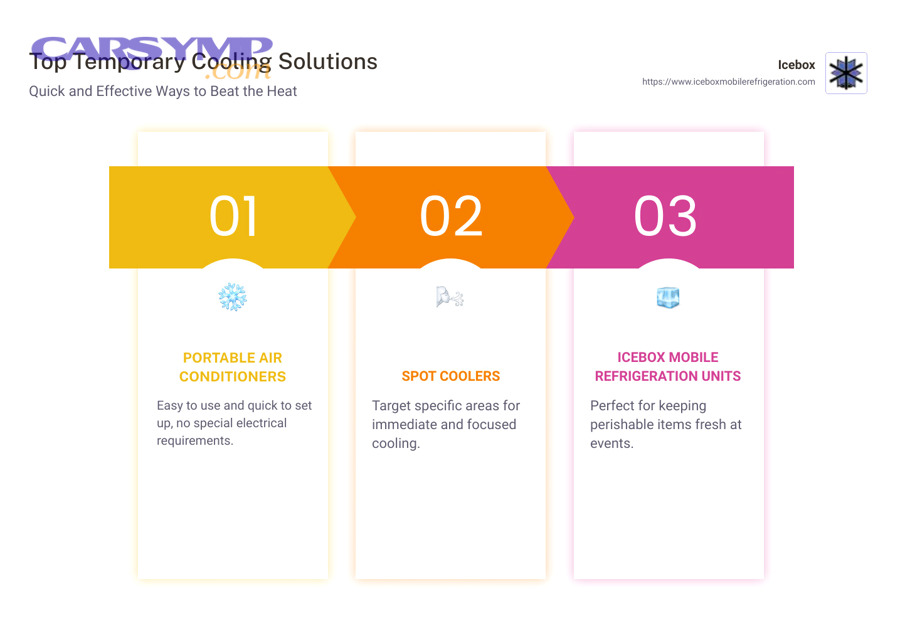
Deployment speed gives spot coolers emergency advantages. Professional rental companies specializing in emergency cooling can deliver and install spot coolers within 2-24 hours of contact, depending on location and inventory availability. Setup requires minimal technical knowledge—position the unit near the area requiring cooling, extend the flexible exhaust duct to a window or vent opening, plug into an appropriate electrical outlet (verify amp requirements), and activate. Most commercial spot coolers reach target operating temperature within 1-2 hours for properly-sized spaces.
Best use cases for spot coolers include server rooms where equipment damage could cost thousands per hour of downtime, medical facilities where medication storage or patient care areas require specific temperature ranges, manufacturing facilities where heat-sensitive processes must continue during primary HVAC failures, and temporary workspaces that need cooling without permanent installation.
How Effective Are Portable Air Conditioners for Emergency Cooling?
Portable air conditioners effectively cool spaces of 200-500 square feet within 2-4 hours when properly vented, with dual-hose models operating 30-40% more efficiently than single-hose versions by drawing intake air from outside rather than conditioned indoor air, though all portable units require window access or alternative venting solutions to exhaust hot air.
Types of portable air conditioners differ significantly in efficiency and effectiveness. Single-hose portable ACs draw room air for cooling the condenser coils, then exhaust this air outside through the hose—creating negative pressure that pulls hot air into the room through gaps and openings. Dual-hose models use one hose to draw outside air for condenser cooling and a second hose to exhaust hot air, eliminating the negative pressure problem. While dual-hose units cost 20-40% more than single-hose models, their superior efficiency makes them preferable for emergency situations where maximum cooling is critical.
Venting requirements represent the primary limitation of portable AC units. All portable air conditioners must exhaust hot air outside to function—attempting to vent into another room or enclosed space defeats the purpose and may actually increase overall temperature. Window installation kits typically accompany portable units, featuring adjustable panels that fit standard vertical sliding windows. For non-standard windows, alternative venting options include sliding door kits, drop ceiling vents in commercial spaces, or temporary wall penetrations (requiring landlord approval for rentals). Improper venting can reduce cooling effectiveness by 50% or more.
Five-ton portable AC capacity coverage suits larger emergency cooling needs. A “ton” of cooling equals 12,000 BTUs per hour—thus a 5-ton portable AC provides 60,000 BTUs of cooling capacity, appropriate for spaces of 1,500-2,000 square feet or smaller spaces with very high heat loads. These industrial-grade units typically require 220-240V electrical service rather than standard 110-120V outlets, limiting residential availability. Commercial facilities experiencing emergency HVAC failures often rent 5-ton portable units to maintain operations in critical areas like data centers or clean rooms.
Energy requirements during power outages limit portable AC effectiveness unless backup power exists. Standard portable ACs require 900-1,500 watts for small units and 2,000-4,000+ watts for large capacity models—exceeding the capability of most portable generators under 3,000 watts. During power outage emergencies, prioritize alternative cooling methods that don’t require electricity, or ensure backup generator capacity matches the combined load of essential equipment plus the portable AC unit.
Do Evaporative Coolers Work in All Climates?
No, evaporative coolers (swamp coolers) work effectively only in dry climates where relative humidity stays below 50%, providing cooling of 10-20 degrees in arid regions like the southwestern United States, while becoming ineffective and potentially increasing discomfort in humid climates where they add moisture to already saturated air.
Climate suitability determines whether evaporative cooling should even be considered during emergencies. Evaporative coolers work by blowing air through water-saturated pads, causing water to evaporate and absorb heat from the air—a process that adds humidity while reducing temperature. In dry climates (Arizona, Nevada, New Mexico, parts of California), this added humidity actually improves comfort while providing substantial cooling. However, in humid regions (Southeast, Gulf Coast, much of the East Coast), evaporative coolers fail to reduce temperature effectively because the already moisture-saturated air cannot absorb additional water vapor, and the added humidity makes conditions feel worse rather than better.
Misting systems represent outdoor evaporative cooling applications. Residential misting systems attach to outdoor hose connections and spray fine water droplets into the air around patios, decks, or outdoor work areas. As the tiny droplets evaporate, they cool surrounding air by 10-20 degrees in dry climates, creating comfortable outdoor spaces during emergencies when indoor cooling is unavailable. Commercial-grade misting systems used at outdoor events can cool areas of several thousand square feet, though they require continuous water supply and function poorly in humid conditions.
Water consumption and setup requirements vary by system type. Basic portable evaporative coolers use 4-10 gallons of water per day of operation, requiring regular refilling unless connected to a continuous water source. Larger commercial units may consume 15-25 gallons daily. Setup for portable units involves filling the water reservoir, plugging into electrical outlet, and positioning near an open window or door (evaporative coolers work best with airflow exchange rather than closed spaces). Installation takes 5-15 minutes for basic units.
Cost comparison to traditional AC favors evaporative cooling in appropriate climates. Evaporative coolers consume 75-80% less electricity than comparable traditional AC units—a portable evaporative cooler might use 100-200 watts versus 900-1,500 watts for portable AC. Purchase prices run $100-600 for residential portable evaporative coolers compared to $300-800 for similar-capacity portable AC units. However, this cost advantage disappears if climate conditions prevent effective evaporative cooling.
Are Battery-Powered Cooling Devices Reliable?
Battery-powered cooling devices provide limited but valuable emergency cooling with most portable fans running 4-12 hours on rechargeable batteries and portable battery-powered air coolers operating 2-6 hours per charge, making them reliable for short-term power outages or situations where electrical access is unavailable, though they cannot substitute for grid-powered cooling during extended emergencies.
Runtime expectations vary significantly based on battery capacity, device power consumption, and selected speed settings. Portable battery-operated fans typically draw 2-10 watts, allowing quality rechargeable battery packs (10,000-20,000 mAh) to provide 8-20 hours of operation on low settings. High-speed operation drains batteries approximately twice as fast as low-speed settings. Personal battery-powered air coolers that incorporate evaporative cooling principles consume more power (15-30 watts), resulting in 3-6 hour runtime from fully-charged batteries. Larger portable AC units requiring 900+ watts cannot practically operate from battery power except with expensive, heavy-duty battery systems designed for off-grid applications.
Best options for power outage scenarios prioritize runtime and reliability. USB-rechargeable desk fans with built-in 4,000-10,000 mAh batteries provide 6-12 hours of operation and can be recharged from car USB ports or portable power banks, making them highly versatile for extended power outages. Personal evaporative air coolers with integrated batteries work well for individual cooling in dry climates, though they require ice water refills every 2-4 hours. For whole-room cooling during power outages, large-capacity portable power stations (500-1,000+ watt-hours) can run small portable AC units for 1-3 hours, though this represents an expensive solution reserved for severe emergencies.
Rechargeable versus disposable battery considerations favor rechargeable options for emergency preparedness. Rechargeable lithium-ion battery packs can be cycled hundreds of times, making them cost-effective over repeated use while maintaining readiness through periodic charging. Disposable batteries (alkaline AA, AAA, D cells) provide backup redundancy but create ongoing costs and waste. For emergency kits, maintain both rechargeable devices kept charged during normal times plus a supply of fresh disposable batteries as backup for extended outages exceeding rechargeable capacity.
How Do You Implement Emergency Cooling Methods Step-by-Step?
Implementing emergency cooling methods requires a prioritized action plan: immediately assess the situation and call HVAC professionals, implement zero-cost passive cooling within the first 15 minutes (close blinds, start cross-ventilation, begin hydration), apply personal cooling techniques to vulnerable individuals within 30 minutes, deploy available equipment (fans, portable AC) within the first hour, and arrange professional emergency cooling rentals if the situation will extend beyond 24 hours. This layered approach maximizes cooling effectiveness while addressing the most critical needs first.
Following a systematic implementation strategy prevents panic-driven decisions and ensures no critical steps are missed during the stress of a cooling emergency.
What Should You Do First When Your AC Fails?
When your AC fails, immediately contact HVAC emergency services to arrange repair while simultaneously implementing the first 15 minutes of cooling triage: close all window coverings on sun-exposed windows, position fans for cross-ventilation, begin aggressive hydration, identify vulnerable individuals requiring priority cooling, and determine whether the situation may require evacuation to cooling centers.
The immediate triage steps balance urgent cooling needs against longer-term repair logistics. While waiting on hold with HVAC services or for technician arrival, every minute of proactive cooling intervention counts toward preventing heat-related illness. Research from the National Weather Service indicates that indoor temperatures can rise 1-2 degrees Fahrenheit every 10-15 minutes after AC failure during peak heat conditions, making the first hour critical for establishing alternative cooling.
First 15 minutes quick wins focus on actions requiring zero equipment or resources beyond what’s already present in most homes. Closing blinds, shades, and curtains on all windows—prioritizing those receiving direct sunlight—takes 3-5 minutes and provides immediate heat gain reduction. Starting fans requires another 2-3 minutes to position for optimal cross-ventilation. Beginning systematic hydration for all occupants adds 2-3 minutes to gather water bottles or fill pitchers with ice water. This 10-minute investment in basic actions can prevent 3-6 degrees of temperature rise over the subsequent hours.
Identifying vulnerable individuals determines cooling priority allocation. Elderly individuals over 65, infants and young children under 4, people with chronic medical conditions (heart disease, diabetes, respiratory conditions), pregnant women, and individuals taking medications that affect heat regulation require priority attention for personal cooling measures. Move these individuals to the coolest available location (typically lowest floor, north-facing room), begin pulse point cooling with ice packs or cold compresses, ensure they’re consuming adequate fluids, and monitor for heat illness symptoms every 15-30 minutes.
When to evacuate to cooling centers depends on several factors. If indoor temperature exceeds 85°F with no available cooling equipment and vulnerable individuals are present, evacuation should be considered within 2-4 hours. If heat illness symptoms (heavy sweating, rapid pulse, dizziness, nausea) appear in any occupant, immediate evacuation or medical attention becomes necessary. Most municipalities open cooling centers during heat emergencies—call 211 or check local government websites for locations. Plan evacuation before conditions become desperate; heat exhaustion impairs decision-making and physical capability to relocate safely.
Can You Combine Multiple Cooling Methods?
Yes, combining multiple cooling methods creates synergistic effects that provide 2-3 times greater temperature reduction than any single method alone, with optimal combinations including passive cooling (window blocking + cross-ventilation) plus personal cooling (pulse point ice packs + aggressive hydration) plus mechanical cooling (fans or portable AC), resulting in 10-15 degree effective temperature reductions in most emergency scenarios.
Synergistic cooling strategies leverage the principle that different methods address different aspects of the heat problem. Window blocking prevents new heat from entering the space, cross-ventilation removes existing hot air and introduces relatively cooler air, personal cooling techniques reduce body core temperature regardless of ambient conditions, and mechanical cooling actively lowers air temperature. When deployed together, these methods compound their individual effects rather than merely adding them—the whole becomes greater than the sum of parts.
Layering passive and active cooling follows a logical sequence. Begin with passive methods since they cost nothing and start working immediately: close all window coverings (5 minutes), turn off unnecessary lights and electronics generating heat (3 minutes), and set up cross-ventilation using existing fans (5 minutes). These actions establish a baseline that slows temperature rise by 50-70%. Next, add personal cooling for occupants: distribute ice water, apply cold compresses to vulnerable individuals, and encourage light clothing. Finally, deploy active mechanical cooling—portable AC units, spot coolers, or enhanced fan systems—which work more efficiently when passive methods have already reduced the cooling load.
Example combinations for maximum effectiveness vary by available resources. Low-resource scenario: Complete window blocking + bowl-of-ice fan method + pulse point cooling + aggressive hydration can achieve 8-12 degree effective temperature reduction. Medium-resource scenario: Previous methods + portable evaporative cooler (dry climates) or portable AC (humid climates) can achieve 12-18 degree reduction. High-resource scenario: Previous methods + multiple spot coolers or industrial portable AC + professional air handler rental can maintain near-normal temperatures even in large commercial spaces.
Resource allocation for optimal results requires prioritization when limitations exist. If you have only one portable AC unit in a multi-room home, position it in the room where vulnerable individuals will shelter rather than attempting to cool the entire house. If limited ice availability exists, prioritize pulse point cooling for people over the bowl-of-ice fan method. If budget constraints limit rental equipment, rent one appropriately-sized unit rather than multiple undersized units—concentration of cooling power in one critical space outperforms inadequate cooling spread across multiple areas.
Is It Safe to Use Makeshift Cooling Solutions?
Makeshift cooling solutions are safe when following basic electrical and fire safety principles—avoid gas-powered equipment indoors, never overload electrical circuits, keep combustible materials away from heat-generating devices, and avoid prolonged skin contact with ice—but certain improvised solutions including homemade air conditioners using ice and drain pans create serious electrical shock and water damage risks that outweigh their cooling benefits.
Safety warnings focus on the most common dangerous practices during cooling emergencies. Never operate gas-powered generators, pressure washers, or similar equipment indoors or in attached garages—carbon monoxide poisoning kills within minutes in enclosed spaces and cannot be detected without specialized monitors. Even during desperate heat emergencies, carbon monoxide death represents a greater threat than heat-related illness for most individuals. If generator power is essential, position generators at least 20 feet from all doors and windows with exhaust pointing away from structures.
Electrical safety during emergencies prevents fires and electrocution. Portable AC units, fans, and other cooling equipment should be plugged directly into wall outlets rather than daisy-chained through multiple extension cords or power strips. Each standard 110V household circuit can handle approximately 1,500-1,800 watts before breaker trip—verify the combined wattage of all devices on a circuit stays below this limit. Never run extension cords under carpets or rugs where heat buildup can occur unseen. Inspect all cords for damage before use; frayed or damaged cords can spark and ignite fires.
Fire hazards with DIY cooling setups require attention to combustible material proximity. The bowl-of-ice fan method is generally safe, but ensure water bowls are stable and cannot spill near electrical connections. Makeshift window coverings using aluminum foil or emergency blankets should be secured with non-flammable tape (avoid duct tape on hot surfaces). Never position fans or cooling equipment on unstable surfaces where they might tip and contact flammable materials. Keep curtains, papers, and other combustibles at least 3 feet from any heat-generating equipment including dehumidifiers and air handlers.
When DIY methods are insufficient requires honest assessment of heat severity. If indoor temperature exceeds 90°F for more than 4 hours despite all DIY cooling efforts, the situation has exceeded improvised solutions’ capability. If any occupant shows heat illness symptoms (confusion, nausea, rapid heartbeat, inability to sweat), immediate medical attention and cooling supersede continued DIY attempts. If the emergency will extend beyond 24-48 hours, transition from pure DIY to professional rental equipment or evacuation rather than prolonging inadequate cooling that merely delays inevitable heat illness.
When Should You Call Emergency Cooling Services?
You should call emergency cooling services immediately when indoor temperatures exceed 85°F with vulnerable individuals present, when heat-sensitive equipment or inventory faces damage risk, when DIY cooling methods fail to maintain safe temperatures within 4-6 hours, or when emergency duration will extend beyond 24-48 hours and professional equipment can prevent operational or health consequences. Professional emergency cooling rental companies provide industrial-capacity equipment with same-day to 24-hour deployment, making them essential for serious cooling emergencies in both residential and commercial settings.
Understanding what professional emergency cooling services provide and how quickly they can respond helps determine when to escalate from DIY methods to commercial solutions. The cost-benefit analysis often favors professional intervention when health risks, business continuity, or valuable property protection are at stake.
What Do Emergency Cooling Rental Services Provide?
Emergency cooling rental services provide industrial-grade climate control equipment including 1-ton to 50-ton chillers, 12,000-60,000+ BTU spot coolers, large-capacity air handlers, and commercial dehumidifiers, plus delivery within 2-24 hours, professional installation with proper venting and electrical connections, ongoing technical support during rental period, and flexible rental durations from days to months with no long-term contracts.
Types of equipment available through professional rental services exceed consumer-grade options in both capacity and capabilities. Portable chillers provide precise temperature control for process cooling, server rooms, and medical facilities, with capacity to maintain specific temperatures within ±2 degrees regardless of ambient conditions. Industrial spot coolers offer targeted cooling with ducting options to direct cool air exactly where needed. Large air handlers move massive volumes of conditioned air throughout commercial spaces, effectively cooling areas of 5,000-50,000 square feet. Commercial dehumidifiers remove 100-200+ pints of moisture daily, crucial for preventing mold during cooling emergencies in humid climates.
Response times and service areas vary by rental company location and inventory availability. Major metropolitan areas typically have multiple emergency cooling rental companies capable of same-day delivery for standard equipment when called before noon. Suburban and rural areas may experience 12-24 hour response times as equipment is transported from regional distribution centers. During peak summer heat waves when demand spikes, response times can extend to 24-48 hours even in major cities—another reason to call early in an emergency rather than waiting until conditions become desperate.
Installation and venting support distinguishes professional rental services from consumer equipment purchases. Rental companies employ technicians who properly size equipment for the space, determine optimal placement, establish safe electrical connections, route venting and ducting, and verify proper operation before leaving. This professional installation ensures maximum cooling effectiveness and eliminates safety hazards from improper setup. Many companies also provide 24/7 technical support during rental periods to troubleshoot issues or adjust equipment as conditions change.
Rental duration and pricing structures accommodate both short-term emergencies and extended situations. Daily rental rates for small spot coolers (12,000 BTU) typically run $75-150 per day, with weekly rates of $400-800 and monthly rates of $1,200-2,500. Larger industrial chillers and 5-ton portable AC units cost $200-500 daily or $2,000-6,000 monthly. Most companies offer declining daily rates for longer rental periods—the daily rate for a month-long rental might be 30-50% lower than the single-day rate. Delivery fees ($100-300) and installation charges ($200-500 for complex setups) apply separately from rental costs.
How Quickly Can Professional Equipment Be Deployed?
Professional emergency cooling equipment can be deployed within 2-4 hours for local same-day service in major metropolitan areas during normal business hours, 8-12 hours for after-hours or suburban locations, and 12-24 hours for most other scenarios, with deployment speed depending on equipment availability, geographic proximity, required setup complexity, and current demand from competing emergencies.
Typical response times reflect industry standards during normal summer conditions. When calling emergency cooling rental services during weekday business hours (8 AM – 5 PM) in cities with local equipment inventory, same-day delivery and installation within 4-8 hours represents realistic expectations for standard equipment like spot coolers and portable AC units. After-hours calls (evenings, nights, weekends) may incur premium charges (25-50% surcharge) but can still achieve deployment within 8-12 hours if the company offers true 24/7 emergency service. Holiday weekends and extreme heat events that trigger widespread AC failures can extend response times as available equipment becomes scarce.
Factors affecting deployment speed include inventory availability—during heat waves, rental companies often exhaust local equipment inventory and must transport units from regional warehouses, adding 6-24 hours. Geographic proximity determines transport time; rural locations 50-100+ miles from rental facilities experience longer waits. Required setup complexity influences deployment duration—a simple plug-in spot cooler might be operational within 30 minutes of arrival, while a multi-unit chiller system with extensive ducting could require 2-4 hours of on-site installation.
Emergency versus scheduled rental differences impact both availability and cost. Scheduled rentals booked 24-72 hours in advance typically cost 10-20% less than emergency same-day service, and equipment availability is guaranteed. Emergency rentals command premium pricing but provide critical rapid response—when facing heat-related health risks or business-critical equipment failures, the premium justifies the immediate protection. Some companies maintain dedicated “emergency fleet” equipment reserved specifically for rapid deployment, charging higher rates but guaranteeing availability even during peak demand periods.
Required documentation and permits vary by jurisdiction and installation complexity. Most temporary portable cooling equipment requires no special permits for residential or commercial use. However, larger installations involving temporary electrical connections, refrigerant systems over certain capacities, or modifications to building structures may require permits from local building departments. Professional rental companies typically handle permit applications as part of their service, though permit processing can add 1-3 days to deployment in jurisdictions requiring prior approval. For true emergencies threatening health or critical operations, many jurisdictions allow provisional installation pending permit approval, enabling immediate deployment.
How Does Emergency Cooling Compare to Permanent HVAC Systems?
Emergency cooling solutions prioritize rapid deployment and flexibility over energy efficiency and long-term economics, operating 30-50% less efficiently than permanent HVAC systems while costing 2-5 times more per day of operation but providing irreplaceable value during the 2-72 hours when permanent systems are unavailable, making them essential temporary bridges rather than permanent replacements for most applications.
Understanding the fundamental differences between temporary emergency solutions and permanent climate control systems helps set appropriate expectations and guides decision-making about when to transition from rental equipment to permanent installation. The comparison also reveals scenarios where temporary solutions may serve as viable long-term alternatives.
What Are the Cost Differences Between Temporary and Permanent Cooling?
Temporary cooling costs $75-500 daily for equipment rental plus $100-500 for delivery and installation, totaling $1,500-15,000 monthly, while permanent HVAC system installation costs $3,000-15,000 upfront but operates at $50-200 monthly in electricity, making temporary solutions cost-effective only for emergencies lasting under 30-60 days before permanent installation becomes economically justified.
Upfront costs reveal the stark contrast between rental and installation approaches. A residential portable AC unit suitable for emergency cooling might rent for $100-200 daily, while purchasing the same unit costs $400-800 one-time. However, purchasing doesn’t include the professional installation, venting, and technical support provided with professional rentals. Permanent central AC installation for a 1,500 square foot home costs $3,500-7,500 depending on system type and local labor rates, while a commercial 5-ton split system for a small business runs $8,000-15,000 installed. These substantial upfront costs must be amortized over years of use to compete economically with daily rental rates.
Long-term cost analysis shows the crossover point where permanent systems become more economical. For continuous cooling needs extending beyond 60-90 days, the cumulative rental costs exceed permanent installation expenses. A $150/day spot cooler rental costs $4,500 monthly or $13,500 over three months—approaching or exceeding permanent installation costs for many residential systems. However, this analysis assumes continuous need; for businesses requiring emergency cooling only during planned maintenance windows (2-5 days annually), rental costs of $300-1,000 annually never justify permanent system installation.
When temporary solutions become more expensive depends on utilization patterns and rental duration. For a single 48-hour emergency, renting a $200/day industrial spot cooler costs $400 versus $8,000+ for permanent installation—clearly favoring rental. For a manufacturing facility requiring supplementary cooling every summer during peak production (60-90 days annually), yearly rental costs of $9,000-18,000 would justify permanent installation within 1-2 years. The calculation must also factor in permanent system maintenance costs ($150-300 annually), which partially offset but don’t eliminate the operational efficiency advantage.
ROI considerations for businesses and homeowners differ significantly. Commercial facilities experiencing even brief cooling interruptions may suffer revenue losses that dwarf rental equipment costs—a restaurant losing $5,000 in daily revenue during a summer AC failure instantly justifies $500 in emergency rental costs. Homeowners face primarily comfort and safety considerations rather than direct financial losses, making the decision more dependent on health vulnerability and heat severity. Data centers and medical facilities often maintain contracts with emergency cooling providers precisely because the cost of preventive access far outweighs potential losses from even brief cooling interruptions.
Can Temporary Cooling Solutions Become Long-Term Alternatives?
Temporary cooling solutions can serve as long-term alternatives for seasonal needs in mild climates, supplementary cooling in specific zones, and situations where permanent installation is prohibited or impractical, but energy inefficiency, maintenance requirements, space consumption, and noise levels make them poor permanent replacements for whole-home or commercial central HVAC systems in most applications.
Extended rental scenarios make economic sense for specific situations. Businesses with seasonal cooling needs—such as warehouses requiring climate control only during 3-4 summer months—may find long-term rental relationships more economical than permanent installation. Academic institutions needing supplementary cooling for dormitories during summer sessions but not during the academic year represent another valid extended rental use case. These scenarios work because cooling demand is predictable, bounded in duration, and substantial enough to justify the convenience of professional equipment maintenance included with rental contracts.
Limitations of prolonged temporary cooling use become apparent over extended periods. Portable cooling equipment occupies valuable floor space that permanent systems recover by using attic, basement, or outdoor compressor placement. Noise levels from portable units (55-70 decibels) exceed well-designed permanent systems (40-50 decibels), creating productivity and comfort issues in residential and office environments. Energy inefficiency of portable equipment increases electrical costs by 30-60% compared to properly-sized permanent systems, accumulating substantial expense over months or years. Rental equipment also requires periodic maintenance, filter changes, and occasional replacement when units fail—though these are typically handled by the rental company, they create operational disruptions.
Hybrid approaches combining temporary and permanent systems offer advantages in specific scenarios. Data centers and mission-critical facilities often install permanent HVAC systems sized for normal loads while maintaining contracts for emergency rental equipment to handle failure scenarios or unexpected load spikes. This approach provides reliability and efficiency for daily operation while ensuring rapid response capability for emergencies. Homeowners with permanent central AC might keep a portable unit for supplementary cooling of particularly hot rooms or for use during the window between AC failure and repair completion.
Climate zone considerations determine whether temporary solutions can function long-term. In mild climates where cooling needs exist only during occasional heat waves (Pacific Northwest, northern states), portable AC units used 10-20 days per year represent perfectly viable long-term solutions, avoiding permanent installation costs for limited usage. Conversely, in hot humid climates requiring continuous cooling six months yearly (Southeast, Southwest), temporary solutions’ poor dehumidification and energy inefficiency make them unsuitable for long-term use regardless of rental economics.
How Do You Prevent Future Cooling Emergencies?
Preventing future cooling emergencies requires annual professional HVAC maintenance conducted before cooling season begins, immediate attention to early warning signs including weak airflow or warm air output, development of written emergency response plans with equipment rental contacts pre-established, and assembly of emergency preparedness kits containing battery-powered fans, ice packs, emergency blankets, and hydration supplies.
HVAC maintenance schedules should follow professional recommendations for annual or semi-annual service. Spring pre-season maintenance (March-April) allows technicians to identify and repair potential failures before summer heat arrives, avoiding emergency service calls during peak demand when response times extend and costs increase. Maintenance tasks include refrigerant level checks, electrical connection inspection, condenser coil cleaning, air filter replacement, and verification of proper airflow and cooling capacity. According to the Air Conditioning Contractors of America, properly maintained HVAC systems experience 95% fewer unexpected failures than neglected units.
Early warning signs of AC failure allow preventive intervention before complete breakdown. Weak airflow from vents indicates blower motor problems, duct leaks, or refrigerant issues requiring professional diagnosis. Warm air output despite thermostat settings calling for cooling suggests compressor failure, refrigerant leaks, or frozen evaporator coils. Unusual noises including grinding, squealing, or rattling indicate mechanical problems that will worsen if ignored. Strange odors like burning smells or musty dampness signal electrical issues or mold growth requiring immediate professional attention. Addressing these warning signs during early stages typically costs $150-500 for repairs versus $1,500-5,000 for complete system replacement after catastrophic failure.
Backup cooling contingency plans transform emergencies into managed situations. Develop a written plan listing: (1) HVAC emergency service contacts with 24/7 phone numbers, (2) emergency cooling rental companies with equipment delivery timeframes, (3) locations of nearby cooling centers and their operating hours, (4) evacuation plans for vulnerable family members or employees to cooler locations, and (5) communication protocols for notifying building occupants of cooling failures. Review and update the plan annually, ensuring contact information remains current and all occupants understand their roles.
Emergency preparedness kits for heat events should contain battery-powered or USB-rechargeable fans (3-5 units for a family), reusable ice packs (10-15 units to allow rotation while refreezing), emergency Mylar blankets for window covering, bottled water (1 gallon per person per day for 3 days minimum), electrolyte replacement drinks, instant cold packs that activate without refrigeration, battery-powered weather radio for heat advisory updates, and emergency contact lists including HVAC services and medical facilities. Store kits in accessible locations and inspect quarterly to replace expired items and recharge batteries.
What Are the Environmental Impacts of Emergency Cooling Methods?
Emergency cooling methods vary significantly in environmental impact: passive techniques like window blocking and natural ventilation produce zero emissions, battery-powered fans create minimal impact from electricity used in recharging, portable AC units and spot coolers emit 1.5-3.0 pounds of CO₂ per hour of operation plus contribute to refrigerant leakage concerns, while professional rental equipment may use older, less efficient technology with higher greenhouse gas emissions than modern permanent systems.
Sustainability comparison across cooling methods reveals a spectrum of environmental consequences. At the cleanest end, passive cooling strategies—blocking solar heat gain, promoting natural cross-ventilation, and thermal mass management—require no energy inputs and produce zero direct emissions. Personal cooling techniques like hydration and ice pack application use minimal energy for ice production (approximately 0.1 kWh per pound of ice). Active cooling equipment escalates environmental impact dramatically: a 12,000 BTU portable AC unit consuming 1,200 watts generates approximately 2.4 pounds of CO₂ per hour of operation based on average U.S. electricity grid mix, accumulating to 57 pounds daily during 24-hour emergency operation.
Energy consumption comparisons between portable and central AC reveal efficiency disparities. Portable AC units typically achieve Energy Efficiency Ratios (EER) of 8-10, meaning they deliver 8-10 BTUs of cooling per watt of electricity consumed. Modern central AC systems achieve EER ratings of 12-16, delivering 30-50% more cooling per unit of electricity. This efficiency gap means portable emergency cooling consumes substantially more energy—and creates higher emissions—than permanent systems providing equivalent cooling. A homeowner replacing a failed central AC with rental portable units for one month might use 30-50% more electricity than normal, increasing both environmental impact and utility costs.
Refrigerant concerns in temporary units add environmental complexity beyond operational energy consumption. Many portable and rental AC units still use R-410A refrigerant, which carries a Global Warming Potential (GWP) 2,088 times greater than CO₂ over 100 years. While newer equipment transitions to lower-GWP refrigerants like R-32 (GWP: 675), rental fleets often include older units with legacy refrigerants. Even small leaks during transport, installation, or operation of rental equipment contribute disproportionately to climate impact. Professional rental companies should maintain leak detection and repair protocols, though enforcement varies.
Eco-friendly emergency cooling alternatives minimize environmental harm while providing essential cooling. Passive evaporative cooling using wet towels or DIY swamp coolers produces negligible emissions while effectively cooling in dry climates. Solar-powered fans eliminate grid electricity demand, though they require advance investment in solar panels and batteries. Geothermal heat management strategies—opening basement windows to introduce cooler ground-level air on the lowest floor—leverage natural temperature gradients without energy consumption. Community cooling centers provide efficient shared resources, cooling dozens or hundreds of people with the environmental impact of single-family AC units multiplied across each household.
This comprehensive guide to fast-acting temporary cooling methods equips you with the knowledge and strategies to protect health, property, and operations during any cooling emergency. From immediate zero-cost interventions you can implement within minutes to professional-grade equipment that can be deployed within hours, these layered approaches ensure you’re never left defenseless against dangerous heat. Remember that combining multiple methods creates synergistic effects far exceeding any single strategy, and always prioritize safety—both from heat-related illness and from the electrical, fire, and carbon monoxide hazards that improper emergency cooling can create. By maintaining emergency preparedness kits, developing written response plans, and scheduling annual HVAC maintenance, you transform future emergencies from crises into managed situations where you’re already prepared with tested solutions.