


Choosing between OEM and aftermarket air filters requires understanding seven critical differences: fitment accuracy, material quality, filtration efficiency, airflow performance, price value, warranty coverage, and replacement longevity. OEM filters excel in precise engineering and guaranteed compatibility, while aftermarket options offer cost savings and specialized performance applications, making the right choice dependent on your specific vehicle needs and driving priorities.
Beyond the basic comparison, the quality gap between these filter types manifests most clearly in material construction and long-term engine protection. OEM filters feature tightly packed pleats with superior filter media thickness, ensuring consistent particle capture rates that protect internal engine components from premature wear. Aftermarket filters vary widely in quality, with some budget options using shallow pleats and thin materials that compromise filtration effectiveness despite lower upfront costs.
The fitment precision fundamentally separates these two categories, as OEM air filters guarantee exact specifications for your vehicle model while aftermarket alternatives often struggle with universal sizing approaches. This difference directly impacts engine performance, with poorly fitting filters allowing unfiltered air to bypass the filtration system through gaps around the seal, potentially causing thousands of dollars in engine damage over time.
Understanding these distinctions empowers you to make an informed decision that balances immediate budget constraints against long-term vehicle health and performance goals. Let’s explore each critical difference in detail to determine which air filter type best serves your specific situation.
What Are OEM and Aftermarket Air Filters?
OEM air filters are original equipment manufacturer components designed and produced specifically for your vehicle model by the automaker or their certified suppliers, featuring exact specifications that match factory engineering standards. Aftermarket air filters are third-party alternatives manufactured by independent companies attempting to replicate or improve upon OEM designs, ranging from budget-friendly universal options to premium performance-oriented products.
To better understand this fundamental distinction, we need to examine how each type approaches the manufacturing and design process. This foundation clarifies why these filters perform differently despite serving the same basic function.
How Do OEM Air Filters Work?
OEM air filters originate directly from the vehicle manufacturer’s engineering specifications, ensuring every dimension, material property, and performance characteristic aligns with the intended engine design. The automaker invests significant research and development resources into optimizing air filter geometry for their specific engine configurations, considering factors like intake volume requirements, filtration efficiency targets, and service interval expectations.
These filters undergo rigorous quality control testing before approval, with manufacturers validating performance across temperature extremes, humidity variations, and diverse driving conditions. The testing protocols measure particle capture efficiency at specific micron ratings, pressure drop characteristics across the filter’s lifespan, and structural integrity under vibration and airflow stress. This comprehensive validation process ensures consistent performance that meets the automaker’s warranty obligations and engine protection standards.
The manufacturing process for OEM filters typically involves proprietary filter media formulations and precise pleat geometry specifications. Engineers calculate optimal pleat depth and spacing to maximize surface area while maintaining appropriate airflow resistance, creating a balance between filtration efficiency and engine breathing capability. The adhesives, gasket materials, and frame construction all meet exacting specifications designed for your vehicle’s specific operating environment.
How Do Aftermarket Air Filters Work?
Aftermarket manufacturers approach air filter production through reverse engineering and market analysis, studying popular vehicle models to create filters that fit multiple applications. This universal fitment strategy reduces manufacturing costs by producing fewer distinct part numbers, but introduces variability in how well individual filters match specific vehicle requirements.
The quality spectrum in aftermarket filters spans from budget-oriented disposable units using minimal materials to premium performance filters incorporating advanced synthetic media and reusable designs. Budget aftermarket manufacturers often prioritize cost reduction through thinner filter media, fewer pleats, and simplified frame construction. Performance-focused aftermarket brands like K&N and AEM emphasize increased airflow through specialized filter materials, sometimes using oiled cotton gauze that requires periodic cleaning and re-oiling instead of replacement.
Third-party manufacturers face different incentive structures than OEM producers, as they don’t warranty the vehicles their filters serve. This creates market segmentation where some aftermarket companies compete primarily on price while others target enthusiasts willing to pay premium prices for claimed performance gains. The lack of direct accountability for engine longevity influences design choices, with some manufacturers accepting trade-offs between filtration efficiency and airflow resistance that OEM engineers would reject.
Are OEM Air Filters Better Than Aftermarket Filters?
OEM air filters are generally better for most drivers because they guarantee precise fitment, superior filtration efficiency, and manufacturer warranty compliance, though premium aftermarket filters can match or exceed OEM performance in specific applications like racing or high-performance builds. The quality advantage stems from OEM filters being engineered specifically for your engine’s requirements rather than adapted to fit multiple vehicle models.
However, this superiority isn’t absolute across all scenarios and user priorities. The answer depends significantly on your driving style, budget constraints, and performance expectations, making it essential to understand when each filter type delivers optimal value.
What Makes OEM Air Filters Superior in Quality?
OEM air filters deliver precision engineering that eliminates the guesswork inherent in aftermarket alternatives, with every dimensional specification calculated to create perfect sealing within your vehicle’s air intake housing. This exact fitment prevents unfiltered air from bypassing the filter element through gaps around the perimeter seal, ensuring all incoming air passes through the filtration media as intended by the engine designers.
The filter media quality in OEM products reflects the manufacturer’s obligation to protect engines under warranty coverage. Automakers select filter materials with optimal pore size distribution that captures particles down to 10 microns while maintaining sufficient airflow for proper engine operation. The pleat density in OEM filters typically exceeds aftermarket budget options by 30-50%, providing greater surface area that extends service life and maintains consistent airflow as the filter accumulates particles.
Material durability represents another quality distinction, with OEM filters using adhesives and gasket compounds formulated to withstand your vehicle’s specific operating temperatures and humidity levels. The frame construction employs materials that resist warping under heat and vibration, preventing seal compromise that could allow dirt infiltration. These seemingly minor details accumulate into significant reliability advantages over the vehicle’s lifespan.
Warranty protection constitutes a practical quality measure that aftermarket filters cannot match. Installing OEM filters maintains compliance with manufacturer service requirements, preserving your legal rights under warranty coverage if engine problems develop. Dealerships and manufacturers may deny warranty claims for engine damage if aftermarket filters contributed to the failure, placing financial risk on the vehicle owner.
When Do Aftermarket Air Filters Perform Better?
Aftermarket filters excel in specialized applications where standard OEM filtration creates performance limitations, particularly in modified engines with increased displacement or forced induction systems. High-flow aftermarket filters using synthetic media or oiled cotton gauze can reduce intake restriction by 15-25% compared to OEM paper filters, potentially unlocking 3-5 additional horsepower in naturally aspirated engines or more significant gains in turbocharged applications.
Reusable aftermarket filters deliver economic advantages for drivers covering high annual mileage in dusty environments, as the ability to clean and reinstall the same filter eliminates recurring replacement costs. A quality reusable filter costing $60-80 can potentially replace 10-15 disposable OEM filters over a vehicle’s lifespan, creating substantial long-term savings despite higher initial investment. This benefit only materializes when drivers actually perform the cleaning maintenance according to manufacturer specifications.
Performance enthusiasts pursuing maximum power output from modified engines find aftermarket filters necessary when OEM options become restrictive bottlenecks. Racing applications demand filters that prioritize airflow over service life, accepting trade-offs that would be inappropriate for daily driving. Specialized aftermarket filters designed for motorsports feature aggressive flow characteristics that may sacrifice some filtration efficiency for reduced restriction, an acceptable compromise when engines receive frequent rebuilds.
Cost-conscious vehicle owners managing older vehicles outside warranty coverage can sometimes justify aftermarket filters for pure economic reasons. When a $15 aftermarket filter serves adequately on a vehicle with 150,000 miles and limited remaining service life, spending $30-40 on OEM filtration may not make financial sense. This calculation changes when considering newer vehicles where engine longevity directly impacts resale value and total ownership costs.
What Are the 7 Critical Differences Between OEM and Aftermarket Air Filters?
The seven critical differences between OEM and aftermarket air filters are fitment precision, material quality, filtration efficiency, airflow performance, cost structure, warranty implications, and replacement intervals, each impacting your vehicle’s protection and performance differently. These distinctions determine whether aftermarket savings represent genuine value or false economy that costs more through reduced engine lifespan and potential repair expenses.
To fully appreciate how these differences affect your buying decision, we need to examine each factor in detail. This comprehensive comparison reveals the real-world consequences of choosing one filter type over the other.
Difference #1 – Fitment and Installation Accuracy
OEM air filters achieve perfect dimensional accuracy through computer-aided design matching your vehicle’s exact air intake housing geometry, while aftermarket filters often employ universal sizing that creates gaps allowing unfiltered air bypass. This fitment precision directly impacts filtration effectiveness, as even small gaps around the filter perimeter can admit substantial dirt volumes that accelerate engine wear.
The seal integrity between filter and housing represents the first line of defense against particle infiltration. OEM filters incorporate gasket materials with precisely calculated compression properties that create consistent sealing pressure around the entire perimeter when the housing cover closes. The gasket thickness, durometer rating, and material composition all match the specific clamping force and surface finish of your vehicle’s intake housing, ensuring reliable sealing across temperature variations and vibration conditions.
Aftermarket manufacturers face challenges replicating these exact specifications without access to OEM tooling and design data. Many aftermarket filters use standardized gasket profiles adapted to fit multiple vehicle models, resulting in compromised sealing on some applications. Online reviews frequently document fitment problems where aftermarket filters measure slightly oversized or undersized compared to the housing cavity, forcing owners to modify filters or accept imperfect installation.
The installation process reveals fitment quality differences immediately. OEM filters slide into position effortlessly with proper orientation, and the housing cover closes with normal hand pressure creating an audible seal confirmation. Aftermarket filters sometimes require excessive force during installation, crushing the filter frame or gasket, or conversely fit loosely with noticeable play inside the housing. These installation difficulties indicate dimensional mismatches that compromise long-term sealing performance.
Frame thickness variations create another fitment challenge, particularly with aftermarket filters designed for universal applications. An aftermarket filter frame measuring 1-2mm thicker than OEM specifications may prevent the housing cover from latching properly, leaving visible gaps that admit unfiltered air. Conversely, undersized frames allow the filter to shift position during operation, breaking the seal and creating bypass paths for contaminants.
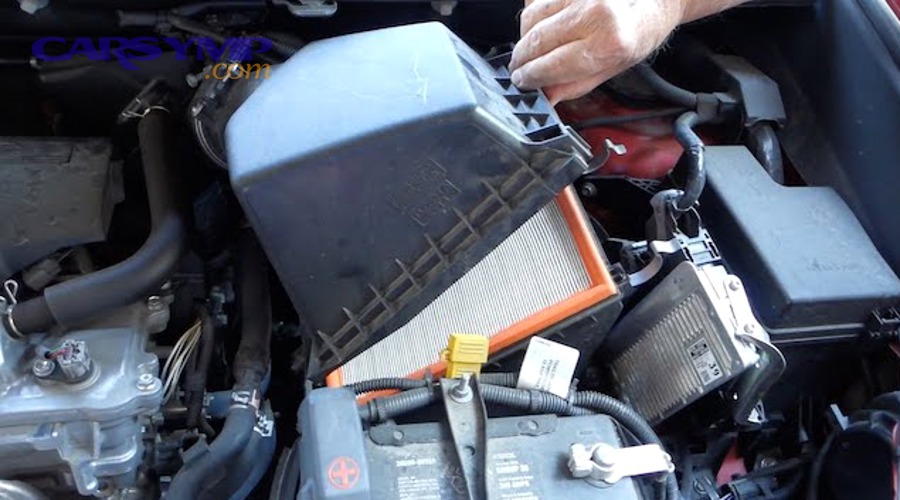
Real-world examples from vehicle owner forums document these fitment failures across vehicle brands. A Toyota Tacoma owner reported their aftermarket engine air filter measured too small for the intake housing, creating a 3mm gap around the perimeter that admitted dust directly into the engine. A Subaru Outback owner found their aftermarket filter’s rubber seal too stiff and thick, making housing closure impossible without excessive force that damaged the latching mechanism.
Difference #2 – Filter Material Quality and Construction
OEM filter media typically measures 0.8-1.2mm thick using cellulose fiber formulations engineered for optimal strength-to-weight ratios, while budget aftermarket alternatives often use thinner 0.5-0.7mm media that tears more easily under stress. This material thickness directly impacts durability, as thin filter media cannot withstand debris impacts from small stones or insect strikes without developing holes that allow unfiltered air passage.
The pleat geometry separates premium from budget filter construction more dramatically than any other factor. OEM air filters pack 40-60 pleats per linear foot using deep pleat profiles that maximize surface area within the housing constraints. This high pleat density creates substantial filtration surface area—a typical OEM engine air filter unfolds to reveal 15-25 square feet of total media surface despite occupying less than 1 square foot of housing space. Greater surface area means each square inch of media processes less air volume, reducing velocity and improving particle capture efficiency.
Aftermarket budget filters commonly feature 25-35 pleats per linear foot with shallow pleat depths, reducing total surface area by 40-60% compared to OEM equivalents. This reduced surface area forces higher air velocity through each square inch of media, decreasing filtration efficiency and accelerating clogging. The shallow pleat depth also provides less structural support, allowing pleats to collapse under airflow pressure as the filter ages.
Adhesive quality determines how well filter components stay bonded during thermal cycling and vibration exposure. OEM manufacturers use hot-melt adhesives formulated specifically for automotive intake environments, maintaining bond strength from -40°F to +200°F while resisting degradation from oil mist and fuel vapors. Budget aftermarket filters sometimes employ cheaper adhesives that fail in extreme temperatures, causing filter media separation from the frame that creates unfiltered air bypass paths.
The pleat support structure varies significantly between OEM and aftermarket designs. OEM filters incorporate embossed support ribs or separator beads that maintain consistent pleat spacing under airflow pressure, preventing pleat collapse that would reduce effective surface area. Many aftermarket filters omit these support features to reduce manufacturing costs, resulting in pleat clustering and performance degradation as the filter accumulates particles and airflow resistance increases.
Material composition differences extend beyond thickness to include fiber characteristics and treatment processes. OEM filter media uses controlled cellulose fiber lengths and diameters that create uniform pore size distribution, optimizing the balance between particle capture and airflow resistance. Some aftermarket manufacturers use recycled fiber materials with inconsistent characteristics that compromise filtration performance or structural integrity.
Difference #3 – Filtration Efficiency and Engine Protection
OEM air filters capture 95-99% of particles down to 10 microns in size, meeting automaker specifications that balance engine protection against intake restriction, while aftermarket filter efficiency ranges from 85% to 99.9% depending on quality tier and design philosophy. This efficiency difference translates directly into engine longevity, as particles smaller than 20 microns cause the majority of cylinder bore wear and bearing damage over a vehicle’s lifespan.
The pore size distribution in filter media determines which particle sizes get captured versus passing through to the engine. OEM engineers optimize pore sizing to capture harmful particles while allowing sufficient airflow for proper engine operation across all operating conditions. The media uses graduated fiber density that captures larger particles on the surface while smaller particles penetrate deeper into the media thickness before trapping, maximizing the filter’s dirt-holding capacity before excessive restriction develops.
Performance aftermarket filters sometimes sacrifice filtration efficiency to achieve lower restriction and higher airflow. Oiled cotton gauze filters popular among enthusiasts may capture only 90-95% of particles in the critical 5-20 micron range compared to 98-99% for quality paper media. This 3-4 percentage point efficiency difference seems minor but accumulates to significant additional particle ingestion over thousands of hours of engine operation.
The real-world consequences of reduced filtration efficiency manifest slowly over tens of thousands of miles. Increased particle ingestion accelerates cylinder bore polishing, gradually enlarging piston-to-cylinder clearances that reduce compression and increase oil consumption. Bearing surfaces experience accelerated wear from abrasive contamination in engine oil, as particles passing through the air filter eventually find their way into the lubrication system. These cumulative effects reduce engine lifespan and performance while increasing maintenance costs.
Filter bypass mechanisms provide additional protection when pressure drop across the media becomes excessive, but aftermarket filters sometimes omit or poorly implement this safety feature. Quality OEM filters incorporate properly calibrated bypass valves that open at specific pressure differentials, allowing unfiltered air to bypass the media rather than restricting engine operation under extreme conditions like cold starts with clogged filters. Inadequate bypass protection in some aftermarket filters can starve engines of air during high-demand situations.
The particle loading capacity determines how much contamination a filter can capture before restriction becomes excessive. OEM filters with higher pleat counts and greater surface area maintain acceptable restriction levels while accumulating 150-300 grams of dirt over their service life. Aftermarket filters with reduced surface area may show excessive restriction after capturing only 80-120 grams of particles, requiring more frequent replacement to maintain performance.
According to research by the Filter Manufacturers Council, properly functioning air filters prevent approximately 10,000 gallons of air containing harmful contaminants from reaching the engine for every gallon of fuel burned, emphasizing the critical protection role these components serve.
Difference #4 – Airflow and Performance Impact
OEM air filters typically flow 150-250 cubic feet per minute at 1.5 inches of water column pressure drop, calibrated to provide adequate air supply without creating intake restriction that limits engine power output. High-performance aftermarket filters claim 10-20% improved flow rates through reduced media restriction, potentially translating to 2-5 additional horsepower in naturally aspirated engines when the air filter represents a genuine bottleneck in the intake system.
The pressure drop characteristics across filter media determine how much pumping work the engine must perform to draw intake air through the filtration system. Lower pressure drop reduces parasitic losses, potentially improving volumetric efficiency and power output, particularly at high engine speeds when airflow demands peak. However, these gains only materialize when the stock air filter creates measurable restriction—in most modern vehicles with properly maintained OEM filters, the air filter is not the limiting factor in intake flow.
Dyno testing reveals the actual performance differences between filter types, often showing much smaller gains than aftermarket marketing claims suggest. Independent testing on stock vehicles typically measures 0-3 horsepower improvement from high-flow aftermarket filters, with gains concentrated at high RPM where airflow demand exceeds the OEM filter’s capacity. These modest improvements rarely justify the filtration efficiency compromises unless competing in motorsports where every tenth of a horsepower matters.
Fuel efficiency impacts from air filter selection remain controversial, with some aftermarket manufacturers claiming 1-3% fuel economy improvements from reduced intake restriction. Real-world testing shows minimal or unmeasurable fuel economy differences in properly maintained vehicles, as modern engine management systems compensate for minor variations in intake restriction by adjusting throttle position. Any fuel economy benefit from improved airflow gets offset by reduced filtration efficiency allowing increased particle ingestion that eventually degrades engine efficiency through increased internal friction.
The airflow improvements advertised for aftermarket filters often come from testing methodologies that don’t represent real-world operating conditions. Laboratory flow bench testing at constant pressure differentials may show significant flow advantages for high-flow filters, but these conditions don’t replicate the dynamic pressure variations and pulsating airflow that occur in actual engine operation. The mass airflow sensor position, intake tubing geometry, and throttle body sizing often represent greater restrictions than the air filter itself in modern vehicles.
Intake noise characteristics change with different filter types, as filter media density affects sound transmission through the intake system. Some aftermarket filters with less restrictive media allow more intake rush noise to reach the cabin, which enthusiasts may interpret as improved performance despite minimal actual power gains. This psychological factor influences customer satisfaction independently of measurable performance changes.
Difference #5 – Price and Value Comparison
OEM air filters typically cost $25-45 from dealerships but are available for $15-30 through online OEM parts retailers, while aftermarket filters range from $8-20 for budget options to $50-80 for premium reusable alternatives. This upfront cost difference of $5-15 appears significant but represents false economy when considering total ownership costs including replacement frequency, filtration effectiveness, and potential engine damage from poor-fitting or low-quality alternatives.
The total cost of ownership calculation requires examining replacement intervals and long-term performance characteristics. OEM filters typically last 15,000-30,000 miles depending on driving conditions, maintaining effective filtration throughout their service life before restriction becomes excessive. Budget aftermarket filters may require replacement every 10,000-15,000 miles due to reduced dirt-holding capacity from lower pleat counts, eliminating any upfront savings through increased replacement frequency.
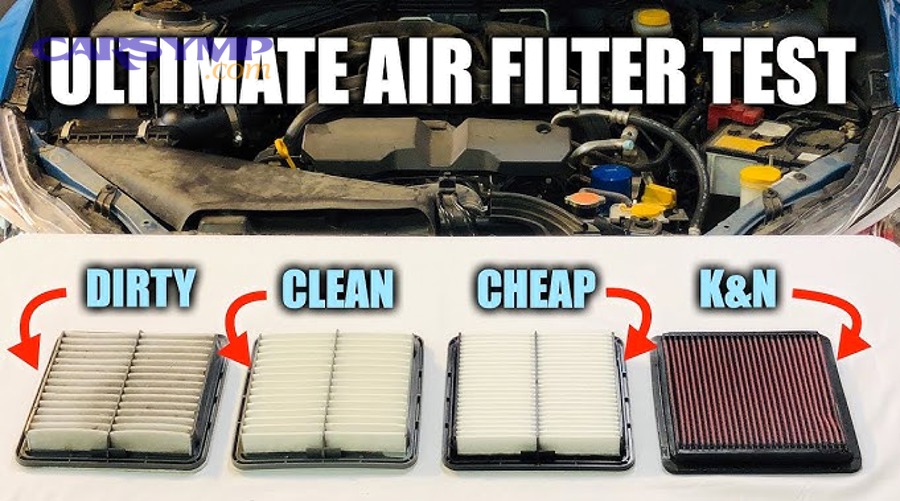
Reusable aftermarket filters promise economic advantages through elimination of recurring replacement costs, but these savings require discipline in performing cleaning maintenance. A $60 K&N filter that lasts 100,000 miles with proper cleaning saves approximately $120-180 compared to purchasing 5-7 OEM replacements over the same period. However, many owners neglect the cleaning schedule, running dirty reusable filters that restrict airflow and reduce performance, negating the economic advantages.
The hidden costs of poor filtration include accelerated engine wear that reduces resale value and increases long-term maintenance expenses. An engine experiencing excessive wear from inadequate air filtration may require major service 50,000 miles earlier than properly protected counterparts, creating repair costs of $2,000-5,000 that dwarf any air filter savings. This long-term economic impact rarely factors into purchase decisions but represents the true cost of choosing inadequate filtration.
Where you purchase filters dramatically affects the OEM price disadvantage. Dealership parts counters charge manufacturer’s suggested retail pricing that includes substantial markup, making OEM filters appear expensive compared to aftermarket alternatives at auto parts stores. Online authorized OEM parts retailers offer wholesale pricing 30-50% below dealership costs, eliminating most of the price gap while guaranteeing genuine factory parts.
The value proposition shifts based on vehicle age and intended ownership duration. For newer vehicles under warranty that owners plan to keep for 100,000+ miles, OEM filters represent superior value through guaranteed fitment, warranty compliance, and engine protection that preserves resale value. For older vehicles with limited remaining service life, aftermarket filters may provide adequate performance at acceptable cost, particularly when purchasing from reputable aftermarket brands rather than no-name budget options.
Fleet operators managing multiple vehicles perform detailed cost-benefit analyses showing OEM filters typically deliver lower total ownership costs despite higher initial pricing. The consistency and reliability of OEM fitment eliminates installation issues and callbacks, while superior filtration protects valuable assets from premature wear. These professional users prioritize lifecycle costs over purchase price, providing valuable lessons for individual consumers.
Difference #6 – Warranty and Manufacturer Support
OEM air filters preserve vehicle warranty coverage by meeting manufacturer maintenance requirements explicitly, while aftermarket filters may void warranty claims if dealers determine that substandard filtration contributed to engine damage. This warranty protection represents significant financial value on newer vehicles, potentially worth thousands of dollars in covered repairs that aftermarket filter savings would never offset.
The Magnuson-Moss Warranty Act provides consumer protections requiring manufacturers to prove aftermarket parts caused specific failures before denying warranty coverage, but this legal framework offers limited practical protection. Dealers can refuse warranty claims when aftermarket air filters contributed to engine contamination visible during inspection, placing the burden on vehicle owners to prove the aftermarket part didn’t cause the failure. This adversarial process creates stress and potential legal expenses that OEM parts usage completely avoids.
Manufacturer service records documentation becomes critical when warranty disputes arise. Using OEM filters and retaining purchase receipts creates clear evidence of proper maintenance following factory recommendations. Aftermarket filter usage introduces ambiguity into maintenance history, giving manufacturers grounds to question whether proper care occurred even when owners followed reasonable maintenance practices.
The recourse options differ dramatically when defective filters cause damage. OEM filter defects trigger manufacturer warranty obligations to repair resulting engine damage at no customer cost, as the automaker takes responsibility for their approved maintenance parts. Aftermarket filter manufacturers typically limit liability to replacement of the defective filter itself, disclaiming responsibility for consequential damages to engines even when their product clearly caused the failure.
Quality control and defect rates favor OEM filters through centralized manufacturing oversight and accountability to the vehicle brand. Automakers audit their filter suppliers regularly and maintain the authority to reject shipments failing quality specifications. Aftermarket manufacturers operate independently without similar oversight, relying on general quality management systems that may not catch defects until customer complaints arise.
The support infrastructure for addressing problems differs substantially between OEM and aftermarket channels. Vehicle owners experiencing issues with OEM filters can escalate concerns through dealership service departments to regional manufacturer representatives who have authority to authorize goodwill repairs or replacements. Aftermarket filter customers must navigate independent retailer return policies and manufacturer customer service departments with limited resolution authority.
Difference #7 – Longevity and Replacement Intervals
OEM air filters typically maintain effective filtration for 15,000-30,000 miles in normal driving conditions, with manufacturers specifying replacement intervals based on comprehensive testing across diverse environments. Aftermarket filter longevity varies from 8,000 miles for budget options with limited dirt-holding capacity to 50,000+ miles for premium reusable filters requiring periodic cleaning maintenance.
The factors affecting filter lifespan extend beyond initial construction quality to include driving environment and vehicle usage patterns. Dusty rural roads, construction zones, and unpaved surfaces dramatically accelerate filter loading compared to highway driving in clean environments. OEM replacement intervals provide conservative guidelines assuming reasonably challenging conditions, while actual service life may extend 50-100% longer or shorter depending on specific exposure.
Filter restriction gauge measurements provide accurate assessment of when replacement becomes necessary regardless of mileage accumulation. These simple tools measure pressure drop across the filter element, indicating remaining capacity before excessive restriction impairs engine performance. Professional mechanics use restriction gauges showing that filter replacement based on actual condition rather than arbitrary mileage intervals optimizes both protection and economy.
The degradation timeline for stored filters creates practical limits on bulk purchasing for savings. Filter media materials slowly break down from oxidation and moisture absorption, becoming brittle and less effective after 3-5 years even without use. Purchasing more than 2-3 filters in advance risks having unused inventory degrade before installation, eliminating any volume discount savings.
Signs indicating air filter replacement necessity include visible dirt accumulation covering more than 50% of the media surface area, excessive restriction during acceleration, decreased fuel economy, or rough idle conditions. However, relying on visible inspection alone proves unreliable, as filter media loads from the inside outward, making external appearance a poor indicator of remaining capacity until heavily contaminated.
Reusable aftermarket filters require cleaning every 25,000-50,000 miles according to manufacturer recommendations, though actual cleaning frequency depends on contamination exposure. The cleaning process involves removing accumulated dirt with low-pressure water spray, applying specialized cleaner solution, rinsing thoroughly, and re-oiling the media according to precise specifications. Improper cleaning or oiling creates worse performance than simply running a dirty filter, with over-oiling particularly problematic for contaminating mass airflow sensors.
According to testing by automotive engineering researchers at Oak Ridge National Laboratory, clogged air filters can reduce engine airflow by 10-20% and decrease acceleration performance by 6-11%, while modern fuel-injected engines show minimal fuel economy impact from restriction until filters become severely clogged.
Which Air Filter Type Should You Choose for Your Vehicle?
Choose OEM air filters for daily driving and warranty compliance as they guarantee precise fitment and optimal engine protection, select aftermarket filters only for performance applications with modified engines or when managing high-mileage vehicles outside warranty coverage. This decision framework prioritizes long-term engine health and total ownership costs over short-term purchase price savings that often prove illusory.
To make the most appropriate choice for your specific situation, you need to honestly assess your driving profile, vehicle status, and priorities. Different scenarios point clearly toward one filter type or the other based on rational cost-benefit analysis.
Best Choice for Daily Drivers and Commuters
Daily drivers covering 10,000-15,000 miles annually in normal conditions benefit most from OEM air filters that provide worry-free maintenance and guaranteed engine protection. The modest price premium over aftermarket alternatives—typically $10-20 per replacement—disappears into insignificance compared to the vehicle’s total operating costs while eliminating any risk of fitment issues, warranty complications, or inadequate filtration.
The convenience factor favors OEM filters for drivers lacking mechanical expertise or interest in researching aftermarket alternatives. Ordering the correct OEM filter requires only knowing your vehicle make, model, and year, with online parts retailers guaranteeing fitment accuracy. Aftermarket filter selection requires comparing specifications, reading reviews, and accepting some uncertainty about quality and compatibility even after careful research.
Commuters prioritizing reliability above all else find OEM filters eliminate potential complications from their vehicle ownership experience. The risk of an ill-fitting aftermarket filter causing engine damage worth thousands in repairs completely overwhelms any $15-20 savings from choosing budget alternatives. This risk-adjusted calculation makes OEM filters the economically rational choice for vehicles representing critical transportation assets.
The maintenance simplicity appeals to busy professionals lacking time for complex decision-making about vehicle consumables. replace air filter during routine service with OEM parts recommended by the service advisor, maintain perfect maintenance records for warranty and resale purposes, and eliminate one potential source of vehicle problems from consideration. This streamlined approach minimizes cognitive load and decision fatigue around routine maintenance tasks.
According to consumer surveys by J.D. Power, vehicle owners using exclusively OEM maintenance parts report 15-20% higher satisfaction with their vehicles and experience 12% fewer unscheduled service visits compared to those regularly using aftermarket alternatives, suggesting tangible quality-of-life benefits beyond measurable performance differences.
Best Choice for Performance Enthusiasts
Performance enthusiasts with modified engines producing 20%+ more power than stock configurations often find OEM air filters create genuine intake restriction that limits power output. High-flow aftermarket filters designed for motorsports applications reduce intake restriction by 15-25%, translating to 5-10 additional horsepower when combined with other intake modifications like larger throttle bodies and aftermarket intake manifolds.
The acceptable trade-offs in this scenario differ fundamentally from daily driver priorities. Racing engines receive frequent rebuilds on 50-100 hour intervals where slightly accelerated wear from less efficient filtration carries negligible consequences. The 2-3% reduction in filtration efficiency that would be completely unacceptable in a street engine becomes irrelevant when the engine gets disassembled, inspected, and refreshed regularly regardless of wear rates.
Reusable high-performance filters make economic sense in competition applications where filter replacement occurs frequently due to dusty track conditions. A washable filter costing $70 that withstands 20+ cleaning cycles saves hundreds of dollars in filter costs over a racing season compared to replacing disposable filters after every event. The labor involved in cleaning and re-oiling becomes trivial compared to the extensive maintenance racing vehicles require.
Turbocharged and supercharged applications particularly benefit from aftermarket filter options as intake restriction directly impacts boost pressure and power output. Forced induction engines moving 50-100% more air than naturally aspirated configurations quickly exceed OEM filter flow capacity, making high-flow alternatives necessary rather than optional. The filtration efficiency becomes less critical in these applications as turbocharger compressor wheels shred any particles passing through the filter before they reach engine internals.
However, even performance enthusiasts should carefully evaluate whether their specific modifications actually create intake flow restrictions requiring aftermarket filters. Many street-driven performance cars generate their claimed power increases from engine management tuning, exhaust modifications, and small efficiency improvements rather than dramatically increased airflow. Installing high-flow filters in these applications provides minimal benefit while introducing filtration efficiency compromises inappropriate for street use.
Best Choice for Budget-Conscious Owners
Budget-conscious owners of older vehicles outside manufacturer warranty coverage can sometimes justify aftermarket filters through pure economic calculation when the risk-adjusted analysis favors immediate savings. A vehicle with 180,000 miles and limited remaining service life may not warrant spending $35 on OEM filtration when a $12 aftermarket alternative provides adequate protection for the remaining ownership period.
The key determinant in this scenario is whether the vehicle represents a depreciating asset with minimal remaining value or a maintained asset intended for extended service. Vehicles approaching end-of-life where major component failures would trigger replacement rather than repair can accept reduced filtration standards inappropriate for vehicles with substantial remaining useful life. This economic reality differs completely from the false economy of saving $15 on air filters for a $30,000 vehicle driven daily.
Even budget-conscious buyers should prioritize reputable aftermarket brands over no-name alternatives when cost drives the decision. Spending $18-22 on a Fram Extra Guard or Purolator Classic instead of $12 on an unknown generic provides meaningful quality improvements while still saving significantly versus OEM pricing. These established aftermarket brands maintain quality control standards that minimize fitment and performance problems.
Finding discounted OEM filters through online retailers eliminates much of the cost differential that drives budget buyers toward aftermarket alternatives. Wholesale OEM pricing through sites like RockAuto or PartsGeek typically runs $18-28 for filters that dealers charge $35-50, making OEM selection economically viable even for price-sensitive consumers. This price discovery requires minimal research effort that yields substantial value.
The DIY engine air filter replacement steps for most vehicles take less than 5 minutes with no tools required, allowing owners to avoid installation labor charges entirely regardless of filter type chosen. Open the hood, unlatch the airbox cover, lift out the old filter, insert the new filter with proper orientation, and close the airbox—this simple process that anyone can perform means filter choice becomes purely about the part cost rather than total installation expense.
How Often Should You Replace Your Air Filter?
Replace your air filter every 15,000-30,000 miles following manufacturer recommendations, or sooner if visual inspection shows heavy dirt accumulation, driving conditions involve excessive dust exposure, or engine performance symptoms like rough idle or reduced acceleration develop. The optimal replacement interval depends more on operating environment and accumulated contamination than arbitrary mileage milestones.
Understanding the specific factors that degrade filter performance helps you make informed replacement decisions based on actual condition rather than blindly following schedules. This approach optimizes both engine protection and filter economics.
What Are the Signs Your Air Filter Needs Replacement?
Visual inspection revealing dirt covering more than 50% of the visible filter media surface indicates approaching end-of-life even if mileage hasn’t reached the recommended replacement interval. Hold the filter toward bright light and observe how much light passes through the media—heavy contamination blocks light transmission and restricts airflow proportionally, creating engine performance consequences.
Engine performance symptoms from excessive air filter restriction include hesitation during acceleration, particularly when attempting rapid throttle opening from idle or low speeds. The engine management system can partially compensate for restricted intake through increased throttle opening, but eventually restriction becomes severe enough that maximum power output suffers noticeably. Fuel economy rarely decreases measurably from air filter restriction in modern vehicles, as computer controls maintain stoichiometric air-fuel ratios by adjusting fuel delivery to match available airflow.
Restriction gauge measurements provide objective assessment eliminating guesswork from replacement decisions. These gauges connect inline with the intake system and display pressure drop across the filter element, typically showing readings below 10 inches of water column for clean filters increasing to 15-25 inches when replacement becomes necessary. Professional fleet operators use restriction gauges showing that mileage-based replacement schedules often waste money by discarding filters with substantial remaining capacity.
Unusual intake noise changes signal potential filter problems, as heavily clogged filters create whistling or rushing sounds from increased air velocity through remaining unblocked media. Conversely, damaged filters or poor sealing creates different noise characteristics as unfiltered air bypasses the media entirely. Any unexpected intake noise warrants immediate inspection to identify whether filter problems exist.
The Signs of a clogged air filter become more pronounced under heavy load conditions like highway passing maneuvers, steep grade climbing, or trailer towing. Drivers may notice the vehicle feels less responsive or requires more throttle input to maintain speed in situations that previously felt effortless. These symptoms develop gradually as filter restriction increases, making them easy to overlook until comparing current performance against memories of when the filter was new.
Do OEM and Aftermarket Filters Have Different Replacement Schedules?
OEM filters typically maintain effective filtration for their full 15,000-30,000 mile service interval specified in manufacturer maintenance schedules, while aftermarket filter replacement needs vary from 8,000-15,000 miles for budget options to 50,000+ miles for premium reusable designs. This replacement frequency difference stems from dirt-holding capacity variations created by pleat count and surface area disparities.
The material quality impacts service life beyond just initial filtration capacity. OEM filter media maintains structural integrity throughout the service interval without pleat collapse or media deterioration that would compromise performance. Budget aftermarket filters sometimes show pleat sagging or media breakdown before reaching expected mileage, requiring premature replacement to maintain adequate engine protection.
Driving conditions override any general replacement interval guidelines regardless of filter brand. Vehicles operated in dusty construction zones, unpaved roads, agricultural areas, or regions experiencing drought and dust storms should replace air filters based on visual inspection and performance symptoms rather than mileage accumulation. A filter might require replacement after just 5,000 miles in severe dust exposure that would take 30,000 miles in clean highway driving.
Reusable aftermarket filters fundamentally change the replacement paradigm from periodic disposal to regular cleaning maintenance. Manufacturers recommend cleaning intervals every 25,000-50,000 miles, though drivers should inspect filters every 10,000-15,000 miles to assess actual contamination levels. The cleaning process must follow manufacturer specifications carefully—using excessive water pressure damages media fibers, while under-oiling after cleaning provides inadequate protection.
Can You Extend Air Filter Life With Cleaning?
Disposable paper OEM filters should never be cleaned with compressed air, water, or cleaning solutions as these methods damage the media structure and create holes allowing unfiltered air passage. The cellulose fibers in paper filters cannot withstand mechanical cleaning forces, making cleaning attempts counterproductive regardless of how dirty the filter appears.
Reusable aftermarket filters made from cotton gauze or synthetic foam specifically require cleaning as part of normal maintenance rather than replacement. The cleaning process for these filters involves specific steps—remove accumulated dirt with low-pressure water spray from the clean side, apply specialized cleaning solution, allow proper dwell time for cleaner penetration, rinse thoroughly until water runs clear, dry completely, and apply fresh filter oil according to manufacturer specifications.
The economic benefits of reusable filters only materialize when owners perform cleaning maintenance properly and on schedule. Neglecting cleaning allows progressive contamination to restrict airflow and reduce performance, while improper cleaning or oiling creates worse problems than simply running dirty filters. Over-oiling particularly causes mass airflow sensor contamination that triggers check engine lights and driveability problems requiring professional diagnosis and repair.
Attempting to extend disposable filter life through cleaning creates more problems than the minimal cost savings justify. Even gentle cleaning methods remove some media fibers and enlarge pores, reducing filtration efficiency. The $15-30 saved by cleaning instead of replacing a disposable filter pales compared to potential engine damage from inadequate filtration or the diagnostic costs if cleaning residue contaminates sensors.
What Risks Come With Oiled Aftermarket Air Filters?
Oiled cotton gauze filters like K&N products create mass airflow sensor contamination risks through oil migration from the filter media onto the hot-wire or hot-film sensors measuring intake air mass. This oil buildup insulates the sensor element, causing inaccurate readings that trigger rich fuel mixtures, poor fuel economy, rough idle, hesitation, and check engine light illumination with MAF sensor fault codes.
The contamination mechanism occurs when over-oiling during maintenance or initial installation creates excess oil that airflow displaces from the filter media onto downstream intake components. The MAF sensor location immediately downstream from the air filter makes it especially vulnerable to oil accumulation. Modern drive-by-wire throttle systems rely heavily on accurate MAF readings for proper operation, making sensor contamination more consequential than in older mechanical throttle vehicles.
Cleaning contaminated MAF sensors requires specialized MAF sensor cleaner spray and careful technique to avoid damaging delicate sensor elements. The cleaning process adds $10-20 in parts costs plus either professional service charges or DIY time investment. Repeated contamination episodes can permanently damage sensors requiring replacement at costs of $150-400 depending on vehicle make.
The oil contamination problem proves less severe with proper application technique following manufacturer oiling instructions carefully. K&N provides detailed guidance on oil application—spray a continuous bead along each pleat valley on the dirty side only, allowing oil to wick through the media naturally rather than saturating it. Proper oiling uses minimal oil that distributes evenly through the media without leaving visible pooling or dripping.
Vehicles with MAF sensors located far downstream from the air filter experience fewer contamination problems as the additional intake ducting distance allows oil particles to deposit on tube walls before reaching the sensor. Conversely, vehicles with MAF sensors integrated into the airbox housing immediately adjacent to the filter face maximum contamination risk that makes oiled filters inadvisable regardless of other benefits.
Understanding these seven critical differences between OEM and aftermarket air filters empowers you to make informed decisions protecting your vehicle’s engine while optimizing maintenance costs. For most daily drivers, OEM filters represent the superior choice through guaranteed fitment, optimal filtration, and warranty protection that far outweigh modest cost premiums. Performance enthusiasts with modified engines and specific flow requirements may justify aftermarket alternatives when properly researched and selected from reputable manufacturers. The key lies in matching filter selection to your actual needs rather than defaulting to the cheapest option or blindly following marketing claims disconnected from real-world requirements.