


Preventing unfiltered air leaks requires a systematic approach combining detection, material selection, and proper sealing techniques across seven critical areas: HVAC filter slots, doors and windows, stationary gaps, attics, basements, utility penetrations, and ongoing maintenance. Homeowners who implement these methods typically reduce energy waste by 20-30% while significantly improving indoor air quality by blocking allergens, dust, and outdoor pollutants from bypassing filtration systems.
Unfiltered air leaks occur when outside air enters your home through gaps in the building envelope or HVAC system without passing through proper filtration, bringing dust, pollen, mold spores, and other contaminants directly into your living spaces. These leaks differ fundamentally from controlled ventilation because they introduce unconditioned, contaminated air that strains heating and cooling systems while compromising respiratory health. Identifying where these leaks occur—from improperly seated HVAC filters to foundation cracks—forms the foundation for effective prevention strategies.
Detection methods range from simple DIY techniques like incense smoke tests to professional blower door assessments that precisely measure air infiltration rates. Understanding which detection approach suits your situation helps you locate problem areas before implementing sealing solutions. The most common leak points include HVAC filter housing gaps, window and door frames, attic penetrations, basement rim joists, and utility entry points where pipes and wires pass through walls.
Successful air leak prevention balances thorough sealing with proper ventilation requirements to maintain healthy indoor air quality. Below, you’ll discover exactly where unfiltered air enters homes, how to detect these invisible pathways, and which sealing methods deliver the most significant improvements in air quality and energy efficiency.
What Are Unfiltered Air Leaks and Why Should You Care?
Unfiltered air leaks are openings in your home’s building envelope or HVAC system that allow outdoor air to enter without passing through filtration, introducing allergens, pollutants, and moisture while increasing energy costs by 20-30% through wasted heating and cooling. Understanding how these leaks compromise both health and efficiency helps homeowners prioritize prevention strategies.
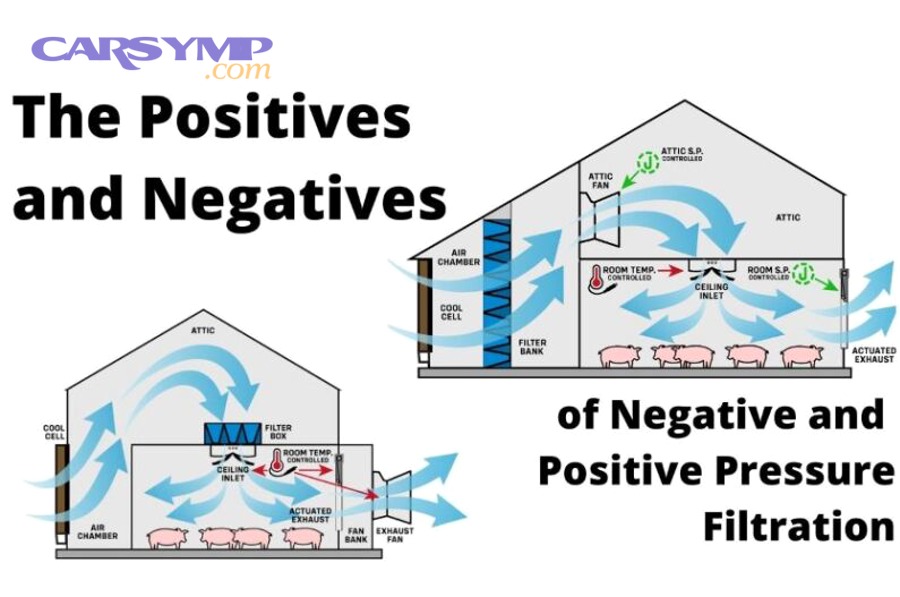
To illustrate the difference between healthy ventilation and problematic air leakage, consider how your HVAC system should work versus what actually happens when filters don’t seal properly.
How Do Unfiltered Air Leaks Differ from Normal Ventilation?
Controlled ventilation brings outdoor air into your home through dedicated pathways equipped with filters that remove particulates, pollen, and contaminants before distribution. This intentional air exchange maintains indoor air quality while allowing you to regulate humidity levels and remove stale air. Modern HVAC systems incorporate fresh air intakes with multi-stage filtration that can capture particles as small as 0.3 microns when using HEPA filters.
Unfiltered air leaks, conversely, represent random infiltration through cracks, gaps, and improperly sealed components. When your air filter doesn’t fit snugly in its housing, air takes the path of least resistance around the filter edges rather than through the filtration media. This bypass air carries whatever contaminants exist in attics, crawlspaces, wall cavities, or outdoor environments directly into your breathing spaces. The same problem occurs at window frames, foundation cracks, and anywhere two building materials meet without proper sealing.
The “breathing home” concept recognizes that all structures exchange air with the outdoors, but the goal is making that exchange deliberate and filtered. A properly sealed home uses mechanical ventilation systems like energy recovery ventilators (ERVs) or heat recovery ventilators (HRVs) to control exactly how much outdoor air enters, when it enters, and through which filtration it passes. Random leaks undermine this control, forcing your HVAC system to work harder while delivering inferior air quality.
Car Symptoms like reduced engine performance mirror what happens in homes with air leaks—both systems struggle to maintain optimal conditions when unfiltered air disrupts designed airflow patterns.
What Health Problems Can Unfiltered Air Leaks Cause?
Respiratory complications represent the most immediate health impact of unfiltered air infiltration. When air bypasses filters, it transports pollen grains, dust mite fragments, pet dander, and mold spores directly into living areas. People with asthma experience increased attack frequency and severity because these triggers enter at concentrations far higher than filtered air would allow. Even individuals without diagnosed allergies often develop sensitivity symptoms including sneezing, congestion, itchy eyes, and persistent coughs when exposed to elevated particulate levels.
Contamination from specific building areas creates additional health risks. Air leaking from attics brings fiberglass insulation particles and accumulated dust from years of settlement. Crawlspace infiltration introduces soil gases, moisture-related mold growth, and potential radon exposure in certain geographic regions. Attached garages represent particularly dangerous leak sources because exhaust fumes, volatile organic compounds from stored chemicals, and carbon monoxide can migrate into living spaces through shared walls and unsealed penetrations.
Moisture intrusion through air leaks fosters mold and mildew proliferation within wall cavities and around leak points. These fungal colonies release mycotoxins and spores that trigger allergic reactions and, in severe cases, contribute to chronic inflammatory conditions. Studies have documented that homes with significant air leakage show 40-60% higher indoor humidity levels during summer months, creating ideal conditions for biological growth. The combination of elevated moisture, organic debris, and warm temperatures transforms leak areas into incubators for health hazards.
According to research published by the Environmental Protection Agency’s Indoor Air Quality division, homes with uncontrolled air infiltration show particulate matter concentrations 3-5 times higher than properly sealed residences with mechanical ventilation systems.
Where Do Unfiltered Air Leaks Most Commonly Occur in Homes?
Unfiltered air leaks concentrate in five primary building zones: HVAC filter housing gaps, window and door frames, attic floor penetrations, basement rim joists, and utility penetration points, with HVAC filter bypass accounting for 15-25% of total system airflow in poorly maintained installations. Identifying these specific locations allows targeted sealing efforts that deliver maximum impact.
More specifically, leak severity varies by season and building construction type, with older homes showing significantly higher infiltration rates due to settling, material degradation, and outdated construction standards that didn’t prioritize air sealing.
What Are the Most Common HVAC Filter Leak Points?
HVAC filter housing leaks occur when the filter frame doesn’t create an airtight seal against the filter slot opening. Standard residential filters measure 1 inch thick, but filter slots often accommodate this dimension with 1/8 to 1/4 inch clearance on all sides. Without gasket material bridging this gap, thousands of cubic feet of air per minute bypass the filter entirely during system operation. Homeowners frequently discover this issue when they notice dust accumulation on supply vents despite recent filter changes—the telltale sign that unfiltered air is circulating.
Warped or bent filter frames compound the problem. Cardboard-framed filters deteriorate when exposed to humidity, losing their rigid rectangular shape. As frames bow or twist, gaps expand along one or more edges. Metal-framed filters resist warping but can suffer bent corners from improper handling during installation. Either scenario creates channels for air to flow around rather than through the filtration media.
Installing the wrong filter size represents a surprisingly common mistake. Filters labeled “16x25x1” actually measure 15.5 x 24.5 x 0.75 inches to fit into 16×25 openings. Purchasing a filter one size too small—say, a 14×25 instead of 16×25—leaves a substantial gap along one side. Even quarter-inch undersizing on both dimensions creates a perimeter gap allowing significant bypass.
Dirty filters paradoxically increase bypass air rather than simply reducing airflow. As particulates clog the filter media, airflow resistance (measured in inches of water column) increases. When resistance becomes high enough, the pressure differential literally pulls air through any available gaps around the filter rather than forcing it through the increasingly restrictive media. This explains why HVAC technicians often find dirt accumulation on the blower side of filter housings—evidence that bypass air carries contaminants directly to sensitive equipment components.
Which Building Envelope Areas Leak Unfiltered Air?
Window and door frames develop leaks where the frame assembly meets wall framing and where operable components (sashes, door panels) meet their frames. Original construction caulking and weatherstripping deteriorate over 10-15 years, creating visible daylight gaps or tactile drafts. Single-pane windows lack the thermal mass to prevent significant air leakage even with intact seals, while older double-hung windows develop leaks at the meeting rail where upper and lower sashes join.
Attic floor penetrations represent some of the most significant yet overlooked leak sources. Recessed lighting fixtures create direct pathways between living spaces and unconditioned attics unless specifically rated “IC” (insulation contact) and “AT” (airtight). Electrical wiring, plumbing vents, chimney chases, and HVAC ductwork all penetrate ceiling planes, and builders often leave these penetrations unsealed or minimally sealed with deteriorating materials. Dirty insulation spots around these penetrations indicate air movement—the fiberglass acts as an unintended filter, showing exactly where air leaks.
Basement rim joists—the wooden band that sits on top of the foundation wall and supports floor framing—leak profusely in older construction. This junction between foundation and wood framing typically lacks air sealing, allowing cold air infiltration during winter and hot, humid air during summer. The rim joist area also serves as the pathway for plumbing, electrical, and HVAC lines entering the home, multiplying penetration points.
Attached garage connections create dangerous leak scenarios because garage air contains elevated carbon monoxide levels from vehicle operation, stored chemical vapors, and outdoor pollutants. Shared walls between garages and living spaces should incorporate fire-rated barriers and complete air sealing, but many homes built before 2000 lack these protections. Door thresholds, wall penetrations for electrical service, and attic spaces above garages all provide pathways for contaminated air migration.
Foundation cracks develop from settling, freeze-thaw cycles, and hydrostatic pressure from surrounding soil. Even hairline cracks allow air infiltration, and larger structural cracks measuring 1/8 inch or wider permit substantial air movement along with moisture intrusion and potential pest access.
How Can You Detect Unfiltered Air Leaks in Your Home?
Detecting unfiltered air leaks involves three complementary approaches: visual inspection for obvious gaps, DIY pressure testing using smoke or incense, and professional blower door testing that quantifies total air leakage and pinpoints specific problem areas. Combining these methods creates a comprehensive leak inventory prioritizing the most impactful sealing opportunities.
To better understand which detection method suits your situation, consider that DIY techniques effectively identify 60-70% of significant leaks while professional testing reveals hidden pathways and provides baseline measurements for tracking improvement.
What DIY Methods Can Identify Air Leaks?
The incense stick or smoke pencil test leverages visual smoke movement to reveal air currents. Close all windows and doors, turn off HVAC systems, and create negative pressure by running bathroom exhaust fans or a large window fan blowing outward. Light an incense stick and slowly move it around suspected leak areas—window frames, door perimeters, electrical outlets, baseboards, and attic hatches. Smoke that wavers, blows sideways, or gets sucked into cracks indicates air movement. This technique works best on cold or windy days when indoor-outdoor pressure differentials are greatest. The smoke test identifies leak locations but doesn’t quantify severity.
Visual inspection for daylight gaps provides immediate leak evidence. During daytime, close yourself in a dark room—basement or interior bathroom works well—and look for light penetrating around door frames, window trim, and wall penetrations. Visible daylight definitively indicates gaps large enough for significant air movement. At night, reverse the process by having someone shine a bright flashlight from outside while you observe from inside; large cracks appear as light rays. This method misses smaller leaks that still impact energy efficiency.
The hand test detects drafts through tactile sensation. Dampen your hand slightly to increase sensitivity to air movement, then slowly move it around potential leak areas. Cool air feels distinctly different from still room air, especially around windows, doors, electrical outlets, and where floors meet exterior walls. This low-tech approach works better on windy or very cold days when pressure differentials are strongest. While subjective, the hand test quickly surveys large areas and directs attention to spots needing smoke testing or closer visual inspection.
The dollar bill test assesses door and window seal quality. Close a door or window on a dollar bill, then try pulling the bill out. If it slides freely without resistance, the seal is inadequate. Test multiple spots along door and window perimeters since seals often degrade unevenly. This quick check helps identify where to apply new weatherstripping or adjust door thresholds.
Looking for dirty insulation spots reveals active air pathways. Inspect attic insulation and basement rim joist areas for gray or black discoloration—this soiling occurs when fiberglass batts filter air moving between conditioned and unconditioned spaces. Heavy accumulation indicates substantial, long-term air leakage. Similarly, check behind outlet and switch plates for dust buildup, which signals air movement through wall cavities.
Spider web indicators provide biological evidence of airflow patterns. Spiders build webs where air currents carry insects, so concentrated webbing near windows, vents, basement corners, or attic areas often marks air leak zones. While not a primary detection method, spider web distribution corroborates findings from smoke tests and visual inspections.
When Should You Use Professional Leak Detection?
Professional blower door testing delivers precise air leakage measurements expressed as air changes per hour (ACH50) or cubic feet per minute at 50 pascals pressure difference (CFM50). Technicians seal the home, install a calibrated fan in an exterior door, and depressurize the structure to 50 pascals—roughly equivalent to a 20 mph wind blowing on all sides simultaneously. The fan’s airflow rate needed to maintain this pressure reveals total leakage. Testing before and after sealing work quantifies improvement and ensures you’ve achieved target tightness levels without over-sealing. Expect to pay $200-$500 for standalone blower door testing, or receive it as part of a comprehensive energy audit.
Infrared thermography uses thermal imaging cameras to visualize temperature differentials that indicate air leaks. Cold spots on interior walls during winter reveal locations where outdoor air infiltrates, while warm spots during summer show where conditioned air escapes. Thermal imaging identifies leaks hidden within wall cavities, around ductwork, and at building envelope transitions that visual inspection misses. Professional energy auditors combine thermography with blower door testing—the depressurization exaggerates temperature differences, making leak locations even more apparent on thermal images. This combined approach costs $400-$800 but provides the most comprehensive leak assessment available.
Whole-house energy audits go beyond leak detection to evaluate insulation levels, HVAC system efficiency, water heating, lighting, and appliances. Auditors use blower door tests, infrared cameras, combustion safety testing for fuel-burning appliances, and detailed inspections to create prioritized improvement recommendations with projected costs and savings. Comprehensive audits cost $300-$600 for typical homes but often include rebates from utility companies that reduce net cost to $100-$200. The detailed report guides multi-year improvement planning and helps secure contractor bids for recommended work.
Professional assessment becomes essential when DIY methods reveal extensive problems requiring significant investment. Before spending thousands on insulation and air sealing contractors, professional testing establishes baseline performance, identifies the most cost-effective improvements, and provides post-work verification. Homes built before 1980, properties with uncomfortable rooms despite adequate heating/cooling, and residences with heating costs exceeding $2 per square foot annually all benefit from professional assessment.
According to data from the Residential Energy Services Network, homes tested before and after professional air sealing show average leakage reductions from 12-15 ACH50 down to 3-5 ACH50, with corresponding energy savings of 25-40% on heating and cooling costs.
What Are the 7 Essential Methods to Prevent Unfiltered Air Leaks?
Preventing unfiltered air leaks requires implementing seven targeted sealing methods: HVAC filter slot sealing, door and window weatherstripping, caulking stationary gaps, attic penetration sealing, basement and crawlspace barrier creation, utility penetration closure, and establishing ongoing maintenance schedules. Together, these methods address 95% of residential air leakage sources when properly executed.
Next, we’ll explore each method in detail, starting with the most accessible projects and progressing to more complex interventions that deliver substantial long-term benefits.
Method 1: How Do You Properly Seal HVAC Filter Slots?
Verify that your air filter dimensions match the filter slot opening by measuring the actual slot, not just reading the label on your current filter. Filter housings typically measure 1/4 to 1/2 inch larger than the nominal filter size to allow insertion clearance. A filter labeled 16x25x1 should fit snugly into a 16.25 x 25.25 slot with minimal gaps. If you discover size mismatches, purchase the correct dimensions—spending $15-30 on properly sized filters prevents hundreds in wasted energy and potential HVAC damage.
Install foam gasket strips around the filter frame to bridge the gap between filter edges and the housing slot. Self-adhesive foam weatherstripping in 1/4-inch thickness works perfectly for this application. Clean the filter housing surface with rubbing alcohol to ensure adhesion, then apply continuous strips along all four sides of the filter frame or the housing slot itself. When you insert the filter, the compressed foam creates an airtight seal forcing all airflow through the filter media rather than around edges. Replace these gaskets during every filter change or whenever adhesion weakens.
Inspect the filter housing structure for warping, damage, or design flaws that prevent proper sealing. Sheet metal housings sometimes develop bent edges or corners that create gaps even with properly sized filters. Cardboard filter slot covers (common in return air grilles) deteriorate over time, losing their ability to hold filters firmly. Replace damaged housings or upgrade to rigid metal filter racks that maintain dimensional stability. For recessed filter slots in ductwork, ensure the access door closes completely and latches securely—many fold-down doors warp over time, creating substantial gaps.
Establish a filter replacement schedule based on your HVAC usage and indoor air quality conditions. Standard 1-inch pleated filters should be replaced every 30-90 days depending on pets, occupants, and outdoor air quality. Homes with pets or family members who have allergies benefit from 30-day replacement cycles. Mark your calendar or set phone reminders to check filters monthly—even if they don’t appear dirty, airflow resistance increases before visible soiling occurs. During replacement, take 30 seconds to verify the filter sits squarely in the housing with minimal gaps on all sides.
Implementing an OEM vs aftermarket air filter comparison helps optimize both filtration efficiency and cost-effectiveness while ensuring proper fit tolerances that prevent bypass air.
Method 2: How Can You Weatherstrip Doors and Windows?
Select weatherstripping materials matched to your specific door and window types for maximum effectiveness and longevity. V-strip (tension seal) weatherstripping works excellently for double-hung windows and hinged doors because it compresses when closed, creating an effective seal while allowing smooth operation. Apply V-strip along window sash channels and door jambs where the door panel meets the frame. Foam tape weatherstripping costs less and installs quickly but deteriorates within 1-2 years, making it suitable for low-traffic areas or temporary solutions. Reinforced silicone or EPDM rubber bulb weatherstripping provides superior durability for 5-7 years and handles temperature extremes better than foam, justifying the higher initial cost for exterior doors and frequently opened windows.
Door sweep installation prevents air leakage at the threshold where gaps commonly measure 1/4 to 1/2 inch. Adjustable door sweeps with aluminum or vinyl mounting strips and brush or rubber sealing elements attach to the door bottom interior and can be positioned to maintain contact with the threshold without impeding door operation. For exterior doors, choose sweeps rated for outdoor exposure with UV-resistant materials. Install sweeps so they compress slightly against the threshold when the door closes—excessive compression makes doors hard to close while insufficient contact leaves gaps.
Window film application on single-pane windows creates a temporary thermal barrier that reduces air leakage and heat transfer during winter months. Plastic shrink-film kits cost $15-30 per window and install using double-sided tape around the window frame interior. Apply the film, then use a hair dryer to shrink it tight, creating a virtually invisible air gap between the film and window glass. While not a permanent solution, window film reduces heating costs by 10-20% on single-pane windows and can be removed in spring without damage. This approach makes sense when window replacement isn’t immediately affordable.
Replace deteriorated weatherstripping promptly when you notice compressed or torn sections, visible gaps when doors or windows are closed, or increased drafts during cold weather. Most weatherstripping materials show visible wear before completely failing—cracked rubber, compressed foam that doesn’t recover, or separated adhesive backing all signal replacement needs. Keep spare weatherstripping materials on hand to address failures immediately rather than waiting weeks while energy leaks.
Air filter housing inspection tips apply equally to weatherstripping maintenance—both require regular visual checks and immediate attention to gaps that compromise sealing integrity.
Method 3: What’s the Best Way to Caulk Stationary Gaps?
Choose caulk formulations based on the specific application location and materials being sealed. Silicone caulk provides superior adhesion, flexibility, and weather resistance for exterior applications like window trim, door frames, and foundation penetrations. It remains flexible across temperature ranges from -40°F to 400°F, accommodating seasonal expansion and contraction without cracking. However, silicone cannot be painted, limiting its use to areas where aesthetics don’t require matching paint finishes. Acrylic latex caulk works well for interior applications, accepts paint, and cleans up with water but degrades faster than silicone when exposed to moisture or UV light. Polyurethane caulk offers the best adhesion for dissimilar materials like wood to concrete and provides excellent elasticity, making it ideal for foundation cracks and high-movement joints, though it costs 2-3 times more than acrylic latex.
Surface preparation determines caulking success more than any other factor. Remove all old caulk using a utility knife or specialized caulk removal tool, then clean surfaces with rubbing alcohol or mineral spirits to eliminate dirt, grease, and moisture. Porous surfaces like wood or concrete may require primer to ensure proper adhesion—check caulk manufacturer recommendations. Allow surfaces to dry completely before applying new caulk; moisture trapped under fresh caulk prevents proper curing and leads to premature failure.
Apply caulk in smooth, continuous beads using consistent pressure on the caulk gun trigger. Cut the caulk tube nozzle at a 45-degree angle with an opening size matching the gap width—typically 1/4 inch for most applications. Hold the gun at a 45-degree angle and push the bead forward rather than pulling it, which produces smoother results with better surface contact. Immediately after application, smooth the bead with a wet finger, plastic smoothing tool, or damp sponge to press caulk firmly into the gap and create a professional finish. Remove masking tape before caulk skins over (usually within 5-15 minutes).
Common caulking locations requiring attention include baseboards where they meet floors (especially along exterior walls), crown molding at ceiling joints, window and door trim on all four sides, wall penetrations for cable TV, telephone, and internet lines, and where different siding materials meet. Inspect these areas annually and recaulk any gaps exceeding 1/16 inch or where existing caulk shows cracks, separations, or missing sections.
Curing time varies by caulk type and environmental conditions. Silicone caulk typically skins over within 30 minutes but requires 24 hours for full cure. Acrylic latex caulk may allow painting after 2-4 hours but needs 24-48 hours to fully cure. Avoid disturbing freshly applied caulk and keep the area dry during curing. Low temperatures (below 50°F) and high humidity extend curing times, while warm, dry conditions accelerate the process.
Method 4: How Do You Seal Attic Air Leaks?
Identify attic leak locations by inspecting insulation for dirty gray or black streaks that indicate air movement filtering through fiberglass batts. These discoloration patterns mark pathways where conditioned air escapes into the attic or where attic air infiltrates living spaces. Focus inspection efforts around chimney penetrations, plumbing vent stacks, electrical wiring entry points, recessed lighting fixtures, attic hatches, and HVAC ductwork. During cold weather, look for frost accumulation on roof sheathing near these penetrations—frost forms when warm, moist air leaks into cold attic spaces, providing visual confirmation of problem areas.
Seal around chimneys and vent pipes using fire-resistant materials that comply with building codes requiring specific clearances from combustion flues. Sheet metal fabricated into custom collars bridges the gap between chimney masonry and wood framing, while high-temperature silicone caulk (rated to 500°F) seals the sheet metal joints. For plumbing vent pipes penetrating the attic floor, use sheet metal flashing combined with fire-rated caulk or intumescent fire-stop sealant that expands when exposed to heat. Never use standard spray foam within 3 inches of chimneys or vent pipes—it violates fire codes and creates serious safety hazards.
Weatherstrip and insulate attic hatches to prevent the chimney effect where warm air rises through this large opening. Install adhesive-backed foam weatherstripping around the hatch frame where the door closes against it, creating compression when latched. Attach rigid foam insulation board (R-10 to R-20 value) to the attic-facing side of the hatch door using construction adhesive. For pull-down attic stairs, install an insulated cover kit that creates an air-sealed, insulated box over the stair assembly. These relatively inexpensive improvements ($50-150) address one of the largest single leak sources in many homes.
Address recessed lighting air leakage using IC-rated airtight fixture covers designed specifically for this purpose. Standard recessed lights create direct openings between living spaces and attics because they require ventilation to prevent overheating. Install rigid foam or sheet metal covers over non-IC-rated fixtures, ensuring 3-inch clearance from the fixture for heat dissipation. Replace older fixtures with IC-rated LED recessed lights that generate minimal heat and seal completely at the ceiling plane. For extensive recessed lighting installations, this conversion costs $30-60 per fixture but eliminates major leak sources while reducing lighting energy consumption by 75-85%.
Seal wall top plates where interior partition walls meet the attic floor using spray foam insulation. These concealed gaps run the entire length of every interior wall but remain invisible until you pull back attic insulation. The gaps allow air to flow from living spaces into wall cavities and then into the attic. Apply low-expansion spray foam along both sides of the top plate, creating a continuous air barrier. This tedious but highly effective sealing addresses 15-25% of total home air leakage in typical construction.
How to clean reusable filters properly extends to attic insulation maintenance—both require gentle handling to preserve structural integrity while removing accumulated debris that compromises performance.
Method 5: What’s the Correct Approach to Basement and Crawlspace Sealing?
Seal rim joists using two-part closed-cell spray foam insulation applied to the entire band joist area where floor framing rests on the foundation wall. This 2-inch thick application provides both air sealing and insulation with an R-13 value, preventing the cold, drafty floors common above basements and crawlspaces. Professional spray foam application costs $3-5 per square foot but delivers superior results compared to fiberglass batts, which allow substantial air movement even when properly installed. DIY alternatives include rigid foam board cut to fit between floor joists and sealed with canned spray foam around all edges, though this approach requires more labor and achieves slightly lower air-tightness.
Repair foundation cracks based on width, location, and whether they show active movement. Hairline cracks (less than 1/16 inch) can be sealed with hydraulic cement or polyurethane caulk injected into the crack and smoothed flush with the foundation surface. Wider cracks (1/8 to 1/4 inch) require epoxy or polyurethane injection systems that fill the entire crack depth and bond the separated concrete. These repair kits cost $50-150 and work well for stable cracks showing no ongoing movement. Larger structural cracks, cracks exceeding 1/4 inch width, horizontal cracks in block walls, or cracks with differential movement require professional foundation assessment since they may indicate serious structural issues needing engineering solutions.
Create comprehensive sill plate air sealing where wooden sill plates rest on top of foundation walls. This critical junction leaks extensively in older homes where builders used no gasket material or air barrier. Remove enough fiberglass batt insulation to access the sill plate area, then apply continuous beads of low-expansion spray foam along both the interior and exterior edges where wood meets concrete. For particularly large gaps exceeding 1/2 inch, stuff backer rod into the gap first, then apply foam over it to prevent excessive foam usage and ensure proper curing.
Decide between crawlspace ventilation and encapsulation based on climate, moisture conditions, and HVAC ductwork location. Traditional ventilated crawlspaces work in dry climates but introduce moisture problems in humid regions where warm, moist outdoor air contacts cool crawlspace surfaces, causing condensation. Crawlspace encapsulation seals foundation vents, covers the soil with heavy-duty vapor barrier, insulates foundation walls, and conditions the crawlspace as part of the home’s thermal envelope. This approach costs $5,000-15,000 depending on crawlspace size but eliminates moisture problems, prevents frozen pipes, and significantly reduces heating and cooling costs when HVAC equipment or ductwork resides in the crawlspace.
Address moisture management before sealing crawlspaces or basements to prevent trapping water vapor inside the building envelope. Install vapor barriers over exposed soil (6-mil polyethylene minimum, though 10-12 mil provides better durability). Ensure gutters and downspouts direct water at least 6 feet from the foundation. Grade soil away from the foundation at a minimum 6-inch drop over 10 feet. Fix plumbing leaks immediately and install sump pumps in areas with high water tables or known flooding issues. Attempting to seal crawlspaces or basements without controlling moisture sources creates ideal conditions for mold growth and wood rot.
Method 6: How Can You Prevent Air Leaks Around Utility Penetrations?
Install foam gaskets behind electrical outlet and switch cover plates to block air movement through wall cavities into living spaces. These pre-cut foam pads cost less than $0.25 each and install in seconds by fitting over the outlet or switch before replacing the cover plate. Electrical boxes, especially those on exterior walls, connect directly to wall cavities that communicate with attic and basement spaces. Without gaskets, every outlet and switch becomes a small but measurable air leak. In a typical home with 100+ outlets and switches, addressing this simple issue can reduce total air leakage by 3-5%.
Seal pipe penetrations using appropriate materials matched to pipe size, location, and building code requirements. For plumbing and HVAC penetrations through interior walls into unconditioned spaces, low-expansion spray foam provides excellent air sealing. Cut the foam nozzle to create an opening slightly smaller than the gap around the pipe, apply foam in short bursts to prevent over-expansion, and allow 24 hours for curing before trimming excess. For larger penetrations exceeding 2 inches, stuff gaps with fire-resistant mineral wool insulation first, then seal the perimeter with fire-stop caulk rated for penetration sealing. Gas pipe penetrations require specific code-compliant sealing materials that accommodate pipe movement without degrading or creating hazards.
Install backdraft dampers on dryer vents to prevent cold air infiltration when dryers aren’t operating. Standard dryer vent terminations use gravity-operated flaps that deteriorate within 2-3 years, stick open, or fail to seal properly. Replacement backdraft dampers with spring-loaded closures and magnetic seals cost $15-40 and install in existing vent terminations. These improved designs close firmly when no airflow exists, blocking cold winter air and hot summer air from entering homes through 4-inch diameter openings. For homes in harsh climates, this single improvement prevents hundreds of cubic feet per minute of air infiltration during non-operation periods.
Address cable TV, telephone, internet, and satellite dish wire entry points with split foam or rubber grommets that seal around individual wires while allowing service connections. Many homes show 1/2 to 3/4 inch holes drilled through exterior walls for cable installation with minimal or no sealing around the wires. Purchase split grommets sized for the penetration hole, install the grommet around the wires, and seal the grommet-to-wall interface with exterior-grade caulk. For multiple wire penetrations clustered together, consider installing a weatherproof junction box on the exterior wall, routing all wires through sealed penetrations into the box, then running a single sealed penetration from the box into the home.
Seal exhaust fan housing connections between duct runs and ceiling or wall terminations. Bathroom and kitchen exhaust fans often show gaps where flexible or rigid ductwork connects to the fan housing and where ducts exit through walls or roofs. These gaps allow conditioned air to escape into attics or wall cavities. Disconnect power, access the fan housing from the attic or basement, and seal all duct connections with mastic (duct sealant) or metal-backed tape rated for HVAC use. Never use standard cloth duct tape, which deteriorates within 1-2 years. Proper exhaust fan sealing ensures removed moisture and odors exit the building rather than accumulating in building cavities.
replace air filter components using proper techniques prevents creating new leak paths similar to those addressed in utility penetration sealing.
Method 7: How Do You Maintain Your Air Sealing Over Time?
Establish an annual inspection checklist conducted each spring and fall to identify air sealing degradation before it significantly impacts energy efficiency or air quality. Spring inspections focus on damage from winter temperature extremes, ice damming, and freeze-thaw cycles affecting foundations and exterior caulking. Fall inspections prepare homes for heating season by verifying attic sealing, weatherstripping functionality, and basement rim joist integrity. Document findings with photos and notes tracking which areas need attention, allowing you to monitor problem locations year-over-year and identify patterns requiring permanent solutions.
Complete seasonal maintenance tasks aligned with weather transitions and HVAC system changeover periods. Before cooling season, clean or replace air filters, inspect window air conditioner installation sealing, and verify attic ventilation operates properly to exhaust accumulated heat. Before heating season, re-caulk any exterior gaps that opened during summer expansion, replace worn door sweeps and weatherstripping, test combustion appliance draft after sealing improvements to ensure proper venting, and verify humidifier bypass dampers close fully to prevent air leakage during heating operation.
Monitor air filter replacement schedules using automated calendar reminders or smart home systems that track HVAC runtime hours and alert when filters need changing. Homes with pets, high occupancy, or nearby construction should replace filters every 30 days rather than the standard 90-day recommendation. During filter replacement, inspect the filter housing for new gaps, cracks, or damage and verify that gasket materials remain intact. This two-minute inspection during routine maintenance prevents gradual degradation from becoming major bypass air problems.
Re-caulk or replace weatherstripping based on observed condition rather than arbitrary schedules, though most materials require renewal every 3-5 years. Silicone caulk lasts 10-20 years in protected locations but may need replacement after 5-7 years on exterior south and west-facing walls subjected to intense sun exposure. Foam weatherstripping compresses permanently after 1-2 years on high-traffic doors. Inspect all caulked joints and weatherstripped surfaces during annual inspections, using the smoke test or visual daylight check to confirm effectiveness. Address failures immediately—delaying months allows substantial energy waste and air quality degradation.
Track energy bills for consumption patterns that indicate air sealing degradation. Heating or cooling costs that increase 10-15% year-over-year without rate increases or weather extremes suggest new air leakage or insulation settlement. Unexplained consumption spikes merit detailed investigation starting with blower door testing to compare current leakage against post-sealing baseline measurements. Utility companies often provide online tools graphing consumption over time and comparing your usage against similar homes in your area, helping identify when performance degrades beyond normal parameters.
According to research from Lawrence Berkeley National Laboratory tracking homes for 10 years after professional air sealing, annual inspection and maintenance protocols preserve 90-95% of initial energy savings, while homes without maintenance programs lose 30-40% of improvements within 5 years due to material degradation and new penetrations.
What Materials and Tools Do You Need for Air Leak Prevention?
Air leak prevention requires four material categories and essential hand tools: caulks and sealants matched to application locations, weatherstripping in multiple formats, spray foam in both canned and professional formulations, and specialized tools including caulk guns, foam applicators, and safety equipment, with typical complete supply costs ranging from $150-$400 for whole-house sealing. Selecting appropriate materials for each leak type ensures durability and effectiveness.
Especially important, matching material properties to specific environmental conditions and substrates prevents premature failure that would require costly re-work and allow continued energy waste.
Which Sealing Materials Work Best for Different Leak Types?
Caulk varieties serve distinct purposes based on adhesion requirements, flexibility needs, and exposure conditions. Silicone caulk excels for exterior window and door trim, foundation penetrations, and anywhere movement occurs between dissimilar materials like wood and concrete. Its superior elasticity accommodates seasonal expansion without cracking, and complete water resistance prevents degradation in wet environments. However, silicone’s inability to accept paint limits use to locations where aesthetics don’t require color matching. Acrylic latex caulk costs less, cleans up with water, accepts paint within hours, and works perfectly for interior trim, baseboards, and ceiling joints where moisture exposure remains minimal. Polyurethane caulk provides the strongest adhesion for high-stress applications like foundation cracks and chimney flashings but costs $8-12 per tube compared to $3-5 for acrylic latex.
Weatherstripping types address different door and window configurations with varying durability and sealing performance. V-strip weatherstripping, also called tension seal, folds into a V-shape that compresses when doors or windows close, creating effective seals lasting 5-7 years on properly aligned components. Apply V-strip along door jambs, window sash channels, and anywhere moving parts meet frames. Foam tape weatherstripping costs $3-6 per roll and installs in minutes using self-adhesive backing, but compresses permanently within 1-2 years, making it suitable only for low-traffic applications or temporary sealing. EPDM rubber bulb weatherstripping provides premium performance lasting 7-10 years, justifying the $15-25 per door cost for exterior entries subjected to temperature extremes and frequent operation.
Spray foam options divide into low-expansion and high-expansion formulations designed for different gap sizes and sealing requirements. Low-expansion foam (also called window and door foam) expands 10-50% beyond applied volume, making it safe around window and door frames where excessive pressure could warp components. Use this formulation for gaps up to 1 inch and whenever sealing near operable parts. High-expansion foam grows 200-300%, filling large voids like rim joist cavities and attic penetrations exceeding 2 inches. This aggressive expansion requires careful application to prevent substrate damage—never apply high-expansion foam around window frames or door jambs. Professional two-part spray foam systems installed by contractors provide superior R-value per inch and better air sealing than canned foam but cost significantly more.
Fire-resistant sealants use intumescent compounds that expand when exposed to heat, creating fire-blocking barriers in penetrations through fire-rated assemblies. Apply fire-stop caulk (red or orange colored for code inspector visibility) around HVAC ducts, plumbing pipes, and electrical conduits penetrating fire walls between garages and living spaces, between floors in multi-story homes, and around chimney penetrations through combustible framing. Never substitute standard caulk or spray foam in fire-rated penetrations—using non-compliant materials violates building codes and eliminates designed fire protection.
What Essential Tools Should Every Homeowner Have?
Caulk gun selection impacts application ease and bead quality more than most homeowners realize. Spend $15-25 for a ratcheting caulk gun with a smooth pressure rod and instant release trigger rather than $5 for basic models requiring multiple ratchet pulls and lacking release mechanisms. Quality guns provide consistent pressure producing even beads and release immediately when you stop squeezing, preventing over-application and drips. For extensive caulking projects, battery-powered caulk guns ($80-120) deliver professional results with precise flow control and reduce hand fatigue.
Utility knives and scrapers remove old caulk and weatherstripping during surface preparation. A sharp utility knife with retractable blade cuts caulk beads flush with surfaces and trims excess spray foam without damaging substrates. 5-in-1 painter’s tools combine scraper, putty knife, and nail puller functions in one implement, while specialized caulk removal tools feature angled blades that slide under old caulk without gouging wood or drywall. Budget $10-20 for these preparation tools that dramatically improve new sealant adhesion.
Inspection tools help locate leaks and verify sealing effectiveness. LED flashlights with adjustable focus illuminate attic and crawlspace areas while inspecting for gaps and dirty insulation. Incense sticks or smoke pencils (available at HVAC supply stores) create visible smoke streams revealing air currents around suspected leak areas. Small inspection mirrors on extending handles allow viewing behind toilets, into wall cavities, and around ductwork without major disassembly. These diagnostic tools cost $20-40 combined but prevent wasting materials sealing non-existent leaks while missing actual problems.
Safety equipment protects against insulation exposure, chemical fumes, and debris during sealing work. Disposable nitrile gloves prevent skin contact with uncured caulks and spray foam, which causes irritation and proves extremely difficult to remove. Safety glasses or goggles protect eyes from spray foam particles, fiberglass insulation, and caulk drips when working overhead in attics. N95 respirators filter fiberglass particles, spray foam aerosols, and dust during attic and crawlspace work. Budget $30-50 for comprehensive safety supplies that prevent injuries and health issues.
Measuring and cutting tools ensure properly sized foam board, weatherstripping, and backer rod. A 25-foot tape measure handles most residential applications, while a carpenter’s square verifies right angles when cutting rigid foam insulation. Utility knives with fresh blades make clean cuts through foam board and weatherstripping. A hacksaw or PVC cutter sizes backer rod and foam pipe insulation. These common household tools require minimal investment for homeowners who don’t already own them.
How Can You Verify Your Air Sealing Was Effective?
Verify air sealing effectiveness through three complementary approaches: tracking energy consumption decreases of 15-30%, monitoring indoor comfort improvements like temperature stability and reduced drafts, and conducting post-sealing blower door tests showing air changes per hour reductions from 10-15 ACH50 down to 3-5 ACH50. Quantifiable metrics confirm that sealing investments deliver expected returns.
In addition, establishing baseline measurements before sealing work allows accurate before-and-after comparisons demonstrating improvement magnitude and identifying any remaining problem areas requiring attention.
What Performance Indicators Show Successful Sealing?
Energy bill reduction percentages provide the most accessible success metric for homeowners without specialized testing equipment. Compare heating and cooling costs for equivalent periods before and after sealing—December through February for heating, June through August for cooling. Normalize for weather differences by using heating degree days (HDD) or cooling degree days (CDD) available from local weather stations or utility companies. Well-executed comprehensive air sealing typically reduces heating costs by 20-30% and cooling costs by 15-25%. Savings below 10% suggest incomplete sealing or that other factors like inadequate insulation dominate energy loss.
Temperature consistency across rooms indicates successful elimination of infiltration-driven hot and cold spots. Before sealing, many homes show 5-8°F temperature differences between rooms on the same floor, with rooms above garages, over crawlspaces, or adjacent to attics suffering the worst extremes. After comprehensive sealing, temperature variations should drop to 2-3°F, creating uniform comfort throughout the home. Use an inexpensive infrared thermometer ($20-30) to measure surface temperatures on interior walls in different rooms during extreme weather—reductions in wall-to-wall temperature variation confirm improved building envelope performance.
Dust accumulation reduction becomes noticeable within weeks of eliminating major air leaks. Homes with significant infiltration require dusting furniture weekly because unfiltered air continuously deposits particulates on surfaces. After sealing, dusting intervals often extend to two weeks or longer as less outdoor air bypasses filtration systems. Similarly, supply vent grilles stay cleaner longer, and furnace filters show less rapid loading when bypass air no longer deposits unfiltered dirt directly on blower components.
HVAC runtime decrease occurs because sealed homes require less heating and cooling capacity to maintain set temperatures. Monitor furnace or air conditioner operating time before and after sealing using thermostat runtime tracking features available on most programmable and smart thermostats. Expect 15-25% reductions in runtime for equivalent temperature settings and weather conditions. Reduced runtime extends equipment lifespan, decreases maintenance requirements, and compounds energy savings beyond simple efficiency improvements.
Improved indoor air quality measurements using inexpensive air quality monitors track particulate matter (PM2.5 and PM10), volatile organic compounds (VOCs), and carbon dioxide levels. Before sealing, outdoor PM2.5 levels closely track indoor levels because infiltration continuously introduces outdoor air. After sealing coupled with mechanical ventilation using filtered air intakes, indoor particulate levels drop 40-60% below outdoor levels as designed filtration systems control all incoming air. Carbon dioxide levels should remain below 1000 ppm with proper mechanical ventilation—higher levels indicate insufficient fresh air exchange requiring ventilation system adjustments.
Should You Conduct a Post-Sealing Blower Door Test?
Post-sealing blower door testing provides objective verification that sealing work achieved design targets and identifies any remaining problem areas needing attention. Professional testing costs $200-400 but delivers data impossible to obtain otherwise: total air leakage rate (CFM50), air changes per hour (ACH50), and equivalent leakage area (ELA) expressed in square inches. These metrics allow precise before-and-after comparison showing improvement magnitude and confirming compliance with building codes or energy efficiency program requirements for incentive payments.
Cost versus value considerations favor post-work testing when substantial money was spent on professional sealing or when qualifying for utility rebates requires documented performance. Homes where contractors installed $3,000+ in spray foam insulation and comprehensive air sealing should verify results through testing costing 10-15% of project value. Similarly, energy efficiency programs offering rebates of $500-2,000 require blower door test verification by certified technicians, making testing mandatory to receive incentive payments that offset costs.
Optimal air changes per hour targets balance energy efficiency against indoor air quality requirements. Newly constructed homes should test at 3-5 ACH50 per current energy codes, while existing homes achieve excellent performance at 5-7 ACH50 after retrofit sealing. Homes testing above 10 ACH50 post-sealing likely have missed leak areas requiring additional work. Conversely, homes testing below 2 ACH50 may be too tight without mechanical ventilation, risking indoor air quality problems and combustion appliance backdrafting. Professional energy auditors provide specific ACH50 targets based on your home’s volume, climate zone, and ventilation system capabilities.
Determine when additional sealing is needed by comparing post-work test results against pre-work baselines and target values. If blower door testing shows only 30% improvement when 50% was expected, infrared thermography conducted during the blower door test reveals remaining leak locations. These thermal images guide targeted additional sealing addressing the specific gaps missed in initial work. Sequential test-seal-retest cycles continue until target tightness is achieved or until cost-benefit analysis shows diminishing returns from further work.
According to data compiled by the Building Performance Institute analyzing 10,000+ home performance projects, post-work blower door testing identifies incomplete sealing in 35-40% of projects, allowing contractors to address deficiencies before final payment rather than discovering problems months later through higher-than-expected energy bills.
When Should You Call a Professional vs. DIY Air Leak Sealing?
Call HVAC professionals for ductwork leakage inside walls or ceilings, blower compartment issues, and whole-system airflow balancing, while licensed contractors should handle major foundation repairs, structural settling gaps, and crawlspace encapsulation systems, with professional intervention justified when projects exceed DIY capabilities or require specialized equipment costing more than hiring experts. Knowing these boundaries prevents costly mistakes and safety hazards.

However, recognizing which scenarios truly require professional expertise versus those suitable for determined homeowners with proper guidance allows optimal resource allocation between DIY efforts and professional services.
What Air Leak Problems Require Professional HVAC Expertise?
Ductwork leakage concealed inside walls, ceilings, or attic insulation demands professional assessment and sealing because homeowners cannot safely access these areas without extensive demolition. HVAC contractors use video inspection cameras inserted through register openings to identify leak locations, then access ducts through strategic small openings that minimize drywall repair. Professional duct sealing uses mastic (wet sealant) or Aeroseal technology that seals leaks from inside ductwork by injecting particles that accumulate at leak sites. Expect to pay $800-2,000 for comprehensive duct sealing in typical homes, with Aeroseal commanding premium pricing of $1,500-3,000 but providing superior results and including before-and-after leakage testing.
Blower motor compartment issues including dirty blower wheels, failed seals between blower housing and ductwork, and improperly seated evaporator coil panels require HVAC technician expertise. These components operate under pressure differentials that multiply even small gaps into major bypass air problems. Technicians properly seal blower compartments using specialized gasket materials rated for HVAC applications and verify proper operation through pressure differential testing. Attempting DIY repairs on blower compartments risks damaging expensive components, voiding equipment warranties, and creating hazardous conditions if refrigerant lines are disturbed.
Whole-system airflow balancing ensures that air sealing improvements don’t inadvertently create pressure imbalances causing backdrafting of combustion appliances, inadequate ventilation, or uneven heating and cooling. After comprehensive air sealing, HVAC contractors measure supply and return airflow at each register, test for pressure imbalances between rooms, and verify combustion appliance draft under worst-case conditions (all exhaust fans operating). They adjust ductwork dampers, resize duct runs if necessary, and recommend mechanical ventilation additions when sealing has made the home too tight for passive infiltration to provide adequate fresh air. This specialized balancing service costs $300-600 but prevents potentially dangerous backdrafting conditions.
Which Building Envelope Issues Need Licensed Contractors?
Major foundation crack repair involving cracks wider than 1/4 inch, horizontal cracks in basement walls, or cracks showing ongoing movement requires structural engineering assessment before repair. Foundation failures can indicate serious problems like inadequate footing design, expansive soil conditions, or water-related damage undermining foundation integrity. Licensed foundation contractors inject epoxy or polyurethane into cracks under pressure, install carbon fiber reinforcement for bowed walls, or excavate and waterproof exterior foundation walls. Costs range from $500 for simple crack injection to $10,000+ for major structural repairs, but attempting DIY fixes on serious foundation problems allows damage progression that could eventually threaten structural safety.
Structural settling causing gaps at joints, cracks in drywall, or doors and windows that no longer operate properly suggests foundation movement requiring professional investigation. While minor settling is normal in homes under 10 years old, progressiv