


Replacing intake duct clamps and seals is a straightforward repair that involves loosening old clamps, removing damaged seals, cleaning mating surfaces, and installing new components—typically taking 15 to 30 minutes for most vehicles. This essential maintenance task prevents vacuum leaks that can cause rough idling, poor acceleration, and check engine lights, while ensuring your engine receives properly metered and filtered air for optimal performance.
Understanding when replacement becomes necessary helps you catch problems early and avoid more serious engine damage. Failed intake duct clamps and seals reveal themselves through distinctive symptoms including hissing sounds from the engine bay, visible cracks in rubber components, and diagnostic trouble codes indicating lean air-fuel mixtures. Recognizing these warning signs allows you to address the issue before unfiltered air enters your engine or performance significantly deteriorates.
The replacement process requires minimal tools and moderate mechanical skill, making it accessible for most car owners who perform basic maintenance. You’ll need common hand tools like screwdrivers and socket wrenches, along with the correct replacement parts matched to your specific vehicle’s intake system. Proper preparation and following the correct installation sequence ensures a leak-free seal that restores your engine’s air intake integrity.
Beyond the basic replacement procedure, understanding the different clamp types, seal materials, and vehicle-specific variations helps you make informed decisions about parts selection and installation techniques. Below, we’ll explore everything you need to know about identifying failing components, gathering the right materials, executing the replacement correctly, and avoiding common mistakes that lead to recurring problems.
What Are Intake Duct Clamps and Seals?
Intake duct clamps and seals are mechanical fasteners and rubber components that connect the air filter housing to the throttle body or mass airflow sensor, creating an airtight seal that prevents unmetered air from entering the engine. These components work together as a critical system—clamps provide the physical force to hold connections tight, while seals (also called boots or gaskets) form the flexible, conforming barrier that prevents air leaks at connection points.
To better understand this system, let’s examine its individual components and their functions.
What Components Make Up the Intake Duct System?
The intake duct system consists of several interconnected parts that channel air from your air filter to the engine’s intake manifold. The air intake tube or boot serves as the primary conduit, typically constructed from flexible rubber or reinforced silicone that can withstand engine vibration and temperature fluctuations. This tube connects at multiple points, creating junctions where proper sealing becomes critical.
Hose clamps secure these connections and come in several varieties. Worm gear clamps (also called screw clamps) feature a threaded band tightened with a screwdriver and represent the most common type found in factory installations. T-bolt clamps use a heavy-duty bolt-and-nut system for higher clamping force, often appearing in turbocharged applications or performance upgrades. Spring clamps provide constant tension and automatically adjust for thermal expansion, though they’re less common in air intake applications.
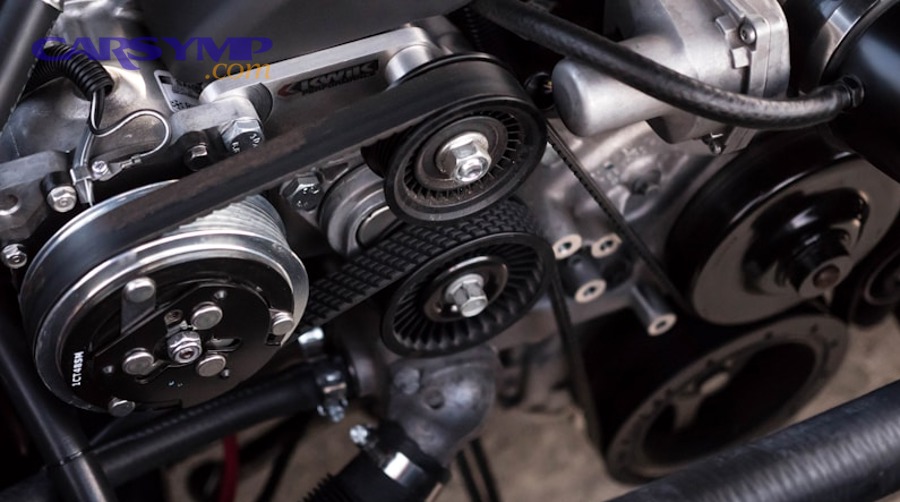
Rubber seals and O-rings complement the clamping system by filling microscopic gaps between mating surfaces. These seals appear at connection points between the intake tube and both the air filter housing and the throttle body. The material composition matters significantly—factory seals typically use EPDM rubber for temperature resistance, while aftermarket options may offer silicone for enhanced durability in high-heat environments.
Connection points represent the critical junctions where these components meet. The air filter housing connection marks where fresh air enters the system after filtration. The throttle body connection delivers this air to the engine’s intake manifold. In turbocharged vehicles, additional connection points exist between the turbocharger compressor outlet and the intercooler, then from the intercooler to the intake manifold, each requiring its own clamps and seals.
Why Do Intake Duct Clamps and Seals Fail?
Heat degradation and engine vibration represent the primary killers of intake duct seals and clamps. Your engine bay experiences temperature swings from ambient cold to over 200°F during operation, causing rubber compounds to harden and lose flexibility over time. Simultaneously, the engine’s constant vibration creates microscopic movements at clamped joints, gradually working the rubber material until cracks form—typically after 80,000 to 120,000 miles of service.
Age-related rubber deterioration accelerates when combined with environmental exposure. Rubber compounds contain plasticizers that keep the material flexible, but these chemicals evaporate over years of heat cycling. The result appears as surface cracking (called “dry rot” or “weather checking”), loss of elasticity, and eventually complete structural failure. This process happens faster in climates with extreme temperature variations or high ozone levels.
Over-tightening damage occurs when clamps exceed the design compression limits of the rubber boot. When a worm gear clamp gets cranked down too aggressively, it creates a groove or indentation in the rubber that becomes a permanent weak point. This damaged area concentrates stress during thermal expansion and contraction, leading to premature splitting. The damage often appears invisible until the boot is removed and flexed during inspection.
Environmental contamination accelerates failure when engine oil, coolant, or other fluids contact the intake components. Oil mist from a failing crankcase ventilation system can saturate rubber boots, causing them to swell and soften. Coolant leaks from nearby hoses can similarly attack rubber compounds. These chemical exposures break down the molecular structure of the seal material, dramatically shortening its service life from the normal 100,000-mile range to as little as 30,000 miles.
Do I Need to Replace My Intake Duct Clamps and Seals?
Yes, you need to replace your intake duct clamps and seals if you observe visible damage, experience performance symptoms, or detect air leaks during inspection. Replacement becomes necessary because damaged components allow unmetered air to bypass the mass airflow sensor, creating lean air-fuel ratios that trigger check engine lights, reduce power output, and potentially cause long-term engine damage from excessive cylinder temperatures.
Understanding the specific indicators of failure helps you make an informed replacement decision.
What Are the Signs of Failed Intake Duct Clamps and Seals?
Hissing or whistling sounds from the engine bay during acceleration represent the most recognizable symptom of intake air leaks. This noise occurs when high-velocity air rushes through cracks or gaps in the intake duct system. The sound typically increases in pitch and volume as engine RPM rises, since the intake manifold creates stronger vacuum at higher speeds. You’ll hear it most clearly with the hood open while someone else revs the engine, though severe leaks may be audible from inside the vehicle.
Rough idle or poor acceleration manifests when unmetered air enters downstream of the mass airflow sensor. The engine computer calculates fuel delivery based on MAF sensor readings, but additional air entering through leaks creates a lean mixture. At idle, this presents as inconsistent RPM (hunting between 600 and 900 RPM), occasional stalling, or a shaking sensation. During acceleration, you’ll notice hesitation, lack of power, or a stumbling sensation as the engine struggles with the incorrect air-fuel mixture.
Check engine light illumination with specific diagnostic trouble codes points directly to intake air leaks. The most common codes include P0171 (System Too Lean, Bank 1) and P0174 (System Too Lean, Bank 2). These codes appear when the oxygen sensors detect excess oxygen in the exhaust, indicating the engine is running leaner than commanded. While these codes can result from other issues like vacuum leaks or failing fuel injectors, intake duct leaks rank among the most common causes.
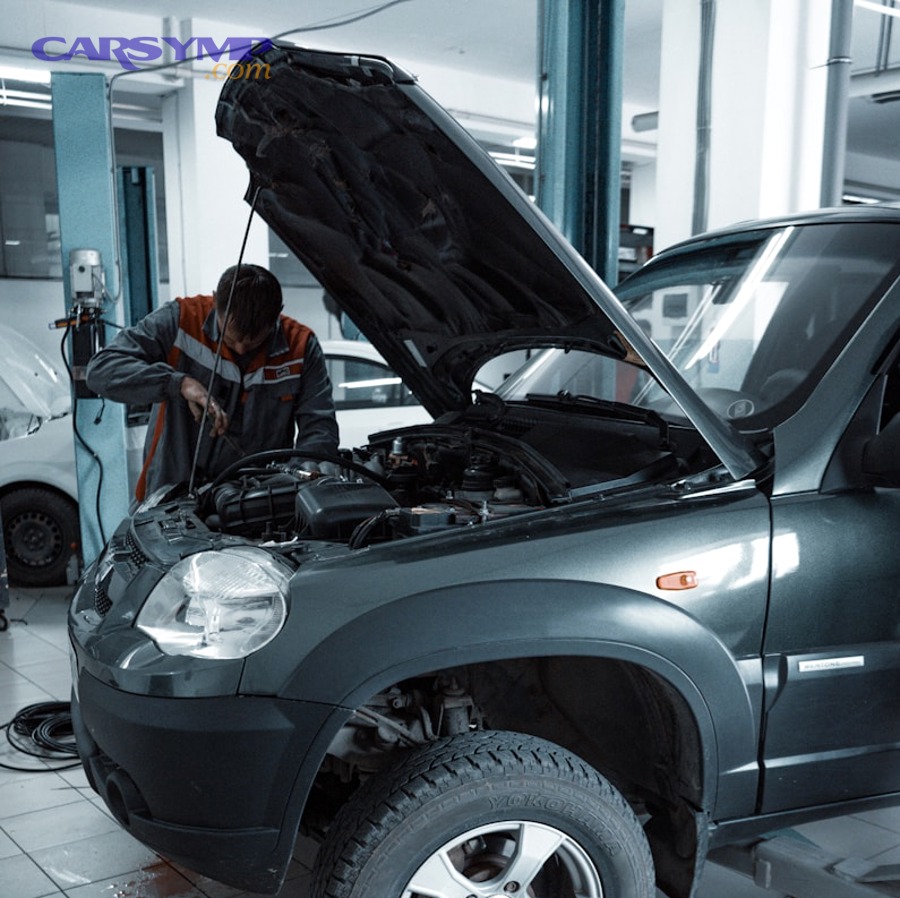
Visible cracks, tears, or deformation in the rubber boot provide definitive evidence of needed replacement. Cracks typically appear first at high-stress points where the boot bends or where clamps create pressure concentrations. Tears may develop from cracks or occur suddenly if the boot gets contacted by moving engine components. Deformation shows as permanent compression grooves from over-tightened clamps or swelling from oil contamination. Any of these conditions compromises the seal’s integrity.
Loose or rusted clamps signal that the clamping system has failed or is failing. Worm gear clamps can lose tension if the screw threads become stripped or if the band experiences metal fatigue. Rust indicates moisture exposure and structural weakening—a rusted clamp may appear tight but lack sufficient clamping force to maintain a seal under engine vibration. Spring clamps can lose tension over time, while T-bolt clamps may experience bolt or nut corrosion that prevents proper tightening.
How Do I Inspect Intake Duct Clamps and Seals for Damage?
Visual inspection with the engine off and cool provides the safest and most thorough examination method. Begin by locating the air intake boot between your air filter housing and throttle body—it’s typically a black rubber tube ranging from 2 to 4 inches in diameter. Look closely at the entire surface, paying special attention to areas near clamps and at bend points. Use a flashlight to illuminate the underside and back areas that may be difficult to see. Check for surface cracks, color changes indicating deterioration, oil residue suggesting contamination, or bulging that signals internal delamination.
The flex test reveals hidden damage not visible during static inspection. Gently squeeze and flex different sections of the boot while watching for cracks that open under stress. These cracks may close when the boot relaxes, making them invisible during casual observation. Twist the boot slightly at connection points to see if you can detect separation between the rubber and any internal reinforcement fabric. Any cracking, flaking, or separation during the flex test indicates replacement is needed, even if the boot appears acceptable at rest.
Checking clamp tightness requires attempting to rotate the boot at clamped connections. With the engine off, grasp the intake boot near a clamp and try to twist it relative to the hard pipe it connects to. A properly secured connection should show zero movement—the boot and pipe should move together as one unit. Any independent rotation of the boot indicates insufficient clamping force. Try this test at all clamped connections. Remember that you’re checking for rotational movement, not attempting to slide the boot off the pipe.
Looking for oil or dirt accumulation around connection points reveals active or intermittent leaks. Dust and dirt naturally collect in the engine bay, but concentrated accumulation specifically at intake joints suggests air is pulling contaminants through a gap. Oil residue at connections may come from crankcase ventilation system backflow through a leak. Run your finger around each connection—if you collect oily residue or a paste-like mixture of oil and dirt, you’ve found evidence of a compromised seal that needs addressing.
What Tools and Parts Do I Need to Replace Intake Duct Clamps and Seals?
You need basic hand tools including screwdrivers and wrenches, plus replacement clamps and seals matched to your vehicle’s specifications, to complete an intake duct replacement in 15 to 30 minutes. Having all necessary items ready before starting ensures you won’t encounter delays mid-repair, which could leave your vehicle temporarily inoperable if the old components are damaged during removal.
Let’s examine the specific tools and parts required for a successful replacement.
What Tools Are Required for the Job?
Screwdrivers represent the most essential tool for this repair, with a flathead screwdriver handling most worm gear clamp adjustments. Choose a screwdriver with a blade width matching your clamp’s screw slot—typically 1/4 inch—to prevent stripping. A medium-length shaft (6 to 8 inches) provides the best balance of reach and control. Some vehicles position clamps in tight spaces where a stubby screwdriver or right-angle driver becomes necessary for access.
Socket sets or wrenches serve vehicles equipped with T-bolt clamps or nut-and-bolt secured connections. T-bolt clamps typically use 10mm, 12mm, or 13mm nuts, though sizes vary by manufacturer. A ratchet with both standard and deep sockets provides the versatility to reach recessed fasteners. For extremely tight spaces, a set of combination wrenches may prove more maneuverable than sockets. If you’re unsure which size your vehicle uses, bring an adjustable wrench as a backup.
A pick or pry tool helps break stubborn seals without damaging components. Rubber boots often bond to their mating surfaces through a combination of compression and dried residue, creating resistance during removal. A plastic trim removal tool or a small flat pry bar allows you to carefully separate stuck connections. Avoid using sharp metal tools like screwdrivers for prying, as they can gouge aluminum throttle bodies or air filter housings, creating permanent damage that prevents future seals.
Optional but recommended tools include a torque wrench for proper tightening and a container for hardware organization. T-bolt clamps have specific torque specifications (typically 50 to 70 ft-lbs) that prevent both under-tightening and over-tightening. A small container or magnetic tray keeps screws, nuts, and washers organized, preventing loss and ensuring you have all original hardware for reinstallation. A smartphone or camera proves valuable for taking reference photos before disassembly, helping you remember connection orientations and clamp positions.
Which Replacement Parts Should I Purchase?
OEM versus aftermarket clamps present a quality and cost tradeoff worth considering carefully. Original Equipment Manufacturer (OEM) parts guarantee exact fitment and match the materials and specifications used in your vehicle’s original production. They typically cost 20% to 50% more than aftermarket equivalents but provide peace of mind regarding quality and compatibility. Aftermarket clamps from reputable brands like Dorman, Gates, or Continental offer comparable quality at lower prices, making them excellent value for most applications.
Clamp type selection should generally match your vehicle’s original configuration unless you’re specifically upgrading. Worm gear clamps work perfectly for standard applications and cost $2 to $5 each. Upgrade to T-bolt clamps ($8 to $15 each) if your vehicle operates in high-vibration conditions, has a turbocharged engine, or if you’ve experienced repeated failures with standard clamps. Spring clamps ($4 to $8) offer automatic tension adjustment but can be difficult to install without special tools. Avoid cheap, ultra-thin clamps that may cut into rubber boots.
Seal and boot material considerations affect durability and performance. Standard EPDM rubber boots ($20 to $50) provide adequate service for most applications and represent the most economical choice. Silicone boots ($40 to $80) offer superior heat resistance and longevity, making them worthwhile for turbocharged vehicles or modified engines with increased under-hood temperatures. Reinforced boots with internal fabric layers ($30 to $60) resist collapsing under high vacuum loads and work well for performance applications.
Vehicle-specific fitment verification prevents the frustration of incorrect parts. Never guess based on visual similarity—use your vehicle’s VIN, year, make, model, and engine size to confirm compatibility. Online parts retailers typically offer VIN lookup tools that identify the exact part number for your application. Measure the inside diameter of your existing boot at both ends if you’re purchasing a universal part. Most intake boots range from 2.5 to 4 inches in diameter, but variations exist even within the same vehicle model depending on engine options.
Recommended brands and sources vary based on your priorities. For OEM quality, purchase from your vehicle manufacturer’s dealership parts department or authorized online dealers like eEuroparts (for European vehicles) or Tasca Parts (for Ford/Lincoln). Rock Auto offers competitive prices on both OEM and quality aftermarket brands. Amazon provides convenience and fast shipping but requires careful attention to seller ratings and part reviews. Local auto parts stores like AutoZone, O’Reilly, or NAPA allow same-day pickup and often provide lifetime warranties on their house-brand parts.
How Do I Replace Intake Duct Clamps and Seals Step-by-Step?
Replace intake duct clamps and seals by first loosening all clamps, removing the old boot, cleaning mating surfaces, installing new components with clamps pre-positioned, and tightening to proper specifications—following this five-step process prevents air leaks and ensures long-term reliability. The procedure requires methodical attention to detail, particularly regarding surface preparation and clamp positioning, to achieve a professional-quality result.
Following the proper sequence ensures efficient work and prevents common installation errors.
How Do I Prepare the Vehicle and Remove Old Components?
Park your vehicle on level ground and engage the parking brake to ensure stability during work. Level positioning prevents tools from rolling off surfaces and provides safe working conditions. The parking brake prevents any unexpected vehicle movement, particularly important if you need to lean into the engine bay for access to rear-mounted components. Chock the wheels if working on an incline or if your parking brake doesn’t hold reliably.
Allow the engine to cool completely before beginning work—wait at least one hour after the last engine operation. Hot engine components can cause burns if accidentally contacted, and the intake system reaches temperatures exceeding 200°F during operation. Cooling also causes metal components to contract slightly, making boot removal easier. Touch metal engine components with the back of your hand briefly to verify safe temperature before committing your hand to the workspace.
Disconnect the battery negative terminal if you’ll be working near electrical components like the mass airflow sensor. While not strictly necessary for a simple boot replacement, battery disconnection prevents accidental short circuits if tools contact both a positive terminal and ground. Use a 10mm wrench (most common size) to loosen the negative cable clamp, then tuck the cable away from the terminal. Note that disconnecting the battery may reset your radio presets and require an idle relearn procedure on some vehicles.

Loosen clamps by turning screws counterclockwise for worm gear types or removing nuts for T-bolt clamps. For worm gear clamps, you’ll feel the band loosening after several turns—you don’t need to completely remove the screw, just loosen it enough that the band can slide freely. The clamp may remain on the boot during removal; this is normal and acceptable. For T-bolt clamps, support the nut with one wrench while turning the bolt with another to prevent the entire assembly from spinning.
Apply the twist-and-pull technique for stuck boots by grasping firmly near the connection and rotating while applying gentle outward pressure. This twisting motion breaks the seal between rubber and metal without tearing the boot. Pull steadily rather than yanking—sudden force can damage mounting tabs or the mating surface. If the boot absolutely won’t budge after twisting, proceed to using a pick tool.
Use a pick tool to break stubborn seals by carefully inserting the pointed end between the boot lip and the hard pipe. Work the pick around the circumference of the connection, gently prying to admit air behind the seal. This breaks the vacuum holding the parts together. Plastic trim removal tools work excellently for this purpose and won’t scratch aluminum components. Once you’ve broken the seal around half the circumference, the boot typically releases with renewed twisting and pulling.
How Do I Clean Mating Surfaces Before Installation?
Remove old gasket material and residue using a plastic scraper or a soft brass brush. Target the sealing surfaces on both the throttle body and air filter housing where the boot lips made contact. Old rubber may have left deposits or bonded slightly to these surfaces. Scrape gently in one direction, collecting loosened material with a rag rather than allowing it to fall into open ports. Avoid aggressive scraping on aluminum surfaces, which scratch easily and can compromise future seals.
Clean throttle body and air filter housing surfaces with brake cleaner or isopropyl alcohol on a clean rag. These solvents dissolve oil, grease, and rubber residue without leaving harmful deposits. Spray the solvent onto the rag rather than directly onto components to control overspray and prevent contamination of sensors. Wipe each surface until the rag comes away clean. Pay particular attention to grooves or recesses where seals seat—these areas accumulate the most contamination.
Inspect cleaned surfaces for damage or corrosion that could prevent proper sealing. Look for pitting, scratches, or grooves in the metal that might create leak paths. Minor surface imperfections (small scratches or slight roughness) generally won’t cause problems with modern rubber boots. Significant damage like deep gouges, cracked housing, or severely pitted metal indicates the housing itself may need replacement. Corrosion appears as white, green, or brown deposits; remove it with a brass brush and verify the underlying metal remains structurally sound.
Apply light lubricant if needed for easier installation, but use this technique sparingly and with the right product. A thin film of silicone grease on the inside of the boot lip helps it slide over connection pipes without binding or tearing. Use only silicone-based lubricants—never petroleum products like WD-40 or motor oil, which degrade rubber. Apply just enough to make the rubber slippery; excess lubricant can attract dirt and may reduce clamp grip. Many mechanics skip lubrication entirely with new boots, as fresh rubber is already pliable enough for installation.
How Do I Install New Clamps and Seals Correctly?
Position new seals and boots by first verifying the correct orientation—many boots feature alignment tabs, ribbing patterns, or connector ports that must face specific directions. Hold the boot next to the old one if you’re unsure about orientation. Check that any breather hose ports or sensor mounting points face the correct direction before installation. The boot should appear symmetrical and unstressed when properly oriented; visible twisting or tension indicates incorrect positioning.
Install clamps on the new boot before fitting it onto the vehicle—this critical step prevents frustrating attempts to install clamps in tight spaces after the boot is positioned. Slide worm gear clamps over the boot with screws positioned where you’ll have clear access (usually on top or toward the front of the engine). Position them approximately where they’ll sit when tightened, but leave them very loose. For T-bolt clamps, ensure the bolt heads won’t interfere with any nearby components when tightened.
Connect to the throttle body first, then the air filter housing for most installations. This sequence works best because the throttle body connection typically offers less flexibility and requires more precise positioning. Press the boot firmly onto the throttle body pipe until the end of the pipe is fully seated inside the boot—you should feel it bottom out. Visual inspection through the rubber (if translucent) or feeling the pipe position through the rubber confirms full insertion. The clamp should sit over both the boot and the pipe.
Tighten clamps evenly with care not to over-tighten, which represents one of the most common DIY mistakes. For worm gear clamps, tighten until you feel resistance increase significantly, then add only one-quarter to one-half turn more. The goal is compression without deformation—you want the clamp to draw the rubber firmly against the pipe, but not to create a visible groove or pinch in the boot. Over-tightening reduces seal longevity and can cut through the boot material over time.

Apply proper torque specifications for T-bolt clamps using a torque wrench set to manufacturer specifications, typically 50 to 70 ft-lbs. This range provides sufficient clamping force without damaging the boot or stripping threads. Tighten incrementally—first to 30 ft-lbs, then to 50, then to final specification. This graduated approach allows the boot to compress evenly and prevents sudden stress concentration. Check your vehicle’s service manual for model-specific torque values, as turbocharged applications sometimes require different specifications.
Reconnect breather hoses and electrical connections that you detached during removal. Breather hoses from the crankcase ventilation system typically attach to the intake boot with small barbed fittings and spring clamps. Push the hose fully onto its fitting and position the clamp over the connection. Electrical connectors for mass airflow sensors or intake air temperature sensors should click firmly into place. Verify connector locks engage and that wiring isn’t pinched or strained.
How Do I Test for Proper Installation and Leak Detection?
Visual inspection of seal positioning should be your first verification step before starting the engine. Look at each connection point to confirm the boot lip extends fully over the pipe and sits evenly around the circumference. No gaps should appear between the rubber and pipe. Check that clamps sit centered over the connection area rather than too far forward or back on the boot. Examine the entire boot length for any twisting or unusual stress patterns that might indicate misalignment.
Start the engine and listen carefully for hissing or vacuum leak sounds during idle and light acceleration. Hissing indicates air rushing through a gap, though small leaks may be difficult to hear over normal engine noise. Have an assistant rev the engine gently to 2,000-2,500 RPM while you listen near the intake connections. A strong vacuum leak creates a distinct whistling or hissing sound that increases with engine speed. Some mechanics use a mechanic’s stethoscope to pinpoint leak locations, though your ear alone often suffices.
Check for folded lips or misalignment by running your fingers around each connection while the engine is off. A folded boot lip feels like a doubled-over ridge under the clamp—this common installation error creates an immediate leak path. If you detect a fold, loosen the clamp, pull the boot slightly away from the pipe, verify the lip is properly positioned, then reseat and retighten. Check both the inner and outer lips if your boot has a double-seal design.
Rev the engine gently to verify secure connections under increased airflow and vacuum. With the engine at operating temperature, have someone smoothly increase RPM to 3,000-3,500 RPM while you watch and listen to the intake system. Properly installed boots and clamps should show no movement, ballooning, or separation. Any motion at connections indicates insufficient clamping force. Listen for changes in sound—a leak that was quiet at idle may become obvious under load.
Monitor for check engine codes over the next several days of driving using an OBD-II scanner if you have one available. Even if the check engine light doesn’t illuminate, scanning for pending or stored codes reveals minor air leaks that haven’t yet triggered warning lights. Specifically check for P0171, P0174 (lean codes), or P0101, P0102 (MAF sensor codes). The absence of codes after several drive cycles confirms your repair eliminated the air leak. Clear any existing codes before testing and verify they don’t return.
How Long Does It Take to Replace Intake Duct Clamps and Seals?
Replacing intake duct clamps and seals requires 15 to 30 minutes for simple applications, 1 to 3 hours for turbocharged engines, and varies based on accessibility, engine layout, and your mechanical experience level. Understanding the time commitment helps you plan the repair appropriately and decide whether to tackle it yourself or seek professional assistance.
Time estimates vary significantly based on several key factors.
What Factors Affect Replacement Time?
Simple applications with excellent accessibility represent the fastest intake duct replacements. Vehicles with naturally aspirated four-cylinder engines often feature intake systems positioned at the front of the engine bay with minimal obstruction. These configurations allow easy access to all clamps and connections without removing other components. Examples include Honda Civic, Toyota Corolla, and many compact sedans. A mechanically inclined individual can complete these repairs in 15 to 20 minutes, while even a first-timer should finish within 30 to 45 minutes.
Turbocharged engines extend replacement time to 1 to 3 hours due to multiple duct sections and complex routing. Turbo systems use intake ducts before the turbocharger (cold side), between the turbo and intercooler, and from the intercooler to the intake manifold (hot side). Each section has its own clamps and seals. BMW N54, Volkswagen TSI, and Ford EcoBoost engines exemplify this complexity. You may need to remove other components like engine covers, battery boxes, or air filters to access all connection points. Plan for 90 minutes as a realistic first-time estimate.
Accessibility and engine layout create the most significant time variations. V6 and V8 engines with transverse mounting (engine sideways in front-wheel-drive vehicles) often bury intake ducts under other components. Rear-mounted or side-mounted turbochargers may require working from underneath the vehicle or removing wheels for access. Vehicles with elaborate engine covers or dense packaging (luxury European brands) add removal and reinstallation time. What takes 20 minutes on a Honda Accord might require 90 minutes on a BMW 535i due purely to access challenges.

Experience level of the mechanic dramatically impacts completion time. A professional technician familiar with the vehicle model might complete what takes a DIYer 90 minutes in just 30 minutes. First-time repairs always take longer than subsequent ones on the same vehicle—you’ll spend time identifying components, figuring out access angles, and learning clamp removal techniques. If this is your first intake duct replacement, double the time estimates provided here. By your third or fourth similar repair, you’ll work much more efficiently.
What Are Common Mistakes to Avoid When Replacing Intake Duct Clamps and Seals?
Avoid over-tightening clamps, under-tightening connections, using wrong-sized parts, skipping surface cleaning, and folding seal lips during installation—these five critical errors account for the majority of failed repairs and recurring air leaks. Understanding and preventing these mistakes ensures your replacement lasts the full expected service life of 80,000 to 120,000 miles.
Let’s examine the specific errors that cause problems and how to avoid them.
What Installation Errors Cause Leaks?
Over-tightening clamps deforms pipes and damages boots, creating the exact problems you’re trying to solve. Excessive torque on worm gear clamps crushes the rubber boot, creating a permanent compression groove that becomes a stress concentrator. This groove cracks prematurely, typically within 10,000 to 20,000 miles instead of the normal 80,000+ mile lifespan. Crushed boots also lose their ability to seal because the damaged area can no longer conform to the mating surface. On thin-wall aluminum intake pipes, over-tightening can actually deform the pipe itself into an oval shape that prevents proper sealing regardless of clamp force.
Under-tightening results in insufficient seal compression and allows movement between components. A clamp that feels “snug” but lacks proper tension won’t maintain seal integrity under engine vibration and thermal cycling. The boot can work loose gradually, creating a progressive air leak that worsens over time. You’ll recognize under-tightening by being able to rotate the boot relative to the pipe it’s clamped to. The connection should feel absolutely solid with zero rotational movement. If you can twist it even slightly, tighten more—but remember the over-tightening warnings and find the middle ground.
Folded seal lips during installation create immediate and obvious leaks that bypass the entire sealing system. This error occurs when the boot lip folds under itself during installation, leaving a gap between the rubber and the mating surface. The clamp then compresses the folded section, making it difficult to detect visually. You can prevent this mistake by carefully watching the lip as you slide the boot onto each pipe, using good lighting, and running your fingers around the circumference to feel for folds before tightening the clamp. If you detect a fold after tightening, you must loosen the clamp, correct the positioning, and re-tighten.
Using the wrong clamp size or type creates either insufficient grip (too large) or installation impossibility (too small). Clamps too large for the application won’t cinch down far enough to compress the boot adequately, even when tightened to their maximum. The result is a permanent leak from day one. Clamps too small either won’t fit over the boot at all or will reach maximum tightness before achieving proper compression. Match clamp diameter range to your boot’s installed outside diameter—a 3-inch boot typically requires a clamp rated for 2.75 to 3.25 inches.
Skipping surface cleaning leaves contamination between the seal and pipe that creates microscopic leak paths. Oil residue prevents rubber from achieving full contact with metal surfaces. Dirt particles act as spacers, holding the seal slightly away from the surface. Old gasket material creates bumps that prevent even pressure distribution. While these leaks may be too small to hear initially, they grow over time as vibration works particles deeper into the interface. Spending an extra five minutes on thorough cleaning prevents this entirely avoidable failure mode.
How Can I Prevent Premature Seal Failure?
Use proper clamp torque by following manufacturer specifications or applying the “snug plus a quarter-turn” rule for worm gear clamps. If you have a torque wrench and specifications (50-70 ft-lbs for most T-bolt clamps), use them—this eliminates guesswork entirely. For worm gear clamps without specifications, tighten until you feel significant resistance, then add only a quarter to half turn more. The rubber should compress visibly around the clamp but not deform excessively. Develop a feel for correct tightness by paying attention to how properly tightened clamps feel, then replicate that sensation on future repairs.
Select quality replacement parts rather than choosing based purely on lowest price. Ultra-cheap clamps use thin metal that flexes excessively and screws that strip easily. Budget boots use inferior rubber compounds that harden quickly and crack prematurely. Spending an extra $10-20 on quality parts from brands like Gates, Dorman, Continental, or OEM suppliers prevents having to repeat this repair in 20,000 miles. Read customer reviews specifically looking for complaints about premature failure—five-star ratings with longevity comments indicate parts worth buying.
Avoid exposing seals to oil and coolant contamination by addressing leaks in other engine systems. If you have a chronic oil leak from valve covers or a coolant leak from hoses, fix those issues before or simultaneously with your intake boot replacement. Clean any oil residue from the engine bay area around the intake system. Consider using a light coat of engine degreaser on surrounding components to remove oil that might contact your new boot. Oil-saturated boots fail in a fraction of their normal lifespan.
Establish a regular inspection schedule rather than waiting for failure symptoms to appear. Check your Air filter housing inspection tips during routine maintenance like oil changes—every 5,000 to 7,500 miles provides a reasonable interval. This quick visual check takes just two minutes but catches developing problems before they cause performance issues or check engine lights. Look for early surface cracking, clamp rust, or oil accumulation. Catching cracks when they’re 1/4 inch long allows planned replacement; waiting until they’re 2 inches long risks sudden failure that strands you.
What Advanced Intake System Seal Replacements Should You Know About?
Advanced intake seal replacements include turbocharger intercooler duct seals, performance clamp upgrades, and intake manifold gasket replacement—each representing specialized applications beyond basic intake boot service. Understanding these advanced topics helps you recognize when your vehicle requires more complex procedures and when you might benefit from upgraded components.
These specialized scenarios require additional knowledge and sometimes professional expertise.
How Do You Replace Turbocharger Intercooler Duct Seals?
Turbocharger intercooler duct seals require replacing multiple seal points throughout the pressurized air system, typically involving four to eight separate connections depending on engine configuration. Turbocharged vehicles route compressed air from the turbo through an intercooler (heat exchanger) before it reaches the intake manifold. Each connection point—turbo outlet to intercooler inlet, intercooler outlet to throttle body, and any intermediate pipes—requires its own dedicated seal and clamp system.
The procedure follows the same basic principles as simple boot replacement but with greater complexity and time requirements. You’ll typically start by removing the engine cover and any obstructing components like air filter housings or battery boxes. Working methodically from front to back, loosen all clamps at each duct section before attempting removal. Many turbocharged systems use multiple duct materials: rigid aluminum pipes with rubber couplers at joints. The rubber couplers contain the actual seals and require careful inspection for cracks or oil saturation.

BMW N54 engines exemplify this complexity with separate charge air ducts for each turbocharger bank. The replacement procedure requires removing the front intake duct, then working at the rear of the cylinder head to access rear turbocharger connections. You’ll encounter T30 Torx fasteners securing ducts to mounting brackets, vacuum hoses connecting to wastegate actuators, and 10mm nuts securing duct ends. Each duct has multiple seals—one where it connects to the turbo compressor outlet, another at the intercooler inlet, and possibly additional seals at mounting brackets.
Jaguar supercharger systems present similar challenges with upgraded OEM seal kits available to address common failure points. These kits typically include improved seal designs addressing weaknesses in original parts that led to the “restricted performance” warning messages common in XK8 and XKR models. The kit components include duct seals between the supercharger and intercooler, clamp plates with updated designs, and specific screws sized for proper compression. Installation requires removing the supercharger intake system, cleaning all mating surfaces meticulously, and following specific torque sequences.
Specialized tools needed for turbocharged seal replacement include Torx drivers (T20, T25, T30 most common), long extensions for reaching rear-mounted components, and sometimes specific tools for disconnecting quick-release fittings. Some systems use gray locking collars on boost recirculation hoses that require rotating 45 degrees counterclockwise to unlock—channel locks help if these locks have seized from debris. Budget 2 to 4 hours for a complete turbocharged intake seal replacement if you’re working on these systems for the first time.
What Are Performance Intake Clamp Upgrades?
Performance intake clamp upgrades replace standard worm gear clamps with heavy-duty T-bolt clamps, providing increased clamping force, better vibration resistance, and reduced likelihood of loosening over time. T-bolt clamps use a thick stainless steel band (typically 5/8 to 3/4 inch wide) with an integrated T-bolt that threads through a bridge piece, creating significantly higher and more evenly distributed clamping force than thin worm gear bands.
The strength comparison between clamp types reveals why enthusiasts and performance applications favor T-bolts. A standard worm gear clamp generates approximately 30-50 pounds of clamping force and uses a thin band (typically 1/2 inch wide) that can deform under stress. T-bolt clamps deliver 80-150 pounds of clamping force with bands that resist deformation even when subjected to boost pressures exceeding 20 PSI. The wider band distributes force over a larger area, reducing the likelihood of boot damage from localized compression.
Stainless steel clamp benefits extend beyond just strength to include corrosion resistance and longevity. Stainless construction eliminates rust even in harsh environments with road salt exposure, whereas standard plated steel clamps develop rust within 2-3 years in corrosive climates. Marine-grade stainless (typically 304 or 316 series) maintains clamping force indefinitely without the gradual weakening that occurs as plated clamps corrode. This makes stainless clamps particularly valuable for turbocharged vehicles where intake leaks create significant performance degradation.
Performance air intake system considerations include matching clamp specifications to increased pressure and vibration. Modified engines producing boost pressures above 15 PSI benefit substantially from T-bolt clamps, as the higher clamping force prevents boots from ballooning or separating under pressure. Vehicles with aggressive engine mounts (solid or polyurethane) transmit more vibration to the intake system, making the vibration resistance of T-bolt clamps valuable. Cold air intake systems with long piping runs benefit from T-bolts at every connection to ensure no weak points exist.
Determining when upgrades are worthwhile versus unnecessary depends on your application and expectations. Stock naturally aspirated engines with factory intake systems gain minimal benefit from expensive T-bolt clamps—the $5 worm gear clamp works perfectly well for 100,000+ miles in these applications. Turbocharged vehicles, especially those with modified boost levels, justify the $12-15 per clamp upgrade cost. Track-driven vehicles experiencing high vibration levels see real benefits. Daily drivers with stock boost and moderate performance use should save their money unless they’re already replacing boots and want the peace of mind that comes with never worrying about clamp failure.
How Does Intake Duct Seal Replacement Compare to Intake Manifold Gasket Replacement?
Intake duct seal replacement wins in simplicity and cost, requiring 30 minutes and $20-50 in parts, while intake manifold gasket replacement demands 2-4 hours and $200-500 in parts and materials for a significantly more complex procedure. Understanding the differences helps you diagnose which component has failed and avoid unnecessary repairs.
The complexity differences become apparent when comparing the scope of each repair. Intake duct seal replacement involves loosening 2-4 clamps, removing a single rubber boot, cleaning two surfaces, and installing a new boot—a straightforward procedure requiring only basic tools. Intake manifold gasket replacement requires removing the entire intake manifold assembly from the engine, which typically means disconnecting fuel rails, electrical connectors for sensors and injectors, vacuum lines, coolant hoses, and often the throttle body. The manifold itself attaches with 8-16 bolts that must be removed and later reinstalled in a specific torque sequence.
Time requirements reflect this complexity difference with intake duct seals averaging 30 minutes while manifold gaskets require 2-4 hours for most vehicles. The time difference stems from the disassembly and reassembly burden—you might spend 90 minutes removing components just to access the manifold, 30 minutes on the actual gasket replacement, and another 60 minutes reinstalling everything. V6 and V8 engines with manifolds buried under plastic engine covers and wiring harnesses push toward the 4-hour end of the range. Four-cylinder engines with simpler manifold designs might complete closer to 2 hours.
Symptom overlap between these failures creates diagnostic challenges since both cause vacuum leaks with similar effects. Both conditions produce rough idle, hesitation during acceleration, hissing sounds (though from different locations), and can trigger P0171/P0174 lean codes. The key difference lies in leak location—duct seal leaks occur before the throttle body, while manifold gasket leaks occur after it. Manifold leaks often come with additional symptoms: coolant loss (many manifold gaskets seal both air and coolant passages), engine overheating, coolant smell from the engine bay, or white smoke from the exhaust.
Cost comparison shows duct seals at $20-50 for DIY parts while manifold gaskets range from $200-500 for parts plus potential shop labor of $300-800. The manifold gasket kit itself costs $30-80, but you’ll also need new coolant ($20-40), possibly new fuel injector O-rings ($10-20), new vacuum line connectors if any break during removal ($5-15), and intake manifold bolts if your vehicle requires one-time-use stretch bolts ($30-60). Professional installation justifies its cost given the complexity, specialized torque requirements, and risk of coolant contamination if done incorrectly.
Should I Replace Both or Just One?
Replace only the component showing evidence of failure through diagnostic testing—replacing both simultaneously is unnecessary unless both show clear symptoms or damage. Making this decision requires systematic diagnosis rather than guessing. Start with the simpler, cheaper repair (duct seals) if symptoms match and visual inspection reveals duct damage. If replacing duct seals doesn’t resolve the symptoms, then investigate manifold gaskets.
Diagnostic decision-making follows a logical progression. Begin with visual inspection of the intake duct system—if you see cracks, tears, or loose clamps, that’s your primary suspect. Replace the duct seals first and verify whether symptoms resolve. If symptoms persist after duct seal replacement and you’ve confirmed no leaks in that system, then proceed to testing for manifold leaks. Use a smoke machine (available at tool rental stores) to pressurize the intake system and locate leaks visibly, or use a propane torch method (unlit, just flowing gas) near suspected leak points while watching for idle speed changes.
Cost-benefit analysis favors the sequential approach unless you have definitive evidence of both failures. Spending $30 on duct seals potentially solves your problem without the $500+ manifold gasket job. Even if you later need the manifold gasket, you’ve only “lost” the $30 and 30 minutes spent on duct seals—but you’ve gained certainty about the diagnosis. Conversely, jumping straight to manifold gasket replacement without confirming the duct seals are intact risks spending $500 only to have symptoms persist due to a simple $30 duct seal failure.
The sequential troubleshooting approach saves both money and time in the majority of cases. Replace intake duct clamps and seals first when symptoms appear, as this repair costs less than 10% of manifold gasket replacement and takes less than 25% of the time. If this doesn’t resolve your issues and you’ve confirmed no leaks remain in the duct system, only then proceed to investigating manifold gaskets. This methodical process ensures you perform only the necessary repairs while avoiding the frustration and expense of replacing parts that aren’t actually failing.
According to a study by automotive repair data analytics firm Mitchell 1, intake duct and boot failures account for approximately 35% of all intake air leak diagnoses, while intake manifold gasket failures represent about 25% of cases, with the remaining 40% attributed to other vacuum system leaks—confirming that duct seals should be checked first in most troubleshooting scenarios.