


Inspecting your air filter housing regularly prevents catastrophic engine damage by identifying cracks, seal failures, and bypass issues before they allow unfiltered air into your combustion chamber. A systematic 7-point inspection process—checking structural integrity, sealing surfaces, dust trails, latches, heat distortion, inlet connections, and drain holes—catches problems early and protects your engine from the approximately 100,000 cubic feet of air that passes through the system every 1,000 miles driven.
Understanding what the air filter housing is and why it matters forms the foundation of effective inspection. The housing serves as the protective container that encloses your air filter element, creating a sealed pathway that forces all incoming air through the filter media before reaching the engine. Without a properly functioning housing, even premium filters fail to protect your engine, leading to reduced performance, higher fuel consumption, and potentially thousands of dollars in repair costs.
Knowing the specific 7 critical checks transforms housing inspection from guesswork into a reliable diagnostic process. Each checkpoint—from examining cracks and structural damage to identifying subtle dust trail patterns—addresses a different failure mode that compromises filtration. These systematic checks work together to ensure complete housing integrity, whether you’re inspecting an automotive application or an HVAC system.
Recognizing when to replace versus repair your air filter housing saves money and prevents premature replacement of components that only need cleaning. Moreover, understanding the proper tools and preparation methods ensures safe, effective inspection without damaging delicate sealing surfaces or plastic components. Below, we’ll explore each critical aspect of air filter housing inspection to help you master this essential maintenance skill.
What Is Air Filter Housing and Why Does Inspection Matter?
Air filter housing is the protective container or enclosure that securely holds the air filter element in place, creating a sealed pathway that forces incoming air through the filter media before entering the engine or HVAC system. This critical component typically consists of durable plastic or metal construction with integrated sealing surfaces, latches, and mounting points designed to prevent any unfiltered air from bypassing the filter.
To understand the importance of housing inspection, consider the massive volume of air flowing through your system. Specifically, approximately 100,000 cubic feet of air passes through the filter housing for every 1,000 miles driven in automotive applications. In HVAC systems, the volume can be even greater depending on system runtime. This tremendous airflow means even a minor crack or seal failure allows thousands of particles to enter unfiltered, accelerating wear on expensive components like turbochargers, cylinders, mass airflow sensors, and oxygen sensors.
The housing performs three essential functions beyond simply holding the filter. First, it creates an airtight seal that eliminates bypass pathways where air could circumvent the filter. Second, it protects the filter element from physical damage, heat exposure, and moisture intrusion that would compromise filtration efficiency. Third, it provides the structural framework for proper filter installation, ensuring correct orientation and secure mounting that maintains seal integrity even under vibration and temperature cycling.
When housing inspection is neglected, several costly problems develop progressively. A damaged housing allows unfiltered air to enter the intake system, causing abrasive particles to score cylinder walls, damage piston rings, and contaminate oil. For turbocharged diesel engines, the consequences are even more severe—a dislodged filter can be sucked into the turbocharger, causing catastrophic mechanical failure to both the turbo and engine internals. HVAC systems with compromised housings experience reduced efficiency, pressure drop issues, and contaminated ductwork requiring expensive cleaning.
Regular housing inspection also reveals environmental stress patterns unique to your operating conditions. Vehicles operating in construction zones, on gravel roads, or in farming environments face accelerated housing degradation from debris impact and dust accumulation. Similarly, HVAC systems in high-pollen areas or industrial settings experience different wear patterns than residential applications. Understanding these patterns through inspection helps you adjust maintenance intervals appropriately.
The economic benefit of housing inspection extends beyond preventing major repairs. A properly sealed housing optimizes airflow velocity and pressure characteristics, ensuring the HVAC or engine management system operates within design parameters. This optimization translates to better fuel economy in vehicles and lower energy consumption in HVAC applications, with improvements ranging from 5-10% depending on the severity of the bypass condition that inspection prevents.
According to research published by the Society of Automotive Engineers in 2023, engine wear rates increase by 300-500% when even 10% of intake air bypasses the filter due to housing seal failures, demonstrating why systematic housing inspection should be a non-negotiable maintenance practice.
What Are the 7 Critical Checks for Air Filter Housing Inspection?
The 7 critical checks for air filter housing inspection are: structural damage assessment, sealing surface examination, dust trail identification, latch and clamp verification, heat distortion detection, inlet connection inspection, and drain hole evaluation—performed systematically to ensure complete housing integrity. This methodical approach covers all failure modes that compromise filtration, from obvious cracks to subtle seal degradation.
Next, understanding how to execute each checkpoint properly ensures you don’t miss critical warning signs. Each of the seven checks addresses a specific component or failure mechanism within the housing assembly. When performed in sequence, they provide comprehensive coverage of all areas where problems typically develop, whether you’re working on automotive applications or HVAC systems.
How Do You Inspect for Cracks, Holes, and Structural Damage?
Begin structural inspection by visually examining the entire housing body under bright lighting, paying particular attention to high-stress areas near the outlet port, mounting brackets, corners, and anywhere fasteners attach to the housing. Cracks often originate at these stress concentration points where vibration, thermal cycling, and mechanical loads create fatigue over time.
Run your fingers along seams, corners, and around the outlet port connection to detect cracks that may not be immediately visible. Plastic housings frequently develop hairline cracks that appear as faint lines or slight discoloration before they propagate into structural failures. Metal housings show different failure patterns, typically developing corrosion pitting or stress cracks near welds and formed edges.
Differentiate between cosmetic surface scratches and structural cracks by flexing the housing gently while watching suspected areas. True structural cracks will open slightly under flex, while surface scratches remain static. Never dismiss small cracks as insignificant—they propagate rapidly under the pressure differentials and vibration present during operation, transforming from minor issues into major seal failures within weeks.
Check the area around mounting holes and bracket attachment points for stress whitening in plastic housings or elongated holes that indicate mounting hardware has been over-torqued. These conditions create uneven sealing pressure and often correlate with crack development in adjacent areas. For housings that have been previously removed and reinstalled multiple times, inspect fastener bosses for stripped threads or compression damage that prevents proper reassembly.
How Do You Check Sealing Surfaces and Gasket Condition?
Examine the groove or ledge where the filter element seats by running a clean, lint-free cloth along the entire perimeter to detect rough spots, gouges, or embedded debris that prevent proper filter sealing. The sealing surface must be smooth and free from scratches deeper than 0.5mm, as even minor imperfections create pathways for air bypass when the housing is closed.
Inspect the housing lid mating surface where the top gasket makes contact, looking specifically for warping, deep scratches, or residual gasket material from previous installations. Remove all old gasket material using a plastic scraper—never metal tools that could gouge the sealing surface. Any grooves or channels in this critical area compromise the seal between the housing and lid, allowing unfiltered air to enter the system.
Evaluate gasket condition by checking for compression set, where the gasket no longer returns to its original thickness after being compressed. A healthy gasket springs back when pressure is removed, while degraded gaskets remain permanently flattened. Also check for dry-rot, which appears as surface cracking or brittleness when you flex the gasket material. Gaskets showing either condition must be replaced, as they cannot maintain an airtight seal regardless of clamping force.
Test the gasket’s flexibility by gently bending a section—it should flex smoothly without cracking or tearing. Examine the gasket’s contact surface for irregular wear patterns that indicate uneven sealing pressure, often caused by warped housing components or damaged latches. These patterns appear as shiny, compressed areas alternating with sections showing minimal contact, revealing where the seal is compromised.
For housings with integrated gaskets molded into the lid or body, inspect for separation between the gasket material and housing substrate. This delamination typically occurs at corners first, creating leak paths that cannot be repaired without replacing the entire component. Check that gasket channels or grooves remain clean and free from oil contamination, which degrades most gasket materials and reduces sealing effectiveness.
How Do You Identify Dust Trails and Filter Bypass Issues?
Look for dust accumulation patterns that appear as streaks, trails, or concentrated deposits on surfaces immediately downstream from the filter housing, particularly visible on clean components like intake ducting or throttle bodies. These dust trails provide unmistakable evidence that unfiltered air is bypassing the filter, indicating seal failure or improper filter installation.
Examine the exterior of the housing around filter frame edges for fine dust accumulation that appears different in color or texture from normal environmental dirt. This filtered dust escaping from inside the housing reveals exactly where bypass is occurring, whether from damaged sealing surfaces, warped housing components, or incorrect filter dimensions. The dust often appears as a light coating along specific edges or sections rather than uniform coverage.
Inspect the area immediately surrounding the outlet port for dust contamination by wiping a clean white cloth along interior surfaces. Any dust or grit collected on the cloth confirms that unfiltered air has entered the system, requiring immediate identification and correction of the bypass pathway. This is especially critical for turbocharged applications where abrasive particles cause rapid turbocharger bearing failure.
Check the filter element itself for unusual wear patterns, including areas where the filter media appears compressed, torn, or damaged in specific locations corresponding to housing contact points. These patterns indicate the filter has shifted during operation due to inadequate sealing or latching, allowing edges to lift and create bypass pathways. Also look for witness marks on the filter frame where it should seal against the housing—absence of these marks indicates the filter never seated properly.
For severe bypass conditions, examine the filter for “dusting,” where extreme contamination actually pulls debris through the filter media itself. This appears as a hazy coating on the clean side of the filter and indicates the filter has been operating well beyond its capacity, likely due to bypass allowing excessive loading. When dusting occurs, both the filter and housing require careful inspection to identify the root cause.
How Do You Inspect Latches, Clamps, and Retainers?
Test each latching mechanism by operating it through its full range of motion, checking for broken plastic tabs, bent metal clips, weakened spring tension, or any mechanism that doesn’t engage positively with an audible click or firm resistance. Latches and clamps must provide sufficient clamping force to compress the gasket and maintain seal integrity even under the vibration and pressure fluctuations present during operation.
Verify that all latches engage completely and hold the lid firmly against the housing without any visible gaps around the perimeter. A properly latched housing should resist attempts to pry it open with moderate finger pressure. If the housing lid can be lifted or flexed while latched, the mechanisms have insufficient holding force and must be replaced to prevent filter displacement and bypass.
Identify missing latches by counting the number of latching points and comparing to the original design specification, typically found in service manuals or by examining an undamaged reference housing. Even one missing latch creates uneven sealing pressure, causing the lid to warp away from the housing on the unlatched side. This warping progressively worsens as the remaining latches stress-concentrate the clamping force.
For spring-loaded clamps common in European automotive designs, verify spring tension by measuring the force required to compress the clamp during closure. Weakened springs fail to maintain adequate sealing pressure as gaskets compress over time, eventually allowing the lid to partially separate from the housing. Replace any spring clamps showing reduced tension, corrosion, or permanent deformation.
Check that latch alignment tabs, pins, or guides engage properly before the latch mechanism actuates. Misalignment prevents even gasket compression and stresses latch components, leading to premature failure. Also inspect latch attachment points on both the housing and lid for cracks, stripped bosses, or elongated mounting holes that indicate the latch hardware has become loose or improperly secured.
How Do You Detect Heat Distortion and Warping?
Identify heat distortion by looking for discoloration, surface texture changes, or glossy areas on plastic housings that indicate the material has begun to melt or deform from excessive temperature exposure. Heat-affected plastic often appears darker, shinier, or wavy compared to unaffected areas, particularly near the outlet port where hot engine air enters or around exhaust components in tight engine bays.
Test for warping by placing a straightedge across the lid mating surface and housing sealing ledge, checking for gaps between the straightedge and housing that exceed 1-2mm. Warped surfaces prevent uniform gasket compression, creating leak paths that allow bypass even when latches appear properly engaged. This test is especially important for vehicles experiencing prolonged idling in high temperatures, such as police cars, taxis, and delivery vehicles.
Attempt to close the housing lid without the filter installed to verify that the lid seats completely flat against the housing body. If the lid doesn’t contact the housing uniformly around the entire perimeter, heat distortion has compromised the housing geometry. Warping typically begins at the thinnest sections and areas furthest from reinforcing ribs, progressively affecting larger areas as thermal cycling continues.
For severe cases, measure the internal dimensions of the filter cavity and compare to specifications or a new housing. Heat distortion can shrink cavity dimensions enough to compress the filter excessively, restricting airflow and potentially causing filter media damage. Conversely, expansion and warping can enlarge the cavity, allowing the filter to shift during operation and create bypass pathways.
Examine plastic housings under the area near hot exhaust manifolds or turbocharger components for telltale signs of heat damage, including brittleness that causes the plastic to crack when flexed gently. Heat-degraded plastic loses structural integrity and cannot maintain dimensional stability, making housing replacement mandatory rather than optional. According to field studies by automotive engineers, plastic air filter housings exposed to sustained temperatures above 180°F experience accelerated degradation that typically manifests within 2-3 years of service.
How Do You Check Inlet Tubes, Snorkels, and Connections?
Inspect the intake snorkel or inlet tube for cracks, splits, or collapsed sections by squeezing along the entire length while watching for deformation or visible damage. Rubber or flexible plastic snorkels deteriorate from ozone exposure, oil contamination, and heat cycling, developing cracks that start small but rapidly propagate into major air leaks that bypass the filter entirely.
Verify that all connection points between the snorkel, housing inlet, and upstream ducting fit tightly without gaps or misalignment. Loose connections allow unfiltered air to enter at the junction points, defeating the filtration system even when the housing and filter are in perfect condition. Test connections by attempting to twist or pull them apart with moderate force—properly secured connections should resist movement.
Check flexible accordion-style inlet ducts for compression or permanent deformation that restricts airflow by reducing the effective cross-sectional area. These restrictions increase pressure drop across the intake system, reducing engine performance and potentially causing the air management system to draw air through unintended bypass pathways. Expand compressed sections gently and verify they return to their original shape.
For cold air intake systems with extended snorkels reaching outside the engine bay, inspect the snorkel path for damage from road debris, impact with undercarriage components, or crushing during service work. These systems route intake air from areas with cooler, denser air but expose the snorkel to environmental hazards not present in traditional underhood locations. Any crushing or punctures compromise the sealed pathway and require immediate replacement.
Examine clamps securing the inlet tube to the housing inlet port, checking for proper tightness, correct positioning, and absence of damage to the tube where the clamp compresses. Over-tightened clamps cut into soft ducting materials, creating leak points, while under-tightened clamps allow the connection to separate partially under vacuum conditions. Clamps should sit in designated grooves or ridges that prevent slippage while distributing compression force evenly.
How Do You Inspect Drain Holes and Interior Cleanliness?
Locate drain holes typically positioned at the lowest point of the housing bottom and verify they remain clear by inserting a toothpick or small wire through the opening. These drain passages prevent water accumulation that could be drawn into the intake system during operation, particularly important for vehicles operated in wet conditions or HVAC systems in humid climates.
Examine the housing interior after removing the filter by using a flashlight to illuminate all surfaces, looking for accumulated debris, leaves, insects, oil residue, or water staining. A small amount of fine dust is normal, but heavy contamination or the presence of large debris indicates bypass has occurred or the housing has been breached. Document contamination levels to assess whether the filter has been protecting the engine adequately.
Vacuum loose debris from the housing interior using a shop vacuum with a soft brush attachment, taking care not to damage interior surfaces or push contamination toward the outlet port. Avoid using compressed air for cleaning, as it can blow debris deeper into the intake system or force particles into the outlet ducting where they’ll be drawn into the engine on startup.
Wipe interior surfaces with a clean, lint-free microfiber cloth to remove stuck-on grime, using only water or mild detergent solution if necessary. Never use petroleum-based solvents or harsh cleaners that degrade plastic components or rubber seals. The housing interior should be completely dry before installing a new filter to prevent moisture from reducing filter efficiency or causing premature media degradation.
For housings showing oil contamination, investigate the source—this may indicate crankcase ventilation system problems, turbocharger seal failure, or improper servicing where oil from reusable oiled filters has migrated. Oil contamination damages paper filter media and creates a sticky surface that accelerates dust accumulation, significantly reducing filter service life and requiring more frequent housing cleaning.
What Tools and Preparation Do You Need for Housing Inspection?
Housing inspection requires minimal tools—typically just your hands, a flashlight or shop light for illumination, and optionally a vacuum cleaner and clean cloths—while preparation focuses on ensuring engine shutdown, cooling, and parking brake engagement for safety. This accessibility makes housing inspection one of the most practical DIY maintenance tasks that requires no specialized equipment or technical expertise.
To prepare properly, always park the vehicle on level ground and engage the parking brake before beginning inspection. This prevents the vehicle from rolling during the procedure and ensures you have stable working conditions. For HVAC systems, turn off the unit at the thermostat and breaker to eliminate any possibility of the system starting during inspection, which could draw debris into the ductwork or cause injury.
Allow the engine to cool completely before touching any underhood components, typically requiring 30-60 minutes after shutdown depending on ambient temperature and how long the engine was running. Hot components can cause burns, and touching heated plastic housings may leave fingerprints or indentations that affect sealing surfaces. Test temperature by holding your hand near components without touching—if you feel radiant heat, wait longer.
The flashlight or shop light serves as your primary diagnostic tool by illuminating housing interiors, sealing surfaces, and areas around connections where shadows would otherwise hide cracks or dust trails. LED flashlights with 300+ lumens provide sufficient brightness, while magnetic-base shop lights free both hands for manipulation and testing. Angle the light to create shadows that make hairline cracks more visible through contrast.
A shop vacuum with a soft brush attachment proves invaluable for removing loose debris from housing interiors and areas around the filter cavity before inspection. The brush attachment prevents scratching plastic surfaces while effectively collecting leaves, dust, and insects that accumulate in the housing. Handheld vacuums work adequately for automotive applications, while HVAC housings may require full-size shop vacuums due to larger cavity volumes.
Clean, lint-free microfiber cloths serve multiple purposes during inspection: wiping sealing surfaces to detect scratches, removing dust to reveal cracks, collecting samples to check for bypass contamination, and cleaning hands between different inspection phases. Keep several cloths available and designate specific cloths for dirty tasks versus final sealing surface preparation to avoid cross-contamination.
While not mandatory, having replacement gaskets, a plastic scraper for removing old gasket material, and housing replacement parts available before starting inspection allows you to complete repairs immediately if problems are discovered. This preparation prevents the vehicle or HVAC system from being out of service while waiting for parts to arrive. Always verify part numbers and compatibility before purchasing replacements.
For vehicles with air filter housings requiring tool access, a basic socket set or screwdriver set matching the fastener types on your specific housing provides the means to open latches or remove retaining hardware. Most modern housings use tool-free clips or wing nuts, but older designs or performance aftermarket housings may require standard tools. Consult your owner’s manual or online resources to identify requirements for your specific application.
When Should You Replace vs Repair Air Filter Housing?
Replace the air filter housing when you discover visible cracks near the outlet port, severely warped plastic from heat exposure, permanently damaged sealing surfaces, failed latches with no replacement parts available, collapsed inlet tubes, or after an engine hydrolock event—while cleaning and gasket replacement suffices for minor surface dirt and functional housings with intact structure. This decision balances cost-effectiveness against the risk of engine damage from inadequate filtration.
However, determining which category your housing falls into requires careful evaluation of damage severity. The distinction between repairable and replacement-required conditions often comes down to whether the housing can maintain a complete seal around the filter element and whether structural integrity remains sufficient to withstand operating pressures and vibration.
Replace the housing immediately if you observe:
Visible cracks near critical areas: Cracks located within 2 inches of the outlet port, around latch mounting points, or along sealing ledges cannot be reliably repaired because these areas experience the highest structural loads and pressure differentials. Even if temporarily sealed with adhesives, these cracks propagate rapidly during operation and will fail catastrophically, allowing massive unfiltered air ingestion.
Severe plastic warping from heat: Housing components showing significant warping that prevents the lid from seating flat against the body—typically gaps exceeding 2-3mm when latched—have suffered permanent deformation that cannot be reversed. The material’s molecular structure has changed from heat exposure, making it prone to further deformation and cracking. Attempting to force proper sealing through over-tightening latches stresses remaining structure and accelerates final failure.
Damaged sealing surfaces beyond repair: Deep gouges, grooves, or scratches in the filter sealing ledge or lid mating surface that exceed 0.5mm depth create permanent leak paths that no gasket can seal effectively. While minor scratches can sometimes be smoothed with fine abrasive paper, structural damage to these critical surfaces requires housing replacement to restore proper sealing capability.
Failed latches without available replacements: When latch tabs break off plastic housings or spring mechanisms fracture on metal housings, and OEM or aftermarket replacement latches aren’t available separately, the entire housing must be replaced. Operating with missing or broken latches guarantees inadequate sealing pressure, filter displacement, and eventual bypass. Never attempt to secure housings with zip ties, wire, or tape as substitutes for proper latching mechanisms.
Collapsed or critically damaged inlet snorkels: Inlet tubes that have collapsed to less than 50% of their original cross-sectional area, split along their length, or separated from bonded attachment points cannot adequately deliver air to the filter. These conditions often stem from impact damage, severe age deterioration, or manufacturing defects, and replacement provides the only reliable solution.
After hydrolock events: If the engine has ingested water sufficient to cause hydrolock—where water fills combustion chambers and prevents piston movement—the housing must be inspected meticulously and typically replaced even if no visible damage appears. Water intrusion severe enough to cause hydrolock often indicates housing seal failure or submersion, and hidden damage may compromise future sealing capability.
When intake system modifications are planned: Upgrading to a performance cold air intake system or changing from a naturally aspirated to forced induction configuration requires installing the housing assembly designed for that system. Attempting to adapt original housings to new intake configurations compromises flow characteristics and sealing reliability.
Repair or clean the housing when:
Only surface dirt and minor contamination exist: Housings showing dust accumulation, light debris, or minor external dirt but no structural damage, cracks, or seal degradation only require cleaning. Remove the filter, vacuum the interior thoroughly, wipe all surfaces with a damp cloth, and allow complete drying before reinstalling a fresh filter. This restores functionality without component replacement.
Gaskets show wear but housing remains intact: When gaskets exhibit compression set, minor dry-rot, or normal aging but the housing body, latches, and sealing surfaces remain undamaged, simply replacing the gasket restores complete sealing capability. Always replace air filter gaskets during filter changes if they show any deterioration, as gasket failure is progressive and predictable.
Minor warping can be corrected through adjustment: Some HVAC filter housings include adjustable mounting brackets or compression mechanisms that can compensate for slight warping (under 1mm). Adjusting these mechanisms to restore even contact around the sealing perimeter may restore adequate sealing without housing replacement. However, this only addresses symptoms—investigate and correct the heat source causing warping to prevent recurrence.
Replaceable components solve the problem: When latches, clamps, drain tubes, or other modular components fail but the housing body remains intact, replacing only the failed components provides a cost-effective repair. Many manufacturers offer repair kits specifically for this purpose, particularly for HVAC applications where housings represent significant cost.
The cost-benefit analysis typically favors replacement for automotive applications where housings range from $20-150, considering the catastrophic engine damage potential from inadequate filtration. HVAC housings costing $200-500 justify more aggressive repair attempts, provided structural integrity and sealing capability can be fully restored. According to warranty claim data analyzed by automotive insurers in 2024, engine damage from unfiltered air ingestion averages $3,500-8,500 in repair costs, demonstrating why even expensive housing replacement represents prudent preventive maintenance.
How Does Air Filter Housing Inspection Differ Between Automotive and HVAC Applications?
Automotive housing inspection prioritizes heat damage, vibration-related cracks, and compact access challenges while HVAC inspection focuses on filter media box integrity, return plenum sealing, and accessibility for homeowner maintenance—though both require systematic checking of sealing surfaces, structural integrity, and proper latching. These application-specific differences reflect the distinct operating environments and performance requirements of each system.
Moreover, understanding these differences helps you adapt inspection techniques to the specific challenges present in each application type. Automotive housings face harsh conditions including extreme temperature cycling, vibration, and limited space that complicate access, while HVAC housings prioritize larger filter capacities, easy homeowner access, and integration with ductwork systems.
What Are Automotive-Specific Housing Inspection Considerations?
Automotive housing inspection must account for engine bay heat exposure that subjects plastic components to temperatures ranging from 150-220°F during normal operation, far exceeding what HVAC housings experience. This heat accelerates plastic degradation, causes warping in housings positioned near exhaust manifolds or turbochargers, and creates brittleness that leads to crack formation during vibration or impact. Inspect automotive housings specifically for heat discoloration, surface texture changes indicating melting, and reduced flexibility in plastic components.
Vibration from engine operation creates fatigue stresses concentrated at latch mounting points, filter cavity corners, and outlet port connections that rarely affect HVAC housings. Automotive housings require particularly careful inspection of these high-stress areas where microscopic cracks initiate and propagate into structural failures. The vibration environment also causes latches and clamps to loosen over time, requiring verification that all retention mechanisms maintain proper engagement rather than simply appearing closed.
Turbocharged applications demand elevated scrutiny because intake air pressure under boost conditions stress housing seals beyond what naturally aspirated engines create. A seal adequate for atmospheric pressure may fail when subjected to 10-15 PSI boost, allowing pressure to force air around the filter rather than through it. Turbocharged housings also face potential oil contamination from crankcase ventilation systems that recirculate into the intake, requiring inspection for oil residue that degrades seals and attracts dust.
Underhood space constraints in modern vehicles often position housings in locations with limited access, requiring removal of other components or working by feel in tight spaces. This accessibility challenge makes it crucial to use adequate lighting, flexible inspection mirrors, and systematic approaches that ensure you inspect all critical areas despite difficult working conditions. Some housings require partial or complete removal for thorough inspection, necessitating proper documentation of hose connections and electrical plugs before disassembly.
Cold air intake aftermarket modifications introduce unique inspection requirements because these systems use larger diameter tubing, relocated filter positions, and different housing configurations than OEM designs. Inspect aftermarket housings for proper heat shielding, adequate clearance from moving components, and secure mounting that prevents contact with the chassis during engine movement. Also verify that relocated filters don’t position the intake where water ingestion during heavy rain or stream crossings becomes possible.
According to technical bulletins from major automotive manufacturers, turbocharged gasoline engines show intake system contamination rates 4-6 times higher than naturally aspirated engines when filter housing seal failures occur, emphasizing why turbo applications require more frequent and thorough housing inspection.
What Are HVAC-Specific Housing Inspection Requirements?
HVAC filter housings prioritize accessibility for homeowner maintenance, typically featuring tool-free access panels, quick-release latches, and locations in utility rooms, basements, or attics with walking clearance. This accessibility emphasis means inspections should verify not just housing integrity but also that access remains safe and convenient—check for adequate lighting, stable walking surfaces in attic installations, and clear space around the housing for filter changes.
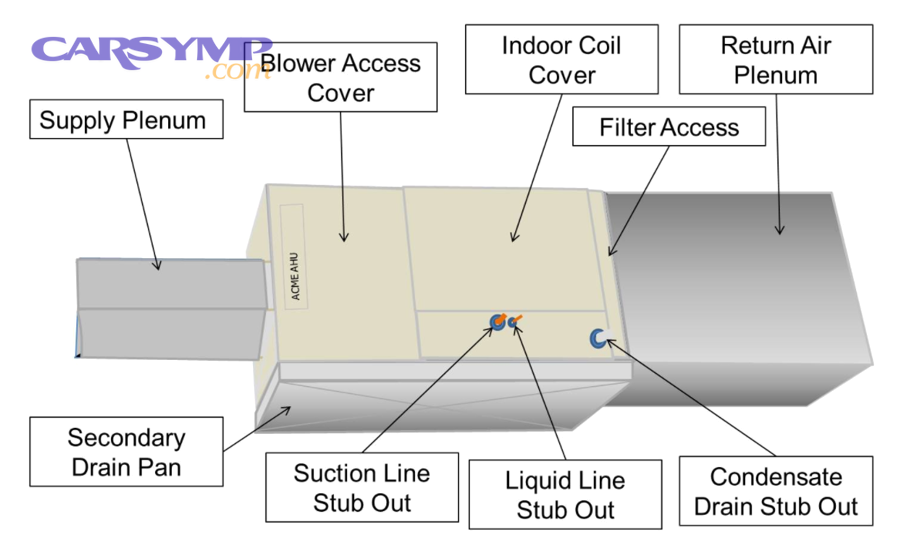
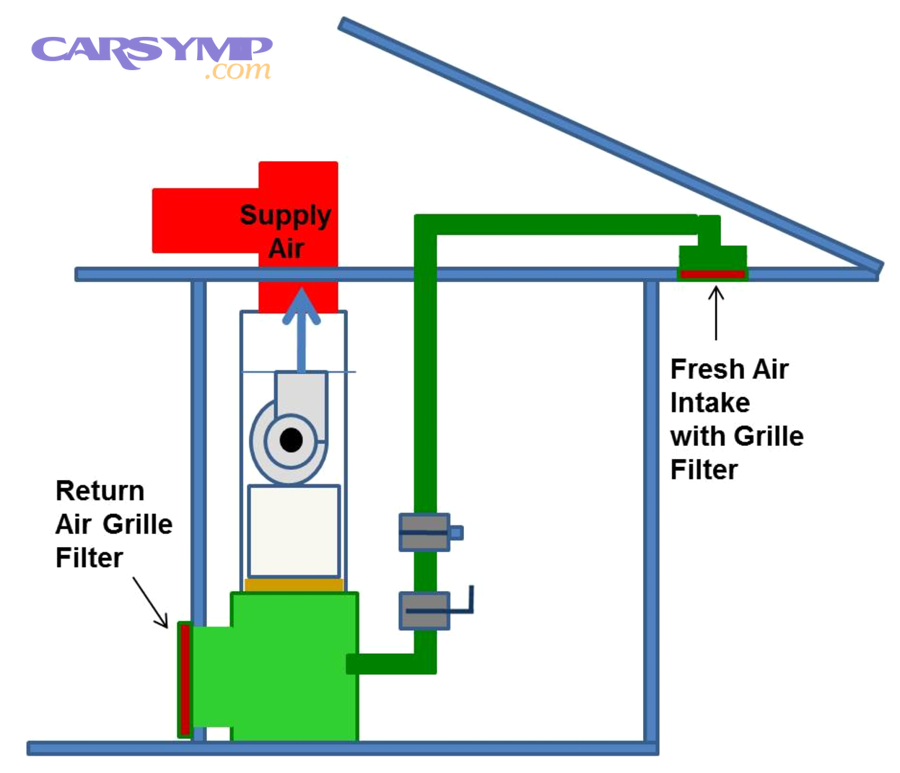
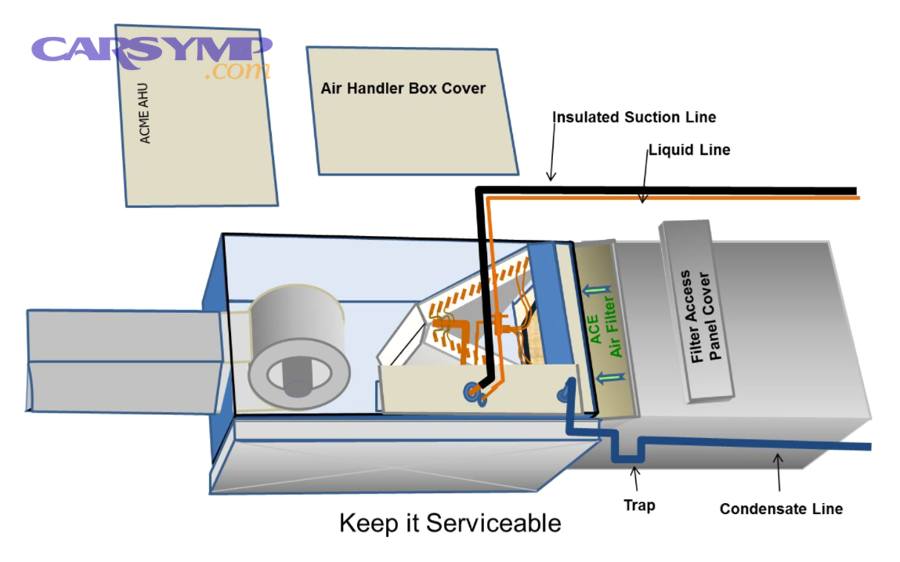
Filter media boxes in HVAC applications must provide airtight sealing between the return air plenum and air handler unit while accommodating significantly larger filters than automotive applications, often 16×25 inches or larger. Inspect the gasket seal where the media box attaches to both the return plenum and air handler, looking for compression, proper alignment, and absence of gaps that would allow return air to bypass the filter entirely. These larger sealing perimeters—often 6-10 feet of total gasket length—require more thorough inspection than compact automotive housings.
Fresh air intake systems that bring outside air into the HVAC system require a separate filter housing at the intake point, creating a second inspection location that automotive applications don’t have. Verify this secondary housing maintains proper sealing, that its filter receives regular changes on the same schedule as the main system filter, and that it’s positioned where access remains possible for maintenance. Fresh air intake filters often accumulate debris faster than main system filters due to direct exposure to outdoor air.
For HVAC systems located in attics, verify permanent walkway installations provide safe access to the housing without requiring homeowners to walk on ceiling joists or unstable surfaces. Many building codes require solid walking surfaces and permanent lighting for attic-mounted HVAC equipment, making these safety features part of proper housing inspection rather than optional considerations. Also check that the filter media box includes a proper access panel with gasket rather than relying on the air handler cabinet door itself for filter access.
Return air plenum design sometimes positions the filter housing horizontally rather than vertically, creating potential for filters to sag or bow under their own weight if not properly supported. Inspect horizontal installations for adequate filter support structures, verify filters don’t show deformation from sagging, and confirm the housing maintains even sealing pressure across the entire filter perimeter despite gravitational loading. This consideration doesn’t apply to automotive housings where filters typically install in vertical or angled orientations.
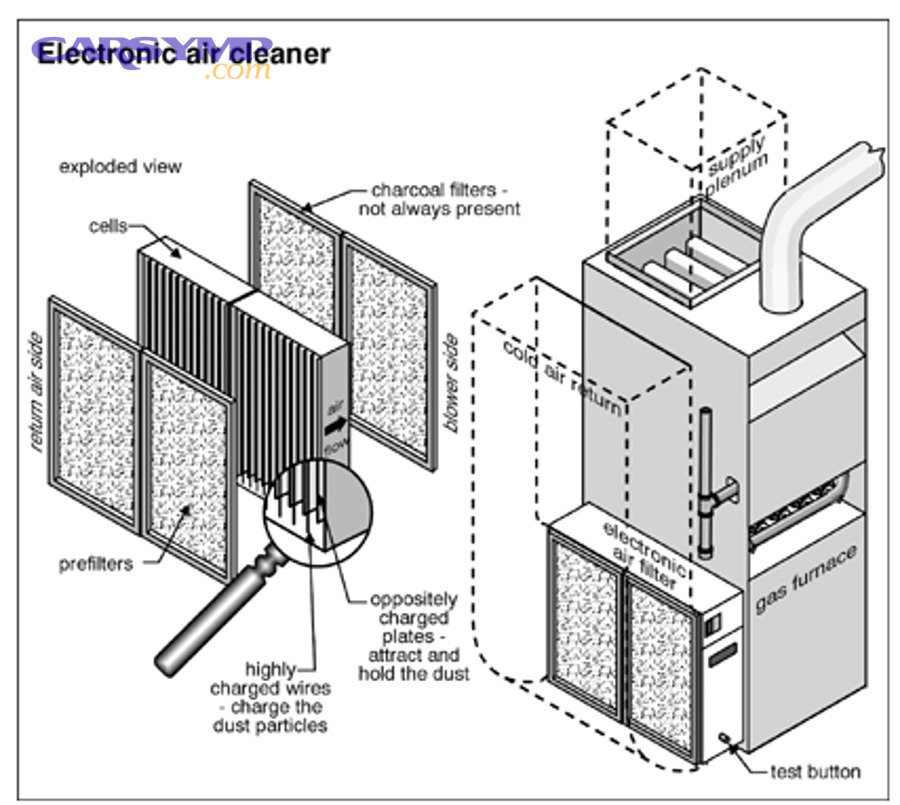
High MERV filters (MERV 11-16) increasingly common in modern HVAC systems create higher pressure drops across the filter, placing greater stress on housing seals and latching mechanisms than lower efficiency filters. Inspect housings used with high MERV filters specifically for seal degradation from the increased pressure differential, verify latches maintain adequate clamping force, and check that the housing was properly designed to handle the airflow restriction these filters create. Using high MERV filters in housings designed for lower efficiency filters can cause seal failure and reduced system performance.
How Often Should You Inspect Housing in Different Applications?
Automotive housing inspection should occur every oil change or every 6 months, whichever comes first, as this interval aligns with existing maintenance schedules and provides adequate frequency to catch developing problems before they cause engine damage. This timing also coincides with filter replacement intervals for most driving conditions, making it convenient to inspect the housing when you already have it open for filter service. Vehicles operated in dusty environments, on unpaved roads, or in severe service conditions benefit from monthly housing inspection to identify accelerated wear.
HVAC system housing inspection follows a monthly schedule if the system operates six months to year-round, you have pets, a large family, or someone with allergies or respiratory conditions lives in the home. Monthly checks allow you to monitor filter loading while verifying the housing maintains proper sealing as seasonal temperature and humidity changes cause expansion and contraction. For systems operating only seasonally, inspect the housing at the beginning of each heating and cooling season before extended runtime begins.
Extreme operating conditions dramatically accelerate housing wear and require more frequent inspection regardless of application type. Vehicles operating at construction sites, road building operations, or agricultural environments should receive weekly housing inspection during periods of active exposure due to the massive dust and debris loads these environments create. Similarly, HVAC systems in new construction or during renovations require weekly inspection and potentially daily filter replacement to prevent construction dust from overwhelming the housing and creating bypass pathways.
After any incident that could affect housing integrity—vehicle impact, engine overheating, HVAC system flooding, or component replacement near the housing—perform immediate inspection regardless of when the last scheduled check occurred. These events can cause hidden damage that rapidly progresses to failure, making timely detection critical for preventing secondary damage to expensive components.
Performance indicators that warrant immediate unscheduled inspection include reduced acceleration, decreased fuel economy, increased engine noise, higher HVAC energy consumption, reduced airflow from vents, or unusual dust accumulation in living spaces. These symptoms often indicate housing seal failure has allowed bypass, creating the efficiency losses and contamination that produce noticeable performance changes. Acting on these early warning signs through immediate housing inspection prevents the minor seal failure from progressing to major engine or system damage.
According to HVAC industry maintenance standards published by ASHRAE in 2024, filter housing inspection frequency directly correlates with system reliability, with monthly inspection intervals reducing unplanned system failures by 65% compared to annual inspection schedules, demonstrating the value of proactive housing maintenance.
What Are Common Mistakes to Avoid During Air Filter Housing Inspection?
Common mistakes during air filter housing inspection include forcing stuck clips that damages brittle plastic, assuming visibly clean filters function properly without checking seals, skipping gasket inspection while focusing only on the filter, failing to check downstream components for contamination, and reusing filters that should be replaced. Avoiding these errors ensures inspection actually identifies problems rather than missing critical warning signs.
Specifically, forcing housing clips or latches that resist opening with normal finger pressure often results in broken tabs, cracked mounting bosses, or fractured latch mechanisms. Plastic housing components become increasingly brittle with age and heat exposure, making them susceptible to fracture when stressed. Instead of forcing stuck latches, identify why they won’t release—often debris, corrosion, or slight misalignment prevents normal operation. Clean the latch mechanism, apply slight inward pressure while releasing to reduce binding, and use gentle rocking motions rather than steady pulling force.
The assumption that physically clean-appearing filters remain effective overlooks that filter efficiency degrades from seal failures, media breakdown, and structural damage that don’t necessarily produce visible dirt on the filter surface. A filter might look relatively clean while the housing seal has failed, allowing unfiltered air to bypass entirely. Always inspect sealing surfaces, gaskets, and downstream components for dust trails that reveal bypass conditions regardless of how clean the filter appears.

Skipping gasket inspection represents a critical oversight because gasket failure produces the same contamination consequences as housing cracks but occurs more frequently and subtly. Gaskets degrade gradually from compression cycling, ozone exposure, and temperature extremes, losing sealing capability without obvious visual evidence. Every housing inspection must include gasket evaluation for compression set, dry-rot, and surface cracking, with immediate replacement when any degradation appears.
Attempting to blow compressed air into paper filter elements to “clean” them actually damages the filter media by rupturing the microscopic fibers that provide filtration effectiveness. While the filter may look cleaner after air blowing, its filtration efficiency has been permanently compromised. Paper filters are designed for replacement, not cleaning—only specific reusable oiled foam or cotton gauze filters can be properly cleaned and reinstalled. Stick to visual inspection methods for disposable filters and replace based on contamination level, never attempt cleaning.
Overlooking aftermarket cold air intake systems during routine inspection creates vulnerability because these systems use different housing configurations, filter types, and maintenance requirements than OEM designs. Aftermarket cone filters typically require cleaning using specific oil-spray kits rather than simple replacement, the housing seals differ from factory designs, and mounting systems may loosen over time from vibration. Treat aftermarket intakes as distinct systems requiring specialized inspection procedures.
Failing to inspect associated intake ducting represents a significant blind spot because cracks in the ducting upstream or downstream from the housing create unfiltered air entry points that bypass the entire filtration system. A perfect housing and new filter provide zero protection when a split intake tube allows air to enter between the housing and engine. Always inspect all intake components as a complete system rather than treating the housing as an isolated component.
Reusing removed filters after inspection, even if they appear clean, introduces contamination risk because handling disturbs the dust cake layer on the filter media and can damage edges or sealing surfaces. Once a filter has been removed from the housing, foreign material from your hands, tools, or the work environment can compromise its cleanliness. The minimal cost of filter replacement compared to potential engine damage makes reuse of questionable filters an unwise economy.
Neglecting to document housing condition during inspection prevents you from tracking degradation patterns over time. Without documentation, you can’t determine if that small crack existed last time or represents new damage, whether warping has progressed, or if a particular latch has become progressively weaker. Simple notes, measurements, or photos during each inspection create a maintenance history that reveals developing problems before they cause failures.
According to automotive repair industry data compiled in 2023, approximately 40% of filter-related engine damage occurs despite regular filter replacement because housing seal failures go undetected during maintenance intervals, demonstrating why comprehensive housing inspection must accompany every filter service rather than focusing solely on the filter element itself.