


Windshield wiper problems fall into two distinct categories: streaking leaves visible water lines and smears on your glass, while chattering produces audible vibration and skipping sounds as the blade moves across the windshield. The key difference lies in how each problem manifests—streaking is primarily a visual issue caused by incomplete water removal, whereas chattering is a mechanical problem characterized by blade judder and noise, though both can severely compromise your visibility and driving safety.
Understanding what causes each type of wiper failure helps you diagnose which specific problem affects your vehicle. Streaking typically results from worn rubber blades, windshield contamination from wax or oil, or hardened blade edges that cannot maintain proper contact with the glass surface. Chattering, on the other hand, stems from incorrect wiper arm angle, excessive or insufficient surface friction, bent wiper arms, or blade rubber that has taken a permanent set in one direction.
Accurate diagnosis requires systematic testing and visual inspection of both your wiper blades and windshield surface. By running your wipers with washer fluid while observing the sound and visual patterns, you can quickly determine whether you’re dealing with streaking, chattering, or a combination of both problems. Each issue demands different repair approaches—streaking often resolves through cleaning or blade replacement, while chattering may require mechanical adjustments to the wiper arm angle or spring tension.
Below, we’ll walk through the complete diagnostic process to identify your specific wiper problem, examine the root causes of both streaking and chattering, and provide step-by-step solutions to restore clear, quiet wiper performance.
What Is the Difference Between Streaking and Chattering Wipers?
Streaking creates visible water lines, smears, and film on your windshield where the blade fails to clear moisture completely, while chattering produces a rapid vibration, bouncing, or skipping sensation accompanied by distinctive noise as the blade stutters across the glass. These two wiper problems have completely different symptoms—you can see streaking but might not hear it, whereas you can always hear and feel chattering even if it still clears some water from your windshield.
To better understand how these problems differ, let’s examine the specific characteristics of each failure mode.
How Do You Visually Identify Streaking on Your Windshield?
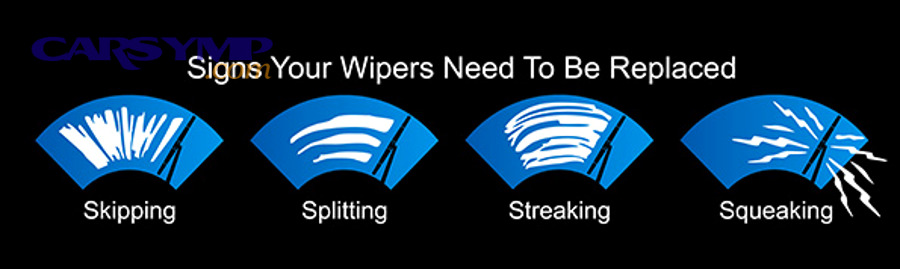
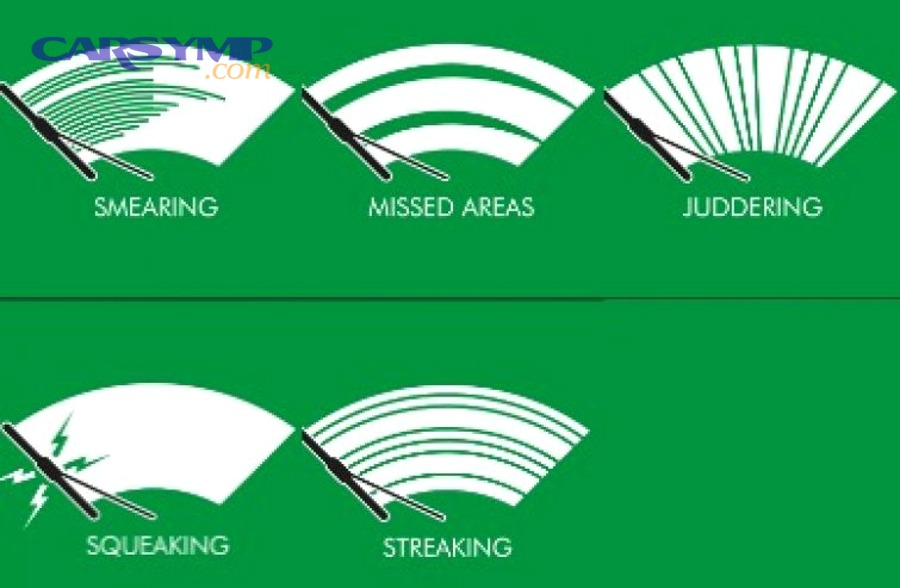
Streaking appears as thin lines of water, smeared film, or residue patterns that remain on your windshield after the wiper blade passes. The most common streak pattern runs vertically in the direction of the wiper sweep, creating parallel lines where the blade edge failed to make complete contact with the glass. You might also notice horizontal streaking across the blade’s travel path when sections of the rubber edge have become damaged or deformed.
Wet streaking occurs immediately during rain when your wipers are actively running, showing clear water lines that persist through multiple wiper cycles. This type indicates the blade cannot clear water efficiently in real-time. Dry streaking becomes visible after the windshield has dried, appearing as residue lines, smudges, or cloudy patches where contaminants were spread rather than removed. When you activate your wipers on a dirty windshield, you’ll see these smear patterns clearly.
The severity of streaking varies from minor thin lines that barely affect visibility to heavy smearing that creates a dangerous haze across your entire field of view. Light streaking might only appear in certain areas where blade contact is weakest, while severe streaking can leave large sections of the windshield covered in water film. Both wet and dry streaking patterns connect directly to blade contact failure—when the rubber edge cannot maintain consistent pressure against the glass surface, water and contaminants remain behind.
How Do You Recognize Chattering by Sound and Feel?
Chattering produces a characteristic rapid vibration that you can both hear and feel through the windshield and wiper mechanism. The sound resembles a stuttering or juddering noise—often described as a “chatter” or “chatter-chatter-chatter”—that occurs rhythmically as the blade travels across the glass. This noise can range from a light tapping to a harsh scraping sound depending on severity, and unlike streaking, chattering announces itself immediately through audible feedback.
The tactile sensation of chattering feels like the blade is skipping, bouncing, or hopping across the windshield surface rather than gliding smoothly. You may feel this vibration through the steering wheel, windshield frame, or even the entire cabin depending on how severe the chattering has become. The blade appears to lose grip momentarily, then catch again, creating a repetitive pattern of stick-slip motion rather than continuous smooth travel.
Chattering frequency varies based on the underlying cause and wiper speed setting. Continuous chattering maintains a steady rhythm throughout the entire wiper sweep, indicating a systemic problem like incorrect blade angle or surface contamination. Intermittent chattering only occurs in certain sections of the windshield or at specific points in the wiper arc, suggesting localized issues such as a bent wiper arm or damaged blade section. Some vehicles experience chattering in only one direction—either the upstroke or downstroke—which specifically indicates the blade cannot trail properly behind the wiper arm due to angular misalignment.
The connection between chattering and blade grip problems becomes clear when you understand the physics: the rubber blade must maintain sliding friction against the glass. When that friction becomes too high (dry glass, excessive pressure) or when the blade cannot flex properly to trail the arm (wrong angle, hardened rubber), the blade grabs and releases repeatedly instead of gliding smoothly, creating the distinctive chatter sound and sensation.
What Causes Windshield Wipers to Streak?
Windshield wipers streak due to worn or damaged blade rubber, windshield contamination from wax or oil, environmental buildup, or glass surface damage that prevents proper blade contact. Streaking develops when the blade edge can no longer maintain the clean, consistent contact necessary to squeegee water completely off the glass surface, leaving behind visible water lines and smeared residue.
Understanding the specific causes helps you target the right solution, whether that’s cleaning, blade replacement, or addressing underlying windshield issues.
Are Worn or Damaged Wiper Blades Causing Your Streaking?
Wiper blade rubber degrades through constant exposure to ultraviolet radiation, ozone, extreme temperatures, and physical wear from friction against the windshield. The rubber compound gradually hardens, losing the flexibility and softness required to conform to the glass curvature and maintain edge contact. Hard rubber cannot flex properly as the blade travels across the curved windshield, creating gaps where water escapes and forms streaks.
Cracking appears as small splits or fissures in the rubber, typically starting along the wiping edge where stress concentrates. These cracks disrupt the smooth edge profile that’s essential for clean water removal—even tiny cracks allow water to leak through and create streak lines. As cracking progresses, larger splits develop and pieces of rubber may tear away completely, leaving obvious gaps in the blade. Splitting differs from cracking in that the rubber separates into distinct layers or sections rather than just forming surface fissures.
Tearing occurs when chunks of rubber physically rip away from the blade, often at attachment points or along damaged sections. Edge deformation happens when the critical wiping edge loses its precise angle or develops waves, curls, or flat spots instead of maintaining the sharp, straight profile needed for effective squeegee action. These deformations prevent uniform contact pressure distribution, causing the blade to skip over certain areas while pressing too hard on others.
The rubber replacement timeline typically ranges from six to twelve months under normal conditions, though this varies significantly based on climate and usage. Vehicles in intense sun exposure, extreme cold, or high-pollution environments experience faster rubber degradation. If you notice your blade rubber feels stiff when you flex it with your fingers, shows visible cracks or tears, or has lost its original black color and turned grayish, replacement time has arrived regardless of the calendar.
Is Your Windshield Contamination Creating Streaks?
Windshield contamination from various sources creates a barrier between the blade rubber and glass that prevents proper water removal and causes streak patterns. Common contaminants include road dirt and dust that accumulates as a film, dead insect residue that bonds to the glass, tree sap that creates sticky spots, road oil and diesel exhaust that form an oily haze, and industrial fallout in urban or manufacturing areas.
Automatic car wash wax represents one of the most problematic contamination sources because the equipment applies wax indiscriminately to the entire vehicle including the windshield. Unlike hand-applied wax where you can carefully avoid the glass, automatic car wash systems spray wax directly onto your windshield, creating a hydrophobic coating that interferes with wiper blade function. The blade cannot maintain proper friction against the waxy surface, causing it to skip and leave streaks rather than gliding smoothly.
Water-repellent coatings like Rain-X, Aquapel, and ceramic glass treatments deliberately modify the windshield surface to cause water beading and sheeting. While these products can reduce the need for wipers in light rain, they often create chattering and streaking problems because they fundamentally change the friction characteristics between blade rubber and glass. The blade designed to work on untreated glass now encounters a slippery, low-friction surface that disrupts its normal squeegee action, resulting in skipping, chattering, and incomplete water removal.
Glass surface pitting and etching develop over time from windshield wiper friction, airborne debris impacts, and chemical exposure. These microscopic surface imperfections create a rough texture that prevents the blade edge from making smooth, continuous contact. Even when the blade itself is new and the windshield appears clean, pitted or etched glass causes persistent streaking because the damaged surface cannot support proper blade gliding. This type of streaking represents a permanent condition requiring windshield replacement rather than simple cleaning or blade replacement, making it the most serious contamination-related issue.

What Causes Windshield Wipers to Chatter?
Windshield wipers chatter primarily due to incorrect wiper arm angle that prevents the blade from trailing properly, contaminated or overly clean windshield surfaces that create improper friction, bent wiper arms, or insufficient moisture on the glass. Chattering develops when the blade cannot maintain smooth sliding motion and instead experiences stick-slip behavior where it alternately grabs and releases the glass surface.
Let’s examine the mechanical and surface-related factors that trigger this annoying and potentially damaging problem.
Is Incorrect Wiper Arm Angle Causing the Chatter?
The wiper blade rubber must contact the windshield at exactly ninety degrees (perpendicular) to function properly, creating the correct geometry for the blade to trail behind the wiper arm as it sweeps. When the blade is perpendicular, it can flex slightly in the direction opposite to travel, maintaining consistent contact pressure while allowing smooth sliding motion. If the arm angle deviates from perpendicular—even by just a few degrees—the blade cannot trail properly and instead leads the arm, causing it to grab, stick, and chatter.
Wiper arm twist occurs when the metal arm develops a rotational deformation around its lengthwise axis. This twist changes the angle at which the blade contacts the glass, making it non-perpendicular. The most common twist pattern causes directional chattering where the blade chatters during either the upstroke or downstroke but not both directions. If your wipers chatter only when moving up the windshield but run smoothly coming down (or vice versa), wiper arm twist is the likely culprit. The rubber can trail properly in one direction but leads the arm in the opposite direction due to the twisted geometry.
Wiper arm bend differs from twist—instead of rotational deformation, the arm has physical curvature or bowing that prevents the blade from making full, even contact with the windshield. A bent arm holds the blade at an incorrect distance from the glass along part of its length, creating uneven pressure distribution. Some sections press too hard while others barely touch, resulting in chattering, skipping, and incomplete coverage. Bent arms often result from ice scraping damage, car wash equipment contact, or excessive force applied when lifting the arm away from the windshield.
Wiper arm spring tension controls how firmly the blade presses against the windshield. Insufficient spring tension allows the blade to bounce and skip across the glass rather than maintaining steady contact pressure, especially at higher vehicle speeds where wind resistance tries to lift the blade. Weak springs typically develop as the metal spring fatigues over time or if the spring mechanism becomes corroded and loses flexibility. You can sometimes diagnose weak spring tension by lifting the wiper arm away from the windshield—it should snap back firmly with significant force, not drift down gently.
Can Windshield Surface Issues Cause Chattering?
Clean glass creates a surprisingly high friction coefficient between the rubber blade and glass surface, which can paradoxically cause chattering rather than smooth wiping. When the windshield is extremely clean—free of all oils, dirt, and residues—the rubber blade encounters excessive grip or “grab” against the glass. This high friction prevents smooth sliding motion, causing the blade to stick momentarily before breaking free with a sudden release, then sticking again in a repetitive pattern that produces the characteristic chatter sound and vibration.
Water-repellent coatings create the opposite problem by reducing friction too much. Products like Rain-X and ceramic coatings make the windshield surface very slippery, which sounds beneficial but actually disrupts the delicate friction balance required for proper wiper operation. The blade designed for normal glass friction now encounters a low-friction, slippery surface where it cannot maintain consistent grip. Instead of smooth sliding, the blade experiences unpredictable traction variations—sometimes gripping, sometimes slipping—leading to chattering, skipping, and incomplete water removal.
Insufficient moisture on the windshield represents one of the most common chattering triggers. Wiper blades require a thin water film to act as a lubricant between the rubber and glass, reducing friction to a level that permits smooth gliding. When you activate wipers on a barely damp or nearly dry windshield, the lack of lubrication creates excessive friction and the blade chatters violently. This explains why wipers often chatter when you first turn them on as light rain begins—there’s not yet enough water to provide adequate lubrication. The solution is always using windshield washer fluid liberally, especially when activating wipers on a lightly dampened windshield.
Temperature effects significantly influence chattering behavior. Ice on the windshield—even microscopic ice crystals you cannot see—creates an extremely high-friction surface that causes severe chattering and can damage blade rubber. Frozen rubber blades lose flexibility and cannot conform to the glass curvature, making proper contact impossible and chattering inevitable. Extreme heat causes the opposite problem by softening the rubber excessively, allowing it to deform and stick to the hot glass surface rather than sliding smoothly. Cold weather in general makes rubber harder and less flexible, increasing chattering tendency even without ice present.
How Do You Diagnose Which Problem You Have?
To diagnose whether you have streaking, chattering, or both, run your wipers with washer fluid while observing the sound (listen for vibration and noise) and visual results (look for water lines and incomplete clearing), then inspect your wiper blades for physical damage and test the wiper arm angle. This systematic diagnostic approach identifies the specific problem and its severity within minutes.
Following a structured testing protocol ensures you accurately identify the root cause rather than guessing.
What Is the Simple Test for Streaking vs. Chattering?
The washer fluid test protocol provides the most reliable diagnostic information because it simulates actual wiper operation under proper lubrication conditions. Start with your vehicle stationary and the windshield dirty but not excessively so. Activate your windshield washer to spray fluid generously, then turn on your wipers at normal speed (not high speed, which can mask some symptoms). Observe and listen carefully through three complete wiper cycles.
Listen for any chattering, vibration, squeaking, or abnormal noise as the blades travel across the windshield. Chattering produces an obvious rapid tapping or stuttering sound, while squeaking creates a higher-pitched rubbing noise. Note whether the sound occurs throughout the entire wiper stroke or only in certain sections, and whether it happens in both directions or just the upstroke or downstroke. Consistent noise throughout the stroke suggests surface or blade issues, while directional noise indicates wiper arm angle problems.
Observe the visual results by watching the water film patterns as the blades sweep and examining the windshield after the wipers stop. Streaking appears as water lines, smears, or wet patches that persist after the blade passes. Note where streaking occurs—does it cover the entire windshield, appear only in certain areas, or concentrate at the beginning or end of the wiper arc? Extensive streaking across the full sweep suggests worn blades or severe contamination, while localized streaking points to partial blade damage or contamination in specific areas.
Create a simple sound and visual results matrix to categorize your problem:
- No noise + No streaks = Wipers functioning normally
- No noise + Streaks present = Pure streaking problem (blade wear or contamination)
- Chattering noise + No streaks = Pure chattering problem (angle or surface friction)
- Chattering noise + Streaks present = Combined problem (requires multiple fixes)
The combined problem scenario is actually quite common—worn blades often chatter AND streak because the damaged rubber cannot maintain proper contact or angle. In these cases, start by replacing the blades since that addresses both issues, then evaluate whether chattering persists after replacement, which would indicate wiper arm angle problems.
Severity determination helps you decide whether immediate replacement is necessary or if cleaning attempts are worthwhile. Minor symptoms—light streaking visible only in certain lighting, occasional slight chatter at low speeds—suggest cleaning and adjustment may resolve the issue. Moderate symptoms—clear streaking that impairs visibility in rain, consistent chattering that’s annoying but not severe—indicate blade replacement is likely needed soon. Severe symptoms—heavy streaking that makes driving unsafe, violent chattering that shakes the wiper assembly, visible blade damage—demand immediate blade replacement before driving in inclement weather.
How Do You Inspect Your Wiper Blades for Damage?
Visual inspection provides critical diagnostic information about blade condition and helps you decide whether cleaning or replacement is necessary. Lift each wiper arm away from the windshield and position the blade so you can examine the rubber edge closely. Look for cracks running perpendicular to the blade length, tears where rubber has separated or ripped away, hardness that makes the rubber feel stiff rather than flexible, and deformation where the edge has curled, split into layers, or developed waves instead of remaining straight.
The physical flexibility test checks whether the rubber retains the suppleness required for proper windshield conformance. Grasp the blade near its center and gently flex it back and forth. Healthy rubber should bend easily and spring back to its original shape immediately. Stiff rubber that resists bending or rubber that remains partially deformed after flexing has degraded and will cause streaking and chattering. Also run your finger along the wiping edge—it should feel smooth and slightly soft, not rough, brittle, or crusty.
Edge straightness verification examines whether the critical wiping edge maintains its precise geometry. Hold the blade up to eye level and sight along its length. The edge should appear as a perfectly straight line without waves, curves, bulges, or indentations. Any deviation from perfect straightness means the blade cannot maintain uniform contact pressure across its entire length, resulting in gaps where water escapes and creates streaks. Even minor edge irregularities visible to the naked eye indicate replacement is needed.
Frame and arm alignment check identifies mechanical issues beyond just rubber damage. With the wiper arm lifted, observe whether the blade hangs perpendicular to the arm or angles off to one side, indicating a bent frame or attachment point. Grasp the blade and try to wiggle it side-to-side—excessive play suggests worn attachment hardware or a damaged frame that cannot hold the blade firmly. Lower the arm slowly back to the windshield and verify that the blade makes full contact across its entire length rather than touching only at the ends or middle, which would indicate arm bend or incorrect blade curvature for your windshield.

How Do You Fix Streaking Wiper Blades?
Streaking wiper blades are fixed through windshield and blade cleaning using glass cleaner and rubbing alcohol, or blade replacement when rubber damage is irreparable, following a progressive troubleshooting approach from least to most expensive solutions. Start with thorough cleaning since contamination causes many streaking problems, then move to replacement if cleaning fails to resolve the issue.

This progressive approach saves money by eliminating simple contamination issues before investing in new blades.
What Cleaning Methods Fix Streaking?
Windshield deep cleaning removes the contamination that prevents proper blade contact and water removal. Begin by washing the entire windshield with automotive glass cleaner or a mixture of isopropyl alcohol and water (50/50 ratio), using a microfiber cloth to scrub the surface thoroughly. Pay special attention to areas where wipers travel, ensuring you remove all visible dirt, bugs, and residue. For stubborn contamination like tree sap, wax, or road tar, use a clay bar designed for automotive glass, gently rubbing it across the surface with lubricant to lift embedded contaminants that ordinary cleaners cannot remove.
After washing, perform a final wipe with isopropyl alcohol on a clean microfiber cloth to remove any remaining residue and ensure a perfectly clean surface. The alcohol evaporates quickly without leaving streaks or film, creating the ideal surface for testing whether cleaning resolved the problem. Avoid household glass cleaners containing ammonia, which can damage tinted windows and create additional streaking issues. Never use abrasive cleaners or rough materials that could scratch the glass.
Wiper blade rubber cleaning tackles contamination on the blades themselves, which accumulates from road grime, windshield treatments, and degraded rubber particles. Mix warm water with a small amount of dish soap, then dip a soft cloth into the solution and wipe both sides of each blade rubber, running the cloth along the entire length. Pay special attention to the critical wiping edge, ensuring you remove all visible dirt and buildup.
For deeper cleaning, apply rubbing alcohol directly to a clean cloth and wipe down the blade rubber, which removes oils and sticky residues that soapy water might miss. Some mechanics recommend using the alcohol-dampened cloth to firmly squeeze and pull along the blade edge, ensuring the alcohol penetrates into any cracks or crevices where contamination hides. Let the rubber air dry completely before testing—alcohol evaporates quickly, usually within a minute or two.
Contaminant removal for wax, oil, and sap requires targeted approaches for each substance type. Windshield wax from car washes proves particularly stubborn—standard cleaners often cannot remove it completely. Use a dedicated wax remover or a mixture of white vinegar and water (25% vinegar, 75% water), applying it generously and allowing it to sit for several minutes before scrubbing with a microfiber cloth. Multiple applications may be necessary for heavy wax buildup. The vinegar’s acidity helps break down the wax polymers.
Oil and diesel film require degreasing agents—isopropyl alcohol works well, as do specialized automotive glass degreasers. Apply the degreaser, let it sit briefly to dissolve the oil, then wipe clean with a fresh microfiber cloth. Tree sap responds to either commercial sap removers or common household solutions like peanut butter (yes, really) or cooking oil, which dissolve the sticky sap. Apply your chosen sap remover, let it work for a few minutes, then wipe clean and follow with alcohol to remove any oily residue.
When cleaning won’t work becomes apparent through testing—if you’ve thoroughly cleaned both windshield and blades but streaking persists, the rubber has sustained physical damage that cleaning cannot repair. Visible cracks, tears, hardening, or edge deformation mean the blade structure itself is compromised. No amount of cleaning restores flexibility to hardened rubber or repairs split edges. At this point, replacement is the only solution, and continuing to use damaged blades not only leaves your vision impaired but can also scratch your windshield as damaged rubber exposes harder backing materials or frame edges.
When Should You Replace Streaking Wiper Blades?
Irreparable blade damage indicators include visible cracks longer than a quarter-inch, any tears or missing rubber sections, rubber that feels stiff or brittle when flexed, complete loss of original shape or edge profile, and persistent streaking after thorough cleaning of both windshield and blades. Once these conditions exist, replacement becomes mandatory rather than optional, as damaged blades cannot perform their critical safety function regardless of how clean the windshield is.
Additional replacement indicators include age beyond twelve months even without visible damage (rubber degrades internally from UV and ozone exposure), chattering that persists after cleaning and arm adjustment, or blade rubber that has turned gray or whitish instead of remaining black (indicating severe weathering). If the rubber peels away in layers or chunks when you clean it, immediate replacement is required.
Blade replacement versus refill options present a choice between replacing the entire wiper assembly or just the rubber insert. Complete blade replacement involves removing the entire wiper arm assembly and installing a brand-new blade with fresh rubber, frame, and attachments. This option costs more ($15-40 per blade depending on quality) but guarantees all components are new and properly matched. Refill replacement means keeping your existing blade frame and only replacing the rubber insert strip, which costs less ($5-15 per blade) but requires compatible refills and assumes your frame remains undamaged.
Most automotive professionals recommend complete blade replacement rather than refills for several reasons. Refills prove difficult to install correctly, with the rubber often not seating properly in the frame channels. Finding the correct refill size and style for your specific blade frame can be challenging, as not all frames accept universal refills. If your frame has any damage, age-related wear, or spring tension loss, installing new rubber into a compromised frame won’t solve performance problems. The labor time required to correctly install refills often negates the cost savings, especially if you need to attempt installation multiple times.
Brand and quality recommendations prioritize proven performance over price. Premium brands like Bosch Icon, Rain-X Latitude, and Michelin Stealth deliver superior performance and longevity through better rubber compounds, advanced frame designs, and quality control. These blades typically cost $20-40 each but last longer and perform better throughout their service life. Mid-tier brands like ANCO, Trico, and Valeo offer good value at $12-25 per blade, providing reliable performance without premium pricing.
OEM (Original Equipment Manufacturer) blades from your vehicle’s manufacturer ensure perfect compatibility and often match or exceed premium aftermarket quality, though at premium pricing. Budget blades under $10 each rarely deliver satisfactory performance or longevity—the rubber compounds degrade quickly, frames bend easily, and they often chatter or streak from the moment of installation. For a safety-critical component, investing in quality blades makes sense.
Proper installation verification prevents common installation errors that cause immediate streaking or chattering with brand-new blades. After installing new blades, visually confirm that each blade sits flush against the windshield across its entire length, with no gaps at the ends or middle. The blade should not wobble or exhibit excessive play when you gently move it side-to-side. Check that the attachment mechanism (hook, pin, bayonet, or other connector type) has fully engaged and locked—you should hear or feel a definitive click when the blade seats properly.
Before driving, test the new blades by spraying washer fluid and running through several wiper cycles while stationary. New blades should operate silently or nearly so, with no chattering, squeaking, or vibration. They should clear water completely without streaking on the first pass. If new blades chatter or streak immediately, you’ve either installed them incorrectly, purchased the wrong size or style for your vehicle, or have underlying wiper arm problems that blade replacement alone cannot fix.
How Do You Fix Chattering Wiper Blades?
Chattering wiper blades are fixed by adjusting the wiper arm angle to perpendicular using pliers or wrench, increasing spring tension, removing windshield coatings that create improper friction, or replacing blades with better designs. The specific fix depends on the root cause—mechanical issues require arm adjustment, while surface issues need coating removal or blade design changes.
Identifying whether your chattering stems from mechanical or surface causes determines the appropriate repair approach.
How Do You Adjust Wiper Arm Angle to Stop Chattering?
The perpendicularity adjustment procedure corrects wiper arm twist that prevents the blade from contacting the windshield at the required ninety-degree angle. Start by determining which direction the blade needs adjustment—if chattering occurs only on the downstroke, the arm needs clockwise twist (viewed from the front of the vehicle); if chattering happens only on the upstroke, counterclockwise twist is required. Continuous chattering in both directions usually means the blade needs to be rotated to find the perpendicular angle.
Protect the wiper arm finish by wrapping the section you’ll grip with masking tape or a soft cloth. Use an adjustable wrench or small crescent wrench, adjusting the jaws to grip the wiper arm firmly about two-thirds of the way from the base toward the blade. Apply steady twisting force in small increments—perhaps ten to fifteen degrees at a time—checking the results after each adjustment by lowering the arm to the windshield and observing whether the blade sits more perpendicular.
The wiper arm twisting technique requires patience and restraint to avoid over-correcting. The spring steel construction of most wiper arms allows considerable twisting without permanent damage, but excessive force can bend or break the arm. Make small adjustments, test the results by running the wipers with fluid, and repeat as necessary. You may need to twist more than you expect—sometimes thirty to forty-five degrees of twist in the arm translates to just a few degrees of change in blade angle due to the mechanical leverage involved.
For directional chattering, the fix often requires only slight adjustment. Run your wipers and carefully observe which part of the stroke produces chatter. Stop the wipers mid-stroke where chattering occurs and examine the blade angle visually. If the blade appears to lean toward the direction of travel rather than trailing behind the arm, you’ve confirmed the problem and know which way to twist for correction.
Spring tension increase methods address weak wiper arm springs that allow the blade to bounce and chatter rather than maintaining firm contact. The cable tie technique provides a quick temporary fix: loop a cable tie through one coil of the wiper arm spring (if the spring is externally accessible), pulling it tight to compress the spring slightly and increase tension by approximately three to five percent. This adds just enough pressure to eliminate light chattering without over-stressing the blade or windshield.
For more permanent spring tension increase, some wiper arm designs allow spring replacement or adjustment through a tension screw at the arm base. Consult your vehicle’s service manual to determine if this option exists for your model. If the spring has become severely weakened through age or corrosion, complete wiper arm replacement represents the most reliable solution, ensuring proper spring characteristics and eliminating the underlying cause of tension loss.
Arm bending correction for bent frames requires careful observation and gentle reformation. Lay a straightedge along the wiper arm to identify exactly where bending has occurred—most bends happen near the pivot point or at the elbow where the arm changes angle toward the blade. Use large adjustable pliers or a specialized bending tool to carefully reshape the arm, making very small corrections and checking alignment frequently. Metal fatigue from previous bending may weaken the arm, so if you cannot achieve proper alignment with gentle pressure, replacement becomes necessary rather than risking arm breakage during use.
Some modern wiper arms use composite materials or complex geometry that makes field adjustment impractical or impossible. These designs require complete arm replacement when bent or when spring tension degrades. Always compare the cost and complexity of adjustment attempts against the straightforward solution of purchasing new wiper arms, which typically cost $15-40 each and come with fresh springs and perfect geometry.

What Other Solutions Fix Wiper Chattering?
Blade replacement for rubber “set” problems addresses the permanent deformation that occurs when wiper blade rubber remains in one position for extended periods, typically while parked in hot sun. The rubber develops a “memory” of the parked position, causing it to resist flexing in the opposite direction when the wipers run. This creates directional chattering—the blade trails properly in one direction but leads the arm in the opposite direction, grabbing and chattering instead of gliding smoothly.
New blades with fresh, undeformed rubber immediately resolve set-related chattering. The new rubber has no positional memory and flexes equally well in both directions, allowing proper trailing behavior throughout the complete wiper arc. While you could theoretically reverse the blade to “train” the rubber in the opposite direction, this rarely works effectively and new blades cost little enough that attempting workarounds makes no practical sense.
Windshield treatment adjustment requires removing products like Rain-X, Aquapel, ceramic coatings, or car wash wax that alter surface friction characteristics. These treatments create a slippery, hydrophobic surface that disrupts the delicate friction balance required for smooth wiper operation. The blade encounters unpredictable grip variations—sometimes excessive slip, sometimes sudden grab—producing chattering and skipping instead of controlled sliding.
Remove Rain-X and similar treatments by scrubbing the windshield with a mixture of white vinegar and water (25% vinegar), using a clean microfiber cloth or fine steel wool (0000 grade) with gentle pressure. The vinegar’s acidity helps break down the polymer coating, while the fine abrasive action of the steel wool removes the surface layer without scratching the glass. Multiple applications may be necessary for long-lasting treatments or ceramic coatings. After removal, clean with isopropyl alcohol to verify you’ve restored the windshield to its original surface characteristics.
Car wash wax removal follows similar procedures—vinegar solution scrubbing followed by alcohol wipe-down. Some mechanics recommend using a clay bar to mechanically lift wax residue, providing more aggressive cleaning than chemical methods alone. Once you’ve removed the offending treatment, test your wipers before deciding whether to apply any new treatments. If you must use a water-repellent product, consider applying it only to the side windows and rear windshield, leaving the front windshield untreated to ensure optimal wiper performance.
Blade design change from conventional to beam blades offers a solution when your windshield curvature or vehicle-specific characteristics cause chattering with certain blade types. Conventional blades use a metal framework with multiple pressure points, which works well on relatively flat windshields but can cause chattering on highly curved modern windshields. Beam blades use a single curved spring steel strip that conforms to windshield curvature more effectively, distributing pressure evenly and reducing chattering tendency.
Hybrid blades combine features of both designs, offering the aerodynamic benefits of beam blades with the structural support of conventional frames. If conventional blades chatter on your vehicle, try beam or hybrid designs from quality manufacturers like Bosch Icon, Rain-X Latitude, or Michelin Stealth. The improved windshield conformance often eliminates chattering completely, even when conventional blades of the same brand and quality fail.
Some vehicles simply perform better with specific blade designs due to windshield curvature, wiper arm geometry, or aerodynamic factors. Online owner forums for your specific vehicle make/model often reveal which blade types work best, saving you trial-and-error experimentation. When brand and quality are equal, blade design matching to your specific application determines success.
Professional arm replacement becomes necessary when DIY adjustment attempts fail, when the arm has sustained damage beyond field repair, or when internal spring mechanisms have failed. Professional technicians have specialized tools for precise angle adjustment, spring tension measurement, and arm alignment that ensure correct installation and optimal performance. They can also diagnose whether chattering stems from arm problems or other system issues like motor timing or linkage wear.
Wiper blade replacement cost versus DIY savings varies from $30-80 per arm for parts, with labor adding another $30-60 depending on vehicle complexity and shop rates. Some vehicles require removing cowl panels or other trim to access wiper arm mounting bolts, increasing labor time and cost. However, professional installation ensures correct arm angle, proper torque on mounting hardware, and verification that the complete wiper system functions correctly after replacement.
How Can You Prevent Streaking and Chattering Wiper Problems?
You can prevent streaking and chattering through monthly blade and windshield cleaning, seasonal blade replacement, avoiding direct sun exposure, and using quality washer fluid liberally. Proactive maintenance costs minimal time and money compared to the safety risks and replacement expenses that result from neglecting your wiper system.

Prevention strategies keep your wipers functioning optimally and extend blade service life significantly.
What Regular Maintenance Prevents Wiper Blade Failure?
Monthly cleaning routine for blades and windshield takes just ten minutes but dramatically extends blade life and maintains performance. At the beginning of each month, lift your wiper arms and thoroughly clean the windshield with automotive glass cleaner and a microfiber cloth, removing all accumulated dirt, bugs, pollen, and road film. Clean both the inside and outside of the windshield since interior contamination from dashboard off-gassing can transfer to the exterior through temperature cycling.
Wipe down each wiper blade rubber using a cloth dampened with soapy water, running the cloth along the entire blade length and both sides of the rubber. Follow the soapy water wipe with a rubbing alcohol wipe to remove any oils or sticky residues. This simple cleaning prevents contamination buildup that causes premature rubber degradation and performance problems. Clean the wiper arm cowl area where blades rest when not in use—dirt accumulating here transfers to the blades and windshield.
Seasonal blade swapping strategy recognizes that different rubber compounds and blade designs perform better in specific temperature ranges and weather conditions. Winter blades feature a rubber boot or solid frame that prevents ice and snow accumulation in the blade structure, maintaining flexibility and contact in freezing conditions. The rubber compound remains pliable at low temperatures where standard blades harden and fail. Install winter blades in late fall before freezing weather arrives, typically October or November in most climates.
Summer blades use a different rubber compound optimized for hot weather performance and UV resistance. They often feature ventilated frames that prevent lift at highway speeds during summer driving. Swap to summer blades in spring (March or April) after the risk of freezing weather has passed. This seasonal rotation ensures you always have blades optimized for current conditions, preventing the common problem where all-season blades work acceptably in mild weather but fail in temperature extremes.
Parking considerations significantly impact blade longevity. Direct sun exposure accelerates rubber degradation through UV radiation and heat, causing hardening, cracking, and loss of flexibility. Whenever possible, park in shaded areas, covered parking, or use a windshield sunshade to protect both the glass and wiper blades from prolonged sun exposure. In winter, avoid parking under trees that drop ice or heavy snow loads onto your windshield—falling ice can damage blade rubber or bend wiper arms.
Tree sap from certain species (pines, maples, sweet gum) creates sticky deposits on windshields that bond to glass and blade rubber, causing both contamination and physical damage as the hardened sap acts like an abrasive. If you must park under trees regularly, plan on more frequent windshield cleaning and expect shorter blade life. Consider using a car cover if long-term tree parking is unavoidable.
Proper washer fluid use prevents many wiper problems and extends blade life. Always activate your washer fluid before starting your wipers, especially on a dry or lightly dampened windshield. The fluid provides essential lubrication that reduces friction and prevents chattering, while simultaneously helping to clean the glass and flush away abrasive particles that could scratch the surface. Never run wipers on a dry windshield—this causes excessive friction that wears rubber rapidly, creates chattering, and can damage both blades and glass.
Use quality washer fluid rated for your climate rather than plain water. Proper washer fluid contains detergents that break down bugs, road film, and contaminants more effectively than water alone. It includes antifreeze components that prevent freezing in cold weather, and some formulations add water-repellent or streak-free agents. The minimal cost difference between quality fluid and cheap substitutes delivers significant performance benefits. Refill your washer reservoir regularly—running out of fluid when you need it most (during a muddy road spray or sudden rain) forces you to run wipers dry, causing immediate damage.
Which Wiper Blade Types Resist Streaking and Chattering?
Conventional, beam, and hybrid blade designs each offer distinct advantages for preventing specific wiper problems. Conventional blades use a metal framework with four to eight pressure points connected by hinges, distributing contact pressure across the blade length through discrete contact areas. This design works well on relatively flat windshields common on older vehicles and some trucks, providing reliable performance at the lowest cost ($8-15 per blade). However, conventional blades struggle with highly curved modern windshields, where the rigid frame cannot conform to complex curvature, causing streaking gaps and chattering on raised sections.
Beam blades eliminate the articulated framework entirely, using a single curved spring steel strip that provides continuous, even pressure distribution across the entire blade length. This design conforms to windshield curvature more effectively than conventional blades, reducing streaking from incomplete contact and minimizing chattering through consistent pressure. The one-piece construction also resists ice and snow buildup since there are no frame joints where frozen precipitation can accumulate. Beam blades cost more ($15-30 per blade) but deliver superior performance on modern curved windshields and in winter conditions.
Hybrid blades combine a conventional-style frame for structural support with a protective shell similar to beam blade design, attempting to capture the benefits of both approaches. The frame provides stable pressure distribution while the aerodynamic shell reduces wind lift at highway speeds and prevents ice accumulation. Hybrid blades ($15-25 per blade) work well as an all-around choice for vehicles where neither conventional nor beam blades excel.
Material differences between natural rubber, synthetic rubber, and silicone significantly affect blade longevity and performance. Natural rubber provides excellent initial wiping performance with good flexibility and proper friction characteristics but degrades relatively quickly from UV exposure and ozone, typically lasting six to nine months. Synthetic rubber compounds offer improved UV and ozone resistance, extending service life to twelve to eighteen months while maintaining good wiping performance. Some premium blades use proprietary synthetic compounds designed for specific performance characteristics.
Silicone wiper blades represent the premium material option, offering exceptional durability (up to three years), superior water-repellent properties that cause water to bead and sheet away, and resistance to temperature extremes, UV, and ozone degradation. Silicone blades cost significantly more ($30-50 per blade) but the extended service life and reduced need for windshield treatments can justify the investment. The water-repellent effect of silicone means you use your wipers less frequently in rain, further extending blade life.
Coating technologies like Teflon and graphite modify the blade rubber surface to improve performance and longevity. Teflon-coated blades feature a fluoropolymer surface layer that reduces friction against the windshield, promoting smooth gliding motion and reducing chattering tendency. The coating also helps prevent contamination bonding, keeping the blade cleaner longer. Graphite-coated blades use carbon particles embedded in or applied to the rubber surface, providing similar low-friction benefits while improving temperature stability and UV resistance.
These coatings gradually wear away through use, so their benefits diminish over the blade’s service life. Quality coated blades from reputable manufacturers deliver noticeable performance improvements, while cheap coated blades often apply coatings so thin they wear away within weeks. Expect to pay $5-10 more per blade for genuine coating technology.
Climate-specific blade selection optimizes performance for your specific environmental conditions. Hot, sunny climates demand blades with superior UV resistance and heat tolerance—look for synthetic rubber or silicone materials and avoid conventional blades that harden rapidly in intense sun. Beam blades work well in hot climates due to their resistance to thermal warping. Cold climates require winter blades with low-temperature rubber compounds and ice-resistant frames. Beam blades with synthetic rubber offer excellent cold weather performance year-round, eliminating the need for seasonal blade changes.
Humid coastal climates accelerate corrosion of metal blade frames, making beam blades or hybrid blades with protected frames preferable. Areas with heavy pollen, dust, or industrial fallout benefit from blades with contamination-resistant coatings. Match your blade selection to your specific climate challenges for optimal performance and longevity.
OEM versus aftermarket blade compatibility affects both performance and fit. OEM blades from your vehicle manufacturer ensure perfect compatibility with your specific wiper arm design, windshield curvature, and attachment mechanism. They typically match or exceed original equipment quality and often come with detailed installation instructions specific to your vehicle. However, OEM blades usually cost more than equivalent aftermarket options.
Quality aftermarket blades from established manufacturers (Bosch, Rain-X, Michelin, ANCO, Trico) offer excellent value when you select the correct size and attachment type for your vehicle. These manufacturers produce blades for dozens of different attachment styles and hundreds of vehicle applications, so proper sizing and connector selection is critical. Use an online blade finder tool on the manufacturer’s website or consult the application guide at an auto parts store to ensure you’re purchasing blades that fit your specific vehicle year, make, and model.
Cheap no-name aftermarket blades often suffer from poor rubber quality, weak frames, and incorrect sizing despite claiming compatibility. The $5-8 savings per blade rarely justifies the performance problems and frequent replacement these products require. When considering blade replacement cost versus DIY versus professional installation, quality blade selection matters more than installation location. A quality aftermarket blade you install yourself typically outperforms a cheap blade professionally installed, while delivering significant cost savings compared to dealer-installed OEM blades.
Should You Use Windshield Coatings with Wiper Blades?
No, you should generally not use windshield coatings like Rain-X or ceramic treatments if you want optimal wiper blade performance, because these coatings fundamentally change the friction characteristics between blade rubber and glass, often causing chattering, skipping, and streaking. The coating creates a slippery, hydrophobic surface that disrupts the delicate friction balance required for smooth wiper operation, making it difficult or impossible for blades to maintain controlled gliding motion.
To better understand when coatings might work and when they cause problems, let’s examine their effects on blade performance.
Rain-X and ceramic coating effects on blade performance create conflicting results depending on weather intensity and coating application quality. In light rain or mist, properly applied water-repellent coatings can effectively shed water through vehicle movement alone, reducing or eliminating the need for wiper use. Water beads into droplets that roll off the windshield at speeds above 30-40 mph, maintaining clear visibility without wipers. This benefit reduces wiper blade wear and can extend blade life by minimizing usage.
However, when you do need to use your wipers—during heavy rain, on slow-speed roads, or when stopped—the coating often causes severe performance problems. The slippery surface prevents normal blade friction, causing the blade to skip, chatter, and leave streaks instead of smoothly clearing water. New blades installed on a coated windshield often chatter immediately despite being in perfect condition. The blade designed for normal glass friction cannot adapt to the radically different surface characteristics the coating creates.
Compatibility issues causing chatter arise because standard wiper blade rubber compounds and edge profiles are optimized for uncoated glass with specific friction coefficients. When coatings change those friction characteristics, the blade can no longer perform as designed. Some premium blade manufacturers now offer specific “coating-compatible” blade designs with modified rubber compounds and edge profiles that work with coated windshields, but these specialized products cost more and still may not eliminate all performance issues.
Application guidelines if using coatings recommend several precautions to minimize wiper problems. First, apply coatings in very thin, even layers following manufacturer instructions precisely—thick or uneven coating applications exacerbate friction problems. Allow the coating to cure completely before using wipers, as some products require 12-24 hours to reach final hardness. Test wiper performance immediately after application and be prepared to remove the coating if chattering or streaking occurs.
Reapply coatings at recommended intervals (typically every 3-6 months) to maintain consistent surface characteristics, since partially worn coatings create uneven friction patterns that guarantee wiper problems. Clean the windshield thoroughly before each reapplication to remove contamination that could prevent proper coating adhesion. Never apply coatings to the wiper blade rubber itself—despite some product claims, coating the rubber creates worse performance problems than coating the glass.
When to avoid coatings entirely includes several situations where the disadvantages clearly outweigh any benefits. If you frequently drive in heavy rain or in stop-and-go traffic where you cannot rely on water beading off at speed, the coating will likely cause more problems than it solves. Vehicles in humid climates where windshields develop condensation requiring wiper use even without rain experience constant coating-related wiper problems. Commercial vehicles, trucks, and vehicles driven by multiple people benefit from predictable wiper performance over water-repellent coatings.
If you’ve experienced chronic chattering or streaking with coated windshields despite trying multiple blade brands and types, remove the coating and use quality blades on uncoated glass instead. The reliable performance of good blades on clean, uncoated glass surpasses the inconsistent results most drivers experience with coated windshields. Some silicone wiper blades provide water-repellent effects similar to windshield coatings while maintaining normal friction characteristics, offering a better alternative that delivers water beading benefits without the chattering problems.
How Often Should You Replace Windshield Wipers?
Windshield wipers should be replaced every six to twelve months under normal conditions, with replacement timing adjusted based on climate severity, usage frequency, and performance indicators rather than strict calendar intervals. This timeline reflects the typical service life of modern wiper blade rubber compounds exposed to normal environmental stresses including UV radiation, ozone, temperature cycling, and routine use.
Understanding when replacement becomes necessary helps you maintain clear visibility and avoid the safety risks of degraded wipers.
Standard replacement timeline of six to twelve months provides a general guideline that works for most drivers in moderate climates with normal usage patterns. Six-month replacement suits drivers in harsh environments—intense sun, extreme temperatures, heavy use—where accelerated degradation occurs. Annual replacement works for drivers in mild climates with garage parking and light wiper use. Some premium blades with advanced rubber compounds and silicone materials can exceed twelve months, potentially lasting eighteen to thirty-six months with proper care and favorable conditions.
Many automotive manufacturers recommend six-month replacement intervals to ensure optimal performance during critical times like winter and summer when weather demands reliable wiper function. Spring and fall represent ideal replacement times—install fresh blades before summer heat begins (April or May) and again before winter weather arrives (October or November). This seasonal replacement pattern ensures you always have capable blades when you need them most.
Climate-based adjustment recognizes that environmental conditions dramatically impact blade longevity. Harsh climates with intense sun exposure, extreme heat, severe cold, or high pollution accelerate rubber degradation and shorten blade life to four to eight months. Desert climates with intense UV and heat cause particularly rapid hardening and cracking. Extreme cold climates make rubber brittle and prone to cracking, while ice scraping damages blade edges. Coastal climates with salt air accelerate metal frame corrosion and rubber deterioration.
Mild climates with moderate temperatures, limited sun exposure, and clean air allow blades to last toward the upper end of the service range or beyond. Garage-parked vehicles in mild climates may achieve eighteen months or more with quality blades. However, even in ideal conditions, rubber compounds gradually degrade from ozone exposure and internal chemical changes, so indefinite blade life is unrealistic regardless of visible condition.
Performance-based replacement indicators provide the most reliable guidance for when to replace wiper blades regardless of age. Replace blades immediately when you observe visible cracks, tears, or missing rubber sections; persistent streaking after thorough windshield and blade cleaning; chattering that doesn’t resolve through arm adjustment; rubber that feels stiff or brittle when flexed; or blade edges that appear wavy, curled, or deformed rather than straight.
Additional performance indicators include squeaking noises, skipping or jumping across the windshield, failure to clear water in one or two passes, and rubber that has turned gray or chalky instead of remaining black. Any of these symptoms indicate the blade has degraded beyond the point where cleaning or adjustment can restore proper function. Don’t wait for complete blade failure—degraded blades that still partially clear the windshield already compromise your safety by leaving streaks and smears that impair visibility.
Cost-benefit analysis of proactive replacement demonstrates that scheduled blade replacement costs less and provides better safety than reactive replacement after blade failure creates a dangerous situation. Quality blades cost $15-30 each, so replacing both front blades runs $30-60 annually. Proactive replacement on a schedule ensures you always have capable blades before entering periods of heavy weather when you depend on them most.
Reactive replacement after blade failure often occurs at the worst time—during a rainstorm when you suddenly realize your wipers cannot clear the windshield effectively. This forces you to either drive with dangerously impaired visibility or stop to purchase emergency replacement blades at whatever retail location you can find, likely paying premium prices for mediocre products. The risk of an accident caused by poor visibility during that crucial period far exceeds the modest cost of scheduled blade replacement.
When to replace wiper inserts versus full blades depends on blade design and refill availability. Traditional conventional blades with replaceable rubber inserts theoretically allow insert-only replacement at lower cost, but finding the correct refill size and style proves difficult, installation is finicky and time-consuming, and the old blade frame may have damage or spring tension loss that compromises performance even with new rubber. Most professionals recommend full blade replacement rather than insert replacement due to these complications and the modest cost difference.
Beam blades and most hybrid blades do not offer replaceable inserts—the rubber is bonded or molded to the frame, requiring complete blade replacement. This actually simplifies the replacement decision and ensures all components are new when you install fresh blades. The all-in replacement cost for beam blades ($15-30) is comparable to the combined cost of conventional blade inserts plus your time and effort to install them correctly, making full replacement the clear choice for most drivers.
Maintaining your wiper system through regular cleaning, appropriate seasonal products, and timely replacement ensures clear visibility in all weather conditions while preventing the costly and dangerous consequences of wiper failure at critical moments.