


Choosing between wiper inserts and full blade assemblies depends on three critical factors: the condition of your blade frame, your vehicle’s original equipment manufacturer (OEM) specifications, and your budget priorities. Wiper inserts cost $4-8 and work best when your blade frames remain structurally sound, while full blade replacements ranging from $15-50 become necessary when frames show corrosion, warping, or loss of spring tension after typically 3-5 years of use.
Understanding the cost implications helps drivers make informed decisions about their windshield wiper maintenance strategy. The insert-only approach saves money over time for vehicles equipped with high-quality OEM frames, particularly Honda, Toyota, and Acura models designed specifically for refill compatibility. Conversely, full blade replacement offers performance advantages through modern beam or hybrid designs that distribute pressure more evenly across curved windshields.
Performance differences between these options vary significantly based on frame condition and blade technology. OEM inserts paired with factory frames often outperform aftermarket full blades because original equipment manufacturers engineer their frames to match specific windshield contours precisely. However, degraded frames compromise even premium insert performance, making complete replacement the only viable solution.
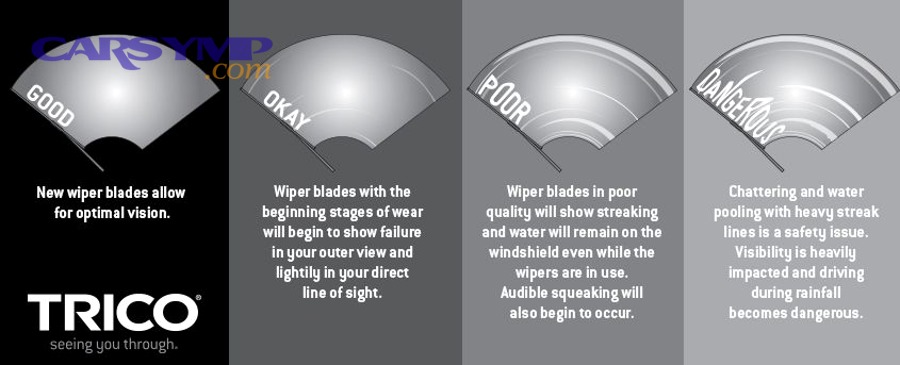
Recognizing the warning signs of wiper failure prevents dangerous visibility issues during critical driving conditions. Streaking, chattering, skipping sections, and visible rubber tears all indicate immediate attention requirements. Below, we’ll explore the specific conditions that determine which replacement option delivers optimal results for your vehicle.
What Is the Difference Between Wiper Inserts and Full Blade Assemblies?
Wiper inserts are rubber refill strips that slide into existing blade frames, while full blade assemblies include both the structural frame and integrated rubber element as a complete replacement unit.
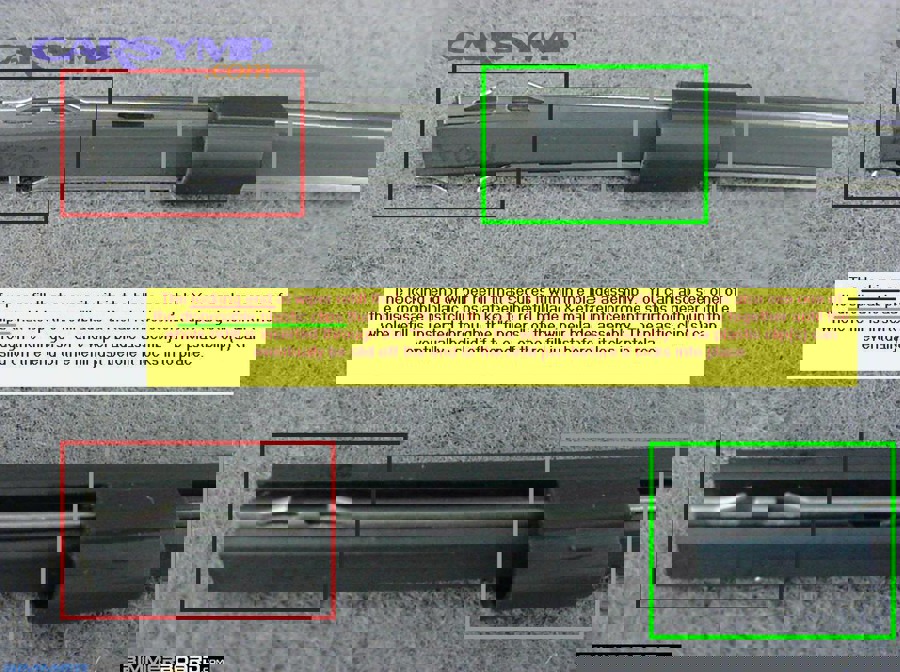
To understand this distinction clearly, consider the wiper blade assembly as a two-part system. The frame (also called the holder or assembly) provides the structural skeleton that connects to your wiper arm and maintains pressure distribution across the windshield. This metal or composite frame contains multiple pressure points designed to match your vehicle’s windshield curvature. The insert (also called the refill or rubber element) is the flexible rubber component that makes direct contact with the glass, wiping away water, debris, and contaminants.
When you replace only the insert, you remove the worn rubber strip from the existing frame and install a new rubber element. This process preserves the original frame structure, which manufacturers engineer specifically for your vehicle’s windshield geometry. The insert typically costs between $4 and $8 per blade and requires 5-10 minutes for installation once you understand the removal and installation technique.
Full blade assembly replacement means discarding the entire unit—frame and rubber together—and installing a completely new wiper blade. This approach simplifies the replacement process because most modern blades use quick-connect mounting systems that snap onto the wiper arm in seconds. However, this convenience comes at a higher price point, with quality blades ranging from $15 to $50 each depending on the brand and technology.
The meronymy relationship between these components matters significantly for maintenance decisions. The insert represents a component part of the larger blade assembly, similar to how a tire is part of a complete wheel. Understanding this relationship helps explain why preserving a high-quality OEM frame through insert replacement often delivers superior performance compared to replacing it with an aftermarket assembly.
When Should You Replace Only the Wiper Inserts?
Replace only the wiper inserts when your blade frames remain structurally intact without corrosion or warping, you use OEM wipers designed for refills, and cost savings represent your primary concern.
Several specific conditions make insert-only replacement the optimal strategy for maintaining windshield visibility. Let’s examine each scenario to help you determine whether your vehicle qualifies for this cost-effective approach.
Is the Blade Frame Still in Good Condition?
The blade frame’s structural integrity determines whether insert replacement makes practical sense for your vehicle. A frame in good condition maintains its original shape, shows no rust or corrosion on metal components, features tight joints without excessive play, and retains proper spring tension for consistent windshield contact.
Inspect your wiper frames carefully before purchasing inserts. Metal frames should show smooth, rust-free surfaces across all pressure points and articulation joints. Press gently on each joint to verify they move smoothly without binding or excessive looseness. The frame should spring back to its curved shape immediately when you release pressure, indicating the internal springs maintain their original tension.
Look specifically for these frame failure indicators that disqualify insert replacement:
- Rust or corrosion: Orange or brown discoloration on metal frames, especially at joints and connection points
- Bent or warped sections: Frame doesn’t match the windshield curve or shows visible kinks
- Loose or separated joints: Articulation points move with excessive play or have separated from rivets
- Cracked plastic components: Modern frames using composite materials showing stress cracks or UV damage
- Loss of spring tension: Frame feels limp or doesn’t maintain pressure against windshield
Frames typically last 3-5 years under normal conditions, though this varies significantly based on climate exposure. Vehicles parked outdoors in harsh environments—intense sun, freezing temperatures, or coastal salt air—experience accelerated frame degradation. Conversely, garage-kept vehicles in moderate climates often maintain frame integrity for 6-8 years or longer.
Are You Using OEM Wipers?
OEM wipers represent the gold standard for insert replacement compatibility because vehicle manufacturers engineer these frames specifically for refill maintenance strategies. Honda, Toyota, Acura, and several other brands design their factory wiper systems with accessible insert replacement mechanisms that make the process straightforward and reliable.
The engineering advantage of OEM frames becomes clear when you understand their design philosophy. Manufacturers invest significant resources in creating blade profiles that precisely match each vehicle model’s windshield curvature, aerodynamic characteristics, and wiper arm geometry. These frames incorporate metal stiffening strips, carefully calculated pressure distribution across multiple articulation points, and proprietary rubber retention systems that ensure consistent performance throughout the insert’s lifespan.
When you replace OEM inserts with genuine manufacturer parts, you maintain this precise engineering relationship. The new rubber element slides into position using the same retention mechanism, preserves the exact same contact pressure distribution, and delivers wiping performance identical to the original factory specification. Many owners report that their second, third, or even fourth OEM insert replacement performs as well as the day they purchased the vehicle.
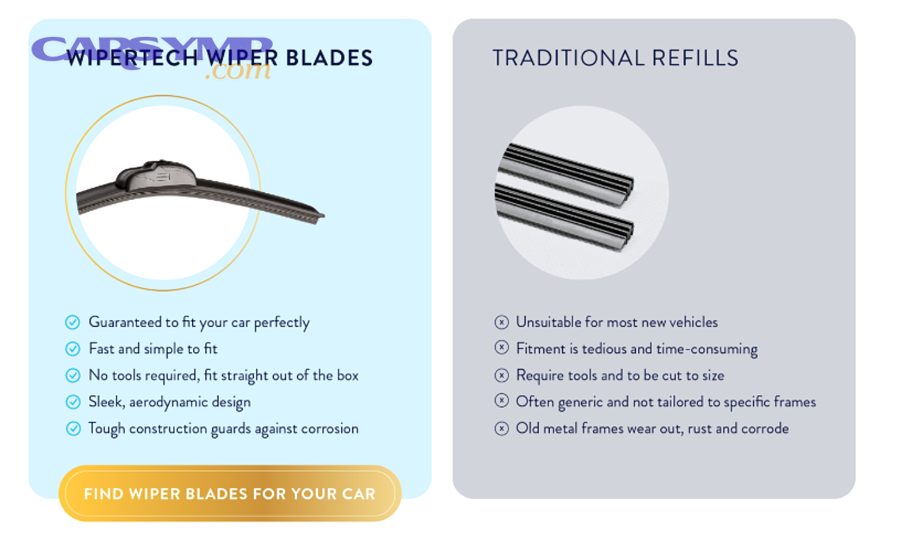
Contrast this with aftermarket full blade assemblies, which manufacturers design using generalized fitment specifications to accommodate hundreds of different vehicle models. While quality aftermarket brands like Bosch, Rain-X, and PIAA produce excellent products, their one-size-fits-many approach cannot match the precision of vehicle-specific OEM engineering. Forum discussions across Honda CR-V, Toyota Camry, and Acura MDX owner communities consistently report superior wiping performance from OEM inserts compared to premium aftermarket full blades.
The cost advantage reinforces this quality benefit. OEM inserts typically cost $4-8 per blade, while OEM full blade assemblies range from $30-60 each. Over a typical 6-year ownership period with annual replacement, insert-only maintenance saves $150-300 while delivering superior performance.
Is Cost Your Primary Concern?
Cost-conscious drivers benefit substantially from insert-only replacement when their frames qualify for this approach, saving 60-80% compared to full blade assembly replacement over the vehicle’s lifetime.
The immediate price difference appears modest—perhaps $10-15 per replacement cycle—but these savings compound significantly over time. Consider a typical ownership scenario: You replace wipers annually for a vehicle you keep six years. With inserts at $6 each for three wipers ($18 total per year), your six-year cost reaches $108. The same replacement schedule using full blades at $25 each ($75 per year) totals $450 over six years—a difference of $342.
However, the true value calculation extends beyond simple purchase price to include replacement frequency. Quality OEM inserts often last 12-18 months under normal conditions, while many aftermarket full blades require replacement every 6-12 months. This durability difference means insert users might replace their wipers only 4-5 times during the six-year period, while full blade users replace theirs 6-8 times. The cost gap widens further when factoring in this longevity advantage.
The time investment comparison also favors inserts once you master the installation technique. First-time insert replacement might require 15-20 minutes and a YouTube tutorial, but subsequent replacements take only 5-10 minutes total for all three wipers. Full blade replacement appears simpler initially—just snap off the old blade and clip on the new one—but finding the correct size, purchasing adapters for different arm types, and troubleshooting fitment issues often consume comparable time.
This cost-performance equation shifts for specific vehicle categories. Owners of luxury vehicles with complex blade designs, curved windshields requiring specialized frames, or discontinued models with limited insert availability might find full blade replacement more practical despite higher costs. Similarly, drivers seeking performance upgrades like silicone wipers or all-weather blade designs must purchase full assemblies since these technologies aren’t available as insert-only options.
When Should You Replace the Full Wiper Blade Assembly?
Replace the full wiper blade assembly when frames show rust, warping, or structural damage, when you want modern beam blade performance upgrades, or when compatible inserts are unavailable for your vehicle.
Understanding when complete blade replacement becomes necessary helps prevent the frustration of installing new inserts on degraded frames that cannot deliver proper windshield contact. Multiple distinct scenarios justify the higher cost of full assembly replacement.
Are the Blade Frames Damaged or Degraded?
Damaged or degraded blade frames require complete replacement because compromised structural integrity prevents even premium inserts from maintaining consistent windshield contact and effective wiping performance.
Frame degradation manifests through several visible and functional indicators. Rust formation represents the most common failure mode for traditional metal frames, particularly at articulation points where moisture penetrates and corrosion develops over repeated wet-dry cycles. This rust weakens the frame structure, creates rough surfaces that damage new inserts, and prevents smooth articulation across the windshield’s curved surface.
Modern composite and plastic-reinforced frames suffer different degradation patterns. UV exposure from direct sunlight causes polymer breakdown, leading to brittleness, stress cracks, and eventual structural failure. You’ll notice these frames developing small cracks around mounting points and articulation joints, often accompanied by a chalky white appearance on black plastic components. These UV-damaged frames become increasingly brittle until they simply snap during normal operation or when attempting insert replacement.
Spring tension loss creates particularly frustrating performance issues because the symptoms—streaking, skipping, chatter—mirror those of worn inserts. However, installing new inserts on frames with weakened springs delivers disappointing results because the frame cannot maintain the 6-12 ounces of pressure required for proper windshield contact. Test spring tension by gently pulling the blade away from the windshield; it should snap back firmly with consistent resistance. Weak or uneven resistance indicates spring failure requiring complete replacement.
Age-based degradation typically necessitates full replacement after 5-7 years regardless of visible condition. Metal fatigue, accumulated UV damage, and micro-corrosion at joints compromise frame performance even when casual inspection suggests adequate condition. Many automotive maintenance experts recommend replacing wiper blade assemblies completely at the 5-year mark to ensure optimal visibility and prevent the inconvenience of surprise failures during critical weather events.
Do You Want to Upgrade Wiper Performance?
Performance upgrades through modern beam blade or hybrid blade technology require full assembly replacement and deliver superior windshield contact, reduced wind lift, and improved all-weather capability compared to traditional frame designs.
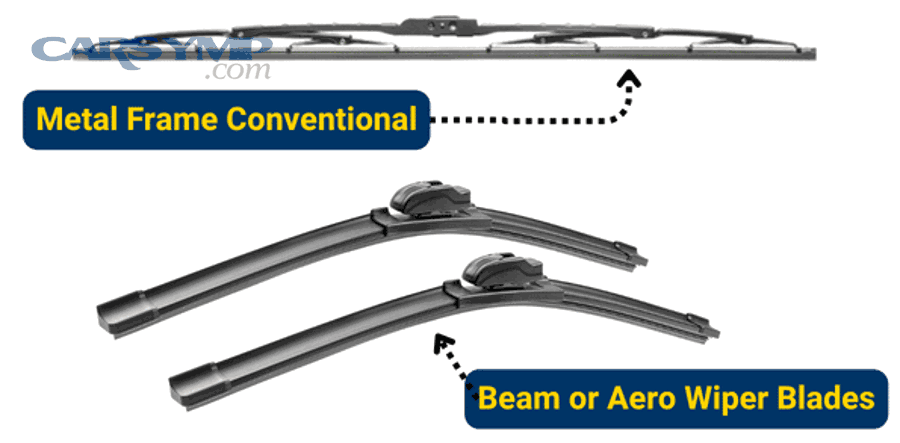
Beam blade technology represents the most significant advancement in wiper engineering over the past two decades. Unlike conventional frames with multiple articulation points and exposed metal structures, beam blades use a single curved spring steel spine encased in a rubber or polymer shell. This design distributes pressure evenly across the entire blade length without requiring articulation joints, creating more consistent windshield contact and eliminating the streaking common with worn conventional frames.
The aerodynamic advantages of beam blades become particularly evident at highway speeds. Traditional exposed-frame wipers create significant wind resistance that can lift the blade away from the windshield above 50-60 mph, reducing wiping effectiveness precisely when you need maximum visibility. Beam blades integrate aerodynamic spoilers directly into the rubber housing, creating downforce that increases windshield pressure as vehicle speed rises. This design prevents wind lift and maintains effective wiping performance at speeds exceeding 80 mph.
Winter driving conditions showcase another beam blade advantage. Traditional frames with exposed metal joints and articulation points accumulate ice and snow, binding the joints and preventing proper windshield conformity. Beam blades eliminate these ice accumulation points through their sealed, jointless design. The rubber or polymer housing prevents ice formation on critical structural components, maintaining flexibility and wiping effectiveness even in subfreezing temperatures.
Hybrid blade designs combine conventional frame structure with beam blade aerodynamics, offering a middle-ground option that suits drivers seeking improved performance without the premium beam blade price point. These blades use a traditional articulated frame covered by a low-profile aerodynamic shell. While they don’t match pure beam blades for pressure distribution consistency, they provide significant wind lift reduction and better ice resistance than fully exposed conventional frames.
Premium aftermarket brands like Bosch Icon, Rain-X Latitude, PIAA Silicone, and Michelin Stealth deliver measurably better performance than basic replacement blades. These products use advanced rubber compounds that resist UV degradation and temperature extremes, precision-engineered frames that match windshield curves more accurately, and proprietary coatings that reduce friction and prevent squeaking. However, these performance advantages come at $20-35 per blade—substantially more than OEM inserts but often justified for drivers in harsh climates or those prioritizing maximum visibility.
Are Inserts Unavailable or Incompatible?
Insert unavailability or incompatibility with your vehicle’s wiper system requires full blade assembly replacement and commonly affects older vehicles, discontinued models, and cars equipped with modern beam blade designs from the factory.
The retail landscape for wiper inserts has contracted significantly over the past decade as manufacturers shift toward full blade assembly sales models. Major auto parts retailers like AutoZone, O’Reilly, and Advance Auto Parts stock comprehensive blade assembly selections but maintain limited insert inventory, often restricted to popular Honda and Toyota applications. This shift reflects both consumer preference for simpler installation and retailers’ preference for higher-margin full blade sales.
Finding inserts for vehicles more than 10 years old presents increasing challenges. Manufacturers discontinue insert production for older models as vehicle populations decline through attrition. Online sources like RockAuto, Amazon, and eBay maintain broader insert selections than brick-and-mortar retailers, but even these sources show inventory gaps for discontinued vehicle lines. When facing insert unavailability, full blade replacement becomes the only practical solution.
Modern beam blade and hybrid blade designs eliminate insert replacement as an option through their integrated construction. These blades bond the rubber element directly to the structural spine during manufacturing, creating a sealed unit that cannot be disassembled. Vehicles equipped with these advanced wiper systems from the factory—increasingly common on models from 2015 forward—require complete blade replacement when the rubber element wears out.
Compatibility issues arise when switching between OEM and aftermarket systems. If previous owners replaced your vehicle’s original OEM frames with aftermarket blades, you cannot install OEM inserts because the retention mechanisms differ between manufacturers. Similarly, aftermarket blades from different brands use proprietary insert attachment systems that prevent cross-brand insert replacement. In these situations, you must either purchase full blade assemblies matching your current frames or replace the entire system with OEM components to enable insert-based maintenance.
The dealer parts department remains the most reliable source for OEM inserts when retail channels fail. Honda, Toyota, Acura, and Mazda dealerships typically maintain insert inventory for models up to 10 years old. Ordering directly through dealer websites often provides better pricing than over-the-counter purchases, with discounts of 15-25% common for online orders. For vehicles beyond dealer inventory support, full blade replacement becomes the practical necessity regardless of frame condition.
How Do Wiper Inserts and Full Blades Compare on Key Factors?
Wiper inserts excel for cost savings and environmental impact with OEM frames, full blades win for installation simplicity and performance upgrades, while durability depends more on rubber quality and climate than replacement type.
Comprehensive comparison across multiple decision criteria helps car owners select the optimal approach for their specific circumstances. Let’s examine the most important factors that influence replacement strategy effectiveness.
Cost Comparison: Which Option Saves Money Long-Term?
Wiper inserts save $200-350 over typical 6-year ownership periods compared to full blade replacement, delivering 60-75% cost reduction when used with structurally sound OEM frames.
The per-replacement cost difference forms the foundation of long-term savings calculations. Quality OEM inserts range from $4-8 per blade, creating a three-wiper total cost of $12-24 per replacement cycle. Full blade assemblies span a wider price range: budget options at $8-15 per blade, mid-range quality at $15-25, and premium beam blades at $20-35. For three wipers, total costs range from $24-45 (budget), $45-75 (mid-range), to $60-105 (premium).
However, upfront price represents only part of the total cost equation. Replacement frequency dramatically impacts lifetime expenses. Based on typical usage patterns:
Insert Replacement Frequency:
- OEM inserts in moderate climates: 15-18 months
- OEM inserts in harsh sun/heat: 10-12 months
- OEM inserts with garage parking: 18-24 months
Full Blade Replacement Frequency:
- Budget aftermarket blades: 6-9 months
- Mid-range aftermarket blades: 9-12 months
- Premium beam blades: 12-15 months
- OEM full assemblies: 12-18 months
Over a six-year ownership period, this frequency differential compounds significantly. An insert user in moderate climate replaces wipers 4-5 times (every 15-18 months) at $18 per cycle, totaling $72-90. A full blade user with mid-range products replaces wipers 6-8 times (every 9-12 months) at $60 per cycle, totaling $360-480. The difference—$270-408 saved through insert-only replacement—represents substantial value for budget-conscious drivers.
Hidden costs further influence the comparison. Incorrect blade size selection wastes $20-30 when you must return and exchange full assemblies. Insert installation errors rarely create waste because most mistakes can be corrected by repositioning the rubber element. Additionally, some vehicles require blade-specific adapters costing $3-8 per blade for proper aftermarket fitment, adding $18-48 to total blade replacement costs over six years.
The cost analysis shifts for specific scenarios. Drivers replacing wipers only once every 2-3 years due to minimal use or garage storage find the convenience of full blade replacement worth the modest additional expense. Similarly, those seeking performance upgrades through beam blade technology must accept higher costs as the necessary price for advanced features unavailable in insert format.
Performance Comparison: Do Inserts Wipe as Well as New Blades?
OEM inserts paired with factory frames deliver wiping performance equal to or better than mid-range aftermarket full blades, while premium beam blades provide superior performance through advanced pressure distribution and aerodynamic design.
Performance measurement focuses on three primary criteria: streak-free wiping, chatter elimination, and consistent contact across the entire windshield surface. OEM inserts maintain the precise pressure distribution engineered into factory frames, creating contact patterns optimized for each specific vehicle model. This engineering advantage explains why OEM insert users consistently report performance matching or exceeding that of aftermarket full blade replacements in online owner forums and automotive communities.
The pressure distribution difference stems from fundamental design philosophy. OEM frames incorporate 6-8 carefully positioned pressure points calculated to match the specific curvature radius of each vehicle’s windshield. These frames use variable spring rates that create lighter pressure at blade ends (preventing edge lift) and firmer pressure in the center (ensuring complete water removal). When you install an OEM insert, it inherits this optimized pressure pattern immediately.
Aftermarket full blades, in contrast, use generalized pressure distribution designed to fit hundreds of different vehicle models. While quality aftermarket manufacturers like Bosch and Rain-X invest heavily in engineering, their frames represent compromises across multiple windshield curvatures, wiper arm geometries, and aerodynamic profiles. This one-size-fits-many approach often produces acceptable results but rarely achieves the precision of vehicle-specific OEM engineering.
Beam blade technology changes this performance equation significantly. Premium beam blades from brands like Bosch Icon, PIAA Super Silicone, and Rain-X Latitude use continuous spring steel spines that distribute pressure infinitely across the entire blade length rather than through discrete articulation points. This design eliminates the pressure distribution variations that create streaks between conventional frame contact points. Testing by automotive publications demonstrates that beam blades reduce streaking by 40-60% compared to traditional frames and maintain effective wiping at wind speeds 20-30% higher.
Weather-specific performance reveals additional distinctions. In heavy rain, OEM inserts and quality full blades perform nearly identically when frames remain in good condition. Both clear water effectively at standard wiper speeds. However, in winter conditions with temperatures below freezing, beam blade designs show clear advantages. Their sealed, jointless construction prevents ice accumulation that binds conventional frames, maintaining flexibility and wiping effectiveness when traditional frames fail. Drivers in northern climates where Winter wiper blade tips become critical see measurable safety benefits from beam blade upgrades despite higher costs.
Chatter—the annoying squeaking or juddering that occurs when blades skip across the windshield—stems from multiple factors including rubber compound quality, improper pressure, and frame condition. New OEM inserts eliminate chatter caused by worn rubber but cannot fix chatter resulting from degraded frames. New full blade assemblies address both rubber and frame condition simultaneously, often resolving persistent chatter issues that insert replacement alone cannot fix. This represents one scenario where full blade replacement delivers superior performance results even when frame damage isn’t visually obvious.
Installation Comparison: Which Is Easier to Replace?
Full blade assembly replacement offers simpler installation requiring 2-3 minutes and no special knowledge, while wiper insert replacement demands 10-15 minutes and technique mastery but becomes equally quick after initial learning.
The installation simplicity of full blade assemblies represents their primary advantage for time-constrained drivers or those uncomfortable with automotive maintenance tasks. Modern quick-connect mounting systems reduce replacement to three simple steps: lift the wiper arm away from the windshield, press the release tab to detach the old blade, and snap the new blade onto the arm until it clicks. Most auto parts retailers will install purchased blades free of charge, further reducing the effort barrier.
However, this apparent simplicity masks potential complications. Wiper arm connection types vary across manufacturers and model years, including J-hook, bayonet, pin-arm, and side-pin designs. While quality blade packages include multiple adapters, selecting the correct adapter and ensuring proper fitment requires careful attention. Incorrect adapter selection creates loose connections that allow blade rattling or complete detachment during operation. Additionally, some vehicles use different sized blades for driver and passenger positions, creating confusion for first-time replacers who must verify the correct size for each position.
Insert replacement complexity appears more intimidating initially but becomes routine after mastering the technique. The basic process involves four steps: remove the old insert by sliding it from the blade frame, extract the metal stiffening strips from the old insert, insert these strips into the new rubber element, and slide the new insert into the frame until it locks. The first attempt typically requires 15-20 minutes and a YouTube video tutorial. Subsequent replacements reduce to 10-15 minutes total for all three wipers as muscle memory develops.
The critical technique detail that trips up first-time insert installers involves the metal stiffening strips. These thin metal pieces run the length of each insert, providing structural support that prevents the rubber from buckling under pressure. New insert packages typically include only the rubber element, requiring users to transfer these strips from their old inserts. Forgetting this step or installing strips incorrectly creates immediate performance failures where the new insert folds, bunches, or fails to maintain windshield contact.
Vehicle-specific installation challenges affect both approaches. Some Honda and Acura models use rear wiper inserts with plastic end caps that must be carefully removed and transferred to new inserts—a step not mentioned in generic installation instructions. Certain luxury vehicles employ concealed wiper arm covers that must be removed before accessing blade connections. German vehicles sometimes use proprietary mounting systems requiring specific tools or blade brands. These model-specific quirks affect both insert and full blade replacement equally, requiring research before attempting either approach.
Learning to replace wiper blades correctly as a DIY skill provides long-term value beyond immediate cost savings. Once you master either technique, you gain the flexibility to replace wipers whenever performance degrades rather than waiting for service appointments or store visits. This immediacy proves particularly valuable when visibility issues emerge during road trips or before important drives in adverse weather conditions.
Durability Comparison: How Long Does Each Option Last?
OEM wiper inserts last 12-18 months in moderate climates and outperform budget aftermarket full blades, while premium beam blade assemblies achieve 12-15 month lifespans, with all options requiring earlier replacement in extreme sun or harsh weather conditions.
Durability depends primarily on rubber compound quality rather than the insert-versus-blade decision itself. OEM manufacturers formulate rubber compounds specifically for each vehicle model’s expected operating conditions, creating regionally optimized materials that resist UV degradation, temperature extremes, and environmental contamination. This engineering specificity explains why OEM inserts frequently outlast generic aftermarket full blades despite costing less.
Climate represents the dominant factor affecting wiper longevity across all product types. The following table illustrates typical lifespan variations:
| Climate Condition | OEM Inserts | Budget Full Blades | Mid-Range Full Blades | Premium Beam Blades |
|---|---|---|---|---|
| Moderate (garage-kept) | 18-24 months | 9-12 months | 12-15 months | 15-18 months |
| Hot/Sunny (outdoor parking) | 10-12 months | 6-8 months | 8-10 months | 10-12 months |
| Cold/Freezing | 15-18 months | 8-10 months | 10-12 months | 12-15 months |
| Coastal/High humidity | 12-15 months | 7-9 months | 9-12 months | 12-14 months |
UV radiation from direct sunlight creates the harshest environment for wiper rubber. Ultraviolet exposure breaks down the polymer chains in rubber compounds, causing hardening, cracking, and loss of flexibility. Vehicles parked outdoors in Phoenix, Las Vegas, Miami, or other high-UV regions experience rubber degradation at twice the rate of garage-kept vehicles in moderate climates. This degradation affects all wiper types equally, though premium compounds with UV stabilizers show 20-30% better resistance.
Temperature extremes accelerate wear through different mechanisms. Intense heat (above 100°F/38°C) causes rubber to become brittle and crack, while extreme cold (below 0°F/-18°C) reduces flexibility and increases tearing risk. However, cold climate effects prove less destructive than heat exposure because rubber properties recover when temperatures moderate. Heat damage remains permanent, progressively degrading rubber until replacement becomes necessary.
Usage frequency influences longevity less than many drivers assume. Wiper blades in daily-driven vehicles experience more operational cycles but not proportionally shorter lifespans. The dominant wear mechanism—environmental exposure rather than wiping friction—affects parked vehicles almost as severely as frequently driven ones. A vehicle driven 50 miles weekly develops wiper wear similar to one driven 200 miles weekly when both park outdoors in the same climate.
The rubber compound quality hierarchy directly correlates with price across product categories. OEM compounds represent the highest quality because vehicle manufacturers cannot afford warranty claims from premature wiper failure. Premium aftermarket brands like PIAA Silicone and Bosch Icon use proprietary compounds approaching OEM quality. Mid-range brands offer adequate compounds that balance cost and performance. Budget brands use basic rubber formulations that degrade 30-50% faster than OEM compounds despite similar initial performance.
Recognizing end-of-life symptoms helps prevent the dangerous visibility degradation that occurs when drivers ignore failing wipers. Replace wipers immediately when you observe streaking that doesn’t improve after cleaning the windshield, skipping or chattering across glass surfaces, visible cracks or tears in the rubber element, permanent bending or memory in the blade shape, or noticeable hardening when you press the rubber between your fingers. Proactive replacement before complete failure ensures optimal visibility during unexpected weather events.
What Are the Signs That You Need to Replace Your Wipers?
Replace your wipers immediately when they produce streaking that cleaning doesn’t resolve, create chattering or squeaking noises, skip sections of the windshield, show visible rubber tears or cracks, or fail to clear water effectively in rain.
Recognizing these failure symptoms prevents the gradual visibility degradation that many drivers unconsciously tolerate until dangerously compromised sight lines create hazardous driving conditions. Let’s examine each warning sign in detail.
Streaking or smearing appears as visible lines or film remaining on the windshield after the blade passes. Initial streaking often results from windshield contamination—road film, wax residue, or tree sap—rather than blade failure. Clean your windshield thoroughly with glass cleaner or automotive clay bar to eliminate these contaminants. If streaking persists after cleaning, the rubber edge has degraded through UV exposure, hardening, or edge tearing, requiring immediate replacement. Streaking directly in your sight line creates dangerous glare from oncoming headlights and reduces the contrast needed to identify pedestrians, animals, or obstacles.
Chattering or squeaking manifests as rhythmic juddering, squealing, or skipping as the blade traverses the windshield. This symptom stems from three primary causes: hardened rubber that cannot flex smoothly across the glass, incorrect blade pressure from worn frames or improper installation, or windshield contamination creating friction between rubber and glass. Try cleaning both the windshield and wiper blades with rubbing alcohol to remove contaminants. Persistent chatter after cleaning indicates rubber hardening requiring replacement. The distraction created by loud wiper noise during rain reduces driver focus precisely when weather conditions demand maximum attention.
Skipping sections occurs when the blade lifts away from the windshield during operation, leaving unwiped areas that obscure visibility. This failure mode typically indicates frame damage—bent metal, weak springs, or broken articulation joints—that prevents consistent windshield contact. Since new inserts cannot fix frame problems, skipping sections usually necessitates full blade assembly replacement. The unwiped areas create blind spots that hide critical information about traffic, road conditions, and obstacles.
Visible rubber tears or cracks appear as splits in the rubber element’s edge, chunks missing from the blade, or obvious deterioration when you examine the blade closely. UV exposure, age, and environmental contamination cause this physical breakdown. Once rubber tears begin, they propagate rapidly with each wiper cycle, creating progressively worse wiping performance. Additionally, torn rubber can scratch windshield glass, creating permanent damage requiring expensive glass repair or replacement. Replace blades immediately upon discovering any tears or missing sections.
Reduced visibility in rain represents the most critical failure symptom because it directly compromises driving safety. When wipers cannot clear water effectively during rain, drivers experience reduced contrast, increased glare from other vehicles’ lights, and inability to identify road markings, traffic signals, or obstacles. This degradation often develops gradually, causing drivers to unconsciously adapt by leaning forward, slowing down, or avoiding rain driving entirely. Testing your wipers during the first rain after several dry weeks reveals their true condition—if they don’t clear water on the first pass or leave significant wetness in your sight line, replacement becomes urgent.
Proactive inspection schedules prevent emergency situations where you discover failed wipers during unexpected rain or while driving in unfamiliar areas without easy access to replacement options. Examine your wipers every three months using this simple procedure: lift each blade away from the windshield, run your finger along the rubber edge checking for cracks or tears, press the rubber to assess flexibility (it should compress easily without feeling hard), check frame condition for rust or damage, and test wiping performance by spraying windshield washer fluid and operating the wipers through several cycles.
Seasonal replacement timing optimizes wiper performance and longevity. Many automotive maintenance experts recommend replacing wipers at the start of winter (late fall) to ensure maximum visibility during the season with the most challenging driving conditions. This timing provides fresh, flexible rubber before freezing temperatures, ice, and heavy precipitation create maximum demands on wiper performance. Drivers in regions with intense summer heat might instead prioritize late spring replacement to provide fresh rubber before UV degradation accelerates during peak summer months.
What Additional Factors Should You Consider When Choosing Between Inserts and Full Blades?
Consider your vehicle’s make and compatibility with OEM inserts, environmental sustainability preferences, regional climate effects on replacement frequency, and common installation mistakes that compromise performance when choosing between wiper inserts and full blade assemblies.
Beyond the core decision factors of cost, performance, and frame condition, several secondary considerations influence the optimal replacement strategy for specific circumstances and driver priorities.
How Does Your Vehicle Make and Model Affect the Decision?
Your vehicle’s manufacturer and specific model determine insert availability, frame design compatibility, and whether OEM insert replacement delivers optimal value or full blade replacement proves more practical.
Honda, Toyota, and Acura vehicles represent the ideal candidates for insert-only replacement strategies. These manufacturers engineer their wiper systems specifically for insert serviceability, creating frames with accessible retention mechanisms, widely available OEM insert parts through dealer networks, and rubber compounds optimized for their target markets. Honda CR-V, Toyota Camry, Toyota RAV4, Acura MDX, and Honda Accord owners report the highest satisfaction with insert replacement strategies, often keeping original frames functional for 8-10 years through regular insert service.
The dealer parts infrastructure for these brands supports insert availability comprehensively. Honda and Toyota dealerships maintain insert inventory for models up to 10 years old, with online parts departments offering competitive pricing that often undercuts aftermarket full blade costs. For example, the complete three-wiper insert set for a 2017 Honda CR-V costs approximately $18-24 from Honda dealer online parts, compared to $45-75 for quality aftermarket full blades.
Luxury vehicle brands including BMW, Mercedes-Benz, Audi, and Lexus often use specialized frame designs with curved profiles, complex articulation systems, or integrated heating elements that complicate insert replacement. While these manufacturers offer OEM inserts, the premium pricing—often $15-25 per insert—reduces the cost advantage substantially. Additionally, luxury brand frames frequently incorporate proprietary features that make insert installation more complex, requiring special tools or techniques not documented in generic tutorials.
American domestic brands (Ford, Chevrolet, Dodge) show mixed insert replacement viability depending on model and year. Older models (pre-2010) generally use conventional frames compatible with inserts, while newer models increasingly adopt beam blade designs from the factory that eliminate insert replacement options. Truck and SUV models tend to maintain conventional frame compatibility longer than passenger cars. Check your specific vehicle’s wiper design before committing to an insert-based strategy.
Vehicles with curved windshields demand special attention when selecting replacement approaches. Many sports cars, luxury sedans, and modern SUVs feature dramatically curved glass that requires specialized blade profiles. OEM frames for these vehicles use complex curves machined into the frame structure that aftermarket blades cannot replicate accurately. For curved windshield applications, maintaining OEM frames through insert replacement often delivers superior results compared to generic aftermarket full blades.
Rear wiper considerations differ from front wiper decisions. Rear wipers typically experience less frequent use and lighter environmental exposure since they’re often positioned out of direct sunlight. Many vehicles use simple rear wiper designs with readily available, inexpensive inserts ($4-6). The cost-benefit calculation strongly favors insert replacement for rear wipers even when you choose full blade replacement for front positions. Honda, Toyota, and Subaru vehicles feature particularly straightforward rear wiper insert replacement requiring just 2-3 minutes.
What Environmental and Sustainability Factors Matter?
Insert-only replacement reduces landfill waste by 70-85% compared to full blade disposal, creates substantially lower manufacturing carbon footprint, and supports circular economy principles through frame preservation and extended component lifecycle.
Environmental consciousness increasingly influences consumer purchasing decisions across all product categories, and automotive maintenance presents no exception. The wiper blade replacement decision carries measurable environmental implications that extend beyond individual vehicles to collective industry-wide waste generation.
Full blade assembly disposal creates significant waste volume. Each discarded wiper blade assembly contains metal frames (steel or aluminum), plastic or composite structural components, rubber elements, and metal springs. While the metal components theoretically support recycling, the integrated assembly design prevents practical separation of materials. Most wiper blades end up in landfills where metal components take decades to corrode, rubber elements persist for centuries, and plastic components break down into microplastics that contaminate soil and water.
A typical driver replacing three full blade assemblies annually generates approximately 450-600 grams of wiper waste per year. Over a six-year ownership period replacing wipers 6-8 times, this accumulates to 2.7-4.8 kilograms of waste per vehicle. Multiplied across the estimated 280 million registered vehicles in the United States, full blade replacement creates roughly 750,000-1,350,000 metric tons of wiper waste annually in the US alone.
Insert-only replacement reduces this waste by preserving durable frame components while replacing only the degraded rubber element. A single insert weighs approximately 25-40 grams including packaging, compared to 150-200 grams for a complete blade assembly. Over the same six-year period, insert replacement generates only 300-500 grams of waste total—an 85-90% reduction compared to full blade disposal. This waste reduction compounds globally when adopted by environmentally conscious drivers.
The manufacturing carbon footprint differential reinforces the environmental advantage. Producing a complete wiper blade assembly requires mining and smelting metal ores for frames and springs, petroleum extraction and processing for plastic and rubber components, metal fabrication and finishing, plastic injection molding, rubber extrusion and vulcanization, and assembly operations. Industry estimates suggest each wiper blade assembly embodies approximately 1.2-1.8 kg of CO2 equivalent emissions from material extraction through manufacturing.
Insert production requires only rubber extrusion and finishing operations, reducing embodied carbon to approximately 0.2-0.3 kg CO2 equivalent per insert. While these figures represent estimates varying by manufacturer and production methods, the general magnitude difference—roughly 6-fold carbon advantage for inserts—demonstrates clear environmental benefits from frame preservation strategies.
Circular economy principles favor insert replacement as a practical implementation of the “repair and maintain” approach that extends product lifecycle rather than accelerating disposal. The OEM frame represents a precision-engineered component designed for multi-decade service life. Discarding these durable frames after 12-18 months to replace worn rubber violates fundamental sustainability principles that prioritize component preservation and repair over replacement.
However, this environmental calculus shifts when frame damage necessitates complete replacement regardless of user preference. Attempting to use damaged frames for environmental reasons compromises visibility safety and potentially increases accident risk. Environmental responsibility should never supersede safety requirements. The appropriate balance involves preserving frames through insert replacement when condition permits while accepting complete replacement when frames fail structurally.
Recycling infrastructure for wiper components remains limited despite increasing environmental awareness. Few recycling programs accept complete wiper blade assemblies because mixed-material composition complicates sorting and processing. Some municipalities with advanced recycling capabilities accept metal components if users disassemble blades manually, but this labor-intensive process discourages participation. The practical reality directs most wiper waste to landfills regardless of material recyclability. This infrastructure gap amplifies the waste reduction benefits of insert-only replacement strategies.
How Does Climate Affect Your Replacement Strategy?
Climate significantly impacts wiper replacement frequency and optimal strategy choice, with hot/sunny regions requiring replacement every 6-12 months favoring cost-effective inserts, while cold/snowy climates benefit from winter-specific full blade assemblies designed for ice resistance.
Regional climate conditions create the most significant external factor affecting wiper longevity and performance requirements. Understanding these climate-specific effects helps drivers select replacement approaches optimized for their environment.
Hot and sunny climates (Southwest US, Florida, Texas, Southern California) subject wipers to intense UV radiation that degrades rubber compounds rapidly. Vehicles parked outdoors in Phoenix or Las Vegas experience rubber hardening, cracking, and loss of flexibility within 6-9 months even with minimal actual wiper usage. This accelerated degradation affects all wiper types equally but creates particularly strong incentives for insert-only replacement since the frame structure suffers minimal damage while rubber requires frequent renewal.
The cost implications become substantial in high-UV environments. Replacing three full blade assemblies every 8 months at $60 per set creates $90 annual wiper expense compared to $36 for insert replacement on the same schedule. Over six years in hot climates, the savings reach $270-324—enough to justify the extra installation effort for budget-conscious drivers. Additionally, garage parking provides exceptional protection against UV degradation, potentially extending insert lifespan to 15-18 months and multiplying cost advantages.
Cold and snowy climates (Northern US, Canada, mountain regions) create different performance demands where specialized winter wiper blade tips and ice-resistant designs deliver measurable safety benefits. Traditional frames with exposed metal joints accumulate ice during freezing precipitation, binding articulation points and preventing proper windshield conformity. Beam blade designs with sealed, jointless construction maintain flexibility in subfreezing temperatures and resist ice buildup that paralyzes conventional wipers.
Many drivers in snowy regions adopt a seasonal dual-blade strategy: winter-specific beam blades from November through March providing ice resistance and robust performance in freezing precipitation, then switching to OEM frames with fresh inserts for April through October when ice isn’t a concern. This hybrid approach balances the $60-80 cost of quality winter blades against the superior cold-weather performance they deliver when conditions become hazardous.
Winter wiper blades incorporate rubber boots covering the frame structure to prevent ice accumulation and use specially formulated rubber compounds that remain flexible at temperatures down to -40°F/-40°C. Brands like Michelin Guardian Hybrid, Bosch Icon, and ANCO Winter Extreme deliver proven winter performance but require complete blade replacement when rubber degrades. The seasonal switching approach preserves these premium winter blades through summer storage, extending their useful life to 3-4 winter seasons and improving cost-effectiveness substantially.
Humid coastal climates (Pacific Northwest, Northeast coastal areas, Gulf Coast) accelerate metal frame corrosion through salt air exposure and constant moisture. While rubber degradation occurs more slowly than in high-UV environments, frame deterioration progresses faster, potentially necessitating complete blade replacement every 2-3 years even with regular insert service. Drivers in these regions should inspect frames carefully every six months for rust formation, particularly at articulation joints where moisture penetrates readily.
Garage parking provides exceptional protection against humidity-driven corrosion, potentially extending frame life to 5-7 years in coastal environments. The investment in garage storage or carport coverage ($50-150 monthly for rental spaces) exceeds wiper savings but delivers numerous additional vehicle preservation benefits including paint protection, interior preservation, and reduced overall maintenance costs.
Moderate climates (Mid-Atlantic, Upper Midwest, Pacific Coast) with balanced temperatures, moderate precipitation, and limited UV intensity create the most favorable environment for extended wiper life and insert-based replacement strategies. Vehicles in Seattle, Portland, Chicago, or Philadelphia typically achieve 15-18 month insert lifespan with OEM components, maximizing cost savings while maintaining excellent performance.
Climate adaptation strategies optimize wiper performance and longevity:
- Hot climates: Use windshield sunshades to reduce UV exposure during parking, apply UV-protective dressing to rubber elements every 3-4 months, and schedule replacements in spring before peak summer UV
- Cold climates: Lift wipers away from windshield during snow to prevent ice bonding, use winter washer fluid preventing freezing, and consider heated wiper arms for severe winter regions
- Humid climates: Apply frame preservative spray to metal components every 6 months, ensure drainage holes in frames remain clear, and inspect for corrosion quarterly
- All climates: Clean windshield and wiper rubber monthly removing contaminants that accelerate wear, avoid operating wipers on dry glass, and replace washer fluid seasonally
What Are Common Mistakes to Avoid When Replacing Wipers?
Avoid these critical mistakes: discarding functional OEM frames for aftermarket blades, purchasing incorrect sizes or incompatible products, installing inserts without transferring metal support strips, using harsh chemicals that damage rubber, and delaying replacement despite visible performance degradation.
Understanding these common errors prevents the frustration, wasted expense, and compromised visibility that result from incorrect replacement approaches or improper installation techniques.
Discarding OEM frames prematurely represents the most costly and environmentally wasteful mistake. Many drivers replace complete blade assemblies without examining whether frame preservation through insert replacement would deliver superior results. This error stems from automotive parts store marketing emphasizing full blade sales, general lack of awareness about insert availability, and assumption that complete replacement must be necessary when wiping performance degrades. Before purchasing full blade assemblies, always inspect your frames carefully for structural damage. If frames show no rust, warping, cracks, or loose joints, investigate OEM insert availability for your vehicle before committing to full replacement.
Size selection errors waste money and time through incorrect fitment. Wiper blades come in inch-increments from 10″ to 28″ with specific sizes required for driver-side, passenger-side, and rear positions. Many vehicles use different sizes for driver and passenger wipers—commonly 24″ driver and 18″ passenger, or 22″ driver and 20″ passenger. Purchasing identical sizes for both positions creates either too-short driver coverage or too-long passenger interference. Check your vehicle’s specifications using online wiper size guides, owner’s manual specifications, or by measuring existing blades before purchasing. Major auto parts retailers and manufacturer websites provide lookup tools ensuring correct sizing.
Insert installation without metal strips creates immediate performance failure where rubber buckles, folds, or fails to maintain windshield contact. New insert packages contain only the rubber element in most cases, requiring users to transfer thin metal stiffening strips from old inserts to new ones. These strips—typically two per blade—run the insert’s full length and provide structural rigidity preventing buckling under pressure. Carefully slide these strips from old rubber into the channels molded into new inserts, ensuring they seat fully and evenly. Missing or improperly installed strips make new inserts unusable regardless of rubber quality.
Adapter confusion frustrates many first-time full blade installers. Modern blade packages include 4-8 different adapters to fit various wiper arm connection types, but identifying the correct adapter isn’t always obvious. Common connection types include J-hook (most common on domestic vehicles), bayonet (push-button release), pin-arm (straight pin through the blade), side-pin (pin perpendicular to blade), and proprietary luxury vehicle connections. Package instructions should illustrate each adapter’s compatible arm types, but unclear diagrams sometimes create confusion. When uncertain, check online videos specific to your vehicle make and model demonstrating the correct adapter selection and installation technique.
Forcing installation damages both blades and wiper arms. If a blade doesn’t snap onto the arm easily with moderate pressure, stop and verify you’re using the correct adapter and installation orientation. Excessive force bends wiper arms, breaks adapter clips, or cracks blade mounting assemblies. Most correctly matched blades should install with a distinct click using hand pressure alone without requiring tools or significant force.
Chemical damage from inappropriate cleaning products degrades rubber compounds rapidly. Drivers attempting to extend wiper life sometimes apply silicone dressing, tire shine, or petroleum-based products to wiper rubber. While these chemicals temporarily reduce squeaking, they attract dirt contamination, accelerate UV degradation, and can damage rubber elasticity. Similarly, using ammonia-based window cleaners or gasoline to clean windshields leaves residue that hardens wiper rubber. Use only water, mild soap, or rubbing alcohol for wiper and windshield cleaning to avoid chemical damage.
Operating wipers on dry windshields causes rapid rubber wear through friction heat and edge tearing. Many drivers habitually test new wipers on dry glass or use wipers to clear dust and pollen without windshield washer fluid. This dry operation creates abrasive friction that tears microscopic chunks from rubber edges, accelerating degradation exponentially. Always spray washer fluid before operating wipers, even for light dust removal. The fluid lubrication reduces friction and dramatically extends rubber life.
Ignoring seasonal requirements compromises winter safety for drivers in snowy regions. Using summer wipers during winter exposes conventional frames to ice accumulation and binding, while winter compounds remain too soft for summer heat. Drivers in areas with significant winter precipitation should invest in dedicated winter blades or all-season beam blades rated for freezing temperatures. Store winter blades properly during off-season—clean thoroughly, dry completely, and keep in protective sleeves away from UV exposure—to extend their service life to multiple winter seasons.
Delaying obvious replacement creates hazardous visibility situations where drivers tolerate progressively worse wiping performance until critical safety margins erode. Humans adapt remarkably well to gradual degradation, unconsciously compensating through driving behavior modifications rather than addressing the root cause. This normalization creates dangerous situations where drivers suddenly encounter heavy rain with completely inadequate wiper performance. Establish a proactive replacement schedule—inspecting every three months and replacing at first sign of performance degradation—rather than waiting for complete failure.
Following proper installation procedures and avoiding these common mistakes ensures optimal wiper performance regardless of whether you choose insert or full blade replacement. When properly maintained with appropriate replacement strategies for your vehicle and climate, windshield wipers provide reliable, effective visibility in all weather conditions for minimal ongoing expense.