


Replacing a rear wiper blade is a straightforward DIY task that takes 5-10 minutes, requires minimal tools (often just your hands), and can save you $20-40 in labor costs compared to professional installation. Most vehicle owners can successfully complete this maintenance task by following a systematic process: selecting the correct blade size, identifying the attachment mechanism, removing the old blade, and installing the new one with proper positioning.
Understanding what tools you need before starting the replacement process ensures a smooth, frustration-free experience. The essential items include a new rear wiper blade matched to your vehicle’s specifications, a protective cloth to prevent window damage, and potentially a 10mm socket wrench for vehicles requiring wiper arm removal. Having the right equipment ready eliminates mid-project delays and reduces the risk of damaging your wiper assembly or rear windshield.
Choosing the right wiper blade size and attachment type directly impacts the success of your replacement effort. Vehicle manufacturers design rear wipers with various connection systems including hook attachments, Rock Lock 2 mechanisms, pin-type fasteners, and clip-style connectors. Selecting an incompatible blade leads to poor performance, potential damage, and wasted money on returns or exchanges.
Recognizing when your rear wiper blade needs replacement prevents safety hazards during inclement weather. Below, we’ll walk through each phase of the replacement process, from gathering tools to testing your newly installed blade, ensuring you maintain clear rear visibility year-round.
What Tools Do You Need to Replace a Rear Wiper Blade?
You need four essential items to replace a rear wiper blade: a correctly-sized replacement blade, a clean cloth or towel, and optionally a 10mm socket with ratchet and a flathead screwdriver depending on your vehicle’s design. Most rear wiper replacements require only the blade itself and basic hand manipulation, making this one of the most accessible automotive maintenance tasks.
To begin, let’s examine the specific tools that make this job efficient and safe.
What Are the Essential Tools for Rear Wiper Replacement?
The new rear wiper blade stands as the single most critical component for this project. You must verify the blade matches your vehicle’s rear window specifications in three dimensions: length (typically 10-16 inches for most vehicles), attachment type (hook, pin, clip, or Rock Lock 2), and width compatibility with your wiper arm channel. Purchasing the wrong size creates immediate problems—too short leaves sections of your rear window uncleared, while too long causes the blade to strike the window frame or interfere with the wiper motor’s range of motion.
A clean cloth or protective towel serves as insurance against costly window damage. When you lift the wiper arm away from the glass during blade removal, spring tension wants to snap the metal arm back against the window. Positioning a folded towel on the glass directly beneath your work area cushions any accidental contact. This simple precaution prevents chips, cracks, or scratches that could necessitate expensive rear windshield replacement.
Your hands provide sufficient force for most rear wiper blade replacements. Unlike front windshield wipers that often require specialized removal tools, rear wiper assemblies typically feature simpler attachment mechanisms designed for consumer-level maintenance. The attachment tab, release button, or pivot point responds to finger pressure, making power tools or leverage devices unnecessary for standard installations.
What Optional Tools Can Make the Job Easier?
A 10mm socket and ratchet become necessary when your vehicle’s rear wiper arm doesn’t pivot away from the glass. Certain vehicle designs—particularly some SUVs, crossovers, and hatchbacks—feature fixed wiper arms that attach to the window mechanism via a nut concealed under a plastic cap. Removing this nut allows you to detach the entire wiper arm assembly from the window, providing unrestricted access to the blade attachment point. This complete removal method eliminates the awkward working angle that comes with trying to manipulate the blade while the arm remains mounted.
A flathead screwdriver wrapped in a small towel assists with two specific tasks. First, it helps pry off the plastic cap covering the wiper arm mounting nut on vehicles requiring arm removal. Second, it provides gentle leverage when releasing stubborn attachment mechanisms that have accumulated dirt, corrosion, or ice buildup. The towel wrapping prevents the screwdriver from scratching painted surfaces or plastic components. Always apply gradual pressure rather than forcing the screwdriver, as excessive leverage can crack plastic caps or strip the cap’s grip points.
Needle-nose pliers prove valuable when working with pin-type wiper blade attachments. Some rear wiper systems use a small metal pin that slides through aligned holes in both the wiper arm and the blade assembly. Removing this pin requires gripping its narrow shaft and pulling it straight out, a task that fingers alone often cannot accomplish due to corrosion or tight tolerances. The pliers provide the necessary grip strength and precision to extract the pin without bending it, which would complicate reinstallation.
Rubber lubricant applied to the new blade’s rubber edge extends its operational lifespan by 20-30% according to automotive maintenance research. The lubricant creates a microscopically thin barrier between the rubber and glass, reducing friction during each wiper pass. This decreased friction slows the wear rate on the rubber edge, postponing the streaking and chattering that signal blade degradation. Apply the lubricant sparingly—three to four drops along the blade’s length suffice—as excess lubricant attracts dirt and debris.
How Do You Choose the Right Rear Wiper Blade for Your Vehicle?
The right rear wiper blade matches your vehicle’s specifications in three critical dimensions: length measurement (typically 10-16 inches), attachment mechanism compatibility (hook, Rock Lock 2, pin, or clip), and rubber formulation suited to your climate conditions. Selecting based on all three factors ensures proper windshield contact, secure mounting, and optimal performance across temperature ranges.
Specifically, let’s explore the methods for identifying your vehicle’s exact blade requirements.
How Do You Find the Correct Wiper Blade Size?
Measuring your existing blade provides the most accurate size determination. Remove the old blade from the wiper arm and lay it on a flat surface. Use a measuring tape to record the length from one end of the rubber element to the other, excluding any plastic end caps or metal frame extensions. Round to the nearest inch, as wiper blades typically come in whole-inch increments (11″, 12″, 13″, etc.). This direct measurement eliminates guesswork and accounts for any non-standard replacements a previous owner may have installed.
Your vehicle’s owner’s manual contains the manufacturer’s original equipment specifications in the maintenance or specifications section. Look for a table listing wiper blade sizes, usually organized by model year and trim level. The manual distinguishes between front driver, front passenger, and rear wiper dimensions—ensure you reference the rear-specific measurement. Owner’s manuals occasionally list part numbers instead of sizes; you can cross-reference these numbers on the manufacturer’s parts website or by calling a dealership parts department.
Online license plate lookup tools offered by auto parts retailers provide instant blade recommendations. Navigate to websites like AutoZone, Advance Auto Parts, or O’Reilly Auto Parts and locate their wiper blade finder tool. Enter your vehicle’s license plate number, and the system accesses DMV registration data to identify your exact make, model, year, and trim level. The tool then displays compatible blade sizes and attachment types, often with clickable product recommendations. This method works exceptionally well for recently manufactured vehicles but may produce errors for older vehicles with modified registrations.
Auto parts store databases utilize year-make-model selection when you visit in person. Approach the wiper blade display section where you’ll find either a printed catalog or a digital kiosk. Select your vehicle’s year, then manufacturer, then model, and finally trim level if prompted. The system narrows down compatible blade options, displaying them on-screen or providing aisle location guidance. Store associates can verify the selection and physically compare the recommended blade against your old blade if you bring it along.
What Are the Different Types of Rear Wiper Blade Attachments?
Hook attachments, also called J-hooks, represent the traditional wiper blade connection system found on many front windshield wipers and some rear applications. The wiper arm terminates in a curved metal hook shaped like the letter “J”. The blade assembly features a corresponding U-shaped channel that slides over this hook. A small plastic tab or metal clip locks the blade onto the hook, preventing separation during operation. To remove a hook-attached blade, you press the release tab while simultaneously sliding the blade along the hook’s curve until it disengages. Installation reverses this process—slide the blade’s channel onto the hook until you hear or feel the locking mechanism click into position.
Rock Lock 2 attachments dominate modern rear wiper designs due to their secure hold and ease of installation. This system uses a cylindrical pin protruding from the wiper arm that inserts into a circular socket built into the blade assembly. The blade features a pivoting lock mechanism—when you position the blade perpendicular to the arm and push the pin into the socket, then rotate the blade 90 degrees to align with the arm, the lock automatically engages. The name “Rock Lock” derives from the rocking motion used during installation. Removal requires reversing the sequence: rotate the blade perpendicular to the arm, which disengages the lock, then pull the blade away from the arm to separate the pin from the socket.
Pin-type attachments secure the blade using a removable metal pin that passes through aligned holes in both the wiper arm and blade assembly. The wiper arm features a clevis-style end with two parallel arms containing matching holes. The blade assembly has a corresponding bracket that fits between these arms. A cylindrical pin, similar to a cotter pin but without the split ends, slides through the holes to join the components. Removing this attachment requires gripping the pin with pliers and pulling it straight out, being careful to note its orientation for reinstallation. Some pins have a head on one end to prevent complete pass-through, while others are smooth cylinders that slide completely free.
Clip-style attachments employ a spring-loaded plastic or metal clip integrated into the blade assembly. The wiper arm has a rectangular or T-shaped end that slides into a matching channel on the blade. As you push the blade onto the arm, the clip compresses then springs back into position once the arm reaches full insertion depth. A small release button on the blade’s side allows you to compress the clip for removal. This attachment style offers the quickest installation and removal times but shows the highest failure rate in extreme temperature conditions where plastic becomes brittle or metal clips lose spring tension.
How Do You Replace a Rear Wiper Blade Step-by-Step?
Replacing a rear wiper blade involves four main phases: preparing your vehicle and workspace, removing the old blade by releasing its attachment mechanism, installing the new blade with proper alignment, and testing the system to verify secure attachment and complete window coverage. The entire process typically requires 5-10 minutes for vehicles with accessible wiper arms and up to 20 minutes for models requiring complete arm removal.
More importantly, following the correct sequence prevents the three most common damage scenarios: letting the wiper arm snap against the glass, forcing incompatible attachment mechanisms, and improper blade positioning that causes motor strain.
How Do You Prepare Your Vehicle for Rear Wiper Replacement?
Park your vehicle on level ground with the engine off and the transmission in park (automatic) or first gear (manual). Level positioning prevents the vehicle from rolling during your work and ensures the rear window sits at its natural angle, making blade alignment easier to judge. Engage the parking brake to add a secondary safety measure against movement. Working on an incline complicates the process as gravity pulls the wiper arm at an angle, making attachment mechanisms more difficult to manipulate and increasing the risk of the arm swinging unexpectedly.
Turn off the ignition and remove the key from the ignition switch or push-button start system. This crucial safety step prevents accidental wiper activation if someone bumps the wiper control stalk or if an electrical short occurs during blade manipulation. Rear wiper motors generate surprising force—enough to pinch fingers or tear flesh if the wiper cycles while your hands are positioned near the arm. On vehicles with automatic wiper systems triggered by rain sensors, ensure these systems are also disabled by turning the wiper control to the full “off” position.

Note the wiper arm’s resting position on the rear window by observing where it stops during its parked position. Most rear wipers park in the center-bottom area of the rear window, though some designs park to the left or right side. Take a mental note or photograph this position with your phone. This reference becomes critical during reinstallation—if you reattach the wiper arm in the wrong position, it may strike the window frame during operation, hit the rear defroster grid at the wrong angle, or fail to clear the driver’s critical viewing area. Vehicle manufacturers engineer specific parking positions to maximize visibility and minimize mechanical wear.
Place a thick, folded towel or cloth directly on the rear window beneath your work area. Position the cloth so it covers at least a 12-inch square section centered under where the wiper arm will be when lifted away from the glass. This protective barrier serves multiple purposes: it cushions the glass if the wiper arm slips from your grip, prevents the wiper arm from resting against bare glass during extended work sessions (which can cause pressure marks), and provides a clean surface to temporarily place removed components like caps, nuts, or the old blade.
How Do You Remove the Old Rear Wiper Blade?
Lift the wiper arm away from the rear window using a steady, controlled motion. Grasp the wiper arm near its base—not the blade itself—and pull outward perpendicular to the glass surface. On vehicles with articulating arms, the assembly will pivot at its base hinge and remain in the lifted position through spring tension or a locking mechanism. Apply only enough force to overcome the arm’s resting pressure against the glass; excessive pulling can damage the hinge mechanism or strip internal gears. If the arm refuses to move after moderate pulling force, your vehicle likely uses a fixed arm design that requires complete removal.
For vehicles with fixed wiper arms that don’t pivot away from the glass, locate the plastic cap covering the mounting nut at the wiper arm’s base. This cap typically measures 0.5-1 inch in diameter and may be circular, hexagonal, or rectangular in shape. Insert a flathead screwdriver wrapped in cloth into the gap between the cap and the arm base. Apply gentle prying leverage, working around the cap’s perimeter rather than forcing one edge. The cap should pop free, revealing the mounting nut underneath. Use a 10mm socket and ratchet to turn this nut counterclockwise until it loosens completely. Do not remove the nut entirely yet—keep it threaded on the last 2-3 threads to prevent losing it.

Identify your blade’s attachment mechanism by examining where the blade connects to the wiper arm. Look for telltale signs: a J-shaped hook with a plastic clip suggests a hook attachment; a cylindrical pin with a pivoting blade housing indicates Rock Lock 2; visible holes aligned through both arm and blade point to pin-type attachment; a rectangular channel with a side button signals clip-style attachment. Understanding your specific mechanism before attempting removal prevents applying force in the wrong direction, which commonly results in broken plastic tabs, bent metal components, or stripped attachment points.
For hook attachments, locate the release tab on the blade assembly where it contacts the wiper arm. This tab usually sits on the blade’s underside or side face. Press this tab firmly while simultaneously sliding the blade along the hook’s curve toward the arm’s free end. The blade should slide freely once the tab compresses the internal locking mechanism. If the blade sticks, check for secondary locking points—some designs use dual tabs or a twist-and-slide motion. Never pull the blade straight away from the arm without releasing the lock first, as this risks breaking the attachment housing.
For Rock Lock 2 attachments, grip the blade assembly and rotate it 90 degrees relative to the wiper arm so the blade stands perpendicular to the arm’s length. You’ll feel the internal lock mechanism disengage as you rotate through approximately 45 degrees of movement. Once perpendicular, pull the blade straight away from the arm—the cylindrical pin should slide cleanly out of the blade’s socket. If rotation feels extremely stiff or impossible, inspect for dirt or corrosion buildup around the pin. Apply penetrating oil if necessary and wait 5-10 minutes before attempting rotation again.
For pin-type attachments, examine the pin to determine if it has a head on one end or if both ends are smooth. If headed, note which direction the head faces—this is the direction you’ll pull during removal. Use needle-nose pliers to grip the pin’s shaft as close to the wiper arm as possible. Pull firmly and steadily in the direction that extracts the pin from the assembly. Avoid twisting or bending motions that could damage the holes in the arm or blade. If the pin refuses to budge, tap the opposite end gently with a small hammer to break any corrosion seal, then retry the pulling motion.
For clip-style attachments, locate the release button on the side of the blade assembly. This button is typically marked with an arrow or “PUSH” text. Press the button firmly while simultaneously pulling the blade away from the wiper arm. The button compresses the internal spring clip, allowing the arm to slide out of the blade’s channel. Some designs require pressing the button and sliding the blade along the arm’s length rather than pulling straight away. If the blade won’t release, try wiggling it gently side-to-side while maintaining button pressure to help the clip disengage.
If you removed the entire wiper arm assembly, now is the time to separate the blade from the arm. With the arm removed from the vehicle, you have much better access and visibility to manipulate the attachment mechanism. Work on a clean, flat surface like a workbench or table covered with a towel. The stress-free environment eliminates the awkward positions and rushed movements that lead to damaged components.
How Do You Install the New Rear Wiper Blade?
Align the new wiper blade’s attachment mechanism with the wiper arm before attempting to join them. For hook attachments, position the blade’s U-shaped channel at the free end of the J-hook and verify the channel’s opening faces the correct direction. For Rock Lock 2 systems, hold the blade perpendicular to the arm and align the socket with the cylindrical pin. For pin-type connections, fit the blade’s bracket between the arm’s clevis and align all holes. For clip-style systems, orient the blade so its channel matches the arm’s T-shaped or rectangular end. Taking 10-15 seconds to verify proper alignment prevents forced installations that crack plastic housings or bend metal components.
Slide, rotate, or push the blade onto the arm using the motion specific to your attachment type. Hook attachments slide along the hook’s curve from the free end toward the base until the locking tab clicks. Rock Lock 2 systems push straight on while perpendicular, then rotate 90 degrees to lock. Pin-type attachments insert the pin through aligned holes once the bracket sits properly in the clevis. Clip-style systems slide the arm into the blade’s channel until you hear or feel the spring clip engage. Apply firm, steady pressure rather than quick jabbing motions. If the blade resists joining the arm after 2-3 attempts, stop and verify you have the correct replacement blade for your vehicle.

Confirm the blade has locked securely by attempting to pull it away from the arm without pressing any release mechanisms. The blade should resist separation with enough force that you cannot remove it using finger strength alone. A properly locked attachment can withstand 10-15 pounds of pulling force without detaching. If the blade separates easily, the locking mechanism has not fully engaged. Reattach the blade and listen for the distinct click sound that indicates complete engagement. Some mechanisms produce a tactile “snap” feeling rather than an audible click.
For vehicles where you removed the entire wiper arm assembly, reposition the arm onto its base mounting point at the rear window. Align the splined shaft at the arm’s base with the matching splined receiver in the window mechanism. Reference the parking position you noted during preparation to ensure correct placement. The splines allow the arm to mount in multiple positions, but only one position places the blade in its proper parked location. Push the arm firmly onto the splines until it seats completely—you should see no gap between the arm’s base and the mounting surface.
Thread the mounting nut clockwise onto the arm’s shaft by hand until finger-tight. Use the 10mm socket and ratchet to snug the nut, applying moderate torque—enough to prevent the arm from shifting position during operation but not so much that you strip the threads or crack the mounting base. A torque specification of 10-15 ft-lbs works for most vehicles, though you can achieve this without a torque wrench by tightening until resistance increases noticeably, then adding one-quarter turn. Replace the plastic cap by aligning it over the nut and pressing firmly until it snaps into place.
Test the wiper blade’s range of motion before activating the motor. Manually move the blade through its full sweep arc from one side of the rear window to the other. Check that the blade maintains contact with the glass across the entire range, doesn’t strike the window frame or trim pieces, and returns to its proper parked position. The blade should glide smoothly without catching or binding. If you notice interference points, adjust the wiper arm’s parking position by loosening the mounting nut, rotating the arm slightly, and retightening.
What Are the Common Mistakes to Avoid During Replacement?
Letting the wiper arm snap back against the rear window represents the most frequent and costly error during blade replacement. The wiper arm contains a tensioning spring that applies 2-5 pounds of pressure to keep the blade pressed against the glass during operation. When you lift the arm away from the window and release your grip, this spring violently pulls the arm back toward the glass at high speed. The metal arm striking bare glass generates sufficient impact force to chip, crack, or shatter the window. Rear windshield replacement costs $200-$600 depending on vehicle make and model. Always position a protective cloth on the glass and maintain a firm grip on the arm throughout the entire replacement process.
Forcing the blade removal or installation without properly releasing the attachment mechanism damages both the old and new blades. Each attachment type has a specific release sequence designed to safely disengage the locking elements. Attempting to pull a hook-attached blade straight off without compressing the release tab bends the hook and breaks the plastic locking tab. Pulling a Rock Lock 2 blade without rotating it to the perpendicular position strips the internal locking teeth. Yanking a pin-type attachment without removing the pin first breaks the mounting ears on the blade bracket. These forced separations often damage the wiper arm itself, necessitating arm replacement at $30-$80 in addition to the blade cost. Invest 30 seconds to understand your attachment mechanism before applying any removal force.
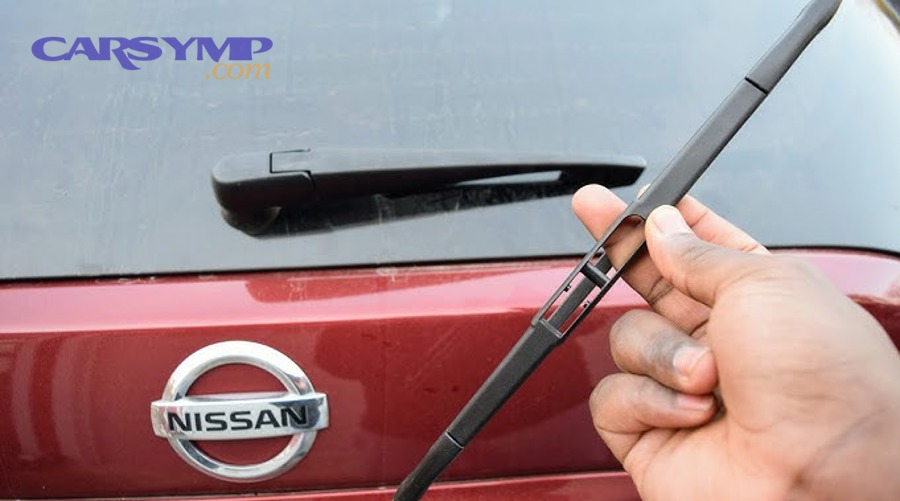
Installing an incorrect blade size creates performance problems that worsen over time. A blade that’s too short for the window leaves uncleaned sections in the driver’s viewing area, defeating the wiper’s purpose. The gap becomes especially dangerous during heavy rain or snow when maximum rear visibility is critical for safe driving. A blade that’s too long for the window strikes the window frame or rear defroster grid during operation. These collisions produce loud banging noises, accelerate blade wear by folding the rubber edge, and can damage the defroster grid’s heating elements. The wiper motor works harder to move an oversized blade, potentially shortening motor lifespan. Always verify blade length matches your vehicle’s specifications before purchasing.
Bending or twisting the metal ribs inside the blade assembly during removal ruins the blade’s ability to conform to your window’s curvature. The metal ribs, also called vertebrae or springs, provide structural support that distributes pressure evenly across the blade’s rubber edge. When you grip the blade assembly roughly, twist it excessively, or drop it on hard surfaces, these thin metal elements permanently deform. A blade with bent ribs creates uneven pressure distribution, causing sections of the rubber to lift away from the glass during operation. This lifting produces streaking, chattering, and reduced wiping effectiveness. Handle blades gently using two hands, supporting the assembly along its length rather than gripping a single point.
Failing to confirm secure attachment before testing the wiper motor risks blade separation during operation. A blade that appears attached but hasn’t fully locked engages partially with 20-30% of the normal holding force. Under static conditions, this partial engagement seems adequate. However, once the wiper motor activates and begins moving the blade across the glass, centrifugal force and directional changes create separation forces that exceed the partial lock’s strength. The blade flies off the arm, typically embedding itself in the rear window with sufficient force to cause cracks. The detached arm then strikes the glass repeatedly until you stop the motor. Always physically test the blade’s attachment by pulling firmly before activating power.
How Do You Know When to Replace Your Rear Wiper Blade?
You should replace your rear wiper blade when you observe streaking, hear chattering or squeaking during operation, see visible cracks in the rubber element, or notice skipping across sections of glass. These symptoms indicate the blade has degraded beyond its functional performance threshold and no longer provides the clear visibility necessary for safe driving in adverse weather conditions.
Particularly during rainy or snowy weather, these warning signs become more pronounced and dangerous.
What Are the Warning Signs Your Rear Wiper Needs Replacement?
Streaking occurs when the blade’s rubber edge develops hardened sections, microscopic tears, or uneven wear patterns that prevent smooth contact with the glass. As the blade passes across the window, these imperfect sections leave thin lines of water or dirt behind rather than cleanly wiping the surface. Fresh streaks appear immediately after a wiper pass, whereas a properly functioning blade leaves the glass uniformly clear. Streaking typically begins at the blade’s outer edges where maximum flexing stress occurs, then progresses toward the center as degradation continues. Once streaking covers more than 20% of the blade’s wiping path, replacement becomes necessary as the driver loses critical rear visibility.
Chattering produces a rapid vibration accompanied by a stuttering sound as the blade moves across dry or damp glass. The blade’s rubber edge loses its smooth, flexible quality over time due to ultraviolet exposure, ozone degradation, and temperature cycling. This hardened rubber cannot maintain continuous contact with the glass surface. Instead, the blade skips and bounces, creating a stick-slip motion that generates the characteristic chattering noise and vibration. Chattering accelerates blade wear by subjecting the rubber to repeated impact stresses. It also indicates the blade has lost the proper edge geometry necessary for effective wiping. If chattering occurs even on wet glass, immediate replacement is warranted.
Squeaking results from friction between hardened rubber and glass as the wiper blade struggles to glide smoothly during each pass. Fresh rubber contains plasticizers that provide flexibility and lubricity, allowing silent operation. Environmental exposure breaks down these plasticizers over 6-12 months, leaving the rubber stiff and abrasive. The increased friction coefficient between degraded rubber and glass generates audible squeaking, similar to rubbing two pieces of dry rubber together. While cleaning the windshield and blades for better wipe performance can temporarily reduce squeaking, the sound returns within days as the underlying rubber degradation continues. Persistent squeaking despite cleaning confirms the need for blade replacement.
Skipping manifests when the blade jumps over sections of the glass rather than maintaining continuous surface contact throughout its travel arc. The blade’s frame loses structural integrity as metal components corrode, plastic joints crack, or connection points loosen. This compromised frame cannot maintain uniform pressure across the blade’s length. Areas with insufficient pressure allow the blade to lift away from the glass during movement. The blade literally skips these sections, leaving them unwiped. Skipping becomes especially noticeable during high-speed driving when wind pressure exacerbates the blade’s tendency to lift. Any blade that skips more than two inches of glass requires immediate replacement to restore complete coverage.
Visible cracks in the rubber element signal advanced degradation that will rapidly worsen. Examine the blade’s rubber edge by running your finger along its length while the wiper is in its parked position. Fresh rubber feels smooth and uniform. Degraded rubber displays small splits, tears, or chunks missing from the edge. These cracks typically start as hairline fractures perpendicular to the blade’s length, then expand into V-shaped notches or complete separations. Once cracking begins, freeze-thaw cycles and flexing during operation accelerate crack propagation. A blade with visible cracks cannot create the uniform seal necessary for effective wiping and must be replaced before the next rain event.
How Often Should You Replace Rear Wiper Blades?
Replace rear wiper blades every 6-12 months regardless of appearance to maintain optimal performance and prevent deterioration-related failures. This preventive replacement schedule accounts for the gradual degradation processes that occur even when the blade appears visually intact and operates without obvious symptoms.
However, climate conditions and usage patterns significantly influence the actual replacement interval your specific situation requires.
Vehicles operated in hot, dry climates experience accelerated blade degradation due to intense ultraviolet radiation and high surface temperatures. Desert regions with summer temperatures exceeding 100°F (38°C) create conditions where parked vehicles’ rear windows reach 150-170°F (65-77°C). The rubber compound softens at these temperatures, allowing the blade to conform to any surface irregularities on the glass. When temperatures drop at night, the rubber hardens while retaining this conformed shape, creating permanent deformation. UV radiation breaks molecular bonds in the rubber’s polymer chains, causing surface cracking and loss of elasticity. Vehicles in these climates should follow 6-month replacement intervals, with inspections at 3-month intervals to catch premature failures.
Cold climates with winter temperatures below 32°F (0°C) stress wiper blades through freeze-thaw cycling and ice formation. Water trapped between the blade and glass freezes, expanding and creating separation forces that damage the rubber edge’s microscopic structure. Road salt spray contains chlorides that accelerate corrosion of metal frame components and degradation of rubber compounds. Ice buildup on the wiper arm increases operational stress on the motor and attachment mechanism. Winter wiper blade tips, such as using blades specifically designed with rubber boots to prevent ice accumulation, can extend blade life in these conditions. Still, 6-month replacement cycles remain advisable in harsh winter climates, with one replacement in early fall before winter begins and another in early spring after winter ends.
Moderate climates with balanced temperatures and regular precipitation allow 12-month replacement intervals when blades receive average use. Regions with temperatures ranging 40-80°F (4-27°C) year-round avoid the extreme heat and cold stresses that accelerate degradation. Regular rainfall actually benefits blade longevity by washing away abrasive dust particles and exercising the rubber to maintain flexibility. Vehicles garaged when not in use and driven primarily in daytime hours experience minimal UV exposure and temperature extremes. Under these ideal conditions, quality blades can perform effectively for a full year before requiring replacement.
Usage frequency impacts replacement timing independent of climate factors. Rear wipers activated daily for commuting through rainy weather accumulate significantly more wear cycles than blades used occasionally during road trips. Each wiper cycle flexes the rubber edge, stresses the frame joints, and wears the attachment mechanism. A blade used 500 times over six months experiences more degradation than one used 50 times over the same period. Track your rear wiper usage—if you activate it more than twice weekly on average, shift to 6-month replacement intervals. Infrequent users can extend to 12-month intervals when environmental conditions support longer blade life.
Comparison to front windshield wiper replacement schedules provides a useful reference point. Most vehicle maintenance guides recommend front wiper replacement every 6 months due to their higher usage frequency and critical importance to forward visibility. Rear wipers typically see 50-75% less use than front wipers since drivers only activate them during precipitation events rather than for window cleaning or insect removal. This reduced duty cycle suggests rear blades could last proportionally longer. However, rear windows accumulate more road spray, dirt, and debris thrown up by rear tires, creating abrasive conditions that accelerate wear. Balancing these factors yields the 6-12 month recommendation, with 6 months matching front wiper intervals for high-use vehicles and 12 months for low-use vehicles in moderate climates.
What Are Your Rear Wiper Blade Replacement Options?
You have four primary replacement options: replacing only the rubber refill insert for $3-6, installing a complete blade assembly for $10-25, choosing professional installation for $25-50 total, or selecting premium aftermarket blades for $15-35. Each option balances cost, convenience, performance, and longevity differently based on your skill level, time availability, and quality expectations.
Moreover, understanding these alternatives helps you make informed decisions aligned with your specific situation and vehicle requirements.
Should You Replace Just the Rubber Refill or the Entire Blade Assembly?
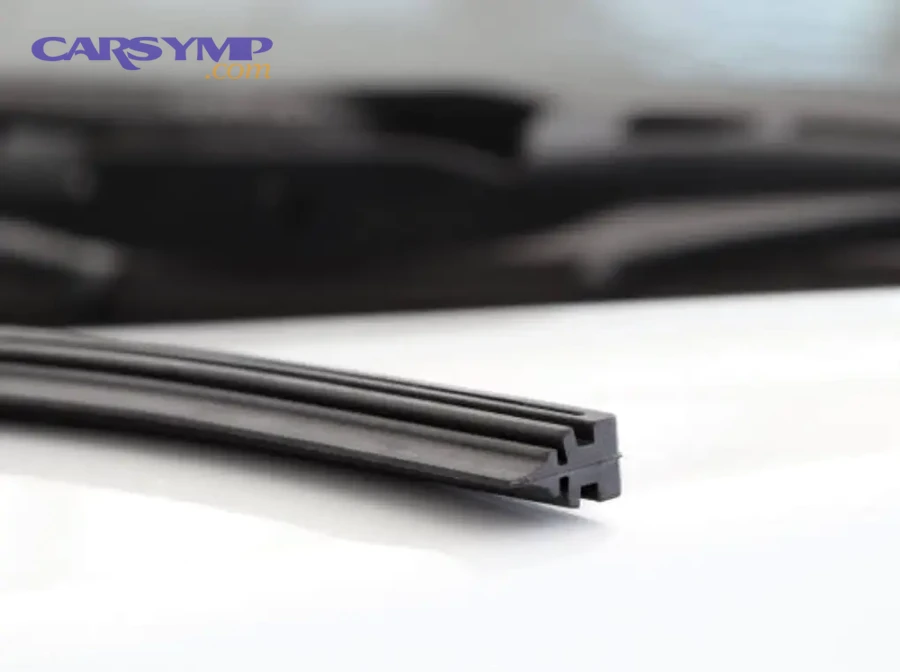
Replacing only the rubber refill insert saves $7-15 per blade compared to full assembly replacement while reducing plastic waste by 80-90%. The refill consists of the rubber wiping element and its internal metal support vertebrae, which slide out of the blade’s frame housing. You reuse the existing frame, attachment mechanism, and end caps. This approach makes financial sense when the blade frame remains structurally sound with no corrosion, cracks, or loose joints. Refills work particularly well for newer vehicles (less than 3 years old) where the frame hasn’t experienced significant environmental degradation.
The refill replacement process requires more manual dexterity and patience than full blade swaps. You must carefully slide the old rubber out of the frame’s channel without bending the delicate metal vertebrae, then thread the new rubber through the same channel ensuring proper seating at multiple retention points. The process takes 10-15 minutes versus 3-5 minutes for complete blade replacement. First-time refill replacements often take 20-25 minutes as you learn the technique. Some blade frame designs use complex retention systems with multiple locking tabs that make refill installation frustrating for novice DIYers.
Environmental benefits strongly favor refill replacement for eco-conscious vehicle owners. A complete blade assembly contains 2-4 ounces of plastic in the frame, end caps, and attachment components. Manufacturing this plastic consumes petroleum resources and generates production emissions. Disposing of used complete blades sends this plastic to landfills where it persists for 200-500 years. Rubber-only refills reduce this waste stream by 80-90%, discarding only the degraded rubber element. The rubber can often be recycled at specialty facilities that process automotive rubber into playground surfaces, landscaping mulch, or asphalt additives.
Full blade assembly replacement guarantees compatibility and optimal performance since you’re installing components designed to work together as a complete system. The new frame provides fresh spring tension, corrosion-free metal parts, and tight-fitting joints that maintain uniform pressure distribution. New attachment mechanisms ensure secure mounting without the wear that develops in reused components. Complete assemblies include installation instructions specific to that blade model, removing guesswork from the replacement process. This option works best for vehicles over 3 years old where frame degradation has likely begun, for blades showing visible frame damage, or when convenience outweighs cost considerations.
Cost comparison across multiple replacement cycles reveals long-term value considerations. A refill costing $4 installed twice per year totals $8 annually. A complete blade costing $15 installed twice annually totals $30. Over a typical vehicle ownership period of 8 years, refills cost $64 versus $240 for complete blades—a $176 savings. However, this calculation assumes the blade frame remains usable indefinitely. In practice, frames require replacement every 2-3 years as joints loosen and corrosion progresses, adding $15-30 to the refill-only strategy. The true long-term cost advantage of refills narrows to $100-150 over 8 years, still significant but less dramatic than the per-replacement comparison suggests.
When Should You Use Professional Installation vs. DIY?
DIY installation saves $15-25 per blade in labor costs while providing immediate service when you need it. Professional installers charge $15-30 for rear wiper replacement labor, though this cost sometimes includes the blade if you purchase from their inventory at retail pricing. Performing the work yourself eliminates this expense entirely, particularly valuable when you already own the replacement blade from an online purchase at 30-40% below retail. DIY work proceeds on your schedule without appointment delays—you can replace the blade Saturday morning rather than waiting until Tuesday for the shop’s next opening.
Learning the replacement procedure builds automotive maintenance knowledge applicable to other vehicle systems. Understanding attachment mechanisms, working safely with spring-loaded components, and using appropriate tools transfers to tasks like replacing front wipers, installing new headlight bulbs, or changing cabin air filters. Each successful DIY project increases your mechanical confidence and reduces dependence on professional services for routine maintenance. This skill development has tangible value beyond immediate cost savings, empowering you to handle roadside repairs or urgent maintenance when professional help isn’t accessible.
Professional installation provides value through expertise, warranty coverage, and convenience bundling. Professional technicians perform wiper replacements dozens of times weekly, giving them intimate familiarity with the quirks of different attachment systems and vehicle-specific challenges. They recognize immediately when a blade requires non-standard installation steps or when the wiper arm has issues beyond simple blade wear. Many shops warranty their installation work for 30-90 days, covering any problems arising from improper attachment or defective blades. Combining wiper replacement with other services like oil changes or tire rotations maximizes the value of your service visit’s time investment.
Vehicle-specific complexity factors sometimes necessitate professional installation. Certain luxury and European vehicles use proprietary attachment mechanisms requiring special tools not available at consumer retail. Some designs hide the wiper arm mounting point under trim panels or interior components that must be carefully removed and reinstalled to avoid cosmetic damage. Vehicles with integrated rear spoilers or complex rear door designs create access challenges where professional experience prevents costly mistakes. If preliminary research reveals your vehicle falls into these categories, professional installation may cost less than the risk of DIY damage.
Time investment comparison shows DIY requiring 15-45 minutes total including travel to purchase the blade, watching installation videos, performing the replacement, and cleanup. Professional service requires 30-90 minutes including driving to the shop, waiting during installation, and return travel. However, professional installation allows you to accomplish other tasks during the waiting period, whereas DIY demands your focused attention throughout. Busy individuals with limited free time often find professional installation’s effective time cost lower despite longer clock time.
What Are Alternative Rear Wiper Blade Brands and Their Differences?
OEM blades from vehicle manufacturers guarantee exact fit and performance matching the original equipment installed during vehicle assembly. Dealership parts departments sell these blades using the manufacturer’s part number system, ensuring you receive the precise blade designed for your specific make, model, and year. OEM blades typically cost 20-40% more than aftermarket alternatives—$20-30 versus $10-20—but eliminate compatibility uncertainty. Vehicle manufacturers select blade specifications based on extensive testing of wiping patterns, spring pressure, and durability under various climate conditions. This engineering investment justifies the premium pricing for owners prioritizing guaranteed fitment and performance.
Premium aftermarket brands like Bosch, Rain-X, and Michelin offer enhanced features and performance compared to standard blades at prices competitive with OEM options. Bosch Icon blades use a beam design that eliminates the traditional metal frame, creating uniform pressure distribution across the blade’s length. This design reduces streaking and extends blade life to 14-18 months under normal conditions. Rain-X blades incorporate water-repelling coating treatment that causes water to bead and sheet off the glass, improving visibility even before the wiper activates. Michelin Stealth blades feature smart-flex rubber compounds that maintain flexibility across temperature ranges from -40°F to 140°F (-40°C to 60°C). These premium blades cost $15-25, positioning them between OEM and budget options while delivering measurable performance advantages.
Budget aftermarket options from brands like Anco, Trico, and store brands provide basic functionality at $5-12 per blade. These blades use conventional frame designs with traditional rubber compounds, meeting minimum performance standards without premium features. Budget blades typically last 6-9 months before showing wear symptoms, requiring more frequent replacement than premium alternatives. However, their low cost makes frequent replacement economically viable—replacing a $7 budget blade twice annually costs $14 versus $20-25 for a single premium blade lasting 18 months. Budget options work well for high-mileage vehicles, rental properties, or situations where minimum acceptable performance suffices.
Universal fit blades claim compatibility with multiple vehicle makes and models through adjustable attachment mechanisms and multiple size offerings. These blades include adapter kits with 5-8 different attachment styles, allowing the same blade to fit hook, pin, or bayonet-style arms. While universal blades offer convenience when you cannot identify your exact vehicle requirements, they sacrifice optimal fit. The blade’s length may not precisely match your window’s wiping area, and the adapter introduces a connection point that can develop play or looseness over time. Universal blades cost $10-18, falling in the mid-price range while delivering mid-range performance suitable for older vehicles or as emergency replacements.
Performance differences manifest most clearly during extreme weather conditions. Premium blades maintain effective wiping during freezing rain, heavy snow, and intense downpours where budget blades struggle. The superior rubber compounds resist hardening at low temperatures and maintain flexibility when hot. Advanced frame designs or beam construction distribute pressure evenly even as the blade ages. Water-repelling treatments reduce the workload on the blade by causing precipitation to slide off the glass. According to testing by consumer automotive publications, premium blades clear 15-30% more water per pass compared to budget alternatives, directly translating to improved visibility during critical driving situations.
Durability testing reveals premium blades lasting 40-60% longer than budget alternatives under controlled conditions. Accelerated aging chambers that subject blades to UV exposure, ozone, temperature cycling, and mechanical flexing show budget blades failing at 8-10 months equivalent use while premium blades continue functioning at 14-18 months. This extended lifespan narrows or eliminates the cost advantage of budget options. A $25 premium blade lasting 18 months costs $1.39 per month of service. A $7 budget blade lasting 9 months costs $0.78 per month. The premium blade delivers superior performance throughout its life for only $0.61 per month more—acceptable to most drivers given the safety implications of rear visibility.
How Do You Troubleshoot Difficult Rear Wiper Blade Replacements?
Corroded or seized wiper arm assemblies require penetrating oil application and patience to free frozen components safely. When rust, corrosion, or mineral deposits fuse the wiper arm to its mounting shaft, attempting immediate removal risks breaking the arm or stripping the mounting threads. Spray penetrating oil (WD-40, PB Blaster, or similar) liberally around the arm’s base where it meets the mounting point. Allow the oil to penetrate for 15-30 minutes, giving solvents time to work between metal surfaces and break corrosion bonds. Apply additional oil every 10 minutes during the waiting period. After soaking, attempt gentle rocking motions rather than continuous pulling force. Rock the arm side to side, then up and down, gradually increasing the range of motion as the corrosion breaks free.
Salt-exposed climate vehicles, particularly in northern regions using road salt for winter ice control, experience accelerated corrosion of wiper arm components. The combination of salt chlorides, moisture, and steel creates electrochemical reactions that produce iron oxide (rust) and aluminum oxide (white powdery deposits) rapidly. These oxides expand to occupy 3-5 times the volume of the original metal, creating interference that freezes moving parts. Vehicles regularly exposed to salt spray should receive protective treatments during wiper blade replacement. After removing the old blade and before installing the new one, apply a thin coating of silicone grease or dielectric grease to the wiper arm’s mounting shaft and attachment mechanism. These greases create moisture barriers that prevent corrosion initiation during the next service interval.
Stubborn attachment mechanism releases respond to strategic application of leverage and lubrication. When a Rock Lock 2 attachment refuses to rotate despite proper technique, spray silicone lubricant into the socket where the pin inserts. Work the blade through partial rotation cycles—rotate 15 degrees one direction, then back 15 degrees the opposite direction—to distribute the lubricant throughout the locking mechanism. For pin-type attachments with frozen pins, tap the pin’s exposed end with a small hammer while simultaneously pulling with pliers. The vibration from tapping helps break corrosion bonds that resist steady pulling force alone. Hook attachments with stuck release tabs benefit from inserting a thin screwdriver blade alongside the tab to manually compress the locking mechanism while sliding the blade.
Stripped attachment points on wiper arms occasionally prevent secure blade mounting. When the hook’s locking surface has worn smooth, the pin’s socket has wallowed to oversize, or the clip mechanism has lost spring tension, new blades fail to attach reliably. Temporary repairs include wrapping electrical tape around pins to increase their diameter, bending hook arms slightly to increase grip pressure, or installing rubber washers to compensate for worn clip springs. However, these fixes provide only short-term reliability. A wiper arm with damaged attachment points should be replaced before catastrophic blade separation occurs during operation. Replacement arms cost $30-80 depending on vehicle make and model, with installation adding $25-50 in professional labor or 20-30 minutes of DIY time.
Recognizing when professional help becomes necessary prevents damage that exceeds the cost of expert service. If penetrating oil and proper technique fail to remove a seized wiper arm after 30 minutes of effort, professional tools like pullers or heat application may be required. Attempting to force frozen components with excessive leverage risks cracking the rear window, breaking the wiper motor linkage, or stripping the mounting threads—repairs costing $200-800. When attachment mechanisms show unusual designs not covered by online videos or instructions, dealership service departments have access to manufacturer-specific procedures and specialty tools. Spending $50-100 for professional installation beats paying $500+ for damage repair resulting from incorrect DIY attempts.
Maintaining clear rear visibility through properly functioning wiper blades protects you and your passengers during adverse weather driving. This comprehensive guide has equipped you with the knowledge to select appropriate replacement blades, understand different attachment mechanisms, execute safe installation procedures, and recognize when replacement becomes necessary. replace wiper blades proactively every 6-12 months rather than waiting for failure, and always test new installations before driving in inclement weather. Your investment of 10-20 minutes and $10-25 every six months ensures you maintain the clear rear window visibility essential for safe vehicle operation year-round.