


Winter wiper blade care requires dedicated maintenance practices because freezing temperatures, ice accumulation, and road salt exposure accelerate blade deterioration and compromise visibility during the most hazardous driving conditions. Proper care extends blade lifespan, prevents costly damage to wiper motors, and ensures clear vision when navigating through snow, sleet, and freezing rain.
Understanding why winter demands special attention to your wiper blades helps you prevent common problems before they occur. Cold weather transforms flexible rubber into brittle material, ice bonds blades to windshields, and corrosive de-icing chemicals degrade protective coatings. These unique challenges require specific preventative measures that differ significantly from routine summer maintenance.
Mastering seven essential maintenance tips protects your investment and guarantees optimal performance throughout winter months. These proven techniques include proper cleaning protocols, strategic parking practices, correct defrosting methods, and timely replacement schedules that professional mechanics recommend. Each tip addresses specific winter-related vulnerabilities that compromise wiper effectiveness.
Deciding whether to upgrade to winter-specific wiper blades depends on your climate, budget, and driving frequency during severe weather. Next, let’s explore the fundamental reasons winter wiper blades demand specialized care and how you can implement these strategies effectively.
Why Do Winter Wiper Blades Require Special Care?
Winter wiper blades require special care because freezing temperatures cause rubber to lose flexibility, ice creates adhesion that damages blade edges, and road chemicals accelerate material degradation. These combined factors reduce wiper performance when visibility is most critical for safe driving.
To better understand this necessity, consider how winter conditions attack wiper blades from multiple angles simultaneously. The rubber compound that provides smooth, streak-free wiping in summer becomes rigid and prone to cracking when temperatures drop below freezing. Meanwhile, moisture on your windshield freezes overnight, bonding blades directly to the glass surface. When you activate wipers frozen to the windshield, the motor strains against resistance, potentially damaging both the wiper linkage and the blade rubber.
How Does Cold Weather Damage Regular Wiper Blades?
Cold weather damages regular wiper blades through three primary mechanisms: rubber embrittlement, ice crystal penetration, and thermal contraction stress. When temperatures fall below 32°F (0°C), the natural rubber compounds in standard wiper blades begin losing their elastic properties. This loss of flexibility means the blade cannot maintain consistent contact across the windshield’s curved surface, resulting in streaking and missed spots.
Ice crystal formation presents another destructive force. As moisture accumulates in the microscopic crevices of the rubber edge, freezing causes expansion. This expansion creates tiny tears and fissures that grow larger with each freeze-thaw cycle. Additionally, the metal frame components of traditional wiper blades contain joints and pivot points where ice can accumulate, preventing the blade from conforming properly to the windshield contour.
Thermal contraction affects both rubber and metal components. The rubber edge shrinks in extreme cold, while metal frames contract at different rates. This differential contraction creates internal stress points that weaken the structural integrity of the entire blade assembly. Over time, these stresses manifest as visible cracks, tears, or complete separation of the rubber from its mounting frame.
What Makes Winter Different from Other Seasons for Wiper Maintenance?
Winter differs from other seasons for wiper maintenance because it combines temperature extremes, abrasive ice particles, and corrosive chemical exposure that don’t exist in summer, spring, or fall conditions. During summer months, wiper blades primarily contend with dust, pollen, and occasional rain—relatively mild challenges that cause gradual wear. Winter introduces frozen precipitation that acts like sandpaper against rubber edges, scraping away protective coatings with each wipe.
The chemical environment also changes dramatically. Summer road surfaces may contain dust and occasional oil residue, but winter roads are saturated with sodium chloride, calcium chloride, and magnesium chloride de-icing compounds. These salts are hygroscopic, meaning they attract moisture, which accelerates corrosion of metal components and dries out rubber compounds. A single winter storm can expose your wiper blades to more chemical stress than an entire summer season.
Car Symptoms related to wiper neglect appear more rapidly in winter. Chattering, streaking, and skipping—signs that might take months to develop in summer—can emerge within weeks during harsh winter conditions. This accelerated degradation timeline requires more frequent inspections and proactive replacement rather than reactive maintenance.
What Are the 7 Essential Maintenance Tips for Winter Wiper Blades?
The seven essential maintenance tips for winter wiper blades include lifting blades when parking, weekly cleaning routines, avoiding common mistakes, proper defrosting techniques, timely replacement, protective measures against ice buildup, and using winter-grade washer fluid. Implementing these strategies prevents damage and maintains optimal visibility.
Specifically, these tips address the unique vulnerabilities winter creates while building on fundamental wiper care principles. Each technique targets a specific aspect of winter-related deterioration, from preventing overnight freeze damage to removing corrosive road salt. Let’s explore each maintenance practice in detail.
Should You Lift Your Wiper Blades When Parking in Winter?
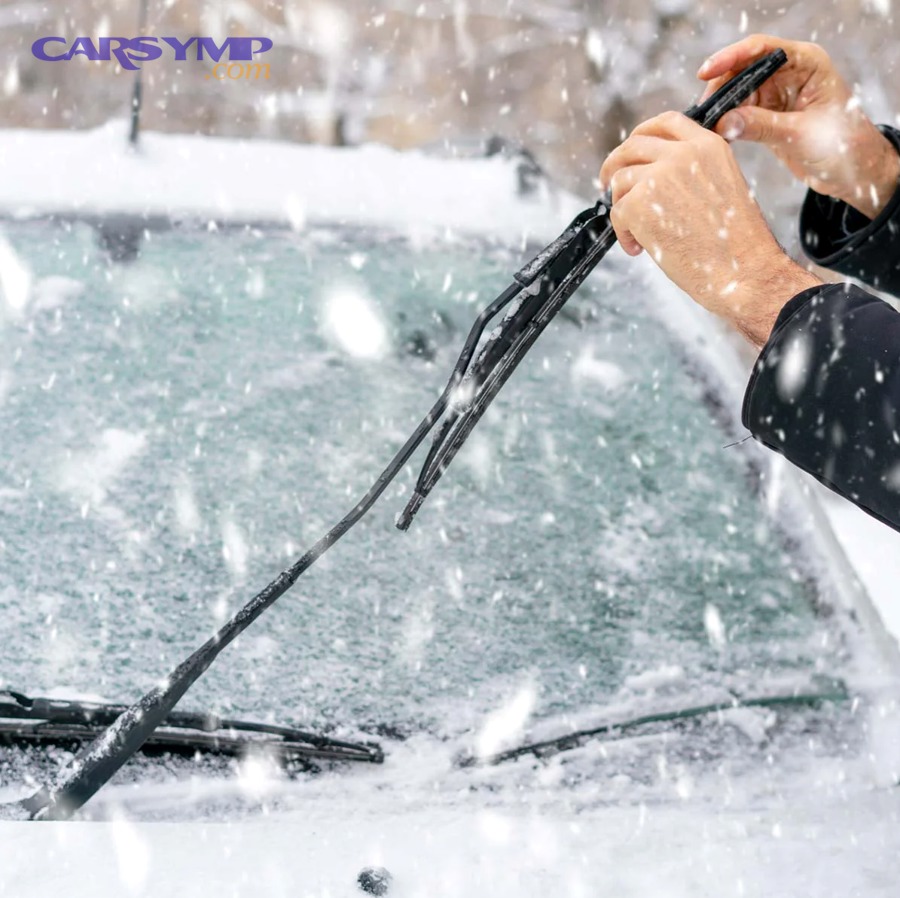
Yes, you should lift your wiper blades when parking in winter because this practice prevents ice bonding, reduces windshield damage risk, and eliminates the strain on wiper motors during cold starts. However, this technique requires proper execution to avoid potential spring tension issues.
More specifically, lifting wiper blades away from the windshield creates an air gap that prevents moisture from freezing the rubber edge to the glass surface. When blades remain down overnight in freezing conditions, condensation or residual moisture forms an ice layer that essentially glues the blade to the windshield. Attempting to activate frozen-down wipers forces the motor to overcome this adhesion, which can tear the rubber, bend the wiper arm, or damage the motor linkage.
The proper lifting technique involves grasping the wiper arm—not the blade itself—and gently pulling it away from the windshield until it locks in the vertical position. Most modern vehicles have a spring-loaded arm that holds this position without additional support. When returning the blade to the windshield, guide it down slowly rather than releasing it to snap back, which could crack cold glass.
The controversy surrounding this practice stems from concerns about Wiper arm spring tension issues. Critics argue that extended vertical positioning can weaken the spring mechanism over time, reducing the pressure that keeps blades in contact with the windshield. However, occasional overnight lifting poses minimal risk compared to the certain damage from frozen adhesion. For vehicles parked outdoors throughout winter, consider alternating this practice or investing in windshield covers that protect both glass and blades.
How Do You Properly Clean Winter Wiper Blades?
Properly clean winter wiper blades by wiping the rubber edge weekly with a damp cloth moistened with warm water, removing salt and debris buildup, and applying rubbing alcohol to prevent freezing. This routine prevents abrasive particle accumulation that degrades blade performance.
To begin, lift each wiper blade away from the windshield to access the full length of the rubber edge. Use a soft, lint-free cloth dampened with warm (not hot) water to wipe along the entire blade edge from base to tip. Apply gentle pressure to remove visible road salt, sand, and grime without bending or distorting the rubber. Rinse the cloth frequently to avoid redistributing contaminants.
For enhanced freeze protection, apply rubbing alcohol (isopropyl alcohol at 70% concentration or higher) to the rubber edge after the warm water cleaning. The alcohol serves dual purposes: it dissolves any remaining road salt residue and creates a temporary barrier against ice formation. Simply dampen a clean section of your cloth with rubbing alcohol and wipe the blade edge again.
Winter-grade washer fluid also contributes to blade cleanliness. Unlike summer formulations that can freeze in your reservoir, winter washer fluid contains antifreeze compounds that remain liquid at sub-zero temperatures. This fluid helps dissolve road film during operation and prevents ice buildup on both the windshield and blade edges. Verify your washer fluid is rated for temperatures at least 10°F lower than your region’s typical winter lows.
Weekly cleaning becomes especially critical after snowstorms when road crews deploy de-icing chemicals heavily. Road salt can scratch and dry out wiper blades, leading to gaps and cracks that compromise the seal against your windshield. Consistent removal of these corrosive compounds can extend blade life by several months.
What Should You Never Do with Frozen Wiper Blades?
You should never use wipers to clear heavy snow, pull frozen blades free by force, pour hot water on frozen windshields, or run wipers over ice-covered glass because these actions cause immediate damage to blades, windshields, and wiper motors. Avoiding these mistakes prevents costly repairs and dangerous visibility loss.
However, drivers frequently make these errors during rushed morning routines, unaware of the consequences. Let’s examine each prohibited action and understand why it causes damage.
Never use wipers to clear snow buildup: Windshield wipers are engineered to handle the resistance of water and light debris, not the weight and friction of accumulated snow. When you activate wipers covered by several inches of snow, the motor must overcome resistance far exceeding its design specifications. This overload can strip gear teeth in the wiper motor, bend wiper arms, or tear rubber blades completely off their frames. Additionally, frozen blades trapped under snow may be bonded to the windshield, multiplying the damage when the motor forces them to move.
Don’t pull frozen wipers free: Yanking on frozen wiper blades creates multiple failure points. The ice bonding the rubber to glass is often stronger than the adhesive holding the rubber insert to its metal frame. Forcing this connection causes the rubber to rip away from its mounting, rendering the blade useless. Even if the rubber survives, pulling can bend the wiper arm—a metal component with specific curvature engineered to maintain proper blade pressure. A bent wiper arm never fully recovers its original geometry, resulting in uneven pressure distribution and persistent streaking.
Avoid hot water on frozen windshields: The thermal shock from pouring hot or boiling water onto frozen glass creates rapid expansion of the glass surface while the interior layers remain cold and contracted. This differential expansion generates stress fractures that can spider-web across your entire windshield. Modern laminated windshields are more resistant to thermal shock than older glass, but the risk remains significant, especially if your windshield already has minor chips or cracks that act as stress concentration points.
Don’t run wipers over frozen windshield: Operating wipers across ice-covered glass subjects the rubber edge to abrasion equivalent to running it over 80-grit sandpaper. Ice crystals are sharp and hard, scraping away the smooth rubber surface that creates the water-tight seal. Just a few passes over ice can reduce a new blade to a streaking, chattering mess. The jagged ice also gouges microscopic scratches into the windshield itself, creating permanent haze that scatters headlight glare at night.
How Do You Safely Free Frozen Wiper Blades?
Safely free frozen wiper blades by starting your vehicle and using the defroster to gradually melt the ice, then using an ice scraper to remove loosened ice before gently lifting the blades. This method prevents blade damage while protecting your windshield and wiper motor.
Specifically, the defrosting process should follow a patient, systematic approach. Start your engine and immediately activate the defroster at its maximum heat setting, directing all airflow to the windshield. Modern vehicles with heated windshield zones can accelerate this process significantly. Allow the defroster to run for at least 5-10 minutes—longer in extreme cold—before attempting to touch the wipers. You’ll know the ice is releasing when you see moisture appearing at the interface between the blade and glass.
While the defroster works, prepare your ice scraper. Once the ice begins melting, use the scraper’s edge to gently work along the windshield beside the wiper blades, creating a gap between the ice layer and glass. Work from the center outward, avoiding contact with the rubber blade itself. As the defroster continues warming, the ice bond weakens progressively from beneath.
When sufficient ice has melted—indicated by visible water pooling around the blade edges—gently test the wiper’s freedom by lifting the arm slightly. If resistance remains, allow more defrost time rather than forcing movement. Once free, lift the blades away from the windshield and use your scraper to remove any remaining ice from the glass before lowering them back into position.
A preventative alternative involves treating blades with rubbing alcohol the night before freezing temperatures. Wipe the rubber edge with an alcohol-dampened cloth, creating a temporary barrier that inhibits ice formation. This simple 30-second task can eliminate the morning defrost wait entirely.
When Should You Replace Your Winter Wiper Blades?
You should replace your winter wiper blades every 6-12 months, immediately upon observing cracks or tears, when streaking persists after cleaning, or preemptively before winter arrives. Timely replacement prevents dangerous visibility loss during critical driving conditions.
To illustrate, the replacement timeline depends on usage intensity and climate severity. Vehicles parked outdoors in regions with harsh winters (consistent sub-freezing temperatures, frequent snow/ice events) should replace wiper blades at the conservative 6-month interval. Garage-kept vehicles in moderate winter climates can extend to 12 months. However, these timelines serve only as general guidelines—visual inspection reveals the true condition.
Inspect your wiper blades for these specific warning signs:
- Visible cracks or splits: Even tiny fissures in the rubber edge indicate structural compromise. These will expand rapidly under winter stress.
- Torn rubber: Any separation of the rubber insert from the metal frame demands immediate replacement.
- Bent or leaning blades: The wiper should rest flat against the windshield. Blades that lean to one side indicate frame damage or spring tension loss.
- Streaking patterns: After thoroughly cleaning both windshield and blades, test with washer fluid. Persistent streaks, missed sections, or water trails indicate the edge has worn unevenly.
- Chattering or skipping: Blades that judder across the glass instead of gliding smoothly have lost their edge geometry.
The pre-winter replacement strategy offers optimal protection. Installing fresh wiper blades in late autumn—before the first freeze—ensures you enter winter with maximum blade integrity. This proactive approach is especially important because blade availability may become limited during peak winter demand, and deteriorated blades fail exactly when you need them most: during sudden snowstorms or freezing rain events.
Professional mechanics recommend documenting your replacement date with a small piece of tape on the wiper arm or a note in your vehicle maintenance log. This simple tracking prevents the common problem of forgetting when you last replaced wiper blades.
How Can You Protect Wiper Blades from Ice and Snow Buildup?
You can protect wiper blades from ice and snow buildup by covering your windshield with dedicated covers or blankets, wrapping blades with tube socks, applying rubbing alcohol treatments, and using strategic parking positioning. These protective measures prevent overnight ice formation and reduce morning defrost time.
Moreover, windshield covers provide the most comprehensive protection. Commercial covers designed specifically for winter use feature magnetic or elastic edges that secure the cover against wind while protecting both the windshield and lifted wiper blades. These covers prevent snow accumulation and ice bonding, allowing you to simply remove the cover and drive away on winter mornings. The investment—typically $15-30—pays for itself through time savings and extended blade life.
The tube sock method offers a budget-friendly alternative. Slide clean, dry tube socks over each wiper blade before freezing precipitation begins. The fabric creates an insulating layer that prevents ice formation on the rubber edge while protecting against snow accumulation. This technique works surprisingly well for overnight protection, though it requires removing the socks before driving.
Rubbing alcohol application creates a chemical barrier against freezing. Before parking overnight when freezing temperatures are forecast, wipe the blade edges with rubbing alcohol using a clean cloth. The alcohol’s lower freezing point (-128°F for pure isopropyl alcohol) prevents moisture from bonding to the rubber surface. This treatment remains effective for 24-48 hours depending on precipitation exposure.
Strategic parking positioning leverages natural elements for protection. When possible, park facing east so morning sunlight strikes your windshield directly, accelerating natural ice melt. Parking under covered areas—even partial coverage like building overhangs or tree canopies—reduces direct snow accumulation. However, avoid parking under trees during ice storms, as falling ice-laden branches pose greater risk than ice on your windshield.
What Type of Washer Fluid Should You Use in Winter?
You should use winter-grade windshield washer fluid with antifreeze properties rated for temperatures at least 10°F below your region’s typical winter lows, typically containing methanol or ethanol that prevents freezing and aids ice removal. Proper fluid selection maintains cleaning capability and prevents system damage.
Especially important, winter washer fluid differs fundamentally from summer formulations in chemical composition and functional capabilities. Summer fluids focus on dissolving insects, tree sap, and dust using detergents and water. These mixtures freeze solid at 32°F, expanding as they solidify and potentially cracking your washer fluid reservoir, pump, and delivery lines. Winter formulations replace most water content with alcohol-based antifreeze compounds that remain liquid at sub-zero temperatures while providing superior de-icing performance.
Temperature ratings vary significantly among winter washer fluid products:
- Standard winter fluid: Rated to -20°F, suitable for moderate winter climates
- Extreme winter fluid: Rated to -40°F or lower, necessary for severe winter regions
- De-icer formula: Specialized blends that actively melt ice on contact, often rated to -50°F
Read the label carefully, as manufacturers sometimes display the “optimum performance” temperature rather than the absolute freezing point. Select fluid rated significantly below your area’s coldest expected temperature to maintain consistent performance.
The antifreeze compounds also enhance cleaning effectiveness on winter road film. Road salt, mud, and de-icing chemicals create a stubborn, greasy residue that summer fluid cannot dissolve effectively. Winter washer fluid’s alcohol content cuts through this film while the lower freezing point ensures the fluid doesn’t freeze on your windshield during application—a dangerous scenario that can instantly obstruct vision.
Keep your washer fluid reservoir filled throughout winter. A full reservoir is less likely to freeze than a partially full one because the fluid circulates through warmer engine compartment areas during operation. Additionally, winter conditions deplete washer fluid rapidly as you combat constant road spray, requiring more frequent refills than summer driving.
Clear your windshield washer fluid nozzles regularly. These small spray jets clog easily with ice, road debris, and mineral deposits. If nozzles freeze, spray them with de-icer or carefully clear them with a pin. Blocked nozzles prevent fluid from reaching your windshield, rendering even the best winter washer fluid useless.
How Do You Inspect Winter Wiper Blades for Damage?
You should inspect winter wiper blades through visual examination of the rubber edge, functional testing with washer fluid, and performance evaluation during actual use, conducting these checks monthly and after severe weather events. Systematic inspection identifies problems before they compromise safety.
Then, implementing a structured inspection routine ensures you catch deterioration early. Park your vehicle in good lighting where you can clearly see the blade edges. Perform inspections during warmer parts of the day when rubber is more flexible and flaws are easier to identify.
What Are the Warning Signs of Wiper Blade Failure?
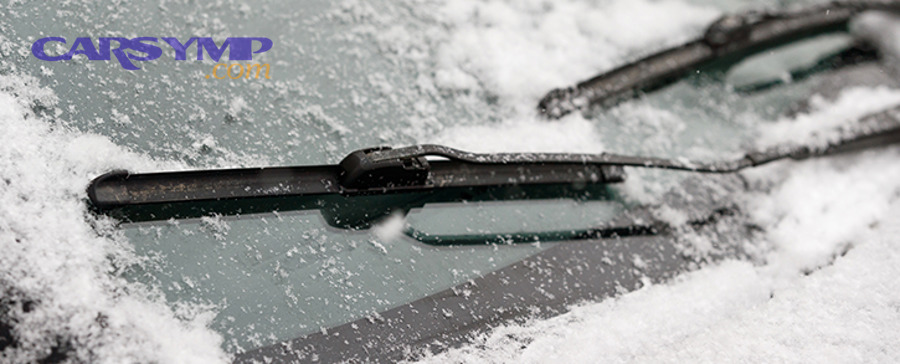
The warning signs of wiper blade failure include visible streaking across the windshield, chattering or skipping motion, squeaking noises, water beading in wiped areas, and physical damage like cracks or tears in the rubber. Recognizing these symptoms allows timely replacement before safety is compromised.
In addition, each symptom indicates specific types of blade deterioration:
Streaking patterns reveal edge damage: When wipers leave water trails—either thin lines or broad bands—the rubber edge has worn unevenly or developed nicks. The blade no longer makes continuous contact across its length, allowing water to pass beneath. Streaking typically begins at one end of the blade and progresses toward the center as deterioration advances.
Chattering indicates loss of flexibility: A blade that judders or bounces across the glass has lost its ability to maintain smooth contact. This usually results from hardened rubber that cannot flex properly to follow the windshield’s curvature. Cold weather accelerates rubber hardening, making chattering more pronounced during winter. Persistent chattering also suggests the wiper arm spring tension may have weakened.
Squeaking signals rubber degradation: High-pitched squealing during wiper operation means the rubber has either dried out, accumulated sticky residue, or begun tearing. While temporary squeaking may result from road film buildup (solvable with cleaning), persistent noise indicates the rubber compound itself has deteriorated beyond recovery.
Water beading in cleaned areas: After wipers pass, water should sheet off in a thin film rather than forming distinct droplets. Beading indicates the blade isn’t displacing water effectively—either the edge has rounded instead of maintaining a sharp profile, or contamination prevents proper contact. This symptom often appears first in corner sections where blades receive the most wear.
Physical damage markers: Inspect the rubber edge closely for:
- Cracks running perpendicular to the blade length
- Chunks missing from the edge
- Tears where rubber separates from the frame
- Visible hardening or brittleness when you flex the blade manually
- Uneven wear creating a wavy edge profile
Any single warning sign justifies immediate blade replacement. Don’t wait for multiple symptoms to accumulate, as deteriorated blades significantly increase accident risk during winter precipitation events.
How Do You Test Wiper Performance Before Winter Arrives?
Test wiper performance before winter arrives by activating wipers with washer fluid spray, observing the wipe pattern on wet glass, checking for complete water removal, and listening for unusual noises. This pre-season evaluation identifies marginal blades that will fail under winter stress.
Specifically, conduct this test on a cool, dry day in late autumn when you can safely spend time observing blade performance:
Step 1 – Visual inspection: Before testing operation, examine each blade closely. Run your finger along the rubber edge (gently, to avoid cuts) feeling for roughness, cracks, or torn sections. The edge should feel smooth and uniform from end to end. Look for any gaps between the rubber and its metal frame—a sign the adhesive has failed.
Step 2 – Static contact test: With wipers off, verify both blades rest flat against the windshield without lifting at the ends. Press gently on the center of each blade; it should flex slightly but maintain contact at all points. Blades that spring away from the glass have lost proper arm tension or frame integrity.
Step 3 – Operational test: Start your engine, activate washer fluid, and run wipers through several complete cycles at normal speed. Observe carefully:
- Do both blades clear water completely in a single pass?
- Are there any streaks, missed sections, or water trails remaining?
- Do blades move smoothly without chattering, skipping, or squeaking?
- Does the blade reverse direction cleanly without smearing water?
Step 4 – Coverage test: Note whether each blade clears its entire designed coverage area. Worn blades often leave unwiped crescents at the top or bottom of their arc. This reduced coverage becomes critical during heavy snowfall when you need maximum visibility.
Step 5 – Both-speed test: Test wipers at both slow and fast speeds. Some edge deterioration only manifests at higher speeds when the blade must flex more dynamically. Listen for any rattling, grinding, or motor strain sounds that indicate mechanical problems beyond just blade wear.
Document your test results, including the date and any observations. This baseline allows you to track progressive deterioration throughout winter. If testing reveals any performance deficiencies, replace wiper blades immediately rather than gambling on their survival through winter’s demanding conditions.
According to data from the National Highway Traffic Safety Administration, inadequate wiper blade performance contributes to approximately 16% of weather-related crashes, with the majority occurring during the first significant winter weather event when drivers haven’t yet replaced their worn summer blades.
Should You Upgrade to Winter-Specific Wiper Blades?
Yes, you should upgrade to winter-specific wiper blades if you drive regularly in snow and ice conditions, park outdoors in freezing temperatures, or have experienced blade failure during previous winters. Winter blades provide superior performance through specialized design, durable materials, and ice-resistant construction.
On the other hand, drivers in mild winter climates with occasional freezing may find all-season blades adequate if they follow proper maintenance practices. The decision ultimately depends on three factors: your regional climate severity, parking situation, and winter driving frequency. Let’s examine the specific advantages winter-specific blades offer.
What’s the Difference Between Winter Blades and All-Season Blades?
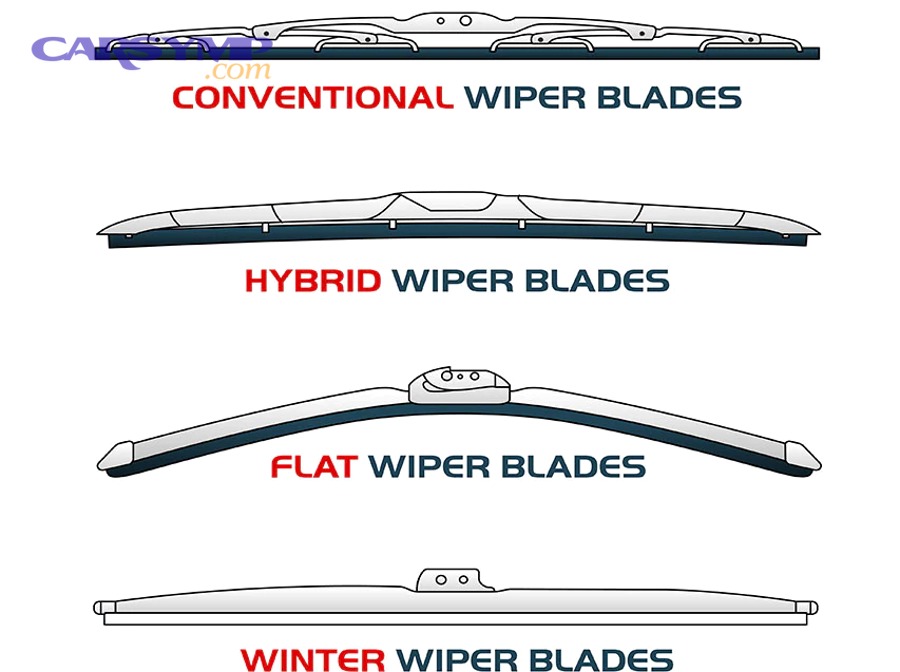
Winter blades differ from all-season blades through enclosed frame designs that prevent ice buildup, specialized rubber compounds that remain flexible in extreme cold, and reinforced construction that withstands snow weight and ice stress. These design differences translate to reliable performance in conditions where conventional blades fail.
Moreover, understanding these structural differences helps explain why winter blades command premium pricing:
Frame design comparison: Traditional all-season blades feature exposed metal frames with multiple pivot points and springs that press the rubber against the windshield. These articulated frames excel at conforming to windshield curves in moderate conditions but create pockets where snow and ice accumulate during winter. Once ice fills these joints, the frame becomes rigid, preventing the blade from maintaining proper contact across the glass surface.
Winter blades solve this problem through two design approaches. Covered frame blades wrap the traditional metal structure in a rubber boot that seals out snow and ice while maintaining the multi-point pressure distribution. Beam-style blades eliminate the frame entirely, using a single, pre-tensioned spring steel spine encased in rubber. Without exposed joints or pivot points, beam blades have nowhere for ice to accumulate.
Rubber compound differences: All-season blade rubber balances durability with flexibility for temperatures ranging from 40°F to 100°F. This compromise leaves the rubber vulnerable to stiffening when temperatures drop below freezing. Stiff rubber cannot flex to follow windshield contours, resulting in streaking and incomplete water removal.
Winter blade rubber incorporates additives—often silicone or synthetic polymers—that maintain flexibility down to -40°F or lower. Some premium winter blades use graphite-coated edges that reduce friction while providing additional freeze resistance. This specialized rubber costs more to manufacture but delivers consistent performance regardless of temperature.
Construction durability: Winter blades feature heavier-gauge metal components and reinforced rubber-to-frame bonding to withstand the mechanical stress of pushing through heavy snow. The blade spine must be rigid enough to clear snow without flexing, yet flexible enough to maintain glass contact—an engineering balance all-season blades aren’t designed to achieve.
Performance in mixed conditions: While winter blades excel in snow and ice, they also perform well in rain. Modern winter blades aren’t single-purpose tools that need seasonal swapping. Many drivers install winter blades in autumn and leave them year-round, accepting slightly higher cost in exchange for year-round reliability. However, in regions with intense summer heat, the specialized winter rubber may deteriorate faster than conventional compounds, making seasonal replacement more economical.
Are Silicone Wiper Blades Better Than Rubber for Winter?
Yes, silicone wiper blades are better than rubber for winter because silicone remains flexible at lower temperatures, resists cracking from cold exposure, lasts up to twice as long as rubber, and creates a hydrophobic coating that improves water repellency. However, silicone blades cost 2-3 times more than conventional rubber options.
Specifically, silicone’s superior winter performance stems from its molecular structure, which differs fundamentally from natural or synthetic rubber. Silicone polymers maintain elasticity across a wider temperature range—from -60°F to over 400°F—while rubber compounds become brittle below 0°F and degrade rapidly when subjected to repeated freeze-thaw cycles.
The hydrophobic property of silicone creates an unexpected benefit: with each wipe, the blade deposits a microscopic silicone layer on your windshield. This coating causes water to bead and sheet off more readily, improving visibility even between wiper passes. The effect is subtle but noticeable during heavy rain or wet snow, where treated windshields maintain clearer vision at highway speeds.
Durability comparisons show silicone blades averaging 18-24 months of service life compared to 6-12 months for premium rubber blades. This extended lifespan partially offsets the higher initial cost, though the upfront price premium remains significant—expect to pay $30-50 per blade for quality silicone versus $10-20 for premium rubber.
The primary drawbacks include initial squeaking (which typically resolves after several uses as the silicone coating establishes), incompatibility with some windshield treatments (verify compatibility if you use Rain-X or similar products), and occasionally reduced cleaning effectiveness on heavy road film until the hydrophobic layer fully develops.
For drivers in severe winter climates who prioritize maximum reliability and are willing to invest in premium products, silicone blades represent the best available technology. Budget-conscious drivers in moderate climates may find premium rubber winter blades offer adequate performance at lower cost.
Do Heated Wiper Blades Justify the Extra Cost?
Heated wiper blades justify the extra cost for drivers in severe winter climates with frequent freezing rain and ice storms, commercial drivers who cannot afford visibility-related downtime, and anyone who has experienced dangerous situations due to ice-clogged wipers. The $100-200 investment provides active ice prevention that passive blade designs cannot match.
However, for occasional winter drivers in moderate climates, the cost-benefit analysis favors conventional winter blades combined with proper maintenance practices. Heated blades address a specific problem—ice accumulation on the blade itself during operation—that only becomes critical in the most demanding conditions.
How heated blades work: These systems integrate heating elements directly into the blade assembly, powered through modified wiper arms connected to your vehicle’s electrical system. When activated, the elements warm the blade rubber to temperatures sufficient to prevent ice formation (typically 90-110°F). Installation requires professional electrical work to integrate the heating system with your vehicle’s power supply, adding to the total cost.
Performance advantages in extreme conditions: During freezing rain—perhaps the most dangerous winter precipitation—conventional blades ice up within minutes as they drag supercooled water across cold windshields. Each wipe adds another ice layer, progressively reducing blade effectiveness until they become solid ice clubs scraping uselessly across the glass. Heated blades prevent this ice buildup entirely, maintaining consistent clearing performance throughout the storm.
The safety value becomes apparent when you consider that pulling over to manually de-ice blades during freezing rain often means stopping on highway shoulders in near-zero visibility while other vehicles slide past at high speeds. Heated blades eliminate this hazardous necessity.
Limitations and considerations: Heated blades cannot melt ice already on the windshield—they only prevent ice formation on the blades themselves. You still need effective defrosters and washer fluid. The electrical draw is modest (2-5 amps per blade) but represents additional load on your charging system. Some systems activate automatically with wiper operation; others require manual switches, adding driver workload.
Rear wiper blade replacement guide considerations apply when installing heated systems—ensure compatibility with your vehicle’s wiper motor specifications and electrical capacity before investing.
Cost-benefit calculation: Compare the $100-200 heated blade investment against the risk profile of your driving:
- Frequent driving during winter storms: High justification
- Commercial or emergency vehicle operation: High justification
- Commuting flexibility to avoid worst weather: Lower justification
- Garage parking with primarily daytime driving: Lower justification
Which Winter Wiper Blade Brands Perform Best in Extreme Cold?
Bosch ICON blades perform best for all-weather reliability, Rain-X Latitude Water Repellent Blades excel in mixed precipitation, ANCO Winter Blades offer best value for dedicated winter use, and premium silicone options like PIAA provide maximum durability in extreme cold conditions. Brand selection should match your specific climate challenges and budget.
In addition, recent independent testing by automotive publications and consumer organizations reveals performance differences across leading brands:
Bosch ICON – These beam-style blades use dual rubber compounds: a hard outer layer for structure and a soft inner layer for sealing. The exclusive asymmetric spoiler creates aerodynamic downforce that improves high-speed contact. ICON blades feature Bosch’s proprietary FX dual rubber compound that maintains flexibility to -40°F. Premium pricing ($25-35 per blade) reflects advanced engineering, but longevity often exceeds 18 months.
Rain-X Latitude Water Repellent Blades – These apply Rain-X’s hydrophobic coating with each wipe, beading water for improved visibility. The beam design prevents ice accumulation while maintaining flexibility in cold. Mid-range pricing ($15-25 per blade) and wide vehicle compatibility make these popular for drivers seeking enhanced rain performance alongside winter capability.
ANCO Winter Blades – Traditional frame-style design with protective rubber boots covering all metal components. The winter-specific rubber remains pliable in sub-freezing temperatures without the premium cost of silicone. At $12-18 per blade, these represent excellent value for drivers needing dedicated winter coverage who swap back to regular blades in spring.
Michelin Stealth Ultra – Hybrid design combining beam blade aerodynamics with Smart Flex technology for windshield conformance. Independent tests show consistent performance across temperature ranges from -30°F to 120°F. The premium price ($30-40 per blade) includes advanced materials but may exceed requirements for moderate winter climates.
PIAA Super Silicone – Full silicone construction throughout the blade element provides maximum temperature resilience and hydrophobic performance. These blades create the strongest water-repelling coating but demand the highest investment ($35-50 per blade). Exceptional longevity (often 2+ years) and superior performance in freezing rain justify the cost for serious winter drivers.
Performance testing conducted by Consumer Reports in winter 2024 evaluated twelve leading blade models across categories including snow clearing ability, ice resistance, temperature flexibility, and durability. Bosch ICON and PIAA Super Silicone tied for top overall scores, while ANCO Winter Blades received the “Best Value” designation for performance-per-dollar in dedicated winter use.
When selecting blades, verify the specific part numbers match your vehicle’s year, make, and model. Wiper arm attachment mechanisms vary significantly, and improper fitment compromises even the best blade design. Many auto parts retailers offer online fitment guides or in-store assistance to ensure compatibility.
This comprehensive guide to winter wiper blade care provides the knowledge and techniques necessary to maintain clear visibility throughout winter’s challenging conditions. By implementing these seven essential maintenance tips, understanding when replacement becomes necessary, and selecting appropriate blade technology for your climate, you protect both your safety and your vehicle investment. Remember that wiper blade maintenance represents one of the simplest yet most critical winter vehicle preparations—a few minutes of preventative care can prevent hours of frustration and genuinely life-threatening visibility loss during severe weather events.