


Alloy wheel cracks represent a critical safety hazard that can lead to catastrophic failure, sudden blowouts, and loss of vehicle control. Every driver must learn to detect these structural defects early by recognizing seven key warning signs: visible cracks or fracture lines, loss of tire pressure, vibration through the steering wheel, unusual noises, poor vehicle handling, difficulty balancing wheels, and frequent air pressure loss. Early detection through regular visual inspection and awareness of these symptoms prevents dangerous wheel failures that could result in accidents, injuries, or fatalities on the road.
Understanding what constitutes an alloy wheel crack and why these defects pose such severe dangers forms the foundation for proper detection and prevention. Alloy wheels crack due to impact damage from potholes and curbs, environmental stress from temperature changes and corrosion, manufacturing defects in low-quality materials, and operational factors like overloading or improper installation. Unlike cosmetic damage, structural cracks compromise the wheel’s integrity and progressively worsen with continued driving, eventually leading to complete wheel collapse.
Detecting cracks requires both knowledge of practical inspection techniques and recognition of hidden warning signs that indicate damage even when cracks aren’t immediately visible. Visual inspection remains the most accessible detection method for drivers, involving systematic examination of spokes, rim edges, bolt holes, and the inner wheel barrel under proper lighting conditions. Professional crack detection methods using dye penetrant testing and specialized diagnostic equipment provide more thorough assessment when DIY inspection proves insufficient or when suspected damage requires expert evaluation.
Knowing when to seek professional help distinguishes between repairable cracks and dangerous defects requiring immediate wheel replacement. Not all cracked alloy wheels can be safely repaired—crack location, size, and type determine whether TIG welding restoration is viable or whether replacement becomes mandatory for safety. Moreover, understanding prevention strategies helps drivers protect their wheels from damage through proper maintenance habits, driving techniques, and awareness of environmental factors that accelerate cracking. Below, we’ll explore each aspect of alloy wheel crack detection in detail.
What Are Alloy Wheel Cracks and Why Are They Dangerous?
Alloy wheel cracks are structural fractures in the metal wheel that compromise its integrity and create serious safety hazards, ranging from air pressure loss and handling problems to catastrophic wheel failure and vehicle accidents. These cracks differ fundamentally from cosmetic damage like scratches or scuffs because they penetrate the wheel’s structural material, weakening its ability to support the vehicle’s weight and withstand road forces.
To fully understand the danger, drivers must distinguish between the types of cracks and recognize how seemingly minor damage escalates into life-threatening situations. Hairline cracks appear as thin, barely visible lines on the wheel surface, often discovered only through close inspection or professional testing. Despite their subtle appearance, hairline cracks represent structural compromises that expand under stress from driving, eventually becoming full structural fractures. Structural fractures, in contrast, present as obvious breaks or separations in the wheel material, frequently accompanied by immediate symptoms like air loss or severe vibration.
What Happens When You Drive with a Cracked Alloy Wheel?
Driving with a cracked alloy wheel initiates a cascade of progressive failures that begin with manageable symptoms and culminate in catastrophic outcomes. The immediate consequences manifest within hours or days of continued driving: loss of tire air pressure occurs as cracks create pathways for air to escape, requiring frequent refilling that drivers often mistake for slow punctures. Vibration develops through the steering wheel and vehicle body as the compromised wheel loses its perfectly round shape, creating imbalance during rotation. Poor handling emerges as the wheel’s structural weakness affects the vehicle’s stability, particularly during cornering or emergency maneuvers.
Progressive deterioration accelerates with each mile driven on a cracked wheel. The crack expands through a process called stress propagation, where repeated loading and unloading during wheel rotation forces the fracture to grow larger. Wheel weakening occurs as more material separates, reducing the wheel’s load-bearing capacity and increasing the risk of sudden collapse. Temperature cycling from braking heat and ambient conditions exacerbates crack growth by causing the metal to expand and contract at different rates along the fracture line.
Catastrophic outcomes represent the ultimate danger of neglected wheel cracks. Sudden blowout happens when the crack extends completely through critical load-bearing sections, causing instant tire deflation and loss of vehicle control. Wheel collapse occurs when the crack propagates to the point where the wheel can no longer support the vehicle’s weight, resulting in the wheel breaking apart while driving. Accidents follow inevitably when drivers lose control during high-speed blowouts or when wheel fragments damage other vehicles. A study by the National Highway Traffic Safety Administration found that wheel-related failures contribute to approximately 11,000 crashes annually in the United States, with a significant portion attributed to undetected structural cracks in alloy wheels.
Legal implications compound the danger with practical consequences. MOT failure becomes automatic when inspectors identify cracks during vehicle testing, as Section 5.2.2 of the revised MOT Testing standards for class 3-7 vehicles classifies fractured wheel rims as dangerous defects. Insurance issues may arise if accidents result from driving with known wheel damage, potentially voiding coverage or establishing driver negligence.
What Causes Alloy Wheels to Crack?
Alloy wheels crack due to four primary categories of stress and damage: impact forces, environmental conditions, material quality issues, and operational factors. Understanding these causes helps drivers recognize high-risk situations and implement preventive measures.
Impact damage represents the most common cause of alloy wheel cracks, accounting for the majority of structural failures. Potholes create sudden, concentrated forces when wheels strike the edges or bottoms of road defects, particularly at higher speeds where the tire cannot adequately cushion the impact. The force transfers directly to the wheel structure, potentially exceeding the material’s fracture resistance. Curb strikes deliver similar concentrated impacts when wheels contact concrete curbs during parking or turning, typically affecting the outer rim edge where the wheel is most vulnerable. Road debris including rocks, metal fragments, and construction materials can strike wheels with sufficient force to initiate cracks, especially when encountered at highway speeds.
Environmental stress factors work more gradually but prove equally destructive over time. Temperature changes cause alloy materials to expand when heated and contract when cooled, creating internal stresses within the wheel structure. Repeated thermal cycling—such as parking in cold overnight temperatures followed by hard braking that heats the wheels during morning commutes—fatigues the metal and creates microscopic fractures that eventually become visible cracks. Corrosion attacks the wheel material when road salt, moisture, and acidic contaminants penetrate the protective coating, weakening the metal’s structure and making it more susceptible to cracking. Coastal environments and regions with harsh winters using road salt see accelerated corrosion-related cracking.
Manufacturing factors determine baseline crack resistance. Low-quality materials using inferior aluminum alloys or inadequate heat treatment produce wheels with lower fracture toughness and greater susceptibility to cracking. Design weaknesses in wheels featuring large, thin spokes or insufficient rim thickness sacrifice structural strength for aesthetic appeal, creating stress concentration points where cracks preferentially initiate. Cast wheels, while more affordable than forged alternatives, exhibit lower material density and greater porosity, making them more prone to cracking compared to forged wheels that undergo compression during manufacturing to create denser, stronger structures.
Operational factors introduce additional crack risks through improper vehicle use and maintenance. Overloading vehicles beyond their rated weight capacity places excessive stress on wheels, potentially exceeding design limits and causing cracks to form at high-stress points. Improper installation including cross-threading lug nuts or using incorrect torque specifications creates uneven loading patterns and stress concentrations that promote crack formation. Over-tightened lug nuts induce compressive stress around bolt holes that can initiate radial cracks extending outward from the mounting points. Underinflated tires allow excessive wheel flex during impacts, increasing the forces transmitted to the wheel structure and raising crack risk, while overinflated tires provide inadequate cushioning that similarly exposes wheels to higher impact forces.
What Are the 7 Warning Signs of Cracked Alloy Wheels?
There are seven critical warning signs every driver must recognize to detect cracked alloy wheels before catastrophic failure: visible cracks, loss of tire pressure, steering wheel vibration, unusual noises, poor vehicle handling, difficulty balancing wheels, and frequent need for air refills. These symptoms range from obvious visual indicators to subtle performance changes that signal hidden structural damage.
Recognizing these warning signs requires systematic attention to both visual inspections and changes in vehicle behavior. Early detection when cracks remain small allows for timely repair or replacement, preventing the progressive damage that leads to dangerous failures. Drivers should remain particularly vigilant after striking potholes, hitting curbs, or driving on rough road surfaces, as these events create the highest probability of crack formation.
How Do You Recognize Visible Crack Symptoms?
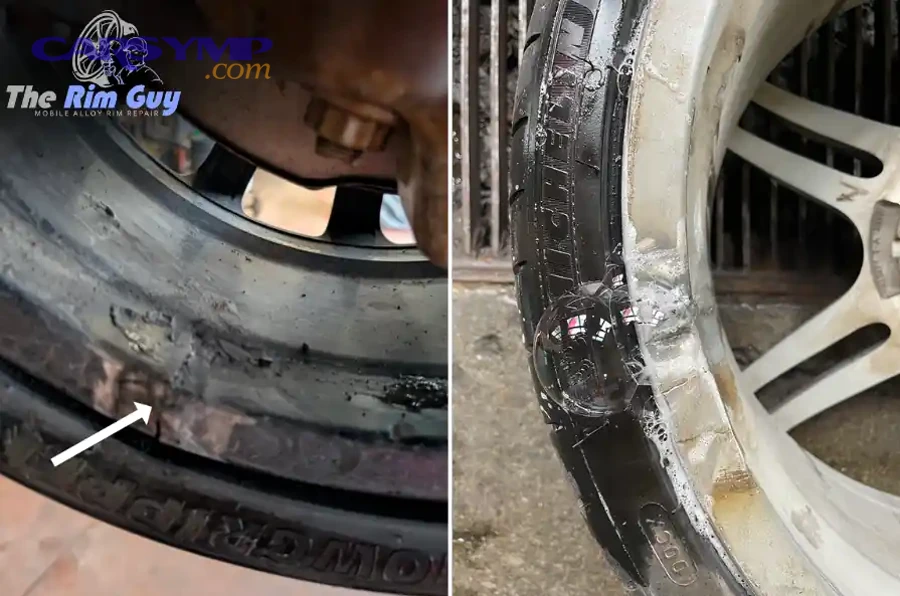
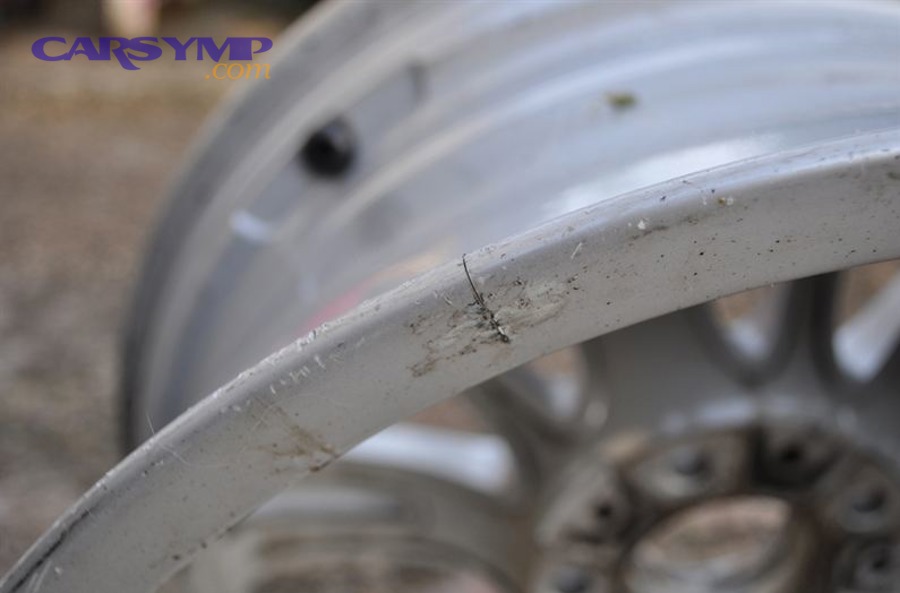
Visible crack symptoms provide the most direct evidence of wheel damage, though many cracks remain difficult to detect without careful inspection. Warning Sign #1—visible cracks or fracture lines on the wheel surface—appears as thin lines, spider-web patterns, or obvious breaks in the wheel material. These cracks typically initiate at stress concentration points including spoke junctions where spokes meet the rim, bolt holes where mounting forces concentrate, and rim edges where impact damage most frequently occurs. Drivers should inspect these high-risk areas under good lighting conditions, using a flashlight to illuminate shadowed regions and reveal hairline cracks that might otherwise remain invisible.
Warning Sign #2—loss of tire pressure or slow punctures—manifests as gradual air loss requiring tire inflation every few days or weeks. Unlike punctures from nails or debris that often cause rapid deflation, cracks produce slow leaks as air escapes through the fracture between the wheel and tire bead. This symptom frequently serves as the first indication of crack presence, particularly for small cracks on the inner wheel barrel that remain hidden from external view. Drivers who find themselves repeatedly adding air to the same tire without identifying a puncture in the tire itself should immediately suspect wheel damage and conduct thorough crack inspection.
Warning Sign #3—vibration through the steering wheel or vehicle body—indicates that wheel damage has progressed to affect the wheel’s roundness and balance. Cracked wheels lose their perfectly circular shape as structural integrity deteriorates, creating imbalance during rotation that transmits vibrations through the suspension and steering systems. Low-speed vibrations felt primarily through the steering wheel suggest front wheel damage, while vibrations through the seat and floor typically indicate rear wheel cracks. The vibration intensity often increases with vehicle speed as rotational imbalance forces multiply.
Warning Sign #4—unusual noises including clunks, rattles, and grinding sounds—emerges when cracks allow wheel components to shift or when separated material creates contact points during rotation. Clicking sounds that occur with each wheel revolution point to cracks near mounting points or spoke junctions where movement between separated sections produces audible contact. Grinding or scraping noises suggest more severe damage where crack-displaced material contacts the brake caliper, suspension components, or tire bead. These Car Symptoms demand immediate investigation, as they indicate advanced crack progression approaching catastrophic failure.
What Are the Hidden Warning Signs of Wheel Damage?
Hidden warning signs reveal crack presence even when visual inspection fails to identify obvious damage, making awareness of these symptoms crucial for comprehensive detection. Warning Sign #5—poor vehicle handling or pulling to one side—develops when cracked wheels compromise suspension geometry or create uneven contact patches between tires and road surfaces. Vehicles may drift left or right during straight-line driving, requiring constant steering correction to maintain lane position. Cornering performance deteriorates as cracked wheels flex unpredictably under lateral loads, producing vague steering feel and reduced grip. Emergency maneuvers become particularly dangerous when wheel structural integrity proves insufficient to handle sudden direction changes or hard braking forces.
Warning Sign #6—difficulty balancing wheels or uneven tire wear—surfaces during routine tire maintenance when technicians cannot achieve proper balance despite repeated attempts. Cracked wheels exhibit irregular mass distribution as fractures allow sections to shift or as structural deformation creates non-uniform density. The imbalance manifests as persistent vibration that wheel weights cannot correct, indicating underlying structural problems rather than simple balance issues. Uneven tire wear patterns develop as cracked wheels fail to maintain consistent alignment and loading, creating premature wear on specific tread sections. Cupping or scalloping wear patterns along the tire circumference particularly suggest wheel balance problems stemming from structural damage.
Warning Sign #7—frequent need to refill tire air pressure—extends beyond the slow leak symptom by indicating progressive crack growth. Drivers who initially refill tires weekly may find the interval decreasing to every few days as cracks expand and leak rates increase. This accelerating air loss pattern distinguishes crack-related leaks from static punctures, which typically produce consistent rather than worsening leak rates. The symptom often appears in combination with other warning signs, creating a symptom cluster that strongly indicates wheel crack presence even when visual inspection remains inconclusive.
According to research published by the Society of Automotive Engineers, approximately 35% of alloy wheel failures go undetected until catastrophic failure occurs, primarily because drivers overlook these hidden warning signs or attribute them to other maintenance issues like tire problems or suspension wear. This statistic underscores the critical importance of considering wheel cracks as potential causes whenever any combination of these seven warning signs appears.
How Can You Detect Cracks in Alloy Wheels?
You can detect cracks in alloy wheels through three primary methods: systematic visual inspection focusing on high-stress areas, professional crack detection using dye penetrant testing and specialized equipment, and diagnostic evaluation based on symptom patterns and vehicle behavior. Effective detection combines regular driver-performed visual checks with professional assessment when symptoms or high-risk events suggest potential damage.
Understanding detection methodology empowers drivers to identify cracks during early stages when repair remains possible and catastrophic failure risk stays minimal. Detection timing proves crucial—immediate post-impact inspection after striking potholes or curbs provides the best opportunity to discover new cracks before they propagate, while routine monthly inspections catch cracks that develop gradually from environmental stress or fatigue.
What Visual Inspection Techniques Work Best?
Visual inspection techniques that systematically examine high-risk areas under optimal conditions provide the most practical detection method for drivers without specialized equipment. The step-by-step visual inspection process begins with wheel preparation: clean the wheels thoroughly using appropriate wheel cleaner to remove brake dust, dirt, and road grime that obscures crack visibility. Position the vehicle on level ground and, if possible, raise it on jack stands to allow wheel rotation for complete 360-degree inspection access.
Timing and location matter significantly for effective inspection. Conduct inspections after impact events including pothole strikes, curb contacts, or encounters with road debris—ideally within 24 hours when crack evidence remains fresh. Perform routine inspections during tire rotations, seasonal wheel changes, or monthly maintenance intervals to catch developing cracks before they progress. Choose well-lit environments with direct natural sunlight or bright artificial lighting that eliminates shadows and reveals subtle surface variations indicating crack presence.
Focus areas requiring particular attention include the spokes, where junctions with the rim concentrate stress and frequently initiate cracks. Examine both sides of each spoke, looking for hairline fractures extending radially from the rim connection points. Rim edges, especially the outer lip that contacts curbs and absorbs impact forces, demand close scrutiny for cracks running circumferentially along the rim or radially toward the bolt circle. Bolt holes warrant careful inspection for radial cracks emanating outward from the mounting holes, which indicate over-torqued lug nuts or installation stress. The inner wheel barrel, visible only when the wheel is removed or by reaching behind while the wheel remains mounted, hides many cracks from casual observation but frequently develops fractures from impact damage transmitted through the tire.
Optimal lighting and positioning techniques enhance crack detection success. Use a high-intensity flashlight or LED inspection light directed at shallow angles across the wheel surface—this angle highlighting technique creates shadows in crack depressions that make hairline fractures visible against the surrounding material. Rotate the wheel slowly while maintaining consistent lighting angle, watching for linear shadows that indicate crack presence. For stationary inspection without wheel removal, position the flashlight inside the wheel well and shine outward through spoke openings to backlight potential crack areas.
Magnifying tools including 3x to 10x magnifying glasses or jeweler’s loupes help identify microscopic cracks too small for unaided vision. Clean the suspected area thoroughly, dry it completely, then examine under magnification while applying the angle lighting technique. Some professional inspectors use white developer spray—similar to dye penetrant testing but without the colored dye—that creates a contrasting background making cracks more visible. However, for most drivers, systematic visual inspection under proper lighting reveals the majority of cracks requiring attention.
How Do Professional Crack Detection Methods Work?
Professional crack detection methods employ specialized materials and equipment that reveal cracks invisible to visual inspection, providing definitive assessment when driver inspection proves insufficient or when suspected damage requires verification before repair decisions. Dye penetrant testing represents the most common professional detection technique used in rim repair facilities and automotive shops. The process begins with thorough surface cleaning using solvent to remove all contaminants that might prevent penetrant entry into cracks. Technicians then apply bright red or fluorescent penetrant liquid that flows into surface-breaking cracks through capillary action, filling even microscopic fractures too small for visual detection.
After allowing penetrant dwell time of 10-30 minutes for complete crack infiltration, technicians remove excess surface penetrant using cleaning wipes, leaving only the penetrant that entered cracks. Application of white developer powder or spray creates a contrasting background that draws penetrant from cracks through reverse capillary action, creating visible red lines or fluorescent indications marking crack locations. Under ultraviolet light, fluorescent penetrant glows brightly, revealing crack patterns with exceptional clarity even in complex wheel geometries.
Crack detection sprays available for professional and advanced DIY use combine cleaning, penetration, and development in convenient aerosol formats. These products first clean potentially affected areas, then apply colored dye that reveals imperfections through contrast enhancement. While less sensitive than professional liquid penetrant testing, spray products provide accessible crack detection for drivers who suspect damage and want verification before seeking professional rim repair services.
Professional diagnostic equipment extends beyond surface crack detection to identify internal defects and assess crack severity. X-ray inspection penetrates the wheel material, revealing internal cracks, porosity from casting defects, and structural anomalies invisible on the surface. This non-destructive testing proves particularly valuable for assessing apparently intact wheels after severe impacts to identify hidden damage that might cause sudden failure. Ultrasonic testing uses high-frequency sound waves that reflect differently from cracks and voids compared to solid material, allowing technicians to map internal crack extent and determine whether wheels remain safe for continued service or require replacement.
When DIY inspection becomes insufficient, several situations demand professional assessment. Symptom presence without visible cracks—such as persistent air loss or vibration—suggests hidden damage requiring professional equipment to locate. Post-impact uncertainty after major pothole or curb strikes warrants professional inspection even without obvious symptoms, as internal cracks may exist without immediate manifestation. Pre-repair evaluation becomes essential when cracks are discovered, since professional assessment determines whether TIG welding repair remains viable or whether wheel replacement becomes necessary for safety. Insurance claims for wheel damage typically require professional documentation verifying crack presence and repair recommendations.
According to the National Institute for Automotive Service Excellence, professional crack detection identifies approximately 25% more wheel damage than visual inspection alone, particularly catching small cracks in early stages when repair costs remain minimal compared to catastrophic failure and accident expenses. This detection advantage justifies professional inspection costs, especially for high-value vehicles or after significant impact events.
When Should You Seek Professional Help for Wheel Cracks?
You should seek professional help for wheel cracks immediately upon discovering any crack regardless of size, when experiencing persistent symptoms suggesting hidden damage, after any significant impact event even without visible cracks, and before attempting any repair to determine whether the wheel remains safely repairable or requires replacement. Professional evaluation provides critical safety assessment that determines appropriate remediation and prevents dangerous assumptions about crack severity.
Understanding criteria for professional intervention versus continued monitoring empowers drivers to make informed safety decisions. While some might assume small cracks present minimal risk, crack propagation mechanics prove unpredictable—small hairline fractures can rapidly expand into structural failures under operating stresses, making professional assessment essential for any detected damage.
Can All Cracked Alloy Wheels Be Repaired?
No, not all cracked alloy wheels can be safely repaired—crack location, size, type, and extent determine whether professional repair remains viable or whether replacement becomes mandatory for safety. Repairable cracks meet specific criteria regarding their characteristics and position on the wheel structure.
Crack location proves the most critical factor in repair feasibility. Cosmetic area cracks appearing on spoke faces away from structural junctions or occurring on the outer rim face without penetrating to the inner barrel may allow repair through grinding, filling, and refinishing. Rim barrel cracks on straight sections between spokes, provided they measure under 25mm in length and don’t extend through the full barrel thickness, can potentially undergo TIG welding repair with acceptable safety margins. Spoke mid-section cracks on the flat portions of spokes away from junctions sometimes prove repairable if they remain small and haven’t propagated significantly.
Non-repairable damage scenarios require immediate wheel replacement to maintain safety. Hub-area cracks near bolt holes or extending from mounting points affect the wheel’s ability to securely attach to the vehicle, creating catastrophic failure risk if the wheel separates during driving. Spoke junction cracks where spokes meet the rim concentrate stresses that make reliable repair impossible—welding these areas creates heat-affected zones with reduced strength that often fail shortly after repair. Multiple crack systems with several cracks in close proximity or interconnected fracture patterns indicate extensive structural compromise that exceeds safe repair limits. Through-thickness fractures that completely penetrate the wheel material allow air and contaminant passage, indicating severe damage requiring replacement.

Crack size thresholds guide repair decisions: cracks under 25mm in length in suitable locations may qualify for repair, while cracks exceeding 50mm typically require replacement regardless of location. However, crack depth matters equally—shallow surface cracks affecting only the outer 20-30% of material thickness pose less risk than deep fractures approaching full penetration.
The TIG welding repair process for repairable cracks involves multiple precision steps that only qualified technicians should perform. Wheel preparation includes complete tire removal, thorough cleaning, and crack opening through grinding to create a V-groove that allows complete weld penetration. Technicians drill small holes at crack ends to prevent further propagation—this stress relief technique stops the crack from extending during welding heat cycles. TIG (tungsten inert gas) welding fills the prepared groove with filler material matched to the wheel’s aluminum alloy composition, building the weld in multiple passes to avoid excessive heat buildup that could warp the wheel or create new stress concentrations.
Post-weld processing restores wheel integrity through stress relief heat treatment, precision grinding to blend the weld with surrounding material, and careful inspection using dye penetrant testing to verify complete crack repair without new defects. The repaired area undergoes repainting or powder coating to protect against corrosion, followed by precision balancing to ensure smooth rotation.
Safety considerations for repaired versus new wheels warrant careful understanding. Repaired wheels, while structurally sound when properly welded, never fully regain original factory strength—the heat-affected zone surrounding welds exhibits altered grain structure and potentially reduced fatigue resistance. Professional repair facilities typically recommend using repaired wheels as spares rather than daily-use wheels, or installing them on rear axles where steering forces don’t apply additional stress. Rim repair cost estimates vary based on crack severity, typically ranging from $100-250 per wheel for straightforward repairs compared to $300-800 for quality replacement wheels.
According to data from the Specialty Equipment Market Association, approximately 60% of discovered alloy wheel cracks prove repairable through professional TIG welding, while 40% require replacement due to unfavorable location, excessive size, or multiple crack systems. This statistic emphasizes the importance of professional evaluation rather than assumptions about repairability based on crack appearance alone.
What Makes a Cracked Wheel Too Dangerous to Drive?
A cracked wheel becomes too dangerous to drive when the crack exceeds critical size thresholds, appears in structurally critical locations, shows signs of rapid propagation, or produces severe symptoms indicating imminent failure. Understanding these danger indicators prevents catastrophic failures and serious accidents.
Size thresholds for immediate action depend on crack characteristics and location. Any crack exceeding 50mm (approximately 2 inches) in length requires immediate wheel replacement regardless of location, as cracks of this magnitude significantly compromise structural integrity and resist reliable repair. Cracks exceeding 10mm in depth through the wheel thickness approach through-wall penetration that will soon allow complete air loss and potential wheel separation. Cracks exhibiting visible width opening—where the fracture surfaces separate noticeably when viewing from the side—indicate advanced damage under high stress that could fail catastrophically during driving.
Critical locations that make any crack size immediately dangerous include those near or through bolt holes, where crack propagation could cause wheel detachment from the vehicle. Cracks at spoke-to-rim junctions concentrate stresses that accelerate crack growth and risk spoke separation or complete wheel fragmentation. Through-thickness cracks completely penetrating the wheel material create immediate air loss and structural failure pathways requiring emergency wheel replacement before any additional driving.
Signs of rapid crack propagation demand immediate professional intervention and driving cessation. Measurable crack growth where the crack visibly extends between inspections separated by days or weeks indicates active propagation that will continue until catastrophic failure occurs. Branching cracks that split into multiple fracture paths from a single initiation point suggest complex stress states and extensive damage progression. Fresh-appearing crack surfaces with bright, unoxidized metal indicate recent crack extension that will likely continue under operating loads.
Emergency scenarios requiring immediate wheel change include sudden air loss that cannot be maintained even with continuous refilling, severe vibration that makes vehicle control difficult or affects steering response, visible wheel deformation where the rim appears bent or no longer circular, and unusual noises that intensify with speed or during cornering. These symptoms indicate advanced crack progression approaching or reaching catastrophic failure conditions.
The rim repair cost estimate for replacement rather than repair reflects the safety-critical nature of severely damaged wheels. Quality replacement wheels range from $200-400 for standard designs to $800-1,500 for performance or luxury vehicle wheels, while the potential costs of accidents from wheel failure—including vehicle damage, medical expenses, legal liability, and potential fatalities—dwarf replacement expenses by orders of magnitude.
Preventing rim damage through early detection and prompt repair or replacement provides the most cost-effective and safe approach. According to crash investigation data from the Insurance Institute for Highway Safety, wheel-related failures that cause accidents typically involve cracks that were either undetected or detected but ignored, with over 80% of catastrophic wheel failures showing evidence of pre-existing cracks that had progressed beyond safe limits before failure occurred.
How Can You Prevent Alloy Wheel Cracks from Occurring?
You can prevent alloy wheel cracks through strategic driving habits that avoid impact damage, regular maintenance programs that preserve wheel integrity, selection of crack-resistant wheel designs, and awareness of environmental factors that accelerate cracking. Prevention proves far more cost-effective than repair while eliminating the safety risks associated with wheel failures.
Comprehensive prevention addresses all four primary crack causes: impact protection through driving technique, corrosion prevention through maintenance, quality assurance through informed purchasing, and stress management through proper vehicle operation. These prevention strategies work synergistically—drivers who implement multiple approaches achieve substantially better wheel longevity than those relying on single preventive measures.
What Driving Habits Protect Alloy Wheels from Damage?
Driving habits that minimize impact forces and avoid high-risk road features provide the most direct crack prevention method available to every driver. Speed control around road hazards represents the single most effective prevention technique—reducing speed by 50% when approaching potholes, speed bumps, or rough pavement sections decreases impact forces by approximately 75% due to the squared relationship between velocity and kinetic energy. Drivers should maintain scanning distance of 200-300 feet ahead on highways and 100-150 feet on urban roads, allowing sufficient time to identify and avoid obstacles.
Strategic pothole and curb avoidance requires active decision-making during driving. When potholes cannot be avoided, slow down significantly rather than swerving dangerously into adjacent lanes. If safe lane position allows, straddle large potholes to pass between wheels rather than hitting them directly. Never brake hard immediately before pothole impact—release brakes just before contact to allow suspension extension that provides additional impact cushioning. For unavoidable curb contact during parking, approach at minimal speed (under 2 mph) and at shallow angles to distribute forces gradually rather than delivering concentrated impact.
Proper tire inflation maintenance prevents wheel damage by ensuring tires provide designed cushioning during impacts. Underinflation by just 20% (for example, 26 psi in tires specifying 32 psi) reduces impact protection by approximately 35% and increases wheel damage probability during pothole strikes. Check tire pressure monthly using an accurate digital gauge, adjusting to manufacturer specifications found on the driver’s door jamb placard. Seasonal temperature changes require pressure adjustments—tire pressure decreases approximately 1 psi for every 10°F temperature drop, necessitating regular checks during spring and fall transitions.
Route planning to avoid rough roads contributes to long-term wheel preservation, particularly for vehicles with low-profile tires and large-diameter wheels that offer minimal impact protection. Use navigation apps that provide road quality information and user-reported hazard warnings. When possible, select maintained highways over deteriorating secondary roads, especially during winter when freeze-thaw cycles create extensive pothole formation. Consider alternate routes around construction zones where temporary pavement transitions and debris create elevated wheel damage risks.
Parking techniques that prevent curb strikes require attention during every parking maneuver. Approach parking spaces slowly, using side mirrors and parking sensors to judge curb distance. Stop 4-6 inches from the curb rather than making contact—modern wheel designs with minimal offset place outer rim edges close to or beyond tire sidewalls, making them vulnerable to curb damage. When parallel parking, avoid scrubbing wheels against curb faces by maintaining forward momentum while turning into the space. For angled parking, straighten wheels before pulling forward to the curb stop to avoid dragging rims across concrete edges.
How Does Regular Wheel Maintenance Prevent Cracking?
Regular wheel maintenance prevents cracking by identifying developing damage early, eliminating corrosion that weakens material, ensuring proper mechanical loading, and preserving protective coatings that resist environmental attack. Systematic maintenance programs detect and address issues before they progress to dangerous crack formation.
Routine inspection schedules provide the framework for effective maintenance. Monthly visual inspections catch developing cracks, corrosion, and damage from recent impacts. Seasonal inspections before winter and summer identify environmental damage and allow preventive repairs before harsh weather accelerates deterioration. Professional inspections during tire rotations (every 6,000-8,000 miles) and seasonal tire changes leverage expert assessment and equipment access for comprehensive evaluation.
Proper cleaning prevents corrosion that promotes cracking. Use pH-balanced wheel cleaners specifically formulated for alloy wheels rather than acidic or alkaline household cleaners that attack protective coatings and aluminum material. Apply cleaners with soft brushes or microfiber cloths that remove brake dust without scratching—scratches create corrosion initiation sites. Rinse thoroughly to eliminate chemical residues that continue corrosion even after washing. For winter driving in salted areas, wash wheels weekly to remove corrosive salt buildup before it penetrates protective finishes.
Wheel alignment and balancing importance extends beyond tire wear prevention to crack prevention. Misalignment creates uneven loading patterns that concentrate stress in localized wheel areas, accelerating fatigue crack formation. Annual alignment checks, or immediately after significant impacts, maintain even stress distribution. Wheel balancing prevents dynamic forces that stress wheel structures—imbalanced wheels create cyclic loading during rotation that fatigues material and promotes cracking. Rebalance wheels whenever tires are mounted or after 12,000-15,000 miles of driving.
Torque specifications for lug nuts prevent installation-related cracking. Over-tightening creates compressive stress concentrations around bolt holes that initiate radial cracks, while under-tightening allows wheel movement that fatigues mounting areas. Use calibrated torque wrenches set to vehicle manufacturer specifications (typically 80-100 ft-lbs for passenger vehicles). Apply torque in star pattern sequences that distribute clamping forces evenly. Re-torque lug nuts after 50-100 miles following wheel installation to account for initial settling.
Protective coatings and treatments extend wheel life by preventing corrosion and impact damage. Ceramic coatings create durable barriers that resist chemical attack from road salt, brake dust, and environmental contaminants. Powder coating provides superior protection compared to painted finishes, penetrating into surface irregularities and forming mechanical bonds that resist chipping. For premium protection, clear bra paint protection film applied to rim faces prevents curb rash and minor impact damage that could initiate cracks.
Are Certain Alloy Wheels More Crack-Resistant Than Others?
Yes, certain alloy wheels demonstrate substantially greater crack resistance than others—forged wheels exceed cast wheels by approximately 300% in impact strength, OE wheels outperform many aftermarket designs in durability testing, and design factors including spoke thickness and material grade significantly influence crack susceptibility. Understanding these differences guides purchasing decisions that prioritize safety and longevity.
OE (Original Equipment) versus aftermarket wheel durability presents a complex comparison. OE wheels undergo extensive engineering validation and testing by vehicle manufacturers to ensure they meet specific strength, fatigue, and impact resistance standards tailored to each vehicle model. Crash testing, durability cycles simulating 100,000+ miles of service, and impact testing verify OE wheel safety before production approval. Quality aftermarket wheels from reputable manufacturers often match or exceed OE standards, particularly in the performance and luxury segments where companies like BBS, Enkei, and Rays Engineering invest heavily in advanced materials and manufacturing processes.
However, budget aftermarket wheels, particularly those manufactured to minimal cost targets, frequently sacrifice material quality and structural design for aesthetic appeal and price competitiveness. These wheels may use lower-grade aluminum alloys with reduced fracture toughness, thinner cross-sections that concentrate stress, and inadequate quality control that allows defects. According to testing conducted by TÜV, the German technical inspection association, approximately 40% of budget aftermarket wheels failed impact testing that OE wheels routinely pass, demonstrating substantially higher crack risk.

Forged versus cast alloy wheel strength comparison reveals fundamental manufacturing differences that directly affect crack resistance. Forged wheels begin as solid aluminum billets heated and compressed under extreme pressure (typically 10,000+ psi) using precision dies. This forging process compresses the material’s grain structure, eliminates casting porosity, and creates aligned grain flow that follows the wheel’s shape for optimal strength. The resulting wheels exhibit tensile strength of 85,000-95,000 psi compared to 25,000-45,000 psi for typical cast wheels—a strength increase of 200-300%. This superior strength translates directly to crack resistance, with forged wheels withstanding impacts that would fracture cast alternatives.
Cast wheels use molten aluminum poured into molds and allowed to solidify—a process that creates porous material structure with randomly oriented grains and inherent defects like voids and inclusions. While modern low-pressure casting and flow-forming techniques improve cast wheel quality substantially beyond traditional gravity casting, even premium cast wheels cannot match forged strength. However, cast wheels cost 40-60% less than forged alternatives, making them economically practical for most applications where extreme performance doesn’t justify forged wheel premiums.
Multi-piece versus single-piece construction affects both weight and crack characteristics. Three-piece wheels with separate center, inner barrel, and outer barrel sections joined by bolts allow replacement of damaged sections without replacing entire wheels. However, multi-piece designs concentrate stresses at joint interfaces and require precise maintenance of bolt torque to prevent movement that causes fatigue cracking. Single-piece monoblock construction eliminates these joint-related failure modes, providing superior structural integrity for equivalent material quality.
Material quality indicators help identify crack-resistant wheels when purchasing. Look for wheels certified to JWL (Japan Light Alloy Wheel) standards, VIA (Vehicle Inspection Association) approval, or TÜV certification—these marks indicate independent testing verification. Check alloy composition specifications—premium wheels use 6061-T6 or A356 alloys optimized for strength and corrosion resistance. Examine manufacturing process descriptions—flow-formed or rotary-forged cast wheels offer improved strength approaching forged performance at cast wheel pricing.
Design factors including spoke thickness, rim width, and overall weight influence crack resistance. Thicker spokes with gradual transitions to rim junctions distribute stress more evenly than thin, abruptly changing geometries. Wheels meeting or exceeding OE width and offset specifications for specific vehicles ensure proper load distribution according to manufacturer engineering. Heavier wheels within a given diameter category often indicate more substantial material cross-sections that resist cracking better than ultra-lightweight designs that sacrifice strength for weight reduction.
How Do Temperature and Environmental Factors Contribute to Cracking?
Temperature and environmental factors contribute to cracking through thermal stress cycles that fatigue metal, corrosion processes that weaken material, and chemical contamination that attacks protective coatings. These environmental effects work gradually but accumulate over years to significantly reduce crack resistance and promote failure.
Thermal expansion and contraction cycles create internal stresses as aluminum alloy wheels expand when heated and contract when cooled. The coefficient of thermal expansion for aluminum alloys (approximately 23 × 10⁻⁶ per °C) causes measurable dimension changes across typical operating temperature ranges. A wheel experiencing brake heat reaching 200°C (392°F) followed by overnight cooling to 0°C (32°F) undergoes contraction of approximately 0.5mm in a 450mm diameter wheel. While this sounds minimal, repeated cycling creates cumulative fatigue damage at stress concentration points where microscopic cracks initiate.
Winter conditions create particularly aggressive cracking environments through multiple mechanisms. Road salt accelerates corrosion by providing ionic pathways for electrochemical reactions that oxidize aluminum, creating aluminum chloride compounds that weaken material and penetrate protective coatings. Freeze-thaw cycles that trap moisture in existing micro-cracks cause expansion during freezing that propagates cracks deeper into wheel structure. Snow and ice accumulation in wheel barrels holds salt and moisture against metal surfaces for extended periods, maximizing corrosion exposure. According to corrosion studies by the Aluminum Association, wheels subjected to continuous winter road salt exposure exhibit 3-5 times higher crack formation rates compared to wheels operated in salt-free environments.
Summer heat effects on wheel integrity prove less severe than winter damage but still contribute to long-term degradation. High ambient temperatures combine with brake-generated heat to create sustained elevated wheel temperatures during extended highway driving or mountain descents. These thermal loads accelerate aging of protective coatings, causing clear coat breakdown that exposes bare aluminum to corrosion. Heat cycling from repeated brake applications creates thermal fatigue in spoke-to-rim junction areas where temperature differentials concentrate during cooling.
Corrosion acceleration in coastal and harsh environments affects wheels through salt spray exposure and high humidity that prevents protective oxide layer formation. Coastal regions within 10 miles of saltwater experience airborne salt deposition that continually attacks wheel surfaces. Industrial areas with air pollution containing sulfur dioxide and nitrogen oxides create acidic conditions that corrode aluminum. Even in moderate climates, acid rain with pH below 5.0 attacks wheel coatings and metal surfaces during prolonged exposure.
Preventing rim damage from environmental factors requires proactive protection strategies. Apply corrosion-inhibiting wheel waxes or sealants that create moisture barriers over factory coatings. For winter driving, consider dedicated winter wheel sets that isolate corrosion damage from premium wheels. Increase washing frequency during salt season to weekly intervals, using undercarriage flush systems that remove salt from inner barrel areas. Store seasonal wheels in climate-controlled environments with low humidity to prevent corrosion during off-season periods.
Brake dust chemical composition contributes to wheel degradation through iron particle embedding and acidic contamination. Brake pad friction generates microscopic iron particles that become embedded in wheel surfaces, creating galvanic corrosion cells where dissimilar metals (iron and aluminum) contact in the presence of moisture. Brake dust also contains acidic compounds from pad binder materials that attack wheel finishes. Regular cleaning using iron-dissolving wheel cleaners removes embedded particles before corrosion initiates, significantly extending wheel life and reducing crack susceptibility.
According to long-term durability studies conducted by the Society of Automotive Engineers, wheels subjected to comprehensive environmental protection programs including regular cleaning, protective coatings, and corrosion prevention exhibit 60-70% longer service life before crack formation compared to wheels receiving minimal maintenance under identical operating conditions. This data demonstrates that while environmental factors contribute substantially to cracking, proper maintenance effectively mitigates these effects and preserves wheel integrity throughout extended service periods.