Complete Guide to Rim Repair: Services, Costs & Solutions for Vehicle Owners
Rim repair restores damaged wheels through straightening, refinishing, welding, or powder coating, with costs ranging from $50 to $300 per wheel depending on damage severity and material type. Professional services handle bent rims, cracks, curb rash, and scratches, while severe structural damage requires wheel replacement for safety. This comprehensive guide covers repair methods, pricing factors, DIY options, and the critical repair versus replacement decision to help vehicle owners make informed choices about their damaged wheels.
Understanding the various types of rim damage helps you identify what needs attention. Curb rash from parking too close to curbs creates unsightly scratches along wheel edges, while potholes cause bends that produce Wheel vibration from rim damage diagnosis showing imbalance. Cracks from severe impacts compromise structural integrity and require immediate professional evaluation. Each damage type demands specific repair approaches, with cosmetic issues offering more flexibility than structural problems.
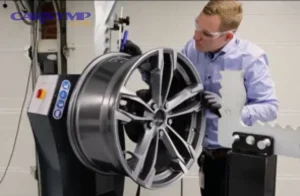
Professional rim repair services use specialized equipment to restore wheels to factory condition. Tire & wheel service centers employ hydraulic presses for straightening bent rims, welding machines for crack repairs, and powder coating systems for refinishing. Mobile repair technicians bring equipment directly to your location, offering convenience for minor cosmetic damage. Selecting the right service provider requires evaluating their experience with your specific wheel material, whether aluminum alloy, steel, or chrome, since each demands different techniques and expertise.
Cost considerations significantly influence repair decisions for damaged wheels. The Rim repair cost estimate varies based on damage extent, wheel material, size, and geographic location, with simple scratches costing $50-$150 while extensive refinishing reaches $200-$300 per wheel. DIY repair kits available for $30-$50 provide budget-friendly solutions for minor curb rash, though professional results require proper technique and color matching. Next, let’s explore the fundamentals of rim repair to build your knowledge foundation.
What Is Rim Repair and When Do You Need It?
Rim repair is the process of restoring damaged wheels to safe, functional condition through straightening, refinishing, welding, or repainting, addressing both cosmetic imperfections and structural issues. Vehicle owners need rim repair when they notice visible damage like scratches, bends, or cracks, or when experiencing symptoms like steering wheel wobble, persistent air loss, or unusual vibrations while driving.
To better understand repair necessity, recognizing damage types helps determine urgency and approach. Cosmetic damage affects appearance without compromising safety—scratches from curb contact, paint chips from road debris, or clear coat oxidation from weathering. Structural damage threatens wheel integrity and driving safety, including bent rims from pothole impacts, cracks from severe collisions, or warped wheel faces from excessive heat. The distinction between these categories determines whether repair is optional or mandatory for safe vehicle operation.

What Are the Most Common Types of Rim Damage?
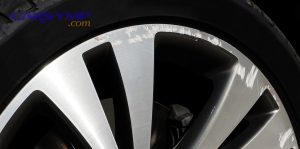
Curb rash represents the most frequent rim damage, occurring when wheels scrape against curbs during parking or turning, creating scratches, scuffs, and paint removal along wheel edges. This cosmetic damage affects vehicle appearance but rarely compromises structural integrity. Aluminum alloy wheels show curb rash most visibly since the exposed metal contrasts with painted or polished finishes. Repair involves sanding damaged areas, applying filler for deep gouges, repainting to match original color, and applying protective clear coat.
Bent rims result from impact with potholes, speed bumps, or road debris at high speeds, causing wheel deformation that creates vibration and handling problems. Bent rim symptoms include steering wheel shake at highway speeds, uneven tire wear patterns, and visible wobble when spinning the wheel. The Wheel straightening process explained involves mounting the rim on a specialized hydraulic press that gradually reshapes the metal back to manufacturer specifications. However, severely bent wheels—those with multiple bends or bends exceeding one inch—often cannot be safely straightened and require replacement.
Cracks and gouges indicate serious structural damage requiring immediate attention before driving continues. Cracks typically form at stress points where wheels bolt to hubs or along spoke junctions, often starting as hairline fractures that expand under driving forces. Alloy wheel crack detection and risks involve visual inspection under bright light and professional evaluation using dye penetrant testing that reveals hidden cracks. Deep gouges remove substantial metal, weakening the wheel structure and creating stress concentrators where cracks can develop. Both conditions typically necessitate wheel replacement since repairs rarely restore full structural strength.
Corrosion and pitting damage aluminum and chrome wheels through salt exposure, brake dust accumulation, and environmental factors. Salt from winter road treatments penetrates wheel finishes, causing oxidation that appears as white powdery deposits on aluminum or rust-colored spots on chrome. Brake dust contains metallic particles and adhesives that bond to wheel surfaces, creating permanent staining if not regularly cleaned. Pitting creates small surface craters that worsen over time, eventually requiring complete refinishing to restore smooth appearance. Early-stage corrosion responds to thorough cleaning and protective coating, while advanced corrosion may require grinding, filling, and repainting.
Paint chipping and clear coat damage expose underlying metal to environmental elements, accelerating deterioration if left untreated. Clear coat protects wheel finishes from UV damage, chemical exposure, and physical abrasion. When this protective layer chips or peels, moisture reaches the metal surface, initiating corrosion. Paint chips from rock impacts create entry points for rust, particularly on steel wheels. Refinishing damaged areas involves removing compromised coating, preparing the metal surface, applying primer and paint, then sealing with fresh clear coat for long-term protection.
Can All Rim Damage Be Repaired or Does It Require Replacement?
Not all rim damage can be safely repaired—repairable damage includes surface scratches, minor bends under one inch, cosmetic curb rash, and paint damage, while non-repairable damage involves structural cracks, bead seat deformation, and severe bends exceeding manufacturer tolerance limits. The distinction between repairable and non-repairable damage depends on whether the wheel’s structural integrity remains intact after repair attempts.
Specifically, repairable damage preserves wheel strength and safety when properly addressed. Surface scratches and Cosmetic curb rash repair options include sanding, filling, and refinishing without affecting structural components. Minor bends typically respond well to professional straightening when the deformation is gradual and doesn’t exceed one inch from true. Paint damage, clear coat oxidation, and light corrosion are purely cosmetic issues that refinishing completely resolves. These repairs restore wheel appearance and function without compromising safety, making them cost-effective alternatives to replacement.
However, certain damage types always require replacement for safety reasons. Structural cracks anywhere on the wheel—particularly near bolt holes, spoke junctions, or the center bore—cannot be reliably repaired despite welding attempts. Safety concerns with welded wheel repairs stem from heat-affected zones that alter metal properties, creating weak points that may fail catastrophically at highway speeds. Bead seat damage prevents proper tire sealing and can cause dangerous blowouts, making these wheels unsafe regardless of cosmetic repair quality. Severe bends requiring excessive force to straighten create internal stress patterns and micro-cracks that weaken the wheel structure.
Manufacturer guidelines provide definitive repair limits based on engineering specifications. Most wheel manufacturers recommend replacement rather than repair for any crack, regardless of size or location. BMW, Mercedes-Benz, and Porsche explicitly prohibit welding repairs on their factory wheels due to liability and safety concerns. Bend limits typically range from 0.5 to 1.0 inches maximum deflection depending on wheel diameter and material composition. Exceeding these limits voids any manufacturer warranties and creates unacceptable safety risks. Professional repair shops should refuse work that violates manufacturer specifications, even when technically possible.
When replacement is the only safe option, several indicators make the decision clear. Multiple types of damage—such as a bent wheel with cracks—signal complete structural compromise. Age-related fatigue in wheels with over 100,000 miles makes repair less reliable as metal crystalline structure deteriorates. Cost considerations also factor in: when repair costs exceed 75% of new wheel cost, replacement provides better long-term value. Finally, When to replace tire after rim damage depends on whether the tire suffered sidewall damage or bead damage during the incident—both conditions require tire replacement regardless of wheel repair success.
How Much Does Rim Repair Cost?
Rim repair costs range from $50 to $300 per wheel depending on damage type, wheel material, and repair complexity, with simple scratch repair averaging $75-$150, bent wheel straightening costing $100-$200, and complete refinishing running $150-$300. These prices reflect typical professional service rates across the United States, though local market conditions and wheel specifications create variation.

To better understand pricing structure, examining the factors that drive costs reveals why identical-looking damage may quote differently. Damage severity directly impacts labor time and material usage—a minor curb scuff requires 30 minutes of work while deep gouges demand 2-3 hours. Wheel material determines repair difficulty, with steel wheels being easiest and least expensive, aluminum alloy requiring moderate skill and cost, and chrome demanding specialized techniques at premium prices. Geographic location influences rates significantly, with urban markets charging 30-50% more than rural areas due to higher overhead costs.
What Factors Affect Rim Repair Pricing?
Damage severity and type create the primary cost variable in rim repair pricing, with superficial scratches requiring minimal labor while deep gouges, bends, or cracks demand extensive work. Superficial damage affects only the outer finish layer, allowing repair through simple sanding and touch-up painting that takes 30-45 minutes. Moderate damage penetrates through paint and clear coat into the metal substrate, requiring filler application, reshaping, priming, painting, and clear coating across 1-2 hours. Severe damage involves structural deformation or extensive surface area, demanding complete wheel refinishing with specialized equipment and 3-4 hours of skilled labor.
Wheel material composition significantly impacts repair costs because different metals respond differently to repair techniques. Steel wheels are the most economical to repair at $40-$100 per wheel since the material is forgiving, readily accepts welding, and uses simple paint rather than specialized finishes. Aluminum alloy wheels cost $75-$200 to repair because the material is softer, requires careful straightening to avoid cracking, and demands precise color matching for factory appearance. Chrome wheels command premium prices of $150-$300 because the thin chrome plating cannot be spot-repaired—damaged chrome requires complete stripping, metal repair, re-chroming through an electroplating specialist, or conversion to chrome-look paint alternatives.
Wheel size and design complexity increase repair costs through additional labor requirements and material usage. Larger wheels from 20 to 24 inches require more paint, clear coat, and powder coating materials, adding $25-$50 to base repair costs. Complex multi-spoke designs with intricate detailing demand extra masking time and precision refinishing work, increasing labor costs by 20-30%. Deep-dish wheels with pronounced lips require special attention to inner barrel areas that standard equipment cannot easily reach. Directional or asymmetric wheel designs limit repair options since damage to specific spoke patterns may be more visible, requiring complete wheel refinishing rather than spot repair.
Geographic location and local labor rates create substantial pricing variation across different markets. Major metropolitan areas like New York, Los Angeles, and San Francisco charge $150-$300 for repairs that cost $75-$150 in smaller cities and rural areas. Coastal markets typically run 20-40% higher than inland regions due to cost-of-living differences. Mobile repair services add convenience premiums of $25-$75 for on-site service, though they save customers time and transportation costs. Dealership service departments charge the highest rates at $200-$400 per wheel but often outsource to independent shops while adding markup, making direct contact with repair specialists more economical.
Additional service requirements beyond basic repair affect final pricing significantly. Tire removal and remounting add $20-$40 per wheel when damage prevents repair with tires installed. Wheel balancing following repair costs $15-$25 per wheel to ensure smooth operation. Valve stem replacement during service adds $5-$10 per wheel for safety. Complete powder coating in custom colors runs $100-$250 per wheel due to the baking process required. Clear coating over polished aluminum adds $30-$50 per wheel for UV and oxidation protection. These additional services often provide better long-term value despite increasing upfront costs.
How Do Rim Repair Costs Compare by Material Type?
Steel rim repairs cost $40-$100 per wheel, aluminum alloy repairs range from $75-$200, and chrome repairs run $150-$300, with material properties dictating repair techniques and pricing structures. These material-specific cost ranges reflect the technical requirements, specialized equipment, and skill levels needed for successful repairs.
More specifically, steel wheels offer the most affordable repair options because the material tolerates aggressive straightening without cracking and accepts standard automotive paint. Minor curb rash on steel wheels costs $40-$60 to repair through grinding, filling, and repainting with durable enamel. Bent steel wheels straighten reliably for $50-$100 using hydraulic presses without the fracture risks associated with harder alloys. Complete steel wheel refinishing including sandblasting, rust treatment, primer, paint, and clear coat ranges from $75-$125 per wheel. The material’s forgiveness and compatibility with standard repair methods keep costs low while providing durable results.
Aluminum alloy wheels command middle-tier pricing at $75-$200 per wheel due to the material’s popularity, aesthetic requirements, and moderate repair difficulty. Light curb rash repair on alloy wheels costs $75-$125 through careful sanding, aluminum-specific filler, color-matched paint, and protective clear coat. Bent alloy wheel straightening runs $100-$150 using specialized equipment that applies gradual pressure to avoid cracking the brittle material. Complete alloy wheel refinishing with powder coating in factory-match colors costs $150-$200 per wheel, providing durable finishes that resist brake dust and corrosion. The combination of precise color matching requirements and careful material handling drives alloy repair costs above steel but below chrome.
Chrome wheels represent the highest repair costs at $150-$300 per wheel because true chrome plating cannot be spot-repaired and requires complete re-chroming through specialized facilities. Damaged chrome showing rust bubbles or exposed brass underlayers cannot be locally repaired—the entire wheel requires chrome stripping, metal repair, copper plating, nickel plating, and final chrome electroplating at costs of $200-$300 per wheel. Alternative approaches using chrome-look paint or spray chrome reduce costs to $150-$200 but don’t replicate true chrome’s mirror finish and durability. Many chrome wheel owners opt for conversion to powder-coated finishes in chrome silver or similar colors at $175-$250 per wheel, accepting different aesthetics for more practical maintenance.
The following table summarizes repair costs by material type and damage category:
| Wheel Material | Minor Scratches | Bent Wheel | Complete Refinish |
|---|---|---|---|
| Steel | $40-$60 | $50-$100 | $75-$125 |
| Aluminum Alloy | $75-$125 | $100-$150 | $150-$200 |
| Chrome | $150-$200 | $175-$250 | $200-$300 |
This comparison table illustrates how material selection impacts total repair investment across different damage scenarios.
Cost-benefit analysis reveals when repair makes financial sense versus replacement. Steel wheels with repair costs exceeding $100 may warrant replacement since new steel wheels cost $75-$150. Aluminum alloy wheels justify repairs up to $200 since quality replacements cost $200-$500 depending on brand. Chrome wheels merit repair even at $250-$300 because chrome-plated replacements start at $400 and exceed $1,000 for premium brands. The repair versus replacement decision should factor in wheel age, overall vehicle value, and likelihood of future damage based on driving conditions.
What Professional Rim Repair Services Are Available?
Professional rim repair services include wheel straightening for bent rims, cosmetic refinishing for curb rash and scratches, welding for crack repairs, powder coating for durable color restoration, and complete wheel restoration that combines multiple techniques. These services utilize specialized equipment unavailable to DIY enthusiasts, ensuring quality results that meet safety standards.
In addition, understanding available service types helps match repair needs with appropriate solutions. Mobile rim repair brings equipment to customer locations for convenient on-site cosmetic repairs, ideal for minor curb rash and scratch correction. Shop-based services offer comprehensive facilities with hydraulic straightening equipment, welding machines, sandblasting cabinets, paint booths, and powder coating ovens. Specialty wheel restoration shops focus exclusively on high-end, vintage, or exotic vehicle wheels requiring expert attention. Dealership service departments provide manufacturer-certified repairs using OEM-approved methods, though at premium pricing. Selecting the appropriate service level depends on damage type, wheel value, and desired outcome quality.

What Repair Methods Do Professional Shops Use?
Wheel straightening corrects bent rims using hydraulic presses that apply controlled pressure to deformed areas, gradually reshaping metal back to manufacturer specifications without cracking or further weakening. The wheel straightening process explained begins with damage assessment using precision dial indicators that measure runout—the deviation from true circular form. Technicians mount the bent wheel on a specialized machine that rotates while sensors identify high and low spots. Hydraulic rams apply incremental pressure at specific points, bending the metal in small increments to avoid stress concentration. Multiple measurement and adjustment cycles continue until runout measures below 0.020 inches, meeting safety standards for highway use.
Welding repairs address cracked wheels through TIG (Tungsten Inert Gas) welding that fuses aluminum alloys without compromising surrounding metal. Professional welders clean crack areas thoroughly, removing all oxidation and contaminants that prevent proper fusion. They preheat wheels to 300-400°F to prevent thermal shock that could extend cracks. TIG welding uses precise heat control and filler rod matching the wheel’s alloy composition, creating fusion that penetrates through the crack depth. Post-weld heat treatment relieves internal stresses introduced during welding. However, safety concerns with welded wheel repairs remain significant—welded areas never regain 100% of original strength, and heat-affected zones create potential failure points, leading many manufacturers to prohibit welded repairs.
Refinishing restores wheel appearance through surface preparation, painting, and protective coating application that returns wheels to near-factory condition. The process begins with thorough cleaning using degreasers that remove brake dust, road tar, and old wax. Damaged paint is stripped through chemical strippers or media blasting that removes all existing finish without damaging the underlying metal. Surface imperfections are filled with aluminum-specific body filler, then sanded smooth using progressive grits from 180 to 400. Etching primer creates chemical bonds with bare metal, followed by base coat paint matched to original color specifications. Multiple clear coat layers provide UV protection and gloss depth, with final wet sanding and polishing creating mirror-like finishes on appropriate wheel styles.
Powder coating provides the most durable refinishing option through electrostatic paint particle application and high-temperature curing that creates exceptionally hard, chip-resistant finishes. Wheels are chemically stripped and thoroughly cleaned before outgassing in ovens at 450°F to remove moisture and contaminants trapped in metal pores. Powder—a dry mixture of resin, pigments, and hardeners—is electrostatically charged and sprayed onto grounded wheels, creating even coating through magnetic attraction. Wheels then cure in ovens at 400°F for 15-20 minutes, causing powder particles to melt, flow, and chemically cross-link into rock-hard finishes. Powder coating resists chipping, scratching, fading, and chemical damage far better than liquid paint, lasting 3-5 times longer under normal driving conditions.
Polishing and buffing restore shine to bare metal wheels through progressive abrasive steps that remove oxidation and surface imperfections. Coarse polishing compounds remove scratches and corrosion using rotary buffing wheels, cutting through damaged surface layers. Medium compounds refine the surface, eliminating marks left by coarse compounds. Fine polishing compounds create mirror finishes through chemical and mechanical action on the metal surface. Final buffing with soft wheels and minimal compound produces deep luster on aluminum and chrome. Clear coating polished aluminum prevents oxidation that would dull the finish within weeks of exposure.
Professional shops employ specialized equipment unavailable to consumers, ensuring consistent quality and safety. Computerized wheel straightening machines monitor runout with 0.001-inch precision, providing data-driven repair validation. Paint mixing systems match factory colors using spectrophotometry that analyzes original finishes and creates perfect matches. Powder coating ovens maintain precise temperature control essential for proper curing. Media blasting cabinets prepare surfaces without damaging aluminum alloys. These equipment investments, costing $50,000-$200,000 for fully-equipped facilities, justify professional service costs while delivering results impossible through DIY methods.
How Do You Choose a Reliable Rim Repair Shop?
Choosing a reliable rim repair shop requires evaluating certification credentials, customer reviews, warranty policies, and equipment quality to ensure safe, lasting repairs. Start by verifying that shops employ technicians with industry certifications from organizations like the Tire Industry Association or manufacturer-specific training programs that validate technical competence.
Especially important, certification and experience markers indicate professional competency and commitment to quality standards. Look for shops displaying certifications from wheel manufacturers, demonstrating authorized repair status for premium brands like BBS, HRE, or OEM wheels. Technician experience matters significantly—shops with 10+ years in business have encountered diverse damage types and developed reliable repair procedures. Membership in professional organizations like the Automotive Service Association or local business bureaus suggests commitment to ethical practices. Specialized equipment visible in shop facilities—computerized straightening machines, powder coating systems, paint booths—indicates serious investment in quality outcomes rather than makeshift repair methods.
Customer reviews and reputation research provide unfiltered insights into service quality, reliability, and customer satisfaction. Check Google reviews, Yelp ratings, and Facebook recommendations for patterns in customer feedback. Pay attention to reviews mentioning quality concerns, timeline issues, or communication problems that appear repeatedly. Before-and-after photos in reviews demonstrate actual work quality better than shop marketing materials. Look for shops with 4.5+ star ratings across 50+ reviews, indicating consistent performance. Negative reviews highlighting safety issues, premature repair failures, or poor color matching warrant serious concern. Personal referrals from trusted friends, family, or local car enthusiast groups carry significant weight since they reflect real experiences.
Warranty and guarantee policies reveal shop confidence in repair durability and willingness to stand behind work quality. Reputable shops offer 1-3 year warranties covering workmanship defects, finish peeling, and premature corrosion. Read warranty terms carefully—some cover only refinishing while excluding structural repairs, others require specific maintenance procedures. Lifetime guarantees on powder coating demonstrate coating quality confidence since properly cured powder resists damage for many years. Shops refusing warranties or offering only 30-90 day coverage may lack confidence in repair longevity. Get warranty terms in writing before authorizing work, clarifying what situations void coverage and whether warranties transfer if you sell the vehicle.
Turnaround time expectations impact convenience but shouldn’t compromise quality—rush jobs often sacrifice preparation thoroughness that ensures lasting results. Standard rim repairs require 1-3 days allowing proper surface preparation, paint curing, and quality inspection. Same-day service suits emergency situations but limits curing time that affects finish durability. Complex repairs involving straightening, welding, and complete refinishing may require 5-7 days for multi-step processes. Mobile services complete cosmetic repairs in 2-4 hours on-site but lack facilities for structural repairs or powder coating. Clarify timeline expectations upfront, understanding that quality repairs shouldn’t be rushed to meet unrealistic deadlines.
Questions to ask before authorizing service help assess shop competency and establish clear expectations. Inquire about specific repair methods they’ll use for your damage type, listening for detailed technical explanations versus vague generalities. Ask if they remove tires before straightening bent wheels—proper procedure requires tire removal to prevent bead damage. Request information about paint type and curing methods, with powder coating generally superior to spray paint for durability. Confirm whether they’ll balance wheels after repair, since straightening affects weight distribution. Discuss their assessment of repairability versus replacement recommendation, with honest shops refusing unsafe repairs despite losing business.
Mobile versus shop-based services offer different advantages depending on damage type and customer priorities. Mobile rim repair excels for cosmetic curb rash repair options, bringing equipment to homes or workplaces for 2-4 hour repairs on minor scratches and scuffs. Mobile technicians charge $25-$75 premiums for convenience but save customers time and transportation hassle. However, mobile services cannot handle bent wheels, structural repairs, or powder coating requiring oven facilities. Shop-based services provide comprehensive capabilities including straightening equipment, welding stations, sandblasting, paint booths, and powder coating systems. For severe damage requiring multiple repair methods, shop facilities deliver better outcomes despite requiring vehicle drop-off.
Can You Repair Rims Yourself?
Yes, you can repair minor rim damage yourself using DIY kits costing $30-$50 for cosmetic scratches and curb rash, though professional repairs are necessary for bent wheels, cracks, or damage requiring specialized straightening equipment. DIY repairs suit vehicle owners with mechanical aptitude, patience for multi-step processes, and realistic expectations about achieving near-professional results on superficial damage.

However, understanding DIY limitations prevents unsafe repairs and disappointing outcomes. Cosmetic damage like curb rash, light scratches, and paint chips responds well to DIY methods when damage doesn’t penetrate beyond surface finishes. Bent wheels cannot be safely straightened without hydraulic equipment applying precisely controlled force—hammer-based straightening creates stress concentrations and hidden cracks. Structural cracks require professional welding with heat treatment that DIY enthusiasts cannot replicate safely. Color matching presents significant challenges since wheel finishes involve specific paint formulas that vary between manufacturers and model years. DIY repairs work best when accepting “good enough” results rather than expecting perfection indistinguishable from factory finishes.
What Tools and Materials Do You Need for DIY Rim Repair?
DIY rim repair requires sandpaper in grits from 220 to 2000, automotive body filler, wheel-specific primer and paint, clear coat, masking tape, cleaning supplies, and safety equipment totaling $30-$75 for complete kits. Quality tools and materials significantly impact final results, making investment in reputable products worthwhile.
Specifically, sandpaper assortment provides progressive refinement from rough damage removal to smooth finishing. Start with 220-grit for removing deep scratches and leveling filled areas, cutting through damaged finishes quickly. Progress to 400-grit for smoothing body filler and feathering paint edges into surrounding areas. Use 800-1000 grit for final smoothing before primer application, creating surface texture that promotes paint adhesion. Wet-sand with 1500-2000 grit between clear coat layers, achieving glass-smooth finishes on polished or painted wheels. Wet-or-dry sandpaper works with water to prevent clogging and reduce dust, extending sandpaper life while improving results.
Body filler products specifically formulated for aluminum repair provide essential gap-filling capabilities for gouges and chunks missing from curb impacts. Bondo Glazing & Spot Putty works well for shallow imperfections under 1/8-inch deep, applying smoothly and sanding easily without pinholes. Two-part polyester body fillers handle deeper damage up to 1/4-inch, though aluminum-specific formulas bond better than standard auto body fillers. Avoid excessive filler thickness that creates weak repairs prone to cracking from wheel flexing. Apply thin layers allowing complete curing between applications rather than single thick coats that trap solvents and fail prematurely.
Wheel-specific primer, paint, and clear coat ensure proper adhesion and durability under harsh brake dust and heat exposure. Dupli-Color Wheel Paint offers affordable options in common silver, gunmetal, and black shades, though color matching to original finishes challenges DIY repairs. Self-etching primers create chemical bonds with aluminum, preventing paint delamination from thermal cycling. Paint formulated for wheels contains resins that flex with the metal during heating and cooling cycles that crack standard automotive paints. High-temperature clear coat resists yellowing from brake heat exposure, maintaining gloss and protecting paint from UV degradation.
Masking tape and paper protect tires and adjacent areas from overspray that permanently stains rubber and surrounding paint. Use automotive-grade masking tape with clean release that won’t leave adhesive residue. Apply tape along tire beads with precision, since sloppy masking creates visible paint lines. Consider using liquid masking products on tire sidewalls as alternative to tape, peeling away cleanly after paint cures. Mask adjacent body panels, suspension components, and brake calipers to prevent overspray damage requiring additional cleanup.
Cleaning supplies including degreasers, wax and grease removers, and lint-free cloths ensure proper surface preparation that determines paint adhesion quality. Brake cleaner removes oil contamination that prevents primer bonding, though it evaporates quickly requiring work in well-ventilated areas. Wax and grease remover eliminates silicone contamination from tire dressings that causes paint to fish-eye and crater. Lint-free tack cloths capture dust particles immediately before painting, preventing contamination that creates rough, gritty finishes. Isopropyl alcohol provides final cleaning, evaporating completely without residue.
Safety equipment protects against hazardous materials and prevents health problems from chemical exposure and airborne particles. Nitrile gloves resist paint solvents and body filler chemicals that irritate skin and absorb through dermal contact. Respirators with organic vapor cartridges filter paint fumes and clear coat isocyanates that damage lungs with repeated exposure. Safety glasses prevent paint overspray and grinding particles from causing eye injuries. Work in well-ventilated areas or outdoors to minimize solvent vapor concentration that causes dizziness and headaches.
Preventing rim damage through careful driving and regular maintenance costs far less than repeated repairs. Slow down for potholes and speed bumps, avoiding impacts that bend wheels and damage suspension components. Leave extra clearance when parking near curbs, using backup cameras and parking sensors to judge distances accurately. Clean wheels weekly to remove brake dust before it chemically etches finishes, using pH-neutral cleaners that won’t damage clear coats. Apply wheel wax or sealant every 3 months to create protective barriers against environmental damage and make future cleaning easier.
The cost comparison between DIY kits and professional service reveals when DIY makes financial sense. Complete DIY kits cost $30-$50 including sandpaper, filler, primer, paint, and clear coat—sufficient for repairing 1-2 wheels with minor damage. Professional curb rash repair costs $75-$150 per wheel, or 2-3 times DIY costs for superior color matching and finish quality. However, DIY labor requires 3-6 hours per wheel for proper execution, making professional service more economical when valuing personal time. Failed DIY repairs requiring professional correction increase total costs to $150-$250 per wheel, negating intended savings. For vehicle owners with multiple damaged wheels, developing DIY skills provides long-term value despite initial learning curve challenges.
What Is the Step-by-Step Process for DIY Curb Rash Repair?
DIY curb rash repair follows seven steps: clean the damaged area, sand the surface, apply body filler if needed, prime, paint with color-matched coating, apply clear coat, and wet-sand for final finishing. This process requires patience and attention to detail, with rushing any step compromising final results.
To illustrate the complete procedure, thorough cleaning removes contaminants that prevent proper adhesion. Wash the wheel with car wash soap and water, removing road grime and brake dust accumulation. Degrease the damaged area using brake cleaner or wax and grease remover applied to lint-free cloths, eliminating oils that cause paint adhesion failure. Scrub with plastic brushes to remove embedded brake dust from textured surfaces. Rinse thoroughly and dry completely before proceeding—moisture trapped under paint causes bubbling and premature delamination. Inspect cleaned surfaces under bright light to identify all damage requiring attention.
Sanding the damaged area removes loose paint, feathers edges into surrounding finish, and creates texture for primer adhesion. Start with 220-320 grit sandpaper to remove damaged paint and grind down raised edges from curb impacts. Sand in circular motions, gradually expanding the repair area 1-2 inches beyond visible damage. Progress to 400-600 grit to smooth the surface and feather edges where new paint will blend into original finish. For deep gouges, sand until reaching solid metal without flaky edges that indicate compromised material. Wipe away sanding dust with tack cloths between grit changes, preventing coarse particles from scratching during fine sanding.
Applying body filler addresses deep gouges where curb impacts removed metal, creating level surfaces for painting. Mix two-part filler according to manufacturer ratios, working quickly since pot life is 5-10 minutes before hardening begins. Spread filler across gouges using plastic applicators, slightly overfilling since filler shrinks during curing. Allow 30-minute curing time at 70°F or longer in cooler temperatures—insufficient curing creates soft spots that sand unevenly. Sand cured filler with 180-220 grit to level with surrounding metal, checking progress frequently by running fingers across transitions. Finish with 320-400 grit for smooth surfaces ready for primer, wiping away all dust before proceeding.
Priming prepares sanded surfaces for paint adhesion while sealing bare metal against corrosion. Mask tire beads carefully using automotive masking tape, preventing overspray on rubber that permanently stains. Apply self-etching primer in 2-3 light coats from 8-12 inches distance, allowing 10-15 minutes flash time between coats for solvent evaporation. Light coats prevent runs and sags that require sanding correction. Allow complete drying for 1-2 hours in warm, dry conditions before painting—excessive humidity extends drying times significantly. Lightly sand primer with 400-600 grit wet sandpaper if orange peel texture develops, creating smooth bases for paint.
Painting requires careful technique and patience for even color application without runs or thin spots. Shake paint cans vigorously for 2 minutes to mix pigments that settle during storage. Test spray patterns on cardboard to ensure proper nozzle function and coverage. Apply first coat as light mist coat from 10-12 inches distance, barely changing surface color while establishing paint foundation. Wait 15-20 minutes between coats, applying 3-5 light coats building coverage gradually. Avoid heavy coats that run and sag, which require complete removal and restart. Color matching challenges DIY repairs since wheel finishes vary between manufacturers—accept close matches rather than expecting perfect invisibility.
Clear coat application protects paint while adding gloss depth and UV resistance. Wait minimum 30 minutes after final paint coat before clear coating, allowing solvents to evaporate preventing wrinkles. Apply clear coat using same light-coat technique as paint, building 3-4 coats for depth and durability. Final coat can be slightly heavier to promote flow and self-leveling that eliminates orange peel texture. Allow overnight curing before handling or reinstalling wheels, with full hardness developing over 7 days. Avoid washing wheels for one week after painting, allowing complete solvent evaporation and chemical cross-linking.
Final wet sanding and polishing creates professional-looking results by eliminating overspray texture and enhancing gloss. Wait 3-7 days for complete clear coat curing before wet sanding. Use 1500-2000 grit wet sandpaper with water, sanding gently in circular motions to level surface. The clear coat will appear dull and hazy—this is normal. Wipe surface clean and apply rubbing compound using foam applicator pads, working in small sections with moderate pressure. Follow with polishing compound for final gloss enhancement. Buff with microfiber towels, revealing mirror-like finishes on clear coated wheels.
Should You Repair or Replace Damaged Rims?
You should repair rims when damage is cosmetic or involves minor bends under one inch, costing $50-$200 per wheel, but replace rims when cracks, severe bends, or bead seat damage compromise structural integrity, since repair costs approaching new wheel prices make replacement the safer, more economical choice. This decision weighs safety considerations, repair reliability, cost factors, and long-term vehicle value.

Moreover, the Rim repair vs replacement decision framework helps systematize evaluation and prevent unsafe choices driven solely by cost savings. Consider damage location and severity first—surface damage limited to finishes allows repair, while structural areas like bolt holes and spoke junctions require replacement when damaged. Evaluate wheel age and condition—older wheels with 100,000+ miles may develop additional problems soon after repairs. Factor in total costs including tire remounting, balancing, and potential future repairs versus one-time replacement investment. Assess vehicle value and intended ownership duration—expensive repairs on high-mileage vehicles nearing trade-in make less economic sense than minimum-cost solutions.
What Are the Safety Considerations for Rim Repair vs. Replacement?
Safety considerations mandate replacement over repair for any structural damage including cracks, severe bends, or compromised bead seats, since wheel failures at highway speeds cause loss of vehicle control, tire blowouts, and serious accidents. Structural integrity cannot be compromised for cost savings when lives depend on wheel reliability.
Especially critical, structural integrity concerns make certain repairs inappropriate regardless of technical feasibility. Cracks anywhere on wheels indicate metal fatigue that spreads under cyclic loading from normal driving—today’s hairline crack becomes tomorrow’s catastrophic failure. Bent wheels straightened beyond manufacturer limits contain internal stress patterns and micro-cracks invisible to visual inspection but ready to propagate under load. Welded repairs create heat-affected zones with altered metallurgical properties that never match parent metal strength. These weakened areas fail unpredictably, often during highway driving when wheel loads peak during cornering or braking. Car Symptoms following questionable repairs include vibration, wandering steering, or unusual noises that indicate developing problems requiring immediate attention.
Impact on tire performance creates secondary safety concerns when wheels aren’t perfectly round and balanced. Bent wheels that measure within repair tolerances but remain slightly out-of-round cause uneven tire wear patterns, reducing tire life by 30-50% and creating flat spots. Wheels straightened multiple times develop work-hardening that makes metal brittle and prone to sudden failure without warning signs. Poor wheel balance from repairs throws off steering geometry, increasing stopping distances by several feet at highway speeds. Tire bead damage from improper straightening techniques allows slow air leaks that strand drivers in dangerous locations or cause sudden deflation.
Driving safety risks multiply when operating vehicles with improperly repaired wheels, particularly in emergency situations. Compromised wheels fail under hard cornering loads during accident avoidance maneuvers when you need maximum vehicle capability. Weakened spoke junctions crack during aggressive braking, allowing wheel collapse that makes steering impossible. Corroded wheels that appear cosmetically acceptable fracture along pitting damage under pothole impacts. These failure modes occur without warning, leaving no time for controlled vehicle stops. Emergency response capabilities depend on wheel integrity that questionable repairs cannot guarantee.
Manufacturer recommendations provide engineering-based guidance about repair limits based on wheel design and material properties. BMW explicitly states in service documentation that cracked wheels must be replaced and welding repairs void all warranties while creating liability exposure. Mercedes-Benz technical bulletins specify maximum runout tolerances of 0.030 inches for passenger cars and 0.040 inches for SUVs, with wheels exceeding limits requiring replacement. Porsche prohibits any welding repairs on forged wheels due to metallurgical changes that compromise strength. Following manufacturer guidelines protects warranty coverage while ensuring repairs meet safety engineering standards developed through extensive testing.
When safety demands replacement despite repair possibility, several clear indicators guide the decision. Multiple damage types on single wheels—bent and cracked, for example—signal complete structural compromise beyond safe repair. Age-related metal fatigue in wheels over 10 years old makes repair longevity unpredictable as crystalline structure deteriorates. Previous repair history showing recurring damage at the same locations indicates underlying weakness that repeat repairs cannot resolve. Vehicle usage for high-speed driving, heavy loads, or challenging conditions demands perfect wheel integrity that marginal repairs don’t provide. Child safety seats in vehicles elevate safety priorities, making any repair risk unacceptable when replacement provides certainty.
How Do the Long-Term Costs Compare Between Repairing and Replacing?
Repairing damaged wheels costs $50-$200 per wheel with durability lasting 2-5 years depending on repair quality, while replacement wheels cost $150-$500 for aftermarket or $300-$1,000+ for OEM options providing full manufacturer warranties and lifetime reliability. Long-term cost analysis must consider initial expense, repair longevity, and future problem likelihood.
For example, single repair cost versus new wheel cost creates straightforward comparison for initial decision-making. Professional curb rash repair costs $75-$150 per wheel with quality work lasting 3-5 years before refinishing needs renewal from environmental exposure. Bent wheel straightening costs $100-$200 per wheel with successful repairs lasting indefinitely if damage was within safe limits. Quality aftermarket replacement wheels from reputable manufacturers cost $150-$300 per wheel for standard sizes, providing fresh metal without compromised structure. OEM replacement wheels through dealerships cost $300-$600 for common vehicles and $800-$1,500+ for luxury marques, ensuring perfect fit and finish matching remaining wheels. When repair costs exceed 60-75% of replacement costs, replacement provides better long-term value.
Repair durability varies significantly based on damage type and repair quality, affecting total ownership costs. Cosmetic refinishing lasts 3-5 years in normal conditions but deteriorates faster with harsh brake dust exposure, aggressive cleaning products, or winter salt exposure. Straightened wheels remain true indefinitely when properly repaired within safe limits but may develop cracks if damaged areas contained hidden stress points. Welded cracks create permanent weak points that may fail catastrophically despite appearing sound immediately after repair. Powder coated finishes outlast painted repairs by 2-3 times, justifying higher upfront costs through reduced maintenance. Factor in potential rerepair costs when initial repairs fail prematurely, doubling total expenses.
Resale value impact favors replacement over repair for vehicles intended for sale within 2-3 years. Curbed wheels reduce resale values by $200-$500 as buyers negotiate based on visible damage and deferred maintenance implications. Professional repairs restore cosmetic appearance, eliminating negotiation leverage from wheel condition. However, informed buyers may discount repaired wheels by $100-$200 per wheel based on reduced remaining life versus new wheels. Replacement wheels eliminate all value reduction, presenting the vehicle in optimal condition that commands premium pricing. For vehicles nearing trade-in, minimum-cost repairs make more sense than premium replacements since dealers heavily discount trade values regardless of wheel condition.
Multiple repair scenarios affect decision economics when several wheels show damage requiring attention. Repairing four wheels with curb rash costs $300-$600 professionally, still less than replacing all four at $600-$1,200 for quality aftermarket wheels. However, if two wheels require straightening ($200-$400) while two need refinishing ($150-$300), total repair costs of $350-$700 approach complete replacement costs. Staggering repairs over time spreads expenses but results in non-matching finishes as paint formulas change and refinished wheels age differently. Complete four-wheel replacement ensures matching appearance and uniform wear characteristics that improve vehicle aesthetics and handling balance.
Total cost of ownership calculations should include related expenses beyond wheel repair or replacement costs. Tire remounting and balancing add $80-$160 for four wheels regardless of repair or replacement choice. Alignment checks cost $75-$125 to ensure bent wheels didn’t damage suspension geometry requiring correction. Valve stem replacement during service adds $20-$40 for safety and preventing future leaks. These ancillary costs remain constant whether repairing or replacing, making them neutral factors in the decision. However, replacement often includes new valve stems and mounting services, while repairs quote these as separate line items that increase apparent cost differences.
What Advanced Rim Repair Techniques Are Used for Specialty Wheels?
Advanced rim repair techniques for specialty wheels include multi-piece rim disassembly and reassembly, forged wheel straightening with controlled heating, powder coating in custom colors, and chrome restoration through electroplating or spray chrome alternatives. These specialized methods address unique challenges that standard wheel repairs cannot handle safely or effectively.

Furthermore, specialty wheel repairs demand expertise beyond general rim repair capabilities, requiring technicians with manufacturer-specific training and specialized equipment. Forged wheels use different aluminum alloys than cast wheels, requiring different straightening temperatures and pressure application to avoid cracking. Multi-piece wheels separate into outer barrels, centers, and inner barrels held together with specialized hardware, demanding complete disassembly for proper repair access. Custom finishes like brushed aluminum, anodized colors, or multi-tone paint schemes require color matching expertise and finishing capabilities beyond standard shops. Shops specializing in high-end wheel repair invest $100,000-$300,000 in equipment and training to serve luxury, exotic, and custom vehicle markets.
How Are Forged and Multi-Piece Rims Repaired Differently?
Forged and multi-piece rims require specialized repair approaches because forged wheels use heat-treated aluminum alloys that crack easily when cold-straightened, while multi-piece wheels separate into components that must be individually repaired, refinished, and reassembled with proper torque specifications. These construction differences demand techniques beyond standard rim repair methods.
Specifically, forged wheel repair limitations stem from manufacturing processes that create extremely dense, strong aluminum structures through high-pressure forming. The forging process aligns metal grain structure directionally, producing 30-40% stronger wheels than cast alternatives but making the material less forgiving during repairs. Cold straightening forged wheels creates internal stress risers and micro-cracks that propagate into catastrophic failures. Proper forged wheel repair requires heating damaged areas to 350-450°F before straightening, bringing the metal to annealing temperatures where it accepts deformation without cracking. Specialized induction heating equipment applies localized heat without affecting surrounding areas or heat-treating, maintaining wheel integrity. Even with proper technique, some forged wheel damage proves unrepairable when bends exceed material elasticity limits.
Multi-piece rim disassembly and reassembly adds complexity requiring special tools and knowledge of proper assembly sequences. Multi-piece wheels consist of outer barrels, inner barrels, and centers (faces) bolted together with 20-40 specialized fasteners. Disassembly begins by removing all hardware, typically using impact drivers since thread-locking compounds secure bolts against vibration loosening. Component separation reveals sealant between pieces preventing air leaks—old sealant must be completely removed before refinishing. Each component receives individual repair attention—outer barrels are straightened if bent, centers are refinished, hardware is inspected and replaced if corroded. Reassembly requires new sealant, proper bolt torque sequences working star-pattern from center outward, and final torque verification after 24-hour settling. Improper assembly creates air leaks, uneven stress distribution, or hardware failures during driving.
Specialty equipment requirements for forged and multi-piece wheel repair include induction heaters, torque-limiting wrenches, and precision straightening fixtures. Induction heating systems cost $15,000-$40,000, using electromagnetic fields to heat aluminum without flame contact that creates hotspots. Torque wrenches calibrated to manufacturer specifications ensure proper clamping force—undertightening allows bolt loosening, overtightening strips threads or cracks centers. Custom straightening fixtures support multi-piece components without damaging sealing surfaces or bolt holes. These equipment investments limit forged and multi-piece wheel repair to specialized shops serving high-end vehicle markets.
Higher cost factors for luxury and performance wheels reflect specialized expertise, equipment requirements, and liability exposure. Forged wheel straightening costs $200-$400 per wheel due to time-intensive heating and straightening procedures requiring expert technique. Multi-piece wheel disassembly, component repair, and reassembly runs $300-$600 per wheel including new hardware and sealant materials. Complete refinishing of multi-piece wheels costs $500-$800 per wheel when powder coating each component separately in complementary or contrasting colors. These premium prices reflect the specialized nature of work and consequences of improper repairs on $2,000-$5,000 wheels.
What Is the Rim Powder Coating Process and When Should You Choose It?
Rim powder coating is a finishing process where electrostatically charged powder particles adhere to grounded wheels, then cure at 400°F for 15-20 minutes, creating exceptionally durable, chip-resistant finishes that outlast conventional paint by 3-5 times. Vehicle owners should choose powder coating when seeking maximum durability, custom colors, or environmentally friendly finishing methods.
In addition to superior durability, powder coating versus traditional paint differences help determine appropriate application. Powder coating contains no solvents, making it environmentally friendly with zero VOC emissions versus spray paint’s significant pollution. The electrostatic application process achieves 95%+ material efficiency with overspray collected and reused, while spray paint wastes 30-40% through atmospheric loss. Cured powder coating measures 2-4 mils thick in single applications versus multiple paint coats totaling similar thickness—fewer coats mean less labor and faster completion. Powder resists chipping, scratching, and chemical damage far better than paint through superior cross-linking density. However, powder coating requires complete stripping for color changes while paint allows recoating, and powder coating equipment costs prohibit DIY application.
Color customization options through powder coating exceed traditional paint possibilities, offering metallic, candy, textured, and multi-color effects. Standard colors include blacks, silvers, grays, and whites matching most OEM finishes for subtle appearance. Metallic powders contain aluminum flakes creating sparkle effects similar to automotive metallic paint but with enhanced depth. Candy powders use transparent colors over metallic base coats, producing deep, three-dimensional color that shifts with viewing angles. Textured powders create matte, satin, or wrinkled finishes for unique aesthetics. Custom color matching services analyze vehicle paint codes, formulating powder that perfectly complements body color. Two-tone effects require masking between color applications, substantially increasing labor costs to $300-$400 per wheel.
Durability and longevity benefits justify powder coating’s premium pricing through reduced long-term maintenance costs. Properly cured powder coating resists chipping from rock impacts that damage conventional paint within months of application. The coating’s flexibility accommodates wheel expansion and contraction from heat cycling without cracking or delaminating. Chemical resistance prevents brake dust etching and wheel cleaner damage that degrades paint finishes. UV inhibitors prevent fading and chalking that dulls paint after 2-3 years. Salt exposure from winter driving causes minimal corrosion since powder coating provides superior barrier protection. Expected powder coating life spans 5-8 years in normal driving conditions versus 2-3 years for quality spray paint.
Cost comparison reveals when powder coating provides value over conventional refinishing. Powder coating runs $150-$250 per wheel for solid colors and $200-$300 for metallic or specialty finishes. Conventional refinishing costs $100-$150 per wheel for quality spray paint application. The $50-$150 premium per wheel for powder coating provides 2-3 times longer service life, making long-term costs comparable or lower. Vehicle owners planning to keep cars 5+ years realize powder coating value through avoiding repainting expense. For vehicles nearing sale or drivers changing wheels frequently, conventional paint offers adequate short-term results at lower initial cost.
Environmental benefits make powder coating the sustainable choice for environmentally conscious vehicle owners. Zero VOC emissions eliminate air pollution and greenhouse gas release associated with solvent-based paints. No hazardous waste generation from overspray reduces environmental disposal impacts. Powder coating facilities recycle virtually all unused powder, achieving near-zero material waste. Energy consumption during curing remains modest since ovens operate at relatively low 400°F temperatures for short 15-20 minute cycles. Water usage is minimal since powder coating requires no thinning or cleanup solvents. These environmental advantages contribute to LEED certification for facilities using powder coating exclusively.
Can Chrome Rims Be Re-Chromed After Damage?
Chrome rims cannot be spot-repaired—damaged areas require complete chrome stripping and re-chroming through electroplating specialists at costs of $200-$400 per wheel, making chrome repair the most expensive refinishing option. Re-chroming provides authentic chrome appearance and durability but exceeds powder coating or paint alternatives in cost and turnaround time.
More specifically, chrome plating versus chrome repair presents an all-or-nothing proposition since the thin chrome layer prevents partial refinishing. True chrome plating is a triple-layer process involving copper plating for smoothness, nickel plating for corrosion resistance, and final chromium electroplating creating the mirror finish. Damaged chrome showing rust bubbles, exposed brass, or pitting requires complete stripping through chemical processes or abrasive blasting that remove all existing plating layers. Spot repairs don’t exist because chrome electroplating requires complete electrical conductivity across the entire surface being plated. Attempting to blend new chrome with old creates visible seams and color mismatches that look worse than leaving damage unrepaired.
Re-chroming specialist services operate sophisticated electroplating facilities with chemical tanks, power supplies, and environmental controls meeting EPA regulations for hazardous waste management. The process begins with complete paint and existing chrome removal through chemical stripping or media blasting. Wheels undergo thorough polishing to mirror-smooth finishes since chrome mirrors underlying surface conditions—imperfections in base metal appear in final chrome. Copper plating fills minor imperfections while providing smooth foundation for subsequent layers. Nickel plating thickness determines corrosion resistance and affects final chrome color slightly. Final chromium layer measures only 0.0002-0.0005 inches thick but creates the characteristic brilliant mirror shine. Total process requires 3-5 days for proper plating and quality inspection.
Cost implications make re-chroming the premium refinishing choice with prices justifiable only for show vehicles, classics, or personal preference. Re-chroming costs $200-$300 per wheel for standard sizes and basic show chrome quality. Show chrome—the highest quality finish with flawless appearance—runs $300-$400 per wheel requiring extensive polishing before plating. Decorative chrome cost $150-$250 per wheel for less critical appearance standards acceptable on driver-quality vehicles. These prices reflect chemistry costs, labor intensity, environmental compliance expenses, and specialized equipment required. Many vehicle owners opt for alternatives when quotes exceed $1,000 for four wheels.
Alternative solutions provide chrome appearance at lower costs through paint technologies mimicking chrome’s reflective properties. Chrome-look spray paint costs $100-$150 per wheel for professional application using specialized spray techniques creating metallic silver finishes. Results lack true chrome’s mirror reflection but satisfy most observers from 10+ feet. Spray chrome technology applies silver metallic base coats followed by translucent reactive top coats that chemically bond, creating near-chrome appearance for $150-$250 per wheel. Hydrographic film printing applies chrome-pattern films to wheel surfaces through water transfer processes, producing chrome appearance for $175-$275 per wheel. Powder coating in chrome-silver achieves durable metallic finishes for $150-$200 per wheel with superior longevity versus chrome-look paint. Each alternative trades authentic chrome appearance for cost savings and practical maintenance advantages.
What Testing Methods Verify Rim Structural Integrity After Repair?
Professional rim repair shops verify structural integrity through runout testing measuring deviation from true circular form, visual dye penetrant inspection revealing hidden cracks, and test balancing confirming proper weight distribution after straightening. These validation methods ensure repairs meet safety standards before returning wheels to service.
Especially for high-speed driving, X-ray inspection techniques provide definitive crack detection in critical wheels where safety cannot be compromised. Industrial radiography uses X-ray beams penetrating aluminum, exposing film that reveals internal defects invisible to surface inspection. Hairline cracks, porosity from casting defects, and incomplete weld penetration appear as dark lines on developed X-ray films. Portable X-ray equipment allows on-site inspection, though radiation safety protocols limit use to certified technicians in controlled environments. X-ray inspection costs $100-$200 per wheel, reserved for exotic vehicles, racing applications, or forensic analysis following wheel failures. Most passenger vehicle repairs rely on visual inspection and runout testing providing adequate safety verification at reasonable cost.
Pressure testing validates wheel air retention and bead seating integrity following repairs affecting rim flanges or bead seats. Wheels mount with tires inflated to 50-60 PSI, double normal operating pressure, then submerge in water tanks revealing leaks through bubble formation. Soap solution sprayed on bead areas shows pinhole leaks too small for water submersion detection. Pressure holds for 15-30 minutes while technicians observe for gradual deflation indicating slow leaks from damaged bead seats or multi-piece wheel sealant failures. Wheels failing pressure testing require additional repair or replacement depending on leak location and severity. This testing is mandatory for straightened wheels since bead seat deformation causes most post-repair air loss issues.
Balancing and alignment verification ensures repaired wheels rotate smoothly without vibration and track straight during driving. Dynamic wheel balancing uses computerized equipment measuring radial and lateral runout while identifying heavy spots requiring counterweight correction. Properly straightened wheels balance within 0.5-1.0 ounce of weight, while wheels requiring 2+ ounces suggest residual runout from incomplete straightening. Road force balancing applies load against spinning tires, simulating driving forces that reveal issues static balancing misses. Alignment checking after wheel repair ensures bent wheels didn’t damage suspension components during the incident causing wheel damage. Steering pull, uneven tire wear, or vibration after balancing indicates alignment problems requiring correction.
Industry safety standards and certifications guide professional repair shops in establishing quality assurance protocols. The Tire Industry Association publishes wheel repair guidelines specifying maximum runout tolerances, bend limits, and prohibited repair methods. SAE International standards define wheel testing procedures validating repair quality and safety. Individual manufacturers publish technical service bulletins specifying repair acceptability criteria for their wheels. Shops following these industry standards demonstrate commitment to safety over profit, refusing repairs that violate established limits. Ask repair shops about their quality verification procedures and which industry standards they follow before authorizing work.
This complete guide equips vehicle owners with comprehensive knowledge for making informed rim repair decisions. Understanding damage types, repair methods, cost factors, and safety considerations enables choosing between professional service and DIY approaches appropriately. Whether facing minor curb rash or severe structural damage, the information provided helps navigate repair versus replacement decisions confidently. Regular wheel maintenance, careful driving to prevent rim damage, and prompt attention to wheel damage when it occurs protect safety while minimizing long-term costs. Quality wheels contribute significantly to vehicle handling, appearance, and safety—investments in proper repairs or timely replacements pay dividends through enhanced driving experience and peace of mind.