


Distinguishing between motor mount vibration and true rough idle requires understanding that worn mounts transmit normal engine movement as excessive shaking without affecting actual engine performance, while genuine rough idle involves measurable RPM fluctuation, misfiring, or combustion irregularities that indicate underlying mechanical or sensor problems. The key difference lies in perception versus reality—bad motor mounts amplify the feeling of vibration through the chassis and cabin, making a normally-running engine seem problematic, whereas true rough idle manifests as erratic tachometer readings, engine stumbling, stalling tendencies, and often triggers diagnostic trouble codes that point to ignition, fuel delivery, or air intake issues.
To accurately diagnose rough idle problems, mechanics follow a systematic testing approach that separates mount-related vibration from engine performance defects. The neutral test provides immediate insight: if excessive shaking diminishes significantly when shifting from drive to neutral while idling, the motor mounts are likely transmitting vibration rather than the engine misfiring. Conversely, if RPM fluctuation persists regardless of transmission position, or if the tachometer needle bounces erratically between 600 and 900 RPM, the root cause lies within engine operation itself—commonly spark plug deterioration, vacuum leaks introducing unmetered air, or failing sensors disrupting fuel-air mixture calculations.
Common misdiagnosis occurs when vehicle owners replace motor mounts expecting rough idle resolution, only to discover the underlying problem persists because they addressed a symptom rather than the cause. Professional mechanics prioritize engine performance diagnostics first, scanning for trouble codes, inspecting spark plugs and ignition coils, checking vacuum system integrity, and testing sensor outputs before considering mount replacement. This methodical approach prevents wasted repair costs and ensures accurate problem identification, as motor mounts rank low on the diagnostic priority list unless visual inspection reveals obvious deterioration, the vehicle exceeds 100,000 miles, or vibration characteristics clearly indicate mount failure rather than engine malfunction.
Understanding the correct diagnostic sequence saves both time and money while building foundational knowledge for making informed repair decisions. Below, we explore the mechanical differences, testing procedures, common true rough idle causes, and the professional workflow that distinguishes competent diagnosis from guesswork.
What is the Difference Between Motor Mount Vibration and True Rough Idle?
Motor mount vibration occurs when worn or broken rubber isolators fail to dampen normal engine movement, transmitting vibrations through the chassis that passengers feel as excessive shaking, while true rough idle involves actual engine combustion problems causing irregular RPM, misfiring, or unstable operation measurable by diagnostic tools.
To better understand this distinction, consider that every internal combustion engine generates vibration during operation due to piston reciprocation, crankshaft rotation, and combustion pulses. Motor mounts serve as the buffer between this inherent engine movement and the vehicle’s frame, using rubber and sometimes fluid-filled chambers to absorb and isolate these vibrations. When mounts deteriorate through age, heat exposure, or oil contamination, the rubber loses elasticity and develops cracks or separations. The engine then transmits vibrations directly to the chassis, steering wheel, and passenger compartment. Occupants perceive this increased vibration as “rough idle,” but the engine itself operates normally—cylinders fire in proper sequence, RPM remains steady, and no mechanical deficiency exists within the powerplant.
True rough idle presents differently because the problem originates within the engine’s combustion process or supporting systems. The tachometer needle visibly bounces or fluctuates, often varying by 200-300 RPM or more at idle. Engine sound becomes irregular with noticeable “chugging” or intermittent misfires that create a rhythmic stumbling sensation. Check engine lights frequently illuminate as the engine control module detects misfires, lean/rich fuel conditions, or sensor malfunctions. The vehicle may shake at idle but also exhibit power loss during acceleration, hesitation when throttle is applied, or complete stalling when coming to a stop. These symptoms persist regardless of whether the transmission is in drive, neutral, or park, because they stem from inadequate combustion rather than vibration transmission.
Does a Bad Motor Mount Actually Cause the Engine to Idle Roughly?
No, a bad motor mount does not cause the engine to idle roughly in the technical sense—it cannot create RPM fluctuation, misfires, or combustion irregularities, but it dramatically increases the perception of vibration by failing to isolate normal engine movement from the chassis.
Specifically, worn motor mounts make you feel rough idle that isn’t mechanically occurring. The engine runs at its programmed idle speed (typically 600-800 RPM) with consistent firing across all cylinders, maintaining proper fuel-air mixture and ignition timing. However, because the deteriorated rubber mount no longer absorbs vibrational energy, that movement transfers directly through metal-to-metal contact or through severely compressed rubber. Passengers experience pronounced shaking in their seats, visible mirror vibration, and steering wheel tremors—all symptoms commonly associated with rough idle. This phenomenon explains why many vehicle owners insist their “engine idles rough” despite diagnostic scans showing no trouble codes and tachometer readings remaining stable.
The critical insight from professional mechanics like Eric the Car Guy emphasizes that motor mounts appear low on the diagnostic priority list for rough idle complaints. When a customer reports rough idle, experienced technicians first exhaust all engine performance possibilities—checking spark plugs, ignition coils, fuel pressure, vacuum leaks, and sensor functionality—before considering motor mounts as the culprit. This approach prevents the common scenario where owners replace expensive motor mounts only to discover the rough idle persists because the actual problem was a failing ignition coil or vacuum leak that went undiagnosed. The mount replacement merely wasted money and labor without addressing the root cause.
What Does True Rough Idle Look and Feel Like?
True rough idle manifests as visible RPM instability on the tachometer (fluctuating 200-300+ RPM), audible engine misfiring or irregular combustion sounds, potential stalling at stops, and frequently triggers check engine light activation with diagnostic trouble codes.
More specifically, when observing a vehicle with genuine rough idle, the tachometer needle refuses to hold steady at the programmed idle speed. Instead, it bounces between 500-800 RPM in an erratic pattern, sometimes dropping so low the engine nearly stalls before recovering. This behavior is particularly noticeable when stopped at traffic lights with the transmission in drive. The engine’s sound signature changes from the normal smooth hum to an irregular “loping” rhythm where individual cylinder misfires become audible. Passengers feel the vehicle shudder or buck, distinct from the generalized vibration of bad motor mounts—this is a percussive shake that corresponds with combustion irregularities rather than continuous trembling.
Engine warning lights serve as another distinguishing factor for true rough idle. Modern vehicles monitor combustion efficiency through crankshaft position sensors that detect individual cylinder contributions. When one or more cylinders misfire or operate inefficiently, the engine control module stores diagnostic trouble codes (DTCs) such as P0300 (random misfire), P0301-P0308 (cylinder-specific misfires), P0171/P0174 (lean conditions), or P0401 (EGR flow issues). These codes provide concrete evidence of engine performance problems rather than mount-induced vibration. Additionally, true rough idle often worsens under specific conditions—cold starts may be rougher if thermostat or enrichment systems fail, or symptoms may intensify when accessories like air conditioning engage, placing additional load on an already struggling engine.
The consistency of symptoms also differentiates true rough idle from mount problems. Motor mount vibration typically remains constant regardless of engine temperature, driving duration, or operating conditions—if the mount is broken, it transmits vibration continuously. True rough idle may be intermittent, appearing only when the engine reaches operating temperature (indicating temperature-sensitive component failure like ignition coils), or exclusively during cold starts (suggesting fuel delivery or sensor problems). This variability points investigators toward engine-internal issues rather than mechanical mounting failures.
How Can You Test Whether Your Rough Idle is Motor Mounts or Engine Problems?
Test rough idle causes by performing the neutral test (shift to neutral; if vibration decreases substantially, mounts are suspect), the drive/reverse rev test (observe engine movement while applying throttle with brakes held), and engine performance checks (scan for codes, monitor RPM stability with diagnostic tools, inspect ignition and fuel systems).
To systematically differentiate between mount vibration and engine malfunction, follow a structured diagnostic approach that eliminates variables and provides measurable results. Begin with the simplest tests that require no tools, then progress to more technical diagnostics using scan tools and inspection equipment. This methodology mirrors professional shop procedures and prevents premature conclusions based on limited information.
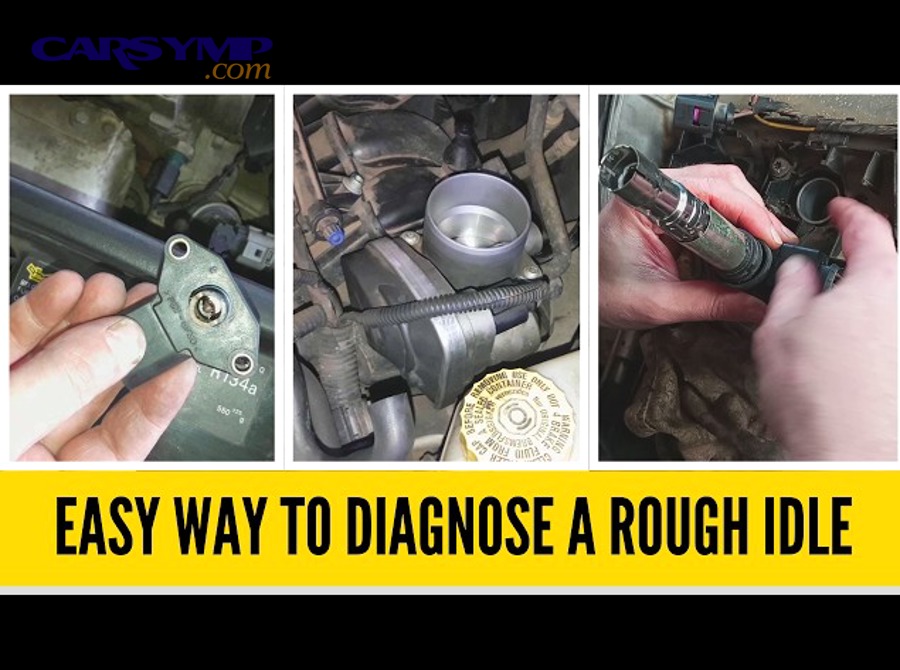
The testing sequence should always start with observation and basic manipulation before investing time in component removal or advanced diagnostics. Professional technicians understand that rough idle diagnosis demands patience and systematic elimination of possibilities. Rushing to conclusions—such as assuming new motor mounts will solve the problem—often leads to wasted repair costs and continued symptoms. Instead, each test builds upon previous findings to narrow the diagnostic focus toward either vibration transmission issues (mounts) or engine performance deficiencies (ignition, fuel, sensors).
What is the Neutral Test for Motor Mount Diagnosis?
The neutral test involves shifting the transmission to neutral while the engine idles; if vibration decreases significantly compared to drive or reverse, worn motor mounts are likely transmitting normal engine movement, whereas persistent RPM fluctuation or shaking indicates true engine performance problems.
Specifically, perform this test by starting the engine and allowing it to reach normal operating temperature. With your foot firmly on the brake pedal, shift the transmission into drive and note the level of vibration felt through the steering wheel, seats, and floor. Observe the tachometer to see if the RPM reading remains steady around 600-800 RPM or if it fluctuates erratically. After 30 seconds of observation, shift the transmission to neutral while maintaining brake pressure (to prevent the vehicle from rolling). Immediately note whether the vibration intensity changes.
If the vibration decreases substantially or nearly disappears in neutral, this strongly suggests motor mount deterioration as the primary issue. The explanation: when in drive or reverse, the transmission applies rotational load to the engine, which causes the engine to torque against the mounts. Worn mounts cannot adequately restrain this movement, allowing the engine to rock or shift excessively, transmitting increased vibration to the chassis. In neutral, no load exists, so the engine sits more stationary and vibration transmission reduces even with bad mounts. However, if the tachometer continues showing RPM fluctuation in neutral, or if the vibration intensity remains unchanged, the problem originates within the engine itself—misfires, vacuum leaks, or sensor issues cause rough running regardless of transmission position.
Video comparison resources available from automotive training channels demonstrate the visual difference between normal engine movement and excessive displacement from failed mounts. These references show that healthy mounts allow perhaps a quarter-inch of engine movement when shifting between park, reverse, and drive, while deteriorated mounts permit several inches of engine rocking or tilting, sometimes allowing the engine to contact the frame or nearby components.
What is the Drive/Reverse Rev Test for Motor Mounts?
The drive/reverse rev test requires holding the brake firmly while in drive or reverse, then gently applying throttle to approximately 1500-2000 RPM while observing engine movement under the hood; excessive rocking, tilting beyond one inch, or visible engine displacement indicates mount failure.
For accurate execution, enlist an assistant or use a smartphone camera to record the engine bay while you perform the test from the driver’s seat. With the engine at operating temperature and the hood open, firmly engage the parking brake and hold the service brake with maximum pressure to prevent vehicle movement. Shift into drive, pause for a moment, then smoothly apply throttle to raise RPM to approximately 1500-2000 (avoid exceeding 2500 RPM as this may damage drivetrain components under restrained conditions). Watch the engine’s position relative to fixed reference points like the radiator support, fender walls, or marked positions on the strut towers.
Healthy motor mounts allow minimal engine movement—typically less than one inch of displacement in any direction. The engine may shift slightly forward during acceleration load, but movement should be smooth and controlled, with the engine returning to its rest position when throttle is released. Failing mounts permit dramatic engine movement: the engine may rock several inches toward one side, tilt noticeably causing one side to rise while the other drops, or shift forward/backward excessively. In severe cases, you might hear clunking or banging sounds as the engine contacts the frame, subframe, or other metal components, indicating the mount has completely separated or the rubber isolator has disintegrated.
Repeat the test in reverse, as this applies opposite torque loading and may reveal mount failure on the opposite side of the engine. Front-wheel-drive vehicles typically have three or four mount points—passenger side mount (often hydraulic), driver side mount, rear mount, and sometimes a front torque strut. Each mount’s condition affects engine stability differently, so observing movement in multiple directions provides comprehensive assessment. Document findings with photos or video, comparing your observations to manufacturer specifications or video examples of known good and failed mounts.
How Do You Check for Actual Engine Performance Issues?
Check actual engine performance by scanning for diagnostic trouble codes with an OBD-II reader, monitoring live RPM data for fluctuation patterns, listening for irregular combustion or misfire sounds, and observing whether symptoms change with engine temperature or remain constant.
Begin every rough idle diagnosis by connecting an OBD-II scanner to retrieve stored and pending diagnostic trouble codes. Even if the check engine light hasn’t illuminated, pending codes often reveal intermittent issues the engine control module has detected but not yet flagged as persistent enough to warrant warning light activation. Common Scan codes commonly tied to rough idle include P0300 (random/multiple cylinder misfire), P0301-P0312 (individual cylinder misfires), P0171/P0174 (system too lean), P0172/P0175 (system too rich), P0401 (EGR insufficient flow), P0441 (EVAP purge flow), and various sensor codes like P0171 (MAF sensor) or P0135-P0141 (oxygen sensor issues). These codes direct diagnostic attention toward specific systems rather than allowing unfocused component replacement.

Use the scanner’s live data function to monitor RPM stability while idling. A healthy engine maintains idle speed within 50 RPM variance—for example, fluctuating between 750-800 RPM represents normal idle control system adjustment. True rough idle shows much wider swings: 600-900 RPM or more, with irregular patterns where RPM drops suddenly, recovers abruptly, or cycles continuously without stabilizing. Simultaneously monitor short-term and long-term fuel trim values. Normal fuel trim ranges from -10% to +10%; values exceeding this range indicate the engine control module compensates for air leaks (positive trim, lean condition) or excessive fuel (negative trim, rich condition), both causing rough idle symptoms.
Temperature-dependent behavior provides critical diagnostic insight. Note whether rough idle occurs only during cold starts (first 5-10 minutes of operation), exclusively after the engine reaches operating temperature, or consistently regardless of temperature. Cold-start-only rough idle often points to thermostat failure, faulty coolant temperature sensors, or enrichment system problems. Rough idle appearing only when hot suggests temperature-sensitive component failure—ignition coils frequently fail when heat-expanded, spark plug gaps widen with thermal cycling, and vacuum hoses become brittle and crack under heat stress. Constant rough idle regardless of temperature typically indicates mechanical issues like vacuum leaks, severely worn spark plugs, or failed sensors sending incorrect data continuously.
Auditory diagnosis requires a trained ear but provides immediate clues. Park the vehicle in a quiet area, open the hood, and listen to the engine at idle. A smooth-running engine produces a consistent hum or purr with no distinguishable individual cylinder sounds. Engines with misfire issues exhibit a rhythmic “chuffing” or “loping” sound where you can hear individual cylinders missing combustion events—this creates a “buh-buh-buh-MISS-buh-buh” pattern instead of smooth operation. Vacuum leaks often generate a distinct hissing sound near the intake manifold, throttle body, or vacuum hose connections. Exhaust leaks create a ticking or tapping noise synchronized with engine RPM. These auditory cues direct physical inspection toward likely problem areas.
What Are the Most Common True Rough Idle Causes (Not Motor Mounts)?
The most common true rough idle causes include worn or fouled spark plugs and failing ignition coils, vacuum leaks in intake manifold gaskets or hoses, and malfunctioning sensors like MAF, oxygen sensors, idle air control valves, or PCV/EGR valve failures that disrupt fuel-air mixture.
Professional mechanics prioritize these causes because they account for approximately 80-90% of genuine rough idle complaints when motor mounts are excluded. The diagnostic philosophy “exhaust all engine performance possibilities before considering motor mounts” reflects statistical reality—most rough idle problems stem from ignition, fuel delivery, or air metering issues rather than vibration transmission. Understanding these common culprits allows systematic diagnosis that addresses root causes rather than symptoms.
The frequency hierarchy matters for cost-effective diagnosis. Spark plugs and ignition coils top the list because they directly affect combustion efficiency, wear predictably based on mileage, and are relatively inexpensive to inspect and replace. Vacuum leaks rank second as they introduce unmetered air that disrupts carefully-calculated fuel-air ratios, causing lean conditions the engine control module cannot adequately compensate for. Sensor failures appear throughout the diagnostic process as modern engines rely heavily on electronic inputs to adjust fuel delivery, ignition timing, and idle speed control.
Are Spark Plugs and Ignition Components the Primary Culprit?
Yes, spark plugs and ignition components are the primary culprits in true rough idle diagnosis, accounting for the majority of cases due to wear-induced gap widening, carbon fouling, electrode erosion, and heat-sensitive ignition coil failures that cause misfires and combustion inefficiency.
Spark plugs deteriorate through normal use as high-voltage electrical discharge across the gap gradually erodes the center and ground electrodes. Modern iridium or platinum plugs last 60,000-100,000 miles under ideal conditions, but harsh operating environments accelerate wear. As the gap widens beyond specification (typically 0.028-0.060 inches depending on engine design), the ignition coil must generate higher voltage to arc across the increased distance. Eventually, the coil cannot consistently produce sufficient voltage, resulting in intermittent misfires—especially during idle when cylinder pressure is lower and ignition demands are less forgiving than during high-RPM operation.
Carbon fouling represents another common spark plug failure mode causing rough idle. Short-trip driving, excessive idling, or rich fuel conditions deposit carbon on the insulator nose and electrodes. This carbon creates an alternative current path that shorts the high-voltage spark before it can jump the proper gap, preventing ignition in affected cylinders. Oil fouling occurs when worn piston rings or valve seals allow oil into the combustion chamber, coating plugs and preventing spark. Both conditions manifest as rough idle that may improve temporarily at higher RPM when increased cylinder pressure and temperature partially burn off deposits, only to return when the engine returns to idle.
Ignition coils exhibit temperature-dependent failure characteristics that make them notorious for causing intermittent rough idle. Modern coil-on-plug (COP) designs place the ignition coil directly on each spark plug, exposing them to intense engine heat. As coils age, internal windings develop micro-cracks or insulation breaks that become pronounced when heat causes thermal expansion. The result: coils function normally when cold but fail to generate adequate spark when hot. This creates the classic symptom of smooth cold-start operation that deteriorates into rough idle after 10-15 minutes of driving. Resistance testing coils while hot (using a multimeter to measure primary and secondary winding resistance) often reveals values outside specification that return to normal when the coil cools—this temperature sensitivity confirms coil failure even when cold testing shows acceptable results.
The Repair cost estimate for common rough idle causes related to spark plug and ignition coil replacement varies by vehicle complexity. Basic four-cylinder engines with straightforward plug access require 1-2 hours labor plus parts (approximately $150-300 for plugs and $200-600 for complete coil replacement). V6 or V8 engines with difficult access, requiring intake manifold removal or special tools, can exceed $500-1000 for complete ignition system service. However, this investment addresses the most statistically likely cause of rough idle and typically resolves symptoms permanently when correctly diagnosed.
Can Vacuum Leaks Cause Rough Idle Symptoms?
Yes, vacuum leaks cause rough idle symptoms by introducing unmetered air into the intake manifold downstream of the mass airflow sensor, creating lean fuel-air mixtures that disrupt combustion stability and trigger rough running, elevated idle speed, and engine codes related to lean conditions.
Vacuum leak rough idle symptoms present distinctively because the engine control module attempts to compensate for unexpected air entering the system. The MAF sensor or MAP sensor measures incoming air to calculate required fuel delivery, but when vacuum leaks admit additional air between the measurement point and combustion chambers, the actual air-fuel ratio becomes leaner than programmed. The engine runs roughly because cylinders receive insufficient fuel for complete combustion of available oxygen. Initially, the ECM attempts compensation by increasing fuel injector pulse width (visible as positive fuel trim values approaching +20% to +30%), but severe leaks exceed compensation capability.
Common vacuum leak sources include intake manifold gaskets that deteriorate from heat cycling and age, allowing air to seep between the manifold and cylinder head. Plastic intake manifolds on modern engines may crack from thermal stress or impact damage. Vacuum hoses supplying brake booster, PCV systems, EVAP purge valves, and emission control components become brittle over time, developing cracks or splitting completely. The throttle body base gasket can fail internally, particularly in engines using electronic throttle control with idle air bypass passages molded into the throttle body casting—these internal passages may separate from heat degradation, creating a leak that’s invisible without throttle body removal.
Diagnosing vacuum leaks requires systematic inspection and testing. Visual examination identifies obviously split or disconnected hoses, but hidden leaks demand more sophisticated detection. The propane enrichment test introduces small amounts of propane gas near suspected leak areas while monitoring engine response—if RPM increases when propane is introduced near a particular component, that location has a leak drawing in the combustible propane. Smoke machine testing pumps theatrical fog or mineral oil vapor into the intake system while the engine is off; smoke escaping from cracks or separations reveals leak locations visually. Alternatively, spraying carburetor cleaner or starting fluid around suspect areas while the engine idles produces RPM changes when the solvent is drawn into active leaks (exercise extreme caution as these solvents are flammable).
Timing of vacuum leak development explains why some rough idle problems appear immediately after motor mount replacement. During mount replacement procedures, mechanics must disconnect or move vacuum hoses, wiring harnesses, and emission system components to access mounting bolts. If a hose is inadvertently damaged, kinked, or left disconnected, rough idle appears immediately post-repair. This coincidental timing misleads owners into believing the motor mounts caused the rough idle, when actually the installation process inadvertently created a vacuum leak that’s the true culprit. Careful post-installation inspection verifying all vacuum connections prevents this diagnostic confusion.
What Sensors and Valves Affect Idle Quality?
Sensors and valves affecting idle quality include the Mass Air Flow sensor (measuring intake air volume), Idle Air Control valve (regulating idle speed), oxygen sensors (monitoring exhaust gas composition), Throttle Position Sensor (tracking throttle plate angle), PCV valve (controlling crankcase ventilation), and EGR valve (managing exhaust gas recirculation).
The Mass Air Flow sensor operates as the primary air metering device in most modern engines, measuring intake air volume and temperature to calculate fuel delivery requirements. MAF sensors use a heated wire or film element that cools as air flows past; the ECM monitors current required to maintain constant temperature, translating this to air mass flow. Contamination from oil vapors, dirt, or carbon deposits on the sensing element causes inaccurate low readings, leading the ECM to inject insufficient fuel for actual air volume. The resulting lean condition produces rough idle, hesitation, and possible stalling. Cleaning MAF sensors with specialized electronics-safe cleaner often restores function, though severely deteriorated sensors require replacement.
The Idle Air Control valve regulates engine idle speed by controlling an air bypass passage around the closed throttle plate. The ECM commands the IAC valve to open or close based on engine temperature, accessory loads (air conditioning, power steering, alternator), and desired idle RPM. Carbon buildup in the IAC valve passage or on the valve pintle prevents smooth adjustment, causing idle speed fluctuation or inability to maintain proper idle. Symptoms include surging idle (RPM cycling up and down), stalling when coming to stops, or inability to idle without applying slight throttle. Cleaning carbon deposits from the throttle body and IAC valve passages, along with ECM relearning procedures, typically resolves IAC-related rough idle.
Oxygen sensors provide critical feedback about combustion efficiency by measuring oxygen content in exhaust gases. The ECM uses this data to fine-tune fuel delivery, targeting stoichiometric ratio (14.7:1 air-fuel for gasoline). Aged oxygen sensors develop slow response times or become “lazy,” providing delayed or inaccurate signals that prevent proper fuel adjustment. The engine alternates between slightly rich and slightly lean conditions as the ECM overcorrects based on stale sensor data, creating rough idle and poor fuel economy. Oxygen sensor failure commonly occurs at 80,000-150,000 miles due to contamination from engine oil consumption, coolant leaks into combustion chambers, or simply thermal degradation from millions of heat cycles.
The Positive Crankcase Ventilation valve controls pressure and emissions from the crankcase by routing blow-by gases back into the intake manifold for combustion. A stuck or clogged PCV valve prevents proper crankcase ventilation, causing pressure buildup that forces oil past gaskets and seals. Additionally, a stuck-open PCV valve creates a significant vacuum leak, admitting unmetered air that leans the fuel mixture and causes rough idle. PCV valves are inexpensive maintenance items ($10-30) that often receive inadequate attention despite their importance to idle quality and emissions control.
The Exhaust Gas Recirculation valve routes controlled amounts of inert exhaust gas back into the intake manifold to lower combustion temperatures and reduce NOx emissions. An EGR valve stuck open at idle admits excessive exhaust gas that displaces oxygen needed for combustion, creating rough running and possible stalling. Carbon buildup from extended service intervals commonly causes EGR valves to stick—cleaning or replacement restores proper function. Modern electronically-controlled EGR systems may fail electrically while the valve itself remains functional, requiring diagnostic scanning to identify electronic vs. mechanical failures.
Why Do People Mistakenly Replace Motor Mounts for Rough Idle?
People mistakenly replace motor mounts for rough idle because increased vibration transmission from worn mounts creates a convincing perception of engine roughness, coincidental timing when symptoms appear simultaneously with mount wear, and widespread misinformation in online forums suggesting mounts as primary rough idle causes.
This diagnostic confusion costs vehicle owners hundreds to thousands of dollars in unnecessary repairs while leaving the actual rough idle cause unresolved. Understanding the psychological and informational factors behind this common misdiagnosis helps prevent repeating the mistake. Motor mount replacement requires substantial labor—often 3-6 hours for proper replacement of all mounts—making it an expensive guess that should be confirmed through proper testing before proceeding.
The misdiagnosis pattern typically follows a predictable sequence: owner notices increased vibration and shaking, searches online forums or social media groups using terms like “rough idle” or “car vibrating,” encounters multiple posts claiming “I replaced my motor mounts and it fixed my rough idle,” and concludes mounts are the solution without performing differential diagnosis. The confirmation bias inherent in forum discussions amplifies this problem—people who replaced mounts successfully (whether for actual mount failure or coincidentally while fixing another issue) post their success stories, while those who replaced mounts unsuccessfully often don’t post follow-ups, creating a biased information landscape that overstates mount replacement effectiveness for rough idle complaints.
What Happens When You Replace Mounts But Still Have Rough Idle?
When you replace mounts but still have rough idle, the underlying engine performance problem persists unresolved, resulting in wasted repair costs averaging $400-1200 for mount replacement labor and parts, potential additional damage from installation errors like disconnected vacuum lines or damaged wiring, and ECM relearning complications from battery disconnection.
The most common post-mount-replacement scenario involves the owner experiencing identical or slightly different rough idle symptoms despite new mounts. The vibration character may change—perhaps feeling slightly less intense because fresh mounts provide better vibration isolation—but the fundamental problem continues because it originates within engine operation rather than vibration transmission. At this point, the owner must still diagnose and repair the true cause (spark plugs, vacuum leaks, sensors), having already spent hundreds on mount replacement that didn’t address the core issue.
Installation-induced problems compound the frustration of unnecessary mount replacement. During the mount replacement process, mechanics must disconnect battery terminals (preventing ECM memory loss), remove engine accessories for mount access, disconnect vacuum hoses and electrical connectors, and manipulate the engine position using jacks or support fixtures. Each of these steps introduces risk of inadvertent damage. Common installation errors include:
- Vacuum hose damage or disconnection (particularly EVAP purge lines, brake booster connections, PCV hoses)
- Electrical connector damage or incomplete reconnection (crankshaft position sensors, CPAS solenoid, oil pressure switches)
- Wiring harness pinching between engine and frame when mounts are torqued
- Accessory belt misalignment from disturbing bracket positions
- Cross-threading of mount bolts causing improper torque and future loosening
Each of these errors can create new rough idle symptoms that didn’t exist pre-repair, further complicating diagnosis and creating the misleading impression that mount replacement somehow caused roughness rather than revealing that the wrong repair was performed.
ECM relearning requirements after battery disconnection represent another underappreciated complication. Modern engine control modules store adaptive fuel trim values, idle speed adjustments, and throttle position calibrations that optimize engine operation over time. Battery disconnection during mount replacement erases these learned values, forcing the ECM to relearn through driving cycles that may take 50-200 miles. During relearning, idle quality may temporarily worsen, RPM may hunt or surge, and driveability may feel abnormal. Uninformed owners may interpret this temporary relearning roughness as mount-installation problems rather than normal ECM adaptation, leading to premature conclusions that “something went wrong during the mount replacement.”
When Should Motor Mounts Actually Be Your First Suspect?
Motor mounts should be your first suspect when the vehicle exceeds 100,000 miles with original mounts, visual inspection reveals obvious cracking or separation, the engine visibly tilts or sags in the bay, clunking sounds occur during acceleration/deceleration, vibration clearly lessens in neutral, and no RPM fluctuation or diagnostic codes exist.
High-mileage vehicles represent the most appropriate population for prioritizing mount diagnosis. Original equipment motor mounts typically last 80,000-150,000 miles before rubber deterioration significantly impacts performance. Heat cycling from thousands of hours of operation gradually hardens and cracks the rubber isolators. Oil contamination from minor valve cover gasket leaks or power steering fluid weeps accelerates rubber degradation. By 100,000 miles, even mounts without obvious failure often provide substandard vibration isolation compared to new units, making replacement a reasonable preventive maintenance item rather than reactive diagnosis.
Visual inspection provides definitive evidence of mount failure that justifies immediate replacement. With the hood open and engine off, examine each motor mount for:
- Visible cracks or tears in rubber isolators
- Separation between rubber and metal bonding surfaces
- Rubber that appears “squished out” beyond normal boundaries
- Hydraulic mount fluid leaking from sealed chambers
- Metal-to-metal contact where rubber has completely disintegrated
- Engine position obviously skewed from centerline between fender walls
These visual indicators eliminate diagnostic uncertainty—when a mount is visibly failed, replacement is definitively required regardless of whether it contributes to rough idle symptoms.
Acoustic evidence supports mount failure diagnosis when clunking, banging, or thudding sounds accompany acceleration from stops or deceleration to stops. Failed mounts allow the engine to rock excessively as transmission torque loads change, creating impact sounds when the engine reaches the limit of its travel and contacts frame members, subframe components, or nearby brackets. These sounds are most pronounced during the transition from drive to reverse or reverse to drive, when torque direction reverses and the engine rebounds from one extreme of movement to the opposite. Recording these sounds and comparing to known mount failure examples helps differentiate mount-induced clunking from suspension noises or exhaust system impacts.
The absence of RPM fluctuation and diagnostic trouble codes strongly supports mount diagnosis when combined with other mount failure indicators. If comprehensive engine performance testing reveals stable idle RPM (within 50 RPM variance), no stored or pending diagnostic codes, proper fuel trim values (-10% to +10%), normal spark plug condition, adequate fuel pressure, and no vacuum leaks, yet vibration remains excessive and the neutral test shows dramatic vibration reduction, motor mounts become the prime suspect by process of elimination. This scenario—where all engine performance metrics check normal but vibration is excessive—represents the appropriate use case for prioritizing mount replacement.
What is the Correct Diagnostic Order for Rough Idle Issues?
The correct diagnostic order for rough idle issues begins with scanning diagnostic codes and monitoring live RPM data, followed by inspecting spark plugs and testing ignition coils, checking vacuum system integrity, verifying sensor function, testing fuel pressure and injectors, and only then considering motor mounts after eliminating all engine performance causes.
This systematic approach mirrors professional diagnostic workflows used by dealership and independent shop technicians. The priority sequence reflects statistical probability—addressing the most likely causes first maximizes diagnostic efficiency and minimizes wasted effort. Following this order prevents the common mistake of replacing expensive components speculatively without confirming they’re actually defective.
Professional mechanics understand that diagnostic efficiency depends on gathering maximum information with minimum invasive testing before committing to repair decisions. The initial scanning and data monitoring phase costs virtually nothing (most parts stores scan codes free, or DIY OBD-II readers cost $20-50), yet provides invaluable directional guidance. From there, each diagnostic step builds on previous findings, narrowing possibilities systematically until root cause identification becomes certain rather than speculative.
What Should You Check First Before Considering Motor Mounts?
Check diagnostic trouble codes first using an OBD-II scanner to identify stored or pending codes, monitor live RPM data for fluctuation patterns indicating engine versus mount issues, inspect spark plug condition for fouling or wear, test ignition coil resistance and function, check vacuum system for leaks, verify MAF and oxygen sensor operation, and confirm proper fuel pressure.
The diagnostic code scan provides immediate triage information that directs subsequent testing. Connect the OBD-II scanner to the diagnostic port (typically under the dashboard near the steering column), turn the ignition to “on” without starting the engine, and retrieve stored codes. Document all codes including their descriptions—don’t simply clear codes without recording them, as this erases critical diagnostic information. Pay particular attention to misfire codes (P0300-P0312), fuel system codes (P0171-P0175), and sensor malfunction codes (P0100-P0179 for air/fuel metering, P0335-P0365 for ignition system). Even without illuminated check engine lights, pending codes reveal intermittent problems the ECM has detected but not yet flagged as persistent failures.
Live data monitoring while idling reveals the difference between engine performance problems and vibration perception. Observe these key parameters:
- Engine RPM: Should remain within 50 RPM of target (typically 650-800 RPM). Fluctuation exceeding 100 RPM indicates performance issues, not mounts.
- Short-term fuel trim (STFT): Should average -10% to +10%. Values beyond this range indicate air leaks (positive trim) or excessive fuel (negative trim).
- Long-term fuel trim (LTFT): Similar to STFT but represents learned corrections over time. Extreme values confirm chronic air/fuel problems.
- MAF sensor reading: At idle, typically 2-7 grams/second depending on engine size. Erratic readings suggest sensor contamination.
- Oxygen sensor voltage: Should toggle rapidly between 0.1-0.9 volts in closed-loop operation. Sluggish response or stuck readings indicate sensor failure.
- Ignition timing: Should match manufacturer specification (typically 5-15 degrees BTDC at idle). Verify timing isn’t drastically retarded or advanced.
Spark plug inspection requires removal for visual assessment but provides definitive information about combustion conditions. Remove all spark plugs, arrange them in firing order, and examine:
- Electrode wear: Center electrode worn more than 0.040″ beyond specification requires replacement
- Carbon fouling: Black, sooty deposits indicate rich fuel mixture or oil consumption
- Oil fouling: Wet, oily appearance suggests piston ring or valve seal leakage
- Ash deposits: White or tan ash indicates coolant contamination from head gasket failure
- Gap measurement: Use feeler gauge to verify gap within specification (typically 0.028-0.060″ depending on engine)
Replace all spark plugs as a set when any show wear or fouling—mismatched plug conditions create uneven cylinder performance and rough idle. The spark plug replacement cost typically ranges $80-200 for basic applications, representing minimal investment for one of the most common rough idle causes.
Ignition coil testing requires both cold and hot resistance measurements for temperature-sensitive failures. Using a digital multimeter, measure primary winding resistance (typically 0.4-2 ohms) and secondary winding resistance (typically 6,000-15,000 ohms) when coils are cold. Record these values, then start the engine and run until fully warmed. Using insulated tools to avoid shock, measure resistance again while coils are hot. Failed coils often show normal cold readings but drop below specification when heated due to internal winding breakdown. Replace any coil showing out-of-specification resistance or dramatic resistance change with temperature.
Vacuum system inspection combines visual examination with functional testing. Visually trace all vacuum hoses from the intake manifold to their destinations (brake booster, PCV valve, EVAP purge solenoid, EGR valve). Look for:
- Cracked, brittle, or split rubber hoses
- Disconnected hose ends
- Collapsed hoses from internal deterioration
- Damaged intake manifold gaskets (visible by oil weeping or deformation)
Functional vacuum leak testing uses propane enrichment or smoke machine techniques described previously. Additionally, spraying soapy water on suspect areas while idling may reveal bubbles from escaping air at leak points. Repair all identified leaks before concluding rough idle diagnosis—even small leaks cause measurable idle quality degradation.
MAF sensor cleaning using specialized electronics-safe cleaner ($8-15 per can) often restores function to contaminated sensors. Remove the MAF sensor from the intake duct (typically 2-3 screws), spray the sensing element with 3-4 short bursts of cleaner, allow complete drying (5-10 minutes), and reinstall. Retest idle quality and monitor MAF sensor readings via OBD-II live data. If cleaning doesn’t restore normal readings and smooth idle, sensor replacement is indicated.
Fuel pressure testing requires a fuel pressure gauge connected to the fuel rail test port (or inline if no test port exists). Manufacturer specifications vary by vehicle, but typical fuel pressure at idle ranges 40-65 PSI for port fuel injection systems, or 500-3000+ PSI for direct injection systems. Low fuel pressure from weak fuel pumps, clogged filters, or leaking regulators creates lean conditions and rough idle. High pressure from stuck regulators causes overfueling and rough running. Pressure should remain stable—rapid fluctuation indicates pump or regulator problems requiring correction.
Only after systematically checking these engine performance elements should motor mount diagnosis receive priority. If all preceding tests show normal results, fuel trim is balanced, sensors operate correctly, spark plugs are clean with proper gap, ignition coils test good, vacuum system is leak-free, and fuel pressure meets specification, yet rough idle persists with characteristics suggesting vibration rather than combustion irregularity, then motor mounts advance to primary suspect status warranting the neutral and drive/reverse tests described previously.
When Do Motor Mounts Move Up the Diagnostic Priority List?
Motor mounts move up the diagnostic priority list when all engine performance testing reveals normal operation (no codes, stable RPM, balanced fuel trim, good compression), the neutral test shows substantial vibration reduction, visual inspection reveals obvious mount deterioration, vehicle mileage exceeds manufacturer mount replacement intervals, or prior mount failure history exists.
This escalation occurs through systematic elimination of more probable causes. Professional diagnostics operate on Bayesian reasoning—the probability of mount failure causing symptoms increases as other possibilities are ruled out. Initially, motor mounts carry perhaps 10-15% probability of being the rough idle cause based on statistical frequency. After confirming spark plugs are new and properly gapped, probability might increase to 20%. When vacuum system checks clean, probability rises to 30%. With sensors testing normal and fuel pressure correct, mount probability may reach 50-60%. Finally, when absolutely all engine performance parameters check normal yet rough idle persists, mount probability approaches 80-90% by elimination.
The neutral test result provides the critical decision point. When all engine performance testing reveals normalcy but vibration remains excessive, performing the neutral test differentiates between the final possibilities. If vibration dramatically decreases in neutral compared to drive/reverse, this strongly confirms mounts as the issue—probability jumps to 90%+ confidence level. Conversely, if vibration persists identically in neutral, or if RPM fluctuation continues regardless of transmission position, return to engine performance diagnosis, as something has been overlooked or an intermittent fault exists that hasn’t revealed itself during testing.
Visual confirmation of mount deterioration provides absolute certainty that justifies immediate replacement. Unlike electronic diagnosis that infers problems from symptoms and data, visual identification of separated rubber, cracked isolators, or leaking hydraulic fluid eliminates diagnostic uncertainty. When you can photograph a mount showing obvious failure, no further testing is needed—that mount requires replacement regardless of whether it’s the sole cause of rough idle symptoms. Install new mounts, then reassess whether additional rough idle causes require attention.
Mileage-based replacement considers motor mounts as wear items with finite service life. Most manufacturers don’t specify mount replacement intervals, but industry experience suggests 80,000-120,000 miles as typical service life under normal conditions. Severe duty applications (towing, performance driving, extreme climates) may shorten life to 60,000-80,000 miles. When diagnosing rough idle in vehicles exceeding these thresholds with original mounts, elevate mount priority even if visual inspection doesn’t show obvious failure—internal rubber deterioration may not be externally visible, and preemptive replacement becomes cost-effective preventive maintenance that eliminates mounts from diagnostic consideration while addressing a component approaching end-of-life anyway.
Prior mount failure history accelerates recurrence likelihood. Vehicles that previously required mount replacement at 60,000-80,000 miles likely experience similar service life for replacement mounts, suggesting re-evaluation at those intervals. Additionally, some vehicle models exhibit design deficiencies or operating characteristics that prematurely wear mounts—researching model-specific forums or TSBs may reveal if your vehicle belongs to this category, justifying earlier mount replacement compared to average service intervals.
What Are Advanced Considerations in Motor Mount vs. Engine Diagnosis?
Advanced considerations in motor mount versus engine diagnosis include understanding temperature-dependent symptom variations that distinguish mount behavior from engine problems, recognizing how aftermarket mount quality affects rough idle perception and installation complications, differentiating modern electronically-controlled active mount systems, and identifying accessory component binding that mimics rough idle characteristics.
These advanced topics move beyond foundational diagnostic principles into specialized scenarios that confound straightforward troubleshooting. Professional technicians encounter these edge cases regularly, developing pattern recognition that separates unusual presentations from typical failures. Understanding these nuances prevents misdiagnosis in atypical situations and builds comprehensive expertise beyond basic rough idle troubleshooting.
Temperature dependency, aftermarket quality variance, electronic mount technology, and accessory-induced symptoms represent the frontier of rough idle diagnosis where textbook procedures meet real-world complexity. Each factor introduces variables that standard diagnostic workflows may not adequately address, requiring adaptive thinking and deeper technical understanding to resolve accurately.
Why Does Rough Idle Sometimes Only Occur When the Engine is Cold?
Rough idle occurring only when the engine is cold indicates temperature-sensitive failures in engine performance systems (enrichment problems, coolant temperature sensor errors, thermostat malfunction, idle air control valve sticking) rather than motor mounts, which exhibit consistent behavior regardless of temperature.
Cold-engine rough idle stems from the unique operating conditions during warmup. Cold engines require enriched fuel mixtures (richer than the standard 14.7:1 stoichiometric ratio) because cold fuel atomizes poorly and cylinder walls are cold, causing fuel condensation that reduces combustion availability. The engine control module relies on coolant temperature sensor data to determine appropriate enrichment levels. If the coolant temperature sensor fails or provides inaccurate readings, the ECM may deliver insufficient fuel enrichment, creating lean misfires and rough idle until the engine reaches operating temperature and fuel requirements normalize.
Thermostat failures create cold-start rough idle through delayed warmup. A stuck-open thermostat allows continuous coolant circulation through the radiator, preventing the engine from reaching normal operating temperature. The ECM continues enriching fuel mixture based on coolant temperature remaining below threshold, but this extended enrichment may create overfueling symptoms (black smoke, spark plug fouling) or interact with other systems inappropriately. Conversely, a stuck-closed thermostat eventually causes overheating but initially may create too-rapid warmup that confuses ECM logic, causing transitional rough idle during the abnormal temperature rise period.
Idle air control valve sticking represents another cold-specific symptom. The IAC valve uses a pintle that extends or retracts to control air bypass around the closed throttle plate. Carbon buildup on the pintle or in the bypass passage restricts movement. When cold, this carbon is harder and creates more resistance to pintle movement. As the engine warms, carbon softens slightly, allowing improved IAC operation and smoother idle. This creates the characteristic symptom of rough idle or stalling when cold that improves or disappears after 5-10 minutes of operation.
Interestingly, motor mount rubber properties also change with temperature, but the effect is opposite to what one might expect for cold-only symptoms. Cold rubber is harder and less compliant, potentially providing better vibration isolation when cold. As rubber warms and softens, vibration isolation may actually degrade slightly. Therefore, if rough idle symptoms worsen as the engine warms rather than improving, this pattern suggests mount involvement. Cold-only rough idle almost certainly indicates engine performance issues rather than mounts, making this symptom pattern valuable for differential diagnosis.
Can Aftermarket Motor Mounts Actually Cause Real Rough Idle Problems?
Aftermarket motor mounts can cause real rough idle problems through installation-induced damage to vacuum lines, sensors, or wiring harnesses rather than through the mounts themselves, or through stiffness incompatibility where performance-oriented mounts transmit excessive vibration that wasn’t present with OEM rubber compliance.
Quality variance in aftermarket motor mounts creates unpredictable outcomes. Premium aftermarket manufacturers like Beck/Arnley, Anchor Industries, or OEM suppliers (Genuine/OE parts) produce mounts meeting or exceeding original specifications. However, economy brands sold through discount retailers may use inferior rubber compounds that deteriorate rapidly, or employ incorrect durometer ratings (hardness) that don’t match OEM vibration isolation characteristics. These economy mounts may technically “fit” the vehicle but provide inadequate vibration damping, making a normally-smooth engine feel rough purely through increased vibration transmission.
Performance-oriented polyurethane mounts deliberately sacrifice comfort for improved engine control during aggressive driving. Polyurethane durometer ratings of 70-95A (compared to OEM rubber typically 40-60A) dramatically reduce engine movement under load, benefiting high-performance applications where minimizing drivetrain flex maximizes power transfer. However, this stiffness transmits far more vibration to the chassis during normal driving and especially at idle. Vehicle owners installing polyurethane mounts for street use frequently report increased vibration and harshness that feels like rough idle but is actually the inherent characteristic of stiffer mount material. This represents a deliberate design choice rather than mount failure or engine malfunction.

Installation-induced problems during aftermarket mount replacement create the most frustrating scenarios because they introduce new rough idle symptoms that didn’t exist pre-repair. Common installation errors specific to aftermarket mounts include:
- Vacuum line routing interference: Aftermarket mount geometry may differ slightly from OEM, placing engine position differently and creating tension or kinking in vacuum hoses that previously had adequate slack
- Sensor connector damage: The CPAS (Canister Purge Air Switching) solenoid, crankshaft position sensor, and oil pressure switches often mount near engine mount locations; installation procedures may pinch or disconnect these connectors
- Wiring harness pinching: Engine lowering and raising during mount replacement can trap wiring harnesses between engine and frame, creating intermittent shorts or open circuits
- Incompatible mount brackets: Some aftermarket kits require different torque values or bolt grades than OEM; incorrect torque or using grade 5 bolts where grade 8 are specified leads to loosening and mount failure
The PCM relearning issue compounds aftermarket mount installation complications. Battery disconnection (standard practice during major repairs to prevent electrical damage and airbag deployment) erases ECM adaptive memory including idle speed control, fuel trim corrections, and throttle position calibration. After mount replacement, the ECM must relearn these parameters through 50-200 miles of varied driving. During relearning, idle quality naturally varies as the ECM explores control parameters and stores optimal values. This transient roughness is normal but often gets misattributed to mount installation problems when it’s actually ECM adaptation. Performing ECM idle relearn procedures (specific to each manufacturer, often involving specific sequences like: ignition on 30 seconds, start engine, idle 3 minutes with all accessories off, turn on A/C for 5 minutes, drive above 25 MPH for 10 minutes) accelerates learning and reduces post-installation rough idle duration.
How Do Modern Electronically-Controlled Mounts Differ in Diagnosis?
Modern electronically-controlled mounts differ in diagnosis by incorporating active damping systems with electronic control units that adjust stiffness in real-time, requiring diagnostic scanning for electronic circuit faults, software programming verification, and differentiation between mechanical mount failure versus electronic control system malfunction.
Active engine mounts represent advanced technology primarily found in luxury vehicles (Mercedes-Benz, BMW, Audi, Lexus) and some performance applications. These systems use magnetorheological fluid or electronically-controlled vacuum chambers that alter mount stiffness based on driving conditions. During idle and low-speed cruising, the mount softens to maximize vibration isolation and cabin comfort. During acceleration and aggressive driving, the mount stiffens to minimize engine movement and improve throttle response. This variable damping provides superior performance compared to passive rubber mounts that must compromise between comfort and control with fixed properties.
Diagnostic trouble codes specific to active mount systems include:
- Electronic control unit communication errors
- Position sensor malfunctions monitoring engine movement
- Solenoid valve failures in vacuum-controlled systems
- Magnetorheological fluid circuit shorts or open circuits
- Software version mismatches requiring reprogramming
These codes require manufacturer-specific scan tools beyond generic OBD-II capability. Diagnosing active mounts without proper equipment risks misdiagnosis—a mount may function perfectly mechanically but fail electronically, creating vibration symptoms indistinguishable from mechanical mount failure using traditional testing methods.
Failure modes in electronic mounts bifurcate into mechanical and electrical categories. Mechanical failures mirror conventional mounts: rubber deterioration, hydraulic fluid leaks, or internal component separation. Electrical failures include solenoid burnout, wiring corrosion, or control module malfunctions. The challenge: electronic mount systems often default to a “limp-home” mode when electrical faults occur, fixing mount stiffness at a predetermined level (usually softer for comfort). This default operation may increase vibration transmission, creating rough idle perception identical to mechanical mount failure. Only diagnostic scanning distinguishes electrical fault default mode from genuine mechanical deterioration.
Programming requirements complicate electronic mount replacement. Some systems require ECM programming to recognize new mount installation, register mount serial numbers, or recalibrate position sensors. Failing to perform these programming steps after replacement leaves the system partially functional or in default mode, negating the benefits of new mounts. This requirement necessitates dealership service or independent shops with manufacturer software access for complete repair.
What Role Do Accessory Components Play in Idle Quality?
Accessory components play a significant role in idle quality when alternators, A/C compressors, or power steering pumps develop internal binding or seizure that creates excessive mechanical drag on the engine, manifesting as rough idle, RPM drop when accessories engage, or vibration that mimics motor mount failure.
The serpentine belt system connects engine crankshaft rotation to multiple accessories: alternator (electrical generation), A/C compressor (refrigerant compression), power steering pump (hydraulic pressure), water pump (coolant circulation), and sometimes air injection pumps or superchargers. Each accessory presents rotational resistance (drag) that the engine must overcome. Healthy accessories impose minimal drag—bearings rotate smoothly, internal components move freely, and belts transfer power efficiently. However, accessory failures create substantial drag that loads the engine similarly to applying brakes while driving.
Alternator bearing failure or internal short circuits create dramatic drag increases. Bearings wear from age, contamination, or lack of lubrication, causing the rotor to bind against stator components. The engine must work harder to rotate the seized alternator, causing RPM drop and vibration particularly noticeable at idle when engine power reserves are minimal. The symptom: rough idle that worsens when electrical loads increase (headlights, radio, HVAC blower), as the alternator field current increases attempting to meet electrical demand, further loading the engine.
A/C compressor clutch seizure or internal valve plate failure creates similar drag symptoms. When the A/C system is activated, the compressor clutch electromagnetically engages, coupling compressor rotation to the engine. If the compressor bearings seize or internal components bind, the engine experiences massive drag increase. Symptoms include: smooth idle with A/C off, severe roughness or stalling when A/C is switched on, or squealing belts from clutch slippage attempting to overcome seized compressor resistance. Testing involves running the engine with A/C off (smooth), then switching A/C on while observing RPM and vibration changes (dramatic increase suggests compressor failure).
Power steering pump binding causes load-dependent roughness. Turning the steering wheel left or right while stationary increases hydraulic pressure demand on the pump. Failed pump bearings or internal vane/rotor damage creates resistance that loads the engine when steering input is applied. Diagnosis: idle smoothly with steering centered, apply steering lock with engine idling, observe RPM drop and vibration increase (excessive drop >100 RPM or stalling suggests pump failure).
Diagnostic isolation of accessory-induced rough idle requires serpentine belt removal testing (use extreme caution, as this removes water pump drive and overheating will occur rapidly). With the engine off, remove the serpentine belt. Start the engine and observe idle quality. If roughness disappears with belt removed, accessory drag is confirmed as the cause. Individually test each accessory by rotating pulleys by hand with the belt removed—seized or rough rotation identifies the failed component. Reinstall the belt immediately and limit run time without belt to prevent overheating. This test definitively separates engine-internal problems from accessory-induced symptoms, preventing misdiagnosis of motor mounts or ignition components when an accessory bearing is the actual culprit.
This comprehensive guide to distinguishing motor mount vibration from true rough idle diagnosis equips vehicle owners and DIY mechanics with professional-level knowledge to make accurate assessments, prevent unnecessary repairs, and systematically identify root causes through proven testing methods. By understanding the fundamental differences between vibration transmission and engine performance defects, following proper diagnostic sequence, and recognizing advanced scenarios like temperature-dependent symptoms or accessory-induced roughness, you can confidently resolve rough idle complaints while avoiding the common and costly mistake of replacing motor mounts when the actual problem lies elsewhere in engine operation.