


Deciding between steering rack repair and replacement depends on damage severity, repair costs versus replacement costs, and your vehicle’s overall condition, with replacement typically being the better long-term choice for severe internal wear while repair works for minor seal leaks and external component damage. The steering rack serves as your vehicle’s primary steering mechanism, converting the rotational motion of your steering wheel into lateral movement that turns your wheels, and when it fails, you face a critical safety decision that affects both your wallet and your vehicle’s roadworthiness.
Understanding the cost differences between these two options helps you make an informed financial decision. Steering rack repair typically ranges from $200 to $800 for minor fixes like seal replacements and boot repairs, while complete steering rack replacement costs between $500 and $2,500 depending on whether you choose a remanufactured unit, aftermarket part, or OEM component. The price gap narrows considerably when internal damage requires extensive labor for repair attempts that may only provide temporary solutions.
Recognizing the warning signs of steering rack failure allows you to address problems before they escalate into dangerous situations. Early symptoms include power steering fluid leaks near the front wheels, clunking and looseness in steering during turns, heavy steering that requires excessive effort, and unusual grinding or whining noises when rotating the wheel. These indicators help you determine whether you’re dealing with a simple seal replacement or complete system failure that demands immediate replacement.
Your vehicle’s age, mileage, and overall value significantly influence which option makes the most sense financially and practically. To better understand how to approach this decision, let’s explore the fundamental aspects of steering rack function and the specific conditions that determine whether repair or replacement serves your needs best.
What Is a Steering Rack and How Does It Fail?
A steering rack is a metal housing containing a toothed bar (rack) that meshes with a pinion gear connected to your steering column, converting rotational steering wheel motion into linear movement that pushes or pulls tie rods to turn your wheels. This critical component operates under constant hydraulic pressure in power steering systems or purely mechanical force in manual systems, enduring thousands of turning cycles throughout its lifespan while maintaining precise tolerances that ensure responsive steering control.
The steering rack experiences failure through several distinct pathways that progressively compromise its function. To understand these failure modes, examining the specific symptoms and progression patterns provides clarity on what you’re actually facing.
What Are the Warning Signs Your Steering Rack Needs Attention?
The earliest indication of steering rack problems typically appears as small puddles of power steering fluid beneath your vehicle, specifically near the front wheels where the rack boots seal the internal components. This reddish or amber fluid accumulates because the rubber seals inside the rack housing deteriorate from heat exposure, age-related hardening, and constant pressure cycling, allowing hydraulic fluid to escape past the piston seals or through damaged rack boots. You’ll notice this leakage most prominently after the vehicle sits overnight, creating distinct wet spots on your garage floor or driveway.
Steering behavior changes represent the next tier of warning signals that demand immediate attention. A loose or wandering steering feel develops when internal rack components wear, creating excessive clearance between the rack gear teeth and the pinion, which translates to dead spots in your steering wheel where turning produces no corresponding wheel movement. This play in the steering system forces you to make constant corrections while driving straight, and the vehicle may drift unpredictably even on flat, level roads. Clunking and looseness in steering causes include worn inner tie rod ends attached to the rack, deteriorated rack bushings that allow excessive lateral movement, and damaged gear teeth that create mechanical slop in the system.
Heavy or stiff steering indicates either a loss of power assist from fluid leaks or internal binding within the rack mechanism. When you turn the wheel and feel significantly more resistance than normal, the hydraulic assist system may have lost pressure due to fluid loss, or the rack itself may have developed internal corrosion and binding that restricts smooth movement. This symptom often appears gradually, worsening over weeks or months as internal damage accumulates.
Unusual noises during steering operations provide acoustic evidence of mechanical problems. A grinding sound suggests metal-to-metal contact where lubrication has failed or components have worn beyond acceptable limits, while a whining or squealing noise typically indicates air intrusion into the hydraulic system through seal failures. Clunking sounds during turns point to loose internal components or failing tie rod connections where the rack meets the steering linkage.
How Does Steering Rack Damage Progress Over Time?
Steering rack deterioration follows a predictable sequence from minor seal weeping to catastrophic failure, with each stage presenting distinct characteristics and safety implications. Initial damage typically begins with rubber boot tears caused by road debris impact, age-related cracking, or tie rod movement that stresses the boot material. These boots protect the rack from contamination while containing grease around the inner tie rod joints. Once compromised, dirt and moisture enter the rack housing, accelerating internal corrosion and wear.
The progression continues as hydraulic seals begin to leak, first as minor weeping that leaves residue on the rack body, then as active dripping that depletes the power steering reservoir. This fluid loss reduces hydraulic pressure in the system, gradually diminishing power assist until steering becomes noticeably heavier. Simultaneously, the escaping fluid removes crucial lubrication from internal components, causing increased friction and heat generation that accelerates wear rates exponentially.
Internal component wear advances from surface scoring to deep grooves in the rack bar and piston assemblies. The precision-machined surfaces that seal hydraulic chambers begin to develop scratches from contamination or lack of lubrication, creating bypass paths where high-pressure fluid flows around seals rather than providing assist force. This internal leakage manifests as inconsistent steering effort, where turning feels normal in one direction but heavy in the other, depending on which seal chamber is failing.
Late-stage deterioration involves structural damage to gear teeth, bushing collapse, and rack housing cracks. The pinion gear teeth may wear to rounded nubs that slip over rack teeth rather than meshing cleanly, creating a ratcheting sensation during turns. Rack bushings that center and support the rack bar inside the housing compress and distort, allowing the rack to shift laterally and contact the housing walls, generating grinding noises and binding. In extreme cases, excessive internal pressure from blockages or extreme wear can crack the rack housing itself, causing catastrophic fluid loss and total power steering failure.
Safety risks escalate dramatically as damage progresses beyond the early stages. A vehicle with advanced steering rack deterioration may experience sudden loss of power assist during emergency maneuvers, requiring significantly more force to turn the wheel precisely when quick reactions are most critical. Complete rack failure, though rare, can result in loss of steering control if internal components fracture or separate, creating an immediate crash risk that justifies treating advanced symptoms as urgent repair priorities.
According to data from the National Highway Traffic Safety Administration’s vehicle component failure database, steering system failures, including rack and pinion issues, contribute to approximately 2.8% of vehicle crashes where mechanical failure was identified as a contributing factor, underscoring the importance of addressing steering rack problems promptly.
Should You Repair or Replace Your Steering Rack?
Choose steering rack replacement for internal gear damage, severe seal failures affecting multiple chambers, or when repair costs exceed 60% of replacement costs, but select repair for isolated seal leaks, torn boots, and minor external component damage where internal rack components remain functional. This decision framework prioritizes long-term reliability and safety while considering your vehicle’s remaining service life and total cost of ownership.
The repair versus replacement question fundamentally depends on which components have failed and whether those components can be effectively restored. Specifically, the location and severity of damage determines the feasibility and wisdom of attempting repair.
When Is Steering Rack Repair the Right Choice?
Steering rack repair makes financial and practical sense when damage remains confined to serviceable external components rather than internal wear surfaces. Power steering leak at rack diagnosis that identifies boot tears as the primary issue represents the ideal repair scenario, where replacing the rubber boots and repacking the inner tie rod joints with fresh grease costs between $200 and $500 and restores full function without disturbing the rack’s internal mechanisms. These boots seal the rack ends where tie rods connect, and their replacement requires disconnecting the tie rods, sliding off the damaged boots, cleaning the joints, applying new grease, and installing fresh boots—a straightforward procedure that skilled technicians complete in two to three hours.
External seal replacement on the rack body represents another repairable condition where hydraulic seals accessible without disassembling internal components can be renewed. Some rack designs feature serviceable end seals that contain hydraulic fluid at the rack housing ends, and these seals can be replaced by removing the end caps, extracting old seals, cleaning the seal grooves, installing new seals with proper sizing and orientation, and reassembling with correct torque specifications. This repair works when the rack bar itself shows no scoring or corrosion and the internal piston seals remain intact.
Vehicles with high remaining value justify repair attempts that might seem marginal on older cars. A three-year-old luxury vehicle worth $35,000 with a minor rack seal leak benefits from a $400 repair that restores function without the $1,500 expense of replacement with an OEM unit. The repair preserves the original equipment, maintains warranty coverage if applicable, and avoids the compatibility concerns sometimes encountered with aftermarket replacements.
Cost-effectiveness calculations favor repair when total repair expenses including parts, labor, and fluids amount to less than 50% of comparable replacement costs. A repair scenario costing $350 versus a $1,200 replacement creates a clear financial advantage, especially if the repair addresses the root cause and provides a reasonable service life extension of two to three years. This calculation changes when repair costs climb above $700 while replacement remains at $1,200, narrowing the value gap to a point where replacement’s superior longevity and warranty coverage justify the additional expense.
Fleet vehicles and commercial applications often prefer repair for quick turnaround times when replacement parts face availability delays. A delivery van with a repairable seal leak can return to service within a day, whereas sourcing a replacement rack might require three to five business days for delivery, creating revenue losses that exceed the repair-replacement cost differential. Post-repair bleeding and steering feel checks ensure proper hydraulic system function and restore normal steering effort.
When Should You Replace Your Steering Rack Instead?
Replace your steering rack when internal components show wear, corrosion, or damage affecting the rack bar, pinion gear, or internal seals beyond the reach of external service procedures. Internal rack bar scoring creates grooves in the hardened steel surface where the piston seals ride, and these grooves form bypass channels that allow hydraulic fluid to leak past seals regardless of seal condition. No external seal replacement can address this fundamental wear because the damaged surface remains, causing new seals to fail prematurely as they attempt to seal against irregular surfaces.
Pinion gear wear manifests as excessive play between the steering wheel and road wheels, where you can rotate the steering wheel through a noticeable arc before the wheels begin to turn. This condition develops when the gear teeth on the pinion or rack wear to rounded profiles that no longer mesh tightly, creating backlash in the steering system that compromises precision and responsiveness. Attempting to repair this requires complete rack disassembly, gear replacement, and precise reassembly with specialized tools and skills that often cost more than installing a remanufactured unit while providing inferior results and no warranty.
Multiple seal failures affecting several chambers simultaneously indicate systemic internal problems rather than isolated component wear. When both end seals and the central piston seals leak concurrently, the rack housing’s internal surfaces have likely deteriorated to the point where no seal can maintain proper sealing, or contamination has damaged multiple surfaces beyond recovery. Replacing all these seals requires complete rack disassembly, inspection, surface refinishing, seal installation, and reassembly—a process that rarely succeeds because the underlying surface damage persists.
Older vehicles with accumulated mileage exceeding 150,000 miles typically justify replacement over repair because other steering system components will likely fail soon. A ten-year-old vehicle with 180,000 miles may have a repairable rack seal leak, but the tie rod ends, control arm bushings, and ball joints are probably nearing the end of their service lives as well. Installing a remanufactured rack with new inner tie rods addresses multiple potential failure points simultaneously while the vehicle is already disassembled for service, reducing total labor costs compared to piecemeal repairs over the coming months.
Long-term reliability considerations strongly favor replacement in scenarios where you plan to keep the vehicle for several more years. A proper replacement using a quality remanufactured or new rack provides a warranty period typically ranging from one year to lifetime, depending on the manufacturer and part grade. This warranty coverage protects you from subsequent failures and provides peace of mind that repair attempts cannot match, especially when repair quality depends heavily on individual technician skill rather than manufacturer quality control.
Can All Steering Rack Problems Be Repaired?
Not all steering rack problems can be effectively repaired due to technical limitations, economic factors, and the nature of internal damage that develops in these precision assemblies. The repairability boundary exists at the point where damage affects internal surfaces, tolerances, and components that cannot be accessed, measured, or restored without specialized equipment that exceeds the cost of replacement.
Internal rack bar corrosion represents an irreparable condition in most practical scenarios. When the hardened steel rack bar develops surface rust or corrosion pitting from moisture intrusion, these surface irregularities prevent hydraulic seals from maintaining proper contact and pressure. The rack bar operates within extremely tight tolerances, typically within 0.001 to 0.003 inches, and any surface deviation compromises seal function. Removing this corrosion through polishing or honing would require precision machining equipment to maintain concentricity and surface finish specifications, an impractical approach that costs more than replacement while risking dimensional changes that affect rack operation.
Pinion bearing failures fall into the irreparable category because bearing replacement requires complete rack disassembly, precise bearing press-fitting with specialized tools, and exact torque specifications during reassembly. The pinion shaft rides on needle bearings or ball bearings that support the gear while allowing smooth rotation, and these bearings eventually wear from normal use. Replacing them demands removing the pinion shaft, pressing out old bearings without damaging the housing, pressing in new bearings to exact depths and alignments, reinstalling the pinion shaft, and setting gear mesh clearances to manufacturer specifications—procedures that require rack-specific tooling and training that most repair shops lack.
Aluminum housing cracks constitute absolute failures that prohibit repair attempts. Modern steering racks often use aluminum housings for weight reduction, and these housings can develop stress cracks from impact damage, over-torqued fittings, or thermal cycling. Welding aluminum housings appears theoretically possible but practically fails because the welding process introduces heat distortion that warps the precision-machined internal surfaces, changing critical dimensions and creating new leak paths or binding points. The porosity of cast aluminum also means cracks often extend beyond visible surface damage, and attempted welds fail under the high hydraulic pressures (1,000 to 1,500 PSI) these systems generate.
Electronic power steering systems introduce additional non-repairable failure modes involving the electric motor assemblies and control modules integrated into the rack housing. These racks use electric motors instead of hydraulic pressure to provide steering assist, and motor failures stemming from bearing wear, winding shorts, or controller failures cannot be repaired in the field. Replacement motors and controllers are generally unavailable as separate components because manufacturers design these as sealed assemblies, forcing complete rack replacement when electronic components fail.
Technical feasibility assessments must consider the diagnostic equipment required to properly evaluate internal damage. Determining whether internal components are worn beyond service limits requires disassembling the rack, measuring critical dimensions with micrometers and bore gauges, and comparing measurements to factory specifications—processes that consume multiple labor hours before repair work even begins. The diagnostic labor cost alone often reaches $200 to $400, money that provides more value when applied toward replacement rather than determining repairability.
How Much Does Steering Rack Repair vs Replacement Cost?
Steering rack repair costs range from $200 to $800 depending on the specific components serviced, while replacement costs span $500 to $2,500 based on part selection and vehicle complexity, with luxury and performance vehicles at the higher end due to more complex systems and expensive OEM parts. These price ranges reflect typical scenarios for conventional vehicles with hydraulic power steering systems and standard rack and pinion configurations.
Understanding the cost breakdown for both options requires examining the specific components, labor requirements, and pricing factors that influence final repair bills. Specifically, parts quality, labor time, and vehicle-specific complications create significant price variations.
What Is the Average Cost to Repair a Steering Rack?
The average steering rack repair costs between $350 and $600 for typical seal and boot replacement procedures on mainstream vehicles, with this range covering both parts and labor at independent repair shops. This repair scenario addresses the most common fixable issues: torn rack boots, minor seal leaks, and related components like inner tie rod ends that connect to the rack.
Parts costs for basic rack repair components break down into several categories. Replacement boots range from $15 to $40 per side for aftermarket parts, while OEM boots cost $30 to $75 each, and most racks have boots on both ends, requiring two boots per repair. Hydraulic seals for serviceable racks cost $25 to $80 for complete seal kits that include end seals and O-rings, though not all rack designs allow seal replacement without complete disassembly. Inner tie rod ends, which often need replacement during boot service due to wear in the ball joints, add $40 to $120 per side for quality aftermarket parts or $80 to $200 per side for OEM components. Power steering fluid refills require one to two quarts costing $8 to $25 total, bringing the typical parts total to $150 to $400 depending on component quality and quantity.
Labor costs constitute the major expense component in steering rack repair. Technicians must raise and support the vehicle, remove wheels for access, disconnect tie rod ends from steering knuckles using separator tools, extract the damaged boots and clean the inner tie rod joints, inspect components for additional wear, install new boots and secure them with proper clamps, reconnect tie rods with correct torque specifications, refill power steering fluid, and bleed air from the system. This process typically requires two to four hours of shop time at rates ranging from $80 to $150 per hour depending on geographic location and shop type, generating labor charges of $160 to $600.
Vehicle-specific complications can substantially increase repair costs beyond these averages. Front-wheel-drive vehicles with transversely mounted engines often position the rack behind the engine and transmission, creating access challenges that increase labor time by one to two hours. Some vehicles require subframe removal to properly access the rack, adding another hour to labor time. European luxury vehicles may use specialized fasteners requiring proprietary tools, and their rack designs sometimes integrate electronic steering angle sensors that need careful disconnection and reconnection, adding diagnostic time and requiring recalibration procedures.
Total repair costs for common scenarios illustrate the practical range. A straightforward boot replacement on a Honda Accord with good rack access might cost $280 to $400 at an independent shop, while the same repair on a BMW 3-series with tight engine bay packaging could reach $600 to $800. Adding inner tie rod replacement pushes costs upward by $150 to $300 depending on parts quality and whether wheel alignment service is included, which becomes necessary after any tie rod service.
Geographic location significantly affects pricing due to regional labor rate variations. Repair costs in major metropolitan areas like New York City, Los Angeles, or San Francisco run 30% to 50% higher than identical services in smaller markets or rural areas, primarily due to higher shop overhead costs for rent, insurance, and labor wages.
What Is the Average Cost to Replace a Steering Rack?
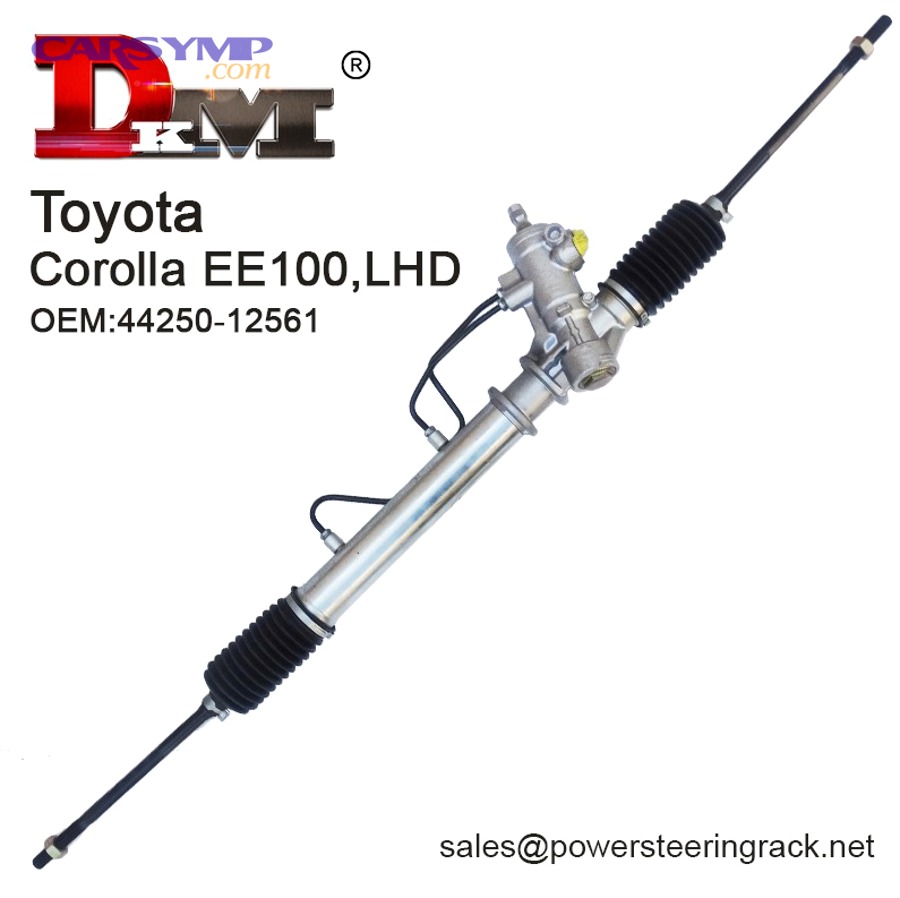
The average steering rack replacement costs between $900 and $1,800 for most passenger vehicles when using remanufactured racks, including parts, labor, fluid, and wheel alignment service. This comprehensive price point represents the most common replacement scenario where vehicle owners choose quality remanufactured units that balance cost and reliability.
Parts costs vary dramatically based on the rack type and quality level selected. Remanufactured racks from reputable suppliers like Cardone, A1 Cardone, or BBB Industries cost $250 to $600 for mainstream vehicles, $400 to $900 for luxury brands, and $600 to $1,200 for performance vehicles with variable-ratio or electronic assist systems. These units undergo professional rebuilding that includes new seals, boots, internal components as needed, testing, and warranty coverage typically spanning one to three years or unlimited mileage. New aftermarket racks from manufacturers like TRW, Moog, or AC Delco range from $400 to $800 for standard vehicles and $700 to $1,500 for luxury applications, offering the cost-saving of aftermarket pricing while providing new components throughout. OEM replacement racks from vehicle manufacturers command premium prices of $800 to $2,500 depending on the vehicle, justified by guaranteed fitment, manufacturer warranty, and identical specifications to the original equipment.
Labor costs for rack replacement typically range from $300 to $800 depending on vehicle design and shop rates. The replacement procedure involves substantial work: raising and supporting the vehicle, removing wheels, disconnecting outer tie rods from steering knuckles, disconnecting the steering column coupler from the rack input shaft, removing power steering fluid lines and plugging them to prevent fluid loss, unbolting rack mounting brackets from the subframe or crossmember, carefully extracting the old rack through limited clearances, comparing the new rack to the old unit for proper specification, installing the new rack and securing mounting brackets to proper torque, connecting fluid lines with new O-rings or seals, reconnecting the steering column coupler with exact alignment, installing outer tie rods at approximately the same length as the old setting, filling the power steering system with fresh fluid, bleeding air from the system, and performing post-repair bleeding and steering feel checks. This process consumes three to five hours on front-wheel-drive vehicles with good access, four to six hours on all-wheel-drive vehicles with transfer case interference, and five to eight hours on vehicles requiring subframe removal for rack access.
Additional necessary services increase total project costs beyond the basic rack replacement. Wheel alignment becomes mandatory after rack replacement because tie rod positions change during installation, and proper alignment ensures even tire wear and straight steering. Alignment services cost $80 to $180 depending on whether two-wheel or four-wheel alignment is required. Power steering fluid flush and refill using high-quality synthetic fluid adds $80 to $150 and removes contaminants that may have circulated through the failed rack. Some vehicles require steering angle sensor calibration after rack replacement to ensure proper operation of electronic stability control and driver assistance systems, adding $50 to $150 for the diagnostic scan tool connection and calibration procedure.
Vehicle-specific cost examples demonstrate the real-world price variation. A 2015 Toyota Camry rack replacement using a quality remanufactured unit might total $900 to $1,200 including labor, fluids, and alignment at an independent shop, while dealership pricing reaches $1,400 to $1,800 for the same service using OEM parts. A 2014 BMW X5 replacement escalates to $1,600 to $2,200 at independent shops using aftermarket racks, or $2,500 to $3,500 at the dealer with OEM parts due to the complex all-wheel-drive layout and electronic steering system requiring calibration.
Time requirements affect total ownership costs beyond direct service expenses. Most shops complete rack replacement in a single day, though parts availability may delay service by two to five business days if the specific rack is not in local stock. Vehicles with unusual configurations or rare models may face longer parts delays of one to two weeks, creating transportation challenges and potential rental car expenses of $40 to $80 per day.
What Factors Affect Steering Rack Repair and Replacement Costs?
Vehicle make and model complexity represents the primary cost driver for both repair and replacement services due to design variations that affect access, parts pricing, and labor time. Luxury manufacturers like Mercedes-Benz, BMW, Audi, and Lexus engineer racks with tighter tolerances, more complex hydraulic systems, integrated electronic components, and premium materials that increase both parts costs and labor time requirements. A Mercedes-Benz E-Class rack replacement may require removing portions of the exhaust system, disconnecting electronic modules, and performing computer-based calibrations that a comparable Honda Accord replacement does not need, adding two to three hours of labor time.
Engine layout and drivetrain configuration create substantial labor variations. Transverse-mounted engines in front-wheel-drive vehicles generally allow easier rack access than longitudinally mounted engines in rear-wheel-drive configurations. All-wheel-drive systems introduce additional components like transfer cases and front differential assemblies that obstruct rack access and require partial removal or careful maneuvering to extract the rack assembly. High-performance vehicles with low-slung chassis and large brakes create clearance constraints that slow rack removal and installation. Trucks and SUVs with body-on-frame construction may require technicians to work around solid front axles or complex suspension systems that complicate service procedures.
Parts availability and supply chain factors influence final costs through price competition and sourcing options. Popular vehicles like Honda Civics, Toyota Camrys, and Ford F-150s enjoy robust aftermarket support with multiple manufacturers producing remanufactured and new racks, creating price competition that keeps costs moderate. Rare, discontinued, or low-production vehicles face limited parts availability, sometimes leaving OEM replacement as the only option at premium prices without competitive alternatives. European vehicles often experience parts pricing premiums of 40% to 80% compared to domestic or Asian vehicles due to import costs, lower production volumes, and manufacturer pricing strategies.
Geographic location affects pricing through regional labor rate structures and cost-of-living variations. Metropolitan areas with high commercial real estate costs, expensive labor markets, and elevated insurance rates charge shop labor rates of $120 to $175 per hour, while smaller cities and rural areas maintain rates of $75 to $110 per hour for comparable work. A rack replacement requiring four hours of labor costs $300 to $440 in low-rate areas versus $480 to $700 in high-rate markets, a difference of $180 to $260 on labor alone.
Service provider type creates distinct pricing tiers based on overhead structures and business models. Independent repair shops typically charge 20% to 40% less than franchised dealerships for identical services because their overhead costs are lower and they use competitively priced aftermarket or remanufactured parts. Dealerships justify higher pricing through OEM parts, manufacturer-trained technicians, specialized diagnostic equipment, and warranty protection that some customers value. Mobile mechanics operating from vans without shop facilities offer the lowest labor rates, sometimes 30% to 50% below independent shops, but may lack specialized equipment for complex steering system bleeding and calibration procedures.
Parts quality selection significantly impacts initial costs and long-term value. Economy-grade aftermarket racks from discount suppliers cost 40% to 60% less than premium remanufactured units but may use lower-quality seals, inferior materials, and less rigorous quality control, potentially leading to premature failure. Premium remanufactured racks from established brands include better warranties, more thorough rebuilding processes, and higher-quality replacement components, justifying their higher prices through improved longevity. OEM parts command the highest prices but guarantee perfect fitment and materials specifications identical to the original factory installation.
Bundled service requirements add to base replacement costs but provide necessary complementary work. Wheel alignment after rack replacement is mandatory and costs $80 to $180 depending on whether two or four wheels require adjustment and whether the vehicle uses conventional or electronic alignment systems. Power steering fluid flushing removes contamination and old fluid for $80 to $150. Outer tie rod replacement becomes advisable when replacing the rack because these wear items may fail soon after rack replacement if they have significant mileage, adding $120 to $300 for parts and labor.
Warranty coverage and shop policies influence pricing strategies and customer protection. Some shops include warranty coverage in their base pricing, while others charge separately for extended protection. Warranty periods range from 90 days on budget repairs to lifetime coverage on premium parts and labor, with longer warranties justifying higher initial costs through reduced long-term financial risk.
According to automotive service data compiled by AAA’s annual Your Driving Costs study, steering system repairs rank among the more expensive maintenance categories, with average steering system repair costs increasing 4.2% annually over the past five years due to increasing vehicle complexity and parts costs.
What Are the Pros and Cons of Repairing vs Replacing a Steering Rack?
Replacing a steering rack provides superior long-term reliability with warranties, addresses all potential failure points simultaneously, and ensures consistent steering feel, but costs 50% to 200% more than repair; meanwhile, repair offers immediate cost savings and faster completion but risks recurrent failures if internal damage exists beyond the repaired components. This trade-off between upfront investment and long-term performance defines the central decision-making challenge for vehicle owners facing steering rack issues.
Evaluating these advantages and disadvantages requires examining specific benefits and drawbacks from both financial and functional perspectives. To clarify this comparison, let’s explore what each approach offers and where each falls short.
What Are the Benefits and Drawbacks of Steering Rack Repair?
Steering rack repair delivers immediate financial advantages through lower upfront costs that typically range from $200 to $800 compared to replacement expenses of $900 to $2,500, creating savings of $300 to $1,700 that make repair attractive for budget-conscious vehicle owners or those planning to sell soon. This cost differential becomes particularly significant for vehicles with marginal overall value where replacement costs approach or exceed the vehicle’s worth, making repair the only economically rational choice. A twelve-year-old sedan worth $3,500 faces questionable economics when replacement costs $1,800, but a $400 repair maintains transportation functionality without consuming excessive capital.
Faster turnaround times favor repair because the work involves less disassembly and reassembly than complete rack replacement. Technicians can often complete boot replacement and seal service in two to four hours versus the four to eight hours required for full rack replacement, allowing same-day completion in many scenarios. This time advantage matters for individuals who cannot afford extended periods without vehicle access, particularly those in rural areas without public transportation alternatives or those whose employment requires daily vehicle use.
Preserving original equipment through repair appeals to owners of rare, classic, or collectible vehicles where maintaining factory-original components affects vehicle value and authenticity. A 1995 BMW M3 with original steering rack maintains higher collector value than one with an aftermarket replacement, even if the replacement functions identically. Repair allows these owners to address functional issues while retaining originality that matters for resale, show competition, or personal satisfaction.
However, repair’s drawbacks create significant limitations that reduce its appeal in many situations. Limited warranty coverage represents the primary weakness, with most repair work carrying 90-day to one-year warranties versus the one-year to lifetime warranties common on replacement racks. This shorter protection period reflects the reality that repair addresses specific failed components without evaluating or replacing other parts that may fail soon, leaving customers exposed to subsequent failures that fall outside warranty coverage.
Temporary solutions create long-term frustration when internal damage beyond the repaired components causes recurrent failures. Replacing torn boots stops dirt intrusion but does nothing for internal rack bar corrosion that already exists, meaning steering problems may reappear within months as internal damage continues progressing. This scenario results in spending $400 on repair only to face a $1,200 replacement six months later, effectively wasting the repair investment and paying $1,600 total instead of the $1,200 that immediate replacement would have cost.
Incomplete problem resolution frustrates customers who expect repair to restore like-new performance. Repair addresses specific failed components but cannot undo wear that has already occurred in non-failed parts, meaning steering feel may improve from pre-repair condition but still feel looser or less precise than a new rack would provide. This limitation becomes apparent in comparison testing where a repaired rack demonstrates noticeably more play and less direct response than a fresh replacement unit.
Shorter service life expectations make repair a poor value proposition for owners planning extended vehicle retention. A well-executed repair might provide two to four years of additional service under favorable conditions, while a quality replacement rack typically delivers six to twelve years or more. For vehicles the owner intends to keep for five or more years, the repair’s shorter lifespan means facing the same decision again relatively soon, potentially requiring eventual replacement anyway after “throwing good money after bad” on interim repairs.
Hidden damage discovery during repair attempts sometimes transforms a straightforward repair estimate into a forced replacement scenario. Technicians cannot always assess internal rack condition without partial disassembly, and finding severe internal corrosion or wear during a planned boot replacement converts the $400 repair estimate into a $1,200 replacement recommendation after already investing an hour of diagnostic labor. This surprise escalation creates customer frustration and forces rushed decisions under vehicle-disabled circumstances.
What Are the Benefits and Drawbacks of Steering Rack Replacement?
Steering rack replacement provides comprehensive system renewal that addresses all potential failure points simultaneously by installing a completely rebuilt or new assembly with fresh seals, bearings, internal components, and structural parts, eliminating the piecemeal approach of repair. This total system replacement means customers receive an effectively new steering rack that should provide service life comparable to the original factory installation, typically six to twelve years or 100,000 to 200,000 miles under normal driving conditions.
Superior warranty protection represents replacement’s strongest financial advantage, with quality remanufactured racks carrying warranties from one year to lifetime unlimited mileage, and new racks often offering three years to lifetime coverage. These extended warranties provide financial protection against premature failure, defective parts, and workmanship issues, transferring risk from the vehicle owner to the parts manufacturer. A lifetime warranty effectively ensures that steering rack failure will never again represent an out-of-pocket expense during the owner’s vehicle tenure, providing budget predictability and peace of mind.
Better long-term reliability stems from replacement’s complete component renewal versus repair’s targeted approach. A new or remanufactured rack contains fresh seals that haven’t been heat-cycled, new or refinished bearing surfaces without wear patterns, tight internal tolerances without accumulated clearances, and structural components without fatigue stress. These factors combine to produce failure rates substantially lower than repaired units that retain worn non-failed components. Industry data suggests properly installed remanufactured racks experience failure rates below 3% within the first three years, while repaired racks show failure rates of 12% to 18% in the same period due to progressive failures of components not addressed by repair.
Restored steering precision and feel provide immediate functional benefits that drivers notice during the first trip after installation. A new rack eliminates the accumulated play, binding, and inconsistency that develops gradually during rack deterioration, restoring the tight, direct steering response the vehicle exhibited when new. This improvement enhances both driving enjoyment and safety by providing more accurate steering inputs during emergency maneuvers and improving feedback that helps drivers sense road conditions and vehicle dynamics.
Single-service resolution eliminates the frustration and expense of returning repeatedly for related repairs. Replacement addresses inner tie rods, seals, rack bar, pinion gear, housing, and all internal components in one service, preventing the scenario where you repair boots this month, seals next month, and tie rods the following month, accumulating costs and downtime with each visit. This one-and-done approach saves time, reduces inconvenience, and provides a clear endpoint to steering rack concerns.
However, replacement’s disadvantages center primarily on cost implications and logistical considerations. Higher upfront investment requires spending $900 to $2,500 immediately compared to $200 to $800 for repair, representing a significant expense that may strain household budgets or require financing. This cost difference becomes especially burdensome for vehicles with limited remaining value where the replacement cost represents 30% to 50% of the vehicle’s total worth, raising questions about overall financial wisdom.
Longer installation time means vehicles remain out of service for extended periods, typically one full day for the replacement work plus potential additional days for parts delivery if the specific rack isn’t locally stocked. This extended downtime creates transportation challenges for owners without backup vehicles, potentially requiring rental car expenses of $40 to $80 per day that add to the total project cost. Individuals living in areas without Uber, Lyft, or public transit face particular challenges when their primary vehicle sits in a shop for multiple days.
Parts availability delays can extend project timelines substantially for unusual vehicles or rare rack configurations. While common vehicles like Honda Accords or Toyota Camrys have racks readily available from local parts distributors for same-day or next-day delivery, a 2011 Saab 9-5 or 2008 Pontiac Solstice may require ordering from distant warehouses with three to ten business day shipping times. These delays force owners to make alternative transportation arrangements for extended periods or leave the vehicle occupying shop space while waiting for parts, potentially incurring storage fees.
Compatibility concerns arise when using aftermarket or remanufactured racks that may not perfectly match OEM specifications. While reputable manufacturers produce racks meeting or exceeding original equipment standards, some lower-quality aftermarket units use slightly different internal valving, altered assist curves, or variant mounting points that create fitment challenges or steering feel changes. These compatibility issues may manifest as steering effort differences between left and right turns, unusual assist characteristics at low speeds, or slight dimensional mismatches requiring modification for installation.
Overengineering scenarios occur when replacement exceeds the actual need based on the specific failure mode and vehicle usage plans. Installing a $1,500 rack with lifetime warranty on a vehicle the owner plans to sell in twelve months represents questionable financial logic, as the investment won’t be recovered through increased resale value or extended personal use. Similarly, replacing a rack with minor seal leaks on a vehicle used only for occasional short trips around town may constitute excessive intervention when the vehicle’s light duty cycle would allow successful repair.
How Do You Decide Between Repair and Replacement for Your Specific Situation?
Decide between steering rack repair and replacement by evaluating damage severity through professional diagnosis, comparing total costs including potential repeat repairs within your ownership timeline, and aligning the choice with your vehicle’s remaining value and planned retention period. This decision framework transforms an overwhelming choice into a systematic evaluation of measurable factors that produce a clear recommendation for your circumstances.
Applying this framework requires gathering specific information about your vehicle’s condition, understanding the financial implications of each path, and honestly assessing your plans for the vehicle. Let’s examine the key questions and considerations that guide this decision.
What Questions Should You Ask Your Mechanic Before Deciding?
Ask your mechanic to describe the specific components that have failed and whether internal rack damage exists beyond those components, as this distinction determines repair feasibility and expected longevity. Request that the technician show you the actual damage if possible, either by visual inspection of external leaks or by explaining what diagnostic findings indicate internal wear. A mechanic who identifies torn boots and minor seal weeping without evidence of internal scoring provides confidence that repair may succeed, while one who describes heavy steering, metal particles in the power steering fluid, or groaning noises during turns suggests internal damage requiring replacement.
Request detailed written estimates for both repair and replacement options including parts specifications, labor hours, and warranty coverage to enable accurate comparison. Insist that estimates specify whether quoted parts are economy aftermarket, premium aftermarket, remanufactured, or OEM, as these distinctions dramatically affect both price and quality. An estimate listing “steering rack replacement – $1,200” provides insufficient information, whereas “steering rack replacement using Cardone remanufactured unit #26-2500 with lifetime warranty, 4.5 hours labor at $110/hour, includes alignment and fluid – $1,245” enables informed evaluation.
Inquire about the expected service life for both options based on the specific damage observed and your vehicle’s condition. Ask directly: “If I choose repair, how long do you expect before I’ll face this problem again?” and “What percentage of repaired racks return with problems within the next year?” Experienced technicians can provide realistic expectations based on pattern recognition from similar repairs, helping you understand whether repair represents a six-month temporary fix or a potentially viable three-year solution.
Verify warranty coverage details including duration, mileage limits, what components are covered, and whether the warranty includes just parts or both parts and labor. Clarify whether the warranty transfers if you sell the vehicle, as this affects resale value. Ask about warranty claim procedures: “If this fails in eight months, what’s the process for getting it fixed?” Understanding whether you’ll receive free replacement parts but still pay labor, or whether both parts and labor are covered, significantly impacts the warranty’s true value.
Question whether additional components need replacement concurrently with the rack service to avoid returning for related repairs shortly afterward. Ask specifically about outer tie rod ends, power steering pump condition, fluid contamination levels, and steering column coupler condition. A mechanic who recommends replacing outer tie rods during rack replacement because they show wear provides valuable preventive guidance, while one who mentions nothing about related components may leave you facing additional repairs soon after completing the rack service.
Inquire about the shop’s specific experience with your vehicle make and model, as familiarity with particular vehicles affects both service quality and efficiency. Ask: “How many of these racks have you replaced on this model?” and “Are there any known issues or tricks specific to this vehicle?” Mechanics experienced with your specific vehicle will complete the work more efficiently, anticipate vehicle-specific challenges, and avoid rookie mistakes that inexperienced technicians might make.
Request references or reviews from previous customers who had similar work performed to gauge the shop’s reliability and customer satisfaction. While online reviews provide some insight, asking for direct customer contacts signals that the shop stands behind its work with sufficient confidence to connect you with previous clients. Reputable shops willingly provide these references, while disreputable ones make excuses or redirect the conversation.
Which Option Is Better for High-Mileage vs Low-Mileage Vehicles?
High-mileage vehicles exceeding 150,000 miles typically justify replacement over repair because other steering and suspension components are also nearing the end of their service lives, making comprehensive system renewal through replacement more cost-effective than piecemeal repairs. A vehicle with 180,000 miles experiencing steering rack seal leaks likely has worn outer tie rod ends, aging control arm bushings, and deteriorating ball joints that will require service soon regardless of what you do with the rack. Installing a remanufactured rack that includes new inner tie rods addresses multiple potential failure points simultaneously, and the vehicle is already disassembled for service, reducing incremental labor costs for addressing related components.
The replacement approach on high-mileage vehicles also aligns with realistic ownership expectations, as these vehicles typically remain in service for their remaining useful life rather than being sold soon. Owners who have driven vehicles to 150,000+ miles generally plan to extract maximum remaining value by continuing operation until major failure, making the longer service life and better warranty of replacement more valuable than repair’s lower upfront cost. A replacement that provides six to eight additional years of service matches the likely remaining vehicle life, whereas a repair providing two to three years may require revisiting the same decision before the vehicle reaches its end of life.
Low-mileage vehicles under 75,000 miles with relatively recent production dates (within five to seven years) present different considerations that may favor repair in certain circumstances. A four-year-old vehicle with 60,000 miles experiencing rack boot tears from road debris impact remains essentially new in most respects, with substantial remaining service life in all other components. Repairing the boots for $350 to $500 addresses the specific damage without unnecessary expense, and the vehicle’s low mileage suggests other rack components remain in good condition, increasing repair success probability.
However, low-mileage vehicles also justify replacement when internal damage exists because the vehicle’s remaining lifespan is long enough to fully utilize replacement’s superior longevity and warranty. A three-year-old vehicle with 45,000 miles showing signs of internal rack wear from manufacturing defects or unusual conditions benefits from replacement that provides a full-life solution rather than repair that merely delays inevitable replacement. The owner can reasonably expect to keep this vehicle for another eight to twelve years or 150,000 to 200,000 additional miles, making replacement’s longer warranty period and better reliability valuable over this extended horizon.
Medium-mileage vehicles in the 75,000 to 150,000-mile range require the most careful evaluation because they fall in the ambiguous zone where either approach might succeed depending on specific circumstances. A ten-year-old vehicle with 110,000 miles might remain in service for another five to eight years if well-maintained, or it might face major powertrain failure within two years, making the optimal rack strategy uncertain. These vehicles benefit from considering additional factors like overall mechanical condition, maintenance history, and owner attachment when deciding between repair and replacement.
Vehicle value relative to repair or replacement costs provides another important dimension in this analysis. A low-mileage luxury vehicle worth $35,000 easily justifies a $1,800 rack replacement as a small percentage of total value, whereas a high-mileage economy car worth $3,000 faces difficult economics when replacement costs $1,200, representing 40% of the vehicle’s entire value. In the latter scenario, repair becomes the rational choice unless the owner has strong emotional attachment or specific need for extended continued service that justifies the disproportionate investment.
How Does Your Budget Affect the Repair vs Replace Decision?
Immediate affordability constraints may force repair selection even when replacement offers better long-term value, as the $300 to $700 difference between options represents a significant barrier for households with limited discretionary income or inadequate emergency savings. A family facing a $500 repair versus $1,200 replacement may simply lack the additional $700 required for replacement, making repair the only accessible option regardless of its inferior long-term economics. This budgetary reality affects millions of vehicle owners who make financially suboptimal decisions not from ignorance but from cash flow limitations that preclude better choices.
Deferred maintenance scenarios compound when budget constraints force repair selection, potentially creating escalating expenses if the repair fails prematurely and requires subsequent replacement anyway. The household that couldn’t afford $1,200 for immediate replacement now faces paying $500 for repair today and $1,200 for replacement in eighteen months, totaling $1,700 versus the $1,200 that would have solved the problem initially. This poverty tax—paying more in total by purchasing lower-quality solutions in smaller increments—represents a common pattern in automotive maintenance where short-term affordability prevents long-term economical choices.
Financing and payment options modify budget constraints by converting large single expenses into manageable monthly obligations. Many repair shops partner with consumer credit providers like Synchrony Car Care or CarLotz that offer promotional financing with deferred interest periods, allowing customers to spread a $1,200 replacement over twelve to twenty-four months. These financing arrangements eliminate immediate affordability barriers, making replacement accessible to customers who couldn’t manage the full expense upfront but can handle $50 to $100 monthly payments within their existing budgets.
Long-term value calculations favor replacement when extending the analysis beyond immediate cash outflow to consider total cost of ownership. Replacement’s higher initial cost of $1,200 providing eight years of service costs $150 per year, while repair’s $500 cost providing three years of service costs $167 per year, making replacement 10% more economical annually despite the higher upfront expense. When the repair eventually fails and requires replacement anyway, the combined $1,700 total cost for both services versus $1,200 for immediate replacement represents a $500 premium paid for deferring the inevitable.
Budget prioritization frameworks help households allocate limited resources among competing needs by evaluating safety criticality, failure consequences, and deferral options. Steering rack failure creates immediate safety hazards that justify prioritizing this repair above discretionary expenses and even some other vehicle maintenance, as losing steering control presents crash risks that far exceed the consequences of minor issues like worn wiper blades or cosmetic damage. This criticality assessment places steering rack issues high in the budget priority queue, potentially warranting using emergency funds or postponing non-critical spending to address the problem promptly.
Insurance and warranty considerations occasionally affect budget impact when extended warranty coverage, mechanical breakdown insurance, or manufacturer powertrain warranties cover steering rack replacement. Some extended warranty contracts cover rack replacement but exclude wear-and-tear repairs like seal replacement, creating perverse incentives where replacement costs less out-of-pocket than repair due to insurance coverage. Reviewing coverage documents and contacting warranty providers before making repair versus replacement decisions can sometimes reveal coverage that significantly alters the financial equation.
According to research published in the Journal of Consumer Research, households in the bottom income quartile spend approximately 18% of their annual income on vehicle maintenance and repairs, compared to 4% for households in the top income quartile, illustrating how budget constraints disproportionately affect lower-income vehicle owners who face identical repair needs but with dramatically different resource availability.
What Are Your Steering Rack Replacement Options Beyond Standard Parts?
Beyond standard new OEM racks, you can choose from remanufactured units offering 30-50% cost savings with comparable quality, aftermarket racks providing budget-friendly alternatives, or upgraded performance racks with enhanced specifications for specialized applications. These alternatives create a spectrum of options that balance cost, quality, warranty coverage, and performance characteristics to match different priorities and budgets.
Understanding the distinctions between these part categories enables informed selection that aligns with your vehicle’s needs and your value preferences. Specifically, examining the manufacturing processes, quality standards, and practical performance differences reveals which option serves your situation best.
What Is the Difference Between OEM, Aftermarket, and Remanufactured Steering Racks?
OEM (Original Equipment Manufacturer) steering racks are parts manufactured to the exact specifications used in original vehicle production, typically produced by the same suppliers who built racks for the assembly line, and sold through dealership parts departments with manufacturer branding and part numbers. These racks guarantee perfect compatibility because they’re identical to the original factory installation, using the same materials, dimensions, tolerances, and manufacturing processes that the vehicle engineers specified during design. A genuine Honda OEM rack for a 2018 Accord comes from the same production line and uses identical specifications as the rack originally installed at the Honda factory, ensuring fitment and performance match factory standards precisely.
OEM racks command premium pricing due to manufacturer markup, dealership distribution costs, and brand value, typically costing 40% to 100% more than comparable aftermarket or remanufactured alternatives. A Ford OEM rack priced at $1,200 might have an aftermarket equivalent at $700 or a remanufactured version at $600, with the premium reflecting dealer overhead, manufacturer profit margins, and guaranteed compatibility. Warranty coverage for OEM parts usually spans one to three years depending on the manufacturer, though some luxury brands offer extended coverage periods.
Aftermarket steering racks come from independent manufacturers who reverse-engineer and produce parts designed to fit specific vehicle applications without using the original manufacturer’s production facilities or exact specifications. Reputable aftermarket suppliers like TRW, Moog, AC Delco, and Dorman invest heavily in engineering and quality control to produce racks that meet or exceed OEM specifications while selling at lower price points enabled by competition and distribution efficiency. These manufacturers test their products extensively to ensure compatibility and performance, though minor variations in materials, manufacturing processes, or internal design may create subtle differences from OEM parts.
Aftermarket quality varies dramatically across manufacturers, ranging from premium brands that match or exceed OEM standards to economy producers offering budget parts with questionable longevity. Premium aftermarket manufacturers often improve upon OEM designs by addressing known failure modes, using upgraded materials, or incorporating design refinements that weren’t possible during original production due to cost constraints. For example, an aftermarket rack might use improved seal materials that resist heat degradation better than original factory seals, potentially extending service life beyond OEM equivalents.
Pricing for aftermarket racks typically falls 30% to 60% below OEM costs, with premium brands at the higher end of this range and economy brands offering the deepest discounts. A premium Moog rack might cost $800 where the OEM equivalent is $1,400, while an economy alternative could be found for $450, creating significant savings opportunities for budget-conscious buyers willing to accept potentially shorter service life or limited warranty coverage.
Remanufactured steering racks are used OEM or aftermarket racks that have been professionally disassembled, cleaned, inspected, rebuilt with new wear components, tested for performance, and sold with warranty coverage at prices substantially below new parts. The remanufacturing process typically involves completely disassembling the rack, chemically cleaning all metal components, inspecting for wear or damage, replacing all seals, boots, and wear surfaces, reassembling with precise torque specifications, pressure testing for leaks, and function testing to verify performance meets specifications. Reputable remanufacturers like Cardone, A1 Cardone, and BBB Industries operate sophisticated facilities with trained technicians and quality control procedures that produce racks meeting stringent performance standards.
Quality remanufactured racks offer reliability comparable to new parts because all critical wear components receive replacement during the rebuilding process. The major structural components—the rack housing, pinion shaft, and rack bar—are metal parts that don’t wear significantly and can be reused indefinitely if properly cleaned and inspected. Only the seals, boots, and bearing surfaces need replacement, and remanufacturers install new components in these areas. The result is an effectively new rack using a restored housing and structure, providing performance equivalent to new units at 40% to 60% lower cost.
Warranty coverage for quality remanufactured racks often matches or exceeds new part warranties, with many remanufacturers offering lifetime unlimited mileage warranties that demonstrate confidence in their rebuilding processes. These generous warranties provide financial protection superior to many new aftermarket parts that carry only one to three-year coverage, making remanufactured units the best value proposition for many applications.
Environmental benefits favor remanufactured parts because the process recycles existing components rather than requiring new raw material extraction, metal smelting, and manufacturing processes. Remanufacturing consumes approximately 85% less energy than producing new parts and diverts substantial material from landfills, creating sustainability advantages that appeal to environmentally conscious consumers.
Are Remanufactured Steering Racks Reliable for Replacement?
Yes, remanufactured steering racks from reputable manufacturers are reliable for replacement, with properly rebuilt units offering service life and failure rates comparable to new parts at 40-60% lower cost, supported by warranty coverage that often exceeds new part protection. This reliability stems from professional remanufacturing processes that address all wear-prone components while retaining the durable structural elements that don’t deteriorate significantly during normal service.
The remanufacturing process determines ultimate reliability through the rigor of disassembly, inspection, component replacement, and testing procedures. Industry-leading remanufacturers employ multi-stage processes that begin with complete rack disassembly in clean-room environments to prevent contamination. Technicians separate all components, identifying the housing, rack bar, pinion shaft, seals, boots, bearings, and internal valving for individual evaluation. Each component undergoes inspection using dimensional measurement tools, visual examination for surface defects, and functional testing where applicable.
Component replacement focuses on all items subject to wear or deterioration. New seals manufactured from upgraded materials replace all original hydraulic seals, O-rings, and gaskets throughout the rack assembly. Fresh boots made from durable rubber compounds seal the rack ends where tie rods connect. Bearing surfaces receive restoration through precision machining or replacement depending on wear severity and economic feasibility. Internal valving components that control power assist characteristics are cleaned, inspected, and replaced if damaged or worn beyond specifications.
Reassembly follows precise torque specifications and sequences that ensure proper component seating, seal compression, and structural integrity. Remanufacturers use specialized fixtures and tools designed specifically for steering rack assembly, achieving consistent quality that matches or exceeds original manufacturing standards. Precision torque wrenches ensure that all fasteners receive correct tightening force, preventing both loose assemblies and over-torqued components that might crack housings or strip threads.
Testing procedures verify that completed remanufactured racks meet performance specifications before leaving the facility. Pressure testing exposes racks to hydraulic pressures exceeding normal operating levels, revealing seal leaks or structural weaknesses that would cause field failures. Function testing cycles racks through full travel while measuring resistance, assist force, and smooth operation to ensure they meet original equipment specifications. This testing catches defects that might escape visual inspection, providing quality assurance that protects both the remanufacturer’s reputation and customer satisfaction.
Warranty coverage reflecting remanufacturer confidence in their processes and products provides the strongest evidence of reliability. Cardone Industries offers lifetime unlimited mileage warranties on most remanufactured racks, effectively guaranteeing that the rack will outlast customer ownership of the vehicle. BBB Industries provides similar lifetime coverage with provisions for warranty transfer to subsequent owners, demonstrating confidence that remanufactured racks will provide reliable long-term service. These generous warranties protect customers from financial risk and incentivize remanufacturers to maintain rigorous quality control, as warranty claims directly impact profitability.
Field performance data supports remanufactured rack reliability claims through low failure rates and high customer satisfaction scores. Automotive service databases tracking repair outcomes show remanufactured rack failure rates of 2-4% within the first three years of service, comparable to new aftermarket parts at 1.5-3% and slightly higher than OEM parts at 0.8-2%. These marginal differences reflect the reality that remanufacturing cannot always detect every subtle defect in structural components, but the overall reliability remains high enough to represent a sound value proposition.
Cost savings justify remanufactured selection for most applications given the minimal reliability sacrifice compared to new parts. Saving $400 to $900 on a remanufactured rack versus OEM while accepting a reliability difference of 1-3 percentage points in failure probability represents excellent value, especially when backed by lifetime warranty coverage that eliminates financial risk from premature failure. The potential worst-case scenario involves the inconvenience of replacing a failed remanufactured rack under warranty, while the savings benefit remains certain.
How Do Power Steering Rack and Manual Steering Rack Repairs Differ?
Power steering rack and manual steering rack repairs differ fundamentally in complexity, cost, and component count, with power racks requiring hydraulic seal service, fluid management, and pressure bleeding procedures that manual racks completely avoid. This distinction affects both the technical difficulty of repairs and the economic comparison between repair and replacement options.
Power steering racks incorporate hydraulic assist mechanisms that multiply driver input force through pressurized fluid acting on a piston within the rack housing. This hydraulic system requires numerous seals to contain high-pressure fluid (typically 1,000 to 1,500 PSI) within specific chambers while preventing leakage to the environment. The rack contains input shaft seals, piston seals, end cap seals, and fluid line connection seals, each representing a potential failure point. When any seal fails, hydraulic fluid leaks from the system, reducing assist pressure and eventually eliminating power assist entirely if sufficient fluid is lost.
Repairing power steering racks requires specialized knowledge of hydraulic systems, precise bleeding procedures to remove air bubbles, and careful seal installation techniques that prevent damage during assembly. Technicians must understand how to safely depressurize the system before disconnecting lines, how to prevent contamination during seal replacement, and how to properly bleed air from the system after reassembly to ensure consistent assist feel. These additional complexity factors increase labor time and skill requirements compared to manual rack service.
Manual steering racks operate through pure mechanical advantage without hydraulic assistance, using only the pinion gear ratio and rack geometry to convert steering wheel rotation into wheel movement. This simpler design eliminates all hydraulic components, fluid reservoirs, pressure lines, and seals associated with power assist, dramatically reducing component count and potential failure modes. Manual racks can fail through gear wear, bearing deterioration, and rack bushing damage, but they cannot develop seal leaks or fluid contamination issues that affect power racks.
Repair costs for manual racks typically run 30% to 50% lower than power rack repairs due to simpler procedures and fewer components. A manual rack boot replacement might cost $180 to $350 because the technician only needs to disconnect tie rods, replace boots, and reassemble, while a comparable power rack repair costs $300 to $600 due to additional steps for disconnecting fluid lines, capturing escaping fluid, preventing contamination, bleeding the system after reassembly, and verifying proper assist function. The labor time difference accounts for most of this cost gap, as manual rack service typically requires 1.5 to 2.5 hours versus 2.5 to 4 hours for power rack repairs.
Replacement costs also favor manual racks through lower parts prices and reduced labor. Manual rack assemblies cost $200 to $500 for most applications versus $400 to $1,200 for equivalent power racks, reflecting the additional manufacturing complexity and component count in hydraulic units. Installation labor savings of 0.5 to 1.5 hours result from eliminating fluid line connections, system bleeding, and leak checking required for power racks.
Electronic power steering (EPS) systems represent the modern evolution beyond traditional hydraulic power steering, using electric motors integrated into the rack assembly or steering column to provide assist force. These systems eliminate hydraulic components entirely, instead relying on electronic control modules, electric motors, position sensors, and torque sensors to deliver assist. EPS racks cannot be conventionally repaired because the electric motor assemblies and control modules are sealed units without serviceable components, forcing replacement as the only option when these systems fail. EPS rack replacement costs typically exceed hydraulic power racks by 20% to 40% due to sophisticated electronics and proprietary calibration requirements after installation.
What Preventive Maintenance Can Extend Your Steering Rack Lifespan?
Regular power steering fluid inspection and replacement every 50,000 to 75,000 miles prevents internal rack corrosion and seal deterioration by maintaining proper lubrication and removing accumulated contaminants before they cause damage. Power steering fluid degrades over time through heat cycling, moisture absorption, and contamination from wear particles, gradually losing its lubricating properties and becoming acidic, which attacks internal rack seals and metal surfaces. Fresh fluid maintains proper viscosity for hydraulic function, contains additives that protect seals from hardening, and prevents corrosive degradation that shortens rack lifespan.
Fluid inspection procedures involve checking the power steering reservoir monthly for proper level and fluid condition. Remove the reservoir cap and examine the fluid color and clarity, looking for clean reddish or amber appearance rather than dark brown or black discoloration indicating oxidation and contamination. Check fluid level against reservoir markings, adding approved fluid to maintain proper level and prevent pump cavitation that accelerates wear. Any significant fluid loss indicates a leak requiring immediate investigation, as continued operation with low fluid causes pump and rack damage.
Boot inspection and protection preserves rack internal cleanliness by maintaining the barrier that excludes dirt and moisture. The rubber boots covering rack ends where tie rods connect are the primary defense against contamination, and their failure allows road grime, salt, and water to enter the rack housing, causing rapid internal deterioration. Visual inspection during oil changes or tire rotations takes seconds but reveals boot tears, cracks, or loosened clamps before damage occurs. Replacing boots immediately when damage is discovered costs $100 to $300 versus $1,000+ for rack replacement necessitated by contamination from failed boots.
Wheel alignment maintenance prevents abnormal rack wear by ensuring tie rods and rack travel remain within designed ranges. Improper alignment forces the rack to operate at extreme travel positions more frequently than intended, concentrating wear in specific areas rather than distributing it across the full rack length. Alignment also affects tie rod angles, and excessive misalignment creates side loads on inner tie rod ball joints that accelerate wear. Maintaining alignment per manufacturer specifications distributes steering loads evenly and promotes long rack life.
Avoiding potholes, curb strikes, and road hazards prevents impact damage that can bend tie rods, crack rack housings, or dislodge internal components. While completely avoiding road hazards isn’t realistic, conscious efforts to drive around visible potholes, avoid aggressive curb contact during parking, and slow for rough pavement sections reduce impact forces transmitted to steering components. A single severe pothole strike can bend a tie rod or crack a rack housing, causing immediate failure or creating damage that propagates into eventual failure.
Addressing power steering leaks immediately prevents fluid loss that accelerates rack deterioration. Small leaks from pump seals, pressure line connections, or return hoses deplete fluid levels, reducing hydraulic pressure and lubrication while allowing air intrusion that causes noise and erratic assist. Repairing these leaks when they’re minor costs substantially less than rack replacement necessitated by operating the system with low fluid, making prompt leak repair an effective preventive measure.
Parking practices that minimize steering stress extend rack life by reducing loads during stationary conditions. Turning the steering wheel fully against the stops while stationary creates maximum hydraulic pressure and mechanical stress in the rack, wearing components faster than turning while moving. Additionally, holding the wheel at full lock for extended periods while stationary overheats power steering fluid and stresses pump components. Using minimal steering input when parking and avoiding prolonged operation at full lock reduces unnecessary rack stress.
According to maintenance data analyzed by Consumer Reports’ automotive testing department, vehicles receiving regular power steering fluid service at 60,000-mile intervals experience steering system failures 40% less frequently than vehicles never receiving fluid service, demonstrating the significant preventive value of this simple maintenance procedure.