Complete Guide to Steering Rack Repair: Rebuild vs Replace Options for Vehicle Owners
Steering rack repair is possible for most hydraulic power steering systems through seal replacement, component rebuilding, or professional restoration services, while full replacement becomes necessary when damage extends beyond seals or in electric-assisted systems. Vehicle owners face three primary options: DIY seal and boot replacement ($50-200), professional rack rebuilding ($300-600), or complete rack replacement ($500-1,500 including labor), with the optimal choice depending on damage severity, vehicle age, and budget constraints. Understanding the fundamental difference between repairing your existing rack versus installing a new or remanufactured unit helps you make cost-effective decisions that restore safe steering function without unnecessary expenses.
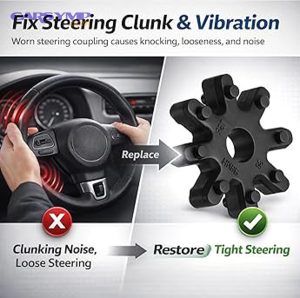
Recognizing when your steering system demands attention starts with identifying common failure symptoms that signal rack deterioration. Clunking and looseness in steering causes include worn internal seals, damaged rack teeth, or failing bushings that allow excessive play in the steering mechanism. A Power steering leak at rack diagnosis typically reveals fluid seeping from deteriorated end seals or a cracked housing, creating telltale puddles under your vehicle and causing the steering to feel heavy or unresponsive. These Steering rack failure symptoms often develop gradually, giving you time to evaluate repair versus replacement options before complete system failure occurs.
The decision between repairing and replacing your steering rack hinges on several critical factors that affect both immediate costs and long-term reliability. Steering rack repair vs replacement options differ significantly in scope, with repairs addressing specific component failures through seal kits and targeted rebuilding, while replacement involves installing an entirely new or remanufactured assembly. Professional mechanics typically recommend repair when seal failure represents the primary issue and the rack’s internal components show minimal wear, whereas replacement makes more financial sense when multiple components have failed or the rack housing itself has sustained damage. The Steering rack replacement labor time averages 3-6 hours depending on vehicle complexity, directly impacting your total project cost regardless of which path you choose.
Modern vehicles present unique challenges that influence repair feasibility, particularly regarding Electric steering rack vs hydraulic differences that determine whether rebuilding remains viable. Most electric power steering systems manufactured after 2013 cannot be rebuilt using traditional methods because their electronic control modules and motor assemblies require specialized diagnostic equipment and proprietary software unavailable to independent repair shops. To begin understanding your specific situation, examining your vehicle’s steering system type, current symptoms, and the extent of component wear provides the foundation for making an informed repair or replacement decision.
What Is Steering Rack Repair and When Is It Needed?
Steering rack repair involves replacing worn seals, damaged boots, or internal components within the rack and pinion assembly to restore proper steering function and eliminate fluid leaks. The rack and pinion system converts the rotational motion of your steering wheel into lateral movement that turns your vehicle’s front wheels, using a circular pinion gear that meshes with a linear toothed rack. This mechanical connection enables precise steering control, but the system’s constant movement and exposure to heat gradually degrades rubber seals, causing fluid leaks and allowing contaminants to damage precision-machined surfaces.

Understanding when repair becomes necessary requires recognizing how steering rack components deteriorate over time. The rack assembly contains multiple rubber seals that prevent power steering fluid from escaping while keeping dirt and moisture out of the precision-machined housing. These seals harden and crack after years of heat cycling and chemical exposure, creating the primary failure point in most steering racks. The flexible rubber boots protecting each end of the rack similarly degrade, allowing road grit to contaminate the rack’s polished surface and accelerate wear on both the rack teeth and the internal sealing surfaces.
Professional diagnosis typically involves raising the vehicle, inspecting visible components for damage or leakage, and testing steering response through its full range of motion. Mechanics look for fluid accumulation on the rack housing, torn protective boots, and excessive play in the tie rod connections. They also assess whether the steering binds at certain points during rotation or if the wheel fails to return to center position after completing a turn. These diagnostic observations help determine whether simple seal replacement will solve the problem or if internal rack damage requires more extensive rebuilding or complete replacement.
What Are the Common Signs Your Steering Rack Needs Repair?
Your steering rack needs repair when you notice fluid leaks beneath the vehicle, experience loose or wandering steering feel, hear clunking noises during turns, observe difficulty returning the wheel to center, or feel binding at certain steering positions. These symptoms indicate progressive seal failure, internal component wear, or damage to the rack’s precision surfaces that compromise steering safety and vehicle control.
Specifically, power steering fluid leaks represent the most obvious indicator that your rack’s seals have failed. You’ll typically notice reddish-brown or clear fluid accumulating on your garage floor directly beneath the front suspension area, often appearing after the vehicle has been parked overnight. As seal deterioration progresses, you may observe fluid coating the inner edges of your front tires or dripping from the protective rubber boots at each end of the rack assembly. This leakage reduces the hydraulic system’s pressure, causing the steering wheel to require noticeably more effort, particularly during low-speed maneuvers like parking.
Loose or wandering steering develops when internal rack components wear beyond their design tolerances. The steering wheel feels vague and requires constant correction to maintain a straight path, especially on highway drives where you expect the vehicle to track predictably. This looseness stems from worn bushings that allow the rack to shift within its mounting brackets, or from deteriorated internal components that create excessive clearance between the pinion gear and rack teeth. The condition progressively worsens as wear accelerates, eventually creating dangerous unpredictability in steering response.
Clunking or knocking sounds during steering input signal mechanical problems within the rack assembly or its mounting system. You’ll hear these noises most distinctly when turning the wheel while stationary or during slow-speed parking maneuvers, as the sound transmits through the steering column into the passenger compartment. The clunking typically indicates that internal components have developed excessive play, that mounting bushings have compressed beyond their effective range, or that the rack housing itself has loosened from its chassis attachment points. These noises warrant immediate inspection because they indicate mechanical failures that can suddenly worsen and compromise steering control.
Binding or stiff steering at specific wheel positions reveals damage to the rack’s precision-machined surfaces or contamination within the steering mechanism. Unlike the general stiffness caused by low power steering fluid, this positional binding creates a tight spot that requires extra force to turn through, followed by normal steering feel once you’ve passed that particular angle. The condition usually develops after road debris enters through torn protective boots, allowing grit to score the polished rack surface and create rough spots that resist smooth movement. If left unaddressed, this contamination rapidly accelerates wear throughout the entire steering system.
Can All Steering Racks Be Repaired?
No, not all steering racks can be repaired—hydraulic power steering racks from most vehicles built before 2013 accept traditional rebuilding with seal replacement and component restoration, while electric power-assisted steering racks common in 2013-current models cannot be serviced through conventional rebuilding methods. The fundamental difference lies in the system’s power assist mechanism, with hydraulic systems using replaceable seals and mechanical components versus electric systems integrating complex electronic control modules and motor assemblies that require proprietary diagnostic equipment unavailable to most repair facilities.
To better understand these limitations, examining the construction differences between repairable and non-repairable racks clarifies why some systems resist conventional rebuilding. Hydraulic steering racks contain relatively simple components including rubber seals, metal bushings, a toothed rack bar, a pinion gear, and a hydraulic valve assembly—all mechanical parts that can be disassembled, inspected, and replaced individually. The rack housing bolts apart in sections, allowing technicians to access internal seals and bearing surfaces for replacement without requiring specialized electronic calibration. This mechanical simplicity makes hydraulic racks ideal candidates for rebuilding when the housing remains structurally sound and internal wear hasn’t exceeded repairable limits.
Electric power steering systems present entirely different challenges that prevent traditional rebuilding approaches. These systems eliminate hydraulic fluid and pumps entirely, instead using an electric motor attached directly to the steering column or rack assembly to provide power assistance. The motor operates under control of an electronic module that constantly monitors steering input, vehicle speed, and road conditions to determine appropriate assist levels. This electronic integration means that simply replacing seals or mechanical components doesn’t restore function—the system requires software calibration, motor controller programming, and diagnostic verification that exceed the capabilities of conventional rack rebuilding equipment. Most manufacturers don’t release the proprietary software and calibration tools necessary for independent shops to perform these electronic services, effectively making electric steering racks non-rebuildable through traditional methods.
Vehicle-specific factors also influence repairability beyond the basic hydraulic versus electric distinction. Some hydraulic racks incorporate complex variable-assist valving or integrated stability control interfaces that complicate rebuilding even though they use conventional hydraulic power. Certain European luxury vehicles employ rack designs with proprietary seal configurations or special assembly procedures that make parts sourcing difficult and rebuilding economically unviable. Additionally, racks that have sustained physical damage from collision impact, severe corrosion perforation of the housing, or catastrophic internal gear tooth failure typically cannot be repaired regardless of the power assist type—these conditions require complete rack replacement rather than component-level rebuilding.
The practical implication for vehicle owners centers on identifying your steering system type before investing in repair diagnostics. Vehicles manufactured before 2013 almost universally use rebuildable hydraulic steering racks, making repair a viable option when symptoms indicate seal or component wear. Models from 2013 forward—particularly popular trucks like Dodge Rams, mainstream sedans, and crossover SUVs—predominantly feature electric steering systems that won’t accept conventional rebuilding. Verifying your system type through your vehicle’s owner’s manual or by consulting with a steering specialist prevents wasted time and money pursuing repairs that cannot succeed with your particular steering rack design.
What Are Your Steering Rack Repair Options?
Your steering rack repair options include DIY seal and boot replacement for mechanically inclined owners, professional rebuilding services that restore your specific rack to like-new condition, or complete rack replacement using new, remanufactured, or salvaged assemblies. Each approach offers distinct advantages in cost, convenience, and long-term reliability, with the optimal choice depending on your technical skills, available time, budget constraints, and the extent of damage present in your steering system.

Moreover, understanding the scope and limitations of each repair pathway helps you match the solution to your specific situation. DIY repairs work best when you’ve diagnosed a simple seal leak or torn protective boot on a common vehicle with readily available parts, assuming you possess intermediate mechanical skills and appropriate tools. Professional rebuilding services excel when your rack exhibits multiple issues requiring precision machining, surface restoration, or specialized testing equipment to verify proper operation after repair. Complete replacement makes the most sense when dealing with severe internal damage, hard-to-rebuild rack designs, or situations where your vehicle’s age and value don’t justify the cost of professional rebuilding services.
How Does DIY Steering Rack Repair Work?
DIY steering rack repair works by removing the rack from your vehicle, disassembling accessible components, replacing worn seals and boots with kit parts, reassembling the unit, and reinstalling it with fresh power steering fluid and proper alignment. This approach suits mechanically experienced owners who can commit 6-12 hours to the project and have access to basic automotive tools including jack stands, wrenches, seal drivers, and a tie rod end separator.
The process begins with safely elevating your vehicle on jack stands and removing the front wheels to access the steering rack area. You’ll disconnect the steering column coupling from the rack’s pinion shaft, separate the outer tie rod ends from the steering knuckles using a dedicated puller tool, and disconnect the power steering hoses while catching escaping fluid in a drain pan. After unbolting the rack from its chassis mounting points, you carefully maneuver the assembly out through the wheel well—a task that often requires patient manipulation given the tight clearances around modern suspension components. This removal phase demands attention to detail because you’ll need to remember the exact routing of hydraulic lines and the precise positioning of mounting hardware for successful reinstallation.
Once you’ve extracted the rack, the rebuilding work focuses on replacing seals and boots accessible without complete rack disassembly. Most DIY seal kits address the inner and outer rack end seals that prevent fluid leakage at the points where the rack bar slides through the housing. You’ll clean all sealing surfaces thoroughly, carefully drive new seals into position using appropriately sized seal drivers or improvised installation tools, and replace the protective rubber boots that shield the rack from contamination. However, DIY rebuilding typically cannot address internal components like the pinion shaft seals, valve assembly seals, or precision bearing surfaces that require special tools and expertise to service properly. This limitation means DIY repairs work best for racks with external seal leaks rather than internal valve problems or severe component wear.
Reinstallation reverses the removal process but requires additional care to ensure proper function. You’ll need to roughly center the rack before bolting it into position, reconnect the steering column coupling with proper alignment, and thread the outer tie rod ends back onto the rack ends to approximately their original position. After reconnecting the hydraulic lines and filling the power steering reservoir, the system requires thorough bleeding to remove trapped air—a process involving steering lock-to-lock multiple times while monitoring fluid level and adding fluid as air purges from the system. Finally, professional wheel alignment becomes essential because your tie rod adjustments during reassembly will have altered the vehicle’s toe settings, which directly affect tire wear and steering precision.
The primary advantages of DIY repair include substantial cost savings and complete control over parts quality and repair timeline. By investing your own labor, you avoid the $200-400 that shops typically charge for rack removal and installation, limiting expenses to the $50-150 seal kit cost plus fresh power steering fluid and alignment fees. You also gain valuable knowledge about your vehicle’s steering system and the satisfaction of completing a complex repair yourself. However, DIY approaches carry risks including potential damage during disassembly, incorrect seal installation that causes premature failure, or the discovery mid-project that internal rack damage requires professional rebuilding or replacement anyway—a situation that leaves you with a disassembled vehicle and mounting costs.
What Is Professional Steering Rack Rebuilding?
Professional steering rack rebuilding is a comprehensive restoration process where specialized technicians completely disassemble your steering rack, replace all seals and worn components, polish damaged surfaces, and dyno-test the rebuilt assembly to verify it meets original performance specifications. Unlike DIY seal replacement that addresses only accessible external seals, professional rebuilding services access every internal component, allowing technicians to restore racks with valve assembly problems, internal scoring, or bearing wear that cannot be addressed through basic seal replacement.
Specifically, the professional rebuilding process begins when you ship or deliver your steering rack to a rebuilding specialist who focuses exclusively on steering system restoration rather than general automotive repair. These facilities employ technicians trained in the intricacies of various rack designs and equipped with specialized tools including precision measuring instruments, seal installation fixtures, surface polishing equipment, and hydraulic testing dynos. Upon receiving your rack, technicians perform an initial inspection to identify all damaged or worn components, then contact you with findings and cost estimates before proceeding with repairs—a transparency that prevents surprise charges and allows you to make informed decisions about proceeding with rebuilding versus replacement.
The actual rebuilding work involves complete rack disassembly down to individual components. Technicians separate the rack housing, extract the pinion shaft and valve assembly, remove the rack bar, and catalog all parts for cleaning and inspection. They use specialized cleaning solutions and equipment to remove years of accumulated contaminants, old seal material, and degraded lubricants from every surface. Critical areas receive particular attention, including the rack’s precisely machined teeth, the pinion gear surfaces, and the polished areas where seals make contact. Any components showing excessive wear beyond acceptable tolerances get replaced with new parts, while salvageable components undergo restoration procedures like surface polishing to remove minor scoring or corrosion that could compromise seal life.
Reassembly follows precise procedures with all new seals, o-rings, and gaskets installed using proper techniques and specialized tools. Professional rebuilders stock extensive seal inventories covering both common and obscure rack designs, ensuring access to correct parts even for older or imported vehicles. They apply appropriate lubricants during assembly, torque all fasteners to manufacturer specifications, and set the rack’s internal preload adjustments to optimal specifications. The completed rack then goes onto a specialized dyno that simulates actual steering loads and movements, allowing technicians to verify smooth operation throughout the full range of travel, confirm proper hydraulic pressure response, and check for any leaks under operating conditions. This testing phase separates professional rebuilding from DIY efforts, providing objective verification that the rack will perform reliably when reinstalled in your vehicle.
Professional rebuilding services distinguish themselves from mass remanufacturers who build inventory for resale rather than rebuilding individual customer cores. Quality rebuilders like specialty steering shops work exclusively on the rack you send them, returning your specific unit rather than exchanging it for a different rebuilt rack from stock. This individual approach matters because it preserves racks with unique characteristics, rare configurations, or superior original build quality that might be lost in an exchange program. Additionally, individual rebuilding allows you to request specific upgrades or modifications, ensures you’re not receiving someone else’s severely damaged rack that barely met rebuilding standards, and gives you confidence that the technician addresses all issues specific to your rack’s condition rather than following a standardized production procedure.
The cost for professional rebuilding typically ranges from $300-600 depending on rack complexity and required parts, plus shipping if you use a mail-order rebuilding service. This price point positions professional rebuilding between DIY repair costs and new rack replacement expenses, offering a middle ground that delivers factory-like quality without new-part pricing. Turnaround time varies based on rack design and current shop workload, generally spanning 1-3 weeks for standard racks and potentially longer for complex or uncommon designs. Some rebuilders offer expedited service for urgent situations, moving your rack to the front of the queue for an additional fee—a valuable option when you need your vehicle back in service quickly.
Should You Repair or Replace Your Steering Rack?
You should repair your steering rack when seal failure represents the primary problem and internal components show minimal wear, while replacement makes more sense when multiple components have failed, the rack housing shows structural damage, or repair costs approach 70% of replacement expenses. The decision fundamentally balances immediate cost against long-term reliability, with repair delivering the lowest upfront expense but replacement providing the longest trouble-free service life and most comprehensive warranty coverage.

In addition, several specific factors help clarify which path offers the best value for your particular situation. Vehicle age and overall condition influence the decision significantly—investing in professional rebuilding makes excellent sense for a well-maintained vehicle you plan to keep for years, but questionable for a high-mileage vehicle approaching the end of its service life. The extent of steering system damage also determines feasibility, as racks with simple seal leaks respond well to repair while units with scored internal surfaces, damaged gear teeth, or cracked housings require replacement regardless of cost considerations. Time constraints matter too, since DIY or professional rebuilding extends your vehicle’s downtime compared to the quicker turnaround of simply installing a replacement rack.
How Much Does Steering Rack Repair Cost vs Replacement?
Steering rack repair costs $50-200 for DIY seal replacement, $300-600 for professional rebuilding services, or $500-1,500 for complete rack replacement including parts and labor, with the final expense varying based on vehicle make, rack design complexity, and whether you choose new, remanufactured, or salvaged replacement parts. These figures represent typical ranges for domestic and common import vehicles, while European luxury models or specialized performance vehicles often command premium pricing due to parts scarcity and increased labor complexity.
More specifically, breaking down each option’s cost components reveals where your money goes and how different approaches compare. DIY seal replacement represents the most economical path when you possess the mechanical skills and tools to complete the work yourself. A quality seal kit typically costs $50-150 depending on your vehicle, with the price covering all necessary o-rings, seals, and boots required for a complete external rebuild. You’ll spend an additional $15-25 on fresh power steering fluid and possibly $30-50 for specialty tools like tie rod end pullers if you don’t already own them. The major expense comes at project completion when professional wheel alignment becomes necessary, adding $75-150 to your total investment. Altogether, a DIY steering rack seal replacement typically lands in the $150-300 range when you factor in all consumables and required services, though this assumes you already own basic automotive tools and have a suitable workspace.
Professional rebuilding services charge significantly more but deliver comprehensive restoration that addresses both visible and hidden component wear. Rebuilding specialists typically quote $300-600 for the rebuild work itself, a price that includes complete disassembly, thorough cleaning, replacement of all internal seals and worn components, precision testing on a hydraulic dyno, and return shipping if you use a mail-order service. However, this quoted price rarely represents your total expense because you still face labor costs for removing and reinstalling the rack in your vehicle. Local repair shops typically charge 2-4 hours labor at $100-150 per hour for rack removal and installation, adding $200-600 to your project cost depending on vehicle accessibility and local shop rates. Post-installation alignment adds another $75-150, and you’ll need approximately two quarts of power steering fluid at $8-15 per quart. When you sum all components, professional rebuilding generally costs $600-1,200 complete—substantially more than DIY but less than new rack replacement.
Complete rack replacement pricing varies dramatically based on whether you choose a new OEM unit, a remanufactured assembly, or a salvaged rack from a dismantler. New OEM steering racks command premium prices ranging from $800-2,500 for the part alone, with luxury European brands and specialized performance vehicles pushing toward the high end of this range. These new racks include comprehensive warranties (typically 3 years/36,000 miles) and guarantee perfect fit and function, but their premium pricing makes them the most expensive option. Remanufactured racks from quality suppliers like Cardone or BBB Industries offer a middle ground at $300-800 for the part, combining factory-like restoration quality with significantly reduced pricing. These units undergo professional rebuilding in mass-production facilities, receive new seals and selected internal components, and carry solid warranties (typically 12-36 months), though quality varies among remanufacturers. Salvaged racks from auto recyclers represent the budget option at $100-300, though they come with minimal or no warranty and unknown service history that creates reliability uncertainty.
Labor for rack replacement mirrors rebuilding installation costs at $200-600 depending on vehicle design and local shop rates, because the removal and installation procedures remain identical regardless of whether you’re reinstalling a rebuilt rack or fitting a replacement unit. However, replacement often proceeds more quickly because you’re not waiting days or weeks for rebuilding services—you simply order the replacement part, wait for delivery (typically 1-3 days), and schedule installation. This timeline advantage matters when you need your vehicle back in service quickly, though it doesn’t reduce the actual labor hours required for the physical installation work.
Additional costs can accumulate beyond the core rack and labor expenses, particularly when related components show wear that should be addressed during the service. Mechanics often recommend replacing tie rod ends during rack service because these components wear over time and the labor to access them is already completed. Quality tie rod ends cost $30-80 each, with most vehicles requiring two (left and right inner) or four (both inner and outer per side) depending on wear patterns. Power steering hoses sometimes require replacement if they’ve degraded or if disconnecting them causes damage to aging connections, adding $50-150 for the hoses plus additional labor. Finally, if your power steering pump shows signs of contamination damage from the failed rack, replacing it simultaneously makes sense to prevent the new or rebuilt rack from suffering contamination damage—pump replacement adds $200-500 to your total project cost depending on pump type and accessibility.
The following table presents a comprehensive Steering rack repair cost estimate comparing all major options:
| Repair Option | Parts Cost | Labor Cost | Additional Services | Total Cost Range |
|---|---|---|---|---|
| DIY Seal Replacement | $50-$150 (seal kit) | $0 (self-performed) | $75-$150 (alignment) + $15-$25 (fluid) | $150-$300 |
| Professional Rebuilding | $300-$600 (rebuild service) | $200-$600 (removal/installation) | $75-$150 (alignment) + $15-$25 (fluid) | $600-$1,200 |
| Remanufactured Rack | $300-$800 (reman unit) | $200-$600 (installation) | $75-$150 (alignment) + $15-$25 (fluid) | $600-$1,500 |
| New OEM Rack | $800-$2,500 (new part) | $200-$600 (installation) | $75-$150 (alignment) + $15-$25 (fluid) | $1,100-$3,200 |
| Salvage Rack | $100-$300 (used part) | $200-$600 (installation) | $75-$150 (alignment) + $15-$25 (fluid) | $400-$1,000 |
This cost comparison demonstrates that DIY seal replacement offers the most economical solution when you have the skills and time to perform the work, while professional rebuilding provides the best balance between cost and reliability for most vehicle owners. New OEM replacement suits owners who prioritize maximum warranty coverage and perfect reliability regardless of cost, whereas remanufactured racks deliver near-new performance at mid-range pricing. Salvaged racks present the highest risk-reward ratio, offering substantial savings but no guarantee that the used unit won’t develop its own problems shortly after installation.
What Factors Should Influence Your Repair vs Replace Decision?
Seven critical factors should influence your repair versus replace decision: extent of steering rack damage, vehicle age and overall value, parts availability and cost, your timeline urgency, warranty coverage preferences, future vehicle ownership plans, and whether related suspension components need simultaneous replacement. Evaluating these elements systematically helps you identify the option that delivers the best combination of cost-effectiveness, reliability, and long-term value for your specific situation.
The extent of damage to your steering rack represents the most fundamental decision factor because it determines which repair options remain technically feasible. Simple seal leaks with no internal component wear make excellent candidates for DIY or professional rebuilding, as replacing seals addresses the root cause and restores full function. Conversely, racks with scored internal surfaces from contamination damage, worn pinion bearings, damaged rack teeth, or cracked housings cannot be economically repaired regardless of the repair method chosen—these conditions necessitate replacement because the damage exceeds what seal replacement or component rebuilding can address. A qualified mechanic’s inspection provides the damage assessment you need to make this determination, potentially saving you from attempting a repair that cannot succeed or replacing a rack that could have been economically rebuilt.
Vehicle age and overall value create important context for your repair investment decision. Investing in premium repairs makes excellent sense for newer vehicles with substantial remaining service life, where the steering rack repair represents a small percentage of the vehicle’s overall value. For example, spending $1,000 on professional rack rebuilding for a well-maintained five-year-old vehicle worth $15,000 represents a sound investment that extends the vehicle’s service life cost-effectively. However, that same $1,000 repair becomes questionable for a 15-year-old vehicle worth $3,000, where the repair cost approaches one-third of the vehicle’s total value and other age-related failures likely loom on the horizon. In high-age, low-value scenarios, budget-oriented solutions like DIY seal replacement or salvaged rack installation make more financial sense, accepting some reliability risk in exchange for minimizing cash outlay on a vehicle that may not justify major repair investments.
Parts availability and pricing significantly affect the repair versus replace equation, particularly for older, imported, or uncommon vehicles. Some steering racks have readily available seal kits, abundant remanufactured replacements, and multiple salvage options that keep repair costs reasonable regardless of which path you choose. Other vehicles—particularly European luxury models, limited-production sports cars, or vehicles more than 15 years old—suffer from parts scarcity that drives costs upward across all repair options. When facing limited parts availability, professional rebuilding often becomes the most viable option because skilled rebuilders can fabricate certain components or adapt seals from other applications, whereas finding an acceptable replacement rack might prove impossible or prohibitively expensive.
Your timeline urgency influences the decision because different repair paths require vastly different timeframes to complete. Replacement with a readily available remanufactured or salvaged rack typically allows same-week completion—you order the part, wait 1-3 days for delivery, then schedule installation that takes 3-6 hours. Professional rebuilding extends this timeline to 2-4 weeks because you must remove your rack, ship it to the rebuilder, wait for the rebuild process to complete, receive the rebuilt unit back, and finally install it. DIY seal replacement timelines vary based on your available work hours but generally span 1-2 weeks as you order parts, schedule your work time, complete the repair, and arrange for post-installation alignment. If you need your vehicle back in service urgently for work, family obligations, or because you lack alternative transportation, replacement’s quicker turnaround often justifies its higher cost compared to the extended downtime required for rebuilding or DIY repair.
Warranty coverage preferences matter because different repair paths provide dramatically different protection against future failures. New OEM racks typically include 3-year/36,000-mile warranties that fully protect you against defects or premature failure, while quality remanufactured units offer 1-3 year warranties depending on the supplier. Professional rebuilding services generally provide 12-24 month warranties that cover their workmanship and parts, though coverage varies among rebuilders. DIY seal replacement offers no warranty beyond the seal kit manufacturer’s parts warranty, leaving you responsible for any installation errors or premature seal failure. Salvaged racks typically carry 30-90 day warranties that provide minimal protection. If warranty coverage ranks high in your priorities—perhaps because you’ve experienced previous steering problems or plan extensive travel in your vehicle—paying premium pricing for new or quality remanufactured racks with comprehensive warranties delivers valuable peace of mind.
Your future vehicle ownership plans should influence repair investment decisions because they establish how long you need the repair to last. If you plan to keep your vehicle for many years, investing in quality repairs through professional rebuilding or new rack replacement makes sense because you’ll benefit from the extended trouble-free service life these options provide. However, if you’re considering vehicle replacement within the next 12-24 months, budget-oriented repair approaches like DIY seal replacement or salvaged rack installation suffice because you only need the repair to last until you transition to a different vehicle. Matching your repair investment to your ownership timeline prevents over-spending on repairs you won’t use while ensuring adequate reliability for your actual needs.
The condition of related suspension and steering components creates opportunities for cost-effective bundled repairs that improve overall value. When mechanics remove your steering rack for rebuilding or replacement, they’ve already completed the labor-intensive access work required to service tie rod ends, control arm bushings, and sway bar links—components that often wear on similar timeframes as steering racks. If inspection reveals these related components approaching the end of their service life, replacing them simultaneously makes excellent financial sense because you’ve already paid the labor to access them. This bundling consideration sometimes tips the decision toward replacement over rebuilding because the extended shop time required for rack shipping and rebuild turnaround might allow scheduling other repairs during the same service visit, minimizing your total downtime and reducing overall labor costs through efficient work bundling.
How Do You Repair a Steering Rack Step-by-Step?
You repair a steering rack through a systematic 12-step process: gather required tools and parts, safely elevate the vehicle, disconnect the steering column coupling, separate tie rod ends, disconnect hydraulic lines while capturing fluid, unbolt rack mounting hardware, remove the rack assembly, disassemble and clean accessible components, install new seals and boots, reassemble the rack, reinstall the assembly with new fluid, bleed the system, and complete professional wheel alignment. This procedure typically requires 6-12 hours for first-time DIYers and 3-6 hours for experienced mechanics, assuming no unexpected complications arise during disassembly or installation.

To better understand each phase, let’s explore the critical steps that determine repair success and the common challenges that complicate steering rack repair projects.
What Tools and Parts Do You Need for Steering Rack Repair?
Steering rack repair requires a comprehensive toolkit including jack stands, metric and standard socket sets, tie rod end separator, line wrenches for hydraulic fittings, torque wrench, seal drivers, drain pan, and a steering wheel puller, plus replacement parts including a complete seal kit, protective boots, power steering fluid, and new cotter pins. The specific tool sizes and seal kit part numbers vary by vehicle make and model, making vehicle-specific research essential before starting your repair project to avoid mid-project delays waiting for correct parts.
Especially important are the specialized tools that make steering rack removal possible without damaging components. A tie rod end separator (also called a pickle fork or ball joint separator) allows you to disconnect the outer tie rod ends from the steering knuckles without destroying the protective rubber boots that seal these joints. While hammer-type separators work, they frequently tear the boots and require purchasing new tie rod ends unnecessarily. A proper tie rod end puller applies controlled separation force that preserves the boot integrity, allowing you to reuse the existing tie rod ends if they’re not worn. Line wrenches (also called flare nut wrenches) prevent rounding off the soft brass hydraulic line fittings that connect to the steering rack—standard open-end wrenches slip easily on these fittings and cause expensive damage, while line wrenches fully encircle the fitting for positive grip.
The seal kit represents the most critical parts purchase because incorrect seal dimensions cause immediate leakage or prevent proper installation. Quality seal kits from manufacturers like Gates, Dorman, or vehicle-specific specialists include all o-rings, shaft seals, and protective boots required for a complete external rebuild. These kits cost $50-150 depending on vehicle complexity and typically include illustrated instructions showing proper seal orientation and installation procedures. Generic “universal” seal kits rarely fit correctly and should be avoided in favor of vehicle-specific kits matched to your exact year, make, and model. When ordering, verify the kit includes both inner rack seals (where the rack bar slides through the housing) and outer dust boots (that protect the rack from contamination)—some budget kits omit boots to reduce cost, forcing you to source them separately.
Power steering fluid specifications vary by vehicle, with most domestic vehicles using standard ATF transmission fluid (typically Dexron III or Dexron VI), while many import vehicles require specific power steering fluid formulations. Using incorrect fluid can damage seals and cause premature system failure, making it essential to verify the correct specification in your owner’s manual or with a dealer parts department. Plan on purchasing two quarts regardless of what your system capacity indicates, because you’ll lose significant fluid during line disconnection and you’ll need extra for the bleeding process that purges air from the system after reassembly. Quality synthetic power steering fluids like Valvoline Synpower or Royal Purple Max-Cycle cost $8-15 per quart and provide superior seal conditioning and longer service life compared to economy fluids.
Additional supplies that prove valuable during steering rack repair include penetrating oil to loosen corroded fasteners, brake parts cleaner for removing old grease and contaminants from sealing surfaces, high-quality moly grease for lubricating rack components during reassembly, shop rags for fluid cleanup, and latex gloves to keep power steering fluid off your hands. Many mechanics also recommend having spare hydraulic line crush washers or o-rings available because the seals at line connection points sometimes tear during removal, and having spares prevents delayed project completion waiting for small parts. New cotter pins for the tie rod end castellated nuts cost mere pennies but absolutely must be replaced rather than reused—bent cotter pins don’t provide adequate retention and can allow tie rod separation with catastrophic steering failure consequences.
What Is the Complete Process for Removing and Repairing a Steering Rack?
The complete steering rack removal and repair process begins with vehicle preparation, progresses through systematic component disconnection and rack extraction, continues with disassembly and seal replacement, and concludes with reassembly, installation, system bleeding, and professional alignment—a sequence that demands methodical attention to detail and careful documentation of component positions to ensure successful reinstallation. Following this structured approach minimizes errors and prevents the frustration of discovering missing steps or incorrect reassembly after you’ve already invested hours in the project.
Step 1: Vehicle Preparation and Safety Setup
Begin by parking your vehicle on a level, solid surface that can safely support jack stands—never attempt steering work on unlevel ground or soft soil that allows jack stands to sink or tip. Disconnect the negative battery terminal to prevent accidental airbag deployment or electrical shorts during steering column work, particularly important on vehicles with electronic steering angle sensors. Turn the steering wheel to the straight-ahead position and note the exact position of the steering wheel spoke relative to the vehicle’s centerline—you’ll use this reference during reinstallation to ensure proper wheel centering. Loosen the front wheel lug nuts while the vehicle remains on the ground, then raise the front end and support it securely on jack stands positioned on the vehicle’s frame or designated jacking points. Remove both front wheels completely to maximize access to the steering rack area and tie rod connections.
Step 2: Steering Column Disconnection
Locate the steering column coupling (sometimes called the rag joint or universal joint) that connects the steering column to the rack’s pinion input shaft—typically positioned either just inside the firewall or directly above the steering rack depending on vehicle design. This coupling may use a bolt-through design, a pinch bolt, or a multi-piece flex coupling that requires removing several bolts. Before loosening anything, mark the exact rotational position of the coupling relative to both the column shaft and pinion shaft using paint markers or scribe lines—this alignment mark proves essential during reinstallation to prevent steering wheel mis-clocking. Remove the coupling fastener(s) carefully, noting that some designs use special locking features like lock tabs or split pins that must be bent back before bolt removal. Once fasteners are removed, the coupling may remain stuck due to corrosion or interference fit—apply penetrating oil and use a small pry bar to gently separate the coupling from the pinion shaft rather than forcing it with excessive hammering that could damage steering components.
Step 3: Tie Rod End Separation
The outer tie rod ends connect to the steering knuckles through tapered pins secured by castellated nuts and cotter pins. Begin by removing the cotter pin from each tie rod end—these bend during installation and must be cut or pulled out, so don’t attempt to reuse them. With cotter pins removed, loosen (but don’t completely remove) the castellated nuts securing the tie rod ends to the knuckles. Install your tie rod end separator tool and apply pressure to pop the tapered pin from its socket in the steering knuckle. The separation typically happens suddenly with a loud pop, so keep hands clear of pinch points. If you plan to reuse the existing tie rod ends and you don’t have a proper separator tool, you can carefully unscrew the tie rod ends from the rack threads instead—just count and record the exact number of turns required for removal, as this gives you a starting point for reinstallation that should put your toe setting close to its original position.
Step 4: Hydraulic Line Disconnection and Fluid Capture
Position a large drain pan beneath the steering rack area to catch power steering fluid that will drain when you disconnect the hydraulic lines. Most steering racks have two hydraulic connections: a high-pressure line from the power steering pump and a return line to the fluid reservoir. These connections typically use either banjo bolt fittings with copper crush washers or threaded fitting connections. Use proper line wrenches rather than standard wrenches to prevent rounding off the soft fittings. Loosen the fittings slowly and be prepared for fluid to immediately begin draining—having shop rags ready helps control the mess. Once fittings are loose, completely remove them and immediately cap or plug the open line ends and rack ports to minimize fluid loss and prevent contamination from entering the system. Expect 1-2 quarts of fluid to drain from the system, though some will remain trapped in the pump and reservoir.
Step 5: Rack Mounting Hardware Removal
Steering racks mount to the vehicle’s subframe or crossmember using 2-4 mounting bolts and may include additional stabilizer brackets or bushings. Locate all mounting hardware—some may be hidden behind heat shields, splash guards, or suspension components that require removal for access. The mounting bolts typically range from 14mm to 19mm and may be extremely tight, particularly if you live in a rust-prone climate. Apply penetrating oil and allow it to soak before attempting removal. Some vehicles use U-shaped brackets that clamp the rack from above, while others bolt the rack directly to mounting ears on the rack housing. As you remove mounting hardware, note the exact position of any bushings, spacers, or locating features because improper reinstallation can cause rattles, binding, or premature wear. Certain vehicles require lowering the subframe several inches to create clearance for rack removal—consult a factory service manual if the rack doesn’t slide out easily after all visible mounting points are disconnected.
Step 6: Steering Rack Removal
With all connections and mounting hardware removed, carefully maneuver the steering rack out of the vehicle through the wheel well area. This extraction often proves frustrating because the rack’s length and the tie rod assemblies extending from each end must navigate around suspension components, brake lines, and frame members in tight quarters. Generally, angling one end of the rack downward while lifting the opposite end upward allows the assembly to rotate past obstacles. Some vehicles require partial removal of sway bar links, brake line brackets, or exhaust heat shields to create sufficient clearance. Work patiently and avoid forcing the rack past obstructions, as excessive force can damage the rack housing or surrounding components. Once clear of the vehicle, place the rack on a clean workbench or protective surface where you can perform the seal replacement work without contaminating the precision components.
Step 7: Rack Disassembly and Inspection
With the rack on your workbench, clean the exterior thoroughly using brake parts cleaner to remove road grime, old grease, and accumulated contaminants that could enter the rack during disassembly. Begin disassembly by removing the outer tie rod ends if they’re still attached—these typically unscrew from the threaded rack ends after loosening a jam nut that locks them in position. Remove the protective rubber boots from each end of the rack by cutting them off if they’re damaged, or carefully sliding them off the rack if you’re replacing them regardless. This exposes the inner tie rod assemblies and the rack end seals that you’ll be replacing. Most steering racks allow removal of the inner tie rod assemblies by unthreading them from the rack bar, though some designs use staked lock rings or special retention methods that require specific tools. With inner tie rods removed, you can access the rack end seals—these typically press into a housing and can be pried out using a small screwdriver or seal pick, though care must be taken to avoid scratching the housing bore that seals against the new seal.
Step 8: Seal Surface Preparation
Inspect all sealing surfaces carefully for scratches, corrosion, or damage that could prevent the new seals from seating properly. The rack bar itself—the polished metal shaft that slides through the seals—must be perfectly smooth without any scoring, rust pitting, or rough areas that would tear the new seals. Minor surface imperfections can sometimes be polished out using very fine emery cloth or crocus cloth followed by thorough cleaning, but deep scoring or severe corrosion indicates rack replacement rather than repair. Similarly, inspect the seal bore in the rack housing where the new seals will install—these bores must be clean, smooth, and free of corrosion or damage. Clean all sealing surfaces with brake parts cleaner and wipe them completely dry with lint-free shop rags. Any contamination left on sealing surfaces will compromise seal life and can cause premature leakage.
Step 9: New Seal Installation
Installing new seals requires care to prevent damage during installation and ensure proper seating in the housing. Most seal kits include specific installation instructions showing the correct orientation for each seal—paying attention to which direction the seal lip faces proves critical because reversed seals leak immediately. Apply a thin coat of clean power steering fluid to both the seal lip and the sealing surface before installation to prevent the seal from tearing as it slides over the rack bar. Use proper seal installation drivers sized to match your specific seals, or improvise drivers from appropriately sized sockets or pipe sections that contact only the seal’s outer edge rather than the delicate sealing lip. Drive seals squarely into their bores using light tapping with a rubber mallet or dead-blow hammer, ensuring the seal seats completely flush with the housing surface or reaches the specified depth shown in your installation instructions. After seal installation, carefully slide the protective rubber boots over the rack ends, ensuring they seat properly in their grooves without twisting or folding that could cause premature boot failure.
Step 10: Rack Reassembly
Reassemble the rack by threading the inner tie rod assemblies back onto the rack ends, applying the specified torque to secure them. Some designs require staking or crimping to lock the inner tie rods in position—if your rack uses this method and you don’t have the proper staking tool, you can often use thread-locking compound as an acceptable alternative for DIY repairs. Install any additional components you removed during disassembly, lubricating moving parts with quality moly grease as specified in your service manual. Before reinstalling the rack in the vehicle, manually stroke it through its full range of travel to verify smooth movement without binding—any roughness or tight spots indicate problems with seal installation, surface damage, or contamination that require correction before reinstallation.
Step 11: Rack Reinstallation and Reconnection
Reinstallation reverses the removal process but demands careful attention to proper component alignment and connection. Maneuver the rack back into position through the wheel well, aligning it with mounting points on the subframe or crossmember. Install mounting hardware finger-tight initially, leaving some adjustment room to ensure the rack centers properly before final tightening. Reconnect the steering column coupling to the rack’s pinion shaft, carefully aligning the marks you made during disassembly to maintain proper steering wheel position. Install and torque the coupling fastener to specification, then reconnect both hydraulic lines using new copper crush washers on banjo fittings or ensuring threaded fittings seat completely. Thread the outer tie rod ends onto the inner tie rod assemblies, screwing them on the same number of turns you counted during removal (if you used this method) to roughly approximate the original toe setting. Connect the tie rod end tapered pins to the steering knuckles, install new castellated nuts and torque them to specification, then install new cotter pins to secure the connections.
Step 12: System Filling, Bleeding, and Final Checks
Fill the power steering reservoir with fresh fluid to the specified level, then start the bleeding process to remove trapped air from the system. With the vehicle still on jack stands and the front wheels free to rotate, turn the steering wheel slowly from lock to lock 10-15 times while monitoring the reservoir fluid level—add fluid as needed to keep the reservoir at least half full because air purging causes significant fluid consumption. You may notice the fluid appearing foamy or containing visible bubbles initially—this is normal and should diminish as you continue the bleeding process. Once the steering feels smooth through its full range and the fluid appears clear without excessive foaming, reinstall the front wheels and lower the vehicle to the ground. Start the engine and repeat the lock-to-lock steering procedure several times while monitoring for leaks at the rack connections and checking that the steering wheel returns to center properly after each turn.
Post-repair bleeding and steering feel checks confirm your repair succeeded before you return the vehicle to service. The steering should feel smooth and consistent throughout its entire range of motion without any binding, roughness, or unusual resistance. Check carefully for any fluid leakage at the rack end seals, hydraulic line connections, and rack housing—even small seepage indicates improper seal installation or damaged sealing surfaces that will worsen over time. Verify that the steering wheel centers properly when driving straight and that the vehicle doesn’t pull to either side during highway driving, though minor pulling often indicates alignment issues rather than rack problems.
The final critical step involves professional wheel alignment to restore proper toe settings that you disturbed when disconnecting the tie rod ends. Alignment needed after rack work cannot be skipped without risking rapid tire wear and unpredictable handling. Drive the vehicle to an alignment shop immediately after completing your repair and have them verify and adjust all alignment angles including toe, camber, and caster to factory specifications. The alignment technician may discover that your approximate tie rod adjustment during installation put you close to correct toe settings, or they may need to make significant adjustments—either way, this professional service ensures your steering rack repair delivers proper vehicle handling and prevents premature tire wear that would quickly exceed the cost of the alignment service.
How Can You Prevent Steering Rack Failure and Extend Its Lifespan?
You can prevent steering rack failure and extend its lifespan through five key practices: maintaining proper power steering fluid levels and quality, inspecting and replacing damaged protective boots promptly, avoiding aggressive driving over rough terrain, addressing steering system leaks immediately when detected, and performing regular professional inspections that identify wear before it causes failure. These preventive measures cost minimal money and time compared to steering rack repair or replacement, making them highly cost-effective investments in long-term vehicle reliability.

Moreover, understanding how driving habits and maintenance choices affect steering rack longevity allows you to make informed decisions that protect this critical component. Most steering racks fail from preventable causes including seal deterioration from contaminated fluid, internal component damage from foreign material entry through torn boots, or excessive wear from operation with chronically low fluid levels that eliminate hydraulic cushioning. By addressing these failure mechanisms proactively, you can often achieve 150,000-200,000 miles or more from your original steering rack—far exceeding the typical 100,000-mile lifespan observed when owners neglect these basic maintenance practices.
What Maintenance Practices Protect Your Steering Rack?
Four essential maintenance practices protect your steering rack from premature failure: checking power steering fluid level monthly and topping off as needed, inspecting fluid condition every 30,000 miles and flushing if contaminated, examining protective boots for tears during routine service, and investigating any steering abnormalities immediately rather than waiting for complete failure. These straightforward checks take only minutes during routine vehicle maintenance but provide early warning of developing problems when repairs remain simple and inexpensive.
Power steering fluid serves multiple critical functions beyond simply providing hydraulic pressure—it lubricates internal rack components, prevents corrosion on precision metal surfaces, and helps cool the steering system during operation. As fluid ages, it accumulates microscopic metal particles from normal component wear, moisture from atmospheric condensation, and chemical breakdown products from heat exposure. This contamination transforms the fluid from clear or amber-colored to dark brown or black, indicating reduced lubricating properties and increased abrasiveness that accelerates internal wear. Checking your power steering fluid involves simply removing the reservoir cap and visually inspecting both the fluid level and color. Fluid should sit between the “MIN” and “MAX” marks on the reservoir or dipstick, and should appear clear to light amber in color. Dark, murky fluid or fluid with visible particles indicates contamination that requires system flushing to prevent damage.
Professional power steering fluid flushes cost $100-200 at most service facilities and involve connecting a flush machine that circulates new fluid through the entire system while capturing and filtering the old contaminated fluid. This process takes 30-60 minutes and removes virtually all degraded fluid, providing fresh lubrication and corrosion protection throughout the steering system. Many mechanics recommend performing this service every 50,000-75,000 miles as preventive maintenance, though manufacturers often omit it from official maintenance schedules because steering systems are designed to last the vehicle’s typical ownership period without service. However, for owners planning extended vehicle ownership beyond 100,000 miles, periodic fluid flushing represents cheap insurance against expensive steering rack failure.
Protective boot inspection takes only minutes during tire rotation, brake service, or any work that provides access to the steering rack area. These rubber boots seal the rack ends where the rack bar slides through the housing, preventing road debris, water, and contaminants from entering the precision-machined interior. A torn or cracked boot allows grit to enter the rack, where it acts as an abrasive that rapidly scores the polished rack surface and destroys the delicate seals. Most boots fail from age-related rubber deterioration, physical damage from road debris impact, or from contact with hot exhaust components in poorly designed installations. Detecting boot damage early—when you notice the first small crack or tear—allows simple boot replacement that costs $30-80 including labor. Waiting until the boot has been torn for months allows extensive contamination that necessitates complete rack replacement or professional rebuilding costing 10-20 times more than simple boot replacement.
Prompt leak investigation prevents minor seal seepage from escalating into major steering system damage. Small fluid drops under your vehicle might indicate nothing more than a weeping outer seal that can be addressed with external seal replacement, while ignoring that same leak allows fluid loss to continue until the system runs dry and the pump destroys itself from lack of lubrication. Low fluid operation creates multiple cascading failures: the power steering pump overheats and damages its internal seals, the steering rack operates without adequate lubrication and scores its precision surfaces, and the entire hydraulic system becomes contaminated with metal particles from accelerated component wear. All these failures from a simple leak that could have been addressed when first detected with a $50 seal replacement, but instead becomes a $1,500 repair requiring pump and rack replacement.
How Do Different Driving Conditions Affect Steering Rack Durability?
Driving conditions impact steering rack durability primarily through four mechanisms: exposure to road salt and moisture that causes corrosion, impacts from potholes and road hazards that physically damage components, temperature extremes that accelerate seal degradation, and driving style factors including frequent low-speed maneuvering that increases component stress. Understanding these environmental and operational stressors allows you to take protective measures and adjust maintenance frequency to match your specific usage patterns.
Vehicles operated in northern climates with winter road salt exposure face significantly accelerated steering rack corrosion compared to those driven in dry, temperate regions. Road salt combined with moisture creates an aggressive corrosive environment that attacks the steering rack’s steel housing, metal hydraulic lines, and mounting hardware. This corrosion typically begins at the rack end seal areas where road spray directly impacts the sealing surfaces, creating rust that prevents seals from seating properly and causes premature leakage. The corrosion also affects mounting hardware, making rack removal difficult during eventual repair and sometimes causing mounting bolts to snap during service. Owners in salt-belt states should consider regular underbody washing during winter months to remove salt accumulation, and may benefit from aftermarket corrosion protection products or rubber boot shields that provide additional protection for exposed steering rack components.
Off-road driving and frequent travel on poorly maintained roads subject steering racks to impact loading and contamination exposure far exceeding what they experience in normal highway use. Impacts from potholes, curbs, or off-road obstacles create sudden shock loads that can crack rack housings, damage internal components, or tear protective boots. Each impact that slams your tire against a road hazard transmits directly through the tie rods into the steering rack, potentially bending components or exceeding the strength of internal parts. Additionally, off-road environments expose the steering rack to mud, dust, and abrasive dirt that finds its way into any gaps in protective boots, accelerating internal wear. Drivers who frequently encounter these harsh conditions should inspect their steering system more frequently than the typical monthly intervals, checking specifically for any looseness in tie rod connections, damage to protective boots, or changes in steering feel that might indicate developing problems.
Temperature extremes affect steering rack longevity primarily through their impact on rubber seals and boots. These rubber components harden and become brittle in extreme cold, losing their elasticity and developing cracks that allow leakage and contamination. Conversely, high-temperature environments—whether from climate or from proximity to hot exhaust components—accelerate rubber deterioration through chemical breakdown and physical hardening. Vehicles operated in desert climates or those with poorly routed exhaust systems that direct excess heat toward the steering rack typically experience shorter boot life and may benefit from heat shield installation or upgraded silicone boots that better resist thermal degradation. Cold-climate operators should ensure they use power steering fluid rated for their environment’s temperature extremes, as standard fluids can thicken excessively in severe cold and create high pressure that damages seals.
Driving style influences steering rack wear through the frequency and intensity of low-speed steering maneuvers. Frequent parking, low-speed turning, and operation with the steering wheel held at full lock all create high hydraulic pressures and mechanical stress in the steering rack. Unlike highway driving where steering inputs remain gentle and centered, maneuvering in parking lots involves sustained high-pressure operation as the pump works to overcome the high mechanical advantage needed for low-speed turning. Drivers who frequently parallel park, maneuver in tight spaces, or operate delivery vehicles with constant stop-and-go driving accumulate steering rack wear faster than highway drivers covering similar mileage. While you can’t avoid these maneuvers, understanding their impact helps explain why vehicles with primarily urban use sometimes require steering system service earlier than high-mileage highway vehicles.
What Is the Difference Between Steering Rack Repair and Power Steering Pump Repair?
Steering rack repair addresses leaks, worn seals, and internal component degradation in the rack and pinion assembly that converts rotational steering input to lateral wheel movement, while power steering pump repair focuses on the hydraulic pump that generates fluid pressure to provide power assistance—two distinct components requiring different diagnostic approaches, repair procedures, and cost considerations. Misdiagnosing which component has failed leads to unnecessary repairs and continued steering problems, making accurate diagnosis critical before proceeding with service.
Specifically, understanding the functional differences between these components helps clarify their distinct failure modes. The steering rack contains the mechanical gears, hydraulic valving, and pressure-routing passages that apply hydraulic assistance proportional to your steering input. When the rack fails, symptoms typically include fluid leaks visible on the rack housing or ground beneath the vehicle, loose or wandering steering feel, binding at specific steering positions, or clunking noises during turning. These symptoms remain relatively constant regardless of vehicle speed or engine RPM because the rack itself doesn’t create hydraulic pressure—it simply responds to pressure supplied by the pump. Rack failures develop gradually as seals wear and components accumulate damage, giving you time to notice symptoms and plan repairs.
The power steering pump creates hydraulic pressure by drawing fluid from the reservoir and pressurizing it for delivery to the steering rack. Pump failures manifest differently than rack problems, typically including whining or groaning noises that increase with steering effort, steering that becomes progressively harder at all times rather than exhibiting position-specific binding, fluid leaks from the pump body or high-pressure hose connections, and cavitation noises caused by air bubbles in the hydraulic system. These symptoms often correlate with engine RPM and steering load—for example, the whining noise becomes louder when you turn the wheel while stationary compared to when driving. Pump failures can develop suddenly if internal components catastrophically fail, or gradually as vane wear reduces pressure output over time.
The diagnostic process distinguishes between rack and pump issues through systematic observation and testing. Begin by checking power steering fluid level and condition—low fluid or severely contaminated fluid can cause symptoms resembling both rack and pump failure but requires addressing before you can accurately diagnose component-specific problems. With proper fluid level confirmed, start the engine and turn the steering wheel slowly from lock to lock while listening for noise location. Pump noises originate from the engine compartment near the pump itself, while rack noises come from the front wheel well area where the rack mounts. Visually inspect both components for active fluid leakage—pump leaks typically appear at the pump body gasket, shaft seal, or high-pressure line connection, while rack leaks show at the end seals or where hydraulic lines connect to the rack body.
Professional diagnosis sometimes requires pressure testing the hydraulic system using specialized gauges that measure pump output pressure and compare it to manufacturer specifications. This testing definitively identifies whether the pump produces adequate pressure or if the rack contains internal leakage that prevents pressure buildup. However, most steering system issues can be accurately diagnosed through the combination of symptom observation, visual inspection, and noise source identification without requiring specialized test equipment. The key principle remains isolating symptoms to the specific component causing them rather than guessing or replacing parts based on incomplete diagnosis.
Repair costs and procedures differ substantially between these components. Power steering pump replacement typically costs $200-500 including parts and labor, takes 1-2 hours to complete, and doesn’t require wheel alignment afterward because it doesn’t affect steering geometry. Steering rack repair or replacement costs $500-1,200 as previously discussed, requires 3-6 hours labor, and necessitates professional alignment because tie rod positions change during rack removal and installation. Pumps usually come as complete replacement assemblies rather than rebuilt units, while racks frequently accept rebuilding or can be replaced with remanufactured units. Understanding these distinctions helps you budget appropriately and set realistic expectations for repair timeline and total cost.
When Should You Choose Rack Repair vs Tie Rod Replacement vs Control Arm Repair?
You should choose steering rack repair when symptoms indicate internal rack seal failure or component wear, tie rod replacement when those specific connections show excessive play or damaged boots, and control arm repair when suspension wear causes alignment problems or handling defects—three distinct components within the suspension and steering system requiring careful differential diagnosis to identify the actual failure source. Accurate diagnosis prevents replacing the wrong component and ensures your repair investment addresses the root cause of your vehicle’s symptoms.
Steering rack vs tie rod vs pump diagnosis starts with understanding how each component functions and their characteristic failure modes. The steering rack contains the central gears and hydraulic valving, tie rods transmit rack motion to the steering knuckles and allow toe adjustment, and control arms locate the wheel vertically while allowing suspension travel. When the steering rack fails, you typically experience symptoms centralized to the steering mechanism including fluid leaks, binding during steering rotation, or hydraulic assist problems. Tie rod failures create symptoms at the wheel connection points including clunking over bumps, play detectable by grabbing the tire and pushing/pulling laterally, or steering wander from excessive toe change as worn tie rods flex under load. Control arm failures affect ride quality and alignment, causing symptoms like uneven tire wear, vehicle pulling, or clunking from suspension movement rather than specifically from steering input.
Physical inspection differentiates these components systematically. With the vehicle safely supported on jack stands, grasp each front wheel at the 3 and 9 o’clock positions and attempt to move it laterally (toward and away from the vehicle centerline). Excessive movement indicates worn tie rod ends or inner tie rod sockets—you can isolate which by having a helper watch the tie rod connections while you move the wheel. Movement at the outer tie rod ball joint indicates outer tie rod end replacement, while movement at the inner socket where the tie rod connects to the rack indicates either inner tie rod failure or rack internal wear. Next, grasp the wheel at 12 and 6 o’clock and attempt vertical rocking movement. This motion tests ball joints and wheel bearings—significant play here suggests control arm ball joint wear or wheel bearing failure rather than steering rack problems.
Tie rod replacement becomes necessary when inspection reveals damaged protective boots, excessive play in the ball joint or inner socket connection, or when alignment specifications cannot be achieved due to insufficient adjustment range. Outer tie rod ends typically cost $30-80 each and can be replaced individually without disturbing the steering rack, making them relatively inexpensive repairs requiring only alignment afterward. Inner tie rod replacement requires more extensive work because you must either remove the steering rack to access the inner connections or use special tools to replace inner tie rods while the rack remains installed. Inner tie rod failure sometimes indicates steering rack problems because the excessive movement may stem from wear in the rack itself rather than the tie rod socket, requiring careful diagnosis to determine the true source of play.
Control arm repair or replacement addresses suspension component wear that affects alignment and ride quality but doesn’t directly involve the steering mechanism. Control arms use rubber or polyurethane bushings that deteriorate over time, allowing excess suspension movement that creates alignment instability and clunking noises over bumps. Many control arms also incorporate ball joints that connect to the steering knuckle—these ball joints wear similarly to tie rod ends and can cause symptoms easily confused with tie rod or rack failure. The diagnostic distinction centers on whether symptoms appear during steering input (suggesting rack or tie rod issues) or during suspension movement over bumps and during braking (suggesting control arm or ball joint problems). Car Symptoms that include pulling, uneven tire wear, or suspension clunking typically point toward control arm or alignment issues rather than steering rack failure.
Professional mechanics use the process of elimination when multiple components show wear, beginning with the least expensive repairs and moving toward more complex work only after simpler fixes prove insufficient. For example, if inspection reveals worn tie rod ends AND a steering rack with minor seal seepage, most mechanics recommend replacing the tie rods first since they’re less expensive and must be removed anyway if the rack needs eventual replacement. After tie rod replacement and alignment, if steering problems persist, then rack repair or replacement becomes the next logical step. This staged approach prevents unnecessary rack work if tie rod replacement alone solves the handling problems, while setting the stage for efficient rack service if additional work proves necessary.
The economic decision balances individual component repair costs against bundled repair efficiency. Replacing tie rods during steering rack service makes excellent financial sense because the labor to access them is already completed—adding tie rod replacement adds perhaps 30 minutes of additional labor versus the 2-3 hours required if you return later for separate tie rod service. Similarly, if control arm bushings or ball joints show significant wear when inspecting the steering system, replacing them simultaneously with rack or tie rod work provides better overall value than addressing them separately in future service visits. Understanding these component relationships and service bundling opportunities helps you work with your mechanic to develop a comprehensive repair plan that addresses all necessary work efficiently while avoiding unnecessary replacements of components with adequate remaining service life.