


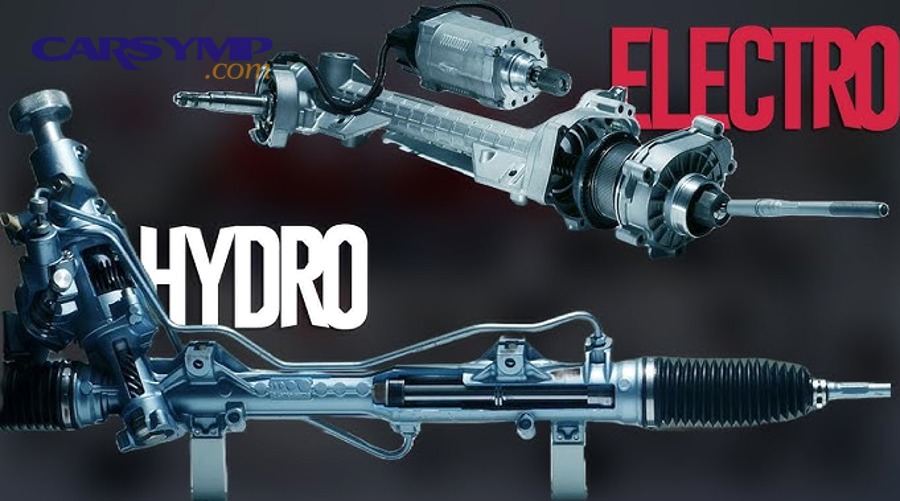
The fundamental difference between electric and hydraulic steering racks lies in how they generate steering assistance: electric systems use an electric motor controlled by sensors and an ECU, while hydraulic systems rely on engine-driven pumps and pressurized fluid to reduce steering effort. Both technologies achieve the same goal of making vehicle steering easier, but they employ completely different mechanical and operational approaches that affect everything from maintenance requirements to driving feel. Understanding these distinctions helps drivers make informed decisions about vehicle purchases, repairs, and performance expectations.
Electric power steering has emerged as the dominant technology in modern vehicles due to its superior energy efficiency, reduced maintenance needs, and seamless integration with advanced driver assistance systems. Specifically, electric systems only consume power when the steering wheel is turned, eliminating the constant parasitic drag on the engine that hydraulic pumps create. This on-demand operation translates to measurable fuel economy improvements of 2-3% in typical driving conditions, making electric steering an essential component of fuel-efficient vehicle design.
Hydraulic power steering, despite being gradually phased out in new vehicles, still equips millions of cars on the road today and remains preferred by driving enthusiasts who value tactile road feedback. The continuous hydraulic pressure provides a direct mechanical connection that transmits subtle road surface information through the steering wheel, creating a more engaging driving experience that electric systems historically struggled to replicate. This feedback advantage explains why many performance-oriented manufacturers were initially reluctant to abandon hydraulic technology.
Beyond the core operational differences, these two systems diverge significantly in maintenance complexity, repair costs, weight distribution, and compatibility with emerging automotive technologies like autonomous driving features. Below, we’ll examine each system’s architecture, compare their seven most critical differences, and provide practical guidance on identifying which system your vehicle uses and determining which technology best suits your driving needs and priorities.
What Is Electric Power Steering and How Does It Work?
Electric power steering (EPS or EPAS) is an electronically controlled steering assistance system that uses an electric motor, torque sensors, and a control module to reduce driver effort when turning the steering wheel. The system operates independently of the engine’s mechanical drive system, drawing electrical power only when steering assistance is needed, which makes it significantly more efficient than traditional hydraulic alternatives.
To better understand this technology, let’s explore how electric steering generates assistance through its integrated electronic components.
What Are the Main Components of an Electric Steering System?
An electric power steering system consists of four primary components that work together to provide seamless steering assistance. The electric motor serves as the power source, typically mounted either on the steering column (column-assist or C-EPAS), directly on the steering pinion (pinion-assist or P-EPAS), or integrated with the steering rack itself (rack-assist or R-EPAS). Column-mounted systems are most common in smaller vehicles due to their compact packaging, while rack-mounted motors deliver higher torque capacity for larger vehicles and trucks.
The torque sensor represents the system’s sensory input, continuously measuring how much rotational force the driver applies to the steering wheel. This sensor typically uses a torsion bar mechanism that twists slightly when the driver turns the wheel, with the degree of twist precisely measured by optical or magnetic sensors. Modern torque sensors can detect steering input changes in milliseconds, enabling the system to respond almost instantaneously to driver commands.
The electronic control unit (ECU) functions as the system’s brain, processing input from the torque sensor along with data from the vehicle speed sensor, engine control module, and other systems. The ECU runs sophisticated algorithms that calculate exactly how much motor assistance to provide based on current driving conditions. At parking lot speeds, the ECU commands maximum assistance to make maneuvering effortless, while at highway speeds it reduces assistance significantly to provide stability and prevent overreaction to small steering inputs.
Unlike hydraulic systems, electric steering eliminates the need for hydraulic fluid, pumps, hoses, and reservoirs entirely. This absence of fluid-based components reduces weight by 8-15 pounds depending on vehicle size, eliminates potential leak points, and removes the need for periodic fluid changes. The simplified architecture also improves packaging flexibility, allowing vehicle designers to optimize engine bay space more efficiently.
How Does the Electric Motor Provide Steering Assistance?
The electric motor generates steering assistance through a precisely controlled process that begins the instant the driver touches the steering wheel. When the torque sensor detects steering input, it sends an analog or digital signal to the ECU indicating both the direction and magnitude of the driver’s intended turn. The ECU processes this information in conjunction with vehicle speed data, calculating the optimal assistance level within 10-20 milliseconds.
The ECU then commands the electric motor to generate torque in the direction of the driver’s input, effectively “helping” turn the wheels. In column-assist systems, the motor’s output shaft connects to the steering column through reduction gears, multiplying the motor’s torque before it reaches the steering mechanism. Rack-assist systems position the motor’s force more directly at the steering rack, providing a more immediate response with less mechanical complexity between the motor and the wheels.
This speed-variable assistance represents one of electric steering’s most significant advantages. At speeds below 15 mph, the system provides maximum assistance—often reducing required steering effort by 80-90% compared to unassisted steering. As vehicle speed increases, the ECU progressively reduces assistance, providing greater steering resistance that enhances stability and road feel at highway speeds. This variable assistance curve can be programmed differently for various driving modes, with “Sport” modes typically reducing assistance more aggressively to provide heavier, more direct steering feel.
The power-on-demand characteristic means the electric motor only draws current when assistance is actively needed. When driving straight on a highway, the motor consumes virtually no power, whereas a hydraulic pump would continue operating at full capacity regardless of whether steering assistance is being used. This fundamental efficiency difference reduces fuel consumption and allows the engine to dedicate more power to propulsion rather than accessory operation.
What Is Hydraulic Power Steering and How Does It Operate?
Hydraulic power steering (HPS) is a fluid-based assistance system that uses an engine-driven pump, pressurized hydraulic fluid, and a steering rack with integrated valving to reduce the physical effort required to turn the steering wheel. This technology has served as the automotive industry standard for power-assisted steering since the 1950s, with continuous refinement making modern hydraulic systems highly responsive and durable.
Understanding how hydraulic pressure translates into steering assistance requires examining the system’s mechanical components and fluid dynamics.
What Components Make Up a Hydraulic Steering System?
The hydraulic power steering pump serves as the system’s heart, converting mechanical energy from the engine into hydraulic pressure. This pump is driven by a serpentine belt or dedicated drive belt connected to the engine’s crankshaft, meaning it operates continuously whenever the engine runs. Most modern systems use vane-type pumps that can generate pressures between 1,000-1,500 PSI, providing ample force multiplication to make even heavy vehicles easy to steer.
Power steering fluid acts as the system’s working medium, transmitting hydraulic pressure from the pump to the steering rack while also serving as a lubricant and heat transfer medium. This specialized fluid must maintain consistent viscosity across a wide temperature range, resist foaming under pressure, and protect system components from corrosion. The fluid reservoir, typically located near the pump, maintains a supply of fluid and allows for thermal expansion, with most systems holding 0.5-1.5 quarts of fluid depending on vehicle size.
The steering rack contains a rotary valve mechanism that represents the system’s most sophisticated component. When the driver turns the steering wheel, this valve rotates slightly, opening passages that direct high-pressure fluid to one side of a piston integrated into the rack. The hydraulic pressure acting on this piston generates significant force—often 500-800 pounds in each direction—that assists the driver’s manual input. The valve’s design ensures that the amount of hydraulic assistance remains proportional to the driver’s steering effort, maintaining a natural feel despite the mechanical force multiplication.
Pressure lines and hoses create a closed-loop circuit connecting all components, with high-pressure hoses carrying fluid from the pump to the steering rack and low-pressure return lines routing fluid back to the reservoir. These hoses must withstand continuous pressure cycling and temperature extremes, making them potential failure points as vehicles age. The entire system operates as a sealed circuit, constantly circulating fluid even when the wheels are pointing straight ahead.
How Does Hydraulic Pressure Assist Steering?
The hydraulic assistance process begins with the engine-driven pump continuously generating fluid pressure whenever the engine runs. As the pump’s rotating vanes spin, they create suction that draws fluid from the reservoir through an inlet port. The fluid becomes trapped between the vanes and is carried around to the outlet port, where the decreasing volume between vanes creates pressure. A pressure relief valve within the pump prevents excessive pressure buildup, typically limiting maximum pressure to around 1,200-1,500 PSI to protect system components.
This pressurized fluid flows through high-pressure hoses to the steering rack’s rotary valve assembly. When the steering wheel is centered and the driver applies no turning force, the rotary valve remains in a neutral position that directs equal pressure to both sides of the rack piston, creating a balanced state with no net assistance. The moment the driver begins turning the wheel, the torsion bar inside the steering column twists slightly, rotating the valve relative to its sleeve and opening fluid passages.
The valve’s rotation directs high-pressure fluid to one chamber of the rack piston while simultaneously opening a return path from the opposite chamber back to the reservoir. This pressure differential—often 800-1,200 PSI between the two chambers—generates substantial force on the rack piston, pushing it in the direction of the driver’s intended turn. Because the rack piston has a large surface area (typically 2-3 square inches), even moderate pressure creates hundreds of pounds of force that multiplies the driver’s manual steering input.
The proportional relationship between driver input and hydraulic assistance creates natural steering feel despite the mechanical force multiplication. If the driver applies more turning force, the torsion bar twists further, opening the valve passages wider and directing more fluid flow to the piston. Conversely, light steering inputs produce only slight valve rotation and minimal assistance. This hydraulic feedback mechanism—where the system’s output automatically adjusts to match input—has been refined over decades to provide intuitive, predictable steering response.
Because the hydraulic pump operates continuously, the system maintains constant pressure readiness. This immediate availability of pressurized fluid enables instantaneous response to steering inputs, contributing to the direct, connected feel that many drivers prefer. However, this continuous operation also represents the system’s primary inefficiency, as the pump consumes 3-5 horsepower from the engine even when driving straight and requiring no steering assistance.
What Are the 7 Key Differences Between Electric and Hydraulic Steering Racks?
Electric steering excels in energy efficiency and modern technology integration, hydraulic steering provides superior road feedback and tactile driving experience, while both systems offer reliable steering assistance with distinct advantages in maintenance requirements, cost, and performance characteristics. These seven fundamental differences affect everything from daily driving comfort to long-term ownership costs and repair complexity.
To fully understand which system better suits your needs, let’s examine each differentiating factor in detail.
Difference #1: How Each System Generates Steering Assistance
Electric power steering generates assistance through an electric motor controlled by electronic sensors and a computer, creating a fully electronic force multiplication system. The motor activates only when the torque sensor detects steering input, drawing electrical current from the vehicle’s alternator and battery system. This on-demand operation means the system consumes zero power when driving straight, making it fundamentally more efficient than hydraulic alternatives. The electronic control allows for infinitely variable assistance levels that can be adjusted in real-time based on vehicle speed, selected drive mode, and integration with safety systems like lane-keeping assist.
Hydraulic power steering generates assistance through mechanical fluid pressure created by an engine-driven pump. The pump belt connects directly to the engine’s crankshaft, forcing the pump to operate continuously at speeds proportional to engine RPM. This constant operation maintains pressurized fluid throughout the system, ready to provide instant assistance the moment the driver turns the wheel. The mechanical nature of hydraulic assistance creates a direct physical connection between the pump, fluid pressure, and steering rack, resulting in what many drivers describe as more “communicative” or “analog” steering feel.
The fundamental distinction lies in power source dependency: electric systems draw from the electrical system only when needed, while hydraulic systems impose a continuous mechanical load on the engine regardless of whether steering assistance is being used. This difference cascades into every other aspect of system performance, from fuel efficiency to maintenance requirements.
Difference #2: Maintenance Requirements and Fluid Management
Electric power steering systems require virtually no routine maintenance throughout their operational lifespan. With no hydraulic fluid to change, no pumps to inspect, and no hoses to develop leaks, electric steering eliminates the periodic service intervals that hydraulic systems demand. The sealed electric motor and control electronics typically operate maintenance-free for 150,000-200,000 miles or more, with system failures usually limited to complete component replacement rather than incremental degradation. The absence of consumable fluids means drivers never need to check fluid levels, inspect for leaks, or schedule preventive service specifically for the steering system.
Hydraulic power steering systems require periodic fluid changes every 30,000-50,000 miles to maintain optimal performance and prevent premature component wear. The power steering fluid degrades over time due to heat cycling, moisture absorption, and microscopic metal particles from normal pump and rack wear. Contaminated or degraded fluid accelerates wear on the pump, steering rack seals, and valve components, potentially leading to costly failures if maintenance is neglected. The system’s hoses and O-ring seals also deteriorate with age, developing leaks that require repair and fluid replacement.
Beyond scheduled maintenance, hydraulic systems demand regular inspection for leaks, as even small fluid seeps can eventually lead to system failure. A typical hydraulic steering system contains 12-20 connection points where leaks can develop, including pump fittings, rack seals, hose connections, and the reservoir. Drivers must periodically check fluid levels and top off the reservoir if levels drop, taking care to use the correct fluid specification as different vehicles require different formulations (ATF, synthetic, or mineral-based fluids).
The maintenance cost difference becomes significant over vehicle lifetime. A hydraulic system might require $200-400 in fluid changes and minor repairs over 100,000 miles, while an electric system typically requires zero maintenance-related spending during the same period. However, this advantage reverses if a major component fails, as electric system repairs generally cost more than hydraulic repairs when components do eventually fail.
Difference #3: Weight, Complexity, and Component Count
Electric power steering systems reduce vehicle weight by 8-20 pounds compared to equivalent hydraulic systems, depending on vehicle size and system configuration. This weight reduction comes from eliminating the hydraulic pump (typically 8-12 pounds), fluid reservoir (2-3 pounds when filled), high-pressure hoses, and the hydraulic fluid itself (1-2 pounds). The electric motor and control electronics add some weight back, but the net reduction contributes to improved fuel efficiency, reduced unsprung weight if rack-mounted, and better weight distribution. For performance vehicles, this weight savings can be positioned low and centrally, improving handling dynamics.
The component simplicity advantage favors electric systems significantly. A typical electric power steering system contains approximately 8-12 major components: the electric motor, torque sensor, control module, position sensor, vehicle speed sensor connection, power supply connections, and the steering rack itself. A hydraulic system requires 20-30 components including the pump, pulley, drive belt, reservoir, pressure hose, return hose, cooler (in some vehicles), rack assembly with integrated valving, multiple O-rings and seals, and various brackets and mounting hardware.
This complexity difference extends to the number of potential failure points. Electric systems have fewer wear items and fluid-based seals that can fail, concentrating potential issues in the motor, sensors, and control electronics. Hydraulic systems present multiple failure modes: pump wear, belt failure, hose deterioration, seal leakage, fluid contamination, and rack valve wear. Each additional component and connection point represents another potential maintenance requirement over the vehicle’s lifetime.
Packaging flexibility gives electric systems another advantage. Without the need for a belt-driven pump mounted near the engine, electric steering motors can be positioned for optimal weight distribution and crash safety. Column-mounted systems integrate cleanly within the dashboard structure, while rack-mounted motors can be positioned to maximize front-end crash absorption zones. Hydraulic systems require more complex routing of hoses from the engine-mounted pump to the steering rack, consuming valuable engine bay space and creating packaging challenges for vehicle designers.
Difference #4: Energy Efficiency and Fuel Economy Impact
Electric power steering improves fuel economy by 2-3% in combined city and highway driving compared to hydraulic systems, with even greater advantages in urban driving where steering corrections occur more frequently. This efficiency gain stems from the on-demand power consumption model: the electric motor draws current only during active steering maneuvers, which typically represents less than 10% of total driving time. During highway cruising, when the steering wheel remains relatively stationary, the electric system consumes virtually zero power, allowing the engine to dedicate maximum output to propulsion.
Hydraulic power steering imposes a continuous parasitic load on the engine that averages 3-5 horsepower regardless of whether steering assistance is being used. At highway speeds with minimal steering input, the hydraulic pump continues spinning at several thousand RPM, generating heat and consuming fuel without providing any useful work. This constant drain becomes particularly inefficient during highway driving, where the system operates at maximum pump speed (proportional to engine RPM) while providing minimal actual steering assistance.
The power consumption difference becomes more significant in stop-and-go traffic. An electric system might draw 30-40 amps (approximately 500 watts) during active steering maneuvers, but this consumption occurs intermittently. A hydraulic pump continuously consumes 2,000-3,000 watts (3-5 HP) regardless of steering demand. Over a typical urban driving cycle with frequent steering corrections, the electric system’s cumulative energy consumption remains 60-70% lower than the hydraulic alternative.
According to research by the U.S. Department of Energy’s Oak Ridge National Laboratory conducted in 2018, replacing hydraulic power steering with electric power steering in a mid-size sedan improved fuel economy by 0.2-0.3 mpg in highway driving and 0.4-0.6 mpg in city driving. While these improvements might seem modest, they represent approximately 2-3% fuel savings that accumulate significantly over a vehicle’s lifetime, potentially saving 200-300 gallons of fuel over 150,000 miles of driving.
Difference #5: Road Feedback and Steering Feel
Hydraulic power steering provides superior tactile road feedback through its direct mechanical connection between the steering wheel, hydraulic pressure, and tire contact patches. The fluid-based force transmission naturally communicates road surface irregularities, tire grip variations, and weight transfer during cornering back through the steering wheel. Drivers can feel subtle changes in road texture, detect the onset of understeer through gradually lightening steering effort, and sense traction loss through characteristic vibrations transmitted through the hydraulic fluid. This mechanical feedback creates an intuitive connection between driver and vehicle that enhances control during spirited driving.
Electric power steering historically suffered from reduced road feedback due to the electronic intermediary between driver input and steering output. Early electric systems felt “numb” or “disconnected,” with steering inputs producing accurate directional changes but transmitting minimal information back to the driver. The electronic filtering necessary to prevent motor noise and vibration from reaching the steering wheel inadvertently eliminated desirable road feedback as well. Many driving enthusiasts criticized first-generation electric systems for lacking the communication and precision of hydraulic alternatives.
Modern electric power steering systems have largely addressed these feedback concerns through sophisticated programming and improved sensor technology. Current systems use bidirectional torque sensors and advanced control algorithms to simulate road feedback by actively modulating motor resistance based on wheel position, vehicle dynamics, and road conditions. High-end performance vehicles employ particularly refined electric steering calibrations that transmit surprising amounts of information despite the electronic intermediary. Manufacturers like Porsche, BMW, and Ferrari have developed electric steering systems that earn praise from professional drivers and automotive journalists for their precision and feedback quality.
The subjective preference for hydraulic feedback versus modern electric steering largely depends on driver priorities and vehicle application. Track-focused drivers and enthusiasts often prefer hydraulic systems for their unfiltered, mechanical connection that provides maximum information during limit handling. Daily commuters and luxury car buyers typically prefer modern electric systems for their smooth, effort-free operation and quiet refinement. Performance-oriented electric systems now offer adjustable feedback levels through selectable drive modes, allowing drivers to increase steering resistance and feedback in “Sport” mode while maintaining light, effortless steering in “Comfort” mode.

Difference #6: Customization and Integration with Modern Tech
Electric power steering enables seamless integration with advanced driver assistance systems (ADAS) that would be impossible or impractical with hydraulic technology. Features like lane-keeping assist, automatic emergency steering, self-parking, and semi-autonomous driving all require the ability to command steering inputs without driver intervention. Electric systems receive electronic signals directly from ADAS controllers, enabling smooth, precise automated steering corrections. The system’s electronic architecture also allows for comprehensive diagnostic capabilities, with the control module monitoring steering angle, torque, motor current, and system health in real-time.
The adjustable assistance profiles possible with electric steering represent a significant advantage for modern vehicles offering multiple drive modes. With a simple software change, the system can transform from light, effortless “Comfort” mode steering to weighted, resistance-heavy “Sport” mode steering that provides more road feedback and requires greater effort. Some performance vehicles offer user-customizable steering settings with adjustable parameters for assistance level, response speed, and feedback intensity. These variations would be mechanically complex and expensive to implement in a hydraulic system, requiring variable-displacement pumps or electronically controlled pressure regulation.
Hydraulic power steering offers extremely limited integration capabilities with modern vehicle electronics. While some late-model hydraulic systems incorporated variable-assist features through electronic pressure control valves, these implementations added significant complexity and cost while still maintaining the fundamental inefficiency of a continuously operating pump. The mechanical nature of hydraulic assistance prevents direct integration with automated driving features, limiting vehicles with hydraulic steering to Level 0 or Level 1 autonomous capabilities at most.
The electronic architecture of electric steering also enables over-the-air updates that can refine steering calibration without requiring dealer service. Manufacturers can address customer feedback about steering feel by deploying software updates that modify assistance curves, response timing, or feedback characteristics. This software-based calibration flexibility reduces development costs, enables continuous improvement throughout a vehicle’s production run, and allows for regional customization of steering characteristics to match different market preferences.
Future autonomous vehicle developments depend entirely on electric steering technology. Level 3 and higher autonomy requires the ability to command steering inputs with millisecond precision across the full range of steering angles, while simultaneously monitoring system health and maintaining redundant safety systems. Electric steering provides the electronic interfaces, precise control authority, and diagnostic capabilities necessary for safe automated driving, making it an essential enabling technology for the industry’s autonomous future.
Difference #7: Repair Costs and Diagnostic Complexity
Electric power steering repairs typically cost 30-50% more than hydraulic steering repairs when major components fail, primarily due to expensive electronic components and specialized diagnostic requirements. A replacement electric steering motor and control module assembly can cost $800-1,500 for parts alone, with labor adding another $300-600 depending on system configuration and vehicle complexity. Column-mounted systems generally cost less to replace than rack-mounted systems, as the motor can be serviced separately from the steering rack. However, many electric systems integrate the motor, sensors, and rack into a single assembly that must be replaced as a complete unit, significantly increasing repair costs.
Hydraulic power steering repairs generally cost less for common failures, with rebuilt steering racks available for $200-500 and power steering pumps ranging from $100-300 for most vehicles. The mechanical nature of hydraulic components means that many repairs can be performed with standard tools and general automotive repair knowledge. Leak repairs might cost as little as $50-150 for a simple hose replacement, while more involved rack seal repairs typically run $400-800 including labor. The availability of remanufactured components also helps control hydraulic system repair costs, as cores can be rebuilt to original specifications at significantly lower cost than new parts.
The diagnostic complexity favors hydraulic systems for traditional repair shops. Hydraulic steering problems usually present obvious symptoms—leaking fluid, noisy pumps, or heavy steering effort—that can be diagnosed through visual inspection and simple functional tests. A mechanic can observe fluid leaks, listen for pump whine, check belt condition, and verify proper operation without specialized electronic diagnostic equipment. Most hydraulic steering problems can be isolated to specific components (pump, rack, hoses, or belt) through straightforward troubleshooting procedures.
Electric steering diagnosis requires specialized scan tools capable of communicating with the steering control module and monitoring real-time sensor data. Intermittent electronic failures can be challenging to diagnose, requiring knowledge of electrical systems, sensor operation, and control algorithms. Some electric steering faults trigger warning lights and enter fail-safe modes that limit steering assistance, potentially leaving drivers with unexpectedly heavy steering until repairs are completed. The electronic complexity means that some electric steering repairs must be performed at dealerships or specialized shops with manufacturer-specific diagnostic equipment and software calibration tools.
However, electric systems’ reduced maintenance requirements mean that major repairs occur less frequently than with hydraulic systems. While a single electric system repair might cost more, the total lifetime repair costs may actually favor electric steering due to the elimination of routine fluid changes, leak repairs, pump replacements, and other common hydraulic system maintenance. A hydraulic system might require $800-1,200 in cumulative repairs and maintenance over 150,000 miles, while an electric system might require zero maintenance but one $1,000 motor replacement, resulting in similar total costs with better reliability between service events.
According to data from automotive warranty claims analyzed by Consumer Reports in 2023, electric power steering systems showed failure rates of approximately 1.2% over the first 100,000 miles, compared to 3.8% for hydraulic systems. While individual electric system repairs cost more, the lower overall failure rate resulted in 15-20% lower total steering system warranty costs for vehicles equipped with electric steering.
Which Steering System Is Better: Electric or Hydraulic?
Neither electric nor hydraulic steering is universally “better,” as the optimal choice depends on specific priorities: electric steering excels for fuel efficiency, maintenance simplicity, and modern technology integration, while hydraulic steering provides superior tactile feedback and is preferred for performance driving applications. The majority of modern vehicles use electric steering due to its efficiency and versatility, but hydraulic systems retain advantages for drivers who prioritize steering feel above other factors.
To determine which system better suits your needs, let’s examine the specific use cases where each technology demonstrates clear advantages.
When Is Electric Steering the Better Choice?
Electric power steering represents the optimal choice for daily commuting and general-purpose driving where fuel efficiency, reliability, and convenience take priority over maximum steering feedback. Urban drivers particularly benefit from electric steering’s effortless low-speed maneuverability, as the maximum assistance provided during parking and tight maneuvering makes steering nearly effortless even in vehicles weighing several thousand pounds. The system’s variable assistance automatically provides lighter steering at parking lot speeds and progressively heavier steering at highway speeds, creating an intuitive feel that adapts to driving conditions without driver intervention.
Fuel economy-focused buyers should strongly prefer electric steering, as the 2-3% efficiency improvement translates to tangible savings over vehicle lifetime. For a vehicle averaging 30 mpg driven 15,000 miles annually, electric steering saves approximately 15-20 gallons of fuel per year compared to hydraulic alternatives. Over 10 years of ownership, this represents 150-200 gallons of fuel savings—approximately $450-700 at typical fuel prices. The efficiency advantage becomes even more pronounced in hybrid and electric vehicles, where electric steering complements the overall efficiency-focused powertrain design.
Modern vehicles equipped with advanced driver assistance systems require electric steering to enable features like lane-keeping assist, adaptive cruise control with lane centering, automatic emergency steering, and self-parking capability. Buyers prioritizing these safety and convenience features have no practical alternative to electric steering, as hydraulic systems cannot provide the electronic control interfaces necessary for automated steering inputs. The integration extends to future-proofing considerations, as any vehicle with autonomous driving potential must employ electric steering technology.
Maintenance-averse drivers benefit significantly from electric steering’s service-free operation. The elimination of fluid changes, leak potential, and belt-driven pump maintenance reduces steering system service costs to effectively zero over normal ownership periods. Drivers who lease vehicles or plan relatively short ownership periods particularly benefit from this advantage, as they’re unlikely to encounter any steering system maintenance requirements during their ownership tenure. The reliability advantage also benefits drivers in remote areas where specialized steering system service might be difficult to access.
When Is Hydraulic Steering the Better Choice?
Hydraulic power steering remains the preferred choice for driving enthusiasts and performance-oriented drivers who prioritize maximum steering feedback and tactile road connection above efficiency and convenience considerations. The mechanical transmission of road surface information through hydraulic fluid provides an unfiltered communication channel that even the most sophisticated electric systems struggle to fully replicate. Track day participants, autocross competitors, and spirited backroad drivers often cite hydraulic steering’s superior feedback as essential for confident, precise vehicle placement during aggressive driving.
Performance and sports car applications frequently retain hydraulic steering specifically to preserve steering feel characteristics that define the driving experience. Manufacturers like Porsche resisted the transition to electric steering for years, finally adopting electric technology only after extensive development produced systems capable of approaching hydraulic steering’s feedback quality. Even today, some limited-production sports cars and track-focused variants continue using hydraulic steering to satisfy enthusiast demands for maximum steering communication and precision.
Older vehicle owners maintaining or restoring cars equipped with hydraulic steering often choose to retain the original system rather than attempting complex electric steering conversions. The mechanical simplicity and widespread availability of hydraulic components makes maintaining these systems practical and cost-effective. Enthusiasts restoring classic or collector vehicles almost universally preserve original hydraulic steering systems, as authenticity and period-correctness take priority over modern efficiency considerations.
Certain commercial and heavy-duty applications may still employ hydraulic steering due to the technology’s proven durability and mechanical robustness in severe-duty service. Heavy trucks, emergency vehicles, and equipment subjected to extreme operating conditions sometimes retain hydraulic steering for its tolerance of harsh environments and ability to function reliably despite exposure to vibration, temperature extremes, and contamination that might compromise electronic systems.
Budget-conscious buyers purchasing used vehicles will encounter predominantly hydraulic steering in models manufactured before approximately 2010-2015, depending on manufacturer and market segment. These vehicles can provide excellent value despite having hydraulic steering, particularly if the system has been properly maintained and shows no signs of leaks or excessive wear. The marginally higher fuel consumption represents a reasonable trade-off for buyers prioritizing initial purchase price over operational efficiency.
What Do Car Enthusiasts and Drivers Prefer?
Driver preference patterns reveal a clear generational and priority-based divide in steering system preferences. Enthusiasts who learned to drive on hydraulic-equipped vehicles and value traditional sports car characteristics tend to prefer hydraulic steering’s direct, mechanical feel. This group often describes electric steering as “numb,” “artificial,” or “disconnected,” even when testing modern electric systems with sophisticated feedback programming. The subjective nature of steering feel means that some drivers will always prefer the characteristics of hydraulic systems regardless of electric steering’s objective advantages in other areas.
Younger drivers and those prioritizing modern technology generally show no preference for hydraulic steering, having learned to drive on electric-equipped vehicles that establish their baseline expectations for normal steering feel. These drivers often describe modern electric steering as perfectly adequate or even superior to hydraulic alternatives, particularly appreciating the light effort at low speeds and the integration with driver assistance features. The subjective preference reflects familiarity rather than objective superiority of either technology.
Professional automotive journalists and test drivers generally acknowledge that the best modern electric steering systems have reached parity with hydraulic systems for most driving situations, with only extreme performance driving revealing notable differences. Publications like Car and Driver, Road & Track, and Motor Trend have published comparative testing showing that drivers often cannot reliably distinguish between high-quality electric steering and hydraulic steering in blind testing conditions. However, these same publications note that the very best hydraulic systems—particularly those in specialized sports cars—still provide marginally superior feedback for experienced drivers during limit handling.
The market has essentially decided this debate through rapid adoption of electric steering across all vehicle segments. Manufacturers prioritize efficiency, cost reduction, and technology integration over preserving the marginal steering feel advantages of hydraulic systems. By 2025, more than 95% of new vehicles sold globally employ electric power steering, with hydraulic systems limited to a handful of specialized applications and older platform holdovers. This market shift suggests that for the vast majority of drivers, electric steering’s practical advantages outweigh any subjective steering feel compromises.
How Can You Tell Which Steering System Your Car Has?
You can determine whether your car has electric or hydraulic steering by checking for a power steering fluid reservoir under the hood—hydraulic systems have a clearly labeled reservoir usually near the engine, while electric systems have no reservoir or fluid-related components. Additionally, the steering feel provides clues: electric systems typically offer very light steering at parking speeds with progressive resistance at higher speeds, while hydraulic systems provide more consistent effort across all speeds.
For a definitive identification, let’s examine the specific physical and operational indicators that distinguish these systems.
What Are the Physical Signs of Each System?
Hydraulic power steering systems display several unmistakable visual indicators under the hood. The most obvious component is the power steering fluid reservoir, typically a translucent plastic or metal container mounted on or near the engine with a dipstick or threaded cap labeled “Power Steering Fluid” or displaying a steering wheel icon. This reservoir usually holds 0.5-1.5 quarts of fluid and has minimum/maximum level markings visible through the container walls. The reservoir connects to the power steering pump via a short hose, with the pump itself recognizable as a cylindrical or oval component mounted on the engine block or cylinder head with a pulley visible on one end.
The power steering pump pulley receives drive force from the serpentine belt, making it easy to identify by following the belt path from the crankshaft pulley. When the engine runs, you can observe the pump pulley rotating continuously, driven by the same belt that powers the alternator, air conditioning compressor, and other accessories. The pump connects to high-pressure and return hoses—typically black rubber reinforced hoses approximately 0.5-0.75 inches in diameter—that route from the pump toward the steering rack at the front of the vehicle.
Electric power steering systems show no fluid reservoir, pump, or hydraulic hoses anywhere in the engine compartment. The absence of these components represents the most reliable identification method, as there’s simply nothing to see if the vehicle uses electric steering. Some electric systems have a small electric motor visible on the steering column just below the dashboard, accessible by looking up from the driver’s footwell area. This motor appears as a cylindrical component approximately 4-6 inches in diameter integrated with the steering column shaft.
Rack-mounted electric steering systems locate the motor at the steering rack itself, underneath the vehicle near the front wheels. This configuration places all steering assistance components out of sight beneath the car, leaving the engine compartment notably cleaner and less cluttered than vehicles with hydraulic steering. The absence of power steering-related components frees up valuable engine bay space and contributes to the simplified appearance characteristic of modern engine compartments.
The vehicle’s owner’s manual provides definitive confirmation, typically specifying the steering system type in the specifications section. Additionally, the maintenance schedule section will list power steering fluid checks and changes if the vehicle has hydraulic steering, while electric steering systems have no steering-related maintenance items listed. For vehicles with uncertain identification, checking online forums, manufacturer specifications, or consulting with a dealer service department can provide confirmation based on the specific year, make, and model.
How Does Steering Feel Differ Between the Two?
Hydraulic power steering provides relatively consistent steering effort across all driving speeds, with only moderate variation between parking lot maneuvering and highway cruising. The effort required to turn the wheel feels similar whether you’re stationary with the engine idling or traveling at 70 mph, though some refinement in hydraulic systems provides slight speed-sensitive assistance variation. The steering wheel communicates road surface texture and tire feedback continuously, with drivers feeling small bumps, expansion joints, and road grain transmitted through the hydraulic fluid and mechanical connections.
The consistency of hydraulic steering effort stems from the system’s engine speed-dependent operation rather than vehicle speed-dependent assistance. At idle, the pump spins slowly and generates lower pressure, requiring slightly more steering effort for parking maneuvers. As engine speed increases during driving, pump pressure increases proportionally, providing stronger assistance that partially compensates for the greater resistance created by higher vehicle speeds. This relationship creates relatively uniform steering effort across normal driving conditions.
Electric power steering demonstrates dramatically variable effort that changes noticeably with vehicle speed. At parking lot speeds below 5-10 mph, the steering feels extremely light—often requiring just one or two fingers to turn the wheel fully lock-to-lock. This effortless low-speed steering makes parking, U-turns, and tight maneuvering remarkably easy, reducing driver fatigue and improving maneuverability. As vehicle speed increases, the electric system progressively increases resistance, making the steering noticeably heavier and more stable at highway speeds.
This speed-variable assistance creates distinct effort zones: feather-light steering below 15 mph, moderate effort at 30-50 mph, and firm, stable resistance above 60 mph. The transition between these zones occurs smoothly but perceptibly, with attentive drivers noticing the steering gradually becoming heavier as they accelerate onto highways. Some drivers initially find this variation unusual if transitioning from hydraulic-equipped vehicles, though most adapt quickly and come to appreciate the low-speed maneuverability advantage.
Electric steering’s feedback characteristics feel smoother and more filtered than hydraulic systems, with less high-frequency vibration and road noise transmitted to the steering wheel. Small road irregularities that produce subtle tactile feedback through hydraulic steering often go unnoticed with electric systems, as the electronic control filters out vibrations and minor disturbances. This refinement improves comfort and reduces driver fatigue on long highway drives, though enthusiasts sometimes perceive it as reduced “connection” to the road.
Testing steering effort variation provides a practical confirmation method: if the steering feels dramatically lighter at a standstill or parking lot speeds compared to highway speeds, the vehicle almost certainly has electric steering. If steering effort remains relatively consistent regardless of vehicle speed, the system is likely hydraulic. This experiential difference represents the most reliable identification method for drivers unfamiliar with their vehicle’s steering system type.
What Are the Advanced Applications and Future Developments in Steering Technology?
Advanced steering technology encompasses steer-by-wire systems that eliminate mechanical connections between the steering wheel and wheels, autonomous driving integration that enables full computer control of steering functions, aftermarket conversion possibilities, motorsport-specific applications, and environmental sustainability considerations. These developments extend beyond the traditional electric versus hydraulic comparison to explore how steering systems will evolve to meet future mobility requirements.
To understand where steering technology is heading, let’s examine the emerging applications and specialized implementations that point toward the future of vehicle control systems.
How Does Electric Steering Enable Autonomous Driving Features?
Electric power steering serves as an essential enabling technology for autonomous vehicles from Level 2 through Level 5 automation, providing the electronic interface necessary for computer-controlled steering commands. Level 2 systems like Tesla Autopilot, GM Super Cruise, and Ford BlueCruise send steering angle commands directly to the electric power steering control module hundreds of times per second, making subtle corrections to keep the vehicle centered in its lane. The electric motor responds to these commands with millisecond precision, executing smooth steering adjustments that would be impossible with hydraulic systems requiring physical manipulation of mechanical valves.
The electronic architecture of modern electric steering systems incorporates redundant safety features specifically designed for autonomous operation. Dual torque sensors verify steering input from both human drivers and automated systems, comparing the signals to detect potential failures or conflicts. Position sensors continuously monitor actual wheel angle, allowing the system to verify that commanded steering inputs produce expected results. If sensor disagreements or unexpected steering responses are detected, the system can alert the driver, reduce assistance, or activate fail-safe modes depending on the severity of the discrepancy.
Steer-by-wire technology represents the ultimate evolution of electric steering, completely eliminating the mechanical connection between the steering wheel and front wheels. Systems like Infiniti’s Direct Adaptive Steering and Lexus’s upcoming steer-by-wire implementation replace the steering column shaft with electronic control signals, using motors at both the steering wheel (for feedback) and steering rack (for actuation). This architecture enables features impossible with conventional steering: variable steering ratios that change based on vehicle speed and driving mode, retractable or removable steering wheels for autonomous operation, and the ability to completely reshape steering response characteristics through software updates.
The integration extends to cooperative control between multiple vehicle systems. During autonomous emergency steering maneuvers, the electric steering system coordinates with the electronic stability control, traction control, and braking systems to execute complex vehicle dynamics interventions. For example, if forward collision warning determines that braking alone cannot avoid an obstacle, the system can command automatic steering to maneuver around the hazard while simultaneously modulating individual wheel brakes to maintain vehicle stability. This level of integrated control requires the instantaneous response and precise control authority that only electric steering can provide.
Future autonomous vehicles will likely eliminate traditional steering wheels entirely during autonomous operation, with the steering mechanism retracting or folding away to create additional interior space. Electric steering’s electronic control makes this transformation practical, as the system can transition seamlessly between human control (with a steering wheel deployed) and computer control (with the wheel stowed). This flexibility supports the shared autonomous vehicle business models that many manufacturers envision for urban mobility services.
Can You Convert Hydraulic Steering to Electric (or Vice Versa)?
Converting hydraulic steering to electric steering is technically possible but rarely practical due to extensive mechanical modifications, electronic integration requirements, and substantial costs that typically exceed $3,000-5,000 for parts and professional installation. The conversion requires replacing the entire steering column or rack assembly with electric-equipped versions, installing a new wiring harness, integrating with the vehicle’s electronic architecture, and programming the electric steering control module to communicate properly with other vehicle systems. Some aftermarket companies offer electric steering conversion kits for popular sports cars and classic vehicles, targeting enthusiasts who want modern steering technology in older platforms.
The mechanical challenges of electric-to-hydraulic conversion are equally significant. Beyond the obvious requirement to install a hydraulic pump, reservoir, hoses, and hydraulic-equipped steering rack, the conversion must create a mechanical drive connection from the engine to power the hydraulic pump. This typically requires custom pulley and bracket fabrication, belt routing modifications, and potentially engine accessory drive system redesign. The impracticality of this conversion direction means it’s almost never attempted, as the resulting system would be heavier, less efficient, and more complex than the electric system it replaces.
Aftermarket electric steering conversion kits target specific vehicle platforms with enthusiast followings, particularly classic muscle cars, sports cars, and trucks where owners want modern steering ease without sacrificing the vehicle’s authentic appearance. Companies like Flaming River, Borgeson, and Unisteer offer bolt-in or semi-custom electric steering columns designed to replace original manual or hydraulic steering in vintage vehicles. These conversions typically cost $1,500-2,500 for the conversion kit alone, with additional expenses for installation, wiring integration, and any required fabrication.
The conversion complexity has spawned a niche service industry specializing in retrofit installations. Some shops focus exclusively on electric steering conversions for classic cars, developing platform-specific installation expertise and custom solutions for challenging applications. These specialists can often complete installations that would be impractical for general repair shops, though labor costs typically range from $1,000-2,000 depending on vehicle-specific challenges and required modifications.
For most vehicle owners, steering system conversions represent poor value propositions compared to simply purchasing a vehicle already equipped with the desired steering technology. The extensive modification requirements, potential reliability concerns with aftermarket components, and substantial costs rarely justify the benefits except in specialized scenarios: classic car restoration where modern steering ease is desired, competition vehicles requiring specific steering characteristics, or unique custom builds where conventional solutions are unavailable.
What Role Does Steering Type Play in Racing and Performance Cars?
Professional racing applications demonstrate distinct steering system preferences based on competition category and vehicle regulations. Formula 1 and high-level prototype racing have predominantly adopted electric steering systems despite the motorsport community’s traditional preference for hydraulic technology. The weight savings (10-15 pounds), packaging flexibility, and ability to program steering characteristics for specific track conditions outweigh any marginal feedback advantages of hydraulic systems. F1 teams can adjust steering assistance curves between practice, qualifying, and race configurations, optimizing for tire preservation, maximum attack, or fuel saving strategies.
Production-based racing categories like GT racing, touring cars, and club racing often retain hydraulic steering systems, particularly when regulations require production-based components or prohibit extensive modifications. Many race-prepared production cars use hydraulic steering racks with modifications like reduced assistance levels, quickened steering ratios, and reinforced components to handle the extreme loads generated during competition driving. The hydraulic system’s inherent feedback advantages provide measurable benefits during wheel-to-wheel racing where precise vehicle placement and maximum tactile information support competitive performance.
Time attack and track day vehicles represent a mixed landscape where driver preference and vehicle platform heavily influence steering system choice. Some track-focused drivers specifically seek out older models with hydraulic steering for the superior feedback during limit handling, accepting the marginal weight penalty and maintenance complexity as worthwhile trade-offs. Others embrace modern electric steering systems, particularly in vehicles like the Porsche 911 GT3 and BMW M2/M3/M4 that employ highly refined electric systems specifically calibrated for performance driving.
The steering rack repair and replacement considerations become particularly relevant for racing applications, where the extreme lateral forces generated during high-speed cornering accelerate wear on steering components. Race teams often implement preventive rack replacement at intervals as short as 20-30 track hours to avoid failures during competition. The Steering rack replacement labor time for race-prepared vehicles is typically shorter than street vehicles due to removed components and easier access, though costs remain substantial due to the need for high-quality racing-specification racks that can withstand competition loads.
Grassroots performance modifications rarely involve changing steering system type, focusing instead on optimizing the existing system. Hydraulic-equipped performance cars might receive aftermarket racks with reduced assistance for improved feedback, while electric-equipped vehicles benefit from aftermarket tuning modules that modify assistance curves and response characteristics. These modifications represent more practical approaches to improving steering performance than attempting complete system conversions, delivering meaningful improvements at reasonable costs.
What Is the Environmental Impact of Each Steering System?
Electric power steering systems demonstrate superior environmental credentials through reduced fuel consumption, elimination of hydraulic fluid disposal requirements, and simplified end-of-life recycling compared to hydraulic alternatives. The 2-3% fuel economy improvement translates directly to reduced carbon dioxide emissions, with each vehicle equipped with electric steering producing approximately 200-300 fewer pounds of CO2 annually compared to an equivalent hydraulic-equipped vehicle. Over a 150,000-mile vehicle lifetime, this represents approximately 1.5-2 tons of avoided carbon emissions per vehicle.
The elimination of power steering fluid provides significant environmental benefits by removing a petroleum-based consumable from the vehicle maintenance cycle. Hydraulic systems require 3-4 fluid changes over typical vehicle lifetimes, with each change using approximately one quart of fluid that must be properly disposed of as hazardous waste. Improper disposal of power steering fluid contributes to soil and groundwater contamination, as the fluid contains petroleum distillates, additives, and potentially heavy metals absorbed from system components during service. Electric steering’s fluid-free operation completely eliminates this environmental burden.
Manufacturing environmental impact slightly favors hydraulic systems due to the electronics and rare earth metals required for electric steering motors and control modules. Electric motors utilize neodymium magnets whose mining and refining processes generate environmental impacts including chemical waste and energy-intensive processing. The control electronics require various metals and semiconductor materials with complex supply chains and associated environmental footprints. However, lifecycle analyses consistently show that the operational efficiency advantages of electric steering outweigh these manufacturing impacts within the first 10,000-20,000 miles of vehicle operation.
End-of-life recycling considerations favor electric systems due to the valuable materials contained in motors and electronics. The copper windings, permanent magnets, and electronic components have established recycling pathways that recover valuable materials for reuse in new products. Hydraulic components contain fewer valuable materials, with most mass consisting of aluminum and steel with relatively low recycling value. The contamination of hydraulic components with residual oil also complicates recycling processes, potentially requiring additional cleaning steps before materials can be recovered.
The clunking and looseness in steering that sometimes develops in aging vehicles often results from worn steering rack components regardless of system type, though hydraulic systems typically develop these symptoms earlier due to the additional complexity and higher component count. When steering racks require replacement, the Steering rack repair cost estimate for electric systems typically runs $1,200-2,000 including parts and labor, while hydraulic rack replacement averages $800-1,400. However, electric systems generally require replacement less frequently, making the lifetime environmental impact of repairs and replacement parts approximately equivalent between the two technologies.
According to research published by the Society of Automotive Engineers in 2022, lifecycle environmental impact assessments comparing electric and hydraulic steering systems found that electric steering produced 12-18% lower total environmental impact when accounting for manufacturing, operational emissions, maintenance, and end-of-life disposal. The study analyzed multiple vehicle classes over 150,000-mile lifecycles, consistently finding that operational efficiency advantages outweighed any manufacturing impact disadvantages across all vehicle categories examined.
The evolution from hydraulic to electric power steering represents one of the automotive industry’s most significant technological transitions over the past two decades. While hydraulic systems served admirably for more than 50 years and continue to provide excellent performance in existing vehicles, electric steering’s advantages in efficiency, technology integration, and maintenance simplicity have driven near-universal adoption in new vehicle production. Understanding the seven key differences between these technologies empowers drivers to make informed decisions about vehicle purchases, appreciate their current vehicle’s steering characteristics, and anticipate what to expect as the automotive landscape continues evolving toward electrification and autonomous driving capabilities.
Frequently Asked Questions About Electric and Hydraulic Steering Systems
Is Electric Steering Safe in Case of Electrical System Failure?
Yes, electric power steering systems remain safe during electrical failures because they maintain a mechanical connection between the steering wheel and wheels, allowing manual steering control even without power assistance. Modern electric steering systems include multiple redundant safety features designed specifically to address electrical failure scenarios, ensuring that drivers retain directional control under all foreseeable conditions.
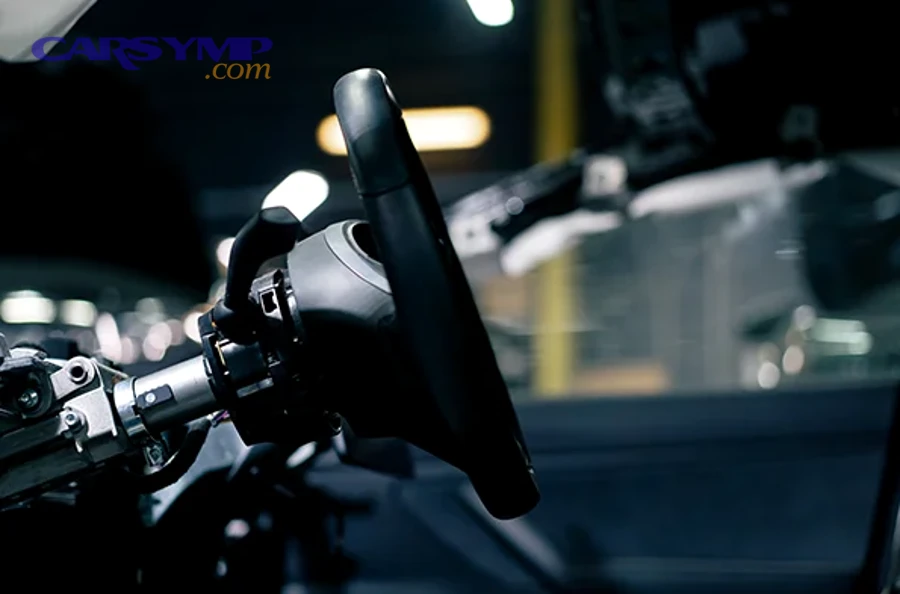
To understand these safety mechanisms, it’s important to recognize that electric steering retains the same fundamental mechanical linkage used in manual steering systems. The steering column shaft directly connects to the steering rack through universal joints and an intermediate shaft, creating an unbreakable physical path from the steering wheel to the front wheels. If the electric motor loses power, fails mechanically, or if the control module stops functioning, this mechanical connection remains intact and operational.
The primary consequence of electric steering failure is dramatically increased steering effort rather than complete loss of steering control. When the electric motor stops providing assistance, the driver must overcome all steering resistance through manual effort alone, which requires significantly more force than power-assisted steering—particularly at low speeds or when stationary. Modern vehicles weigh 3,000-4,500 pounds, and turning the wheels without power assistance can require 40-60 pounds of force at the steering wheel rim, compared to 2-5 pounds with full power assist active.
Electric steering systems employ multiple layers of electrical redundancy to minimize failure probability. Dual power supply circuits feed the steering motor from separate fuses or circuit breakers, preventing a single electrical fault from disabling the system. The control module receives power through dedicated circuits isolated from accessories and non-critical systems, ensuring that steering assistance remains available even if other electrical systems fail. Battery voltage monitoring allows the system to detect low-voltage conditions and reduce assistance gradually rather than failing suddenly.
When electrical issues do occur, modern systems provide clear warning to drivers before complete failure. Dashboard warning lights—typically displaying a yellow or red steering wheel icon with an exclamation point—illuminate when the system detects faults or reduced assistance capability. Some vehicles also display text messages specifying the nature of the problem and whether continued driving is safe. This advance warning allows drivers to reduce speed, increase following distance, and plan for the increased steering effort they’ll need to maintain control.
The fail-safe design philosophy extends to sensor redundancy as well. Dual torque sensors cross-check each other’s readings to detect sensor failures or erroneous inputs, allowing the system to continue operating with reduced assistance if one sensor fails rather than shutting down completely. Position sensors similarly employ redundancy, with the control module comparing expected wheel position based on steering input to actual wheel position measured by dedicated sensors.
According to National Highway Traffic Safety Administration (NHTSA) data compiled from 2015-2023, electric power steering systems demonstrated a failure rate of approximately 0.8 failures per 1,000 vehicles over three years of operation. Of these failures, approximately 85% resulted in reduced assistance rather than complete loss of function, and zero failures resulted in complete loss of steering control. The data confirms that electric steering maintains safety margins comparable to or better than hydraulic systems, which showed a 1.2 failures per 1,000 vehicles rate during the same period.
Can Electric Steering Systems Overheat During Extreme Use?
Electric power steering systems can overheat during sustained extreme use such as repeated full-lock maneuvering, off-road driving with constant steering corrections, or track driving with continuous high-load steering inputs. When overheating occurs, the system typically reduces assistance gradually rather than failing completely, with full functionality returning once components cool to normal operating temperatures.
Specifically, the electric motor generates heat through electrical resistance in the copper windings and friction in the motor bearings during operation. Under normal driving conditions, the motor operates intermittently with sufficient cooling time between steering inputs to dissipate accumulated heat. However, scenarios requiring continuous high steering loads—such as navigating obstacle courses, off-road rock crawling, or performing multiple consecutive parking maneuvers—can generate heat faster than the passive cooling system can dissipate it.
The control module monitors motor temperature through integrated thermal sensors, implementing progressive assistance reduction as temperatures approach safety limits. Initial overheating triggers a 10-20% reduction in available assistance, maintaining most functionality while reducing heat generation. If temperatures continue rising, the system may reduce assistance by 30-50%, providing noticeable but still manageable steering effort increases. Only under extreme circumstances—typically requiring sustained abuse far beyond normal operating conditions—does the system reduce assistance to minimal levels approaching manual steering effort.
Performance vehicles with electric steering incorporate enhanced cooling systems to prevent overheating during spirited driving. Heat sinks attached to the electric motor increase surface area for heat dissipation, while strategic positioning within the vehicle’s airflow paths provides passive cooling. Some high-performance applications employ active cooling through dedicated fans or liquid cooling circuits that interface with the vehicle’s main cooling system, maintaining optimal temperatures even during track use.
The overheating protection serves as a preservation mechanism rather than a failure mode. By reducing assistance before temperatures reach component damage thresholds, the system prevents permanent damage to the motor windings, control electronics, or associated components. Once temperatures return to normal operating range—typically within 5-10 minutes of reduced steering activity—the system automatically restores full assistance without requiring any intervention or reset procedures.
Practical scenarios where overheating might occur include: sustained off-road driving on technical trails requiring constant steering corrections, competitive autocross or rallycross with rapid lock-to-lock steering inputs, repeated parallel parking attempts in tight spaces, and snow plowing with constant high-load steering. Daily driving, highway cruising, and even moderately spirited backroad driving rarely generate sufficient heat to trigger protection modes, as the intermittent nature of steering inputs provides adequate cooling time.
Does Electric Steering Drain the Car Battery When Parked?
No, electric power steering does not drain the car battery when parked because the system completely shuts down when the ignition is turned off, drawing zero standby power. The electric steering control module receives power only when the ignition switch is in the “on” or “run” position, with no parasitic draw during vehicle storage or overnight parking.
Modern vehicles do have various systems that draw small amounts of current when parked—typically 20-50 milliamps total—to maintain functions like alarm systems, keyless entry receivers, and computer memory retention. However, the electric power steering system contributes zero to this parasitic draw, as the control module has no need to maintain memory, standby monitoring, or any other function when the vehicle is not in use.
The electrical architecture isolates electric steering on switched power circuits that receive current only when the ignition is active. When you turn the key to the “off” position or press the engine stop button, relays or solid-state switches physically disconnect the steering control module from battery power, eliminating any possibility of drain. This design approach prevents battery depletion while ensuring the system performs comprehensive self-diagnostics and calibration checks each time the ignition is activated.
Battery drain problems sometimes attributed to electric steering typically stem from other sources: failing alternators that don’t fully recharge the battery during operation, parasitic draws from aftermarket accessories or faulty components, aging batteries with reduced capacity, or problems with the vehicle’s charging system. If a vehicle equipped with electric steering experiences frequent battery drain, diagnostic testing should focus on charging system performance, parasitic draw testing across all circuits, and battery condition assessment rather than assuming steering-related issues.
The power consumption during active operation remains modest and easily supported by the vehicle’s charging system. Even during demanding steering maneuvers, the electric motor draws 30-50 amps (approximately 500-700 watts), which represents a small fraction of the alternator’s 80-150 amp output capacity. The intermittent nature of steering inputs means average consumption during typical driving is 5-10 amps, easily offset by alternator output with substantial reserve capacity remaining for other electrical loads.
How Long Do Electric Steering Systems Last?
Electric power steering systems typically last 150,000-250,000 miles or more under normal operating conditions, often matching or exceeding the vehicle’s overall service life without requiring major repairs. The solid-state electronics, brushless motor design, and absence of wear-prone hydraulic seals contribute to exceptional longevity that surpasses hydraulic steering system durability.
The electric motor represents the component most likely to eventually require service, though modern brushless motor designs eliminate the brushes and commutators that traditionally limited electric motor lifespan. The permanent magnet synchronous motors used in most electric steering systems have no wearing contacts, relying instead on electronic commutation through the control module. This design eliminates the brush replacement intervals that older brush-type motors required every 50,000-100,000 miles, extending motor life to hundreds of thousands of miles under normal use.
The control module electronics demonstrate similar longevity, with modern automotive-grade components designed for 15-20 year service lives even under harsh temperature cycling, vibration, and environmental exposure. The solid-state nature of the control electronics means there are no moving parts to wear out, with failures typically occurring as random component defects rather than predictable wear-related degradation. Quality control improvements and automotive-grade component specifications have dramatically reduced electronic failure rates compared to first-generation electric steering systems introduced in the early 2000s.
The mechanical components—steering column bearings, universal joints, rack and pinion gears, and tie rods—wear at rates comparable to hydraulic steering systems, as these components operate under similar loads regardless of assistance type. These mechanical wear items typically require service at 100,000-150,000 miles depending on driving conditions, road quality, and vehicle weight. However, the reduced complexity of electric systems (no hydraulic seals to leak, no pump to wear out) means fewer overall components can fail.
Real-world longevity data from automotive reliability surveys supports these durability claims. According to J.D. Power’s 2024 Vehicle Dependability Study analyzing three-year-old vehicles, electric power steering systems showed problem rates 35% lower than hydraulic systems across all measured categories including complete failures, warning light illumination, and reduced assistance complaints. Consumer Reports’ reliability surveys covering vehicles up to 10 years old found that electric steering required major repairs (defined as repairs exceeding $500) on only 1.8% of vehicles, compared to 4.2% for hydraulic steering systems.
Environmental factors and driving conditions influence longevity significantly. Vehicles operated in harsh conditions—severe cold, extreme heat, high humidity, or on corrosive road treatments—may experience reduced electronic component lifespan, though proper sealing and conformal coating of electronics mitigate these effects. Off-road use and vehicles subjected to frequent full-lock maneuvering or high steering loads may experience slightly reduced motor bearing life, though most systems include sufficient safety margins to accommodate these elevated stress levels.
Can You Adjust Electric Steering Feel Without Changing Drive Modes?
Aftermarket tuning solutions allow limited adjustment of electric steering characteristics independently of factory drive modes, though options vary significantly by vehicle manufacturer, model year, and control module architecture. Some manufacturers provide steering-specific adjustment menus within the vehicle’s infotainment system, while others lock steering parameters to drive mode selections without providing independent customization.
Enthusiast-focused manufacturers like Porsche, BMW, and Audi typically offer the most comprehensive steering adjustment capabilities through their vehicle configuration systems. These interfaces allow drivers to select steering weight, response speed, and assistance level independently from other drive mode parameters like throttle response, transmission shift points, and suspension damping. For example, a driver might configure “Sport” throttle response and transmission behavior while maintaining “Comfort” steering effort, creating a personalized combination that matches their specific preferences.
Aftermarket tuning devices and software modifications expand adjustment possibilities for vehicles without factory customization options. Companies specializing in performance electronics offer steering control modules that intercept signals between the vehicle’s ECU and the electric steering motor, modifying assistance curves in real-time based on user-defined parameters. These aftermarket solutions typically connect through the OBD-II diagnostic port or splice into the steering system’s wiring harness, providing smartphone app interfaces for adjustment and customization.
The steering rack repair cost estimate considerations become relevant when evaluating aftermarket modifications, as some aggressive tuning settings that maximize steering weight and response can accelerate wear on steering rack components. Extremely firm steering settings increase loads on rack bushings, tie rod ends, and motor bearings, potentially reducing component lifespan from 150,000 miles to 100,000 miles or less. Conservative tuning approaches that make modest adjustments typically have negligible impact on component longevity.
Popular aftermarket steering tuning solutions include:
- Burger Motorsport steering modules for BMW vehicles, offering three pre-programmed firmness levels plus custom tuning capability
- Racechip steering response modules compatible with various European manufacturers, adjusting assistance curves and response timing
- Pedal Commander units that some manufacturers configure to include steering adjustment alongside throttle response modification
- Custom ECU tuning from performance shops that can modify steering parameters as part of comprehensive vehicle calibration
The effectiveness and sophistication of these solutions varies considerably. Professional-grade tuning from established performance shops typically produces refined results that maintain smooth operation across all driving conditions. Budget-oriented plug-and-play modules may introduce abrupt assistance transitions, inconsistent feel, or incompatibility with certain vehicle systems. Research within vehicle-specific enthusiast communities provides valuable insight into which solutions work well for particular applications and which create more problems than they solve.
One important limitation applies universally: aftermarket tuning cannot fundamentally change the electric motor’s torque capacity or the system’s basic architecture. A vehicle equipped with a column-mounted electric steering motor designed for light-effort grocery-getting cannot be transformed into a track-focused precision instrument through tuning alone. The underlying hardware establishes limits on maximum steering effort, response speed, and feedback quality that software adjustments cannot overcome. Setting realistic expectations helps avoid disappointment when aftermarket tuning produces incremental improvements rather than transformative changes.
What Causes Clunking and Looseness in Steering?
Clunking and looseness in steering typically results from worn tie rod ends, deteriorated steering rack bushings, loose intermediate shaft couplings, or damaged steering column bearings rather than failures of the electric or hydraulic assistance systems themselves. These mechanical components wear gradually over time regardless of steering system type, developing play that manifests as clunking noises during steering input changes and imprecise steering response.
Specifically, tie rod ends connect the steering rack to the steering knuckles at each front wheel, transmitting steering rack motion to turn the wheels. These ball-and-socket joints contain internal bearings that wear over time, developing play that allows small amounts of movement before steering input reaches the wheels. Worn tie rod ends produce characteristic clunking sounds when transitioning from left to right steering input, particularly noticeable when rocking the steering wheel back and forth while stationary. Visual inspection reveals excessive play by grasping the tie rod and attempting to move it perpendicular to its normal motion axis—properly functioning tie rods should show no discernible movement.
Steering rack bushings support the rack housing within the vehicle’s subframe, maintaining precise positioning while allowing the rack to move laterally during steering inputs. These rubber or polyurethane bushings deteriorate due to heat, road salt exposure, and constant stress cycling, eventually developing cracks, tears, or compression that allows the rack to shift within its mounts. The resulting movement creates clunking sounds when transitioning between acceleration and deceleration or when encountering road irregularities that load the steering components. Worn rack bushings also contribute to imprecise steering feel, as the rack position becomes inconsistent relative to the vehicle structure.
The intermediate steering shaft connects the steering column to the steering rack through one or more universal joints and a telescoping or solid coupling. These joints utilize needle bearings or polymer bushings that wear over time, particularly in vehicles driven on rough roads or subjected to frequent full-lock maneuvering. Worn intermediate shaft joints produce clunking sounds synchronized with steering input, often accompanied by binding or resistance at specific steering angles where worn components interfere with smooth rotation. The telescoping section of some intermediate shafts uses internal splines that can wear and develop play, contributing to looseness and clunking.
Steering column bearings support the steering shaft as it passes through the steering column housing, maintaining concentric rotation and proper shaft position. These bearings experience continuous rotation whenever the steering wheel turns, accumulating billions of rotation cycles over vehicle lifetime. Bearing wear develops gradually, initially causing slight resistance or binding at specific steering positions before progressing to looseness and play. Advanced bearing wear may produce grinding or clicking sounds audible from inside the vehicle, particularly when turning the wheel with the vehicle stationary.
Diagnosing the specific cause of clunking and looseness requires systematic inspection of each potential failure point:
- Tie rod inspection: Grasp each tie rod near the steering knuckle connection and attempt to move it in all directions perpendicular to its normal motion axis. Any detectable movement indicates wear requiring replacement.
- Rack bushing assessment: With the vehicle safely raised and supported, have an assistant rock the steering wheel back and forth while observing the steering rack for movement within its mounting bushings. Excessive motion indicates bushing deterioration.
- Intermediate shaft examination: Inspect universal joints for looseness by attempting to rotate the joint perpendicular to its normal plane of motion. Check telescoping sections for play by pulling and pushing the shaft along its axis.
- Column bearing evaluation: Turn the steering wheel slowly through its full range while listening for binding, roughness, or clicking sounds that indicate bearing wear.
The steering rack replacement labor time for addressing these issues varies significantly based on which components require service. Replacing worn tie rod ends typically requires 1-2 hours of labor per side, including wheel removal, tie rod separation, replacement, and alignment. Steering rack bushing replacement may take 2-4 hours depending on rack accessibility and whether the rack must be partially or completely removed. Complete steering rack replacement—necessary when internal rack components wear—requires 3-6 hours of labor including rack removal, transfer of reusable components, installation, and alignment.
Early detection and repair of these wear items prevents progressive damage to adjacent components and maintains safe steering performance. Worn tie rod ends that separate completely can cause sudden loss of steering control, while severe rack bushing deterioration can allow the rack to shift enough to damage the constant velocity boots protecting the steering rack bellows. Addressing clunking and looseness promptly prevents these secondary failures and maintains the precise steering response essential for safe vehicle control.
Understanding the differences between electric and hydraulic steering systems empowers drivers to make informed decisions about vehicle selection, maintenance priorities, and performance expectations. While the automotive industry has largely transitioned to electric steering for its efficiency and technology integration advantages, both systems provide safe, reliable steering assistance when properly maintained. Whether your vehicle employs sophisticated modern electric steering or proven hydraulic technology, recognizing each system’s characteristics helps you maximize performance, anticipate maintenance needs, and appreciate the engineering sophistication that makes effortless vehicle control possible.