


Clunking noises and loose steering are caused by seven primary worn components: tie rod ends, ball joints, CV joints, steering shaft U-joints, sway bar links, steering rack internal wear, and power steering system failures. These mechanical issues create audible clunking sounds when turning and a vague, unresponsive feeling in the steering wheel due to excessive play in worn joints and connections. Car owners can identify failing parts through visual inspection, wiggle tests, and listening for specific sound patterns during low-speed turns, which helps prioritize repairs before safety-critical failures occur.
Understanding which steering and suspension components are responsible for these symptoms allows drivers to address problems systematically. Tie rod ends connect the steering rack to the wheels and develop looseness over time, while ball joints support the vehicle’s weight and articulate during turns. CV joints and U-joints transfer power and steering motion through flexible connections that wear from repeated movement and contamination. Each component produces distinct failure patterns that help narrow down the source of clunking and looseness.
Diagnosing steering problems requires knowing when symptoms indicate immediate danger versus gradual wear. Some failures like tie rod separation or ball joint collapse can cause complete loss of steering control, while others like minor sway bar link wear allow safe driving for limited periods. Professional mechanics use the dry park test to observe component movement while an assistant turns the steering wheel, revealing play in specific joints and connections. DIY car owners can perform similar inspections by jacking the vehicle and checking for excessive movement in tie rods, ball joints, and wheel bearings.
Preventive maintenance extends steering component lifespan and reduces the likelihood of unexpected failures. Next, we’ll explore each of the seven common causes in detail, examining their specific symptoms, failure mechanisms, and diagnostic techniques to help you identify and address steering problems confidently.
What Causes Clunking and Looseness in Your Steering System?
Clunking and looseness in your steering system are caused by worn mechanical components that develop excessive play between moving parts, creating audible metal-to-metal contact and delayed steering response. To better understand this problem, we need to examine how steering components wear over time and the relationship between mechanical play and symptoms.
Your steering system consists of interconnected components that must work together with minimal clearance to provide precise control. When parts like tie rod ends, ball joints, or steering shaft joints wear out, the protective materials between metal surfaces deteriorate, allowing movement where none should exist. This unwanted movement manifests as clunking sounds when direction changes and a loose, vague feeling in the steering wheel. The clunking occurs because worn components shift position until metal contacts metal, producing an audible knock. The looseness you feel results from free play in the steering system, meaning you can turn the wheel several degrees before the wheels respond.

Is Clunking in Your Steering Always a Serious Problem?
No, clunking in your steering is not always immediately serious, but it indicates progressive wear that will worsen and eventually become dangerous if left unaddressed. However, the severity depends on which component is failing, how frequently the clunking occurs, and whether it’s accompanied by steering looseness or instability.
Minor clunking from early-stage sway bar link wear typically doesn’t pose immediate danger and allows continued driving for days or weeks while you arrange repairs. The sound becomes more noticeable during parking lot maneuvers and slow turns but doesn’t significantly affect vehicle control. In contrast, clunking from a severely worn tie rod end or ball joint represents a critical safety issue because these components can separate completely, causing total loss of steering or wheel control. The frequency and volume of clunking provide important clues: occasional single clunks during sharp turns suggest early wear, while continuous clunking during any steering movement indicates advanced deterioration requiring immediate attention.
What’s the Difference Between Clunking Noise and Loose Steering Feel?
Clunking noise is an auditory symptom producing distinct knocking or thudding sounds during steering input, while loose steering feel is a tactile symptom characterized by excessive free play in the steering wheel before the wheels respond. More specifically, these two symptoms often occur together but originate from different aspects of component wear.
Clunking occurs when worn parts have enough clearance to move and contact each other with force during direction changes. You hear this as metal-on-metal impacts when turning the wheel or driving over bumps while steering. Loose steering feel develops when worn components allow the steering wheel to rotate several degrees without corresponding wheel movement. You experience this as a vague, disconnected sensation where precise control becomes difficult. Some failures produce both symptoms simultaneously—for example, severely worn tie rod ends create clunking when the loose joint impacts its housing and loose steering because excessive play prevents immediate power transfer from the steering wheel to the wheels. Other failures may produce primarily one symptom: a loose steering rack mounting might create clunking without much free play, while worn steering column bushings might cause looseness with minimal noise.
Which Steering Components Commonly Cause Clunking Noises?
There are four primary steering components that commonly cause clunking noises: tie rod ends, ball joints, CV joints and U-joints, and steering shaft connections, each producing distinct sound patterns based on their location and function. Specifically, these components fail due to wear from repeated movement, contamination from damaged protective boots, and loss of lubrication over time.
Do Worn Tie Rod Ends Cause Both Clunking and Steering Looseness?
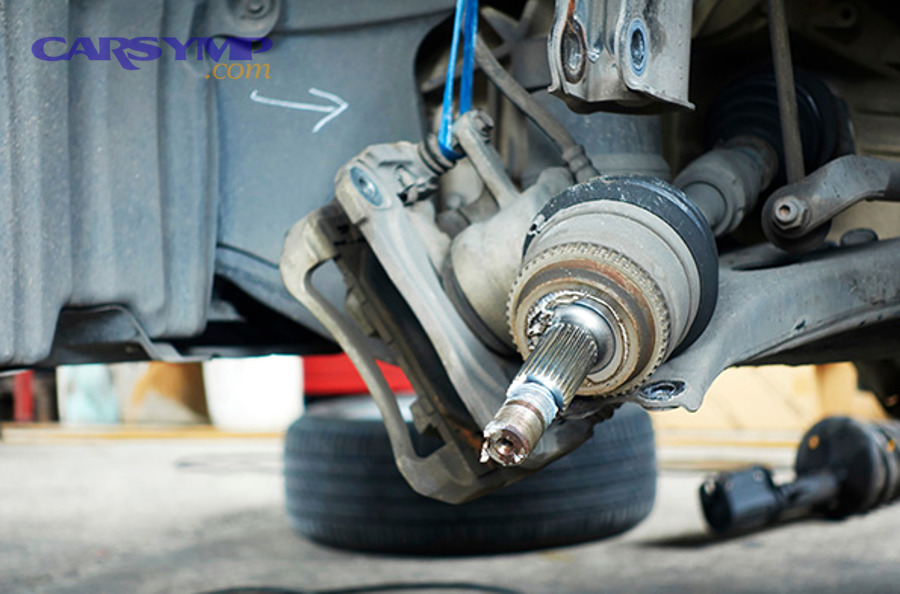
Yes, worn tie rod ends cause both clunking and steering looseness because they connect the steering rack directly to the wheels and develop excessive play when their internal ball-and-socket joints deteriorate. To illustrate, tie rods consist of inner and outer ends, both containing ball joints that allow steering motion while maintaining connection strength.
Inner tie rod ends attach to the steering rack and typically wear first because they handle the full force of steering input. When the protective boot cracks or tears, grease escapes and contaminants enter, accelerating wear of the ball socket. This creates clunking sounds when turning because the loose ball shifts position within its housing until metal contacts metal. Outer tie rod ends connect to the steering knuckle at the wheel and serve as the final link in the steering chain. Worn outer tie rods produce a distinct knocking sound during slow turns and cause the vehicle to wander because the wheels don’t maintain consistent alignment. The progressive nature of tie rod wear means symptoms start subtly—perhaps a single clunk during sharp turns—and escalate to continuous knocking and significant steering play as deterioration advances. Both inner and outer tie rod failures also affect wheel alignment, causing uneven tire wear patterns that provide visual confirmation of the problem.
Can Ball Joints Make Your Steering Clunk When Turning?
Yes, ball joints can make your steering clunk when turning because they support the vehicle’s weight while allowing suspension articulation, and worn ball joints develop looseness that creates impact sounds during weight shifts. Besides their structural role, ball joints directly influence steering precision and safety.
Ball joints function as pivot points where the control arms attach to the steering knuckles, allowing the wheels to move up and down with suspension travel while also turning left and right with steering input. Upper ball joints typically experience less wear because they primarily guide motion rather than bearing weight, while lower ball joints support the vehicle’s mass and endure constant compression forces. When these joints wear out, the ball loosens within its socket, creating perceptible movement. During turns, weight transfers from the inside wheels to the outside wheels, shifting load on the ball joints and causing the worn components to impact their housings with an audible clunk. This sound becomes most noticeable during parking lot maneuvers at low speeds where weight transfer is pronounced. Severely worn ball joints also cause the wheel to tilt at improper angles, leading to uneven tire wear on the inner or outer edges and a wandering sensation while driving straight. The danger with ball joint failure is catastrophic separation, where the ball pulls completely out of its socket, causing the wheel to collapse and the vehicle to drop onto that corner.
What Are CV Joints and U-Joints in Your Steering System?
CV joints (constant velocity joints) are flexible couplings that transfer power from the transmission to the wheels while accommodating steering angle changes and suspension movement, primarily found in front-wheel-drive vehicles. In contrast, U-joints (universal joints) are steering shaft connections that allow the shaft to flex and articulate as the suspension moves, found in the steering column assembly of most vehicles.
CV joints consist of an inner and outer joint on each axle shaft, enclosed in protective rubber boots filled with grease. The outer CV joints handle the sharpest steering angles and typically wear first, producing a distinctive clicking or clunking sound during tight turns. When the protective boot tears, grease escapes and contaminants enter, causing the precisely machined balls and races inside to corrode and wear. This creates the characteristic clicking that accelerates with sharper turns because the worn joint articulates through greater angles. U-joints in the steering shaft connect the steering column to the steering rack or gearbox, allowing the shaft to accommodate suspension movement without binding. These joints contain needle bearings in small cups that can corrode or wear out, especially in older vehicles or those with unsealed universal joints. Worn steering shaft U-joints produce clunking sounds when turning the wheel at low speeds, often felt through the steering column as a distinct knock with each direction change. The key difference is that CV joint clicking correlates with wheel rotation speed and turn angle, while U-joint clunking correlates directly with steering wheel movement regardless of vehicle speed.
Is Your Steering Shaft or Coupling Causing the Noise?
Yes, your steering shaft or coupling can cause clunking noise because the connection between the steering column and steering rack uses flexible joints and fasteners that loosen or wear over time. Moreover, this is one of the most commonly overlooked sources of steering clunk because the components are hidden under the dashboard or behind the engine.
The steering shaft transfers rotational motion from the steering wheel to the steering rack or gearbox through a metal shaft with universal joints or rubber couplings at each end. The input shaft bolt secures the steering shaft to the rack’s pinion gear, and when this bolt loosens even slightly, it creates a small gap that allows movement. Every time you turn the wheel, this gap closes and reopens, producing a distinct clunk that seems to originate from directly behind the dashboard. The sound becomes most noticeable during slow, deliberate steering inputs like parking maneuvers. Beyond the bolt, the universal joints themselves can wear out, especially if they’re exposed to moisture and road salt. Corroded U-joints bind and stick, then release suddenly, creating an irregular clunking pattern. Some vehicles use rubber coupling discs (also called rag joints) that deteriorate over time, developing tears and separations that allow excessive shaft movement. Checking the steering shaft requires looking under the hood while someone turns the steering wheel, observing the shaft for visible movement, play, or corrosion at the joint locations. Tightening a loose input shaft bolt to manufacturer specifications often eliminates the clunk, but recurring noise indicates worn components requiring replacement.
What Suspension Parts Create Clunking Sounds During Steering?
There are three primary suspension components that create clunking sounds during steering: sway bar links, strut mounts, and control arm bushings, each producing noise when weight transfers during turns even though they’re not directly part of the steering mechanism. In addition, these components influence how the vehicle handles and feels during cornering, making them important to overall steering quality.
Do Sway Bar Links Cause Clunking When You Turn the Wheel?
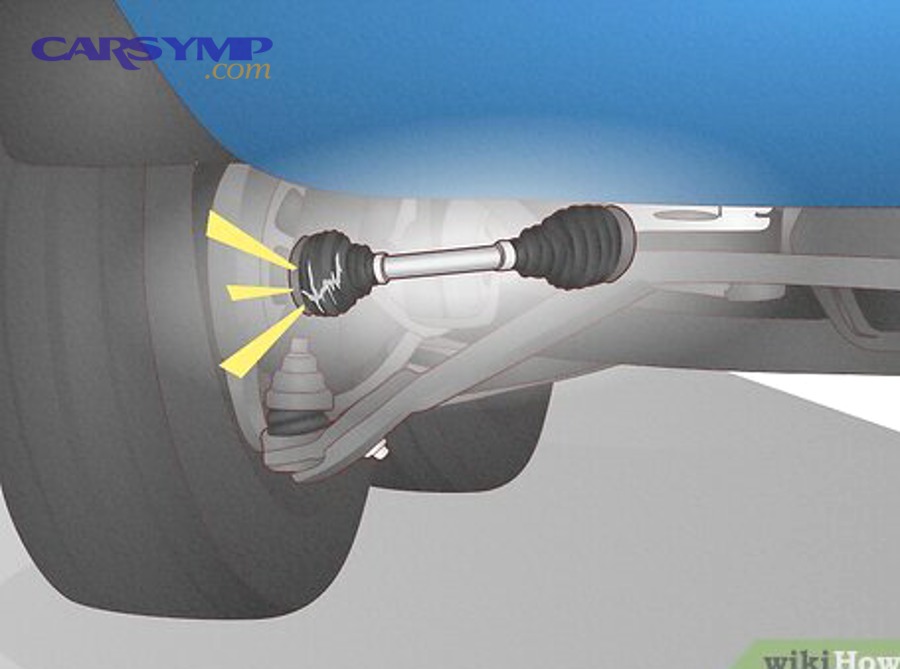
Yes, sway bar links cause clunking when you turn the wheel because they connect the sway bar to the suspension and contain ball joints or bushings that wear out, creating noise during the weight transfer that occurs in turns. Specifically, sway bar links are among the most common sources of clunking in modern vehicles due to their exposure to road conditions and constant movement.
Sway bars (also called anti-roll bars) reduce body roll by transferring force between the left and right suspension when cornering. The end links attach the sway bar to the struts or control arms through small ball-and-socket joints or rubber bushings. When these joints wear out, they develop play that creates a single, distinct clunk as weight shifts during turn entry. You hear this most clearly during slow-speed maneuvers like pulling into parking spaces or navigating driveways with uneven surfaces. The clunking from worn sway bar links typically doesn’t affect steering feel or control significantly, making it a lower-priority repair compared to tie rod or ball joint failures. However, worn links reduce the sway bar’s effectiveness, potentially increasing body roll during aggressive cornering. The good news is that sway bar links are relatively inexpensive components, and replacement involves unbolting the old links and installing new ones, making this repair accessible for DIYers with basic tools.
Can Worn Strut Mounts Make Steering Feel Loose?
Yes, worn strut mounts can make steering feel loose because they contain a bearing assembly that allows the strut to rotate with steering input, and when this bearing wears out, it creates excessive play and delayed response. Meanwhile, worn strut mounts also produce clunking sounds over bumps and during turns.
The strut mount sits at the top of each front strut, securing the suspension to the vehicle’s body while allowing rotation for steering. Inside the mount is a bearing that enables smooth strut rotation with minimal friction. As this bearing wears from repeated turning cycles and exposure to the elements, it develops rough spots and excessive clearance. This degradation creates two distinct symptoms: clunking over bumps as the worn bearing allows the strut shaft to move laterally within its housing, and loose steering feel because the worn bearing introduces play between the steering input and wheel response. You might notice that the steering wheel doesn’t return to center as crisply after turns or that there’s a vague sensation during small steering corrections. Strut mount wear also causes uneven tire wear because the strut can’t maintain proper alignment angles consistently. Inspecting strut mounts requires removing the plastic covers at the top of the strut towers in the engine bay and checking for visible bearing wear, torn rubber components, or excessive movement when someone turns the steering wheel. Replacement involves compressing the strut spring—a task requiring special tools and safety precautions—making this repair better suited for professional shops unless you have experience with suspension work.
How Does the Steering Rack or Gearbox Cause Looseness?
The steering rack or gearbox causes looseness through internal wear of gear teeth, deterioration of internal seals and bushings, and improper adjustment of the rack support mechanism, resulting in free play that delays steering response. To better understand this issue, we need to examine how rack-and-pinion systems function and what happens as they accumulate mileage.
Modern vehicles predominantly use rack-and-pinion steering, where a pinion gear on the steering shaft meshes with teeth on a linear rack. When you turn the steering wheel, the pinion rotates and moves the rack left or right, pushing or pulling the tie rods to turn the wheels. The precision of this system depends on maintaining tight tolerances between the pinion and rack teeth. Over time, especially in high-mileage vehicles, these gear teeth wear from constant contact, creating gaps that allow the pinion to rotate slightly before engaging the rack. This manifests as steering wheel free play where you can turn the wheel a few degrees without any wheel movement. Internal rack bushings and the rack support yolk also wear, allowing the rack to move within its housing and creating additional play. Some steering racks include adjustable support mechanisms that can be tightened to reduce play, but if internal components are truly worn, tightening these adjusters only provides temporary improvement and may cause binding or stiff steering.
What Is Free Play in Steering and How Much Is Normal?
Free play in steering is the amount of steering wheel rotation that occurs before the front wheels begin to respond, measured in degrees of rotation at the steering wheel rim. Normal free play ranges from one to two inches of rim movement (approximately 10-15 degrees) when measured at the outer edge of the steering wheel, while excessive play beyond this range indicates worn components requiring attention.
Measuring free play involves a simple test: with the vehicle on level ground and wheels pointing straight ahead, gently rotate the steering wheel left and right while watching the front wheels. The amount you can turn the wheel before seeing the wheels move represents your free play. Some play is engineered into steering systems to prevent overly sensitive, twitchy response and to accommodate minor component tolerances. However, play exceeding one to two inches at the rim makes precise control difficult, especially at highway speeds where small corrections become necessary to maintain lane position. Excessive free play develops gradually as multiple components wear simultaneously—a combination of worn tie rod ends, loose steering rack mounting, worn steering shaft couplings, and internal rack wear can compound to create several inches of dead zone. This makes the vehicle feel unstable and unresponsive, requiring constant steering corrections. Testing for free play should be part of regular vehicle maintenance, performed annually or whenever you notice changes in steering feel.
Is Your Steering Rack Loose or Damaged Internally?
Yes, your steering rack can be loose externally due to worn mounting bushings or damaged internally from worn gears and seals, with each condition producing different symptoms and repair approaches. On the other hand, determining whether the rack itself needs replacement or if external mounting issues are the culprit requires systematic diagnosis.
External rack looseness occurs when the rubber bushings that secure the rack to the vehicle’s subframe deteriorate from age, oil contamination, or stress. These bushings absorb vibration and hold the rack precisely in position, so when they wear out, the entire rack assembly shifts slightly during steering inputs and over bumps, creating clunking sounds. You can often diagnose loose rack bushings by having someone turn the steering wheel while you observe the rack from below—visible movement of the rack housing indicates bushing failure. This repair involves removing the rack mounting bolts, replacing the bushings, and reinstalling the rack with proper torque specifications. Internal rack damage is more serious and involves worn pinion bearings, damaged rack teeth, or deteriorated internal seals causing fluid leaks in power steering systems. Steering rack failure symptoms include persistent fluid leaks, grinding sensations through the steering wheel, uneven steering effort from side to side, and excessive free play that doesn’t improve with external adjustments. Internal rack repairs are rarely cost-effective because they require complete disassembly and specialized knowledge, making steering rack repair through replacement the standard solution. Alignment needed after rack work is essential because changing the rack alters the relationship between steering components and wheel positions, requiring professional alignment to prevent premature tire wear and ensure proper handling.
According to data from automotive repair facilities compiled by the Automotive Service Association, steering rack replacement accounts for approximately 12% of all steering system repairs, with internal wear being the primary failure mode in vehicles exceeding 150,000 miles.
What Power Steering Issues Cause Clunking and Loose Feel?
Power steering issues that cause clunking and loose feel include low fluid levels creating cavitation noise, failing power steering pumps producing groaning and reduced assist, and loose or damaged drive belts slipping during steering input. Especially in vehicles with hydraulic power steering systems, these issues create symptoms that mimic mechanical component failures but have different underlying causes.
Can Low Power Steering Fluid Make Your Steering Clunk?
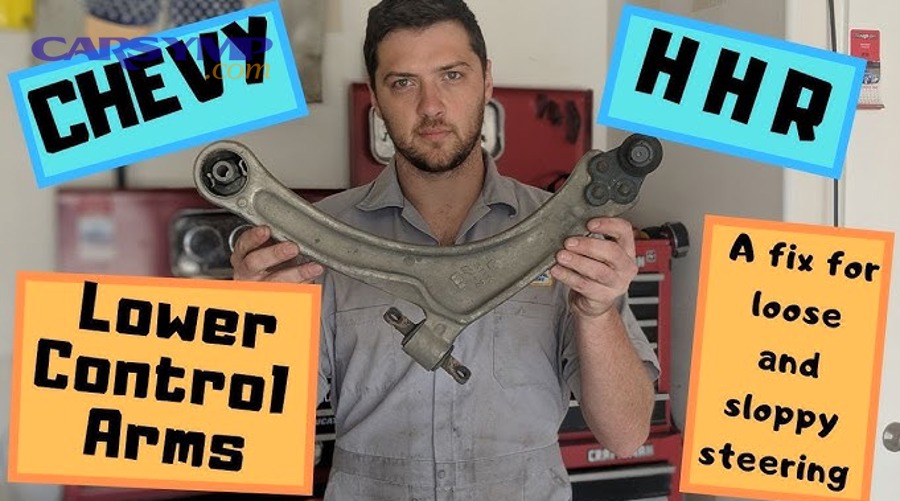
No, low power steering fluid typically does not make your steering clunk, but it creates groaning or whining noises from air entering the hydraulic system and causes increased steering effort rather than clunking sounds. However, if fluid loss results from a failed component like a leaking rack seal, the underlying component failure can produce clunking while the low fluid creates additional symptoms.
Power steering fluid serves as the hydraulic medium that transmits force from the pump to the steering rack, multiplying your steering input to make turning effortless. When fluid levels drop due to leaks or neglect, air enters the system and creates cavitation—the formation and collapse of air bubbles in the hydraulic circuit. This produces a distinctive groaning or whining sound, particularly noticeable during parking lot maneuvers when steering demand is highest. The noise changes pitch with steering speed and sounds different from mechanical clunking, which has a sharper, more percussive quality. Low fluid also reduces steering assist, making the wheel harder to turn but not creating the loose, imprecise feel associated with worn mechanical components. The clunking connection occurs when the root cause of fluid loss—such as a damaged rack seal or leaking pressure hose—allows the rack to develop internal play or movement that creates clunking separate from the fluid issue. Checking power steering fluid is straightforward: locate the reservoir (usually a translucent plastic tank with a cap labeled with a steering wheel icon), check the level against the minimum and maximum marks, and inspect for proper color (typically clear, amber, or red depending on fluid type). Dark, contaminated fluid or levels below the minimum mark indicate either leaks requiring repair or overdue fluid service.
Does a Failing Power Steering Pump Create Steering Looseness?
No, a failing power steering pump does not create steering looseness, but it produces progressively increasing steering effort, groaning or whining noises, and erratic assist that makes steering feel inconsistent rather than loose. More importantly, pump failure symptoms are distinct from worn mechanical components and require different diagnostic approaches.
The power steering pump is driven by a belt connected to the engine and generates hydraulic pressure that assists your steering inputs. As pumps accumulate mileage, internal components like vanes, rotors, and seals wear out, reducing pressure output and efficiency. You first notice this as increased effort required for parking maneuvers, where full steering assist is most crucial. The steering doesn’t feel loose or vague—it feels heavy and requires more physical force to turn the wheel. Failing pumps also produce characteristic noises: a whining sound that increases with engine RPM and a groaning that becomes louder during turns when steering demand peaks. These noises result from worn internal components allowing pressure fluctuations and air entrainment. Some drivers describe erratic or surging assist where steering effort varies unpredictably, making control feel inconsistent even though there’s no actual looseness or play in the system. The belt driving the pump can also create symptoms—a loose or glazed belt slips during high steering demand, causing temporary loss of assist with a squealing sound. Diagnosing pump failure involves checking belt tension and condition, listening for pump noise at idle and during steering input, and measuring system pressure with a specialized gauge if available. Replacing a power steering pump requires disconnecting hydraulic lines (which releases fluid), removing the drive belt, unbolting the pump, and installing the new unit followed by bleeding air from the system—a procedure that can be DIY-friendly with proper tools and fluid catch containers.
How Can You Diagnose Which Component Is Causing Your Steering Problem?
You can diagnose which component is causing your steering problem through three primary methods: visual inspection while an assistant turns the wheel, the dry park test performed on level ground, and the jack-and-wiggle test for detecting play in specific joints. Moreover, systematic testing isolates the failure to a specific component, preventing unnecessary parts replacement and ensuring effective repairs.
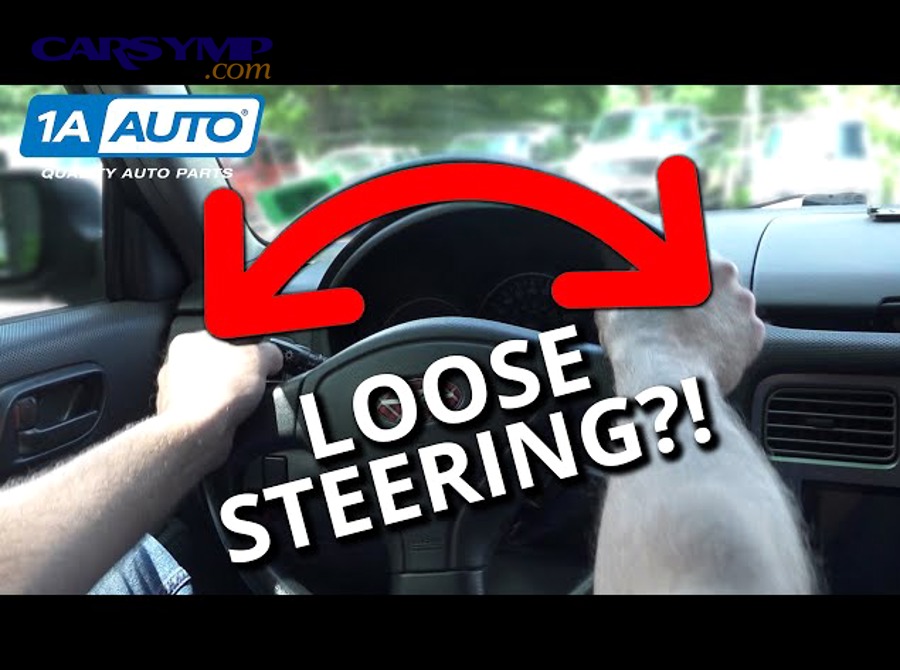
Effective diagnosis begins with understanding that different components produce distinct symptoms at specific times. Clunking that occurs only when turning at low speeds suggests tie rod ends or sway bar links, while clunking that happens over bumps regardless of steering position points to strut mounts or control arm bushings. Sounds originating from the dashboard area indicate steering shaft issues, while noises from the wheel wells suggest CV joints, ball joints, or suspension components. Creating a symptom map—noting when clunking occurs, what steering conditions trigger it, and where the sound originates—provides diagnostic clues before physical inspection begins.
What Is the Dry Park Test for Steering Components?
The dry park test is a diagnostic procedure performed with the vehicle stationary on level ground where an assistant turns the steering wheel while you observe steering and suspension components for excessive movement, play, or unusual sounds. Specifically, this test reveals looseness that might not be apparent during driving or visual inspection alone.
To perform the dry park test, park the vehicle on a level surface with the engine running (for power steering systems) and transmission in park or neutral with the parking brake engaged. Position yourself where you can observe the steering components—typically under the hood looking down at the steering shaft and rack, or beneath the vehicle observing tie rods and suspension. Have your assistant gently rock the steering wheel back and forth approximately one-eighth to one-quarter turn in each direction at a moderate pace. Watch for any component that moves excessively, shows gaps opening and closing, or produces visible looseness before adjacent components begin moving. The steering shaft should rotate smoothly with no visible play at the universal joints or coupling. The steering rack should move left and right crisply without shifting in its mounts. Tie rods should pull or push the steering knuckles without any slack taking up first. Ball joints and other suspension components should remain stationary during this test since the wheels aren’t turning and there’s no weight transfer. Any clunking sounds heard during the test can be correlated with the visual observation to identify the exact failing component. This test is particularly effective for identifying loose steering shaft couplings, worn rack bushings, and tie rod end play.
How Do You Check for Play in Tie Rods and Ball Joints?
You check for play in tie rods and ball joints by safely jacking and supporting the vehicle, then using specific wiggle patterns to isolate movement in individual components while feeling and observing for excessive play. In addition, this hands-on testing provides tactile feedback that confirms visual observations and quantifies the severity of wear.
Begin by safely raising the vehicle with a floor jack and supporting it on jack stands at the manufacturer-specified lift points—never work under a vehicle supported only by a jack. For tie rod testing, grasp the tire at the 3 o’clock and 9 o’clock positions and push in on one side while pulling out on the other, then reverse the motion. Any clunking sounds or visible movement at the tie rod ends indicates wear. You can enhance this test by having someone watch the tie rod ends specifically while you apply force, allowing them to see which end is moving within its socket. For ball joint testing, grasp the tire at the 12 o’clock and 6 o’clock positions and push up while pulling down, then reverse. Excessive movement, clunking, or visible separation at the ball joint indicates wear. The specific wiggle directions matter: the 3-9 pattern stresses steering components (tie rods), while the 12-6 pattern stresses vertical suspension components (ball joints). Some ball joints have wear indicators—small grease fittings that recess into the housing as wear progresses—providing visual confirmation of condition. Distinguishing between ball joint play and wheel bearing play requires additional testing: with the wheel still elevated, grasp the tire at 12-6 and attempt to wiggle while watching the ball joint. If the joint remains stationary but you still feel play, the wheel bearing is likely worn. Proper diagnosis often reveals multiple worn components requiring simultaneous replacement for optimal results.
When Should You Fix Clunking or Loose Steering Immediately?
You should fix clunking or loose steering immediately when symptoms include severe free play exceeding three inches at the steering wheel rim, metal-on-metal grinding sounds, sudden changes in steering behavior, or any situation where a worn component could separate and cause loss of control. On the other hand, minor sway bar link clunking or early-stage strut mount noise may allow brief delayed repair while you arrange service, though addressing issues promptly prevents progressive wear and higher costs.
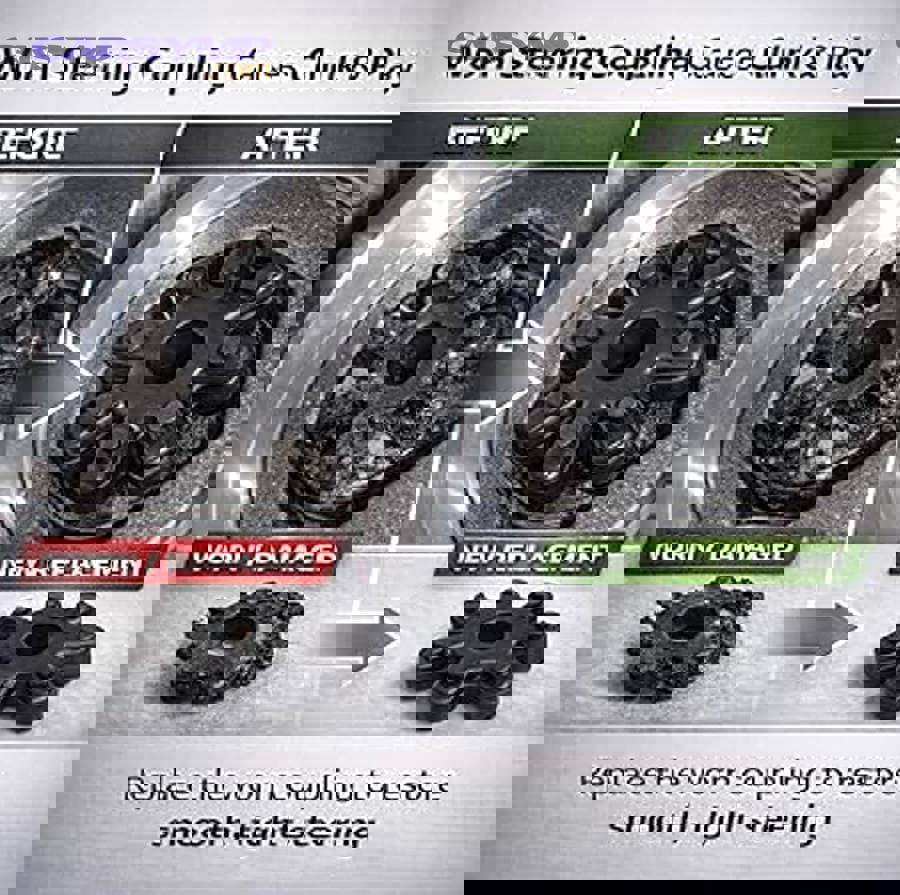
Safety-critical steering failures demand immediate attention because they directly affect your ability to control the vehicle. Tie rod ends and ball joints that have progressed to severe wear can separate completely, causing the wheel to detach from steering control or collapse inward. This typically happens during turns or over bumps when forces are highest, potentially causing crashes. Warning signs of imminent failure include visible tears in protective boots with grease leakage, excessive play detected during inspection, and rapidly worsening symptoms over days rather than months. If you can grab a component and move it by hand with the vehicle on the ground, immediate repair is essential.
Can You Drive with Clunking Steering or Is It Dangerous?
No, you generally cannot safely drive with clunking steering if the noise indicates severe component wear, but the specific danger level depends on which component is failing and the severity of deterioration. Thus, understanding the failure mode of each component helps assess immediate risk versus scheduled repair needs.
Driving with clunking steering ranges from mildly risky to immediately dangerous based on the root cause. Worn sway bar links producing occasional clunking represent the lower end of the risk spectrum—these failures rarely cause catastrophic loss of control and typically worsen gradually over weeks or months. You can usually continue driving short distances at moderate speeds while arranging repair within days. Steering shaft coupling issues fall into a moderate risk category—they won’t usually cause sudden loss of control but make precise steering difficult and stressful, potentially contributing to crashes during emergency maneuvers. Severely worn tie rod ends and ball joints represent extreme danger and should not be driven on except to immediately reach the nearest repair facility. These components can separate without warning, causing complete loss of steering or wheel control at any speed. The separation risk increases with each drive cycle, especially over rough roads or during sharp turns that stress the worn components maximally.
Real-world consequences of ignoring severe steering component wear include vehicles veering uncontrollably into oncoming traffic when a tie rod separates, wheels collapsing when ball joints fail, and multi-vehicle accidents resulting from sudden loss of control. If you detect severe clunking accompanied by visible component damage, excessive free play, or rapidly worsening symptoms, arrange for towing rather than driving to a repair shop.
What Happens If You Ignore Loose Steering Components?
If you ignore loose steering components, progressive wear accelerates, leading to cascading failures affecting multiple components, increased repair costs, premature tire wear, and eventually catastrophic component separation causing loss of vehicle control. Besides immediate safety risks, deferred repairs create secondary damage that multiplies total repair expenses.
The wear cascade begins when one component develops excessive play, transferring abnormal forces to adjacent components and accelerating their deterioration. For example, a worn outer tie rod end allows the wheel to move improperly, which creates unusual stress angles on the inner tie rod, ball joints, and steering rack. What might have initially required replacing a single $30 tie rod end expands into a $500+ job involving multiple components within months. Ignored steering looseness also destroys tire tread through misalignment and irregular forces. A single worn component can put the suspension geometry so far out of specification that you wear through a $600 set of tires in 10,000 miles instead of the expected 50,000 miles, adding substantial hidden costs to the deferred repair decision.
The catastrophic failure scenario represents the ultimate consequence of ignoring worn steering components. Tie rod separation typically occurs during turns when lateral forces peak, causing the separated wheel to point in an unintended direction while you lose all steering control over that wheel. Ball joint separation allows the wheel to collapse inward or fold under the vehicle, instantly dropping that corner of the car and potentially causing rollovers or impacts with other vehicles. These failures happen without warning—the component reaches its failure threshold and separates completely within seconds. According to the National Highway Traffic Safety Administration’s crash causation survey, mechanical failures including steering and suspension components contributed to approximately 2% of all crashes, with loss of control from component separation representing the most severe outcomes. The financial costs pale compared to the potential for serious injury or death resulting from sudden steering failure at highway speeds.
How Can You Prevent Steering Components from Wearing Out Prematurely?
You can prevent steering components from wearing out prematurely through four primary strategies: maintaining proper wheel alignment, performing regular lubrication service on greaseable components, inspecting protective boots for damage, and adapting driving style to minimize stress on suspension and steering parts. More importantly, preventive maintenance costs a fraction of major repairs and extends component lifespan by years.
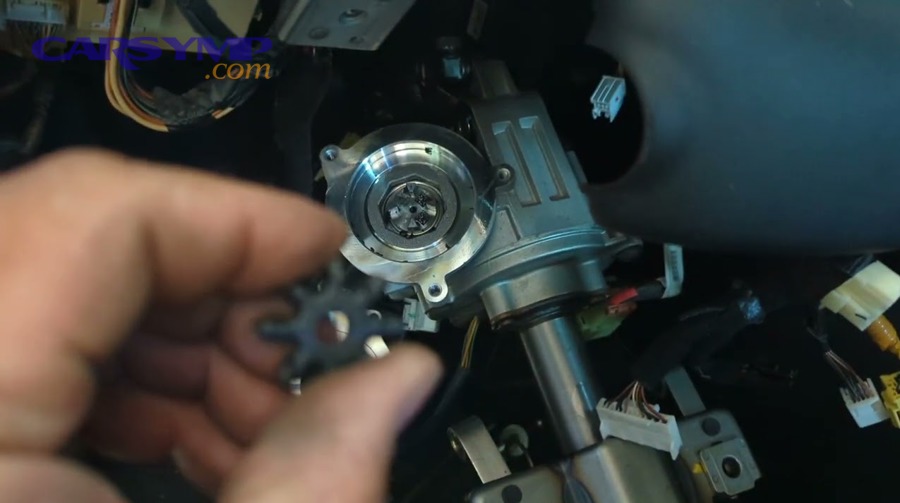
Preventive maintenance operates on the principle that protecting components from contamination, maintaining proper geometry, and reducing excessive stress extends service life exponentially. Steering and suspension components fail primarily from three mechanisms: wear from normal use over time (unavoidable), accelerated wear from improper geometry creating abnormal stress patterns (preventable through alignment), and contaminated joints losing lubrication (preventable through boot inspection and maintenance). Addressing the preventable factors through routine service dramatically extends the interval before replacement becomes necessary.
Does Regular Wheel Alignment Prevent Steering Component Wear?
Yes, regular wheel alignment prevents steering component wear because proper alignment ensures steering and suspension parts operate within their designed geometry, distributing forces evenly and preventing the excessive stress that accelerates deterioration. For example, misalignment causes tie rods and ball joints to work at incorrect angles, creating side loads and binding that weren’t part of the original design.
Wheel alignment involves adjusting three primary angles: camber (the inward or outward tilt of the wheel when viewed from the front), caster (the forward or backward tilt of the steering axis when viewed from the side), and toe (whether the wheels point inward or outward when viewed from above). When these angles drift from manufacturer specifications—typically due to hitting potholes, striking curbs, or normal suspension settling—the wheels no longer track straight and create abnormal forces. A toe misalignment of just 0.25 degrees can drag the tires sideways several feet for every mile driven, creating massive resistance that stresses tie rods and accelerates both component and tire wear. Alignment should be checked annually as preventive maintenance, immediately after installing new tires or suspension components, and whenever you notice uneven tire wear, vehicle pulling, or steering wheel off-center while driving straight. Modern alignment equipment measures all angles simultaneously and provides printouts showing current specifications versus manufacturer targets, allowing technicians to make precise adjustments. The cost of annual alignment checks ($75-150) prevents thousands in premature tire and component replacement.
Should You Lubricate Steering Components and How Often?
No, you should not lubricate modern sealed steering components, but older vehicles with greaseable fittings require lubrication every 5,000-10,000 miles to prevent premature wear and corrosion. However, determining whether your components are sealed or greaseable requires inspection of the specific parts.
Modern steering and suspension components use sealed designs where the protective boot traps factory-installed grease around the ball-and-socket joint for the component’s lifetime. These sealed units lack grease fittings (also called zerk fittings) and cannot be lubricated externally—attempting to do so by puncturing the boot would only introduce contamination and cause rapid failure. Sealed components are designed as maintenance-free until they wear out and require replacement. Older vehicles and some heavy-duty applications use components with grease fittings that allow periodic lubrication using a grease gun. These fittings appear as small nipple-shaped protrusions on the component body. Pumping fresh grease through the fitting purges old, contaminated grease and replenishes the protective lubricating film around moving parts, substantially extending service life. The lubrication interval depends on driving conditions: vehicles operated in harsh environments with water crossings, heavy dust, or road salt benefit from 5,000-mile service intervals, while those in moderate conditions can extend to 10,000 miles. Using the wrong grease type damages components—always use chassis grease formulated for suspension and steering applications (typically NLGI Grade 2 lithium or synthetic grease). If you’ve replaced worn components with aftermarket parts, check whether the new parts include grease fittings even if the originals were sealed, as many aftermarket manufacturers offer greaseable alternatives for extended service life.
What Are the Signs Your Steering Boot Is Damaged?
The signs your steering boot is damaged include visible cracks or tears in the rubber material, grease leaking from the boot creating a shiny or wet appearance, accumulation of dirt and debris around the component, and flexible boots that feel brittle or stiff rather than pliable. Specifically, early detection of boot damage allows replacement before joint contamination causes expensive component failure.
Protective boots serve as the first line of defense for steering and suspension joints, creating a sealed environment that keeps grease in and contaminants out. These boots are typically made from rubber or thermoplastic that remains flexible across temperature extremes but eventually degrades from ozone exposure, oil contamination, age, and physical stress. The most common failure mode is cracking, where the rubber develops splits along fold lines where the boot flexes during suspension movement. These cracks start small and propagate quickly once begun. Visual inspection during routine maintenance should include examining every boot on the vehicle: CV joint boots at the axle shafts, tie rod end boots at both inner and outer connections, ball joint boots, and steering rack boots at the rack ends. Fresh grease leaking from a torn boot appears as bright, shiny smears on and around the component, while old leaks show as dark, dirty deposits where leaked grease has attracted road debris. Once a boot tears, the internal joint loses its protective grease within days to weeks depending on driving conditions, and water and dirt enter the joint, causing rapid corrosion and wear. Boot replacement is far cheaper than component replacement—for example, a $15 boot replacement on a CV joint prevents a $300 axle shaft replacement if caught early enough. However, if the boot has been torn for an extended period and the joint already feels loose or makes noise, the damage has progressed beyond boot replacement and requires complete component replacement.
How Does Driving Style Affect Steering Component Lifespan?
Driving style significantly affects steering component lifespan because aggressive inputs, high-speed cornering, pothole impacts, and curb strikes create forces far exceeding normal operating loads, accelerating wear and causing immediate damage. Meanwhile, smooth, moderate driving minimizes stress and can extend component life by 50-100% compared to aggressive operation.
The physics of steering component loading reveal why driving style matters so much. Forces on tie rods, ball joints, and other components multiply during aggressive maneuvers: hitting a pothole at 45 mph creates impact forces 10-20 times higher than rolling over the same obstacle at 15 mph; sharp turns at high speed generate lateral loads that compress and extend ball joints through their maximum range; and sudden steering inputs while accelerating or braking add torsional forces to the normal operational stresses. These extreme loads don’t typically cause immediate failure in properly maintained components, but they consume the fatigue life of materials much more rapidly than gentle operation. Every component has a designed service life based on assumed normal usage patterns—when actual usage involves frequent severe loading, the component fails well before its expected mileage.
Specific driving behaviors that maximize component life include reducing speed when approaching rough road surfaces, taking turns at moderate speeds that don’t cause tire squealing or body lean, avoiding curb strikes during parking (even gentle contact creates substantial lateral force), and accelerating and braking smoothly rather than abruptly. The difference between gentle and aggressive driving becomes apparent when comparing component lifespan: a vehicle driven primarily on smooth highways with gentle inputs might achieve 200,000 miles on original ball joints and tie rods, while an identical vehicle operated aggressively on poor roads might require replacement at 75,000 miles. Front-wheel-drive vehicles experience higher steering component stress than rear-wheel-drive vehicles because the front wheels handle both steering and power delivery, creating combined loads that accelerate wear—adapting driving style becomes even more important for FWD owners.
This comprehensive guide provides car owners with the knowledge to identify, diagnose, and address clunking noises and loose steering before they become safety-critical failures. Regular inspection, prompt attention to symptoms, and preventive maintenance protect both your safety and your wallet while ensuring reliable vehicle operation for years to come.