


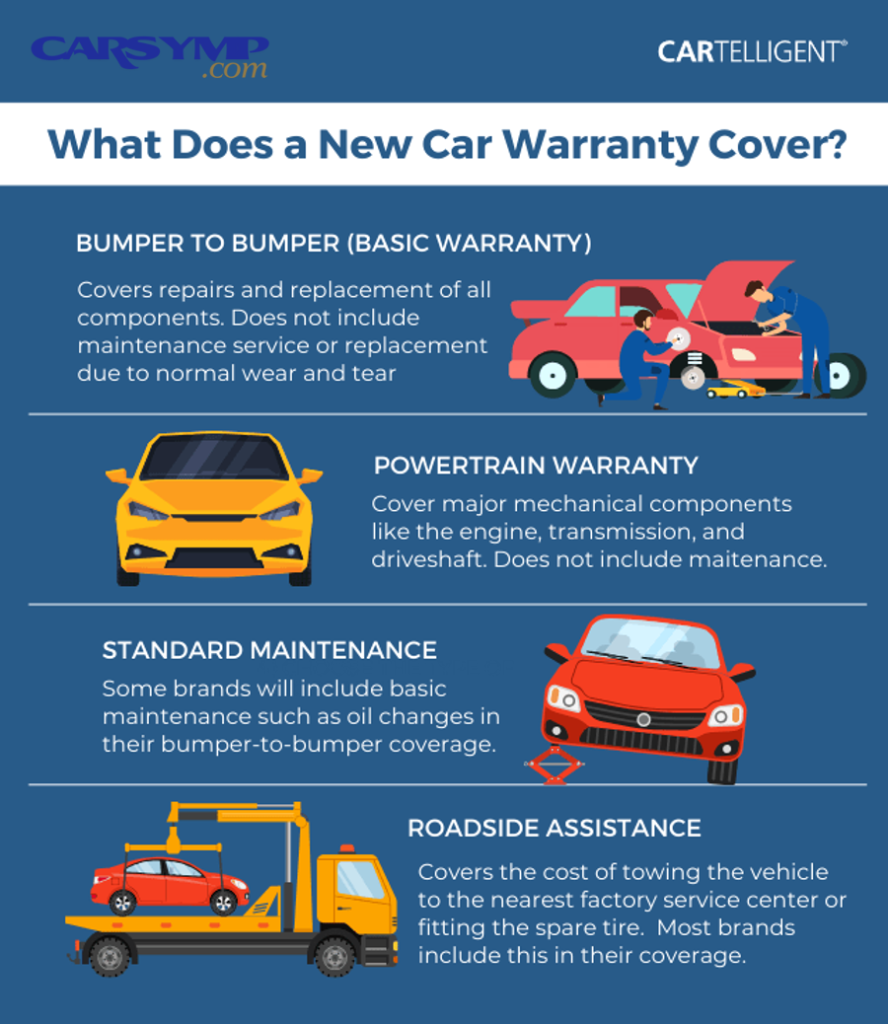
Extended warranties and repair coverage basics help car owners understand a simple truth: these plans can reduce the cost of covered breakdowns after the factory warranty ends, but they only work well when you know exactly what is included, excluded, and required in the contract. That core idea matters because many people hear the phrase “extended warranty” and assume it protects every repair, when in reality the warranty on repairs depends on contract language, provider rules, and the type of vehicle systems covered.
The next important issue is the difference between an extended warranty and a service contract. Many plans sold in the market are technically vehicle service contracts rather than original manufacturer warranties, and that distinction affects claims, repair authorization, and where you can take the car for service. Understanding that difference also helps when you are Choosing a shop based on warranty strength, because some contracts give you more repair flexibility than others.
Another major question is what the plan actually covers compared with what it leaves out. Most contracts focus on mechanical and electrical breakdowns, while routine maintenance, wear items, and damage caused by misuse often stay outside the agreement. That is why readers also want to know How long you should expect repairs to last and whether a repair facility stands behind its own labor separately from the contract provider.
Introduce a new idea: the best way to understand this topic is to move from definition to coverage, then from exclusions to claims, plan types, and buying value. Below, the article follows that path so car owners can understand the basics, compare options, and learn How to file a warranty claim on repairs without confusion.
What are extended warranties and repair coverage basics for car owners?
Extended warranties and repair coverage basics are post-factory protection arrangements that help pay for certain mechanical or electrical failures, usually through a manufacturer-backed extension or a third-party service contract with defined terms, exclusions, and claim rules.
To better understand the issue, it helps to start with what these plans are designed to do and what they are not designed to do. Car owners often use “extended warranty” as a general phrase, but the market includes several forms of protection that work differently in practice.
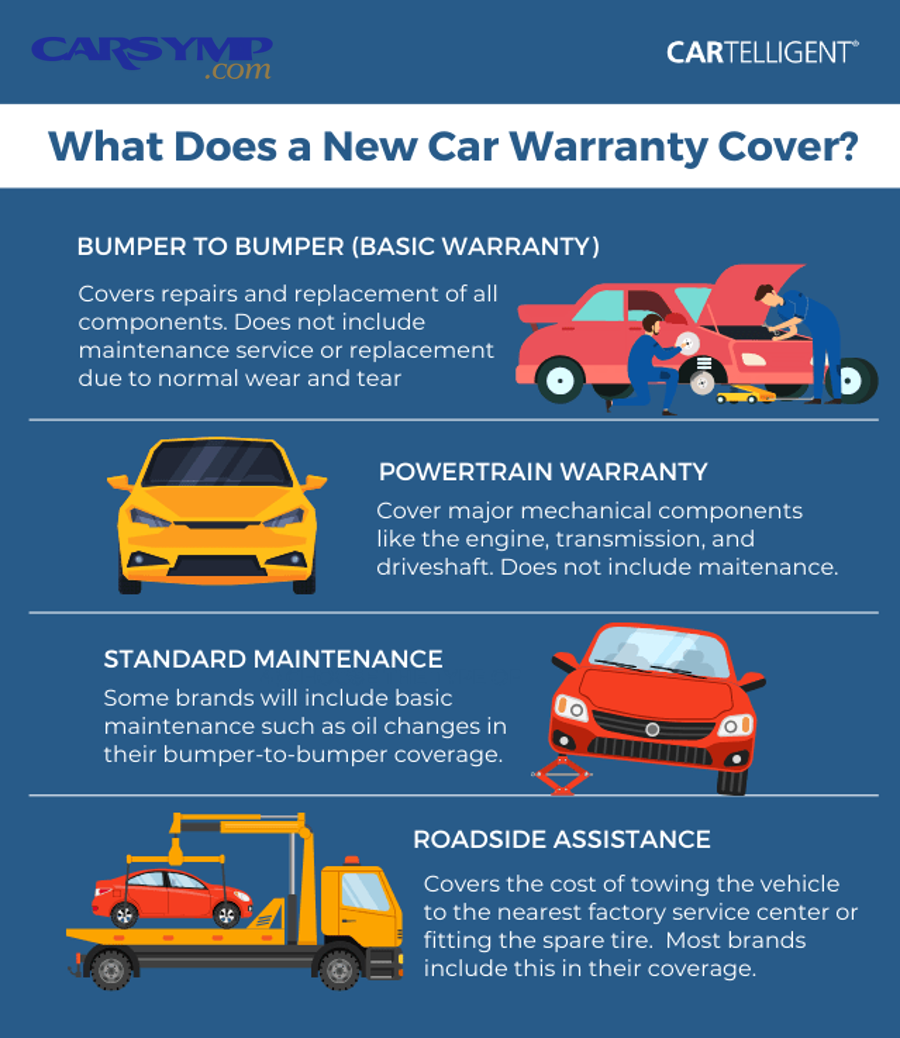
An extended warranty usually becomes relevant after the factory warranty expires or when the owner wants longer protection than the original coverage period. Its purpose is straightforward: it reduces the financial shock of a covered breakdown. Instead of paying the full repair bill for a failed transmission, electrical module, or air-conditioning component, the owner may pay only a deductible or a partial amount, depending on the plan.
The most useful beginner distinction is this: factory warranties come with a new vehicle, while extended protection usually adds more time, more miles, or a different repair agreement after the original protection period. That is why extended coverage is not one single product category. Some plans come directly from the manufacturer, some come from dealers, and others come from independent companies that administer service contracts.
Repair coverage basics also include understanding limits. These plans do not function as a blanket promise to fix anything that goes wrong. They work within listed components, covered systems, claim conditions, dollar limits, and maintenance requirements. A contract may cover the engine internally lubricated parts but not every seal, hose, sensor, or maintenance-related item connected to that system.
Is an extended warranty the same as a manufacturer warranty?
No, an extended warranty is usually not the same as a manufacturer warranty because it often has a different legal structure, narrower terms, and a separate administrator or obligor even when it protects similar systems.
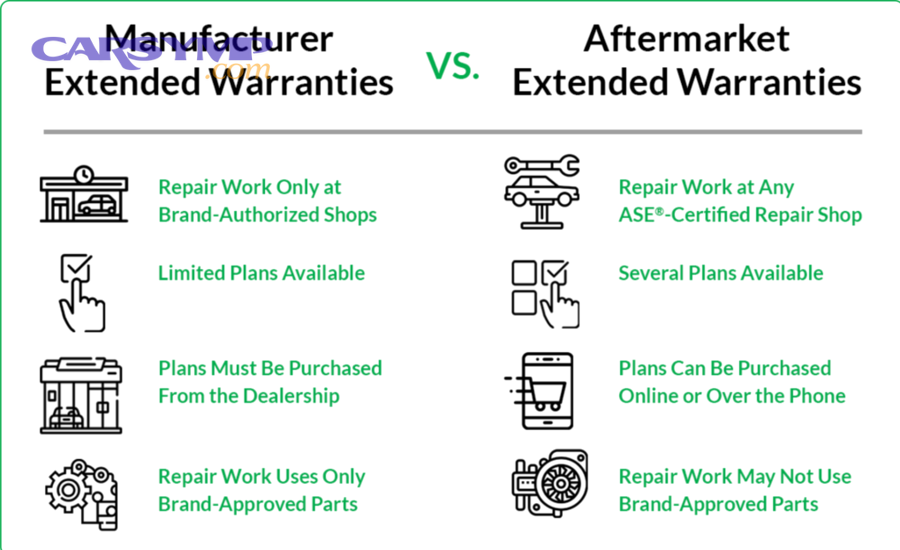
Specifically, this distinction shapes nearly every part of the ownership experience. A manufacturer warranty is part of the original new-car package and follows the automaker’s rules, dealer network, and warranty booklet. By contrast, many “extended warranties” sold after purchase are vehicle service contracts. They may mimic warranty-like protection, but they are often managed by third-party companies and require separate approval procedures before repairs begin.
That difference matters because a factory warranty often feels seamless. The dealer diagnoses the issue, confirms eligibility, and performs the repair under the automaker’s system. A service contract may require the shop to contact the contract provider, submit diagnosis details, wait for authorization, and verify that the failed part is covered. In practical terms, the owner experiences more process and more contract reading.
It also matters for confidence and repair choice. A manufacturer-backed extension may give car owners a stronger sense of continuity with the original warranty. A third-party contract may still be valuable, but owners need to review provider reputation, claim procedures, exclusions, and reimbursement rules more carefully.
What does repair coverage mean after the factory warranty ends?
Repair coverage after the factory warranty ends means financial protection for eligible breakdown-related repairs on specific parts or systems, subject to contract rules, exclusions, deductibles, and claim authorization.
More specifically, repair coverage is meant for unexpected failure rather than predictable upkeep. If a covered alternator fails and the contract includes that component, the plan may pay for eligible parts and labor. If the car needs brake pads, tires, oil changes, or fluid services, the owner generally pays out of pocket because those are normal ownership expenses rather than covered breakdowns.
This is where the phrase warranty on repairs becomes important. Car owners should separate two related but different ideas. One is the contract that pays for covered failures. The other is the shop’s own warranty on repairs after a repair is completed. A service contract may authorize a repair, while the repair shop may separately guarantee its labor for a certain period. That distinction matters when judging repair quality and when asking How long you should expect repairs to last under normal use.
In real ownership terms, repair coverage is best understood as a cost-control tool. It does not eliminate every repair bill, but it can reduce the risk of a major unexpected expense when a covered system fails after factory protection ends.
According to the Federal Trade Commission, auto service contracts differ from warranties and typically cover repair of certain breakdown-related problems for a defined period, while routine maintenance and many other items remain outside standard coverage.
What does an extended warranty usually cover?
An extended warranty usually covers certain mechanical and electrical breakdowns on listed systems, with engine, transmission, drivetrain, steering, cooling, and some electronic components commonly included depending on the level of protection.
Next, coverage needs to be viewed by system rather than by advertising slogan. Many contracts sound broad in marketing copy, but the real answer depends on whether the plan is powertrain-based, named-component, or exclusionary.
Coverage usually starts with high-cost components. These are the parts that create the strongest financial reason to buy protection in the first place. Owners typically look for help with major engine damage, transmission failures, and other drivetrain repairs that can create large invoices.
A second layer of coverage often includes systems that modern vehicles rely on heavily: electrical modules, air-conditioning components, fuel delivery parts, steering assemblies, suspension elements, and high-tech convenience systems. However, the broader the system list becomes, the more important the exact contract wording becomes. Some plans cover a whole category in a simplified way, while others list every covered part one by one.
Which vehicle parts and systems are commonly covered?
The most commonly covered systems are the engine, transmission, drivetrain, cooling system, steering system, electrical system, and climate-control components, although the exact list changes by contract tier.
For example, a powertrain-focused plan may cover internally lubricated engine parts, transmission gears, drive axles, and certain transfer case components. A mid-level plan may add steering, brakes on selected hard parts, fuel system components, and air conditioning. A more comprehensive plan may include sophisticated electronics, sensors, infotainment components, and advanced convenience systems, subject to exclusions.
The easiest way to understand the structure is by grouping components into repair-cost categories:
- High-severity systems: engine, transmission, transfer case, differential
- Core drivability systems: fuel system, cooling system, steering, selected suspension parts
- Comfort and convenience systems: air conditioning, power accessories, electrical modules
- Technology systems: sensors, control units, navigation or infotainment on broader plans
Car owners should always ask whether the contract covers only failed internal parts or also associated items like seals, gaskets, housings, and electronics linked to those systems. A broad heading such as “engine coverage” can still contain narrow exceptions.
Are parts and labor both included in repair coverage?
Yes, many repair coverage plans include both eligible parts and labor, but the contract may cap labor rates, apply a deductible, or restrict reimbursement depending on the shop and authorization process.
However, parts-and-labor inclusion does not mean unlimited payment. Some contracts approve labor using a fixed labor guide or maximum hourly rate. Others reimburse only when the repair facility follows the provider’s procedure from diagnosis through repair completion. That is why Choosing a shop based on warranty strength can be a smart practical step. A good repair shop knows how to work with service contract companies, document failures clearly, and avoid procedural mistakes that delay approval.
This is also the point where repair quality matters. Even if a provider covers both the replacement part and labor, the owner should ask the repair facility whether it offers its own warranty on repairs. That secondary protection matters when a part fails prematurely or a labor issue appears after the car leaves the shop.
The table below shows the most common payment elements owners should review before relying on a contract for a repair bill.
| Coverage Element | Common Practice | What Owners Should Check |
|---|---|---|
| Replacement part | Often covered if listed as eligible | OEM, aftermarket, remanufactured part rules |
| Labor | Often covered with limits | Hourly rate caps and labor guide rules |
| Deductible | Usually applies per visit or claim | Per repair vs per shop visit |
| Additional costs | May vary | Diagnostics, fluids, taxes, teardown, rental |
What is usually not covered by extended warranties?
Extended warranties usually do not cover routine maintenance, normal wear items, pre-existing conditions, accident damage, misuse, or repairs excluded by contract language, even when the failed part seems connected to a covered system.
To better understand exclusions, owners need to read them as carefully as the coverage list. In many cases, the usefulness of a plan depends less on the headline promise and more on the details in the “not covered” section.
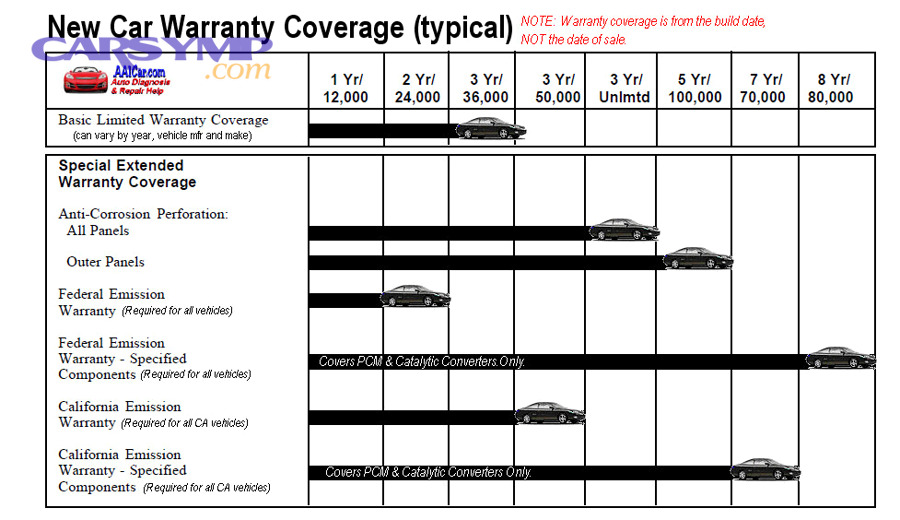
Exclusions exist because service contracts are built around breakdown risk, not total vehicle ownership cost. Providers want to control predictable expenses, abuse, and claims that originate outside ordinary failure conditions. As a result, the contract often draws a sharp line between breakdown protection and maintenance responsibility.
Are routine maintenance and wear items covered?
No, routine maintenance and wear items are usually not covered because they are expected ownership expenses rather than sudden covered failures.
Specifically, most contracts exclude oil changes, filters, brake pads, brake shoes, tires, alignments, wiper blades, bulbs, spark plugs, belts, hoses, coolant flushes, transmission services, and similar scheduled items. These components wear down over time through ordinary use, so the provider treats them as the owner’s responsibility.
This matters because owners sometimes confuse symptom-related repairs with covered failures. For instance, a vehicle may develop vibration during braking. If the issue comes from worn brake pads or rotor wear, the contract may deny the claim because brake friction materials and wear-related conditions are typically excluded. The fact that the car needs a repair does not automatically place it under repair coverage.
Understanding this distinction also improves budgeting. Extended protection is best viewed as a shield against selected major or moderate breakdowns, not as a replacement for regular service planning.
What types of damage or repair situations are excluded?
Commonly excluded repair situations include accidents, collision damage, environmental damage, neglect, overheating from ignored maintenance, unauthorized modifications, commercial misuse, and pre-existing problems.
More importantly, many denied claims happen because a contract provider determines that the failure was caused by something other than normal covered breakdown. If an engine fails after chronic low-oil operation, the provider may attribute the problem to neglect. If a suspension component fails after off-road misuse or aftermarket modification, the provider may deny it as non-covered use. If a water leak damages electronics, the contract may classify that as environmental intrusion rather than mechanical breakdown.
Maintenance records also play a major role. A provider may ask for proof that required services were performed. If the owner cannot document oil changes, cooling-system care, or transmission service as required by the contract, approval becomes harder. This is one reason experienced owners keep organized invoices and service history, even when the vehicle seems to be running well.
According to the Federal Trade Commission, auto service contracts commonly exclude routine maintenance, wear-and-tear items, and damage related to misuse or lack of maintenance, which is why consumers need to review exclusions before purchase.
How do service contracts work when you need a repair?
Service contracts work through a process of diagnosis, authorization, eligibility review, approved repair, and payment, with the expected outcome being that the provider covers the eligible portion of the repair once contract conditions are satisfied.
Let’s explore the process in the order most owners experience it. The claim does not begin when you buy the plan; it begins when the vehicle shows a symptom, reaches a repair facility, and receives a professional diagnosis.
The first practical step is choosing a repair facility that can diagnose the issue correctly and communicate well with the contract provider. This is where Choosing a shop based on warranty strength becomes highly practical rather than theoretical. A shop that understands authorization procedures can help reduce delays, clarify labor estimates, and document failed components with the terminology the provider requires.
After diagnosis, the shop usually contacts the provider. It submits the vehicle information, odometer reading, contract details, diagnosis results, and estimated repair cost. The provider then checks whether the contract is active, whether the failed component is covered, whether waiting periods or mileage limits apply, and whether the damage fits the contract’s definition of a covered breakdown.
Do you have to get approval before repairs begin?
Yes, many service contracts require approval before repairs begin because authorization allows the provider to confirm eligibility, cost, and covered components before the shop performs chargeable work.
Specifically, this is one of the most important rules owners need to remember. If a shop completes the repair first and asks questions later, the provider may refuse payment or reduce reimbursement. The contract often states that prior authorization is a condition of coverage. That does not mean every step must stop immediately, but it usually means the shop must obtain approval before proceeding beyond diagnosis or teardown thresholds.
This is also where How to file a warranty claim on repairs becomes clearer. In practice, the claim is often initiated by the repair shop rather than by the owner alone. Still, the owner plays an active role by providing contract details, approving diagnostics, answering provider questions when needed, and keeping copies of invoices and maintenance records.
A practical claim checklist includes:
- Bring the vehicle to a qualified repair shop
- Present the contract information before repair work begins
- Authorize diagnosis
- Ask the shop to contact the provider for claim approval
- Review deductible, excluded items, and non-covered charges
- Keep all invoices, parts lists, and communication records
How do deductibles, claim limits, and repair shops affect the process?
Deductibles, claim limits, and repair-shop rules affect the process by changing what the owner pays, how much the provider approves, and whether the selected facility can complete the work under contract terms.
For example, a contract may charge a deductible per visit, which can be favorable when several covered repairs happen at once. Another may apply a deductible per repair item, which increases the owner’s out-of-pocket cost. Labor-rate limits can also matter. If the shop charges more than the provider allows, the owner may pay the difference.
Repair shop rules are equally important. Some contracts allow broad repair-facility choice. Others strongly prefer or require approved networks. That is why Choosing a shop based on warranty strength includes looking beyond friendly customer service and checking whether the shop communicates well with warranty administrators, offers a solid warranty on repairs, and uses quality replacement parts.
This section also connects to the question of How long you should expect repairs to last. While no repair lasts forever, a quality repair performed with correct diagnosis, proper procedures, and strong labor backing usually lasts much longer than a rushed repair done only to satisfy minimum contract approval. A good contract helps with cost, but a good repair shop protects long-term value.
What are the main types of extended warranty coverage?
There are four main types of extended warranty coverage—manufacturer-backed extension, powertrain plan, named-component plan, and exclusionary plan—based on who provides the protection and how broadly the contract defines covered parts.
Next, classification matters because one of the biggest causes of buyer disappointment is assuming all plans cover the same things. They do not. Two contracts can use similar sales language while offering very different real-world protection.
A manufacturer-backed extension usually feels closest to the original warranty experience. A powertrain plan focuses on the highest-cost core systems. A named-component plan covers only listed parts. An exclusionary plan covers most components except those specifically excluded. These categories create a clear hierarchy of breadth, price, and claim complexity.
What is the difference between powertrain and comprehensive coverage?
Powertrain wins in affordability, comprehensive coverage is best for broader system protection, and neither is universally optimal because the right choice depends on vehicle age, repair risk, and ownership goals.
However, the practical difference is easy to explain. Powertrain coverage concentrates on the engine, transmission, and drive-related components. It is usually cheaper and often attractive for owners who want protection against catastrophic bills rather than moderate electronic failures. Comprehensive coverage, often called near bumper-to-bumper in marketing, extends protection to many more systems such as air conditioning, electrical modules, steering, fuel delivery, and convenience electronics.
Powertrain plans make the most sense when the owner wants low-cost risk control and accepts that many smaller or mid-level systems remain uncovered. Comprehensive plans make more sense when the vehicle contains expensive electronics, when the owner intends to keep the car for many years, or when avoiding repeated moderate repair bills matters more than just protecting against one giant failure.
Are exclusionary plans different from named-component plans?
Yes, exclusionary plans and named-component plans are different because exclusionary plans cover most parts except those listed as excluded, while named-component plans cover only the parts specifically listed in the contract.
More specifically, named-component plans require the owner and shop to prove that the failed part appears on the covered list. Exclusionary plans reverse that logic. They begin with broad inclusion, then carve out exclusions. This structure often makes exclusionary coverage easier to understand in practice, especially for complex modern vehicles with many interconnected systems.
Still, broader wording does not automatically mean zero limitations. Exclusionary contracts still exclude maintenance items, cosmetic parts, trim, glass, upholstery, and many wear-related conditions. The owner must still review waiting periods, claim caps, deductible structure, and repair authorization rules.
According to consumer guidance from major automotive and consumer-information sources, broader plans typically cost more but reduce the chance of surprise uncovered components during repair, especially on electronically complex vehicles.
Is an extended warranty worth it for every car owner?
No, an extended warranty is not worth it for every car owner because value depends on repair risk, contract quality, ownership length, personal budget, and how likely the vehicle is to generate covered claims.
In addition, “worth it” is not a single financial formula. Some owners value peace of mind and predictable budgeting more than pure expected-value math. Others prefer to keep a repair fund and avoid contract complexity. Both approaches can be reasonable.
When evaluating value, owners should compare the contract price against the realistic probability of covered repairs, not against every possible repair headline they see online. A plan can be useful even if it never “pays for itself” in dramatic fashion, because some people buy it to avoid a single difficult bill. At the same time, a plan can be poor value if its exclusions are broad, claim rules are restrictive, or the provider is hard to work with.
When does repair coverage make the most sense?
Repair coverage makes the most sense for owners keeping a vehicle long-term, driving higher annual mileage, owning a model with expensive systems, or wanting predictable costs instead of exposure to large covered repair bills.
For example, the value case becomes stronger when the vehicle has passed factory protection but still retains enough service life to justify additional contract years. The value case also improves when the car contains turbochargers, advanced driver-assistance systems, power accessories, climate electronics, or drivetrain components known to be expensive when they fail. In those situations, a good service contract can act as a budgeting tool rather than just a marketing add-on.
This is also where Choosing a shop based on warranty strength supports the value decision. If the owner already has access to a reputable shop that understands contract claims and stands behind its work, the practical usefulness of the plan increases. Good claims support and a strong warranty on repairs improve the day-to-day ownership experience.
When might skipping extended coverage be the better choice?
Skipping extended coverage may be the better choice when the vehicle is highly reliable, the contract is overpriced, the owner will sell soon, or the owner has enough savings to handle repairs directly.
More specifically, some owners are better served by self-insuring through a dedicated repair fund. This approach works best when the owner has financial discipline, understands maintenance risk, and prefers flexibility over contract rules. It can also be the better choice when the offered plan is narrow, full of exclusions, or expensive relative to the vehicle’s market value.
Owners should also avoid judging value only by fear. The better method is to review the contract line by line, compare deductible and coverage structure, estimate likely repair exposure, and ask whether the plan truly improves ownership confidence. That question is more useful than asking whether all extended warranties are good or bad in general.
What contract details can change the value of extended repair coverage?
The contract details that most change the value of extended repair coverage are provider structure, transferability, cancellation rules, eligibility restrictions, maintenance proof requirements, and the exact wording used to approve or deny claims.
Besides the broad coverage promise, these fine-print details often determine whether the plan feels helpful or frustrating in real life. This is the micro-level content that deepens semantic coverage after the primary search intent has already been answered.
What is the difference between a warranty provider, administrator, and obligor?
The provider sells or brands the contract, the administrator handles day-to-day claims, and the obligor carries the legal responsibility to pay covered claims under the agreement.
To illustrate, many buyers only notice the brand on the brochure, but the real experience depends on the administrator’s efficiency and the obligor’s financial backing. A contract can look impressive in marketing yet become difficult in practice if claims handling is slow or communication is weak. That is why contract structure deserves attention during the buying stage.
Can an extended warranty be transferred or canceled?
Yes, many contracts can be transferred or canceled, but the exact rules depend on contract language, fees, timing, refund formulas, and whether the provider allows transfer to a private buyer or only through certain sales conditions.
Transferability can add resale value because the next owner may see remaining protection as a benefit. Cancellation rights also matter because ownership plans change. A buyer may sell the car early, refinance, trade in the vehicle, or decide the coverage no longer fits. Refund formulas can be prorated and may subtract administrative fees or prior claims.
Do rebuilt titles, commercial use, or modifications affect eligibility?
Yes, rebuilt titles, commercial use, and modifications often affect eligibility because providers view them as higher-risk conditions that change failure probability and claim predictability.
For example, a contract may exclude rideshare use, delivery use, plow use, performance tuning, suspension modifications, oversized wheels, or vehicles with salvage history. These restrictions matter because a car can appear normal at the time of sale but become ineligible later if its usage or configuration falls outside contract rules.
How can maintenance records and contract wording affect claim approval?
Maintenance records and contract wording affect claim approval because providers use them to determine whether the owner fulfilled obligations and whether the failed component fits the contract’s exact coverage language.
In short, owners should keep invoices, follow service intervals, and read the definitions section carefully. The most successful claim experiences usually come from a combination of three things: a solid contract, a qualified repair shop, and organized documentation. Those same habits also improve the answer to How to file a warranty claim on repairs because they make the claim easier to support from diagnosis through payment.
According to long-standing consumer guidance from federal and automotive information sources, careful review of exclusions, maintenance obligations, and claim procedures remains one of the strongest predictors of whether a service contract will deliver practical value for the owner.