Understand Warranty on Repairs for Car Owners: Coverage, Exclusions, and Consumer Rights
When car owners ask about a warranty on repairs, the direct answer is that repair coverage is real, but it is not automatic or universal. A repair warranty usually depends on the terms offered by the auto repair shop, the parts supplier, or a broader vehicle protection plan, so the safest assumption is that coverage only exists to the extent it is written and explained before work begins. The Federal Trade Commission notes that there is no standard warranty on repairs, which is why clear paperwork matters from the start. (consumer.ftc.gov)
The next question is usually what a repair warranty actually includes. In practice, most disputes come down to What repair warranties typically cover, whether the failure involves workmanship, a replacement part, or a separate and unrelated problem that surfaced later. This is where drivers need to understand Parts warranty vs labor warranty differences, because one may be covered while the other is limited. (consumer.ftc.gov)
Then the issue shifts from coverage to protection. Car owners want to know what rights they have if the same issue returns, how long they should expect repairs to last, and How to file a warranty claim on repairs without getting caught by Common exclusions and fine print. Those questions are practical because repair disputes often turn on documentation, timing, mileage, and the exact wording of the invoice. (consumer.ftc.gov)
Introduce a new idea: the most useful way to approach this topic is to move from definition to exclusions, then to time limits, claim steps, and finally to Choosing a shop based on warranty strength so you can compare Dealer warranty vs independent shop warranty and understand Extended warranties and repair coverage basics before you approve work. (consumer.ftc.gov)
What Is a Warranty on Repairs for Car Owners?
A warranty on repairs is a promise that a shop, dealer, or warranty provider will stand behind specific repair work for a defined period, usually based on time, mileage, scope of work, and stated conditions. (consumer.ftc.gov)
To better understand repair coverage, you have to separate the repair promise from the repair bill itself. A bill proves that work was done. A warranty explains what happens if that work fails, if a part proves defective, or if the same symptom comes back within the covered period. That distinction matters because many drivers assume every paid repair automatically includes broad aftercare, but the FTC says that repair warranties are not standardized and may include limits on time, mileage, authorized locations, deductibles, or reimbursement procedures. (consumer.ftc.gov)

A strong repair warranty usually has four parts: what was repaired, what is covered, how long coverage lasts, and what the owner must do to make a claim. Getting warranty terms in writing is the key step because written language reduces confusion about whether the promise applies to the exact failed repair, to the replacement part only, or to both the part and the labor. In plain terms, the warranty is only as useful as its wording. (consumer.ftc.gov)
Does a Warranty on Repairs Mean the Shop Must Fix the Problem Again for Free?
No, a warranty on repairs does not always mean the shop must fix the problem again for free, because the answer depends on scope, cause, and stated conditions. (consumer.ftc.gov)
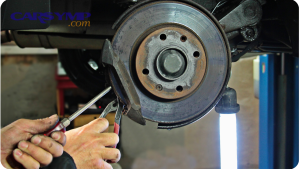
Specifically, a shop normally has to honor the warranty only when the return problem falls within the original covered repair. If your brake job included pads and rotors, for example, the warranty may apply to defective parts or workmanship on that brake service, but it may not cover a seized caliper discovered later if that component was not replaced and was excluded on the invoice. The same logic applies to alternators, starters, wheel bearings, and other common repairs: coverage follows the agreed repair, not every future symptom. (consumer.ftc.gov)
That is why Warranty on brake jobs and common repairs often varies by invoice detail. One shop may cover a complete brake service package, while another covers only the specific components replaced. If the paperwork says the estimate was approved for “pads only,” the owner should not assume the warranty extends to rotors, hardware, hoses, or ABS-related faults unless those items appear in the written repair order. This is one of the most common sources of conflict between drivers and any auto repair shop. (consumer.ftc.gov)
What Does a Repair Warranty Usually Cover: Parts, Labor, or Both?
A repair warranty usually covers one of three structures: parts only, labor only in rare cases, or both parts and labor when the shop offers broader protection. (consumer.ftc.gov)
More specifically, parts coverage applies when the replacement component itself fails due to defect. Labor coverage applies when the workmanship was faulty or when the covered part must be removed and replaced again. The best warranties combine both, because a failed water pump, starter, or brake component often requires substantial labor to access. If the part is covered but the labor is not, the driver may still face a meaningful bill. That is the heart of Parts warranty vs labor warranty differences. (consumer.ftc.gov)
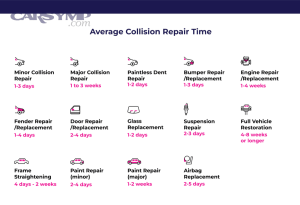
A useful way to evaluate this is to ask three questions before approving repairs: Does the warranty cover replacement parts? Does it cover diagnostic retesting and reinstall labor? Does it apply nationwide or only at the original location? Shops with stronger programs typically answer all three in writing. AAA’s public materials, for example, describe repair programs that include both parts and labor for fixed time-and-mileage periods, showing how stronger shop-backed policies work in practice. According to AAA member materials published in 2025, AAA Owned Car Care locations back repair work for 36 months or 36,000 miles, while AAA Approved Auto Repair facilities provide 24 months or 24,000 miles on covered work. (acg.aaa.com)
What Does a Repair Warranty Not Cover?
A repair warranty does not cover everything; it usually excludes unrelated failures, normal wear, misuse, neglected maintenance, accident damage, and any item or condition outside the original repair scope. (consumer.ftc.gov)
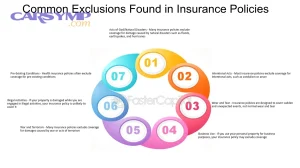
However, exclusions are where most misunderstandings happen. Drivers focus on the word “warranty,” but the real risk sits in the exceptions. Common exclusions and fine print may limit coverage to the first failed part only, require service at the original location, exclude towing or rental costs, or deny claims when maintenance records are missing. Service contracts and extended coverage products can also exclude normal wear and accident damage even when marketing sounds broad. (consumer.ftc.gov)
For car owners, the practical rule is simple: every exclusion narrows the promise. If the estimate or warranty page says “defects in materials and workmanship only,” that phrase usually means the provider is not covering unrelated vehicle aging, pre-existing conditions, or damage caused after the repair. The broader your vehicle’s existing issues, the more carefully you should read the limitation section before signing. (consumer.ftc.gov)
Which Problems Are Commonly Excluded from a Repair Warranty?
There are several common categories of excluded problems: normal wear, unrelated failures, abuse or misuse, accidents, missed maintenance, and components not replaced during the original job. (consumer.ftc.gov)
For example, a battery replacement warranty may not cover a parasitic draw from another electrical issue. A brake warranty may not cover noise caused by rust, contamination, or an unrelated hydraulic fault. Suspension work may exclude tire wear if alignment was not part of the approved job. In transmission or engine repairs, coverage can narrow sharply if fluid neglect, overheating, or aftermarket modifications contributed to the failure. That is why owners should match the current symptom to the original repair line item instead of assuming every comeback is a warranty comeback. (consumer.ftc.gov)
Owners should also watch for process exclusions. Some warranties require notice within the coverage window, prior approval before another shop touches the car, or inspection of the failed component before reimbursement. Missing one step can cause a valid complaint to turn into a denied claim. According to the FTC’s consumer guidance, warranties may be limited by time, mileage, authorized businesses, deductibles, or special reimbursement procedures. (consumer.ftc.gov)
How Is a Covered Repair Different from a New Problem or Normal Wear?
A covered repair relates to the original defective work or replacement part, while a new problem or normal wear involves a separate cause, a different component, or expected aging outside the promised repair scope. (consumer.ftc.gov)
Meanwhile, this comparison becomes easier if you ask whether the present symptom traces directly to the previous invoice. If a shop replaced a front wheel bearing and the same corner develops bearing noise again within the warranty period, that looks like a warranty issue. If a different corner begins making noise, that is a new repair need. If brake pads wear out after a reasonable service life, that may be normal wear rather than failed workmanship. The distinction is mechanical before it is legal. (consumer.ftc.gov)
This is one reason symptom-based documentation helps. Many drivers use Car Symptom tracking tools, and some even refer to sites such as Car Symp when they are trying to translate a noise, vibration, or warning light into plain language before returning to a shop. A symptom log that notes when the issue started, how it feels, and whether it matches the original complaint can help the shop decide whether the matter is covered or newly diagnosed. (carsymp.com)
How Long Does a Warranty on Repairs Last?
A warranty on repairs lasts for the time, mileage, or combined limit written by the provider, and coverage usually ends when either stated limit is reached first. (consumer.ftc.gov)

Then the practical question becomes How long you should expect repairs to last versus how long the warranty lasts. Those are not the same thing. A quality repair may last far beyond the warranty period, while a warranty is simply the provider’s formal promise window. Some shops use short coverage periods, while others use 12-month, 24-month, or 36-month terms, often tied to mileage. Stronger warranty terms do not guarantee perfect workmanship, but they do show the shop is more willing to absorb risk if the same repair fails. (acg.aaa.com)
The safest reading method is “whichever comes first.” If a warranty says 24 months or 24,000 miles, coverage usually ends when you hit either the time limit or the mileage limit. This matters for commuters, rideshare drivers, and families with high annual mileage because they may run out of coverage much sooner than the calendar suggests. (acg.aaa.com)
Are Repair Warranties Based on Time, Mileage, or Both?
Repair warranties are usually based on time, mileage, or both, with combined limits being the most common and the most important for drivers to read carefully. (consumer.ftc.gov)
For example, a local shop may offer a 12-month workmanship warranty with no separate mileage language. A larger program may offer 24 months or 24,000 miles. A dealer or chain with a stronger guarantee may advertise 36 months or 36,000 miles at selected locations. The format matters because it changes how quickly the promise expires for different drivers. Someone who drives 5,000 miles a year experiences that coverage very differently from someone who drives 25,000. (acg.aaa.com)
The table below compares the three most common warranty structures and what each one means in real-world use.
| Warranty structure | What it means | Best for | Main caution |
|---|---|---|---|
| Time only | Coverage ends after a fixed number of months | Low-mileage drivers | Heavy users may like it less if wear appears sooner |
| Mileage only | Coverage ends after a fixed mileage amount | High-use fleets tracking miles closely | Calendar delays can mislead owners |
| Time + mileage | Coverage ends when either limit is reached first | Most retail repair programs | Owners often overlook the “first limit wins” rule |
A time-and-mileage structure is often the clearest because it tells both the owner and the shop when coverage ends, but it also creates the most accidental misunderstandings when people remember only the months and forget the mileage. According to AAA’s published repair program details, common examples in the market include 24-month/24,000-mile and 36-month/36,000-mile coverage structures. (acg.aaa.com)
What Proof Do Car Owners Need to Use a Repair Warranty?
Car owners usually need the repair invoice, written warranty terms, current mileage, service dates, and a clear description of the returning symptom to use a repair warranty effectively. (consumer.ftc.gov)
More importantly, the invoice should show exactly what parts were installed, what labor was performed, and whether the shop noted any declined recommendations. That last point matters because a shop may argue that a later failure came from an unrepaired related component that the customer previously declined. If the paper trail is weak, the claim becomes a dispute about memory instead of a review of the job record. Getting warranty terms in writing prevents that problem before it starts. (consumer.ftc.gov)
Good proof also includes photos, saved messages, and a symptom timeline. If the issue appears only when braking downhill, only on cold starts, or only above highway speed, note that. The clearer the pattern, the easier it is for the shop to test the complaint and decide whether the fault is a repeat of the original job. According to the FTC, reading the warranty for coverage, duration, and limits is essential because unlisted repairs should not be assumed to be covered. (consumer.ftc.gov)
What Rights Do Car Owners Have If a Repair Fails?
Car owners have the right to ask for a reinspection, request warranty performance under the written terms, escalate unfair denials, and file complaints with consumer-protection channels when a provider refuses to honor a valid promise. (ftc.gov)

In addition, federal and state consumer-protection rules matter most when the dispute is about deceptive warranty practices, failed disclosures, or refusal to honor an offered promise. The Magnuson-Moss Warranty Act sets disclosure standards for written warranties and limits certain unfair restrictions, while the FTC has repeatedly emphasized that companies generally cannot condition warranty coverage on using only branded parts or services unless legal requirements are met. (ftc.gov)
For owners, the most effective rights strategy is practical rather than confrontational: return promptly, document the problem, ask for the manager, request a written inspection outcome, and escalate only if the shop refuses to apply its own terms. This keeps the dispute tied to the repair order and reduces the chance that the matter turns into a vague argument about whether the car is “acting up again.”
Can You Ask the Shop to Reinspect and Re-repair the Vehicle?
Yes, you can ask the shop to reinspect and re-repair the vehicle, and you should do so quickly, with the invoice, the warranty terms, and a clear description of the returning symptom. (ftc.gov)
Specifically, this is the first step in How to file a warranty claim on repairs. Contact the original shop, explain that the same or a related symptom has returned, and request an inspection under the existing repair warranty. Give the shop a fair chance to confirm whether the issue involves defective workmanship, a failed replacement part, or a new problem. Many disputes can be solved at this stage if the owner stays precise and the shop keeps good records.
The strongest claim presentation includes the original complaint, the date of repair, the mileage at repair, the current mileage, and exactly what the car is doing now. A short symptom note is better than a long emotional summary. For example: “Front brakes serviced 4 months ago at 5,200 miles; pulsation returned at 8,100 miles during moderate highway braking.” That format helps the technician test the condition instead of guessing at it. (consumer.ftc.gov)
What Should You Do If the Shop Refuses to Honor the Repair Warranty?
You should escalate in stages: ask for a manager review, request the denial in writing, contact the warranty administrator or manufacturer if relevant, and then file a complaint with consumer-protection agencies if the refusal appears unfair. (ftc.gov)
Besides, escalation works best when you stay factual. State what was repaired, what the written terms say, why the returning issue appears covered, and what resolution you want. If the work was performed by a dealer under manufacturer-backed coverage, you may need to escalate to the manufacturer or another authorized dealer. If the work was done under an extended service contract, the administrator’s claim process may control the next step. According to the FTC, consumers who believe a claim has been denied unfairly should complain to a supervisor, then to the manufacturer or other appropriate channels, and may also file complaints with state or federal consumer offices. (ftc.gov)
If the dispute is local and small enough, a state consumer-protection office can also matter. Georgia’s consumer guidance says that many disputes can often be resolved by speaking to a person in authority at the business first, such as a manager or company president, before escalating a complaint. That sequence is practical because it gives the business a chance to fix the issue while building a record if it does not.
How Can Car Owners Compare Repair Warranties Before Approving Work?
Car owners can compare repair warranties by checking written scope, parts-versus-labor coverage, time-and-mileage limits, claim steps, location restrictions, and exclusions before they authorize the repair. (consumer.ftc.gov)
More importantly, Choosing a shop based on warranty strength is not about chasing the longest advertised promise alone. A useful warranty is one you can understand and use. A shorter written warranty that clearly covers both parts and labor may be worth more than a longer promise with vague exclusions, limited authorized locations, or hard-to-follow reimbursement rules. This is especially true when comparing a dealer, a local independent, and a chain-backed auto repair shop. (consumer.ftc.gov)

Drivers should also compare the strength of the provider behind the promise. A dealer may rely on manufacturer systems for some repairs, an independent shop may offer flexible personal service, and a network shop may offer broader portability if you travel. That is where Dealer warranty vs independent shop warranty becomes less about image and more about how claims actually get handled after the sale. (consumer.ftc.gov)
What Should You Ask a Repair Shop Before Accepting a Warranty?
You should ask what is covered, how long it lasts, whether it includes parts and labor, where claims can be made, what exclusions apply, and whether the terms are provided in writing. (consumer.ftc.gov)
To illustrate, these are the most important questions:
- Is the warranty on the specific repair only, or on related components too?
- Does it cover both parts and labor?
- What is the exact time-and-mileage limit?
- Do I need preapproval before another shop touches the car?
- Are towing, diagnostics, or tear-down time included?
- What maintenance records do I need to keep?
- Can I get the full terms on the estimate or invoice?
Those questions reveal whether the promise is designed to help the customer or mainly to limit the provider’s risk. They also reduce the chance of later confusion about What repair warranties typically cover. The FTC’s consumer guidance explicitly advises customers to understand what is covered and get it in writing because repair warranties may contain significant limitations. (consumer.ftc.gov)
How Does One Shop’s Repair Warranty Compare with Another Shop’s Guarantee?
One shop wins on local flexibility, another on portability, and another on brand-backed systems; the best choice depends on whether you value clarity, nationwide reach, or manufacturer-linked processes most. (consumer.ftc.gov)
A local independent shop may offer personal communication and discretionary goodwill, which can be valuable when a borderline issue appears after the formal warranty window. A dealer may be better when the repair overlaps with manufacturer procedures, recall checks, or factory-backed systems. A network or approved-repair program may be stronger for travelers because a claim can sometimes be handled across locations rather than only where the original repair occurred. That is the practical comparison behind Dealer warranty vs independent shop warranty. (consumer.ftc.gov)
The table below compares common shop types from a car owner’s perspective.
| Shop type | Main strength | Best for | Main tradeoff |
|---|---|---|---|
| Independent shop | Flexible service and relationship-based problem solving | Older vehicles and repeat local customers | Coverage may be location-specific |
| Dealer service department | Access to brand procedures and manufacturer systems | Newer vehicles and factory-related issues | Costs may be higher and coverage narrower on non-factory work |
| Network/approved shop | Clear time-and-mileage programs and wider portability | Travelers and drivers who value standardized claims | Terms may be more procedural |
In short, warranty strength is a mix of clarity, coverage, portability, and how easily a comeback gets approved. According to published AAA program information, some network-style repair systems advertise both parts-and-labor coverage with standardized 24/24 or 36/36 limits, which gives consumers a concrete benchmark when comparing shops. (acg.aaa.com)
How Do Special Repair Warranty Situations Affect Coverage?
Special situations affect coverage by changing who pays, where claims must be filed, and whether the dispute concerns a shop-backed repair promise, a manufacturer warranty, or a separately purchased service contract. (consumer.ftc.gov)

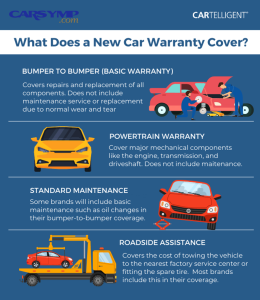
Moreover, this is where many drivers confuse repair warranties with broader protection products. Extended warranties and repair coverage basics matter because a service contract is not the same as a manufacturer warranty under federal law. The FTC explains that an auto service contract is purchased separately and is not itself a warranty as federal law defines that term. That difference changes the rules, the claim process, and the exclusions. (consumer.ftc.gov)
Once you move into these special situations, the question is no longer just “Is this repair covered?” It becomes “Which document controls the claim?” The answer may be the shop invoice, a manufacturer booklet, or a third-party contract administrator’s terms. Knowing which layer applies is the fastest way to avoid wasted time and denied reimbursement. (consumer.ftc.gov)
Is a Written Repair Warranty Better Than a Verbal Promise?
Yes, a written repair warranty is better than a verbal promise because it defines scope, duration, and process, and it gives both sides a record when the repair is questioned later. (consumer.ftc.gov)
For example, a verbal statement like “We’ll take care of you if anything happens” feels reassuring but does not answer whether coverage includes labor, towing, diagnostics, or related components. A written term does. It also helps if ownership changes, if the service advisor leaves, or if the customer returns months later and the memory of the conversation has faded. Getting warranty terms in writing is not just a paperwork preference; it is a claim strategy. (consumer.ftc.gov)
This is also the easiest way to control Common exclusions and fine print. If the terms are not written, the exclusions cannot be reviewed in advance. If they are written, the customer can compare them with another quote and decide whether the lower price is worth the weaker warranty. (consumer.ftc.gov)
Does Using an Independent Shop Affect a Manufacturer or Extended Warranty?
Using an independent shop does not automatically void a manufacturer warranty, and it may or may not affect a service contract depending on the contract’s procedures and authorization rules. (ftc.gov)
However, the safest approach is to separate factory warranty rights from service-contract procedures. Under FTC guidance discussing Magnuson-Moss protections, manufacturers generally cannot require consumers to use only branded parts or named services as a condition of warranty coverage unless those items or services are provided free or a waiver applies. That protects consumers who use competent independent repairers for appropriate work. (ftc.gov)
A third-party service contract is different. It may require preapproval, approved facilities, or specific claim steps before tear-down or repair. So while the repair location alone may not void rights, failing to follow the contract process still can lead to nonpayment. This is why Dealer warranty vs independent shop warranty and Extended warranties and repair coverage basics belong in the same conversation. (consumer.ftc.gov)
Are Nationwide Repair Warranties Better Than Local Shop Guarantees?
Nationwide repair warranties are better for portability, while local shop guarantees are often better for personal discretion and direct relationship-based solutions. (acg.aaa.com)
On the other hand, portability only helps if the terms are easy to use. A nationwide program may require proof of original repair, approved follow-up locations, and claim confirmation before work begins. A local independent may solve the same problem faster because the original technician already knows the vehicle history. So the better choice depends on how you use the car. Frequent travelers benefit more from portability. Long-term local customers may benefit more from relationship-driven service. (acg.aaa.com)
This is one of the best examples of Choosing a shop based on warranty strength. Portability, clarity, and responsiveness all matter, but they matter differently depending on the driver. A commuter who stays local may never use nationwide coverage. A family on road trips may consider it essential. (acg.aaa.com)
What Happens When a Warranty Dispute Involves Aftermarket Parts or Maintenance Gaps?
When a dispute involves aftermarket parts or missing maintenance records, the key issue becomes causation: whether the provider can reasonably link the failure to the excluded part, neglected upkeep, or another noncovered condition. (ftc.gov)
More specifically, the shop or provider may argue that the new failure came from a separate part you supplied, an unrelated modification, or skipped maintenance that contributed to the breakdown. The owner’s best response is documentation: service records, prior inspection notes, and proof that the claimed defect connects to the covered repair rather than a separate condition. If the provider is making a broad denial, ask for the exact reason in writing. (consumer.ftc.gov)
According to FTC guidance on Magnuson-Moss-related repair restrictions, companies generally cannot impose unfair “use only our service” conditions as a blanket warranty rule, but claim outcomes still turn on whether the evidence shows the covered repair failed or whether another excluded cause created the problem. That is why precise diagnosis, clear paperwork, and fast reporting matter more than broad assumptions about coverage. (ftc.gov)