


A warranty on brake jobs and common repairs usually covers defective parts, faulty workmanship, or both, but it does not automatically cover every future problem with the same system. In real-world auto repair, the most important point is simple: coverage depends on the written terms, the time or mileage limit, and whether the failure came from a defect or from normal wear. That is why car owners need to read the repair warranty carefully instead of assuming all brake work is protected. ([consumer.ftc.gov](https://consumer.ftc.gov/articles/0211-auto-repair-basics))
Parts and labor also do not mean the same thing. A parts warranty normally applies to the component itself, while a labor warranty applies to the installation work required to correct a covered problem. In practice, a repair can include one without fully matching the other, which is why a shop’s warranty on repairs can sound generous at first but still leave a customer paying for some costs later. ([consumer.ftc.gov](https://consumer.ftc.gov/articles/warranties))
Coverage questions also become more confusing when brake pads, rotors, calipers, or other common repair items wear out through normal use. Brakes are safety-critical, but many brake components are still considered maintenance items because friction materials wear down over time. That distinction matters because many warranties exclude wear items even when they cover defects in related parts or labor. ([nhtsa.gov](https://www.nhtsa.gov/sites/nhtsa.gov/files/documents/mvdefectsandrecalls_808795.pdf))
Car owners also need to know how to compare repair shops, read the fine print, and handle claims correctly. A longer warranty is helpful, but the strongest protection comes from clear written terms, a practical claims process, and a shop that explains coverage before the work begins. Introduce a new idea: the sections below break down exactly what brake and repair warranties usually cover, what they often exclude, and how to protect yourself before and after the repair. ([consumer.ftc.gov](https://consumer.ftc.gov/articles/0211-auto-repair-basics))
What does a warranty on brake jobs and common repairs actually cover?
A warranty on brake jobs and common repairs usually covers defective workmanship, defective replacement parts, or both, within stated time and mileage limits.
To better understand that coverage, it helps to separate what a shop promises to fix from what simply wears out through normal use.
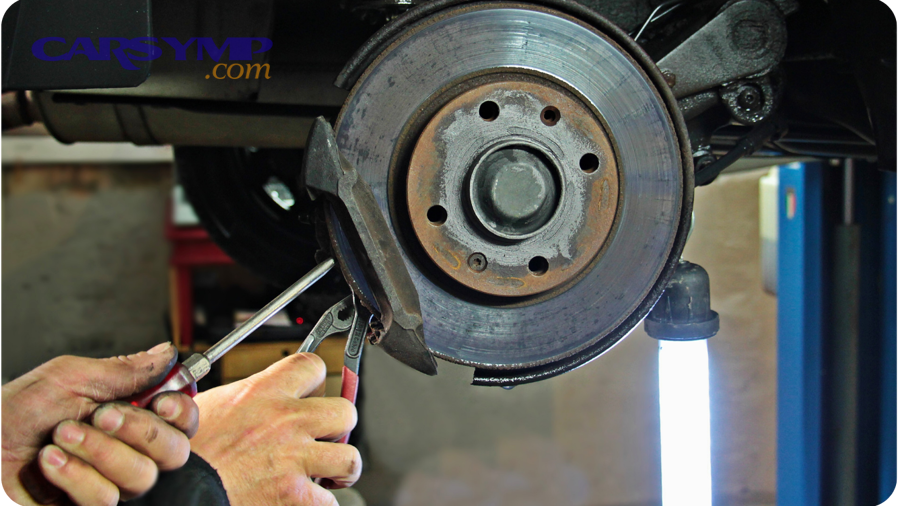
When a repair shop offers a warranty, it is promising that a repair it performed will meet the standard described in its written terms. In the context of brake work, that often means the shop will correct a problem if a newly installed covered part fails because of a defect, or if the installation itself was done incorrectly. For common repairs outside the brake system, the same structure applies. An alternator, starter, battery, suspension component, or water pump may be covered if the specific warranty says the part or the labor is protected.
The key point is that no universal rule automatically applies to every shop or every repair. The Federal Trade Commission states that there is no standard warranty on repairs, and it advises consumers to understand exactly what is covered and to get it in writing. That alone explains why two brake jobs that sound similar at the counter can create very different warranty outcomes later. One shop may cover both parts and labor for 12 months or 12,000 miles, while another may cover only the part supplier’s defect policy and not the labor needed to reinstall the part. ([consumer.ftc.gov](https://consumer.ftc.gov/articles/0211-auto-repair-basics))
Is a brake job usually covered by a repair warranty?
Yes, a brake job is usually covered by a repair warranty for defects in parts, defects in workmanship, and specified follow-up corrections, but not for every future brake issue.
More specifically, brake coverage usually protects the repair itself rather than the entire brake system forever.
A brake job typically includes some combination of brake pads, rotors, hardware, caliper service, brake fluid service, inspection, and labor. If a technician installs the hardware incorrectly, fails to torque parts properly, or creates a noise or vibration because of poor workmanship, that problem is often the kind of issue a shop warranty is designed to address. If a covered pad or rotor turns out to be defective under the supplier’s terms, the customer may also qualify for replacement.
However, a customer should not treat the phrase “brake warranty” as a guarantee that all future brake wear will be free. Brake pads and shoes are designed to wear. Rotors may also wear or become damaged by heat, contamination, or severe use. If the problem comes from ordinary wear, harsh use, outside contamination, or lack of maintenance, the claim may be denied even when the original invoice mentions a warranty.
This is where many misunderstandings begin. A person hears that the shop “warranties the brake job,” but the actual promise may only apply to defects in the installed parts, labor mistakes, or both. The safer approach is to ask three direct questions before approving work: What exact parts are covered, what labor is covered, and what events void coverage?
What is included in “common repairs” under a shop warranty?
Common repairs under a shop warranty are routine mechanical services such as brake work, starter replacement, alternator replacement, battery installation, suspension work, and similar repairs named in the written terms.
Next, the scope of “common repairs” makes more sense when you think of them as invoice-based repairs rather than broad system guarantees.
In most shops, the warranty follows the specific repair order. If the shop replaced front brake pads and rotors, the warranty normally relates to those replaced items and the labor involved in installing them. If the same shop later replaces a starter or tie-rod end, that new job may carry a separate coverage period tied to a different invoice. This matters because car owners sometimes assume one broad relationship with a shop equals blanket protection across multiple repairs. It usually does not.
A practical way to view common repairs is to group them into categories:
- Brake repairs: pads, rotors, calipers, hoses, hardware, fluid service
- Electrical repairs: batteries, starters, alternators, some wiring-related replacements
- Cooling system repairs: water pumps, thermostats, hoses, radiators
- Suspension and steering repairs: ball joints, tie rods, control arms, struts
- Accessory and drivability repairs: sensors, belts, tensioners, some ignition components
A warranty on repairs generally attaches to whichever covered parts and labor the shop actually provided. That is why Getting warranty terms in writing is not a formality. It is the easiest way to know whether the repair promise applies to the full job, only to certain components, or only to specific failure modes.
According to the FTC, repair warranties can include limitations based on time, mileage, deductibles, authorized businesses, or special reimbursement procedures, which means the same label “warranty” can hide very different obligations from one repair seller to another. ([consumer.ftc.gov](https://consumer.ftc.gov/articles/0211-auto-repair-basics))
What is the difference between parts warranty and labor warranty?
Parts warranty protects the replacement component, while labor warranty protects the installation work required to correct a covered problem.
To better understand the difference, you need to look at who pays when the repair fails and why it failed in the first place.
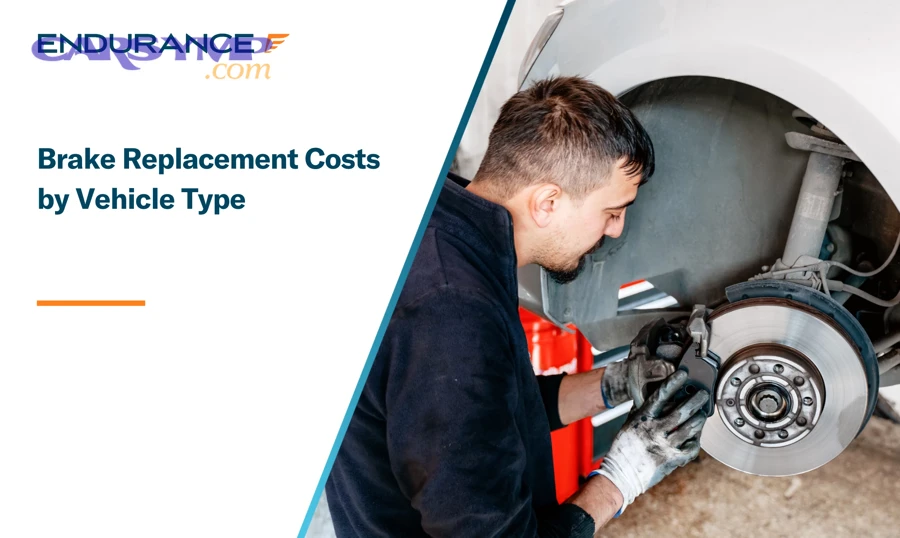
This distinction is the center of most repair-warranty confusion. A customer may hear that a new component is under warranty and assume the entire redo will be free. But many claims split into two pieces: the part itself and the labor required to diagnose, remove, reinstall, and test it. When the replacement part supplier covers only the defective component, the customer may still face labor charges if the shop’s own labor policy is shorter or narrower.
That is why this topic matters so much for brake jobs and common repairs. A low-priced brake service can appear identical to a premium one on the invoice total, yet the stronger value may come from better labor coverage, easier claims handling, and fewer exclusions in the fine print.
What is a parts warranty?
A parts warranty is a written promise that a replacement component will be repaired, replaced, or credited if it fails because of a covered defect.
Specifically, the standout feature of a parts warranty is that it follows the component itself, not every cost created by that component.
In auto repair, the parts warranty usually comes from either the part manufacturer, the distributor, or the repair shop that supplied the part. If a new rotor, caliper, wheel bearing, or alternator fails because of a manufacturing defect, the part warranty may allow the faulty unit to be replaced. In many cases, however, the exact remedy depends on the supplier’s rules. Some cover only exchange of the part. Others allow limited labor reimbursement. Some cover the first replacement only. Others require inspection before approval.
For brake jobs, a parts warranty often matters most when the replacement part is defective rather than worn out. For example, a rotor with a true manufacturing defect or a caliper with an internal failure may qualify differently from pads that simply wore down through ordinary use. A car owner should also understand that “lifetime” parts language does not always mean lifetime free service in the broad sense. It may mean only that the physical part can be replaced under certain conditions while labor remains separate.
This is why Common exclusions and fine print deserve attention before the work starts. If the invoice says the part is covered but the labor is separate after a certain period, the total out-of-pocket result may surprise the customer later.
How is labor warranty different from parts warranty?
Parts warranty wins for defective components, labor warranty is best for installation-related corrections, and combined coverage is optimal for complete repair protection.
However, labor warranty works differently because it addresses the technician’s work, the reinstall cost, and the shop’s responsibility for the repair outcome.
A labor warranty usually covers the work performed by the repair facility. If the shop installed brake hardware incorrectly, failed to complete the service properly, or must redo a covered repair because of workmanship, labor coverage is what keeps the customer from paying again for the technician’s time. In many real-life claims, labor is the more valuable part of the warranty because repeat diagnostic and installation time can cost as much as, or more than, the replacement component itself.
The practical differences between parts and labor can be summarized this way:
- Parts warranty: focuses on the replacement component
- Labor warranty: focuses on the service work and reinstall effort
- Cause of failure matters: defect vs. workmanship vs. wear vs. outside cause
- Coverage length may differ: a part can carry longer coverage than the labor tied to it
- Claims handling may differ: the shop may approve labor, while the supplier approves the part
For a brake job, labor warranty may cover squeal, pulsation, or hardware-related correction if the problem traces back to installation error or covered workmanship. But it may not cover later wear from aggressive driving, contamination, towing, off-road debris, or delayed maintenance. The strongest repair value therefore comes from a written policy that clearly states both parts and labor obligations instead of relying on verbal promises.
The FTC advises consumers to check whether a warranty covers specific repairs, how claims are handled, and whether labor is included, because warranties do not necessarily cover all situations or all repair costs. ([consumer.ftc.gov](https://consumer.ftc.gov/articles/warranties))
Which brake components and repair items are usually covered or excluded?
There are two main groups in repair warranty coverage: covered defects in listed parts or labor, and excluded problems caused by wear, misuse, contamination, or non-covered conditions.
Let’s explore those groups directly, because this is the point where most brake warranty misunderstandings happen.
When shops and consumers disagree about a warranty claim, the dispute usually comes down to one question: was the failure caused by a covered defect or by an excluded condition? Brake systems are especially prone to this tension because they include both durable hardware and normal wear components. Calipers, hoses, and hardware may be covered differently from pads and shoes. Rotors may qualify differently depending on whether the issue came from a defect, machining quality, installation error, heat damage, or normal wear.
Outside the brake system, common repairs follow the same logic. A defective replacement alternator may be covered. A battery damaged by unrelated charging problems may be only partly covered or not covered at all. A suspension part that fails because of a defect is different from one damaged by impact.
Which brake job items are commonly covered under warranty?
There are four main brake-repair items commonly covered under warranty: defective parts, faulty workmanship, installation-related hardware issues, and approved follow-up corrections on listed components.
Specifically, coverage tends to follow the repair order and the shop’s written promise.
A brake warranty often covers these kinds of issues when the written terms allow them:
- Defective replacement parts such as a faulty caliper, defective hardware kit, or a covered rotor issue tied to the supplied part
- Workmanship errors such as incorrect installation, improper adjustment, or a repair that must be redone because the original service was not completed correctly
- Related hardware provided in the job such as clips, shims, or service components included with the repair
- Approved corrective labor when the shop’s labor warranty remains in force
In practice, “commonly covered” does not mean “always covered.” Coverage still depends on whether the shop supplied the part, whether the issue falls within the listed time or mileage limit, and whether the customer followed the warranty procedures. Some shops require the vehicle to return to the original location or to an approved network facility before outside work is authorized.
This is also where the article title’s emphasis on common repairs becomes useful. The same logic that applies to brake hardware also applies to many everyday repairs. Coverage typically follows listed parts, listed labor, and listed failure conditions.
Which repair items are usually excluded from coverage?
There are five common exclusions in repair warranties: normal wear, misuse, contamination, unrelated failures, and damage from ignored maintenance or outside conditions.
More importantly, excluded items are often the exact issues customers assume will be covered unless they read the fine print first.
Brake pads and shoes are classic examples. NHTSA consumer materials list brake pads and shoes among ordinary wear items that must be inspected, maintained, and replaced periodically. That makes them a poor fit for broad defect-style coverage after they have simply worn down through normal use. Similarly, manufacturer bulletins have noted that accumulated dirt, mud, and debris can accelerate pad wear and that such wear may not be covered by warranty. In harsh-duty use, original linings can wear in under 10,000 miles, especially in muddy, dusty, or corrosive environments. ([nhtsa.gov](https://www.nhtsa.gov/sites/nhtsa.gov/files/documents/mvdefectsandrecalls_808795.pdf))
Common exclusions often include:
- Normal friction-material wear on pads and shoes
- Damage caused by severe use such as towing, repeated hard braking, racing, or commercial-duty stress when not covered
- Environmental contamination such as mud, rust, corrosive exposure, or debris buildup
- Unrelated vehicle problems that damage the repaired part
- Unauthorized outside repairs performed before claim approval
- Noise, vibration, or roughness caused by conditions outside covered workmanship or defects
- Failures caused by neglected maintenance such as ignoring warning signs or continuing to drive with worn components
These exclusions are not trivial details. They are the line between a free redo and a denied claim. For that reason, carsymp.com and similar consumer-oriented automotive resources often emphasize reading the invoice carefully and asking the shop to define what it means by “covered.” That simple habit reduces disputes far more effectively than relying on memory after the repair has already failed.
According to NHTSA consumer guidance, ordinary wear items such as brake pads and shoes are examples of equipment that must be replaced periodically rather than treated as automatic safety-defect coverage. ([nhtsa.gov](https://www.nhtsa.gov/sites/nhtsa.gov/files/documents/mvdefectsandrecalls_808795.pdf))
How long does a repair warranty usually last?
Repair warranties usually last for a stated period of time, a stated mileage limit, or both, depending on the shop, part supplier, and repair type.
Then, once duration is clear, the next question becomes whether that duration actually gives meaningful protection.

The phrase “12 months or 12,000 miles” is common because it gives the shop two ways to define the outer boundary of coverage. A customer who drives very little may hit the time limit first. A commuter or delivery driver may reach the mileage limit much sooner. The crucial detail is that most repair warranties do not continue indefinitely just because the repaired system remains on the vehicle.
Duration also depends on what kind of protection is being discussed. The labor may carry one term, while the part supplier offers another. A national chain may provide a network-backed warranty that differs from the local shop’s in-house policy. Some limited warranties cover only certain components of the job. Others cover the whole repair order.
Are repair warranties based on time, mileage, or both?
Yes, repair warranties are commonly based on time, mileage, or both because shops need a clear way to define how long coverage remains active.
Specifically, using both limits helps the repair seller manage claims while giving the customer a measurable coverage window.
A time-based warranty might say 12 months, 24 months, or another period from the invoice date. A mileage-based warranty might say 12,000 miles, 24,000 miles, or another distance from the odometer reading at repair. A combined warranty usually means coverage ends when either the time or mileage threshold is reached first. That structure is easy to administer and common in automotive service because vehicle usage varies so widely.
The FTC advises consumers to examine whether a warranty expires after a certain amount of time or mileage and to look closely at what limitations apply. That guidance matters because a generous-sounding term can still be narrow if it excludes labor, restricts approved locations, or applies only to listed parts. ([consumer.ftc.gov](https://consumer.ftc.gov/articles/warranties))
For brake jobs, short high-mileage intervals may not offer much benefit to drivers who spend long hours commuting. On the other hand, a longer time-based term may help owners who drive fewer miles but keep the vehicle for years. The best way to judge the value is not to ask, “How long is the warranty?” but to ask, “What exactly is protected during that period?”
Does a longer warranty always mean better protection?
No, a longer warranty does not always mean better protection because exclusions, labor limits, approval rules, and reimbursement procedures can narrow real coverage.
However, the value of duration becomes clearer when you compare length with the claim conditions attached to it.
A two-year warranty that excludes labor after 90 days may be weaker in practice than a one-year warranty that fully covers both parts and labor with easy local claim handling. Likewise, a long advertised term can lose value if the customer must pay deductibles, use only certain locations, or wait through a difficult reimbursement process.
The FTC specifically warns that warranty value depends on the details, including hidden costs, reimbursement limits, who is responsible for coverage, and how the claims process works. That advice applies just as strongly to service contracts and extended coverage as it does to built-in written warranties. ([consumer.ftc.gov](https://consumer.ftc.gov/articles/extended-warranties-and-service-contracts))
So, when comparing two brake-repair offers, do not let the number alone make the decision. Ask whether the warranty includes labor, whether the claim must go through the original shop, whether the replacement part must be inspected first, and whether exclusions apply to heavy use or wear. A long warranty only helps when the repair seller makes it practical to use.
According to the FTC, warranty value depends on coverage details, claims process, limits, and who stands behind the promise, not just on the length of the term. ([consumer.ftc.gov](https://consumer.ftc.gov/articles/warranties))
How can car owners tell whether a repair warranty is worth trusting?
A repair warranty is worth trusting when it clearly states covered parts, covered labor, claim steps, limits, and exclusions in writing, and when the seller has a practical way to honor it.
In addition, trust grows when the warranty language matches the invoice and the shop’s spoken promises.
Many drivers evaluate a repair quote only by price, yet the stronger long-term value often comes from transparency. A trustworthy warranty explains what the shop will do, what the customer must do, and what events end coverage. It also makes it easy to confirm dates, mileage, and the responsible party. Without those details, a warranty becomes more of a sales phrase than a working consumer protection tool.
This section matters because many post-repair frustrations are not caused by bad intentions alone. They come from vague expectations. The customer thinks the whole system is covered. The shop thinks only the replaced part is covered. A clear written policy prevents that mismatch.
What should be written on a repair invoice or warranty document?
A strong repair document should list covered parts, covered labor, time or mileage limits, exclusions, claim steps, and who must approve the work.
To illustrate, the written terms should answer the questions a customer would otherwise ask during a later dispute.
A reliable brake or repair warranty document should include:
- The exact repair performed
- The exact parts installed
- Whether labor is covered and for how long
- The start date and odometer basis for coverage
- Any time or mileage expiration rule
- Exclusions such as wear, contamination, misuse, unrelated failures, and unauthorized repairs
- Whether the original shop or a network location must handle the claim
- Whether pre-approval is required before another shop touches the vehicle
- Any deductibles, reimbursement caps, or diagnostic limits
The FTC says consumers should get warranty details in writing and should also get spoken promises in writing, because a business may later refuse to perform a service that was never documented. That rule is especially important in auto repair, where verbal explanations at the counter can be forgotten or disputed weeks later. ([consumer.ftc.gov](https://consumer.ftc.gov/articles/warranties))
Getting warranty terms in writing is not just smart paperwork. It is the customer’s best evidence if the repair fails, the original advisor leaves the shop, or the business later interprets the promise more narrowly than expected.
How should you compare two repair shop warranties?
Parts-only coverage wins on upfront simplicity, parts-and-labor coverage is best for complete value, and network-backed coverage is optimal for drivers who travel or relocate.
Meanwhile, the best comparison method is to weigh clarity, cost, and claim convenience together rather than comparing slogans.
When comparing two repair shop warranties, ask the same structured questions for both. Which parts are covered? Is labor included? Is the warranty honored only at one location or at multiple locations? Does the shop require prior authorization? Are friction materials, noise complaints, or performance issues excluded? Does the policy mention commercial use, towing, or off-road use?
A short written warranty that clearly covers both parts and labor may outperform a longer vague one. A local shop-only warranty may be perfectly good for drivers who stay near home, but a nationwide policy may be better for commuters, road-trippers, students, and families with vehicles used across state lines. The right answer depends on usage pattern as much as on legal wording.
This is where Common exclusions and fine print again shape the real value. If one shop offers a lower repair price but leaves labor outside the part warranty after a very short window, the customer may face higher total cost if the job must be repeated. Comparing price without comparing warranty structure misses the true economic picture.
The FTC advises buyers to review warranty reputation, coverage, length, and claims process before deciding, because a warranty can be a meaningful reason to choose one seller over another. ([consumer.ftc.gov](https://consumer.ftc.gov/articles/warranties))
How do you file a warranty claim for a brake job or common repair?
Filing a repair warranty claim usually requires five steps: document the problem, review the written terms, contact the original repair seller, follow approval procedures, and keep records until the claim closes.
Below, the process becomes much easier when you act early and avoid unauthorized follow-up work.
Many valid claims fail because the customer waits too long, keeps driving until extra damage occurs, or authorizes another shop before the original seller has a chance to inspect the problem. A repair warranty is not only about whether the failure qualifies. It is also about whether the customer followed the required procedure. That is why documentation and timing matter so much.
Can you claim a repair warranty without written proof?
No, claiming a repair warranty without written proof is much harder because the invoice, dates, mileage, and stated terms are what define the seller’s obligation.
More specifically, written proof turns a memory-based complaint into a document-based claim.
If the shop gave only a verbal promise, the customer may still try to resolve the issue, but the process becomes less certain. The FTC warns that spoken promises should be put in writing because a business might later refuse to perform a service if the promise was never documented. In practical terms, that means the original invoice, the warranty statement, payment receipt, and any follow-up messages are the foundation of the claim. ([consumer.ftc.gov](https://consumer.ftc.gov/articles/warranties))
Customers should keep:
- The original repair order
- The final paid invoice
- The written warranty language
- Mileage and date records
- Photos or videos of the symptom if relevant
- Notes from calls, emails, or texts with the shop
If you no longer have the paperwork, ask the shop for a copy immediately. Many repair businesses can reprint invoices, but that is easier when done promptly. The faster you gather the record, the easier it is to prove the repair falls within the stated coverage period.
What steps should you follow when a covered repair fails?
The best method is to follow five steps for the claim: stop avoidable damage, document symptoms, review the terms, contact the warrantor first, and approve only authorized follow-up work.
Then, once the problem is documented, you can protect both safety and reimbursement rights.
Start by identifying whether the vehicle is safe to drive. If a brake problem involves grinding, severe pulling, fluid loss, warning lights, or reduced stopping ability, stop using the vehicle except as needed for safe transport. Safety comes first. After that, document the issue with photos, notes, warning messages, and a description of when the symptom occurs.
Next, read the warranty language tied to the invoice. Confirm whether the part, labor, or both are covered, and note any rules about returning to the original shop or using an approved location. Contact the warrantor before authorizing outside work whenever possible. This step is critical because some warranties deny reimbursement if another facility performs repair or disassembly without approval.
If the shop asks to inspect the vehicle, bring the invoice and explain the symptom clearly. If the repair seller denies the claim and you believe the written terms support you, escalate the issue in writing. The FTC says consumers should contact the seller first and then write to the manufacturer or provider if the seller does not resolve the problem. It also recommends keeping records and using written communication that proves delivery when the dispute matters. ([consumer.ftc.gov](https://consumer.ftc.gov/articles/warranties))
According to the FTC, if you report a defect during the warranty period and it is not fixed properly, the company still must correct the problem even if the warranty expires before the repair is fully completed. ([consumer.ftc.gov](https://consumer.ftc.gov/articles/warranties))
How do special warranty terms change coverage for different repair situations?
Special warranty terms change coverage by limiting where claims can be made, which parts qualify, who may perform follow-up work, and whether severe-use conditions alter eligibility.
Especially for modern vehicles, these special terms often matter more than the headline warranty length.
Once the core search intent is answered, the next layer is context. Two warranties with the same duration may work very differently if one is honored nationwide, one is limited to a single shop, one uses OEM parts, and one relies on aftermarket suppliers. This is where supplementary content expands the meaning of warranty coverage beyond the basic promise.
Is a nationwide repair warranty better than a shop-only warranty?
Nationwide coverage wins for convenience, shop-only coverage can win for personal accountability, and the better option depends on how and where the vehicle is used.
However, the right choice becomes clear when you match the warranty structure to your driving pattern.
A nationwide repair warranty is especially helpful for people who travel often, relocate, attend school away from home, or put many miles on the vehicle in multiple regions. The value is not only geographic reach but also claim convenience. If a covered issue appears far from the original shop, a network-backed warranty may allow service without a long return trip.
A shop-only warranty, on the other hand, can still be strong if the original repair facility is reputable, nearby, and willing to stand behind its work quickly. Some drivers prefer this arrangement because the same technicians can inspect the original repair and correct issues without third-party coordination.
The important part is not the label alone. Ask whether the nationwide coverage is direct pay or reimbursement, whether pre-approval is required, and whether all network locations honor both parts and labor. A broad map means little if the process is difficult to use.
Do OEM and aftermarket parts have different warranty terms?
OEM parts win for brand-specific consistency, aftermarket parts are often best for value, and the best warranty depends on the supplier’s defect policy and labor support.
More specifically, part origin matters because the warranty usually follows the supplier’s rules as much as the shop’s own labor policy.
OEM parts come from the vehicle manufacturer or its authorized supply chain. Aftermarket parts come from independent manufacturers. Either can be good, but their warranty structures may differ in duration, replacement method, and labor reimbursement. Some aftermarket brands offer strong warranties, while some OEM parts provide better fit or brand confidence. The key is not to assume one category always includes better practical coverage.
The FTC also notes that federal law generally prevents a manufacturer from requiring consumers to use only specific branded parts or services to keep warranty coverage unless the manufacturer provides them free or receives a waiver from the FTC. That means consumers should focus on actual contract terms and repair quality rather than myths about automatic warranty loss. ([consumer.ftc.gov](https://consumer.ftc.gov/articles/warranties))
For brake jobs, this distinction matters when comparing quotes. A shop using premium aftermarket pads with a strong replacement policy may offer excellent value, but only if the labor terms are also clear.
Can another repair shop void or affect your original warranty claim?
Yes, another shop can affect your original warranty claim if the written terms require pre-approval, original-seller inspection, or authorized-location service before outside work begins.
On the other hand, the degree of impact depends on the warranty document, not on a blanket rule.
This issue appears often when a driver notices a problem on a trip or after moving. If the warranty requires the original shop to inspect the failure first, an outside repair can complicate proof of cause. The original seller may argue that it can no longer determine whether the failure came from the covered repair, a new unrelated issue, or the second shop’s work.
That is why the safest sequence is to call first, explain the symptom, and ask for written authorization before another facility disassembles or replaces anything. Even if the warranty allows outside work, it may limit reimbursement or require specific documentation. A quick phone call, email, or text can preserve claim rights that would otherwise disappear.
Are performance brake parts and commercial-use repairs treated differently under warranty?
Yes, performance brake parts and commercial-use repairs are often treated differently because severe-duty operation, environmental stress, and specialized components can create narrower coverage terms.
In addition, heavy use changes how wear and defect questions are evaluated.
Performance brake pads and rotors may behave differently from standard daily-driver parts. Noise, dust, and faster wear can be normal characteristics rather than defects. Commercial, fleet, towing, off-road, or harsh-environment vehicles also place more heat and contamination stress on brake systems. Manufacturer bulletins have specifically noted that muddy, dusty, and corrosive environments can accelerate brake wear and that pad life can fall below 10,000 miles in such conditions. ([static.nhtsa.gov](https://static.nhtsa.gov/odi/tsbs/2024/MC-11011018-0001.pdf))
That does not mean these vehicles have no protection. It means the customer should expect more precise exclusions, stronger maintenance expectations, and less tolerance for treating ordinary severe-use wear as a warranty defect. For owners of work trucks, modified vehicles, or performance builds, asking about use-condition exclusions before the repair is one of the smartest ways to avoid later disputes.
According to General Motors service information published in October 2024, vehicles used in muddy, dusty, or corrosive environments can experience early brake wear, with some original linings wearing out in under 10,000 miles, and pad life is influenced by preventive maintenance. ([static.nhtsa.gov](https://static.nhtsa.gov/odi/tsbs/2024/MC-11011018-0001.pdf))
In short, understanding warranty coverage for brake jobs and common repairs comes down to one principle: read the exact promise, match it to the actual repair, and verify how parts, labor, exclusions, and claim procedures work before you need them. When you do that, a warranty stops being vague sales language and becomes a practical tool for protecting your repair investment.