


Auto repairs should last a reasonable amount of time after the problem is fixed, not just long enough to get the car out of the shop. In practical terms, a proper repair should resolve the original symptom under normal driving conditions, reflect solid workmanship, and match the expected life of the part or system involved. That is the core expectation behind repair lifespan, and it is the first standard car owners should use when deciding whether a repair held up or failed too soon.
That expectation becomes more useful when you look at what actually shapes repair durability. Part quality, labor quality, the condition of related components, and the way the vehicle is driven all affect whether the repair remains successful. A brake job, cooling-system repair, sensor replacement, or suspension fix can all last very differently, even when each job is technically completed correctly.
Repair lifespan also overlaps with warranty protection, but the two are not identical. A fix may feel too short-lived even if the written coverage has ended, and a repair may stay under coverage without ever failing. This is why car owners need to understand warranty on repairs, the difference between parts and labor coverage, and the importance of Getting warranty terms in writing before a problem comes back.
Many drivers also want to know what to do when the same issue returns, whether extended coverage changes the equation, and how Extended warranties and repair coverage basics affect real-world ownership decisions. Introduce a new idea: the sections below explain how long repairs should last, what warning signs matter, how warranties fit in, and how to judge whether a shop’s work met a reasonable standard.
How Long Should Auto Repairs Last for Car Owners?
A proper auto repair should last beyond the immediate problem because it solves the underlying fault, restores function, and holds up under normal driving.
To better understand repair lifespan, it helps to separate short-term symptom relief from a durable fix that addresses the real mechanical or electrical cause.
Is a Car Repair Supposed to Last Beyond the Immediate Problem?
Yes, a car repair is supposed to last beyond the immediate problem for at least three reasons: it should restore safe operation, resolve the original complaint, and provide value for the money the owner paid. A repair that fails almost immediately rarely feels like a true repair to the driver because the vehicle returns to the same condition that prompted service in the first place.
Specifically, the first reason is safety. If a brake repair, steering repair, tire-related correction, or cooling-system fix fails soon after service, the owner cannot rely on the car in the way the repair was meant to restore. Even when the failure is not dangerous, an early repeat problem weakens confidence in the vehicle and often leads to extra downtime, towing, missed work, or additional diagnostic charges.
The second reason is problem resolution. When a shop repairs a vibration, oil leak, no-start issue, warning light, or overheating condition, the repair is meant to eliminate the original fault, not merely reduce it for a few days. A durable fix usually shows up in stable performance: no recurring symptom, no rapid deterioration, and no need for repeated visits for the exact same complaint under normal conditions.
The third reason is value. Car owners do not pay for a repair simply to delay another bill. They pay to restore the function of the vehicle in a meaningful way. That value depends on the part installed, the labor performed, and whether the diagnosis addressed the real cause rather than a surface symptom.
In short, a good repair should survive normal use long enough to feel like the problem was truly corrected, not temporarily hidden.
What Does “A Repair Lasting” Actually Mean?
A repair lasting is the successful performance of a repaired part or system over a reasonable period of normal use after the original problem has been corrected.
More specifically, this idea involves three linked concepts: functional success, durability, and reasonable expectation.
Functional success means the original complaint is gone. If the owner came in for squealing brakes, engine overheating, a battery drain, a suspension clunk, or a check-engine light, that symptom should be eliminated once the repair is completed. Durability means the repair continues to perform without the same failure returning unusually soon. Reasonable expectation means the owner judges the repair based on the type of repair, the age of the car, the severity of use, and whether the item is a wear part.
This matters because not every repair carries the same durability expectation. Replacing wiper blades, tires, or brake pads involves normal wear and scheduled replacement. Fixing a wire short, replacing a wheel bearing, repairing an alternator charging issue, or correcting a coolant leak generally carries a stronger expectation that the original issue will remain resolved for a substantial period.
A repair lasting also differs from warranty status. The repair can be performing well without the owner thinking about coverage at all. Likewise, the vehicle can still be inside a warranty window even if the owner never needs to use it. The practical question is not only “Is it covered?” but also “Did the repair perform in a way that a reasonable driver would expect?”
What Factors Determine How Long an Auto Repair Will Last?
The lifespan of an auto repair depends mainly on part quality, workmanship, vehicle condition, operating conditions, and follow-up maintenance.
Because repair results come from a system rather than a single moment in the shop, each factor can strengthen or shorten the life of the fix.
What Are the Main Factors That Affect Repair Lifespan?
There are five main factors that affect repair lifespan: parts, labor, vehicle condition, driving conditions, and owner maintenance. These categories explain why identical repairs can last very differently from one vehicle to another.
The first factor is parts. The quality of the replacement component matters because even excellent labor cannot make a defective or low-grade part perform like a strong one. OEM parts, premium aftermarket parts, and budget components often differ in materials, manufacturing consistency, tolerances, and expected service life.
The second factor is labor. Installation quality determines whether the part works as designed. A technician may use the right part but still shorten its life by over- or under-torquing fasteners, skipping a related seal, failing to clean mating surfaces, misrouting a belt or wire, or neglecting calibration and reset procedures.
The third factor is the condition of the vehicle around the repair. Older vehicles often have multiple worn parts in the same system. Replacing one failed component inside a neglected system can leave stress on the new part. For example, a new suspension component may not last as expected if nearby bushings or mounts remain heavily worn. A new battery may not solve repeated failure if the charging system or parasitic draw issue remains unresolved.
The fourth factor is operating conditions. Heavy towing, long commutes in stop-and-go traffic, extreme heat, road salt, frequent short trips, dust, and rough roads all increase stress on repaired systems.
The fifth factor is maintenance. Some repairs depend on follow-up care. Fluids must be maintained, filters replaced, alignments checked, and related wear items monitored. Owners who ignore related maintenance can shorten an otherwise solid repair.
Does Part Quality or Workmanship Matter More for Repair Longevity?
Part quality wins in raw material and manufacturing consistency, workmanship is best for correct installation and system integrity, and both are inseparable when the goal is long repair life.
However, repair longevity usually depends on the weaker link between the two.
A premium part can fail early if it is installed incorrectly. A wheel bearing pressed in at the wrong angle, a gasket surface prepared poorly, or a suspension fastener torqued incorrectly can all lead to repeat failure despite good parts. In these cases, workmanship limits the result.
On the other hand, excellent workmanship cannot fully rescue a poor-quality part. A low-grade sensor may produce erratic readings even when installed perfectly. A weak aftermarket mount may collapse faster than an OEM equivalent despite accurate installation. Here, part quality limits the result.
The most realistic view is that part quality and workmanship act together. Car owners should care about both because shops sometimes emphasize only one. A shop may say it uses high-quality parts but give weak attention to procedure, or it may promote strong technicians while relying on inconsistent budget parts. Repair longevity improves most when the part, the diagnosis, and the installation standard all match the vehicle’s needs.
Which Auto Repairs Usually Last Longer Than Others?
Auto repairs usually last longer when they correct a root cause, use durable components, and do not involve parts designed to wear out regularly.
To better understand that difference, it helps to compare long-life repairs with service items that naturally have shorter replacement cycles.
What Types of Repairs Tend to Last a Long Time?
There are four broad types of repairs that tend to last a long time: electrical fault repairs, sealed component replacements, leak corrections done at the true source, and non-wear mechanical repairs based on accurate diagnosis.
Electrical fault repairs often last well when the technician identifies the exact cause, such as a damaged connector, failed sensor, corroded ground, or broken wire. Once the true electrical fault is repaired correctly and protected from moisture or abrasion, the issue often stays resolved for a long period.
Sealed component replacements can also last well, especially when the new component is of good quality and the surrounding system is healthy. Examples include some alternators, starters, wheel bearings, or control modules, though actual lifespan depends on system load and environmental conditions.
Leak corrections last longer when the technician identifies the real leak point rather than replacing nearby parts based on guesswork. A properly repaired valve cover leak, radiator leak, or hose failure may hold up well if the pressure conditions and related materials are also addressed.
Non-wear mechanical repairs can offer strong longevity when they restore normal operation without exposing the new part to abnormal stress. Examples include replacing a failed motor mount, fixing a damaged harness, or repairing a charging-system fault with the correct component and test-confirmed diagnosis.
In each case, the common pattern is not magic; it is root-cause repair. When the diagnosis is correct and the repair removes the actual source of failure, the result is more likely to last.
How Do Wear-Item Repairs Compare With Non-Wear Repairs?
Wear-item repairs are expected to have predictable replacement cycles, while non-wear repairs are usually expected to remain resolved much longer once fixed correctly.
Meanwhile, owners should judge them by different standards to avoid unrealistic expectations.
Wear items include brake pads, brake rotors in many cases, tires, wiper blades, filters, belts, some batteries, and bulbs. These parts deteriorate during normal use. Their lifespan depends heavily on driving habits, climate, vehicle type, and maintenance. A short service life may be disappointing, but it does not automatically suggest poor workmanship because wear itself is built into the part’s function.
Non-wear repairs include wiring fixes, gasket repairs, many sensor replacements, module replacements, water pump repairs, wheel bearing repairs, and many steering or suspension component replacements. These repairs are not expected to cycle as frequently under normal conditions. If the same issue returns very quickly, owners more reasonably suspect defective parts, incomplete diagnosis, or installation problems.
This distinction helps drivers judge outcomes more fairly. Brake pads wearing out over time is normal. The same brake noise returning days after a brake service is not. A radiator hose eventually aging is normal. An identical coolant leak reappearing right after repair is a stronger warning sign. The best question is not simply “Did it fail?” but “Was this part supposed to wear out, or was this problem supposed to be fixed?”
Can a Repair Fail Early Without Meaning the Shop Did a Bad Job?
Yes, a repair can fail early without proving the shop did a bad job because the replacement part may be defective, related faults may remain hidden, or severe use may stress the system unusually fast.
However, early failure still deserves a careful review because repeated problems can also point to diagnosis or workmanship issues.
Can an Auto Repair Fail Early Even If the Shop Repaired It Correctly?
Yes, an auto repair can fail early even after correct service for three common reasons: defective new parts, unresolved related causes, and unusually harsh operating conditions. The existence of these possibilities is why a fair diagnosis matters when a repair comes back.
Defective new parts are more common than many drivers expect. Even reputable suppliers sometimes produce components with hidden faults or inconsistent quality control. A new sensor may fail electrically, a remanufactured alternator may underperform, or a seal may not hold as expected despite correct installation.
Unresolved related causes can also shorten a valid repair. For example, a new battery may fail again if an alternator undercharges. A new tire may wear poorly if alignment problems remain. A replaced thermostat may not solve overheating if the radiator is partially blocked or the head gasket is compromised. In these situations, the original repair may have been correct, but it was not enough to solve the broader system problem.
Harsh operating conditions further complicate the picture. Frequent towing, commercial driving, repeated short trips, mountain use, poor road surfaces, heavy cargo, heat, and corrosion can all shorten component life in ways that do not automatically imply poor workmanship.
That said, “possible” does not mean “always.” A shop should still inspect the vehicle, explain what happened, and distinguish clearly between part failure, workmanship issues, and new or related problems.
What Are the Most Common Reasons a Repair Fails Too Soon?
There are five common reasons a repair fails too soon: bad parts, misdiagnosis, incomplete repair scope, installation error, and neglected related components. These categories explain most repeat-fix complaints in real service situations.
Bad parts are the simplest explanation. The replacement component itself may be weak, defective, or inappropriate for the application.
Misdiagnosis happens when the repair addressed a symptom instead of the cause. Replacing one component may reduce the issue briefly, but the real fault remains active and the symptom returns.
Incomplete repair scope means the technician identified only part of the system problem. A cooling-system issue, suspension problem, or electrical fault may involve multiple worn or damaged points. Replacing only the most obvious item can leave the underlying condition unresolved.
Installation error includes missing steps, improper torque, poor sealing, contamination, or skipped procedures such as resets, bleeding, calibration, or alignment.
Neglected related components matter because new parts often rely on old systems. If the surrounding hardware is near failure, the new repair may not survive as expected.
For owners, these categories provide a practical checklist. If the problem returns, ask which of these five explanations is most likely and what evidence supports that conclusion.
What Warning Signs Show a Repair Did Not Last as It Should?
The clearest warning signs are the return of the same symptom, repeated warning lights, abnormal noises, leaks, drivability problems, and rapid decline soon after service.
Besides recognizing the symptom itself, car owners should pay attention to timing, severity, and how closely the new issue matches the original complaint.
What Are the Warning Signs of a Failed or Short-Lived Repair?
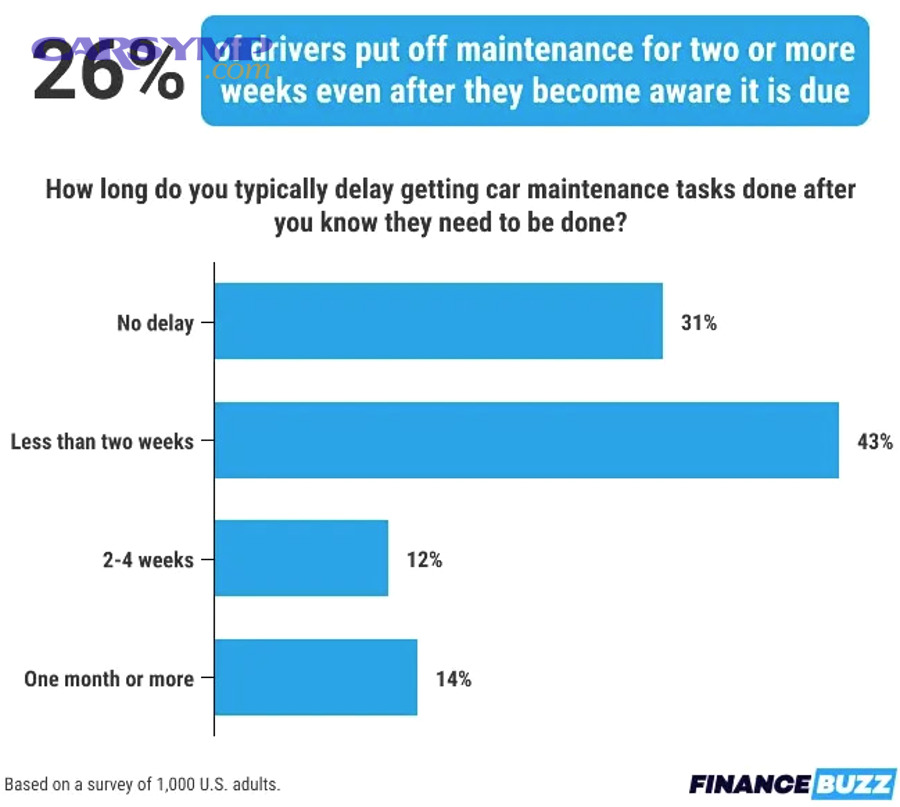
There are six major warning signs of a short-lived repair: repeated symptoms, returning warning lights, fresh fluid leaks, recurring noises or vibration, reduced performance, and repeat visits for the same complaint.
Repeated symptoms are the strongest signal. If the engine overheats again, the same squeal returns, the same check-engine code reappears, or the same vibration comes back under the same driving condition, the previous repair did not fully hold.
Returning warning lights matter because modern vehicles monitor system function closely. A light that reappears soon after service often means the fault was not fully corrected or a related issue remains active.
Fresh leaks after gasket, hose, cooling, steering, or oil-system work often indicate either an unresolved source or a sealing problem. The location and type of fluid can help determine whether it is the same issue or a new one nearby.
Recurring noise or vibration after suspension, brake, tire, wheel bearing, or drivetrain work is especially important because these symptoms often follow specific speed, load, or braking conditions. If the pattern matches the original complaint, owners should mention that clearly.
Reduced performance includes hard starting, poor braking feel, rough shifting, weak charging, unstable idle, or lower fuel economy where relevant. Repeat visits for the same issue also suggest that the first repair did not solve the full problem.
Is the Return of the Exact Same Symptom a Red Flag?
Yes, the return of the exact same symptom is a red flag because it suggests the root cause remains active, the repair scope was incomplete, or the replacement part or installation failed quickly.
More specifically, the closer the match between the old symptom and the new one, the stronger the concern becomes.
If the vehicle makes the same noise at the same speed, leaks from the same area, overheats in the same traffic pattern, or triggers the same dashboard light under the same conditions, the owner should reasonably suspect that the original fault is still present. That does not automatically prove negligence, but it does justify prompt reinspection.
Drivers should document the symptom carefully. Note when it happens, how long after repair it returned, whether it occurs hot or cold, under braking or acceleration, and whether the behavior is identical or only similar. These details help the shop determine whether it is a failed repair, a defective part, or a different issue that happens to feel related.
The key is specificity. “It still feels wrong” is less useful than “the front-end vibration came back at 60 mph three days after the brake and rotor service.” A clear symptom description supports faster diagnosis and a stronger case if coverage becomes a question.
How Do Repair Warranties Relate to How Long Repairs Should Last?
Repair warranties relate to repair lifespan by defining what the shop or provider will cover if the repaired part or service fails within stated terms, but they do not define the entire standard of durability.
In addition, owners need to understand written limits, exclusions, and the practical difference between a repair that should last and one that is still covered.
What Is the Difference Between a Repair Lasting and a Repair Being Under Warranty?
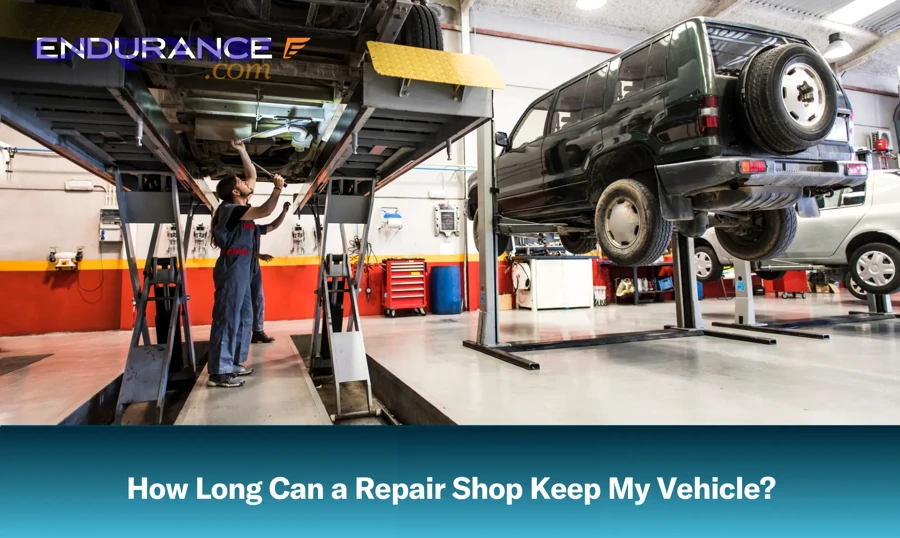
A repair lasting is a performance outcome, while a repair being under warranty is a contractual protection period with defined terms, exclusions, and procedures.
However, these two ideas often overlap in the owner’s mind because both answer the question of whether the repair held up fairly.
When drivers say a repair “should have lasted longer,” they are usually making a durability judgment. They are comparing the outcome to what seems reasonable for the repair type, the money spent, and the time or mileage that passed.
When a shop discusses warranty, it is addressing the written rules that determine whether it will cover replacement parts, labor, or both if something fails. That coverage may be limited by time, mileage, proof of purchase, maintenance requirements, or exclusions for unrelated damage and normal wear.
This is why warranty on repairs matters, but it is not the whole story. A component can fail just outside the coverage period and still seem too short-lived to the owner. On the other hand, a repair can remain fully covered without causing any trouble. One concept is contractual; the other is practical.
Car owners benefit from treating them separately. Ask two questions: “Did this repair last a reasonable amount of time?” and “If not, what does the written warranty actually cover?” That approach reduces confusion and makes shop conversations more focused.
What Do Parts Warranty and Labor Warranty Usually Cover?
Parts warranty usually covers defects in the replacement component, while labor warranty usually covers the work required to install or correct the repair if the covered issue returns within the stated terms.
To better understand the difference, owners should review both the component and the service side of the transaction.
A parts warranty applies to the physical item installed. If the new alternator, water pump, sensor, starter, or other component fails because of a defect, the warranty may provide a replacement part. The exact terms depend on the supplier or shop policy. Some parts have limited terms, while others carry stronger coverage.
A labor warranty applies to the work performed by the shop. If the installation was faulty or the covered repair must be redone because of a qualifying failure, the labor warranty may pay for the technician’s time to remove, replace, or correct the issue.
These terms do not always match. A part may have longer coverage than labor, or vice versa. Some shops offer a combined package, while others separate them clearly. This is why getting warranty terms in writing is so important. Oral explanations are easy to misunderstand, especially when the failure happens months later and the original staff member is unavailable.
Owners should also ask whether coverage is time-based, mileage-based, or both; whether towing is included; whether another location can honor the warranty; and whether related damage is excluded. These are part of extended warranties and repair coverage basics that influence the real value of the repair, not just the invoice total.
What Should Car Owners Do If a Repair Fails Too Soon?
Car owners should return to the original shop, gather documentation, describe the recurring symptom clearly, and request a reinspection before authorizing unrelated new work.
Next, a calm and organized response improves the chance of a fair resolution and reduces confusion about whether the issue is covered.

Should You Return to the Same Shop First When a Repair Fails Early?
Yes, you should usually return to the same shop first because it knows the repair history, may still cover the issue, and has the first opportunity to inspect whether the original work or part is involved.
Moreover, going back promptly creates a clearer service record and can prevent disputes over what changed after the first repair.
Returning to the original shop does not mean surrendering your judgment. It simply recognizes that the shop has access to the invoice, installed parts list, technician notes, and warranty terms. If the issue relates to the recent repair, that shop is often best positioned to inspect it efficiently.
The timing matters. If the problem returns, do not wait until it becomes severe unless driving the vehicle is unsafe. A prompt visit makes it easier to connect the recurrence to the prior repair and may reduce collateral damage.
The tone matters too. Describe the facts clearly: what repair was done, when the symptom returned, under what conditions it appears, and whether it is identical to the previous complaint. A focused explanation gets better results than a general statement of frustration, even when frustration is understandable.
If the shop denies any relationship between the two issues, ask for the explanation in plain language. Request what evidence led to that conclusion and what part of the diagnosis shows it is a new problem rather than a repeat failure.
What Information Should You Bring Back to Support a Repair Complaint?
There are six things you should bring back to support a repair complaint: the invoice, warranty paperwork, dates, mileage, symptom notes, and photos or videos when available. These items turn a vague concern into a documented case.
The invoice shows what was actually repaired. That matters because owners sometimes remember the general service but not the exact component replaced. The warranty paperwork shows what terms apply and whether there are time or mileage limits. Dates and mileage establish how soon the problem returned.
Symptom notes are especially helpful. Write down when the issue appears, whether it is worse during cold starts, highway driving, braking, turning, acceleration, or idling, and whether any lights or messages appeared on the dash. Photos or short videos can support leak, noise, smoke, and warning-light complaints.
If another shop inspected the vehicle, bring that information carefully. A second opinion may help, but it can also create confusion if parts were moved, removed, or changed before the original shop inspected the problem. That is another reason to return first whenever possible.
Documentation does more than support a complaint. It also protects honest shops by giving them enough detail to diagnose the repeat problem accurately and respond fairly.
How Can Car Owners Judge Whether a Repair Lasted a Reasonable Amount of Time?
Car owners can judge a repair reasonably by looking at the repair type, the time and mileage since service, the vehicle’s operating conditions, and whether the same fault truly returned.
Thus, a fair judgment depends on context rather than a single universal number.
What Is a Reasonable Standard for Deciding Whether a Repair Lasted Long Enough?
A reasonable standard combines four factors: repair category, expected wear, conditions of use, and symptom recurrence. That framework gives owners a practical way to assess whether the outcome was acceptable.
First, identify the repair category. Was it a wear item, a root-cause repair, an electrical fix, a major component replacement, or a sealing repair? A wear item has a shorter normal life than a non-wear correction.
Second, consider expected wear. Aggressive braking, harsh roads, heavy loads, extreme climates, and poor maintenance shorten service life. These conditions do not excuse every failure, but they do change what counts as normal.
Third, review time and mileage honestly. A failure that returns almost immediately is easier to view as premature. A failure after long use and substantial mileage may be more consistent with normal service life, depending on the repair.
Fourth, compare the symptom carefully. If the exact same issue returns under the same conditions, the case for an incomplete or failed repair grows stronger.
This framework helps owners avoid two extremes: assuming every repeat issue proves bad workmanship, or assuming any passed time means the repair was acceptable. Reasonableness sits between those positions.
How Should You Compare Normal Wear With Premature Repair Failure?
Normal wear follows an expected deterioration pattern, while premature repair failure involves an unusually early return of the original problem or a breakdown that falls outside normal service expectations.
To sum up that comparison, wear is gradual and built into the part’s function; premature failure feels abrupt, abnormal, or closely tied to recent work.
Brake pads thinning over time is normal wear. The same brake grinding returning right after service may indicate a short-lived repair. Tires wearing over many miles is normal wear. A vibration returning immediately after tire or wheel work may signal that balancing, alignment, or a related issue was not fully resolved.
Similarly, a battery losing strength after years of use is normal wear. A newly installed battery failing soon because the charging system was not diagnosed properly points toward a repair problem, not just aging.
Owners should look for patterns. Normal wear usually develops gradually and predictably. Premature repair failure often appears suddenly, repeats the original symptom, or occurs far earlier than a reasonable driver would expect. That distinction is the heart of judging repair lifespan in a fair and useful way.
How Do Warranty Terms, Shop Policies, and Special Conditions Change What Car Owners Should Expect?
Warranty terms, shop policies, and special conditions change expectations by altering how coverage applies, how long protection lasts, and what counts as a covered repeat failure.
Below, this broader view expands the topic beyond repair lifespan alone and helps owners understand the micro details that often decide real outcomes.
What Is the Difference Between Time-Based and Mileage-Based Repair Warranties?
Time-based warranties measure coverage by calendar duration, mileage-based warranties measure coverage by distance driven, and combined warranties apply whichever limit comes first.
Specifically, each structure changes how owners evaluate risk after a repair.
Time-based coverage works well for vehicles that are driven lightly. If a driver uses the car occasionally, the repair may stay covered for months even with low mileage. Mileage-based coverage favors the shop’s ability to tie wear to actual use, but it can expire quickly for commuters, delivery drivers, and people with long highway travel.
Combined warranties are common because they set both a calendar and a usage limit. That structure can be fair, but owners must know which limit ends coverage first. This is another reason getting warranty terms in writing matters. If the policy is not clear on the invoice, confusion is almost guaranteed later.
Do Nationwide Chains, Dealers, and Independent Shops Offer the Same Repair Protection?
Nationwide chains often win in portability, dealers are best for brand-specific procedures and OEM integration, and independent shops can be strongest in flexibility and personal service.
However, repair protection is not identical across these shop types.
Nationwide chains may offer easier follow-up service in another city because multiple locations can sometimes honor the same repair record. Dealers may have stronger access to manufacturer information, software tools, and OEM parts for certain repairs. Independent shops may offer more direct communication, tailored judgment, and locally competitive warranty policies.
No category is automatically best. The real question is how the specific shop documents its coverage, explains exclusions, and handles repeat complaints. A short, vague promise is less valuable than a clear written policy that states what parts and labor are covered and how the claim process works.
Does OEM vs Aftermarket Part Choice Affect How Long a Repair May Last?
Yes, OEM vs aftermarket part choice can affect repair lifespan because materials, tolerances, durability, and application fit may differ from one product line to another.
More importantly, part choice should match the repair’s importance, the vehicle’s age, and the owner’s long-term goals.
OEM parts often appeal to owners who want factory-level fit and consistency. Premium aftermarket parts may deliver excellent value and performance. Budget aftermarket parts may reduce upfront cost but can introduce more variation in durability.
This does not mean aftermarket is bad or OEM is always best. It means the owner should ask what quality level is being installed and why that choice makes sense for the vehicle. For a long-term ownership plan, stronger parts may reduce repeat costs. For an older vehicle near the end of its useful life, a different choice may be reasonable.
Can Harsh Driving Conditions or Neglected Maintenance Shorten an Otherwise Good Repair?
Yes, harsh driving conditions and neglected maintenance can shorten an otherwise good repair because they add heat, load, contamination, vibration, and accelerated wear to the repaired system.
In short, even quality work has limits when the vehicle operates in severe service without proper follow-up care.
Frequent towing, commercial stop-and-go use, steep grades, winter salt, off-road travel, overloaded cargo, missed fluid changes, ignored alignments, and delayed follow-up inspections all place more stress on repaired systems. A good repair still needs a healthy environment to deliver its full lifespan.
That reality does not excuse poor workmanship, but it does explain why identical repairs perform differently across drivers. The fairest expectation is a reasonable one: a proper repair should hold up under normal conditions, and the owner should support that repair with the maintenance and driving habits the vehicle requires.