


Most car owners should balance tires about every 5,000 to 7,500 miles, or whenever vibration, uneven wear, or recent tire service suggests the wheel-and-tire assembly is no longer spinning evenly. That interval works because it lines up with common rotation visits and helps prevent comfort, wear, and suspension issues before they grow. (discounttire.com)
That schedule matters because tire balance is not just a shop upsell. A properly balanced assembly reduces shake, supports smoother highway driving, and helps protect tread life when the vehicle reaches the speeds where imbalance becomes obvious. In practice, the answer to “how often” depends on both mileage and symptoms. (michelinman.com)
The next layer of intent is timing around service events. Tire rotation, new tire installation, remounting after repair, and hard hits from potholes or curbs can all justify checking wheel balancing sooner than your usual schedule, especially if a steering wheel shake or seat vibration starts immediately afterward. (michelinman.com)
A final question many drivers ask is how balancing differs from alignment and whether advanced methods are ever worth it. Introduce a new idea: the sections below move from the practical balancing schedule most drivers need into symptoms, service triggers, and specialized cases such as road force testing and Static vs dynamic balancing explained. (hunter.com)
How Often Should You Balance Tires?
Yes, most car owners should balance tires every 5,000 to 7,500 miles because that interval matches common rotation schedules, catches early imbalance before wear accelerates, and keeps highway vibration from becoming more noticeable. (discounttire.com)
To better understand that interval, think of tire balancing as routine maintenance rather than a one-time fix. Tires and wheels change gradually in the real world. Tread wears, tiny amounts of rubber come off, weights can shift, and repeated impacts from rough roads can alter how evenly the assembly spins. A practical schedule therefore combines mileage, time, and symptom checks.

Should most car owners balance tires every 5,000 to 7,500 miles?
Yes, that is the most practical range for everyday driving because it overlaps with rotation intervals, fits mainstream maintenance routines, and helps spot imbalance before it shows up as steering shake or irregular tread wear. (discounttire.com)
The strongest reason is efficiency. When a shop already removes the wheels for rotation, it is easy to inspect balance at the same visit. That is why many tire service programs pair rotation and wheel balancing together. It saves labor, reduces missed maintenance, and gives technicians a natural checkpoint for wear patterns. Discount Tire says tire balancing is recommended every 6,000 miles, while Bridgestone notes rotation around every 5,000 miles and points out that rotation visits are a good time to rebalance if vibration appears. (discounttire.com)
Mileage is only part of the answer, though. If you drive infrequently, a time-based reminder still helps. A low-mileage car can still develop balance issues from tire aging, flat spotting after sitting, lost weights, or impacts that happen long before the odometer hits the next milestone. For many drivers, checking balance at least during regular tire service or roughly every six months is a practical backup.
What is a practical tire balancing schedule for daily driving?
A practical tire balancing schedule uses three triggers: routine service every 5,000 to 7,500 miles, immediate service after clear vibration, and extra checks after tire-related work or road impacts. (discounttire.com)
For a daily commuter, the simplest pattern looks like this:
| Driving situation | Practical balancing timing | Why it makes sense |
|---|---|---|
| Normal commuting | Every 5,000 to 7,500 miles | Lines up with rotation and catches gradual imbalance |
| New tires installed | At installation and recheck if vibration develops | New assemblies must be balanced from the start |
| Flat repair or remounting | Check balance after the tire is repaired/remounted | The assembly may no longer be evenly weighted |
| Pothole or curb impact | Inspect sooner if vibration starts | Impact can shift weights or damage the wheel/tire |
| Highway shake appears | Service as soon as possible | Symptom-based balancing overrides mileage intervals |
This table shows that mileage-based scheduling works best when combined with symptom-based judgment. In short, “how often to balance tires” is really a schedule question with exceptions built in.
According to Michelin, tires should be balanced when they are mounted on wheels for the first time or when they are remounted after being repaired; Discount Tire separately recommends routine balancing every 6,000 miles. (michelinman.com)
What Is Tire Balancing and Why Does It Matter?
Tire balancing is the process of correcting uneven weight distribution in the tire-and-wheel assembly so it spins smoothly, reduces vibration, and supports more even tread wear at real driving speeds. (discounttire.com)
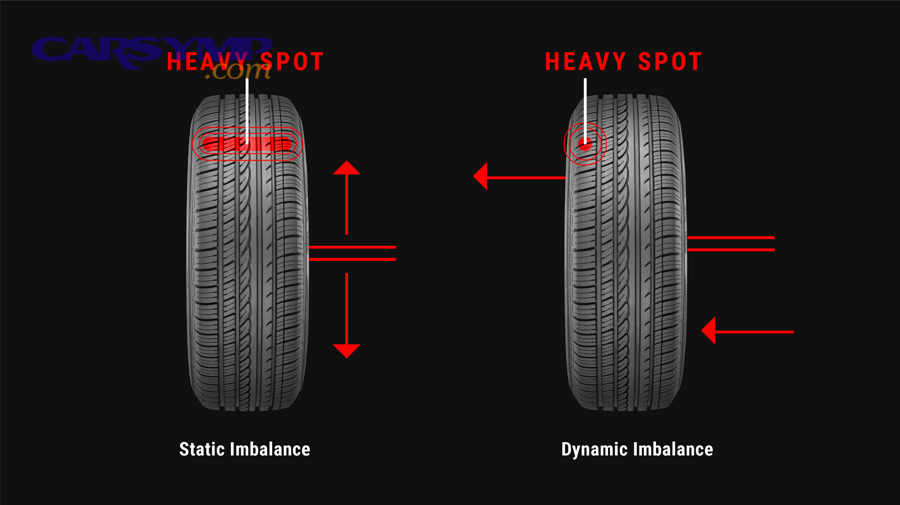
Specifically, wheel balancing matters because tires do not behave like perfectly uniform circles once mounted, inflated, and driven. Even a small heavy spot can create a repeated force every time the wheel turns. At parking-lot speed you might not notice it, but at highway speed that repeated force becomes shake, wobble, or shimmy.
What does tire balancing mean?
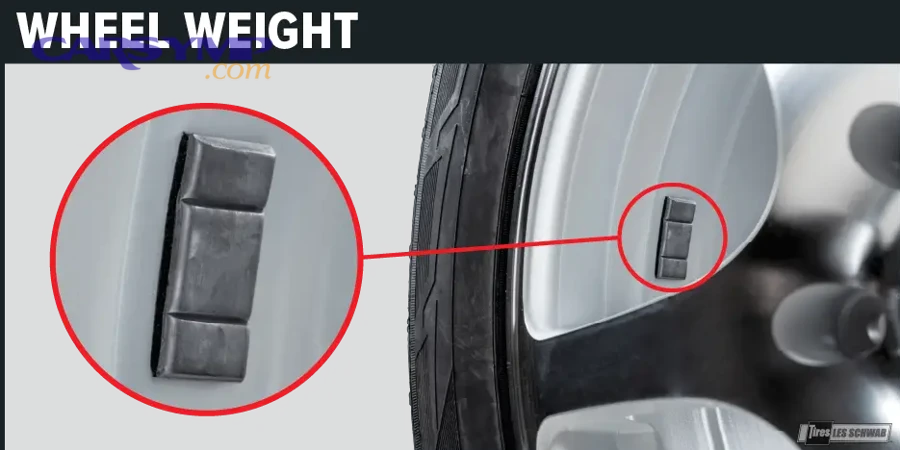
Tire balancing means adding or adjusting corrective weights so the complete tire-and-wheel assembly rotates with even mass distribution instead of one part pulling harder than the rest. (discounttire.com)
When technicians balance a wheel, they are not changing alignment angles or moving the tire to a new corner of the car. They are correcting rotational mass. That distinction is important. Alignment deals with how the wheels point relative to the road and each other. Rotation changes tire positions. Wheel balancing corrects the spinning assembly itself.
In practical terms, a balanced wheel helps the tire roll true. An unbalanced wheel can produce bouncing, wobbling, or a speed-specific vibration that becomes strongest at certain highway ranges. That is why drivers often say the car feels fine at 30 mph but shaky at 60 to 70 mph.
How does tire balancing affect comfort, tire wear, and vehicle control?
Tire balancing improves comfort, supports more consistent tread wear, and reduces extra stress on suspension parts that would otherwise absorb repeated vibration. (michelinman.com)
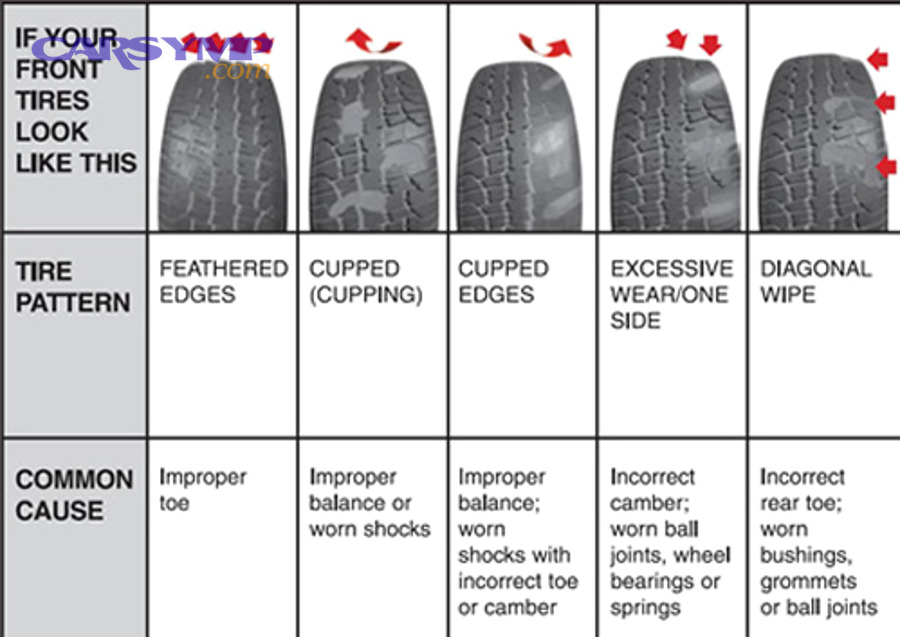
The comfort benefit is obvious because the steering wheel, floor, and seat feel calmer. The wear benefit is more financial. When a tire bounces or oscillates instead of rolling evenly, parts of the tread can scrub or strike the road less consistently. Over time, that can shorten tire life and make the vehicle noisier. The control benefit is subtler but still valuable: a car that rides more smoothly is easier to drive confidently, especially on long highway trips where small vibrations create fatigue.
According to Michelin, out-of-balance tires can cause vibration that leads to driver fatigue, premature or uneven tire wear, and unnecessary wear on the vehicle’s suspension. (michelinman.com)
What Signs Mean Your Tires Need Balancing Now?
Yes, vibration is the clearest sign your tires may need balancing now, especially if it appears at speed, grows more noticeable over time, and started after tire work or a road impact. (michelinman.com)
However, not every vibration comes from tire imbalance. Steering and suspension faults, bent wheels, or tire defects can feel similar. The goal is not to self-diagnose perfectly, but to recognize the pattern early enough to get the car checked before the problem damages the tires.

Is steering wheel vibration a sign of unbalanced front tires?
Yes, steering wheel vibration often points to imbalance in the front tire-and-wheel assemblies because the steering system transmits that motion directly into the driver’s hands. (michelinman.com)
That pattern matters because location helps diagnosis. If the imbalance is in the front, the steering wheel usually tells the story first. If the rear wheels are the source, drivers may feel more vibration in the seat or floor than in the steering wheel. This is not a perfect rule, but it is a useful starting point when symptoms begin.
The timing of the shake matters too. Balance-related vibration often becomes strongest within a certain speed band. A driver may say, “It starts around 55 mph and gets worse at 65.” That kind of speed-linked complaint is classic wheel balancing territory.
Which symptoms suggest tire imbalance at highway speeds?
The main symptoms are steering wheel shake, seat or floor vibration, a repeated shimmy at certain speeds, irregular tread wear, ride harshness that appeared after tire service or an impact, and a less stable highway feel. (discounttire.com)
These symptoms tend to group together rather than appear in isolation. A car may develop a mild steering shimmy, then a little extra tire noise, then wear that looks choppier than expected. Drivers sometimes ignore the first symptom because the car still feels drivable. The better move is to act early while the issue is still a balancing service rather than a worn-tire replacement.
This is also where Balancing with new tires best practices becomes important. A new tire set should feel smooth from day one. If vibration appears immediately after installation, do not assume it will “wear in.” Go back and have the balance checked promptly.
According to Michelin USA and Michelin UK guidance, an imbalance in the wheel-and-tire assembly can create vibrations at specific speeds and accelerate wear on both the tire tread and suspension components. (michelinman.com)
When Should You Balance Tires Earlier Than Scheduled?
Yes, you should balance tires earlier than scheduled after rotation-related concerns, new tire installation, remounting after repair, or pothole and curb impacts because those events can change the assembly or reveal existing imbalance. (michelinman.com)
More importantly, early balancing is cheaper than letting vibration continue. Once uneven wear patterns develop, balancing can stop the cause, but it cannot always erase the wear that is already built into the tire.
Should you balance tires after rotation, new tire installation, or a flat repair?
Yes, new tires must be balanced at installation, and balance should be checked after remounting or repair if the tire is removed and reinstalled, because the assembly may no longer have even weight distribution. (michelinman.com)
New tire installation is the clearest case. Every new tire-and-wheel assembly needs balancing because manufacturing tolerances, wheel design, and tire construction produce small weight variations. That is standard wheel balancing practice.
Rotation is slightly different. A basic rotation does not automatically require rebalancing every single time if the tires were already smooth and symptom-free. But rotation visits are the ideal moment to rebalance if the driver reports vibration or if the technician sees uneven wear. Bridgestone explicitly describes rotation service as a good opportunity to inspect tires and rebalance when vibration is present. (bridgestonetire.com)
After a puncture repair, the answer depends on what happened. If the tire was demounted and remounted, or if vibration starts afterward, the safe choice is to rebalance the assembly. Michelin specifically notes that tires should be balanced when remounted after repair. (michelinman.com)
Can potholes, curb hits, or rough roads knock tires out of balance?
Yes, hard impacts can knock tires out of balance because they may shift wheel weights, deform the tire, bend the wheel, or expose a problem that was previously too small to notice. (michelinman.com)
The first sign is often immediate. A car feels normal before the impact, then develops a fresh vibration on the drive home. In that situation, wheel balancing is one of the first checks a shop will perform, but it may not be the last. If the wheel is bent or the tire has internal damage, a simple rebalance may not fully solve the problem.
That is why drivers should watch both the ride and the tread. If a pothole strike is followed by vibration, air loss, sidewall bulging, or unusual wear, schedule an inspection promptly rather than waiting for the next routine interval.
According to Michelin’s tire-damage guidance, vibration can come from out-of-balance tires or steering and suspension issues, which is why post-impact vibration deserves inspection rather than guesswork. (michelinman.com)
Which Factors Change How Often Tires Need Balancing?
There are several main factors that change tire balancing frequency: driving habits, road conditions, tire type, vehicle type, service history, and whether the car spends more time at city speeds or highway speeds. (discounttire.com)
To illustrate, two drivers can own the same vehicle and need different balancing schedules. A highway commuter on rough pavement will often notice imbalance sooner than a low-speed urban driver, even if both drive the same annual mileage.
Do driving habits, road conditions, and tire type affect balancing frequency?
Yes, all three affect balancing frequency because aggressive driving, rough roads, and stiffer tire constructions can make imbalance appear sooner or feel more obvious. (bridgestonetire.com)
Highway driving is a major factor because wheel imbalance becomes more noticeable as rotational speed rises. Rough roads and repeated pothole exposure add impact stress. Performance-oriented tire setups can also make small imbalances easier to feel because lower-profile tires and firmer suspensions do less to mask vibration.
Climate and storage patterns can matter too. Cars that sit for long periods may develop temporary flat spotting, while seasonal tire swaps create extra mounting and demounting events where balance should be checked carefully.
Are SUVs, trucks, and low-profile tires more sensitive to imbalance?
Yes, many SUVs, trucks, and vehicles with low-profile tires can feel imbalance more clearly because heavier assemblies, wider wheels, and firmer sidewalls transmit shake more directly. (hunter.com)
A pickup with large off-road tires may not react the same way as a compact sedan, but both can still suffer from imbalance. Heavier assemblies may need more precise correction, while wide, modern wheels often rely on adhesive weights and more careful dynamic balancing. This is one reason shops increasingly use advanced balancers for larger aftermarket wheel packages.
Drivers with custom wheels, towing use, or frequent rough-road travel should therefore treat balancing as a condition-based service, not just a mileage box to check. If the car starts talking through the steering wheel or seat, believe it.
According to Hunter Engineering, modern wheel balancers increasingly address larger and wider wheel designs because those setups pose added challenges for traditional balancing approaches. (hunter.com)
How Is Tire Balancing Different From Tire Rotation and Wheel Alignment?
Tire balancing corrects uneven rotational weight, tire rotation changes tire positions, and wheel alignment adjusts suspension angles; balancing wins for vibration complaints, rotation is best for even wear distribution, and alignment is optimal for directional and angle-related wear issues. (bridgestonetire.com)
Meanwhile, these services often work best together. A driver may come in asking for one service, but the real solution could involve two. The key is understanding what symptom points to which maintenance need.
What is the difference between tire balancing and wheel alignment?
Tire balancing fixes how the assembly spins, while wheel alignment fixes how the wheels point and track relative to the road and to each other. (michelinman.com)
If the main complaint is steering wheel shake at highway speed, wheel balancing is usually the first suspect. If the car pulls to one side, the steering wheel sits off-center, or the tread shows angle-related wear patterns, alignment becomes more likely. These are not absolute rules, but they are practical distinctions for car owners.
Alignment and balancing also protect different things. Balancing mainly targets smooth rotation and vibration. Alignment mainly targets tire angle, straight-line tracking, and even contact with the road. A vehicle can need one, the other, or both.
Should tire balancing be done with tire rotation?
Yes, balancing is often smart to pair with rotation because the wheels are already off the vehicle, the tires can be inspected together, and vibration or uneven wear can be addressed before the next service interval. (bridgestonetire.com)
This does not mean every single rotation automatically requires balancing in every case. It means combining the two services is efficient and often beneficial, especially when the driver already notices shake or the tread shows irregular patterns. That pairing is one reason many drivers remember the rule of thumb as “check balance whenever you rotate.”
According to Discount Tire, rotation and balance are among the most important maintenance tasks because together they help tread wear more evenly and keep the ride smooth. (discounttire.com)
What Advanced or Less Common Tire Balancing Situations Should Car Owners Know?
There are four advanced situations car owners should know: road force balancing for persistent vibration, static vs dynamic balancing methods, oversized wheel sensitivity, and non-balance faults that mimic imbalance. (hunter.com)
Below, the goal is not to turn drivers into technicians. It is to help you know when a normal balance is enough and when the problem deserves a more specialized diagnostic approach.
What is road force balancing and when is it worth it?
Road force balancing is an advanced diagnostic balance that measures how the tire-and-wheel assembly behaves under load, and it is worth it when a standard balance does not fully eliminate vibration. (hunter.com)
A standard balance mainly corrects weight distribution. Road force testing goes further by simulating load against the tire to identify variation that may not show up in a simple spin balance. That makes it useful for stubborn highway vibrations, premium vehicles where ride quality expectations are high, and cases where a customer says, “It was balanced, but it still doesn’t feel right.”
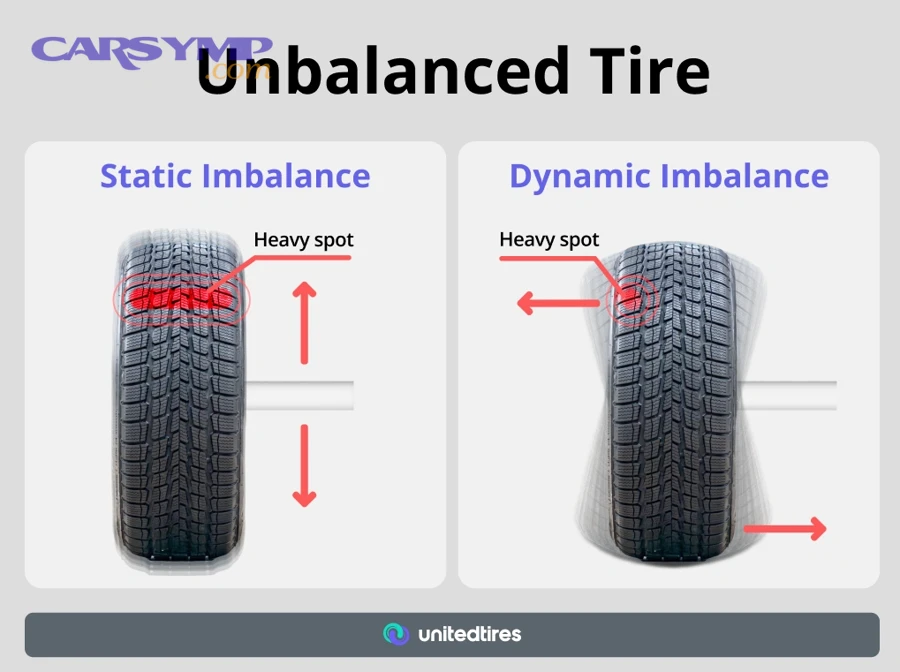
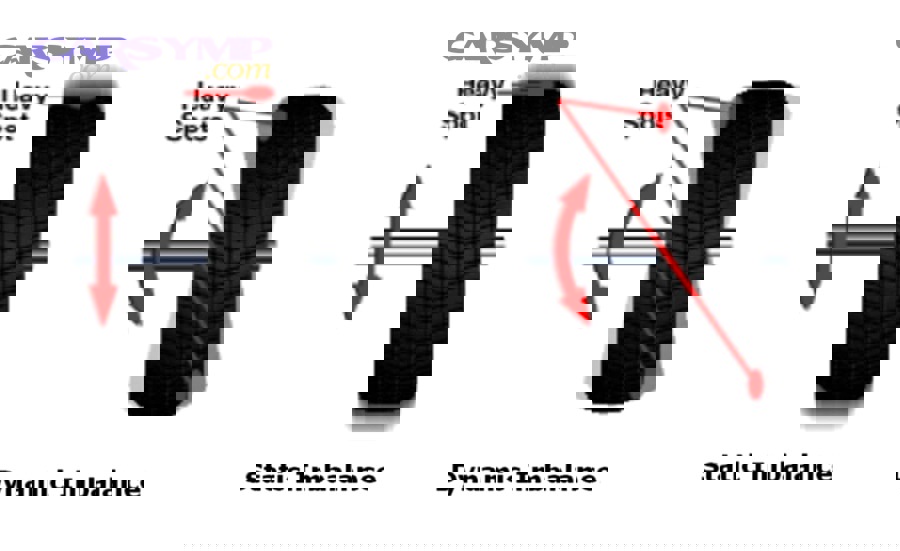
This is also the best place to mention static vs dynamic balancing explained in plain language. Static balancing corrects a single heavy spot in one plane. Dynamic balancing corrects imbalance across multiple planes and is more appropriate for most modern passenger vehicles with wider wheels. Road force testing goes beyond both by measuring loaded variation, not just weight imbalance. (hunter.com)
What is the difference between static and dynamic tire balancing?
Static balancing corrects a single up-and-down heavy spot, while dynamic balancing corrects side-to-side and multi-plane imbalance, making dynamic balancing the better fit for most modern road cars. (hunter.com)
That difference matters because a narrow wheel may tolerate simpler correction, but a wider modern wheel can create wobble forces that a single-plane correction will not fully address. In real service bays, dynamic balancing is the norm for passenger vehicles because it better reflects how current wheels and tires behave at speed.
Do oversized wheels or low-profile tires need more frequent balancing checks?
Yes, oversized wheels and low-profile tires often deserve quicker balancing checks because they can make small ride disturbances easier to feel and can be more sensitive to road impacts. (hunter.com)
That does not mean the mileage interval always changes dramatically. It means the driver should be more alert to symptoms, especially after pothole hits, seasonal tire changes, or new aftermarket wheel installation. With these setups, a slight imbalance that might go unnoticed on a softer touring tire can feel obvious.
What if balancing does not fix the vibration?
If balancing does not fix the vibration, the next suspects include a bent wheel, tire uniformity issue, suspension wear, or another steering-related fault rather than simple imbalance alone. (michelinman.com)
This is the most important limit to understand. Wheel balancing is effective when imbalance is the cause. It is not a magic reset for every vibration. A diagnostic approach makes more sense when symptoms persist after a proper balance, especially if the vibration follows a pothole hit or continues despite multiple rebalances.
According to Hunter Engineering, Road Force diagnostic balancing is used to solve vibration problems that remain after conventional balancing methods, while Michelin notes that vibration can also involve steering and suspension issues. (hunter.com)
In short, most drivers should schedule wheel balancing every 5,000 to 7,500 miles and sooner whenever vibration, remounting, new tire installation, or impact damage changes how the car feels. Follow that routine, pair balancing with rotation when it makes sense, and escalate to advanced diagnostics only when normal service does not restore a smooth ride.