


When drivers search for wheel bearing replacement labor time, they usually want a direct answer: most jobs take anywhere from about one to several labor hours depending on the vehicle design, wheel location, and repair method. That means the real answer is not one universal number, but a practical range shaped by whether the job involves a simple hub unit or a more complex press-in bearing service.
That time estimate becomes more useful when it is connected to the next question car owners actually ask: what changes the labor time from one vehicle to another? Front versus rear layout, corrosion, drivetrain packaging, seized hardware, and the need to remove more surrounding parts can all turn a routine repair into a longer job.
The next layer of search intent is comparison. Many people hear “wheel bearing replacement” and assume every repair is the same, but hub assembly service and press-in bearing service can differ a lot in labor time, tooling, and final price. Understanding that difference helps you judge repair quotes more accurately and avoid comparing two estimates that are not really for the same job.
A fair estimate also depends on what the shop includes, such as hardware, diagnostic time, road testing, and related work after installation. Introduce a new idea: the sections below break down labor time, cost logic, repair variables, and the key comparison points that matter most to car owners planning a wheel bearing replacement.
What Is Wheel Bearing Replacement Labor Time?
Wheel bearing replacement labor time is the number of billed or actual shop hours required to remove the faulty bearing setup, install the new part correctly, and verify that the wheel rotates smoothly and safely. To better understand that number, it helps to separate labor time from total repair time and from the final invoice a shop presents.
Labor time matters because it shapes the largest variable in many repair estimates besides parts. Two cars may both need the same kind of repair, yet one vehicle may be straightforward while the other demands extra disassembly, corrosion cleanup, or press work. That is why labor time is often the most important figure for car owners trying to compare estimates.
Is wheel bearing replacement labor time the same as total repair time?
No, wheel bearing replacement labor time is not always the same as total repair time because shop scheduling, diagnostics, parts sourcing, and unexpected complications can extend how long the vehicle stays at the shop. More specifically, labor time reflects the work itself, while total repair time includes everything around that work.
A technician may only need a certain number of hours on the car, but the vehicle can still stay longer if the shop is busy, the correct part is delayed, or extra issues appear during teardown. This distinction matters for drivers arranging transportation, because “two hours of labor” does not always mean “ready in exactly two hours.”
Labor time also depends on what the estimate includes. Some shops separate diagnosis from replacement labor. Others separate rust-related extraction work, ABS sensor replacement, or alignment checks. As a result, one quote may look shorter on paper simply because some tasks were listed elsewhere.
For car owners, the best approach is to ask whether the estimate reflects billed labor hours only or expected same-day turnaround. That question reduces confusion and helps you compare quotes on equal terms.
What does labor time usually include during a wheel bearing replacement?
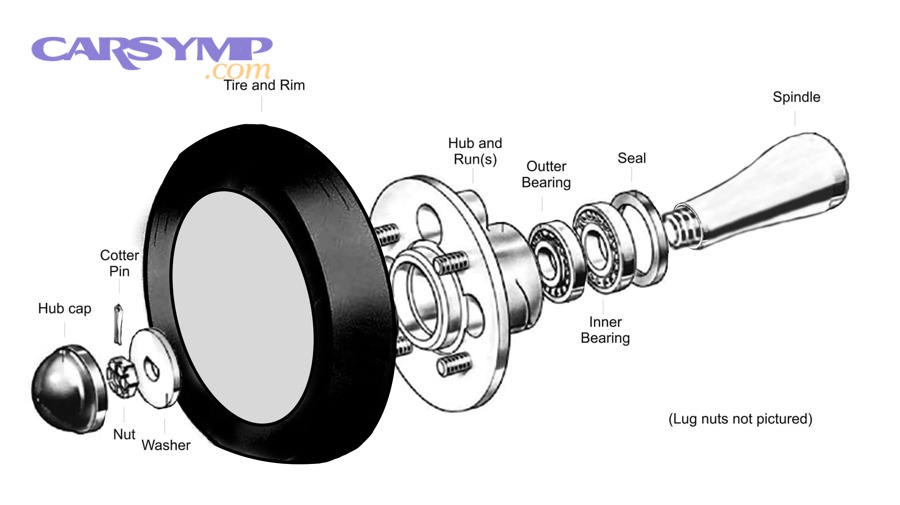
Wheel bearing replacement labor usually includes vehicle lifting, wheel removal, brake component removal, access to the hub or knuckle, removal of the failed bearing unit, installation of the new part, reassembly, torque verification, and a final functional check. Specifically, the exact steps vary depending on whether the vehicle uses a bolt-on hub assembly or a press-in bearing.
On a hub assembly job, the process often includes removing the wheel, caliper, rotor, axle fastener when necessary, and the hub mounting bolts before fitting the new unit. On a press-in design, the technician may need to remove the entire steering knuckle, extract retaining rings, press the old bearing out, press the new one in, and reinstall the assembly with careful alignment.
A complete labor operation should also include correct torque application on fasteners such as the axle nut, bearing retainer hardware, caliper bracket bolts, and wheel lugs. This is not a minor detail. Incorrect torque can shorten bearing life, create noise, or even lead to unsafe wheel-end problems. That is why a proper wheel bearing replacement is not just about swapping parts quickly.
After installation, many shops also perform a brief road test or listening check to confirm the original growling or humming noise is gone. In a careful service routine, this is where a post-repair verification becomes especially valuable. A good Post-repair torque and test drive checklist confirms that the bearing preload is correct, no warning lights are active, and no abnormal vibration remains.
How Many Hours Does Wheel Bearing Replacement Usually Take?
Wheel bearing replacement usually takes about one to several labor hours, with hub assemblies often on the lower end and press-in bearings usually taking longer because they require more disassembly and specialized equipment. To better understand that range, you need to compare the repair style rather than rely on a single average.
This is the section most readers are really looking for. They want a realistic expectation, not a vague statement that every vehicle is different. Vehicle design does matter, but practical ranges still help car owners understand whether a quote seems normal or unusually high.
In everyday service conditions, a simple bolt-on wheel hub unit on an accessible front or rear corner may take noticeably less time than a bearing that must be pressed out of the knuckle. Rust, axle seizure, and sensor damage risk can push the job upward quickly. That is why shops rarely quote by the same labor number across all vehicles.
How long does a hub assembly wheel bearing replacement usually take?
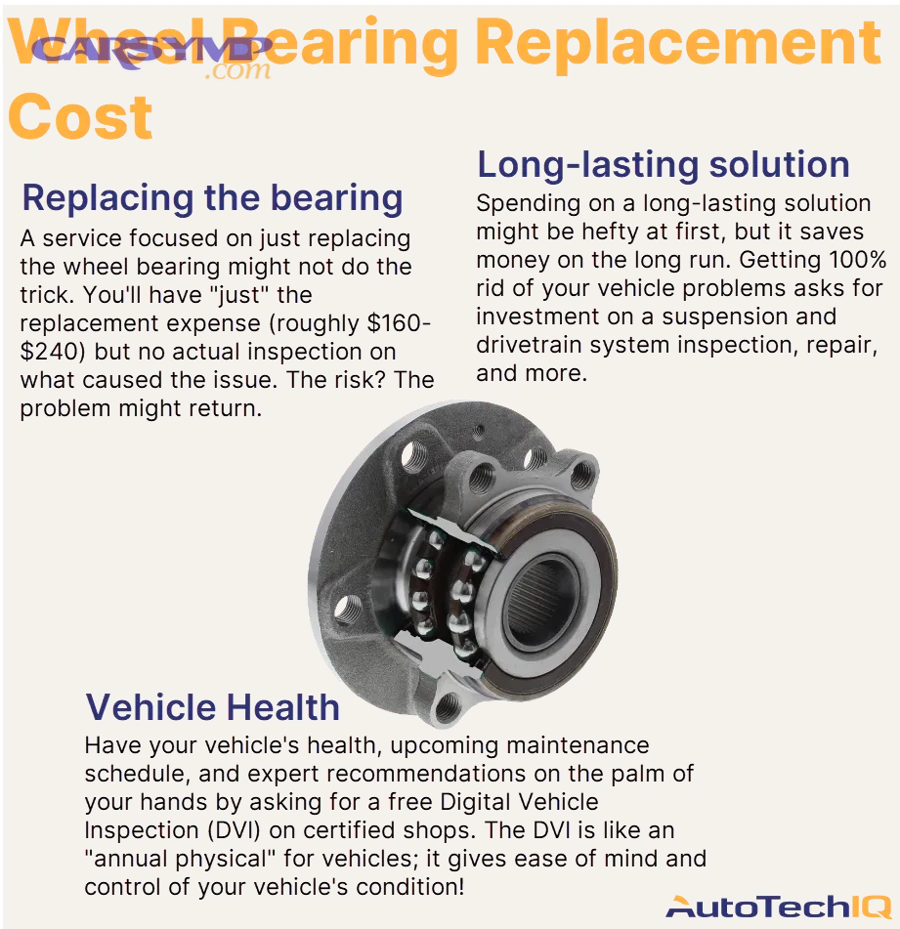
A hub assembly wheel bearing replacement usually takes less labor than a press-in job because the bearing and hub come as one unit that bolts onto the vehicle rather than requiring separate pressing operations. In practice, this makes the repair more predictable for both the shop and the customer.
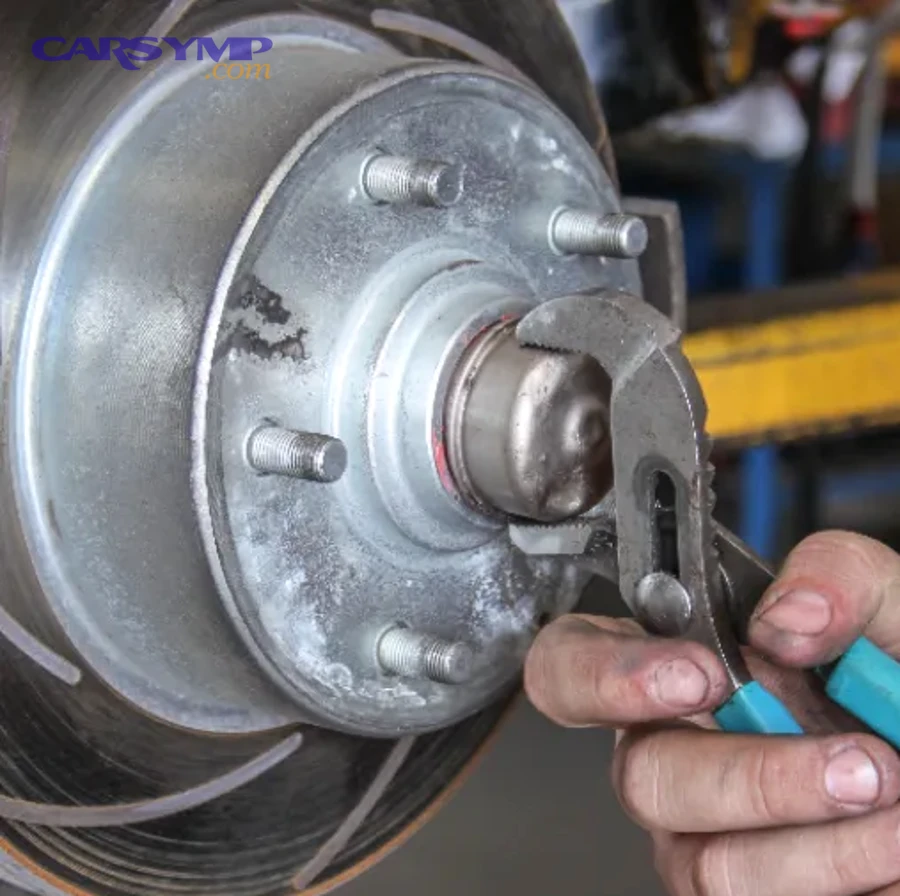
A hub assembly often simplifies the work. The technician removes the brake components, disconnects related fasteners, unbolts the old hub unit, cleans the mounting surface, installs the new assembly, and reassembles the corner. That process still demands care, but it avoids some of the most time-consuming steps associated with bearing extraction and installation.
This design usually produces more stable estimating. If the mounting bolts and axle splines cooperate, labor time stays close to the quoted figure. However, even hub assembly jobs can become difficult when corrosion bonds the hub to the knuckle or when axle splines seize inside the hub.
For car owners comparing repair options, hub units often cost more in parts but can save money in labor. That is why a complete Wheel bearing replacement cost estimate cannot be judged from parts price alone.
How long does a press-in wheel bearing replacement usually take?
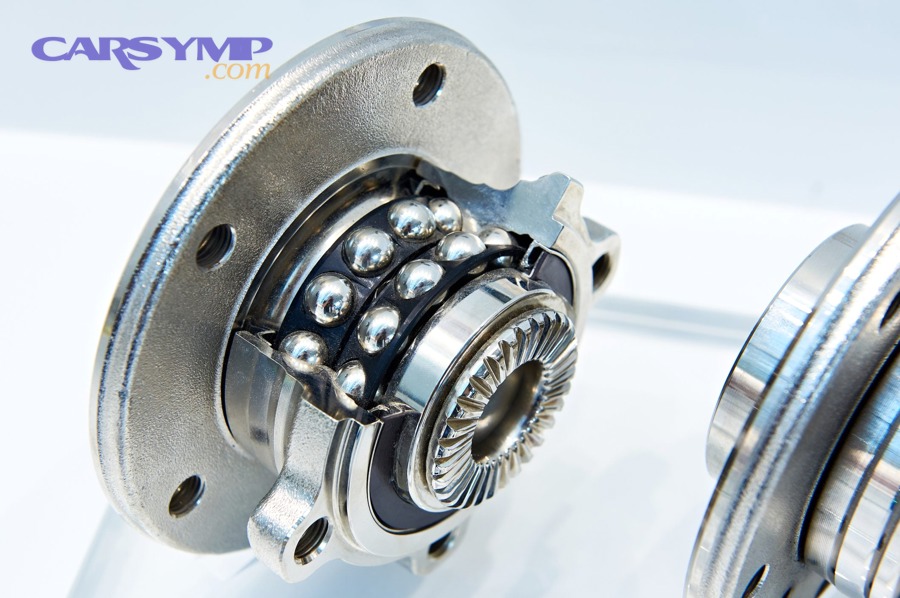
A press-in wheel bearing replacement usually takes more labor because the bearing is installed separately inside the knuckle or housing and often requires removal, pressing, and careful reinstallation of multiple components. As a result, it is the more labor-intensive version of wheel bearing replacement.
The technician often has to detach suspension and steering connections, remove the knuckle from the vehicle, extract snap rings or retainers, and use a hydraulic press with the correct adapters to remove the old bearing without damaging the surrounding parts. Then the new bearing must be pressed in squarely and to the correct depth before the assembly goes back on the vehicle.
This kind of work increases time for two reasons. First, there are more steps. Second, the consequences of doing those steps incorrectly are serious. A damaged new bearing can fail early if force is applied through the wrong race during installation. That makes precision just as important as speed.
Press-in bearings also create more variability in quotes. One vehicle may come apart smoothly, while another may have corroded retaining clips, seized hubs, or worn knuckle bores that slow the work. So when a shop quotes a longer labor time for a press-in design, that does not necessarily mean the quote is inflated; it may simply reflect the repair architecture.
Is front wheel bearing replacement faster than rear wheel bearing replacement?
No, front wheel bearing replacement is not always faster than rear wheel bearing replacement because labor time depends more on the vehicle’s bearing design, axle arrangement, and surrounding component access than on wheel location alone. However, front and rear jobs often differ in complexity for predictable reasons.
Front wheel bearings on front-wheel-drive or all-wheel-drive vehicles may involve axle shafts, large axle nuts, steering knuckles, and tighter packaging around suspension components. Rear bearings can sometimes be simpler, especially when the rear uses an easy-to-remove hub unit. On other vehicles, rear service becomes harder because of parking brake hardware, integrated sensors, or awkward mounting access.
So the better question is not “front or rear?” but “what design does this wheel position use?” A front hub assembly can be easier than a rear press-in bearing. Likewise, a rear hub can be much faster than a front corner with a seized axle and corroded knuckle. That is why labor time has to follow the hardware, not just the wheel position.
What Factors Increase or Reduce Wheel Bearing Replacement Labor Time?
The main factors that increase or reduce wheel bearing replacement labor time are bearing design, wheel position, corrosion level, drivetrain layout, part accessibility, and whether the repair needs extra steps such as knuckle removal or sensor handling. More importantly, these factors explain why two quotes for the same symptom can look very different.
A noisy wheel bearing may sound like one problem, but the work behind the repair can vary a lot. Shops are not just charging for the symptom. They are charging for the time and difficulty required to reach the failed part, remove it without damage, and restore proper wheel-end operation.
That is why informed car owners should judge a quote based on repair conditions, not only on a broad online average. A quick average can help set expectations, but real labor time lives in the details.
What vehicle and repair factors affect labor time the most?
There are several main factors that affect wheel bearing labor time most: bearing type, front or rear location, drivetrain packaging, corrosion, access to mounting hardware, and whether related parts must be removed to access the failed unit. Specifically, these factors determine how simple or intrusive the repair becomes.
Bearing type is usually the first major variable. Bolt-on hub units are often faster. Press-in bearings usually take longer. Next comes surrounding design. Some vehicles allow direct access to fasteners, while others require the technician to move the axle, steering linkage, or suspension components before the bearing can even be reached.
Vehicle age also plays a big role. Older vehicles often bring more rust, more stubborn fasteners, and a higher chance of collateral issues such as damaged ABS wiring or frozen mounting surfaces. Even when the bearing design itself is simple, an older chassis can make the work slower.
Finally, tool access and available space matter more than many drivers realize. Tight working angles, recessed bolts, and cramped brake backing plates all add time. A professional estimate reflects not just the part being replaced, but the path required to reach it.
Does rust or corrosion make wheel bearing replacement take longer?
Yes, rust or corrosion makes wheel bearing replacement take longer because it can seize hub assemblies to the knuckle, lock axle splines into place, freeze retaining hardware, and force the technician to spend extra time on extraction and cleanup. In fact, corrosion is one of the biggest reasons quoted labor changes after teardown.
Rust changes a routine repair into a fight against stuck metal. A bolt-on hub may no longer “bolt off” easily when oxidation bonds it to the mounting surface. A technician may need penetrating fluid, heat, air tools, pullers, or careful hammering and pressing to remove what should have been a simple unit.
Corrosion also affects reassembly. The mounting surface must be cleaned properly so the new hub or bearing sits squarely. If rust scale remains, the part may not seat correctly, which can cause premature wear, false runout, or noise complaints after the repair.
This is why drivers in wet climates, snowy regions, or rust-belt areas often receive higher labor estimates than owners in dry regions. The part may be identical, but the labor reality is not.
Does drivetrain layout change labor time for wheel bearing replacement?
Yes, drivetrain layout changes labor time because FWD, RWD, AWD, and 4WD vehicles package axles, hubs, knuckles, and related components differently, which affects how easily the technician can access and remove the bearing assembly. In addition, drivetrain layout often changes the number of parts that must be disturbed during service.
Front-wheel-drive vehicles commonly place more work at the front corners because the bearing may share space with the drive axle, steering knuckle, and large axle hardware. All-wheel-drive vehicles can add complexity through tighter packaging, extra shafts, or sensor integration. Rear-wheel-drive and truck-based layouts may shift difficulty elsewhere depending on axle and hub design.
This does not mean one drivetrain is always harder. It means access and disassembly steps differ. One vehicle may offer good access to a rear hub but poor access to a front knuckle. Another may use a design where the wheel bearing replacement is straightforward at every corner. The labor estimate reflects this packaging more than a simple drivetrain label.
How Does Wheel Bearing Labor Time Affect Total Replacement Cost?
Wheel bearing labor time affects total replacement cost by multiplying against the shop’s hourly rate and then combining with parts, hardware, taxes, and any related services needed to complete the repair correctly. Therefore, labor time is often the clearest bridge between “hours” and “money” in a repair quote.
This is where search intent shifts from “how long?” to “how much?” Most drivers do not ask about labor time out of curiosity alone. They ask because they want to know why one quote is affordable and another feels expensive.
Understanding cost also prevents a common mistake: assuming the cheaper estimate is automatically better. A lower price may reflect lower labor hours, but it may also reflect omitted steps, a lower-grade part, or an incomplete description of what the job includes.
How is labor cost calculated from wheel bearing replacement time?
Labor cost is calculated by multiplying the shop’s billed labor hours by its hourly labor rate, then adding parts and any related charges required to finish the service properly. More specifically, the labor line shows how the repair time translates into actual money on the estimate.
For example, a shop may assign a certain number of hours to a bolt-on hub job and more hours to a press-in service. If the hourly rate is high, even a moderate labor number can create a sizable total. If the rate is lower but the job takes longer because of bearing design or corrosion, the labor amount may still be substantial.
That is why shoppers should focus on both figures together: hours and rate. Looking at only the final price hides important context. A clear invoice or estimate breaks out labor separately so you can see whether the cost comes from time, rate, or both.
A Wheel bearing replacement cost estimate is most useful when it also states whether the quoted part is a hub assembly, a press-in bearing, or a full wheel-end service including additional hardware.
Why can two shops quote different labor costs for the same wheel bearing job?
Two shops can quote different labor costs for the same wheel bearing job because they may use different hourly rates, labor guides, parts strategies, bundled services, and assumptions about repair difficulty. However, a different quote does not always mean one shop is wrong.
One shop may quote conservatively because it expects rust, seized bolts, or extra cleanup. Another may quote the base labor only and warn that more time could be added later. Some shops include road testing, sensor checks, axle hardware, and shop supplies in the estimate, while others separate those items.
There is also a skill and equipment factor. A shop that performs many wheel bearing replacement jobs may complete a familiar design more efficiently. Another shop may quote more time because the job is less common for its team or because it prefers a larger safety margin before teardown.
For car owners, the best comparison method is simple: ask what the quote includes, what part type is being installed, what happens if corrosion appears, and whether post-repair verification is part of the price.
Is a wheel bearing quote higher when the repair includes a hub assembly or extra related parts?
Yes, a wheel bearing quote is often higher when the repair includes a hub assembly or extra related parts because the invoice may include a more expensive unit, new axle hardware, sensor-integrated components, seals, or additional checks after installation. At the same time, the labor side may be lower than a press-in job.
This is where many drivers get confused. A hub assembly can raise parts cost, but it may reduce labor time. A press-in bearing may look cheaper on the parts line, yet require more work and more total labor. So the cheaper part is not always the cheaper repair.
Extra related parts also matter. Depending on the vehicle, the repair may include an axle nut, snap ring, wheel speed sensor, dust shield hardware, or even alignment service if the suspension geometry was disturbed during disassembly. These are not always “upsells.” Sometimes they are part of doing the job correctly.
If a shop explains these additions clearly, the estimate becomes easier to trust. If the estimate is vague, comparison shopping becomes harder because you may be comparing different repair scopes.
What Is the Difference Between Hub Assembly and Press-In Bearing Labor Time?
A hub assembly replacement is usually faster in labor time, while a press-in bearing replacement is usually more labor-intensive because it requires greater disassembly and specialized press work. To better understand this difference, you need to compare design, tooling, and repair steps side by side.
This is the central comparison in the article because it directly answers why wheel bearing replacement can mean two very different jobs. The name sounds the same to many car owners, but the labor path can be dramatically different.
The practical takeaway is simple: if two shops are quoting different labor numbers, the first thing to confirm is whether both are talking about the same type of replacement.
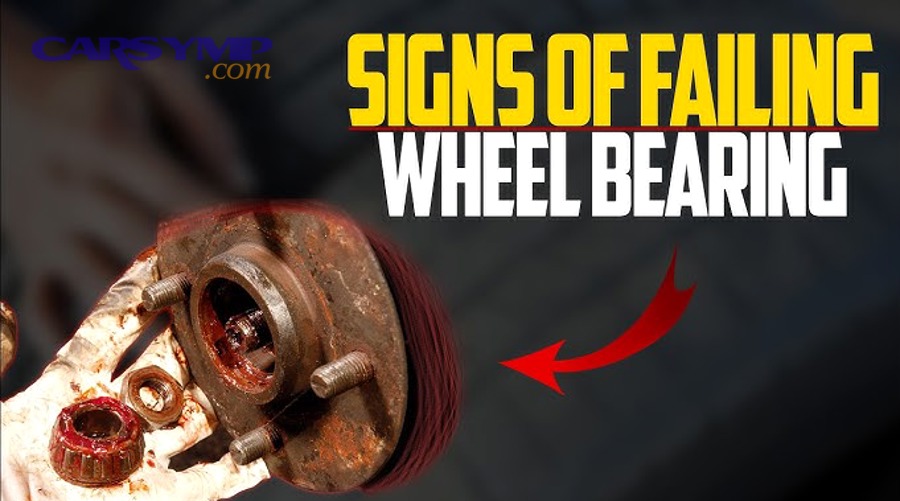
Is a hub assembly replacement usually faster than a press-in bearing replacement?
Yes, a hub assembly replacement is usually faster than a press-in bearing replacement because the assembly bolts on as a complete unit and avoids many of the removal and press steps required for a separate bearing. As a result, labor estimates for hub units are often more predictable.
The big advantage is reduced disassembly. A technician does not usually need to press the old bearing out of the knuckle or press the new one in with exact support points. That removes several time-consuming operations and lowers the risk of installation error.
The repair still requires careful cleaning, proper bolt torque, and verification, but it tends to be more straightforward. For a customer, that often means less labor variability unless corrosion or a seized axle complicates removal.
What parts and tools make press-in bearing jobs more labor-intensive?
Press-in bearing jobs are more labor-intensive because they often require knuckle removal, retaining ring service, a hydraulic press, proper bearing adapters, and careful load placement during installation. More importantly, each of those steps must be done correctly to protect the new part.
The steering knuckle is often the center of the extra labor. Once removed, it must be supported properly in a press. The old bearing, hub, or race may resist removal. If the wrong tool or pressure point is used, the knuckle or new bearing can be damaged. That risk is why press-in work is both slower and more skill-sensitive.
Additional labor may also come from cleaning corrosion from the bore, inspecting the hub shaft, replacing snap rings, or dealing with a damaged sensor tone ring. These details do not always appear in casual online estimates, yet they are exactly what makes one repair routine and another demanding.
Which option usually costs more in labor: hub assembly or press-in bearing?
Press-in bearing replacement usually costs more in labor, while hub assembly replacement often costs more in parts, making the total winner depend on the vehicle and repair design. Meanwhile, the smarter comparison is total installed cost rather than parts price alone.
For a car owner, this means two important things. First, never assume the lower parts price will produce the cheaper invoice. Second, ask whether the estimate reflects the same repair method. Comparing a press-in bearing estimate with a hub assembly estimate without realizing the difference leads to confusion.
The most accurate way to evaluate value is to compare all three layers together: labor hours, labor rate, and parts scope. Once those are aligned, the estimate becomes much easier to understand.
How Can Car Owners Tell Whether Their Wheel Bearing Labor Quote Is Reasonable?
A wheel bearing labor quote is reasonable when it clearly explains the repair method, labor hours, part type, included hardware, and likely variables such as corrosion or sensor issues. To better judge the estimate, car owners should compare scope before comparing price.
This matters because the goal is not merely to find the cheapest quote. The real goal is to find a quote that matches the actual repair and avoids unpleasant surprises after teardown.
A transparent estimate gives drivers confidence. A vague estimate forces them to guess. That difference alone often separates a professional service experience from a frustrating one.
What should a good wheel bearing estimate include?
A good wheel bearing estimate should include the labor hours, shop rate or labor total, specific part type, wheel position, side being repaired, related hardware, and any possible add-on items that may appear after inspection. Specifically, it should tell you what is being replaced and what is not.
A clear estimate should say whether the repair is for a front left, front right, rear left, or rear right position. It should also identify whether the replacement is a hub assembly or a press-in bearing. Without that information, the labor figure has too little context to judge.
It should also mention any parts that are commonly recommended with the repair, such as axle nuts, retaining clips, seals, or integrated wheel speed sensors. If the shop plans to perform a road test or post-repair verification, that should be understood too.
This level of clarity helps drivers compare shops fairly. It also helps avoid the common complaint that “the price changed later” when the original estimate never described the likely variables.
Is it normal for the quoted labor time to rise after teardown?
Yes, it is normal for quoted labor time to rise after teardown when hidden corrosion, seized components, sensor damage, or unexpected wear becomes visible only after the technician begins disassembly. However, the increase should be explained clearly before additional work proceeds.
Wheel-end repairs often hide their real condition until the brake hardware comes off and the hub or knuckle is exposed. A vehicle that looks ordinary from outside may reveal fused mounting surfaces, stripped fasteners, or damaged sensor wiring once the job starts.
That said, normal does not mean unlimited. A reputable shop should contact the customer, explain the reason for the added time, describe the problem in plain language, and update the estimate before moving forward whenever possible.
How can car owners compare wheel bearing quotes from different shops?
Car owners can compare wheel bearing quotes by checking whether each estimate lists the same repair method, same wheel position, similar part quality, similar included services, and the same assumptions about extra labor conditions. In short, compare scope first, then compare price.
A useful comparison checklist includes:
- Is the repair a hub assembly or a press-in bearing?
- Which wheel position is included?
- Are labor hours listed clearly?
- Are hardware and sensor-related items included?
- Is road testing or verification included?
- Does the shop mention possible corrosion-related extra labor?
- What warranty applies to parts and labor?
This type of comparison gives a more accurate answer than simply asking which shop is cheapest. On an automotive resource like carsymp.com, readers often look for practical repair expectations, but the best local decision still comes from comparing detailed quote scope, not just headline price.
What Related Repairs and Hidden Issues Can Change Wheel Bearing Replacement Complexity?
Several related repairs and hidden issues can change wheel bearing replacement complexity, especially ABS sensor integration, alignment-related disassembly, seized hubs or axles, and the difficulty of performing the job without proper tools. Below, these secondary issues expand the topic beyond the primary labor estimate while still supporting the main decision-making process.
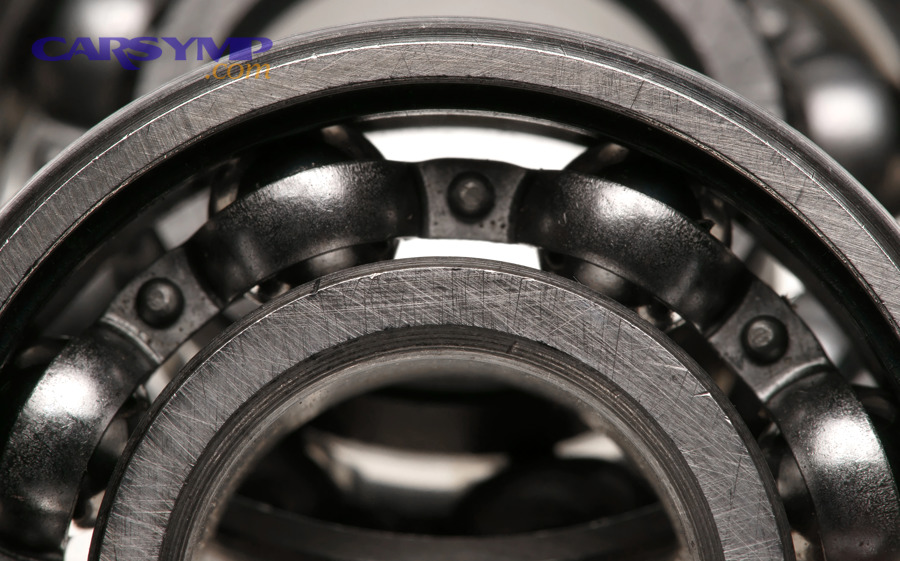
These issues sit just beyond the core search intent, yet they matter because they explain why one wheel bearing replacement feels routine and another becomes expensive, delayed, or technically sensitive. They also help drivers understand what a careful technician is looking for before signing off the job.
Can a bad ABS sensor or integrated wheel speed sensor increase replacement time?
Yes, a bad ABS sensor or integrated wheel speed sensor can increase replacement time because the technician may need to inspect, remove, protect, or replace sensor-related components during the bearing service. Especially on modern vehicles, sensor integration adds both caution and complexity.
Some hub assemblies include an integrated wheel speed sensor or tone ring. If the sensor wiring is brittle, corroded, or routed through tight spaces, the bearing job takes more time because the technician must avoid damaging a component that affects braking and stability systems.
If the original complaint included ABS or traction control warnings alongside wheel noise, the technician may also spend more time confirming whether the issue is only the bearing or also the sensor. That diagnostic step can change the total repair scope.
Does wheel bearing replacement ever require a wheel alignment afterward?
Yes, wheel bearing replacement can require a wheel alignment afterward when the repair involves removing suspension or steering components that affect geometry, although not every wheel bearing service automatically needs one. More specifically, alignment depends on how much of the corner had to come apart.
A simple hub assembly swap may not disturb alignment angles much if the surrounding geometry remains untouched. By contrast, a press-in bearing job that requires steering knuckle removal can create more reason to check alignment, especially if strut bolts, control arm connections, or other geometry-sensitive fasteners were loosened.
The smart approach is not to assume alignment is always necessary or never necessary. Instead, ask the shop whether the specific disassembly path on your vehicle justifies a check or adjustment.
Can a seized hub or axle turn a simple job into a long repair?
Yes, a seized hub or axle can turn a simple job into a long repair because extraction becomes the real labor driver once corrosion locks components together. More importantly, this is one of the most common reasons a routine estimate becomes a difficult repair.
A hub that refuses to separate from the knuckle may require repeated penetrating treatment, heat cycles, extraction tools, and surface cleanup before the new part can be installed properly. An axle frozen into the hub can create similar trouble, especially on older vehicles exposed to moisture and road salt.
This added time does not improve the bearing itself; it simply creates the conditions necessary to reach the bearing safely. That is why corrosion-related labor often feels expensive from the customer side even though it reflects real mechanical effort.
Is wheel bearing replacement a good DIY job or better left to a shop?
Wheel bearing replacement is sometimes a reasonable DIY job on simpler hub assemblies, but it is usually better left to a shop when the vehicle uses a press-in bearing, integrated sensors, high-torque fasteners, or corrosion-prone components. In other words, the answer depends on design, tools, and experience.
A confident DIYer with the correct tools may handle a basic bolt-on hub replacement, especially on a vehicle known for accessible service. Even then, torque accuracy matters. Axle nuts, caliper hardware, and wheel lugs all require correct tightening procedures, and overlooking those steps can create noise, looseness, or unsafe wheel-end operation.
Press-in bearing service raises the difficulty sharply. Without a proper press, correct adapters, and good knowledge of bearing loading, the risk of damaging the new part is high. For that reason, many car owners save time and avoid repeat labor by having a shop perform the installation.
Before the vehicle goes back into normal use, the final quality step should always be verification. A proper Post-repair torque and test drive checklist should confirm that all fasteners are torqued correctly, the brake and ABS systems behave normally, the original noise is gone, and no new vibration appears during acceleration, cruising, or turning.
In short, wheel bearing replacement labor time is best understood as a range shaped by repair design, not as a single universal number. Hub assemblies often reduce labor complexity, press-in bearings usually raise it, and hidden conditions such as rust, seized hardware, and sensor integration can shift the final estimate. When car owners understand those variables, they can read quotes more confidently, compare shops more fairly, and make better repair decisions without mistaking two very different wheel-end jobs for the same service.