


Replacing a wheel bearing is not finished when the new part is bolted in. A complete post-repair torque and test drive checklist confirms that the bearing, axle nut, lug nuts, brake hardware, and related components were installed correctly and that the vehicle is actually safe to drive. That is the primary purpose of this guide: to help DIY mechanics verify the repair before a minor mistake turns into noise, ABS warnings, or premature bearing damage.
The first part of that verification happens in the garage. Torque accuracy matters because wheel bearing replacement depends on correct clamp load at several points, especially the axle nut, lug nuts, and hub mounting hardware. A new bearing can fail early if a critical fastener is under-torqued, over-torqued, or tightened in the wrong sequence, so static inspection must happen before the wheels ever roll.
The second part happens on the road. A short, structured test drive tells you whether the repair solved the original problem and whether new symptoms appeared during reassembly. That is where you check for Bad wheel bearing symptoms that remain, steering pull, brake drag, vibration, or ABS sensor issues related to wheel bearings.
The final layer is prevention. Some post-repair problems come from subtle mistakes such as damaged tone rings, incorrect sensor orientation, wrong torque methods, or confusion about Press-in vs hub assembly bearing differences. Introduce a new idea: the sections below turn those risks into a practical step-by-step checklist you can follow from the first torque wrench click to the final road test.
What Is a Post-Repair Torque and Test Drive Checklist for Wheel Bearing Replacement?
A post-repair torque and test drive checklist is a final safety-and-verification process that confirms the wheel bearing replacement was installed correctly, torqued correctly, and validated under real driving conditions.
To better understand the issue, think of this checklist as the bridge between “the part is installed” and “the car is ready to return to normal use.” Many DIY mechanics stop too early. They finish the mechanical work, lower the vehicle, and assume the job is done. In reality, the final stage of the repair is confirmation. That confirmation protects bearing life, braking performance, steering stability, and the electronic systems that depend on accurate wheel-speed signals.
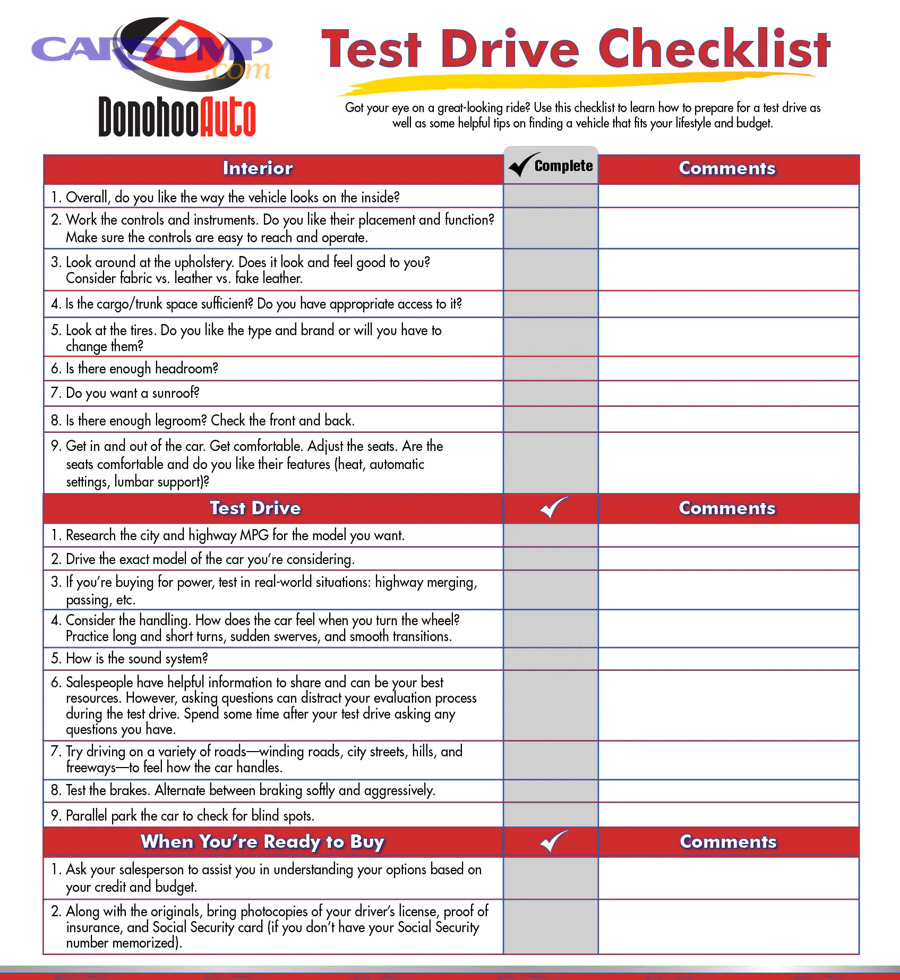
A proper checklist covers two linked areas. The first is torque verification. You confirm that the axle nut, lug nuts, hub-to-knuckle bolts, brake bracket fasteners, and any related hardware were tightened to the vehicle manufacturer’s specification, not to a guess. The second is performance verification. You inspect the vehicle at rest, then on the road, to make sure the wheel turns smoothly, the brakes behave normally, the steering tracks correctly, and no warning lights or noises appear.
Is a Post-Repair Checklist Necessary After Replacing a Wheel Bearing?
Yes, a post-repair checklist is necessary after wheel bearing replacement because it protects safety, prevents premature bearing failure, and confirms that the original symptom is actually gone.
Specifically, the safety reason comes first. A wheel-end repair affects components that carry load, control wheel rotation, and interact with braking and steering systems. If the axle nut is too tight, internal loading can rise beyond design limits. If it is too loose, the assembly can develop play, noise, and instability. If the wheel nuts are incorrect, the wheel itself may not clamp properly to the hub.
The second reason is bearing life. A new bearing does not forgive poor installation. Incorrect clamp load, dirt on mating surfaces, impact-tool misuse, or a sensor lead routed into contact with moving parts can shorten service life even when the new part was high quality. The third reason is diagnosis. Some vehicles still make noise after repair because the original problem was not isolated correctly, or because another component such as the tire, CV joint, rotor shield, or ABS sensor now creates a similar sound.
That is why a checklist is not extra work. It is the last part of the repair. Timken’s hub unit installation guidance says mounting bolts and the axle nut should be tightened to the vehicle manufacturer’s specification with a torque wrench and specifically warns against using an impact wrench for those steps. ([timken.com](https://www.timken.com/wp-content/uploads/2019/08/Timken-TechTips-LV1-Removing-and-Installing-Hub-Unit-Bearing.pdf?))
What Should a Post-Repair Wheel Bearing Checklist Include?
There are 7 main parts of a post-repair wheel bearing checklist: torque verification, visual inspection, wheel rotation check, play check, brake and ABS check, structured road test, and final pass-or-fail review.
More specifically, torque verification means confirming every critical fastener after assembly, not just the big axle nut. Visual inspection means checking whether the sensor wire, dust shield, brake hose, cotter pin, axle stake, clips, and connectors are in their proper positions. Wheel rotation and play checks tell you whether the assembly feels smooth and tight before driving. Brake and ABS checks confirm that the pedal feels normal and that no warning lights remain on. The road test confirms real-world behavior under speed, load, braking, and gentle turning. The final review ties all findings together.
This is also where terminology must stay precise. The checklist is not the same as a general maintenance inspection. It is a repair-specific verification list tied to the exact work performed at the wheel end. On some vehicles that use press-in bearings, the checklist focuses more on correct seating and sensor-ring orientation inside the knuckle. On hub units, it focuses more on hub mounting surfaces, sealed unit fit, and connector routing. That difference becomes important later when we discuss press-in vs hub assembly bearing differences.
Which Fasteners and Parts Must Be Checked Before the Vehicle Leaves the Garage?
The most important parts to check before the vehicle leaves the garage are the axle nut, lug nuts, hub mounting bolts, brake fasteners, ABS sensor connections, and the physical seating of the hub and wheel.
Let’s explore why these parts matter as a group. Every one of them affects the wheel end’s ability to carry load, rotate true, and communicate wheel-speed data. If you verify only one fastener and ignore the rest, the repair is still incomplete. The wheel bearing works inside a system, not in isolation.

Which Torque Points Matter Most After Wheel Bearing Replacement?
There are 5 main torque points after wheel bearing replacement: the axle nut, the lug nuts, the hub-to-knuckle bolts, the brake caliper bracket fasteners, and any model-specific fasteners tied to the sensor or suspension layout.
To illustrate the classification, start with the axle nut. On many front-wheel-drive and all-wheel-drive vehicles, the axle nut is one of the most critical torque points because it influences how the hub and bearing assembly is clamped together. Next are the lug nuts, which secure the wheel to the hub and help maintain even clamping at the wheel face. Then come the hub-to-knuckle bolts on unit-bearing designs or the hardware associated with the bearing retention method on press-in assemblies. Brake caliper bracket fasteners matter because they affect rotor alignment and braking force, while smaller model-specific pieces such as pinch bolts, tie-rod nuts, or sensor brackets may also require torque verification if they were removed during access.
DIY mechanics often make one of two mistakes here. The first is using a remembered torque value from another vehicle. The second is treating all “big nuts and bolts” as if they have equal tolerance. They do not. Wheel-bearing-related hardware is sensitive to both under-tightening and over-tightening. In some cases, manufacturers also require a new axle retaining nut or a torque-plus-angle procedure rather than a single torque value.
Timken notes that both the knuckle-bearing mounting bolts and the axle nut should be torqued to the manufacturer’s specification with a torque wrench, and its wheel hub damage analysis guide warns that proper axle lock nut torque helps avoid accelerated wear and repeat failures. ([timken.com](https://www.timken.com/wp-content/uploads/2019/08/Timken-TechTips-LV1-Removing-and-Installing-Hub-Unit-Bearing.pdf?))
What Is the Difference Between Axle Nut Torque and Lug Nut Torque in a Wheel Bearing Repair?
Axle nut torque controls bearing-related clamp load, while lug nut torque controls wheel retention and wheel-to-hub clamping; both matter, but they protect different functions.
However, many people confuse the two because both are tightened at the same corner of the vehicle. The axle nut belongs to the drivetrain and bearing stack. Its job is to secure the axle-to-hub interface according to the bearing design. On many modern hub units, incorrect axle nut torque can change internal loading and damage the bearing even if the wheel itself never comes loose. Lug nuts do something different. They clamp the wheel and brake rotor or hat section against the hub face and keep that assembly seated correctly under load.
This distinction matters during diagnosis too. If you hear new clicking or feel a brake pulsation after wheel bearing replacement, the cause may not be the bearing itself. It can come from uneven lug torque distorting the rotor hat interface, debris on the mounting face, or a wheel that did not seat fully against the hub. Likewise, a bearing can become noisy again even when lug nuts are perfect if the axle nut procedure was incorrect.
A useful habit is to treat the wheel end in layers. First, torque the bearing-related fasteners according to the repair procedure. Second, verify wheel seating surfaces are clean. Third, install and torque the wheel in the proper star sequence. This layered approach reduces false diagnoses and prevents the return of bad wheel bearing symptoms that were actually caused by surrounding hardware.
How Do You Verify the Repair Before the Test Drive Begins?
You verify the repair before the test drive by checking smooth wheel rotation, absence of play, correct component routing, normal brake feel, and a clean instrument panel with no new warning lights.
Then, reconnect that answer to the real problem: the first few minutes before driving are where you catch the mistakes that are easiest to fix and most dangerous to ignore. A connector left loose in the wheel well is simple to correct on jack stands and much harder to diagnose after the vehicle returns with an ABS warning.

How Can You Tell if the Wheel Bearing Installation Looks Correct Before Driving?
A correct-looking wheel bearing installation shows proper seating, clean mating surfaces, secure sensor routing, correct hardware retention, and no visible interference between moving and fixed parts.
More specifically, start with the simplest visual checks. Confirm that the hub face sits flush where it should. Look for trapped rust flakes, bent backing plates, pinched sensor wires, missing clips, loose caliper bolts, or a dust shield touching the rotor. Spin the wheel or hub by hand as appropriate for the stage of assembly. You are not just listening for grinding; you are also feeling for harshness, heavy drag, or points of contact that should not exist.
If the repair involved a press-in bearing, verify that the bearing was pressed on the correct race during installation and that the seal or magnetic ring was not damaged. If the repair involved a hub unit, check the wire harness path and connector locks carefully. The sensor may be built into the unit, which means the bearing and ABS signal integrity are linked.
SKF’s fitting guidance warns that bearings with a magnetic ABS ring must be mounted the correct way around so the magnetic ring faces the ABS sensor, and it also highlights how incorrect pressing force can damage the bearing during installation. ([skf.com](https://www.skf.com/binaries/pub12/Images/PP%2016%20VKBA%203496%20EN_tcm_12-140100.pdf?))
Should You Check for Play, Drag, or Warning Lights Before the Road Test?
Yes, you should check for play, drag, and warning lights before the road test because each one reveals a different type of wheel-end problem before speed and load make it worse.
For example, play points to looseness, incorrect adjustment, or improper seating. Drag points to brake-related interference, excessive preload, or contact with surrounding parts. Warning lights point to electronic faults such as connector issues, sensor alignment problems, or tone-ring damage. These checks take only a few minutes, but they can prevent a bad test drive and a second teardown.
Use a simple sequence. With the vehicle safely supported, grasp the wheel or hub at opposing points and check for abnormal movement. Spin it and listen. Press the brake pedal to restore normal pad position if caliper work was performed. Start the vehicle and look at the instrument cluster. If the ABS, traction control, or brake warning light stays on unexpectedly, pause the repair verification right there and inspect the electrical side before driving.
According to a maintenance bulletin filed with NHTSA, axial end play above 0.002 inch but below 0.008 inch requires retightening and rechecking, while end play at or above 0.008 inch means the hub assembly may not be safe to operate. ([static.nhtsa.gov](https://static.nhtsa.gov/odi/tsbs/2021/MC-10201835-0001.pdf?))
What Should You Check During a Post-Repair Test Drive?
A proper post-repair test drive checks 5 factors: straight-line noise, turning response, braking feel, vibration behavior, and warning-light status across a short, progressive route.
To better understand the test drive, do not think of it as a casual lap around the block. It should be structured. Begin at low speed on a quiet road. Listen with the windows slightly open if conditions allow. Then increase speed gradually. Add gentle steering inputs, followed by normal braking and a few moderate load changes. The goal is to compare behavior under different conditions, not just to see whether the car moves.
What Noises, Vibrations, or Handling Symptoms Mean the Repair May Still Be Wrong?
The main warning symptoms after repair are humming, grinding, clicking, vibration, steering pull, brake drag, and new or returning ABS activity, because each symptom suggests a different installation or diagnosis issue.
Meanwhile, a humming noise that rises with speed may indicate the original problem remains or another tire or driveline source is being heard. Grinding or harshness suggests internal damage, contamination, or interference. Clicking may point toward axle or CV-related issues rather than the bearing itself. Vibration can come from wheel seating problems, rotor runout influences, tire issues, or incorrect clamp load. Steering pull after reassembly may indicate a shifted component, alignment disturbance, or brake drag. Unexpected ABS activation at low speed often signals a sensor gap or tone-ring problem.
This is where context matters. Not every sound after wheel bearing replacement means the bearing was installed badly. Sometimes the repair removed one dominant noise and revealed a second, previously masked problem. A worn tire with cupping, for example, can sound very similar to bad wheel bearing symptoms on the road. A bent rotor shield can produce a rhythmic scrape that appears only after the wheel was reinstalled. The correct response is not to guess, but to match each symptom to the condition in which it appears: straight line, braking, turning left, turning right, acceleration, or coast.
A good road test also includes corner loading. On many vehicles, a failing bearing changes pitch when the vehicle’s weight shifts in a turn. That same logic can help confirm whether the new repair solved the original issue. If the old right-front load-related hum is gone, but a different noise appears regardless of turning direction, the source may be elsewhere.
How Does Wheel Bearing Noise Compare Before and After the Repair?
Before the repair, wheel bearing noise usually follows speed and load; after a successful repair, that pattern disappears, while persistent or changed noise points to misdiagnosis, installation error, or a separate component fault.
More specifically, pre-repair bearing noise often sounds like a growl, hum, or drone that increases with road speed and may change as weight shifts during gentle turns. After a correct repair, that characteristic sound should be gone. The cabin should feel quieter, especially on the road surface that made the original symptom easiest to hear.
If the noise remains unchanged, the diagnosis may have been wrong or the opposite side may also be worn. If the noise changes character, the repair may have corrected the bearing but introduced another issue. A scraping sound can indicate shield contact. A cyclic thump can point to the tire. A low-speed grinding with an ABS light can indicate sensor alignment or tone-ring trouble. This is why the test drive is a comparison exercise, not just a final formality.
A practical method is to write down the original symptom before the repair: vehicle speed, steering input, surface type, and intensity. Then recreate those conditions after the repair as safely as possible. That note-taking makes the result much clearer, especially for DIY mechanics who are dealing with subtle noises and want to avoid replacing parts twice.
When Is the Repair Confirmed as Successful and Safe?
The repair is confirmed as successful and safe when torque is verified, the wheel end shows no abnormal play or drag, the road test is quiet and stable, and no warning lights or fresh symptoms remain.
In addition, success means more than “it feels better.” The vehicle should show consistent behavior across the full checklist. The steering should track normally. Braking should feel even. The wheel should remain quiet through straight-line driving and gentle turns. The ABS or traction-control lamp should not return. No reassembled component should show seepage, looseness, or rubbing when you inspect it after the test drive.
At this point, a short summary table helps convert the inspection into a decision.
The table below shows a simple pass-or-fail review you can use after your wheel bearing replacement.
| Checkpoint | Pass Standard | Fail Signal |
|---|---|---|
| Axle nut torque | Verified to vehicle spec with correct procedure | Guess torque, impact-only tightening, or skipped final check |
| Lug nut torque | Verified in correct sequence | Uneven torque, no sequence, reinstalled wheel without final check |
| Hub/brake hardware | All fasteners secure and correctly seated | Loose bracket bolt, missing clip, shield contact |
| Wheel play | No abnormal looseness | Noticeable end play or knock |
| Wheel rotation | Smooth, no harshness or rubbing | Grinding, drag, or metal contact |
| ABS/brake lights | No unexpected warning lights | ABS, traction, or brake warning remains on |
| Road test | No hum, pull, vibration, or drag | Persistent noise, vibration, pull, or false ABS engagement |
| Final inspection | No heat smell, looseness, or visible issues | New leaks, hot odor, rubbing marks, or wire contact |
Is the Vehicle Safe to Drive Immediately After a Successful Post-Repair Check?
Yes, the vehicle is safe to drive immediately after a successful post-repair check if torque is correct, the wheel end is stable, the road test is normal, and the manufacturer’s procedure was followed completely.
Especially for DIY mechanics, that “if” matters. A vehicle is not safe simply because it completed one short drive. It is safe when the repair passes both the static inspection and the dynamic test. That includes correct fastener torque, no play, no dragging brakes, no warning lights, and no recurring road-test symptoms. If any one of those conditions fails, the vehicle moves back into troubleshooting mode rather than normal service.
This is also the right time to think about repair quality over the next few days. After the first short drive, inspect the corner again. Confirm there is no fresh grease sling, wire chafing, or hardware issue. Some technicians also perform a cautious follow-up check after a little more use, especially when many related parts were removed during access. That does not replace the first checklist; it reinforces it.
According to a 2025 safety recall report filed with NHTSA, an over-torqued castle nut can bind wheel bearings, create excessive heat, and raise the risk of wheel loss and fire, which shows why a correct final torque procedure is directly tied to safe operation. ([static.nhtsa.gov](https://static.nhtsa.gov/odi/rcl/2025/RCLRPT-25V119-7599.PDF?))
What Is a Simple Pass-or-Fail Checklist for DIY Mechanics After Wheel Bearing Replacement?
There are 8 essential pass-or-fail checks for DIY mechanics after wheel bearing replacement: correct torque, flush fit, smooth rotation, no play, normal brake feel, no warning lights, clean road-test behavior, and no new signs after reinspection.
In short, use this quick checklist before you declare the job finished:
- Verify the axle nut with the exact required method and spec.
- Verify lug nuts in the correct sequence and final torque.
- Confirm the hub, wheel, and brake parts sit flush with clean contact surfaces.
- Spin the wheel and feel for harshness, drag, or scraping.
- Check for abnormal play at the wheel end.
- Confirm the brake pedal feels normal and the warning lights are off.
- Perform a controlled test drive at increasing speed with gentle turns and braking.
- Reinspect the repaired corner for heat smell, loose wiring, or contact marks.
This short form works because it compresses the longer checklist into a reliable decision tool. It also keeps terminology consistent with the repair itself. If you follow it carefully, you reduce the chance of comeback noise, false ABS complaints, or repeat labor.
What Extra Checks Help Prevent Premature Wheel Bearing Failure After Repair?
The extra checks that best prevent premature wheel bearing failure are new-fastener verification where required, repair-type-specific final inspection, short-drive reinspection, and a search for hidden faults that mimic bearing problems.
More importantly, these checks expand beyond the main checklist into the smaller details that often separate a repair that merely works from one that lasts. This is where micro-level mistakes show up: reused hardware, incorrect pressing force, damaged sensor surfaces, or unrelated noises that make a good repair look bad.

Should Torque-to-Yield Fasteners Be Reused After Wheel Bearing Replacement?
No, torque-to-yield fasteners should not be reused after wheel bearing replacement when the manufacturer specifies replacement, because their clamp-load behavior changes after the first installation cycle.
Specifically, torque-to-yield hardware is designed to stretch in a controlled way. Once used, it may not deliver the same clamping force or reliability a second time. That matters at the wheel end because clamp load is part of what keeps the bearing, hub, and related hardware operating in their intended range. DIY mechanics should read the repair information for their exact vehicle and treat “replace” instructions as mandatory, not optional.
This point matters even more with axle retaining nuts. Some vehicles require a new staked nut or a specific torque-plus-angle method. Reusing old hardware may seem harmless when the threads still look good, but appearance does not guarantee correct performance. When in doubt, match the fastener strategy to the service procedure, not to visual condition.
Timken’s wheel hub damage guidance says to always use a new axle retaining nut and tighten it to the proper torque to avoid wear and repeated wheel-end failure patterns. ([timken.com](https://www.timken.com/resources/lv7-wheel-hub-damage-analysis-guide/?))
What Is the Difference Between Press-In Bearing Repairs and Hub Assembly Repairs During Final Checks?
Press-in bearing repairs demand closer attention to seating, race loading, and sensor-ring orientation, while hub assembly repairs focus more on mounting-surface cleanliness, unit alignment, and harness routing.
However, both repair types share the same goal: a quiet, stable, correctly torqued wheel end. The difference lies in where mistakes usually happen. With press-in bearings, the biggest risks are installation-force errors, damaged seals, wrong race support during pressing, and backward installation of the magnetic ABS side. With hub units, the biggest risks are rust or debris on the knuckle face, incorrect bolt torque, damaged splines, and connector or harness problems.
This is one reason many technicians speak carefully about press-in vs hub assembly bearing differences. The road-test checklist may look similar, but the failure modes behind a bad result differ. A press-in bearing can be damaged during installation long before the car moves. A hub unit can test poorly even with an undamaged bearing if the mating face is not clean or the sensor lead is not secured.
SKF’s bearing fitting material highlights installation damage caused by force applied to the wrong ring and warns that magnetic ABS ring orientation must face the sensor, which makes these final checks especially important on press-in designs. ([skf.com](https://www.skf.com/binaries/pub12/Images/PP%2016%20VKBA%203496%20EN_tcm_12-140100.pdf?))
Why Can a Short Recheck Drive Help Catch Post-Repair Problems Early?
A short recheck drive helps catch post-repair problems early by exposing load-related noise, heat, sensor faults, and settling issues before they turn into larger damage or confusing symptoms.
For example, the first controlled drive may feel normal, but a second brief check after reinspection can reveal a rubbing shield, an intermittently loose connector, or a noise that appears only once the assembly warms slightly. This is not a substitute for the main road test. It is an early-warning layer that helps DIY mechanics confirm consistency.
The best way to do this is simple. After the initial test drive, park the vehicle, inspect the repaired corner again, then drive a short second route if anything felt borderline during the first pass. Listen for change, not just for presence. A stable, successful repair tends to remain consistent. A problem often gets clearer with a little more time and temperature.
Which Rare Post-Repair Mistakes Can Cause Noise Even When Torque Looks Correct?
There are 4 rare but important mistakes that can cause noise even when torque looks correct: damaged sensor or tone-ring surfaces, improper bearing seating, interference from nearby parts, and unrelated faults mistaken for bearing noise.
Besides normal torque checks, these rare issues deserve attention because they often fool experienced DIYers. A wheel speed sensor may sit close enough to read poorly after a repair even though the connector is plugged in. A bent shield may touch the rotor only at certain wheel speeds. A bearing may be torqued correctly but have internal damage from the installation process. Or the new quiet wheel end may simply uncover an old tire pattern noise that was hidden before.
This is also where ABS sensor issues related to wheel bearings deserve special mention. Many modern hub assemblies integrate wheel-speed sensing into the wheel end. If the magnetic encoder is damaged, installed on the wrong side, contaminated, or too far from the sensor, the vehicle may show intermittent ABS warnings or false low-speed activation. That symptom can feel like a brake problem even though the root cause is at the bearing and sensor relationship.
To sum up, correct torque is necessary, but it is not the only standard. A successful wheel bearing replacement also depends on correct installation method, clean assembly conditions, accurate diagnosis, and a structured test drive. When those elements work together, the repair becomes both quiet and durable.