Wheel Bearing Replacement Guide for Car Owners: Signs, Cost, and Front Hub Repair Basics
Wheel bearing replacement becomes necessary when a bearing no longer supports smooth, low-friction wheel rotation and starts creating noise, looseness, vibration, or safety risk. For car owners, the core question is not just what a wheel bearing is, but how to recognize failure early and decide when repair can no longer wait. (moogparts.com)
The next layer of search intent is diagnosis. Many drivers hear a hum, growl, or grinding sound and assume the tire is the problem, yet Wheel bearing vs tire noise diagnosis often depends on road speed, cornering load, and whether the sound changes during steering input. A correct diagnosis matters because suspension & steering complaints, brake drag, and hub damage can overlap in real-world driving. (vehicleaftermarket.skf.com)
Cost and repair scope also shape the decision. A realistic Wheel bearing replacement cost estimate depends on whether the vehicle uses a press-in bearing or a complete hub assembly, how much labor access the shop needs, and whether related parts like the ABS sensor harness or axle nut must also be addressed. (autozone.com)
Finally, car owners want practical repair guidance: Safe-to-drive guidance with failing bearing, DIY bearing replacement risks and tools, and what a sound Post-repair torque and test drive checklist should include. Introduce a new idea: the main content below moves from definition to symptoms, timing, process, cost, and repair choice before expanding into specialized front hub details. (timken.com)
What Is Wheel Bearing Replacement and Why Does It Matter for Car Owners?
Wheel bearing replacement is the repair process of removing a worn bearing or hub unit and installing a new component so the wheel can rotate smoothly, carry vehicle load correctly, and remain securely aligned with the hub and knuckle. (moogparts.com)
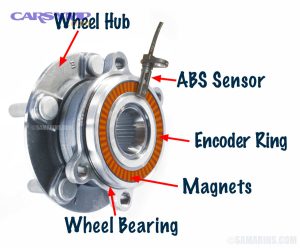
To better understand the issue, it helps to picture the wheel end as a working system rather than a single part. The wheel bearing sits inside or as part of the hub assembly and supports rotational movement while handling vertical load, cornering force, and braking force. When the bearing wears, friction rises, noise increases, and the wheel can develop play. That is why this repair matters not only for comfort but also for tire wear, braking stability, and predictable handling through the suspension & steering system. (moogparts.com)

Is wheel bearing replacement necessary when the bearing starts to fail?
Yes, wheel bearing replacement is necessary once failure begins because the condition usually worsens, the noise and vibration tend to increase, and continued driving can damage the hub, affect wheel stability, or trigger additional safety problems. (moogparts.com)
Specifically, bearings do not “heal” through normal driving. Once the internal rolling surfaces, lubrication path, or preload condition deteriorates, wear usually accelerates. In mild cases, the driver hears only a steady humming sound. In more advanced cases, the wheel end can heat up, loosen, or affect nearby components. That progression is why replacing a failing bearing is the normal fix rather than an adjustment or temporary patch for most modern passenger vehicles.
The practical benefit of replacing the part early is simple: you avoid compounding damage. A bearing that is replaced before severe play develops is less likely to damage the hub, sensor wiring, rotor shielding, or surrounding wheel-end hardware. Early action also reduces the chance that a simple hub-unit job turns into a broader repair.
According to MOOG, driving with a damaged wheel hub assembly is dangerous because worn bearings can keep the wheel from turning smoothly and, in extreme cases, a degraded assembly can fracture. (moogparts.com)
What does a wheel bearing do in the hub and wheel assembly?
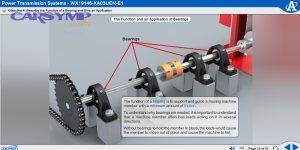
A wheel bearing is a rolling-element component inside the wheel end that reduces friction, supports load, and allows the wheel and hub to rotate accurately around the axle or spindle. (moogparts.com)
More specifically, the bearing has a simple job with major consequences: it keeps rotation controlled. The wheel, tire, rotor, and hub all rely on that smooth rotation. If the bearing develops internal wear, contamination, or loss of correct clamping force, the wheel can rotate with added resistance and reduced precision. That change often shows up first as noise, then as vibration or looseness.
In modern vehicles, the bearing may be part of a sealed hub assembly or installed separately as a press-in unit. Either way, the function is the same: support the wheel end under load while maintaining smooth movement. That explains why Bad wheel bearing symptoms often feel broader than “just a noise.” Drivers may notice road-speed hum, steering feedback, vibration, or ABS-related warnings if the sensor is integrated into the hub.
According to SKF’s bearing maintenance guidance, improper clamping and internal bearing distress increase noise and can create performance problems as clearance changes inside the bearing set. (cdn.skfmediahub.skf.com)
What Are the Signs That You May Need Wheel Bearing Replacement?
The most common signs are humming, growling, grinding, wheel play, vibration, and sometimes ABS warnings, especially when the noise changes with road speed or when load shifts during turns.
However, symptoms matter most when you read them as a pattern. A wheel bearing usually announces itself gradually. The sound often begins as a low hum or droning noise that increases with speed. Later, the sound may deepen into a growl or rough grind, and the vehicle may feel less settled over the road. Because drivers often confuse these changes with tires, brake issues, or drivetrain noise, symptom context is as important as the symptom itself.

What are the most common symptoms of a bad wheel bearing?
There are 6 main bad wheel bearing symptoms: humming noise, growling or grinding noise, vibration, looseness or play at the wheel, uneven steering feel, and ABS-related warnings on vehicles with integrated sensors.
To illustrate the grouping, it helps to divide symptoms into early and advanced stages. Early symptoms usually include a constant hum that rises with road speed and may change when the vehicle loads one side during cornering. Mid-stage symptoms often add roughness, a more obvious growl, and vibration felt through the seat or steering wheel. Advanced symptoms can include visible play in the wheel end, heat, harsher grinding, and instability during braking or lane changes.
Drivers should also note when the symptom appears. If the sound increases as speed rises but does not depend much on engine rpm, the wheel end becomes a stronger suspect. If the sound changes when turning left or right, load transfer may be shifting stress across the damaged bearing. That pattern is often more useful than the noise description alone.
A practical symptom list for readers includes:
- humming that gets louder with speed
- growling or rough metallic sound
- vibration through steering wheel or floor
- looseness during inspection
- harshness during cornering
- ABS light if the wheel-speed sensor is integrated into the hub
According to MOOG, common wheel bearing failure symptoms include noise, vibration, and ABS malfunctioning when the sensor is integrated into the wheel end bearing.
Is a humming or grinding sound always caused by a bad wheel bearing?
No, a humming or grinding sound is not always caused by a bad wheel bearing because tire tread pattern, brake contact, drivetrain noise, and differential issues can create similar sounds at speed. (static.nhtsa.gov)
That is why a quick assumption can waste money. Tire cupping often creates a road-speed hum that sounds bearing-like from inside the cabin. Brake dust shields can rub and imitate scraping. Rear differential or axle noise can also be mistaken for a wheel end issue. A good diagnosis tracks when the sound appears, whether it changes with steering load, and whether braking changes it.
In practice, bearing noise usually stays tied to wheel rotation and road speed. Tire noise often changes with surface texture and tread wear pattern. Brake drag may change when the brakes warm up or during light application. Drivetrain noise can depend more on power delivery than on lateral loading in a turn. Good diagnosis is not guessing which sound is “louder”; it is matching the sound to the condition that changes it.
According to a Nissan technical bulletin filed with NHTSA, if a warbling or whining noise occurs only when the vehicle is moving, technicians are directed to check wheel bearings and related rotating components as possible sources rather than assume one cause. (static.nhtsa.gov)
How can you tell the difference between wheel bearing noise and tire or brake noise?
Wheel bearing noise is most likely when the sound rises with speed and changes with cornering load, tire noise is more tied to tread pattern and road surface, and brake noise is more influenced by rotor contact or brake application. (vehicleaftermarket.skf.com)
Meanwhile, the most useful comparison is behavior-based. When a bearing is failing, the sound often gets louder as the vehicle loads that corner during a sweep or lane change. Tire noise tends to stay more consistent across steering input but can vary strongly with pavement type. Brake-related noise often shows up as scraping, intermittent rubbing, or sound that changes when the brake pedal is applied.
The table below summarizes a simple wheel bearing vs tire noise diagnosis framework for car owners.
| Noise source | What usually changes it | Typical clue |
|---|---|---|
| Wheel bearing | Road speed, cornering load | Hum or growl changes when turning |
| Tire tread/cupping | Road surface, tire rotation pattern | Roar changes with pavement texture |
| Brake drag/shield rub | Brake use, rotor contact, wheel speed | Scrape or rub may change with braking |
| Differential/axle | Load, drivetrain condition | Noise may depend on throttle or rear-end condition |
A smart diagnostic approach also includes a physical inspection. A technician may listen with a chassis ear, check wheel play, inspect tire wear, and verify whether the noise moves after tire rotation. That step matters because changing the wrong part is a common and expensive mistake.
According to technical guidance submitted to NHTSA, technicians are cautioned to confirm that noise is not coming from the differential, wheel bearings, or drive shafts before repair decisions are made. (static.nhtsa.gov)
When Should a Wheel Bearing Be Replaced?
A wheel bearing should be replaced when inspection or driving symptoms show progressing wear, increasing noise, looseness, heat, vibration, or sensor-related faults that point to a failing wheel end. (moogparts.com)

In addition, replacement timing is based more on condition than mileage alone. Some bearings last a very long time under normal conditions, while others fail early because of contamination, impact damage, incorrect torque, or installation error. That is why car owners should pay more attention to symptoms and inspection results than to any single mileage rule.
Can you keep driving with a bad wheel bearing?
No, you should not keep driving with a bad wheel bearing because damage can progress, the wheel end can become unstable, and the risk of hub, sensor, or wheel-mounting problems rises as the condition worsens. (moogparts.com)
For safe-to-drive guidance with failing bearing, the best rule is to judge urgency by symptom severity. A faint noise that has just appeared may allow only cautious, short-term movement to a repair shop, but a bearing that grinds, creates obvious wheel play, runs hot, or affects steering should be treated as urgent. Driving long distances, driving at highway speed, or towing with a known bad bearing increases risk significantly.
This matters because the bearing is not isolated from the rest of the wheel end. As clearance increases, the hub can move abnormally, which affects braking feel and sensor accuracy. That movement can also place extra stress on tires, axle hardware, and surrounding suspension & steering components. The longer the problem continues, the less predictable the wheel end becomes.
According to MOOG, driving with a damaged hub assembly is dangerous because worn bearings can make the wheels turn less smoothly, shake the vehicle, and in severe cases lead to fracture of the assembly. (moogparts.com)
What conditions mean wheel bearing replacement should happen immediately?
There are 5 urgent conditions that mean immediate replacement is needed: severe grinding, wheel looseness, overheating, ABS or hub-sensor faults tied to the wheel end, and unstable steering or braking feel. (static.nhtsa.gov)
More specifically, severe grinding means the bearing has moved beyond early wear and is now damaging internal surfaces. Noticeable wheel play means the part is no longer controlling the wheel end correctly. Excessive heat suggests friction or lubrication failure. ABS warnings can indicate sensor-related hub trouble on integrated designs. Unstable steering or braking feel means the problem is no longer only audible; it is affecting vehicle control.
Drivers should also take fluid leakage or metallic debris near the wheel end seriously when present, especially on vehicles or assemblies where adjacent seals and lubricated components are part of the broader wheel-end system. Immediate replacement reduces the chance of related component damage and lowers the probability that a second repair will be needed.
According to NHTSA recall material, progressing bearing damage may present as unusual noise, unusual vibration, overheating, ABS light illumination, or front-end symptoms before more serious safety consequences occur. (static.nhtsa.gov)
How Does Wheel Bearing Replacement Work?
Wheel bearing replacement works in a sequence of diagnosis, disassembly, component removal, installation of the new bearing or hub, correct torque application, and a final road test to confirm quiet, stable operation.
Next, the most important idea is that not every vehicle uses the same repair path. Some vehicles use a bolt-on hub assembly that can be removed and replaced as one unit. Others use a press-in bearing that requires more labor, more setup, and specialized pressing equipment. The replacement “steps” look similar at a high level, but the difficulty changes a lot once the wheel end is opened.

What are the basic steps in wheel bearing replacement?
The basic method has 6 main steps: diagnose the noise, remove wheel and brakes, access the hub area, remove the old bearing or hub, install the new part with correct procedures, and verify the repair with torque checks and a test drive.
To better understand the process, break it into shop logic rather than tool detail. First, the technician confirms the source of the noise and inspects for play. Next, the wheel, brake caliper, and rotor come off to expose the hub area. Then the axle nut, mounting bolts, or retaining hardware are removed. After that, the failed unit is extracted or pressed out, depending on design. The new unit is installed carefully, electrical connections are restored if needed, and all fasteners are torqued to specification. Finally, the vehicle gets a test drive and a recheck.
The most important step is controlled installation. A bearing that is struck, misaligned, contaminated, or clamped incorrectly can fail early even if the part itself is new. That is why professional repair quality depends as much on procedure as on parts.
For car owners evaluating the job, this also explains Wheel bearing replacement labor time. Access, corrosion, axle condition, sensor wiring, and whether the bearing is press-in or unitized all change the number of labor hours. A simple hub-unit replacement may be manageable in a standard repair bay, while a seized press-in setup can become much more involved.
According to MOOG installation guidance, the ABS connector should be attached correctly and the hub mounting bolts should be torqued to manufacturer specifications during installation.
What is the difference between press-in bearings and hub assembly replacement?
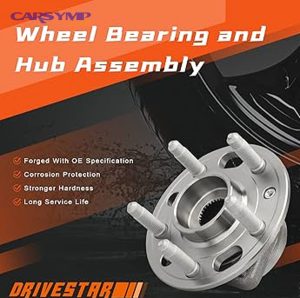
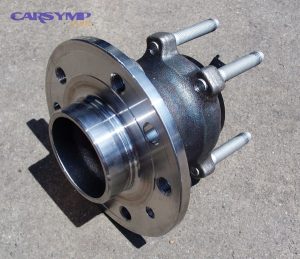
Press-in bearings win on lower part cost in many applications, hub assemblies are best for faster installation and integrated components, and sealed hub units are often optimal when the bearing and sensor are designed as one serviceable module. (autozone.com)
However, the key comparison is not only price; it is service architecture. Press-in vs hub assembly bearing differences affect tool needs, labor time, and failure risk during installation. A press-in design usually requires a press, adapters, and close attention to support points so force is applied correctly. A hub assembly replacement often removes that pressing step because the bearing arrives preassembled within the module.
For the driver, the practical tradeoff is this: press-in bearings may reduce parts cost but can raise labor complexity, while hub assemblies usually cost more as parts yet simplify installation and often include the sensor tone ring or wheel-speed sensing structure. That is why two vehicles with the same symptom can have very different repair bills.
From a reliability standpoint, modern hub units also reduce the chance of damage during installation because the bearing is factory-assembled. Even so, the axle nut, mounting bolts, and mating surfaces still need correct handling. Improper torque can still damage the new unit.
According to AutoZone, parts often range from about $50 to $150 per bearing, while hub assemblies can cost $200 or more depending on application and brand. (autozone.com)
How Much Does Wheel Bearing Replacement Cost?
Wheel bearing replacement cost depends mainly on vehicle design, parts type, labor access, and whether the job uses a press-in bearing or a full hub assembly. (autozone.com)

Besides, cost should be read as a total repair event, not only a part price. The same symptom can produce very different invoices depending on rust, seized hardware, axle removal difficulty, shop rate, and whether both sides are serviced. A useful Wheel bearing replacement cost estimate includes parts, labor, related hardware, and diagnostic time when the source of the noise is not obvious.
What factors affect wheel bearing replacement cost the most?
There are 6 main cost factors: parts type, labor complexity, vehicle design, front or rear location, one-side or two-side service, and whether related items like axle hardware or ABS components need extra work. (autozone.com)
More specifically, parts type is usually the first big variable. A simple bearing may cost much less than a complete hub unit. Labor complexity is the second major variable because some vehicles provide direct access while others require more teardown. Vehicle design matters because all-wheel-drive layouts, corrosion-prone regions, and tightly packaged front ends can add time. Front or rear location matters because the front wheel end often includes steering and drive components. One-side or two-side service changes the total immediately. Finally, related items such as damaged axle nuts, corroded bolts, or an ABS sensor concern can push the bill higher.
The table below gives a practical cost framework for car owners, not a guaranteed quote.
| Cost element | What changes the price |
|---|---|
| Bearing or hub part | Press-in bearing vs sealed hub assembly |
| Labor | Access difficulty, corrosion, special tools, axle removal |
| Front vs rear | Steering and drive components can add complexity up front |
| Related hardware | Axle nut, bolts, seals, clips, sensor harness |
| Diagnostic time | Needed when noise source is uncertain |
A smart way to use a quote is to compare scope, not only total price. Ask whether the shop is replacing a press-in bearing or full module, whether the ABS sensor is part of the unit, and whether new hardware is included. That prevents apples-to-oranges comparisons.
According to AutoZone, wheel bearing parts commonly start around $50 to $150, while hub assemblies often run $200 or more before labor. (autozone.com)
Is front wheel bearing replacement usually more expensive than rear replacement?
Yes, front wheel bearing replacement is often more expensive because the front wheel end commonly includes steering and drive components, packaging can be tighter, and labor access is frequently more complex than at the rear. (autozone.com)
However, “usually” does not mean “always.” Some rear applications are difficult, and some front hub units are surprisingly straightforward. The better way to compare cost is by service design rather than axle location alone. If the front uses a complete bolt-on hub unit, it may go faster than a rear press-in arrangement. If the front requires axle, sensor, and tight-clearance work, the job can cost more.
This is where Wheel bearing replacement labor time becomes the hidden driver of the bill. Labor time expands when rust locks the hub into the knuckle, when the axle is seized, when a press is required, or when a technician must protect delicate ABS wiring during removal. For that reason, two shops can give different but still reasonable prices based on local conditions and procedure.
According to MOOG’s installation notes, hub replacement on ABS-equipped vehicles requires reconnecting the sensor properly and verifying signal function, which adds procedure sensitivity beyond simple bolt removal and installation.
Should You Replace a Wheel Bearing Yourself or Hire a Professional?
DIY replacement can save money on some vehicles, but professional service is usually safer and more reliable when the job requires pressing tools, exact torque control, corrosion management, or ABS-sensitive hub work. (autozone.com)

In short, the decision depends less on confidence and more on tooling and procedure. Many car owners can manage a straightforward bolt-on hub unit with the right repair information, good access, and a torque wrench. Far fewer should attempt a press-in bearing job without a press, correct adapters, and experience supporting the knuckle or hub correctly.
Is wheel bearing replacement a realistic DIY job for most car owners?
No, wheel bearing replacement is not a realistic DIY job for most car owners when the vehicle uses a press-in bearing, requires specialized pullers or a hydraulic press, or depends on exact clamping procedures that can cause early failure if done wrong. (timken.com)
Specifically, DIY bearing replacement risks and tools become the real dividing line. A simple hub-unit job may need standard sockets, breaker bars, penetrating oil, and a torque wrench. A press-in setup may need a shop press, bearing-specific adapters, pullers, snap-ring tools, and careful support technique. Without those, the installer can damage the new bearing before the car even leaves the garage.
The most common DIY risk is not failing to remove the old part; it is installing the new one incorrectly. Damage during pressing, incorrect axle nut torque, contamination, or reusing compromised hardware can shorten bearing life dramatically. On ABS-equipped vehicles, sensor damage or a missed connector can also turn a mechanical repair into an electrical issue.
According to Timken, improper reassembly can lead to failure, and presses or bearing pullers should be used correctly because tightly fitted bearing components can shatter or be damaged if handled improperly. (timken.com)
How does DIY wheel bearing replacement compare with professional service?
DIY wins on potential labor savings, professional service is best for accuracy and reduced risk, and a shop is usually optimal when the bearing design, torque procedure, or hub condition raises the chance of repeat failure. (autozone.com)
On the other hand, cost savings are real for the right person and the right vehicle. If the vehicle uses a clear-access bolt-on hub assembly, the owner has solid repair information, and the hardware is not badly seized, a DIY job can cut the total bill meaningfully. But the money saved can disappear quickly if the new unit is damaged, the axle nut is not torqued correctly, or the noise source was misdiagnosed.
Professional service offers three strong advantages. First, the shop can confirm diagnosis and rule out tire or drivetrain noise. Second, it has the tools to remove seized or pressed-in parts without improvisation. Third, it follows a repeatable post-repair torque and test drive checklist, which is critical to bearing life and customer safety.
A good rule for car owners is simple: if the vehicle uses a press-in bearing, if the hub area is heavily corroded, or if the car has integrated ABS hardware and you are not comfortable with precise torque procedures, professional repair is the better choice.
According to Timken, excessive or inadequate wheel torque can lead to wheel mounting failure, and proper installation procedures are critical to safe service life. (timken.com)
What Related Front Hub Repair Details Can Help You Avoid Misdiagnosis and Extra Costs?
The most useful front hub repair details are hub assembly design, sensor integration, torque sensitivity, and installation quality because these factors explain many repeat failures, false diagnoses, and unexpectedly high repair bills. (timken.com)
Moreover, this is where Preventing premature bearing failures becomes more than a maintenance slogan. Many repeat problems start not because the replacement part was defective, but because the repair overlooked design differences, clamping force, contamination control, or ABS-related details at the wheel end.

Does a wheel bearing always come with the hub assembly?
No, a wheel bearing does not always come with the hub assembly because some vehicles use separate press-in bearings while others use a sealed, complete hub unit that includes the bearing. (autozone.com)
That distinction matters because it changes everything about the repair. With a separate bearing, the technician often removes the knuckle or uses on-car press equipment to install the new bearing correctly. With a hub unit, the bearing is already assembled and the service focuses on removal, mating surfaces, fasteners, and correct torque. The symptom may feel identical to the driver, but the repair scope is not.
This also explains why online parts searches can be confusing. One vehicle may list only a bearing, another only a hub assembly, and another both depending on trim or axle configuration. Car owners should verify design by exact fitment, not by part name alone.
According to AutoZone and MOOG technical guidance, some repairs use standalone bearings while others use complete hub assemblies with integrated features and different installation procedures. (autozone.com)
How is wheel bearing replacement different from full hub assembly replacement?
Wheel bearing replacement focuses on renewing only the bearing element, full hub assembly replacement renews the bearing together with the hub module, and the hub-unit approach usually reduces installation complexity while raising part cost. (autozone.com)
More specifically, the bearing-only repair often requires controlled pressing and more labor-intensive setup. Full hub assembly replacement substitutes the entire unit, which can simplify alignment of internal components and reduce the chance of installation damage. That difference is why some technicians prefer complete modules on vehicles where the cost gap is acceptable.
For the owner, the choice is often determined by design rather than preference. If the vehicle was built around a sealed hub unit, that is the service path. If it uses a pressed bearing, the repair follows that architecture. Comparing quotes still matters, though, because some shops explain the difference clearly and others only present a final price.
The biggest cost lesson is this: a higher parts price does not always mean a worse deal. A more expensive hub unit can produce a better total outcome if it reduces labor, repeat-risk, and sensor complications.
Can ABS sensor problems be related to wheel bearing or hub failure?
Yes, ABS sensor issues related to wheel bearings are possible because many modern hub assemblies integrate wheel-speed sensing, and bearing or hub problems can disrupt signal quality or damage related connections.
Especially on front wheel applications, the sensor relationship should never be ignored. Some designs place the sensing elements within or immediately adjacent to the hub unit. If the bearing develops excess play, contamination, or internal damage, the signal can degrade. During replacement, a missed connector or damaged wire can also produce an ABS warning even if the mechanical installation looks finished.
This is why technicians check sensor connection and signal status before releasing the vehicle. A quiet wheel end with a lit ABS lamp is not a completed repair. Car owners should also mention any warning lights that appeared before the repair because that information helps distinguish sensor trouble from purely mechanical noise.
According to MOOG, ABS malfunction can be related to failure of the ABS sensor integrated into the wheel end bearing, and installation guidance includes reconnecting the ABS connector and confirming signal operation.
What installation mistakes can cause a new wheel bearing to fail early?
There are 5 common mistakes that cause early failure: improper torque, incorrect pressing method, contamination, poor clamping or retention, and reassembly errors involving hardware or adjacent components. (timken.com)
To sum up, Preventing premature bearing failures depends on disciplined installation. The axle nut or retaining hardware must be torqued to specification. Press force must be applied correctly so load does not pass through the wrong bearing surfaces. Dirt, corrosion, or nicked mating surfaces can interfere with seating. Damaged or reused hardware can reduce retention. Missed alignment and skipped checks can leave the bearing operating under stress from the first mile.
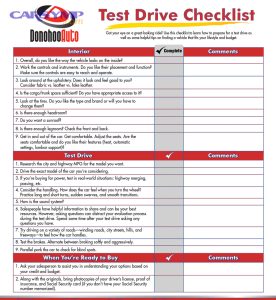
A strong post-repair torque and test drive checklist usually includes:
- verifying all fasteners are torqued to manufacturer spec
- confirming sensor connection and warning-light status
- checking wheel rotation and absence of play
- performing a road test at low and moderate speed
- listening for remaining hum, growl, or brake rub
- rechecking for leaks, heat, or loose hardware after the drive
According to Timken, loss of bearing retention from improper torque can cause vibration and noise, while SKF notes that incorrect clamping increases noise and performance problems inside the bearing system. (timken.com)
In practical terms, that is the real finish line of wheel bearing replacement: not just installing a new part, but restoring quiet rotation, correct sensor operation, and secure wheel-end behavior under real driving conditions.