


A failing wheel bearing is not safe to ignore because it can reduce wheel stability, increase heat and friction, and eventually affect steering control, braking consistency, and hub integrity. In practical terms, a driver may sometimes move the car a very short distance at low speed, but once clear symptoms appear, the safest answer is to limit driving and treat the issue as urgent. To begin, this article explains exactly when a noisy or rough wheel bearing crosses the line from inconvenient to unsafe.
The next concern is symptom recognition, because most drivers first notice a humming, growling, or grinding sound long before they know which part is at fault. More specifically, the article breaks down the warning signs that point to a failing wheel bearing, including speed-related noise, vibration, steering feel, heat at the hub, and changes that happen during turns.
Then comes the risk question, which is usually what people are really asking when they search this topic. Besides noise and vibration, a worn bearing can create extra stress on the hub, brake components, and wheel speed sensor, which is why wheel bearing replacement should happen before the damage spreads. The discussion also touches on DIY bearing replacement risks and tools, Wheel bearing replacement labor time, and why Preventing premature bearing failures matters more than waiting for a total breakdown.
Introduce a new idea: the safest way to judge a failing wheel bearing is to combine symptoms, severity, and driving conditions rather than rely on a single sound. Below, the main content answers the direct safety question first, then explains what a wheel bearing does, what warning signs matter most, what risks follow if you keep driving, how to separate mild symptoms from emergencies, and finally how to tell bearing noise apart from tire or brake noise.
Is It Safe to Drive With a Failing Wheel Bearing?
No, driving with a failing wheel bearing is generally unsafe because the condition can worsen quickly, reduce wheel stability, and raise the risk of hub damage or loss of control.
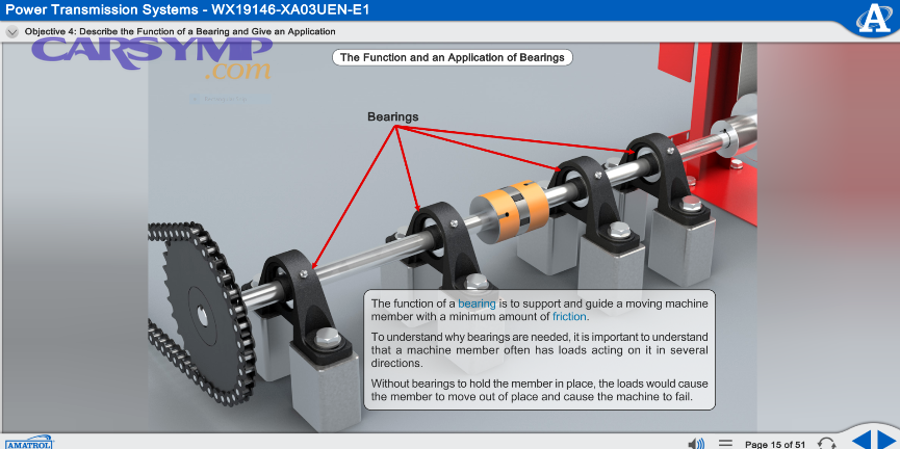
To better understand the issue, the real question is not whether a car can still move, but whether that movement remains predictable and safe under braking, turning, and road load. A wheel bearing supports the wheel hub while allowing the wheel to rotate smoothly under heavy load. When the bearing begins to fail, the wheel can no longer track as precisely as it should, and the problem may progress from a faint hum to roughness, looseness, heat, and severe vibration. That progression is why drivers should think in terms of risk exposure rather than simple drivability.
When Is the Answer Yes, but Only Briefly?
Yes, a failing wheel bearing may allow only very brief low-speed driving when symptoms are mild and the driver is moving the vehicle to a safer place or nearby repair shop.
Specifically, that limited “yes” applies only under narrow conditions. The vehicle should have a light humming sound rather than grinding, no wheel wobble, no strong vibration through the steering wheel or floor, no burning smell, no obvious heat from the affected hub, and no change in braking feel. The route should be short, local, and slow. A driver who is a few blocks from home or from a shop may decide to move the car carefully rather than leave it in traffic, but that is not the same as saying the car is safe for normal use.
A useful way to think about this is exposure time. The longer a worn bearing rotates under load, the more heat and friction it creates. Heat can thin grease, worsen metal-to-metal contact, and accelerate internal damage. Even if the car feels mostly normal at first, extra miles can turn a contained issue into a larger repair involving the hub, wheel speed sensor, or adjacent suspension parts. That is why a short relocation is sometimes reasonable, while commuting, highway driving, and road trips are not.
A driver should also consider conditions outside the vehicle. Low-speed movement on dry local streets is very different from interstate speeds, mountain roads, heavy rain, or carrying passengers. Any increase in speed, load, or braking demand magnifies the consequences of a weak bearing. In short, “briefly” means exactly that: only enough driving to reduce immediate exposure, not enough to delay repair for convenience.
When Is the Answer No, You Should Stop Driving Immediately?
No, you should stop driving immediately when a failing wheel bearing causes grinding, severe vibration, wheel looseness, heat, or unstable steering.
More importantly, these are the signs that the bearing may be approaching structural failure rather than ordinary wear. A grinding sound usually means the rolling surfaces inside the bearing are badly damaged. Strong vibration through the steering wheel or seat suggests the wheel is no longer rotating smoothly. A hot hub or burning smell points to excessive friction. If the vehicle wanders, feels vague in turns, or reacts inconsistently to braking, the problem has already moved into a higher-risk zone.
Drivers should also stop if the noise suddenly becomes much louder, changes sharply during turns, or is joined by a pulsing sensation from that corner of the car. Those symptoms may indicate significant internal play or related hub damage. In that state, continuing to drive can let the wheel tilt more than designed, which can affect tire wear, brake rotor alignment, and sensor readings. The result is not just a bad sound; it is a growing loss of precision at one of the car’s most critical rotating points.
The safest decision in these cases is towing. That may feel inconvenient, but it is often cheaper than compounding the repair. A severe bearing problem can turn one needed service into wheel bearing replacement plus extra hub, ABS, or knuckle work. That is why the best safety rule is simple: if the symptom affects control, stability, or heat, do not keep driving.
What Is a Failing Wheel Bearing and Why Does It Become Dangerous?
A failing wheel bearing is a worn hub-supporting component that loses smooth rotation, increases friction, and compromises wheel stability as damage spreads through its rolling surfaces and lubricant.
Let’s explore why this matters, because the safety question only makes sense when you understand the bearing’s job. A wheel bearing sits at the hub and supports the wheel as it rotates under vehicle weight, cornering force, and braking load. It is designed to minimize friction while maintaining exact alignment. When that precision breaks down, the wheel does not simply get noisier; it becomes less stable under real driving forces.

What Does a Wheel Bearing Do in Normal Driving?
A wheel bearing lets the wheel rotate smoothly while carrying load, preserving alignment at the hub and helping the vehicle steer, brake, and roll with minimal friction.
For example, every time the car accelerates, brakes, corners, or hits a bump, the bearing absorbs and transfers forces through the hub assembly. It keeps the rotating wheel centered and controlled. That function may seem small compared with the engine or brakes, but it is essential because everything at the wheel depends on stable rotation. Tire contact, braking smoothness, and steering feel all depend on the hub turning without roughness or play.
In a healthy bearing, grease separates metal surfaces and rolling elements move with very little resistance. That low-friction operation is why the wheel remains quiet and stable. The driver notices almost nothing, which is exactly the point. A bearing does its best work when it disappears into the background.
This also explains why a failing bearing often fools drivers at first. The early stage may seem like a minor road-noise issue or a tire problem because the wheel still turns. But the bearing does not need to collapse completely to become dangerous. Once roughness begins, the wheel no longer rotates with the same consistency, and that inconsistency grows under speed and load.
How Does a Wheel Bearing Failure Progress From Noise to Danger?
A wheel bearing failure usually progresses in stages: light hum, louder growl, vibration, looseness, heat, and in rare severe cases seizure or wheel separation.
However, the timeline is not always predictable. Some bearings wear slowly over months, while others deteriorate rapidly after contamination, impact damage, poor installation, or loss of lubricant. The first clue is often a humming or droning sound that rises with speed. Then the sound becomes a growl or rumble. As internal surfaces pit and wear, the roughness transfers into the chassis as vibration.
Next comes looseness. Internal play allows the hub to deviate slightly from its ideal path. Even a small amount of movement at the bearing can affect how the tire contacts the road and how the brake rotor runs between the pads. The driver may feel a subtle instability during lane changes or a change in sound while turning left or right, because cornering load shifts onto one side of the damaged bearing.
Heat marks a more serious phase. Friction rises as grease breaks down and the rolling elements no longer glide correctly. A hot hub, a scorched smell, or sudden noise increase means the problem is no longer just wear; it is active deterioration. In extreme cases, the bearing can seize or allow excessive hub play, which is why a neglected issue can escalate from annoying noise to a real safety hazard.
According to a study by the SKF University Technical Center from its bearing failure analysis publications, improper lubrication and contamination are among the most common causes of premature rolling bearing failure, often accelerating heat, wear, and surface damage.
What Warning Signs Tell You a Wheel Bearing Is Failing?
There are several main warning signs of a failing wheel bearing: humming, growling, grinding, vibration, load-sensitive noise in turns, heat at the hub, and unstable wheel behavior.
To better understand those signs, it helps to group them by what the driver can hear, feel, and observe. Some symptoms suggest early wear, while others point to a problem that should be treated as urgent. The search intent behind this topic is practical, so the most useful approach is to connect each sign to the level of risk it represents.
Which Sounds and Feelings Most Commonly Point to a Bad Wheel Bearing?
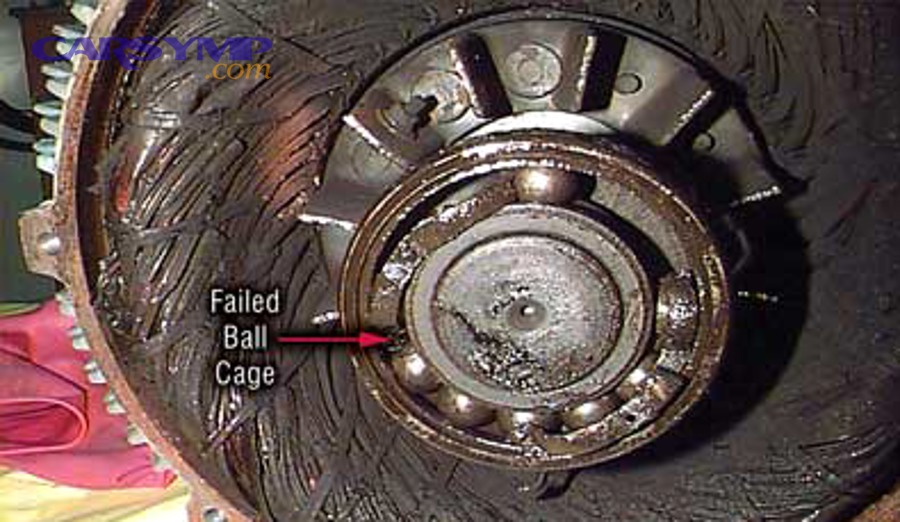
The most common bad wheel bearing symptoms are a speed-dependent hum, rumble, growl, steering-wheel vibration, and noise that changes when cornering shifts load onto the damaged side.
More specifically, the early sound often resembles tire noise, but it tends to rise in pitch or volume as the vehicle speeds up. Drivers describe it as a low drone, a rough hum, or a growling sound from one corner of the vehicle. Unlike an engine noise, it does not follow rpm in the same way. Unlike wind noise, it usually gets more obvious under road load.
A useful clue appears in turns. When the vehicle leans in a curve, more weight transfers to the outside wheels. If the sound grows louder in a right-hand turn, one side may be carrying load differently than the other. This does not replace a proper diagnosis, but it is one of the classic patterns that makes a bearing issue more likely.
The physical sensations matter just as much as the sound. A rough bearing can send vibration into the steering wheel, floor, or seat. Front bearing issues often show up more through steering feel, while rear bearing issues may feel more like a body rumble. That difference is not absolute, but it helps drivers notice where the disturbance seems to come from.
Another clue is inconsistency across surfaces. Tire tread noise may change with pavement type, while a bearing noise usually stays present and speed-related across different road textures. If the sound continues on smooth asphalt and worsens steadily with speed, a wheel bearing moves higher on the list of suspects.
Which Symptoms Suggest the Problem Is Already Severe?
Severe symptoms include grinding, strong vibration, wheel play, a hot hub, burning odor, erratic braking feel, and warning-light behavior linked to wheel speed sensor disruption.
Besides the sound itself, severity shows up in the way the vehicle behaves. Grinding means internal surfaces are badly worn or damaged. Strong shaking means the wheel is no longer rotating cleanly. If the affected corner feels loose or unsettled, the hub may have developed enough play to interfere with alignment at the wheel. Those are not “watch it for a while” symptoms; they are “stop and reassess now” symptoms.
Heat is another major escalation marker. A failing bearing can run hot enough to affect grease, seals, and neighboring components. After a drive, one wheel area may feel noticeably hotter than the others. A driver should be careful around hot components, but unequal heat at one corner is a sign that friction is no longer normal.
Modern vehicles add another layer: the ABS or traction-control system may respond strangely if hub movement or sensor positioning is affected. That does not mean every ABS light points to a wheel bearing, but on some cars a damaged hub area can disturb wheel speed readings. When warning lights appear together with noise and vibration, the case for urgent inspection becomes stronger.
The table below summarizes how common symptoms relate to likely urgency.
| Symptom | What it often suggests | Risk level | Practical action |
|---|---|---|---|
| Light humming at speed | Early bearing wear or similar rotating-noise issue | Moderate | Diagnose promptly, limit driving |
| Louder growl in turns | Load-sensitive bearing deterioration | Moderate to high | Schedule immediate inspection |
| Grinding noise | Advanced internal damage | High | Stop driving, tow if possible |
| Strong steering or floor vibration | Rough rotation or hub instability | High | Avoid normal driving |
| Hot hub or burning smell | Excessive friction and heat | High | Stop driving immediately |
| Wheel looseness or unstable tracking | Severe wear or play | Very high | Do not continue driving |
According to a study by the U.S. National Highway Traffic Safety Administration on wheel-end system safety, component degradation at the wheel end can materially affect vehicle stability and braking-related safety outcomes when left unresolved.
What Risks Do You Face If You Keep Driving on a Bad Wheel Bearing?
A bad wheel bearing creates three main risks: reduced control, damage to nearby components, and a much higher chance of a more expensive and dangerous failure.
Then the question becomes personal rather than mechanical: what can actually happen if you keep driving? The answer depends on speed, load, road conditions, and how advanced the damage already is. Yet even with those variables, the pattern is consistent. A bad bearing starts as localized wear and can spread outward into the rest of the wheel-end assembly.
What Safety Risks Can a Failing Wheel Bearing Cause?
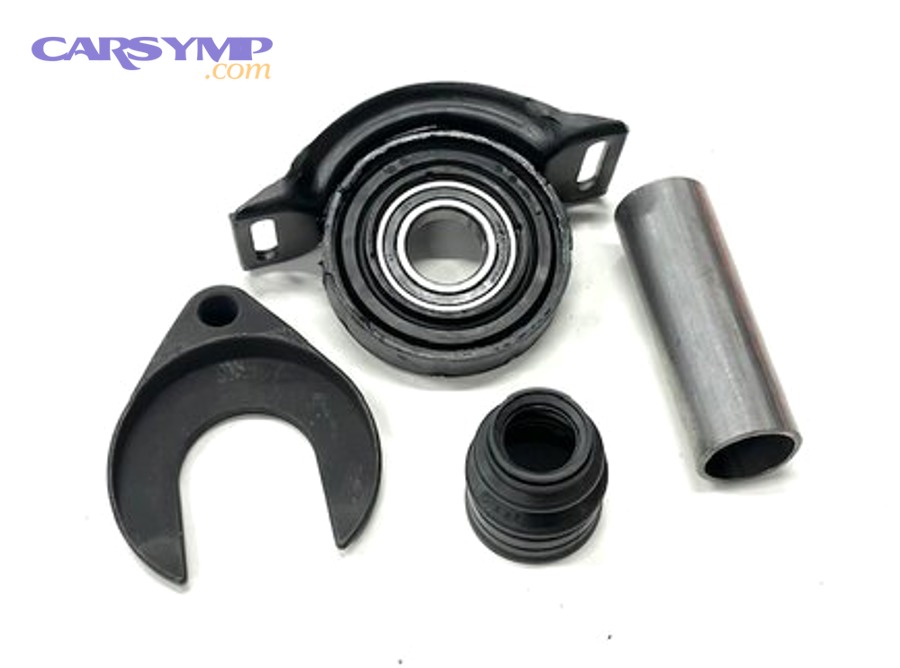
A failing wheel bearing can reduce steering precision, upset braking consistency, destabilize the wheel under load, and in severe cases contribute to loss of control.
More importantly, those risks grow exactly when the vehicle is asked to do more. Braking loads the wheel end. Turning loads one side of the vehicle more heavily. Rough pavement adds shock. Highway speed increases rotational stress and heat. That means the bearing becomes most dangerous not when the car is parked, but when the driver needs the vehicle to react predictably.
One safety problem is changing wheel alignment at the hub. As play develops, the wheel may not track as cleanly. That can create vibration, wandering, or a subtle pull. Another safety problem is inconsistent brake behavior. The brake rotor and caliper depend on stable rotation. If the hub wobbles more than it should, the braking feel can become rougher or less predictable.
There is also a human factor. Drivers often adapt to gradual noises without realizing the problem is worsening. They turn up the radio, avoid certain speeds, or assume the sound can wait until the next service. That delay is risky because bearing failure does not always announce the final stage far in advance. A bearing can go from loud to much worse in a short period once heat and internal damage accelerate.
What Extra Damage Can Delayed Repair Cause?
Delayed repair can damage the hub, wheel speed sensor, brake components, tires, and surrounding suspension parts, turning a single fault into a larger repair bill and longer downtime.
For example, excessive play at the hub can stress the sensor ring or ABS sensor. Rough rotation can affect rotor wear and brake pad contact. A hot bearing can damage seals and grease, which invites contamination and faster breakdown. If the wheel no longer rotates on a true path, the tire can wear abnormally. In short, the whole area around the bearing begins to pay the price.
This is where wheel bearing replacement becomes a financial decision as well as a safety one. Replacing the bearing or hub assembly early is usually simpler than waiting for the damage to cascade. Once collateral parts are involved, the job can take longer, cost more, and require additional diagnostic work. That is also why discussions of Wheel bearing replacement labor time vary so much: the underlying damage determines whether the repair stays focused or expands.
Some drivers consider DIY bearing replacement to save money, but the job is not always straightforward. Press-in bearings may require a shop press, correct adapters, torque precision, and careful handling of the sensor area. DIY bearing replacement risks and tools become a real issue if installation errors preload the new bearing incorrectly or damage seals during assembly. A poorly installed bearing can fail early, undoing the savings and creating another safety risk.
According to a study by the Society of Automotive Engineers in published wheel-end service research, incorrect installation torque and contamination during service are significant contributors to shortened bearing life and repeat failure.
How Can Drivers Tell the Difference Between a Mild Warning and an Emergency?
Mild warning signs involve light, stable noise without control problems, while emergency signs include grinding, heavy vibration, heat, wheel play, or any symptom that affects steering, braking, or stability.
Meanwhile, many drivers struggle because the line between “I can still get there” and “I need to stop now” is not always obvious. The best approach is to compare symptom intensity, vehicle behavior, and route risk rather than depend on one clue alone. This comparison turns a vague feeling into a safer decision.
How Do Mild Symptoms Compare With High-Risk Symptoms?
Mild symptoms usually mean faint speed-related noise with normal control, while high-risk symptoms mean noise plus instability, heat, looseness, or sharp vibration.
To illustrate, a mild warning often sounds like a hum that increases with speed but does not shake the cabin, alter steering feel, or change braking response. The driver notices it, but the car still feels composed. That is still not healthy, and the vehicle still needs inspection soon, but the symptom profile suggests the bearing has not yet reached a crisis stage.
High-risk symptoms are different because they affect the way the vehicle behaves. Grinding is harsher than humming. Steering vibration is more serious than distant droning. A burning smell or heat at one hub is more alarming than a simple sound. If the symptom can be felt in control inputs or if it worsens quickly with turns and braking, the situation has changed from monitoring to action.
This comparison also helps avoid false comfort. A driver might assume that because the car still rolls, the risk is low. In reality, wheel-end problems become dangerous when precision fades, not only when the wheel stops turning. That is why changes in feel and control matter more than the mere ability to move the car.
Should You Drive, Pull Over, or Tow the Vehicle?
Drivers should limit driving only for short low-risk relocation, pull over when symptoms worsen or control changes, and choose towing when grinding, heat, severe vibration, or wheel play appears.
In short, the decision can be organized into three levels. First is limited relocation: only short distance, low speed, light symptom, stable control, and no severe noise. Second is pull over and reassess: the sound suddenly grows louder, the steering begins to shake, or the route now requires higher speed than the situation allows. Third is tow the vehicle: grinding, hot hub, unstable wheel feel, strong vibration, or any sign that the car may not behave predictably.
A simple mental checklist can help:
- Drive briefly only if the noise is mild, control feels normal, and the destination is very close.
- Pull over if the sound changes suddenly, vibration increases, or you feel less confident in braking or steering.
- Tow if you have grinding, heat, looseness, or visible concern at the affected corner.
That checklist matters because a bad decision often happens under time pressure. A driver is late, a shop is closing, or the destination feels “close enough.” But wheel-bearing safety is not about convenience. It is about whether the car can still maintain safe wheel-end integrity during real driving demands.
How Can You Tell Wheel Bearing Problems Apart From Tire or Brake Noise?
Wheel bearing problems differ from tire or brake noise by their speed-linked growl, load-sensitive change in turns, and rough rotational feel rather than tread-pattern or brake-application patterns.
Besides safety, diagnosis matters because many rotating noises sound similar at first. Drivers commonly confuse bearing noise with tire cupping, uneven tread wear, brake drag, or even some CV-joint sounds. That confusion delays repair and can lead to the wrong service. The fastest path to the right decision is to compare how each type of noise behaves.
How Is Wheel Bearing Noise Different From Tire Cupping or Road Noise?
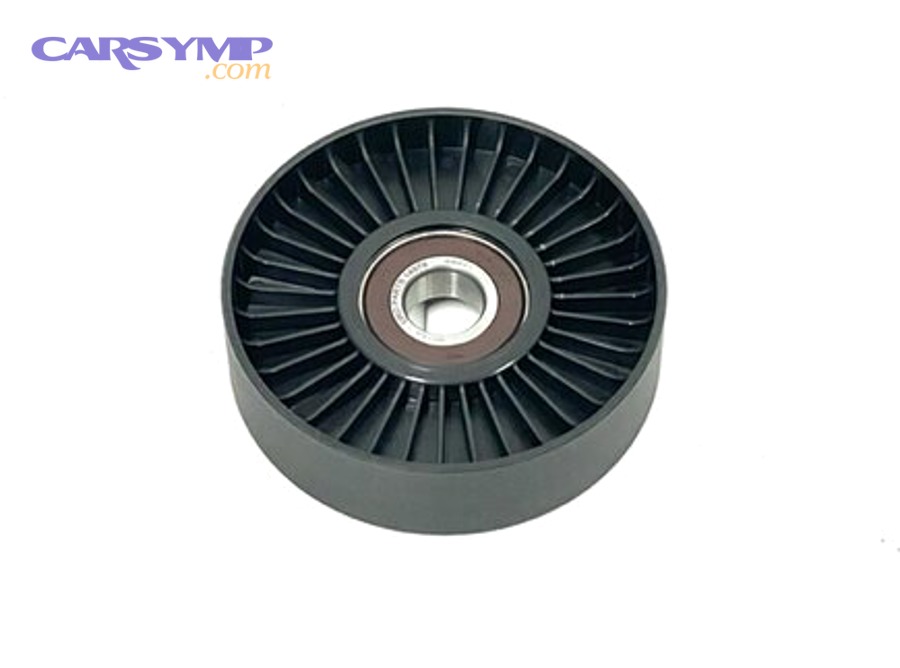
Wheel bearing noise usually stays speed-related and load-sensitive, while tire cupping and road noise depend more on tread pattern, road texture, and surface changes.
Specifically, tire noise often changes noticeably between smooth asphalt and coarse concrete. It may also pulse in a more tread-related rhythm. Cupped tires can make a helicopter-like or droning sound, but that sound often ties closely to uneven tread blocks and may remain consistent through turns. A bearing noise, by contrast, tends to become more obvious when cornering shifts the car’s weight.
Another difference is feel. Tire cupping may create a vibration, but it often comes with visible tread wear patterns that explain the sound. A wheel bearing can produce a rough hum even when the tire tread still looks fairly normal. That is why a careful inspection of the tire surface matters; it helps separate road-contact noise from hub-rotation noise.
A useful diagnostic clue is rotation history. If the tires are old, irregularly worn, or recently moved to a different axle and the noise changed, tires deserve attention. If the sound steadily worsens with speed and changes under cornering load, the bearing becomes a stronger suspect.
How Is Wheel Bearing Noise Different From Brake or CV Joint Problems?
Wheel bearing noise is usually continuous with vehicle speed, brake noise often changes with pedal input, and CV joint noise commonly clicks during turning rather than droning at speed.
However, overlap can happen. A dragging brake can create heat and noise, and a badly worn CV joint can add vibration under load. The key is behavior pattern. Brake-related sounds often change when the driver applies or releases the brake pedal. They may squeal, scrape, or grind during braking events. Bearing noise is often present even when the driver is simply cruising.
CV joint symptoms differ again. An outer CV joint commonly clicks or pops during turns, especially under acceleration. That click pattern is distinct from the low hum or growl of a bearing. The driver may notice CV noise most during low-speed tight turns, while a bad bearing often becomes most obvious at moderate or higher road speed.
Because these systems sit close together, a proper hands-on inspection still matters. Yet understanding the pattern helps drivers communicate better symptoms and avoid guessing. Better symptom description leads to faster diagnosis and less wasted repair time.
Does Front vs Rear Bearing Failure Change the Symptoms You Notice?
Yes, front bearing failure often shows up more through steering feel, while rear bearing failure more often feels like body rumble or cabin drone, though either end can transmit noise throughout the vehicle.
More specifically, front wheel issues may be easier to sense through the steering wheel because the front end handles both directional control and braking load in a very obvious way. The driver may feel roughness during turn-in or a subtle steering-wheel vibration at speed. Rear bearing problems often sound harder to localize because the noise travels through the floor and body shell.
That said, location can be misleading. Sound reflects through the cabin, tire patterns can mask origin, and some vehicles insulate front and rear noise differently. Drivers should treat location as a clue, not proof. A technician may still need road testing, lift inspection, or hub movement checks to confirm the exact corner.
This location difference also affects repair planning. Some rear bearing jobs are integrated hub replacements, while some front applications involve more complex press-in service. That is one reason Wheel bearing replacement labor time varies so widely from one vehicle to another.
When Is Towing the Smarter Choice Than Driving a Short Distance?
Towing is the smarter choice when the car must travel at speed, the symptoms are severe, the diagnosis is uncertain, or the consequences of failure would put occupants and other road users at risk.
Thus, towing becomes the safer option not only when failure is obvious, but also when the margin for error is too small. A short local drive on quiet streets is one thing. A 20-mile highway run in fast traffic is another. Add passengers, poor weather, nighttime driving, or mountain grades, and the risk profile changes further.
Towing is also wise when the hub area is hot, the wheel feels loose, or the symptom escalates quickly. Even if the vehicle can still move, the question is whether it should. A tow protects the car from further damage, protects the driver from a worsening failure, and often protects the repair budget from turning a bearing service into a larger wheel-end rebuild.
Finally, the best long-term strategy is Preventing premature bearing failures. Avoid curb strikes and pothole abuse when possible, use correct wheel torque, repair suspension issues that overload the hub, and keep seals and surrounding components in good shape. Safe driving decisions matter in the moment, but prevention reduces the chance of facing this situation again.
According to a study by Timken engineering service literature on wheel-end maintenance, correct installation practices, proper torque procedures, and contamination control significantly improve bearing service life and reduce repeat failures.