


A fuse that keeps blowing (keeps popping) is telling you one thing: the circuit is drawing more current than it should, and the fuse is sacrificing itself to protect the wiring and electronics. This guide walks you through a repeatable, step-by-step diagnostic workflow to pinpoint whether you’re dealing with a short-to-ground, an overloaded component, or a wiring fault—so you stop guessing and start isolating.
Next, you’ll learn how to recognize pattern-based clues (blows instantly vs. blows only when an accessory is used) and how those clues narrow the suspect list fast. That matters because the best fix is rarely “just do a fuse replacement”—it’s correcting the upstream condition that’s forcing the fuse to open.
Then, you’ll get a safety-first toolkit and a set of rules that prevent the Common mistakes that damage electronics, including the two most expensive ones: installing a larger fuse and probing the wrong points with power applied.
Introduce a new idea: once you understand the “why” and the safety setup, you can follow a clean isolation process that ends with proof—your fuse survives the same conditions that used to blow it.
What does it mean when a fuse keeps blowing (keeps popping) in a car?
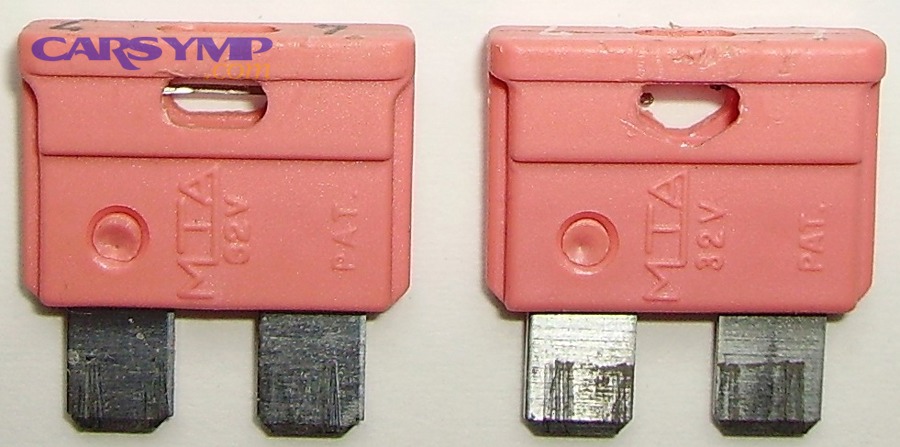
A fuse that keeps blowing is a circuit protection device reacting to excessive current, usually from a short-to-ground, overload, or incorrect fuse rating, and it “pops” to prevent wiring overheating and component damage.
To better understand why the fuse is failing repeatedly, start by treating the blown fuse as a symptom—not the problem itself—and use the timing of the blow to steer your diagnosis.
Is a repeatedly blown fuse always caused by a short circuit?
No, a repeatedly blown fuse is not always caused by a short circuit, because overload current, a failing component that draws too many amps, and an incorrect fuse rating can all exceed the fuse limit and make it pop.
Specifically, a short circuit is the most dramatic reason—often blowing the fuse immediately—but it’s not the only one:
- Overload (too much normal demand): A motor that’s binding (blower fan, wiper motor) can pull more current than designed, especially under load. The fuse may survive briefly, then pop.
- Intermittent wiring contact: A wire can rub and occasionally touch ground when you hit bumps or turn the wheel, producing a “sometimes” short that’s hard to catch.
- Wrong fuse amperage: If the circuit calls for 15A and a 10A is installed, normal operation can become “excess current” from the fuse’s point of view.
Practical takeaway: If the fuse pops instantly the moment the circuit is energized, think “short.” If it pops after you activate a function or after a short delay, think “overload” or “component failing under load.”
According to a study by the University of Michigan Transportation Research Institute (UMTRI), in 1991, electrical causes accounted for 27% of reviewed car fire cases in their dataset, highlighting how often electrical faults (including shorts) can be significant contributors. (depts.washington.edu)
What’s the difference between an overload and a short-to-ground when a fuse blows?
A short-to-ground wins for instant fuse popping, an overload is best explained by delayed blowing under load, and a wrong fuse rating is optimal as the explanation when current is normal but the fuse value is too small.
However, the easiest way to separate these in real life is to compare how fast the fuse fails and what triggers it:
- Short-to-ground (near-zero resistance path):
- Typical behavior: Fuse pops immediately when power is applied.
- Why: Current spikes very high because electricity finds a direct path to ground.
- Common causes: Chafed insulation, pinched wire, melted harness, water bridging contacts.
- Overload (higher-than-designed current through a real load):
- Typical behavior: Fuse pops after a delay or only when a motor/feature is used.
- Why: The device still has resistance; current rises above spec because the component is struggling.
- Common causes: Seized motor, jammed mechanism, corroded connections increasing resistance and heat.
- Incorrect fuse value (human error or prior repair):
- Typical behavior: Pops inconsistently, often during normal use.
- Why: The circuit may be fine; the fuse is simply not matched to the circuit’s design.
If you remember one rule: shorts blow now; overloads blow later. That rule won’t be perfect every time, but it’s accurate enough to guide the first half of your troubleshooting.
Which symptoms tell you where to start—blows instantly vs after using an accessory?
There are 4 main symptom patterns of a fuse that keeps blowing: instant blow at key-on, blow on accessory activation, delayed blow under load, and intermittent blow during movement, based on what triggers the current spike.
Moreover, these patterns tell you where to start your inspection:
- Blows instantly (as soon as power is applied):
- Start with wiring close to the fuse box, relay sockets, and the first section of harness.
- Suspect: direct short-to-ground, pinched wire, melted insulation.
- Blows only when you turn something on (wipers, blower, lights):
- Start at the specific component and its connector.
- Suspect: failing motor, short inside the device, shorted switch, rubbed harness near the device.
- Blows after a short delay (10–60 seconds of operation):
- Start with high-load devices and anything that heats up.
- Suspect: overload from a binding motor, poor connections, partially shorted windings.
- Blows intermittently (bumps, turns, rain, door opening):
- Start at movement points (door jamb, trunk hinge), areas that flex, and areas that get wet.
- Suspect: harness chafe, water intrusion, intermittent connector contact.
When you write down exactly what you did right before it popped, you’re creating a map to the fault.
What tools and safety steps do DIY car owners need before troubleshooting a blowing fuse?
DIY diagnosis is safest and fastest with basic electrical tools and strict safety steps: confirm the correct fuse rating, isolate power when needed, and use test methods that avoid repeated fuse popping and accidental module damage.
Next, set your goal correctly: you’re not trying to “see if the new fuse holds.” You’re trying to locate the point where current becomes abnormal—without melting wires or harming electronics.
Should you keep replacing the fuse to “test it”?
No, you should not keep replacing the fuse to “test it,” because repeated popping can overheat wiring, it can mask intermittent patterns by changing conditions, and it encourages risky behavior like upsizing the fuse.
Then, use a safer substitute strategy:
- If the fuse pops immediately, repeated replacement teaches you nothing new.
- If the fuse pops sometimes, repeated replacement creates noise in your diagnosis—each attempt changes heat, position, and timing.
A better approach is to use isolation + measurement (covered below) so you gather proof instead of gambling with a handful of fuses.
What basic tools make fuse diagnosis faster and safer?
There are 7 main tools that make diagnosing a fuse that keeps blowing easier: a fuse puller, correct spare fuses, a digital multimeter, a test light, wiring diagrams, basic hand tools, and inspection tools, based on the tasks of removal, measurement, isolation, and visual confirmation.
Especially for DIY car owners, these are the practical essentials:
- Fuse puller (or needle-nose pliers): Removes fuses without damaging them or the socket.
- Correct spare fuses (same type and amperage): For controlled verification and final confirmation.
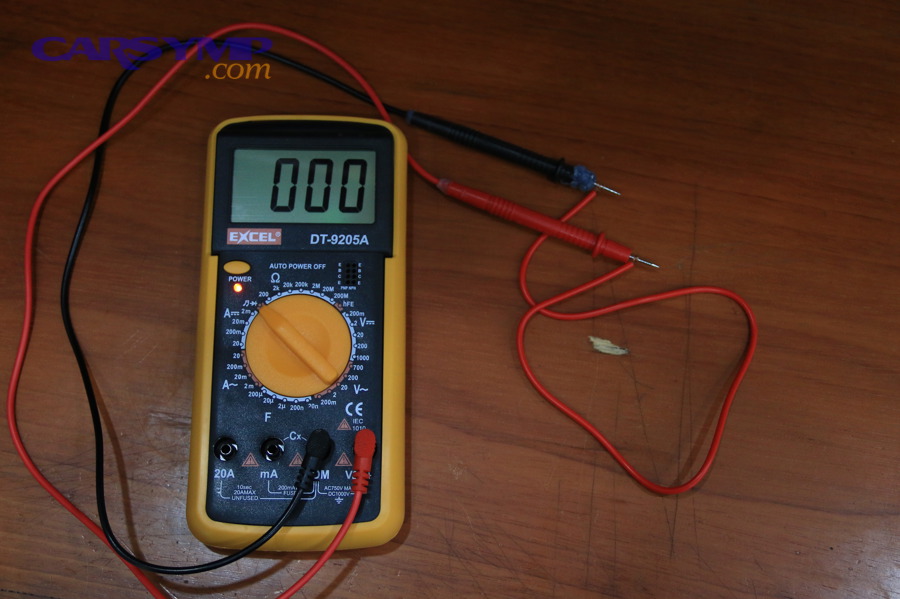
- Digital multimeter (DMM): For continuity/resistance checks and verifying short-to-ground.
- 12V test light (optional but helpful): For simple power presence checks without complex meter settings.
- Wiring diagram / fuse legend: Tells you what’s on that circuit so you know what to unplug.
- Trim tools + small screwdrivers: To access panels without breaking clips.
- Flashlight + mirror: To see the back of fuse boxes and tight harness routes.
This is where “cheap” often becomes expensive: using the wrong test method is one of the most common ways people create the Common mistakes that damage electronics, like shorting a probe across terminals or powering a circuit while unplugging sensitive modules.
When should you stop DIY troubleshooting and call an auto electrician?
Yes, you should stop DIY troubleshooting and call an auto electrician if the fuse keeps blowing and you notice burning smell or hot harnesses, the circuit involves safety systems (airbag/ABS), or you cannot identify loads on the circuit and risk damaging control modules.
Moreover, these “stop signs” are there to protect you and the car:
- Heat or melting: A fuse that pops repeatedly can be a warning that wiring is already stressed.
- Safety system circuits: Airbag/ABS circuits are not the place to “experiment.”
- Water intrusion in fuse/relay boxes: Corrosion can create multiple faults at once.
- Repeated instant blow with no obvious chafe: May require deeper circuit tracing tools.
According to a study by Liverpool John Moores University from the School of Computing and Mathematical Sciences, in 2024, researchers noted that fuses that blow frequently can be a sign of electrical faults and are part of broader electrical fire risk indicators. (researchonline.ljmu.ac.uk)
How do you diagnose a fuse that keeps blowing step-by-step?
The best method is a 7-step isolation workflow—verify the fuse spec, inspect visually, identify loads, isolate branches, test for short-to-ground, inspect harness routes, and re-test under the triggering condition—so you locate the fault and stop the fuse from popping.
Below, you’ll follow the exact order that prevents wasted time: simplest checks first, then increasingly targeted tests.
Is the fuse rating correct—and what happens if it’s the wrong amperage?
Yes, the fuse rating must be correct, because an undersized fuse will pop during normal operation, an oversized fuse can overheat wiring and damage modules, and the wrong fuse type can fail unpredictably under vibration and heat.
Then, confirm it the right way:
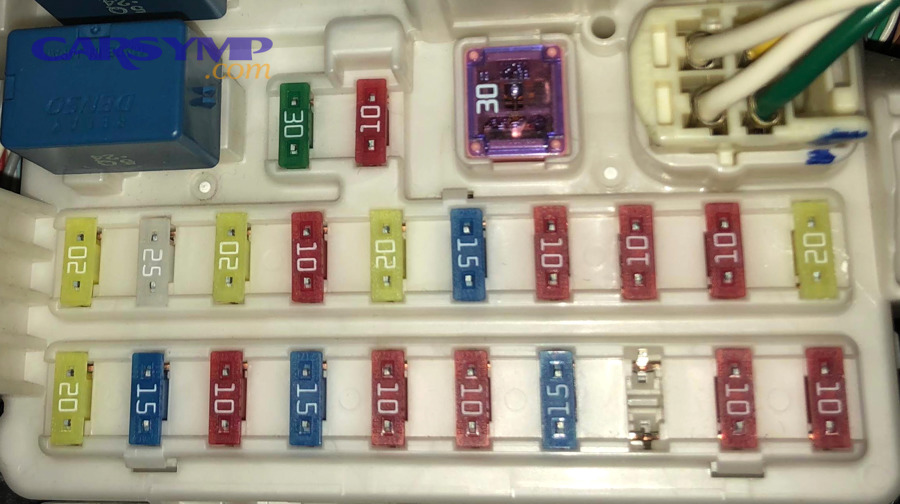
- Check the fuse panel legend (cover diagram) or owner’s manual for the correct amperage.
- Match amperage AND style (mini, micro, standard blade).
- Confirm no one has “fixed” it before you by installing the wrong value.
This is where people accidentally create expensive outcomes. The most damaging “quick fix” is installing a bigger fuse to “make it stop blowing.” That doesn’t solve the fault—it removes the safety valve that prevents wiring damage.
This is also the moment to treat fuse replacement as the last step of repair verification, not the first step of diagnosis.
What should you inspect first for obvious shorts or damage?
There are 6 main first-look inspection zones for a fuse that keeps blowing: the fuse socket, nearby harness, relay block, connectors on the circuit, aftermarket additions, and common rub points, based on where physical damage most often occurs.
Moreover, the first visual pass can solve a surprising number of cases:
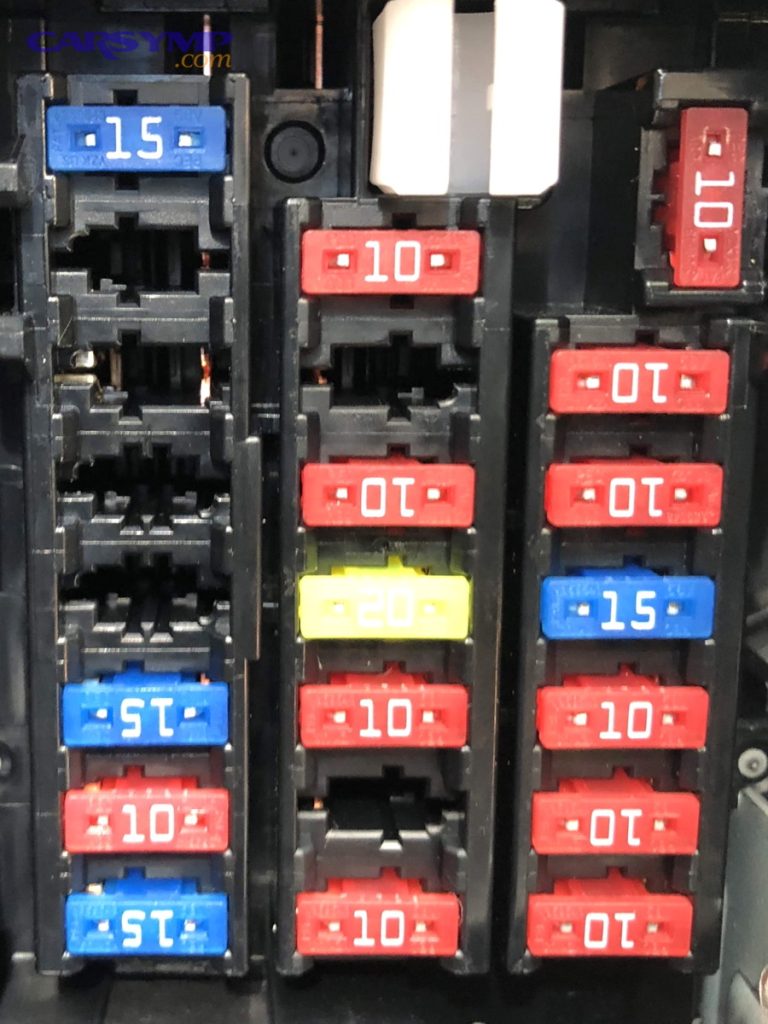
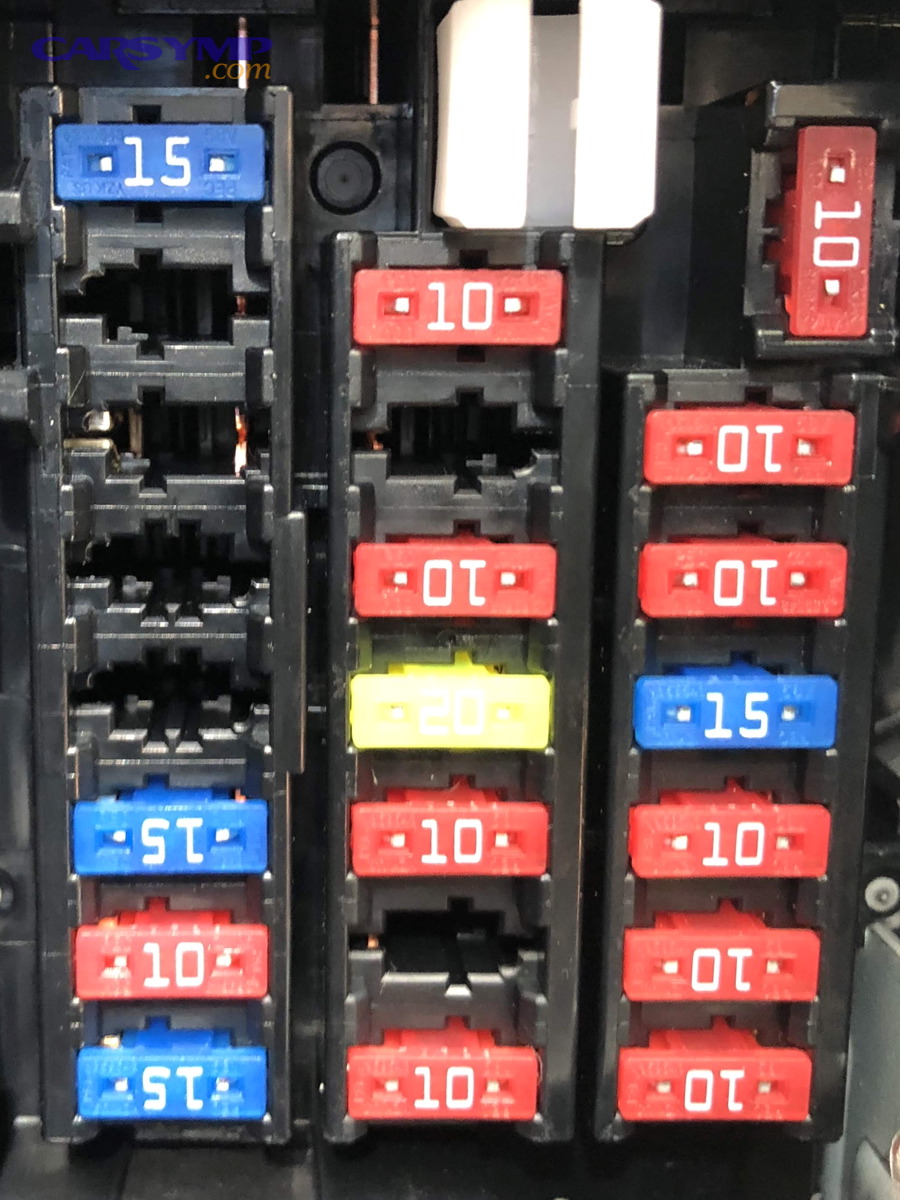
- Fuse socket and terminals: Look for heat discoloration, looseness, or corrosion.
- Harness near the fuse box: Wires can chafe against brackets or sharp edges.
- Relay sockets: Heat, corrosion, or melted plastic hints at overload or poor contact.
- Aftermarket wiring: Add-on lights, stereos, dash cams, alarms, trailer wiring.
- Accessory outlets: Coins and metal debris can short the socket.
- Ground points: Loose or corroded grounds can create abnormal current paths.
A simple, disciplined habit helps: take a photo before you touch anything, then compare as you inspect. It prevents “fixing” the wrong thing and losing your baseline.
How do you isolate the fault by unplugging components one-by-one?
To isolate the fault, use a 4-stage unplugging method—identify loads, unplug the most likely load first, re-energize under the trigger, and repeat until the fuse stops blowing—so you determine which component or branch causes the pop.
Next, keep the process clean and repeatable:
- List what the fuse powers (from the cover legend + wiring diagram).
- Unplug one component at a time (start with easiest access and highest-current loads).
- Repeat the same trigger that normally blows the fuse (key-on, turn wipers on, hit blower max).
- Stop when the fuse holds—that’s your branch. Now you refine further (component vs wiring).
Key rule: only unplug components with the ignition off unless you know the procedure is safe for that circuit. Unplugging modules with power applied can create voltage spikes and stored fault codes.
If the fuse still blows with everything unplugged on that branch, you’ve learned something valuable: the short is likely in the wiring between fuse and connectors.
How do you use a multimeter to check for a short-to-ground on the load side?
A multimeter short-to-ground test is a resistance/continuity check from the fuse’s load side to chassis ground, performed with the fuse removed, that reveals whether the circuit is unintentionally connected to ground.
Then follow a safe sequence:
- Turn ignition off and, if needed for safety, disconnect the negative battery terminal.
- Remove the fuse that keeps blowing.
- Identify the load side of the fuse socket (the side that feeds the circuit, not the battery feed).
- Set your meter to continuity or resistance.
- Place one probe on the load-side terminal and the other on a clean chassis ground.
- Interpret results:
- Near 0 ohms / continuity beep: strong sign of short-to-ground (or a component that is normally connected to ground—context matters).
- Higher resistance that changes when you unplug loads: often indicates the short is downstream and you’re narrowing it successfully.
If your meter reading changes when you unplug a component, you’ve found a key “hinge point” in the circuit—use that to narrow the search area.
How do you pinpoint the exact branch, relay, or wiring section causing the fuse to pop?
You pinpoint the cause by using branch-splitting and trigger replication: remove relays to separate control vs load, unplug intermediate connectors to divide the harness, and use movement/heat tests to reproduce the blow—so the problem area becomes physically small and inspectable.
Next, shift from “which system” to “which inch of wire,” because the best repair is the one that prevents a repeat failure.
Which relays or high-current loads commonly cause repeat blown fuses?
There are 7 main high-current culprits behind repeat blown fuses: blower motor, radiator fan, fuel pump, wiper motor, power window/seat motors, heated circuits, and aftermarket amplifiers, based on typical amp draw and mechanical load.
Moreover, these loads fail in predictable ways:
- Motors that bind (wipers jammed by snow, blower full of debris) draw extra current.
- Motors with internal wear can partially short under heat.
- Fans may draw too much current when bearings go bad.
- Aftermarket amplifiers can overload an accessory feed if wired incorrectly.
A relay is your friend here because it lets you split the circuit:
- If you remove a relay and the fuse stops blowing, the fault is likely on the load side (motor/wiring).
- If it still blows, suspect the control side or a short near the fuse box.
How do you do a wiggle test and connector-splitting strategy to find intermittent shorts?
To find intermittent shorts, use a connector-splitting strategy—separate the harness at a connector, test each half, and then wiggle the harness along movement points while monitoring continuity—so you catch shorts that only appear during vibration, turning, or door movement.
Then, do it systematically:
- Choose the connector closest to the fuse that separates “front half” from “rear half.”
- With the fuse removed, test each side for short-to-ground.
- If one side shows the short, your search area is now limited to that half.
- Wiggle and flex:
- Door jamb boot
- Trunk hinge area
- Steering column harness
- Under-seat harness (seat movement)
- Engine bay harness near sharp brackets
Intermittent shorts often leave clues if you slow down: shiny copper from rubbing, flattened insulation, or a “polished” spot where the harness has been moving for months.
What’s the difference between a bad component and damaged wiring when the fuse keeps blowing?
A bad component wins as the cause when unplugging it stops the fuse from blowing, damaged wiring is best identified when the circuit still shows short-to-ground with loads unplugged, and a wrong installation is optimal when the issue began immediately after a modification.
However, you can make the distinction even clearer with a simple decision path:
- Unplug test: If unplugging a component makes the fuse survive the trigger, suspect the component or its connector pigtail.
- Continuity test: If continuity to ground remains with everything unplugged, suspect harness damage.
- Timeline test: If the fuse started blowing after a stereo install, trailer wiring, or add-on lights, suspect installation errors first.
This is also where “repair style” differs:
- Component fault → replace/repair component, clean connector, verify current draw.
- Wiring fault → re-insulate, repair splices properly, re-route with loom and strain relief.
What are the most common causes of a fuse that keeps blowing in cars?
There are 6 main causes of a fuse that keeps blowing in cars: short-to-ground from chafed wiring, overloaded motors, incorrect fuse value, damaged connectors/terminals, aftermarket wiring errors, and water intrusion/corrosion, based on how current exceeds the fuse rating.
Next, use these causes as a checklist—each one should map to a symptom pattern you observed earlier.
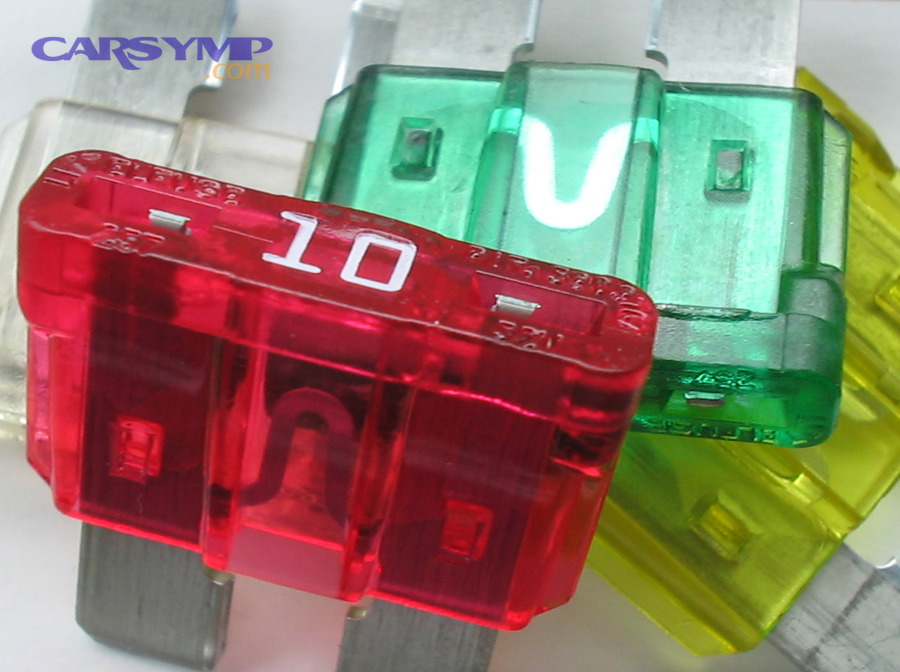
Before you troubleshoot a specific system, it helps to recognize Symptoms of a blown fuse by system. The table below lists common vehicle systems, what you’ll notice when the fuse is blown, and what to check first so you can aim your diagnosis instead of pulling random fuses.
| Vehicle system | Symptoms when fuse is blown | First things to check |
|---|---|---|
| Power windows | One or all windows stop working | Window switch, door jamb harness, regulator binding |
| Blower motor / HVAC | Fan doesn’t run or only works on certain speeds | Blower motor, resistor/module, debris in fan |
| Wipers | Wipers dead or slow, fuse pops on activation | Wiper motor, linkage binding, water intrusion at cowl |
| Interior lights / accessories | Cabin lights or accessory outlet dead | Coins in outlet, aftermarket taps, damaged socket |
| Radio / infotainment | Head unit dead, resets, or fuse pops with key-on | Aftermarket wiring, amplifier power lead, poor ground |
| Fuel pump circuit | No-start or stalls; fuse pops on crank | Pump wiring, relay, pump current draw |
Which causes are most likely if the fuse blows immediately?
There are 4 main immediate-blow causes: direct short-to-ground, pinched wiring near a bracket, melted insulation near heat sources, and a dead-shorted component, based on how quickly they create a near-zero resistance path.
Moreover, “immediate blow” usually means the circuit sees a near-direct path to ground the instant it’s energized. Start with:
- Harness inspection close to the fuse/relay block
- Areas recently serviced (battery, headlights, radiator work)
- Aftermarket wiring (alarm/stereo installs often create pinches at the firewall)
Immediate blow is often the fastest category to solve because the damage tends to be visible once you’re in the right area.
Which causes are most likely if it blows only when you use a feature (AC, lights, wipers)?
There are 5 main feature-triggered causes: overloaded motor, short inside the device, failing switch, rubbed harness near moving parts, and poor connections causing heat buildup, based on what changes when the feature is activated.
Then, match the feature to the most likely load:
- Blower on high: blower motor or resistor/module overheating
- Wipers on: wiper motor overload, linkage binding, harness near cowl
- Headlights on: chafed wiring near headlamp housings, aftermarket bulbs/ballasts, corrosion in connectors
Feature-triggered blowing is where DIY owners can waste time unless they replicate the trigger consistently. Don’t “test randomly.” Test the same way each time.
Which causes are most likely after an aftermarket accessory install?
There are 5 main post-install causes: wrong power tap location, undersized wire, poor grounding, incorrect fuse size, and unprotected routing through sharp edges, based on how aftermarket wiring changes current and mechanical protection.
More importantly, this is where the phrase “it worked for a day” shows up. The install may function briefly, then fail when vibration and heat expose weak points. Watch for these Common mistakes that damage electronics after mods:
- Using an add-a-fuse on the wrong slot (constant power vs switched power)
- Sharing grounds poorly (stacked grounds on painted metal)
- Running power leads without a grommet through the firewall
- Skipping strain relief so the wire eventually rubs through
If the timeline matches the install, start there. It’s not “blaming” the accessory—it’s respecting probability.
How do you confirm the fix so the fuse won’t blow again?
You confirm the fix by verifying the correct fuse value, reproducing the original trigger under controlled conditions, checking for heat or smell, and ensuring the harness is secured and protected—so the circuit survives real-world loads without popping again.
Next, treat confirmation as part of the repair, not an afterthought. A fuse that survives a gentle idle test can still blow on a rainy drive or a bumpy road if you didn’t remove the root cause.
Should you test under the same conditions that caused the fuse to blow?
Yes, you should test under the same conditions that caused the fuse to blow, because it verifies the root cause is removed, it confirms intermittent faults are actually resolved, and it prevents false confidence from a “light load” test.
Then, make the test safe and repeatable:
- If it blew when you turned on the blower, test blower at the same setting.
- If it blew on bumps, do a short drive on similar roads while monitoring behavior.
- If it blew in rain, inspect for water intrusion and test after exposure (carefully).
Your confirmation test should be boring. Boring means stable current and stable wiring.
What quick checks prevent repeat failures after the repair?
There are 6 main post-repair checks that prevent repeat blown fuses: correct fuse seated firmly, repaired wiring insulated and loomed, harness rerouted away from sharp edges, connectors cleaned and locked, grounds tightened, and the circuit monitored for heat under load.
In addition, these quick checks separate a “temporary fix” from a reliable one:
- Harness protection: Use loom, tape rated for automotive heat, and proper clips.
- Strain relief: Ensure repaired sections aren’t bearing tension when the engine moves or the door opens.
- Connector integrity: A loose terminal can create heat and erratic current flow.
- Fuse box cover installed: It’s not cosmetic—it prevents moisture and debris from reaching terminals.
According to a study by Liverpool John Moores University from the School of Computing and Mathematical Sciences, in 2024, researchers highlighted that frequent fuse blowing and other electrical fault indicators relate to broader fire-risk conditions and should not be ignored. (researchonline.ljmu.ac.uk)
At this point, you’ve followed a complete step-by-step workflow to identify whether the fuse is failing from a short, overload, or faulty component—and you’ve validated the repair. The next section goes beyond the core diagnosis to cover deeper prevention, special tools, and edge cases that can expand your troubleshooting confidence.
How can you prevent future blown fuses—and handle rare, hard-to-find electrical faults?
Prevention comes from reducing heat, eliminating wire movement rub points, keeping moisture out, and using smarter diagnostic substitutes than sacrificial fuses, especially when the fault is intermittent or load-dependent.
Next, think like the circuit: current, heat, movement, and moisture are the four forces that turn “fine today” into “pops tomorrow.”
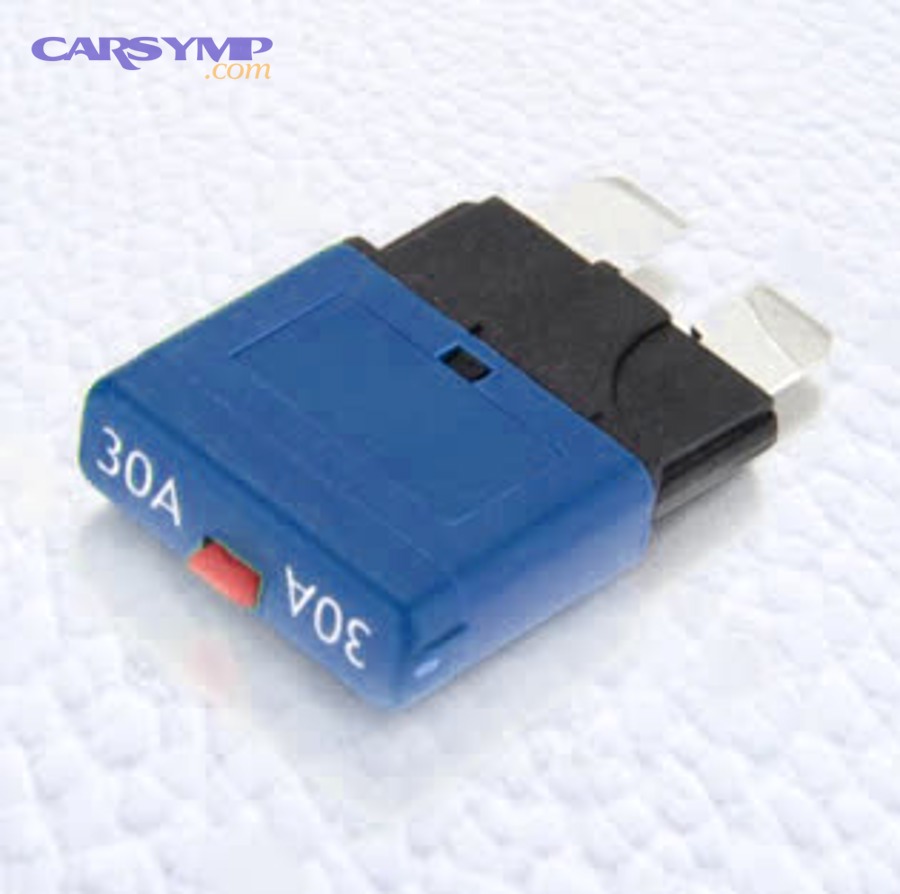
What’s the safest alternative to “burning through fuses” while diagnosing (resettable breaker vs spare fuses)?
A resettable circuit breaker wins for repeated diagnostic cycles, spare fuses are best for final verification, and a fused jumper is optimal when you need controlled protection while testing a specific branch, depending on how often you must repeat the trigger.
Then, apply them correctly:
- Resettable breaker (diagnostic tool):
- Pros: Trips and resets, reducing waste and keeping tests consistent.
- Cons: If misused, it can still allow repeated stress on wiring.
- Best use: Intermittent faults where you need multiple cycles.
- Spare fuses (verification tool):
- Pros: Matches factory protection exactly.
- Cons: Wasteful for repeated trials; encourages guessing.
- Best use: After you believe you fixed the root cause.
- Fused jumper (controlled testing):
- Pros: Lets you protect the circuit while isolating segments.
- Cons: Requires careful handling and correct fuse sizing.
- Best use: Skilled DIY users narrowing a branch fault.
Remember: any substitute is still a safety device. If it trips repeatedly, you’re still dealing with a real overcurrent problem.
Which wiring locations most often hide intermittent shorts (door jamb, trunk hinge, under-seat tracks)?
There are 4 main intermittent-short hotspots: door jamb boots, trunk hinge looms, under-seat track harnesses, and engine bay harness bends, based on repeated flexing, pinch points, and vibration.
Moreover, these areas fail because the vehicle constantly moves:
- Door jamb: Wires flex every open/close. Insulation cracks and copper work-hardens.
- Trunk hinge: Same story, plus water exposure.
- Under seats: Seat movement and dropped objects can pinch wiring.
- Engine bay bends: Heat cycles and vibration stress harness routing.
Prevention is simple but non-negotiable: reroute away from metal edges, add loom, and secure with clips so the harness doesn’t become a saw blade against a bracket.
Can water intrusion or corrosion in the fuse/relay box cause a fuse to keep popping?
Yes, water intrusion or corrosion can cause a fuse to keep popping, because moisture can bridge terminals into a partial short, corrosion increases resistance and heat, and contaminated relay sockets can create unstable current paths that spike under load.
Then, look for these clues:
- Green/white powdery deposits on terminals
- Dampness under the fuse box cover
- Multiple unrelated electrical oddities (more than one circuit acting up)
- Fuse failures after rain or car wash
If you confirm moisture, fix the source (seal, drain path, cover) before you declare the electrical repair “done.” Otherwise, the fault will return.
Why do some fuses blow only when driving (heat/vibration faults), and how do you catch them?
Driving-only fuse failures happen because heat expands materials and vibration shifts harnesses, and those changes can turn a near-miss rub spot into contact with ground or make a weak component draw excessive current under real load.
To better catch them, use layered proof:
- Trigger recreation: Drive the same route or simulate vibration carefully.
- Harness monitoring: Check the known hotspots for rub marks and looseness.
- Post-drive inspection: Look for heat-softened tape, shiny copper, or hot connectors.
- Tighten the system: Add clips, loom, and strain relief so movement can’t recreate the short.
In short, intermittent faults are solved by turning “random” into “repeatable,” then shrinking the circuit until the problem can’t hide.