


timing belt replacement cost in 2026 ranges from $500 to $2,000 or more, depending on your vehicle, your location, and whether additional components need to be replaced alongside the belt. For most passenger cars, the total bill — covering both parts and labor — lands somewhere between $600 and $1,300. The expense feels significant, but it is far smaller than the alternative: a snapped belt that destroys your engine. Understanding what this service actually costs, and why, puts you in a stronger position before you ever walk into a repair shop.
Several factors drive that wide price range, and knowing them helps you anticipate your specific bill rather than being surprised by it. Labor accounts for the largest share of the total, because mechanics must disassemble a significant portion of your engine’s front end just to reach the belt. Vehicle size, engine complexity, geographic location, and whether you bundle related parts all shift the final number meaningfully. Each of these variables is worth examining closely so you can budget with accuracy.
Timing belt replacement is not something that happens without warning — or at least, it should not be. Manufacturers publish clear Timing belt replacement interval guides, typically recommending service between 60,000 and 100,000 miles. Beyond mileage, the rubber belt degrades over time, and Car Symptoms like engine misfires, rough idling, ticking noises, and difficulty starting can all signal that the belt is wearing out. Catching these signs early is the difference between a planned, affordable service and an emergency engine repair.
For car owners weighing whether to do the job themselves or hire a professional, the calculus comes down to skill, risk tolerance, and how much the potential downside would cost. Saving $400–$600 in labor sounds appealing — until a timing error causes valve damage that runs into thousands of dollars. To help you make the most informed decision possible, this guide walks through every dimension of timing belt replacement cost, from what the service includes to what happens when a belt fails without warning.
What Is a Timing Belt Replacement Cost Estimate?
A timing belt replacement cost estimate is a projected total price — covering both parts and labor — that a car owner should expect to pay for a scheduled timing belt service, typically ranging from $500 to $2,000+ depending on the vehicle and service scope.
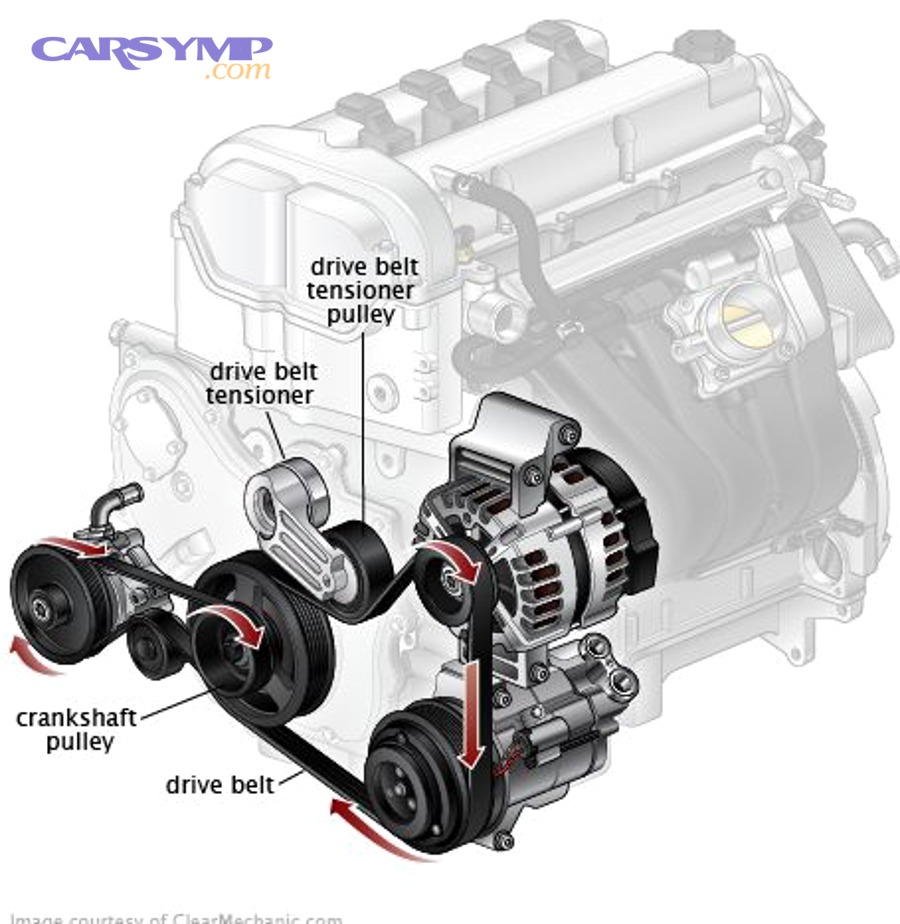
To understand why that range exists, it helps to understand what the service actually involves. Specifically, a full timing belt replacement is not a simple swap of one rubber band for another. The belt sits deep within the engine’s front assembly, protected by a timing cover and surrounded by other components that must be moved or removed before the belt is even accessible.
What Does a Timing Belt Replacement Service Include?
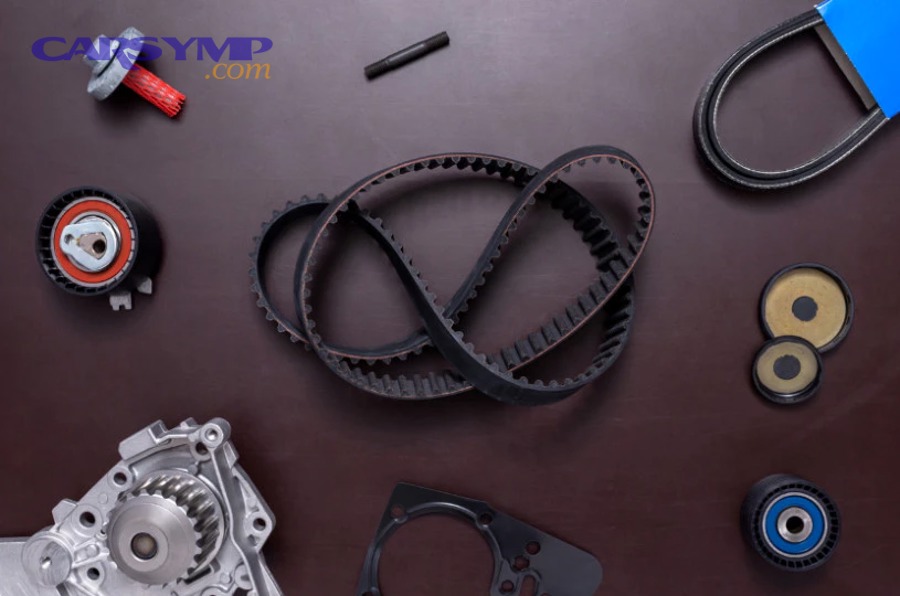
A complete timing belt replacement service typically includes far more than just the belt itself. Most reputable shops replace the entire timing belt kit, which consists of:
- The timing belt — the toothed rubber belt that synchronizes the crankshaft and camshaft
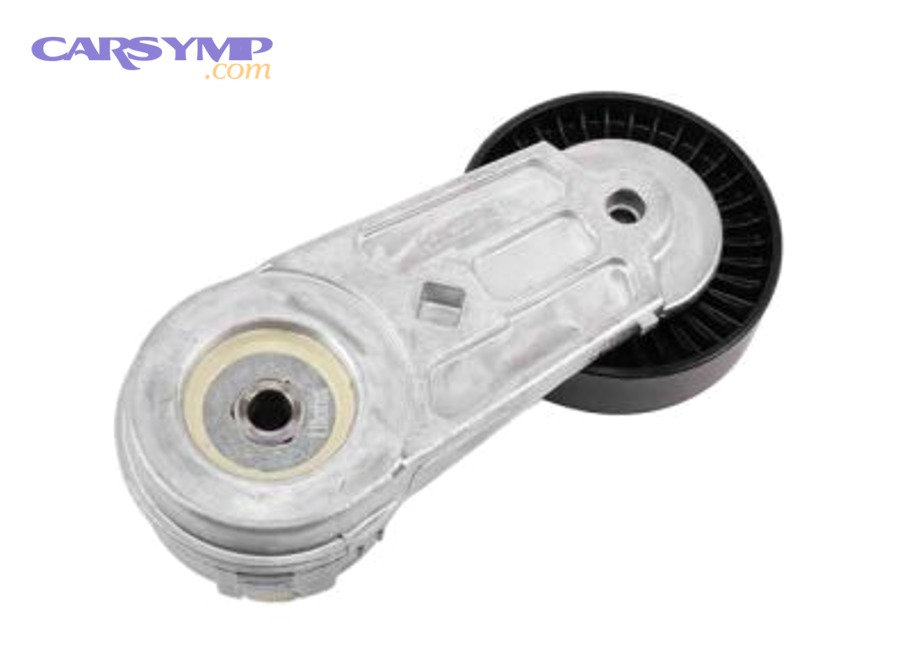
- Tensioner — keeps the belt under correct tension so it doesn’t slip or skip teeth
- Idler pulleys (2–3) — guide the belt along its path; their bearings wear at the same rate as the belt
- Camshaft and crankshaft seals — inspected and replaced if they show signs of oil leakage
- Water pump (optional but strongly recommended) — on many vehicles, the water pump is driven by the timing belt and sits directly in the replacement zone
Mechanics universally advise against replacing only the belt. The tensioner and idler pulleys carry bearings that wear out on the same schedule as the belt itself. Replacing the belt while leaving aged pulleys in place significantly increases the risk of a secondary failure — one that requires the entire job to be done again.
How Much Does a Timing Belt Cost in Parts Alone?
Parts costs for a timing belt service are actually the smaller portion of the total bill. A complete timing belt kit — belt, tensioner, and idler pulleys — typically runs between $100 and $350, depending on the vehicle make and whether you choose OEM (original equipment manufacturer) or aftermarket components.
OEM parts from the dealership cost more but are manufactured to the exact specifications of your engine. Aftermarket timing belt kits from reputable brands like Gates, Dayco, or Aisin offer comparable quality at a lower price point and are the standard choice at most independent repair shops. Budget-tier aftermarket parts exist but carry greater risk of premature failure — a poor trade-off given the consequences of a broken timing belt.
If the water pump is included in the service, add approximately $50–$150 in parts for a typical pump, bringing the total parts cost to roughly $150–$500 when all components are counted. Labor, not parts, is what drives the total cost higher.
What Factors Affect the Timing Belt Replacement Cost?
There are five primary factors that affect timing belt replacement cost: vehicle make and model, engine configuration, labor rates in your area, whether related components are replaced simultaneously, and the type of shop you choose.

Understanding each factor independently helps explain why two car owners can receive quotes that differ by hundreds of dollars for what appears to be the same job. Moreover, knowing these variables gives you leverage when comparing estimates and asking the right questions.
How Does Vehicle Make and Model Affect the Price?
Vehicle make and model have a direct impact on timing belt replacement cost because they determine both the cost of parts and the complexity of the labor involved. The following table summarizes typical total cost ranges across common vehicle categories, based on national averages for parts and labor combined.
| Vehicle Type | Estimated Total Cost |
|---|---|
| Compact/economy car (e.g., Honda Civic, Toyota Corolla) | $500 – $800 |
| Mid-size sedan (e.g., Honda Accord, Toyota Camry) | $600 – $1,000 |
| SUV / Minivan (e.g., Honda Pilot, Toyota Sienna) | $700 – $1,300 |
| Luxury vehicle (e.g., BMW, Audi, Volvo) | $1,000 – $2,000+ |
Engine configuration also matters significantly. A SOHC (single overhead camshaft) engine has one camshaft to synchronize, while a DOHC (dual overhead camshaft) engine has two. DOHC engines require more precise alignment during the timing belt replacement process and typically add one to two hours of labor time, raising the total cost accordingly.
How Much of the Timing Belt Replacement Cost Is Labor?
Labor accounts for approximately 60–70% of the total timing belt replacement cost, making it the single biggest line item on any shop estimate. On a $900 job, expect $550–$630 of that to be pure labor.
The reason labor costs run so high is mechanical, not arbitrary. Accessing the timing belt requires removing the engine’s serpentine belt, belt-driven accessories like the alternator or power steering pump, the timing cover, and in some cases engine mounts or splash shields. This disassembly-and-reassembly process takes a professional mechanic 3 to 5 hours on most vehicles. DOHC engines or those in tight engine bays can push that to 6 hours or more.
Geographic location compounds the labor cost. Shops in major metropolitan areas — New York, Los Angeles, Chicago — charge $120–$180 per hour in labor rates. Shops in smaller cities or rural areas typically charge $75–$110 per hour. That difference alone can shift your total bill by $150–$300. Dealership labor rates run higher than independent shops by 20–40% on average, though dealerships offer OEM parts and technicians trained specifically on your vehicle brand.
Does Replacing the Water Pump at the Same Time Save Money?
Yes — replacing the water pump during the same service visit as the timing belt almost always saves money. The bundled service logic is straightforward: because accessing the water pump requires removing the same components as the timing belt job, the incremental labor cost of replacing the pump while everything is already disassembled is minimal — typically $100 or less in additional labor.
By contrast, if the water pump fails six months after a timing belt replacement and must be replaced on its own, the mechanic performs the entire disassembly again. The standalone water pump replacement — parts and labor — runs between $753 and $900, according to data from RepairPal. Declining the bundled water pump replacement to save $100 today risks paying $800 more in the near future.
Most mechanics recommend replacing the water pump simultaneously if the vehicle has more than 60,000 miles on it and the water pump has never been replaced. The logic is sound: the pump is likely on the same wear timeline as the belt, and the exposure is free.
When Should a Car Owner Replace the Timing Belt?
Car owners should replace the timing belt according to the manufacturer’s recommended mileage interval — most commonly every 60,000 to 100,000 miles — or at the first appearance of physical wear or car symptoms that suggest belt degradation.
This timing belt replacement interval guide is not a suggestion — it is a preventive maintenance schedule designed to replace the belt before it fails, not after. Next, it is equally important to understand that mileage alone does not tell the whole story.
How Many Miles Does a Timing Belt Last?
Most manufacturers publish a timing belt replacement interval between 60,000 and 100,000 miles, though some older vehicle models recommend replacement as early as 30,000 miles. The correct interval for your specific vehicle is found in the owner’s manual under the scheduled maintenance section — this is the authoritative source, not general estimates.
What many car owners overlook is that rubber degrades over time regardless of mileage. A vehicle that has been driven only 40,000 miles over 10 years still needs a timing belt inspection and likely replacement. Heat, oil contamination, and exposure to the engine environment cause the rubber to harden, crack, and lose elasticity — even when mileage is low. Mechanics generally recommend replacing timing belts on age-based intervals of 7 to 10 years as a backup criterion when mileage targets have not yet been reached.
What Are the Warning Signs That a Timing Belt Needs Replacing?
There are several car symptoms that indicate a timing belt is approaching or past its service life. Recognizing them early allows for a planned replacement rather than an emergency roadside breakdown.
Visual warning signs (identified during inspection):
- Cracking, fraying, or glazing on the belt surface
- Missing or worn-down teeth on the belt’s inner face
- Oil contamination on the belt (indicates a leaking camshaft or crankshaft seal)
Performance-based car symptoms (felt while driving):
- Engine misfires or rough idling — cylinders falling out of sync
- Loss of power or sluggish throttle response
- Difficulty starting or engine that cranks but won’t fire
- Vehicle shaking or vibrating at idle
Auditory and thermal warning signs:
- High-pitched ticking or slapping sound from the front of the engine
- Engine overheating — the water pump, driven by the timing belt on many vehicles, may be failing
- Oil leaking near the timing cover — loose nuts allow oil seepage that accelerates belt degradation
None of these symptoms should be ignored or managed by waiting for the next scheduled service. Any one of them is a valid reason to have the timing belt inspected immediately.
Is It Worth Replacing a Timing Belt, or Should You Skip It?
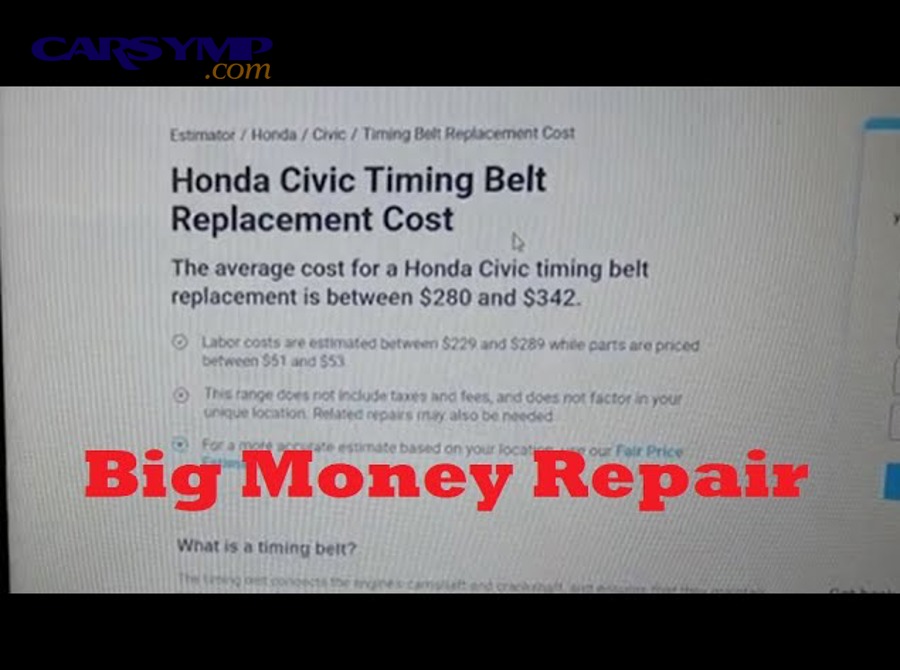
Yes — replacing a timing belt on schedule is absolutely worth it, for three reasons: the replacement cost ($500–$2,000) is a fraction of engine repair costs ($3,000–$8,000+), it prevents catastrophic engine failure without warning, and it protects the overall value of the vehicle.
However, some car owners question whether an aging vehicle justifies the expense. To better understand the financial calculus, consider what happens when the belt breaks before replacement.
On a non-interference engine, a broken timing belt simply stops the engine. The vehicle stalls, requires a tow, and the belt is replaced. Unpleasant, but not catastrophic.
On an interference engine — which includes many Honda, Toyota, Subaru, Volkswagen, Audi, and BMW models — the consequences are far more severe. When the belt snaps, the crankshaft and camshaft fall out of sync. Pistons and valves occupy the same space simultaneously. Valves bend, pistons crack, and cylinder heads fracture. The resulting engine damage typically costs between $3,000 and $8,000 to repair, and in some cases exceeds the market value of the vehicle entirely.
According to RepairPal’s national repair cost database, engine rebuilds following timing belt failure on interference engines average between $4,000 and $6,000 — eight to twelve times the cost of a preventive belt replacement. There is no financial scenario in which skipping scheduled timing belt replacement makes economic sense on an interference engine.
Should You DIY or Hire a Mechanic for Timing Belt Replacement?
For most car owners, hiring a professional mechanic is the correct choice for timing belt replacement — the risk of timing errors causing engine damage far outweighs the potential labor savings of $400–$600 for anyone without advanced mechanical experience.
That said, the comparison deserves a full breakdown before drawing conclusions. On the other hand, highly experienced DIY mechanics can complete this job successfully if they understand the specific requirements of their engine.
How Much Can You Save by Replacing a Timing Belt Yourself?
A DIY timing belt replacement eliminates the labor cost entirely, reducing your total expense to parts only — typically $100–$430 for the complete kit, depending on your vehicle. On a job that would cost $900 at a professional shop, the potential savings range from $400 to $600.
However, the DIY cost calculation must include more than just the belt kit. Many timing belt jobs require vehicle-specific specialty tools — camshaft locking pins, crankshaft holding tools, and timing lock plates — that can cost an additional $50–$200 and are often only usable on one engine family. Add a quality torque wrench if you don’t already own one, and the tool investment alone narrows the savings gap significantly.
Time investment is also a realistic factor. A professional mechanic completes most timing belt replacements in 3 to 5 hours. A competent DIY mechanic attempting the job for the first time on their specific vehicle should budget 6 to 10 hours, including research, setup, and the inevitable troubleshooting that comes with unfamiliar work.
What Are the Risks of a DIY Timing Belt Replacement?
The primary risk of a DIY timing belt replacement is mistiming the engine — installing the belt with the crankshaft and camshaft slightly out of alignment. Even one tooth off on the timing belt can cause the engine to run roughly, misfire, or in the case of interference engines, immediately damage valves and pistons when the engine is first started.
The risks break down as follows:
- Timing error on a non-interference engine: Engine runs poorly, requires redo of the entire job
- Timing error on an interference engine: Immediate valve and piston damage upon startup — repair cost $3,000–$8,000+
- Incorrect tensioner torque: Belt too loose causes belt skip; too tight accelerates wear on bearings and the belt itself
- Forgetting to replace the tensioner or idler pulleys: Secondary failure within months requires repeating the job
- Oil seal leaks: Improperly seated camshaft or crankshaft seals contaminate the new belt and cause premature failure
The professional recommendation is clear: DIY timing belt replacement is appropriate only for highly experienced mechanics who have completed similar work previously, have access to the correct specialty tools, and have thoroughly researched the specific procedure for their exact vehicle. For everyone else, the labor savings are not worth the risk.
What Else Should Car Owners Know About Timing Belt Replacement Costs?
Beyond the core cost estimate and replacement schedule, three additional topics carry significant weight for car owners: the catastrophic cost difference introduced by interference engines, what engine damage from a failed belt actually costs to repair, and how timing belts compare to timing chains over a vehicle’s lifetime.
These are the areas where micro-level knowledge translates directly into better financial decisions — both when choosing whether to delay service and when buying a used vehicle.
How Does an Interference Engine Change the Cost Risk of a Broken Timing Belt?
An interference engine is one where the pistons and valves share the same physical space within the cylinder at different points in the engine’s cycle — a design that requires precise synchronization by the timing belt to prevent contact between them.
Interference engine risk explained simply: when the timing belt breaks on this type of engine, the crankshaft continues rotating momentarily while the camshaft stops. The valves, no longer controlled by the camshaft, remain open. The pistons, still moving, collide with them. The result is bent valves, cracked pistons, and in severe cases, cylinder head damage that requires complete engine reconstruction.
Common vehicles with interference engines include:
- Honda: Civic (1.5L, 1.7L), Accord (2.2L, 2.4L), CR-V
- Subaru: Outback, Forester, Legacy (EJ series engines)
- Volkswagen / Audi: Golf, Jetta, A4 (1.8T, 2.0T)
- BMW: 3-Series and 5-Series (M50, M52, M54 engines)
- Toyota: Camry (some 4-cylinder variants), RAV4
On all of these vehicles, a broken timing belt is not an inconvenience — it is a potential total loss event. The interference engine risk explained above is the single strongest argument for treating the timing belt replacement interval guide as a non-negotiable maintenance deadline.
How Much Does It Cost to Repair Engine Damage from a Broken Timing Belt?
Engine damage from a broken timing belt on an interference engine produces some of the most expensive repair bills in routine vehicle ownership. The specific costs depend on which components were damaged and how severely, but the ranges are consistent across repair databases.
The following table outlines common damage scenarios and their associated repair costs following a timing belt failure on an interference engine.
| Damage Type | Estimated Repair Cost |
|---|---|
| Bent valves only (minor) | $1,500 – $3,000 |
| Bent valves + cylinder head damage | $2,500 – $5,000 |
| Full engine rebuild | $4,000 – $7,000 |
| Engine replacement (used) | $3,500 – $6,000 |
| Engine replacement (remanufactured) | $5,000 – $10,000+ |
In many cases involving older or high-mileage vehicles, the repair cost from a broken timing belt exceeds the Kelley Blue Book value of the car itself. At that point, the vehicle becomes a total loss not from a collision, but from deferred maintenance on a $100–$350 rubber belt.
After replacement: timing verification and test procedures are an essential final step that good mechanics perform to confirm the engine is correctly timed before returning the vehicle. This involves rotating the engine through two full crankshaft revolutions by hand, verifying timing marks align correctly, and running the engine to check for misfires, unusual noises, or warning lights before the car leaves the shop. Always confirm with your mechanic that this step was completed.
Is a Timing Chain Cheaper Than a Timing Belt in the Long Run?
A timing chain is not necessarily cheaper than a timing belt over a vehicle’s lifetime — it depends entirely on whether the chain ever needs replacement. On most vehicles, a timing chain never requires scheduled replacement; on others, chain stretch or tensioner failure leads to a repair that costs significantly more than a belt job.
The core comparison:
Timing Belt:
- Material: Reinforced rubber with nylon teeth
- Location: External, behind a timing cover, runs dry
- Scheduled replacement: Yes — every 60,000 to 100,000 miles (~$500–$2,000)
- Failure consequence: Catastrophic on interference engines
Timing Chain:
- Material: Metal links, similar to a bicycle chain
- Location: Internal, inside the engine, lubricated by engine oil
- Scheduled replacement: Generally not required — designed to last the engine’s lifetime
- Failure consequence: Equally catastrophic, but typically preceded by warning symptoms (rattling, timing codes) over weeks or months, allowing earlier intervention
When a timing chain does need replacement — usually due to chain stretch, tensioner failure, or guide wear — the repair costs between $800 and $1,800 on most vehicles, because it requires accessing the inside of the engine rather than just the front cover. Chain replacement is a more labor-intensive job than belt replacement.
The practical conclusion: if you are buying a used vehicle, a timing chain engine eliminates one recurring maintenance expense and one category of catastrophic failure risk. If your vehicle has a timing belt, treating the replacement interval as mandatory maintenance is the financially rational choice — every time, without exception.
How Do You Get the Most Accurate Timing Belt Replacement Cost Estimate for Your Car?
The most accurate timing belt replacement cost estimate comes from combining three data points: an online Fair Price Estimator filtered to your specific vehicle and ZIP code, a minimum of two to three quotes from local repair shops, and a direct review of your owner’s manual for the manufacturer’s recommended service interval.
Step 1 — Use a Fair Price Estimator
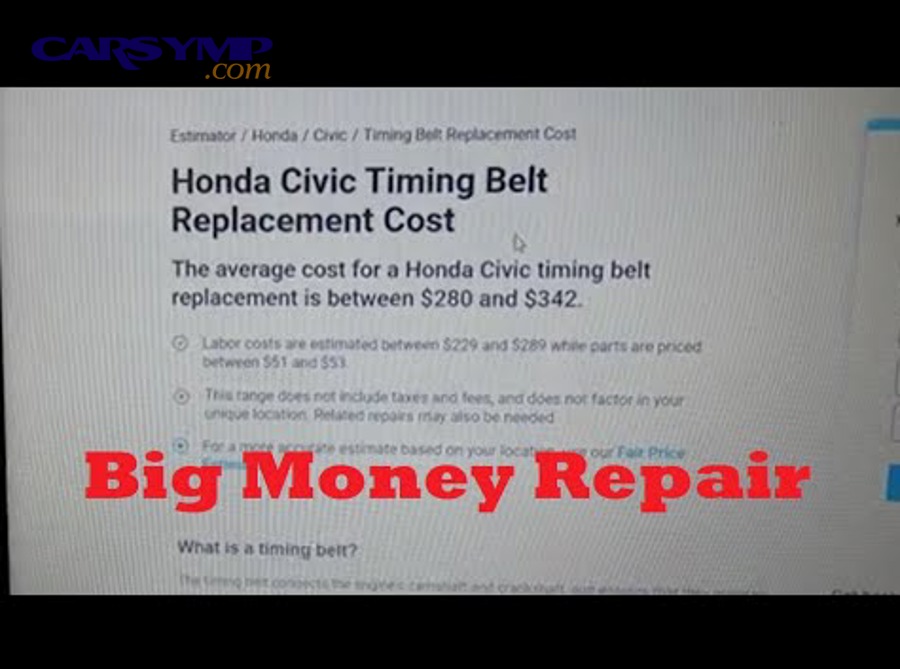
RepairPal’s Fair Price Estimator and Kelley Blue Book’s service cost tool both generate vehicle-specific estimates based on your make, model, year, and location. These tools account for regional labor rate variation and give you a defensible baseline before calling any shop.
Step 2 — Get multiple quotes
Contact at least two to three shops — one dealership and two independent shops — and ask specifically:
- Does your quote include the full timing belt kit (tensioner and idler pulleys), or just the belt?
- Is the water pump included, and if not, what is the add-on cost?
- What is your labor rate, and how many hours do you estimate for this vehicle?
- Do you perform timing verification and a test run after replacement?
Step 3 — Verify your replacement interval
Open your owner’s manual to the scheduled maintenance section and confirm the exact mileage interval for your engine. Do not rely on general estimates — manufacturer recommendations vary by engine and model year, and some vehicles have intervals as short as 60,000 miles or as long as 105,000 miles.
Red flags to watch for when reviewing quotes:
- A quote covering only the belt with no mention of tensioner or pulleys
- Unusually low labor hours that don’t align with your vehicle’s known complexity
- A shop that cannot confirm they perform after replacement: timing verification and test procedures before returning the car
Getting this service right — at the right time, with the right components, from a shop that performs a proper after-replacement timing verification and test — is one of the highest-value maintenance decisions a car owner can make. The cost is predictable. The alternative is not.