


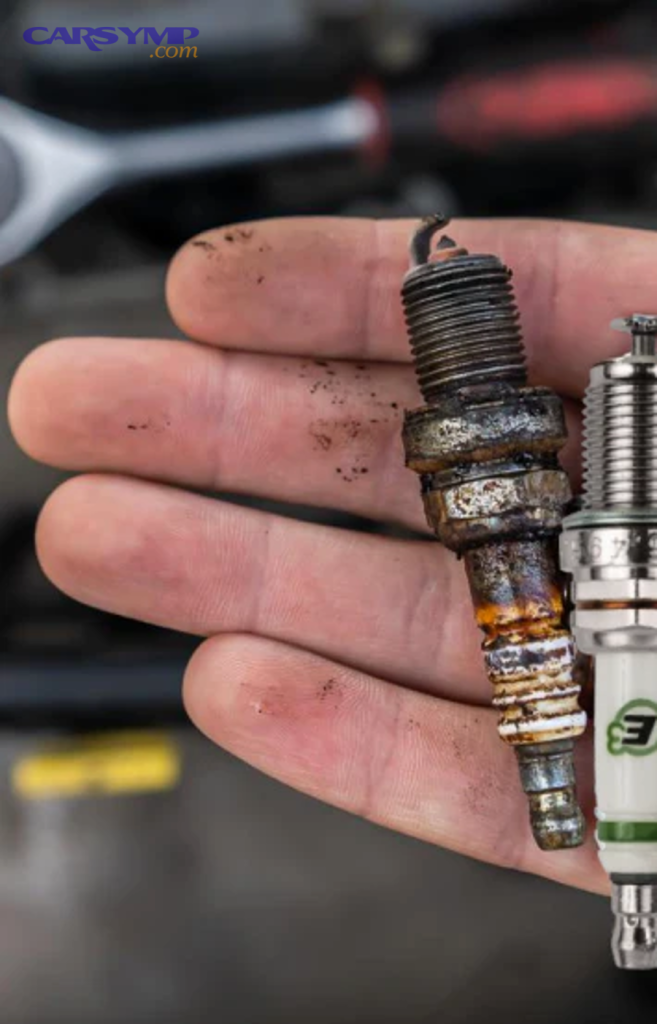
Spark plugs are small ignition components that create the spark a gasoline engine needs to start and keep running smoothly. In practical terms, they help turn the air-fuel mixture into usable power, which means they directly influence cold starts, idle quality, throttle response, and overall drivability for everyday car owners.
Bad or worn spark plugs usually reveal themselves through familiar symptoms such as rough idle, misfires, hesitation, weak acceleration, or poor fuel economy. Those signs matter because they often appear gradually, and many drivers mistake them for larger engine problems when the issue may begin with routine ignition maintenance.
Replacement timing also matters because spark plugs do not all wear at the same rate. Copper, platinum, and iridium plugs last for different service intervals, and the right replacement depends on the vehicle, the manufacturer’s recommendation, and how the car is driven in real-world conditions.
Choosing the right plug, inspecting plug condition, and deciding between DIY service and a mechanic all shape the final result. Next, the article explains how spark plugs work, what warning signs deserve attention, when replacement makes sense, and how car owners can make smarter maintenance decisions.
What Are Spark Plugs and What Do They Do in a Car Engine?
Spark plugs are ignition devices that deliver electrical spark inside a gasoline engine, where they ignite the compressed air-fuel mixture and begin combustion. To better understand their role, it helps to look at where they sit, how they fire, and why engine performance depends on them.
Are Spark Plugs Essential for Every Gasoline Engine?
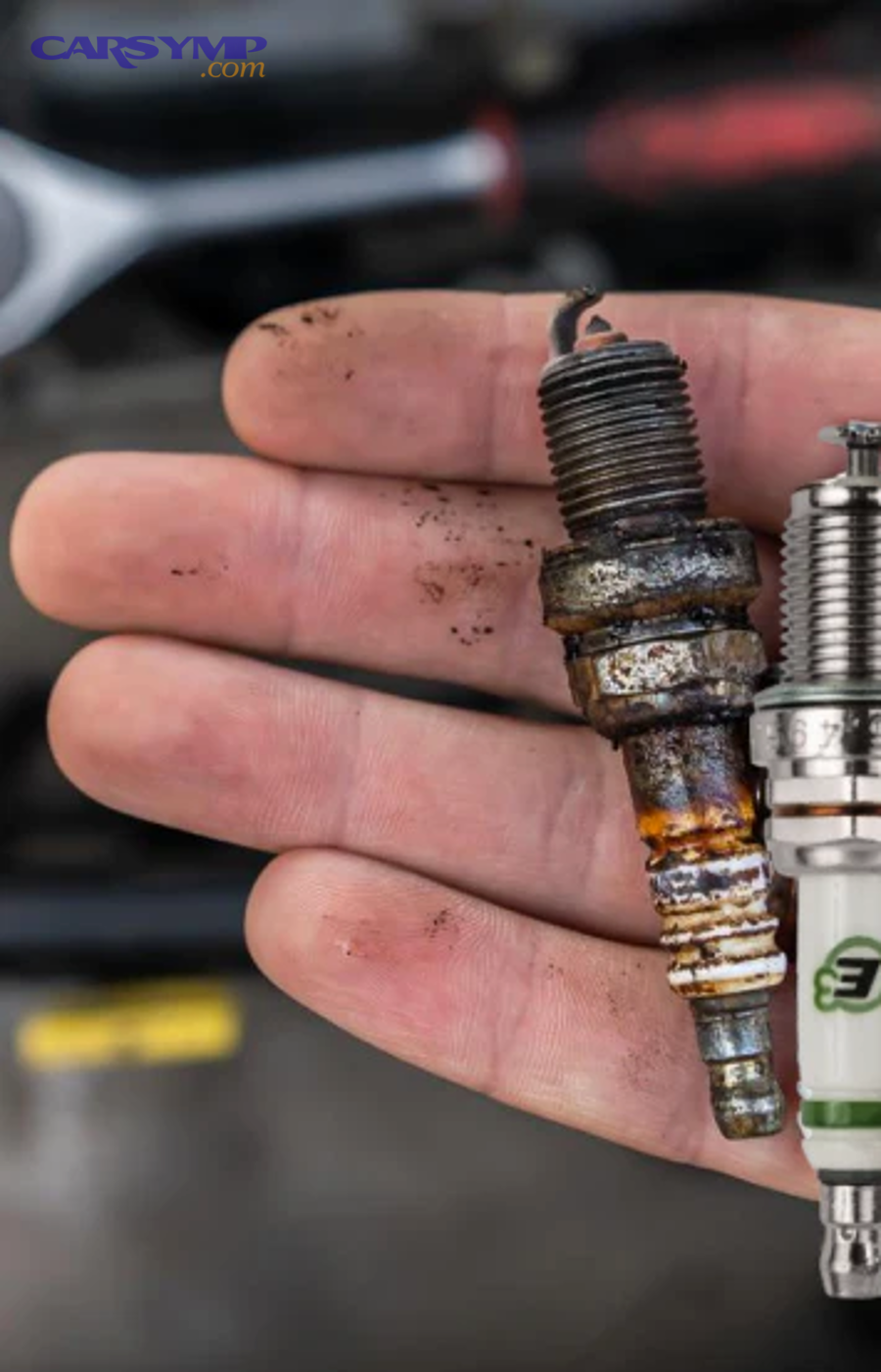
Yes, spark plugs are essential for every conventional gasoline engine because they ignite the air-fuel mixture, support consistent combustion, and help the engine start and run smoothly. That makes them one of the most basic yet most influential parts in the ignition system.
Specifically, gasoline engines rely on spark ignition. When the piston compresses the air-fuel mixture, the ignition coil sends high voltage to the spark plug. The plug then creates an arc across its electrodes, and that arc ignites the mixture. Without that spark, the engine cannot complete normal combustion, so it may crank without starting, misfire under load, or run unevenly.
This point also helps prevent confusion. Diesel engines generally do not use spark plugs for ignition because they depend on compression ignition instead. Some diesel engines use glow plugs, but glow plugs serve a different purpose. For car owners searching for a simple answer, the key difference is that spark plugs are a core part of how gasoline engines create controlled combustion.
In everyday driving, a healthy set of spark plugs helps the engine start faster, idle more smoothly, and deliver steady power. A worn set can disturb all of those functions at once. That is why people still associate spark plug service with a basic tune-up even on modern vehicles that no longer need the same type of periodic adjustments older cars once required.
How Do Spark Plugs Help Start the Engine and Support Combustion?
Spark plugs help start the engine by turning electrical energy into the spark that ignites the compressed fuel mixture, and they support combustion by repeating that process with accurate timing in every firing cycle. More specifically, they work as a timed trigger for power production.
Each spark plug sits in the cylinder head and reaches into the combustion chamber. When the engine computer commands ignition, the coil sends high voltage to the plug. The voltage jumps the gap between the center electrode and ground electrode, creating a spark hot enough to ignite the mixture. That small event sets off a controlled burn, pushes the piston downward, and produces engine torque.
Because this happens thousands of times per minute, spark plug condition affects more than simple starting. Clean, correctly specified plugs help the engine run with stable combustion. Stable combustion improves throttle response, reduces misfires, and supports smooth acceleration. In contrast, worn electrodes or heavy deposits can weaken the spark, which reduces combustion efficiency and makes the engine feel less refined.
That is also where the relationship between spark plugs and drivability becomes obvious. Drivers may notice shakiness at idle, sluggish pickup, or a slight stumble on acceleration long before a complete failure occurs. Those subtle changes are often the first clue that ignition efficiency is dropping.
According to the U.S. Department of Energy, fixing a serious maintenance issue such as a misfiring spark plug can improve fuel economy because misfire causes wasted fuel and inefficient combustion.
What Warning Signs Show That Spark Plugs May Be Bad?
The most common warning signs of bad spark plugs are rough idle, misfires, hard starting, weak acceleration, and lower fuel economy. To better connect those symptoms to real driving behavior, it helps to separate the early signs from the symptoms that point to a more urgent problem.
What Symptoms Usually Appear First When Spark Plugs Wear Out?
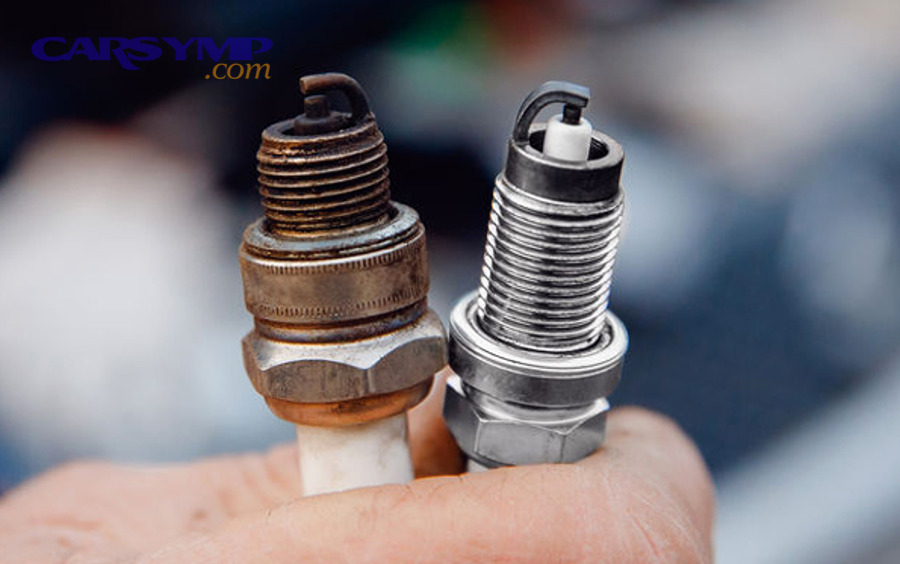
There are five common early symptoms of worn spark plugs: rough idle, hesitant acceleration, harder starts, mild misfire, and reduced fuel economy. To illustrate why these appear first, each symptom reflects weaker or less consistent ignition before total failure occurs.
Rough idle is often the first complaint because weak spark quality shows up clearly when the engine runs at low speed. The engine may shake slightly at stoplights, sound uneven, or feel less stable than normal. Drivers sometimes describe it as the car feeling “off” without being able to name one dramatic fault.
Hesitation under acceleration is another early sign. When the driver presses the throttle, the engine needs clean combustion across all cylinders. If one or more plugs are worn or fouled, the engine may hesitate for a moment before building speed. That can feel like reduced responsiveness rather than a severe problem.
Hard starting appears when the engine needs a stronger ignition event than the worn plugs can consistently provide. This is especially noticeable in cold weather or after the car has sat overnight. The engine may crank longer or require more effort to settle into a normal idle.
Reduced fuel economy can happen because incomplete combustion wastes some of the fuel being delivered. This issue is often overlooked because MPG can decline gradually. Still, when drivers ask How tune-ups improve MPG and drivability, spark plug condition is one of the clearest examples in a gasoline vehicle.
Misfire may appear as a light stumble, a slight shudder, or an illuminated check engine light. At that point, the issue deserves attention quickly because prolonged misfire can put extra stress on ignition coils and may allow raw fuel to reach the catalytic converter.
Is Rough Idling, Misfiring, or Hard Starting Always Caused by Bad Spark Plugs?
No, rough idling, misfiring, and hard starting are not always caused by bad spark plugs because ignition coils, fuel delivery issues, vacuum leaks, sensor faults, and air intake problems can create similar symptoms. However, spark plugs remain one of the most common and easiest starting points in diagnosis.
For example, a failing ignition coil can reduce spark energy in a way that closely resembles worn plugs. A clogged fuel injector can make one cylinder run lean or stumble. A vacuum leak can upset the air-fuel ratio and create unstable idle. Even a dirty mass airflow sensor or a weak battery can complicate starting behavior.
That is why symptoms alone should guide inspection, not immediate assumptions. In many cases, the spark plugs reveal useful evidence. If the plugs look badly worn, oil fouled, heavily carbon coated, or incorrectly gapped, they may be the direct cause or at least a strong contributor. If the plugs look normal, the diagnostic path should widen to other systems.
For car owners, the practical lesson is simple: treat spark plugs as a logical first checkpoint, not the only possible answer. This approach saves time and often reduces unnecessary parts replacement. It also keeps the maintenance process grounded in visible, testable evidence rather than guesswork.
According to the National Institute for Automotive Service Excellence, ignition misfires can originate from plugs, coils, fuel, or mechanical faults, which is why proper inspection matters before replacing parts.
When Should Spark Plugs Be Replaced?
Spark plugs should be replaced according to the vehicle manufacturer’s service interval, plug material, and real-world symptoms such as misfire or hard starting. To better understand the timing, it helps to compare normal replacement ranges with the conditions that shorten spark plug life.
Do Spark Plugs Need Replacement at a Fixed Mileage?
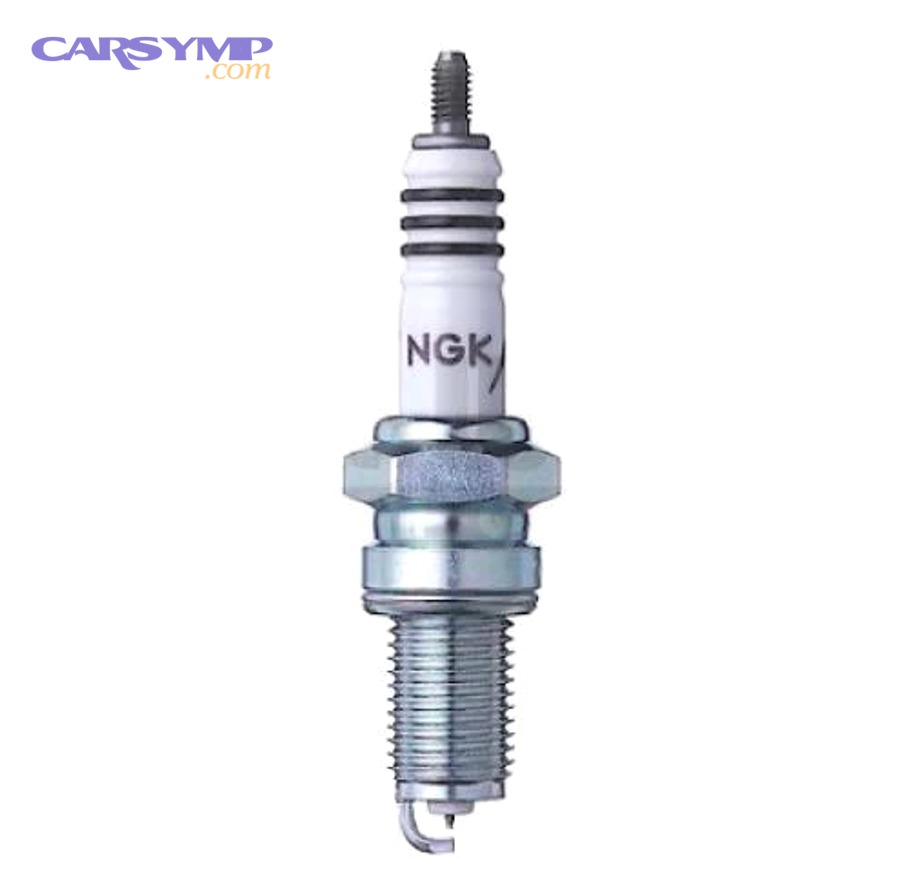
No, spark plugs do not all need replacement at one fixed mileage because service life depends on plug material, engine design, and the manufacturer’s maintenance schedule. However, there are practical mileage ranges that help car owners estimate when service may be due.
Traditional copper spark plugs tend to wear faster and are often replaced sooner than platinum or iridium plugs. Platinum plugs generally last longer, while iridium plugs often provide the longest service interval in modern passenger cars. Even so, the best answer is always the owner’s manual or factory maintenance schedule because the engine was calibrated around a specific spark plug design.
In practice, many drivers treat spark plug replacement as part of a larger ignition tune-up or maintenance checkpoint. That can work well when service is based on the correct interval, not generic assumptions. A modern tune-up often focuses more on inspection and replacement of wear items than on manual adjustments, which is why the service schedule matters more than old rules of thumb.
The table below summarizes typical service-life expectations by material. Actual intervals vary by manufacturer, so the table should be treated as a practical guide, not a substitute for vehicle-specific instructions.
| Spark Plug Type | Typical Lifespan | Common Use Pattern |
|---|---|---|
| Copper | 20,000 to 30,000 miles | Older vehicles, some performance or specialty applications |
| Single Platinum | 60,000 to 100,000 miles | Many mainstream vehicles |
| Iridium | 80,000 to 120,000 miles | Many newer vehicles with long service intervals |
That timing also fits naturally into a Tune-up checklist by mileage. Drivers often inspect ignition components at key service milestones, check filters, review fluid condition, and compare current performance against the vehicle’s normal behavior.
What Factors Make Spark Plugs Wear Out Faster?
There are six main factors that make spark plugs wear out faster: heat, oil contamination, carbon buildup, incorrect gap, poor combustion conditions, and neglected maintenance. More specifically, anything that disrupts clean combustion or adds deposits can shorten spark plug life.
High operating heat can accelerate electrode wear, especially in engines that run hard, tow regularly, or experience repeated stop-and-go driving in hot conditions. Oil contamination also shortens plug life because oil deposits interfere with the ability of the spark to jump the gap cleanly. This often points to a valve cover leak, worn seals, or another engine issue rather than the plug itself.
Carbon buildup commonly develops when the engine runs rich, takes many short trips, or rarely reaches full operating temperature. Short-trip driving can leave deposits on the plug because the engine spends more time in warm-up conditions and less time burning contaminants away. Incorrectly gapped plugs may also stress the ignition system or reduce combustion efficiency from the start.
Neglected maintenance can compound the problem. Dirty air filters can disturb mixture quality, and clogged filters in related systems can reduce overall engine efficiency. When drivers ask why one car seems to stay smooth while another becomes rougher with age, routine maintenance often explains the difference. Good upkeep does not only protect spark plugs; it supports the whole combustion system that depends on them.
According to NGK, spark plug wear accelerates when deposits, overheating, or incorrect application interfere with normal ignition performance.
What Types of Spark Plugs Are Available for Car Owners?
There are four widely discussed types of spark plugs for car owners: copper, platinum, double platinum, and iridium, based mainly on electrode material and expected service life. To better understand the options, it helps to group them by durability, cost, and everyday driving use.
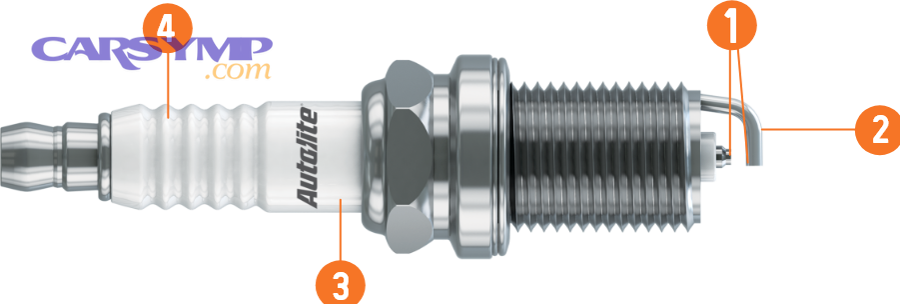
What Are the Main Types of Spark Plugs?
There are four main types of spark plugs: copper, platinum, double platinum, and iridium, classified by electrode material and durability. Specifically, each type balances cost, longevity, and application needs in a slightly different way.
Copper plugs usually have a nickel-alloy center electrode with a copper core for heat transfer. They are often more affordable and can work well in certain older engines or applications designed around them. Their main limitation is faster electrode wear, which means shorter service life.
Single platinum plugs add a platinum disc or tip to improve wear resistance. They usually last much longer than copper plugs and suit many factory service schedules. Double platinum plugs add platinum to both electrodes, which can improve durability in systems that place higher stress on the ignition event.
Iridium plugs use a very hard precious metal that allows a fine-wire center electrode. That design supports durability and efficient ignition over a long service life. In many newer vehicles, iridium is the factory-recommended choice because it matches the long maintenance intervals expected by modern owners.
Some premium products also mention ruthenium, but for most drivers, the main practical categories remain copper, platinum, and iridium. The key is not to chase the most expensive option automatically. The best spark plug is the one that matches the engine’s design and service specification.
How Do Copper, Platinum, and Iridium Spark Plugs Compare?
Copper wins in lower upfront cost, platinum is strong for balanced value, and iridium is usually best for long service life and modern daily driving. However, the best choice still depends on vehicle requirements, not just on durability alone.
Copper plugs generally cost less and can deliver solid performance in vehicles designed for them. However, they wear sooner, so replacement comes earlier. Platinum plugs occupy the middle ground. They cost more than copper but typically last longer and reduce replacement frequency. Iridium plugs usually cost the most, yet they often provide the longest interval and maintain consistent ignition quality over time.
For the average daily driver, iridium often offers the easiest ownership experience if the engine was designed for it. For a budget-conscious owner of an older vehicle, copper may still make sense if that is what the manufacturer specifies. Platinum remains a practical middle option where applicable.
The comparison below shows how these common types differ for real-world ownership.
| Type | Main Strength | Main Trade-Off | Best Fit |
|---|---|---|---|
| Copper | Lower price | Shorter lifespan | Older or plug-specific applications |
| Platinum | Balanced durability | Higher cost than copper | Mainstream long-interval maintenance |
| Iridium | Longest service life | Highest upfront cost | Many modern vehicles and daily drivers |
According to Denso, iridium electrodes resist wear more effectively than conventional materials, which helps maintain stable spark performance over longer service intervals.
How Can Car Owners Tell Whether Spark Plugs Need Attention?
Car owners can tell whether spark plugs need attention by combining driving symptoms, service interval history, and visible inspection of the plugs themselves. To better diagnose the issue, it helps to compare a normal plug with a worn or fouled plug instead of relying on symptoms alone.
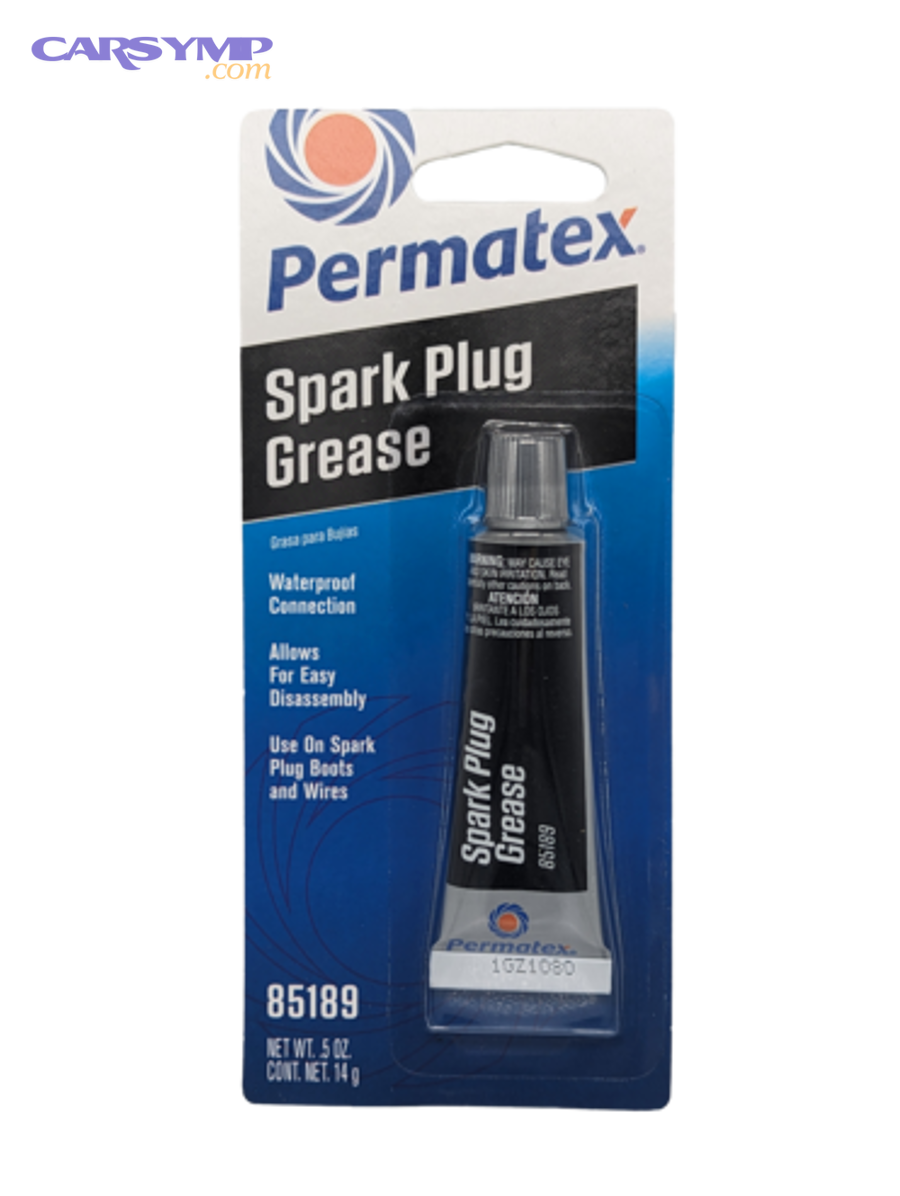
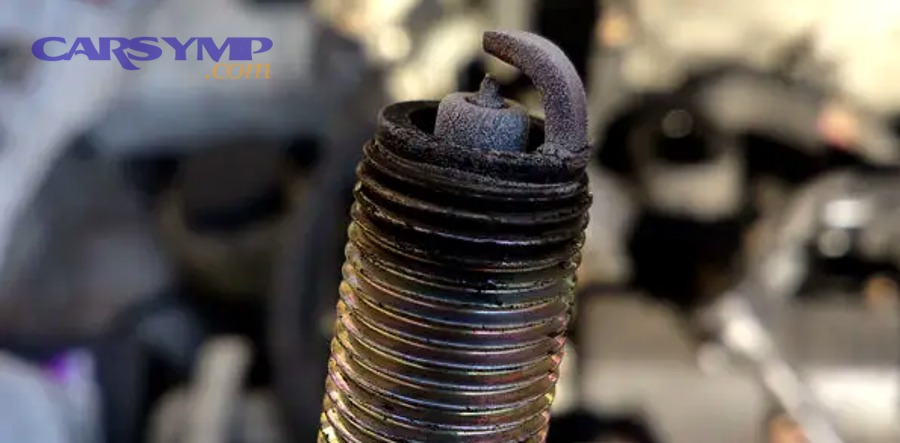
Can You Inspect a Spark Plug to Spot Wear or Fouling?
Yes, you can inspect a spark plug to spot wear or fouling because electrode condition, deposits, cracking, and discoloration often reveal whether the plug is still operating normally. More importantly, visible clues can point not only to plug wear but also to wider engine conditions.
Start by removing the spark plug carefully from a cool engine and comparing its appearance with a known-good example or manufacturer guidance. A worn plug may show rounded electrodes instead of sharp edges. A fouled plug may show dry black carbon, oily residue, white blistering, or heavy ash deposits. Cracked ceramic insulation, damaged threads, or unusual corrosion also signal trouble.
This kind of inspection is valuable because the plug acts like a witness to combustion conditions inside the cylinder. If the tip is dry and light tan or gray, combustion has generally been normal. If the plug is black and sooty, the engine may be running rich or spending too much time on short trips. If it is oily, oil control may be the deeper issue. If the insulator looks blistered or the electrodes appear overheated, the engine may be running too hot or the plug heat range may be wrong.
Inspection also helps explain why a tune-up should never be reduced to part swapping alone. When drivers inspect plugs along with filters and other maintenance items, they get a better picture of engine health rather than just reacting to one symptom at a time.
What Does a Normal Spark Plug Look Like Compared with a Fouled One?
A normal spark plug usually shows light tan or gray deposits with clean electrodes, while a fouled spark plug shows carbon, oil, heavy ash, or heat damage that interferes with ignition. To better understand that contrast, it helps to link each appearance pattern to a likely operating condition.
A normal plug has a relatively clean insulator nose and electrodes that still hold a defined shape. Minor color variation is normal, but the tip should not be heavily coated or physically damaged. This appearance suggests the engine is burning fuel efficiently and the plug is operating within its intended range.
A carbon-fouled plug is typically dark and sooty. This often suggests a rich mixture, excessive idling, repeated short trips, or a weak ignition event. An oil-fouled plug shows wet or dark oily residue and may indicate worn engine components or oil entering the combustion chamber. An overheated plug can show white blistering, eroded electrodes, or a glazed appearance, which may point to excessive heat or incorrect application.
The comparison matters because it helps owners decide whether they are dealing with normal wear, overdue replacement, or a sign of a broader engine problem. A plug that is simply worn may be resolved with routine replacement. A plug that shows abnormal contamination may require further diagnosis before new parts will solve the issue.
According to technical guidance from Champion, plug reading remains a useful method for identifying normal wear, carbon fouling, oil fouling, and overheating patterns.
How Should Car Owners Choose the Right Replacement Spark Plug?
Car owners should choose the right replacement spark plug by following the manufacturer’s specification for fitment, material, heat range, and gap. To make that choice easier, it helps to start with the OEM recommendation and then review the key checks before buying.
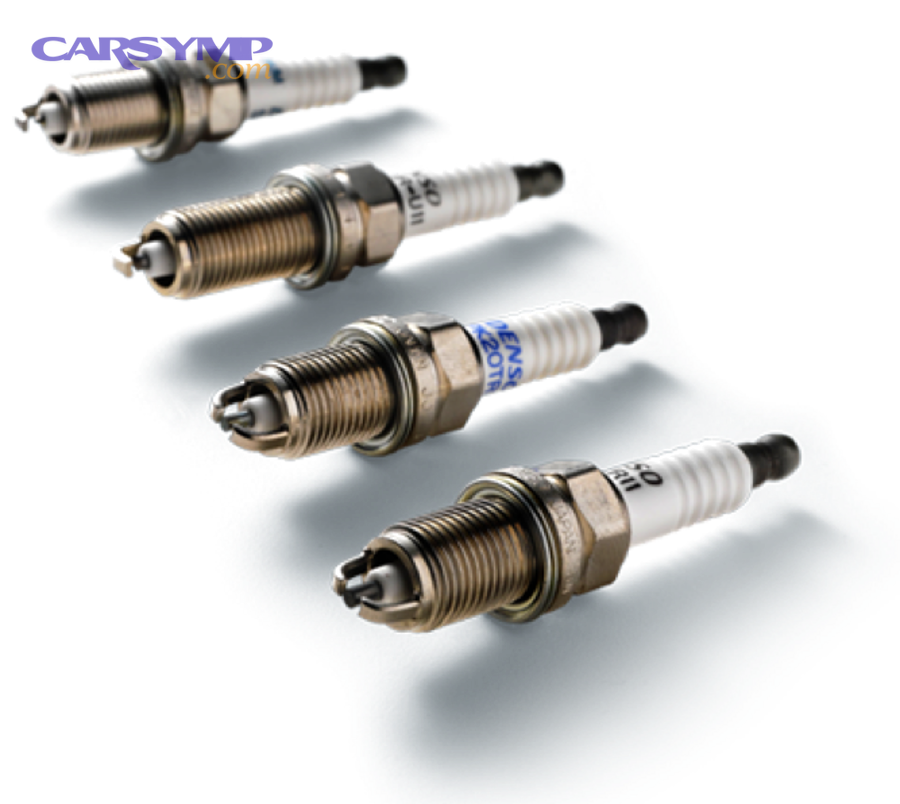
Is the OEM-Recommended Spark Plug Usually the Best Choice?
Yes, the OEM-recommended spark plug is usually the best choice because it matches the engine’s design, supports the intended service interval, and reduces the risk of drivability problems caused by incorrect fit or heat range. In most daily-driven vehicles, that factory match is the safest decision.
Manufacturers choose spark plugs based on combustion chamber design, ignition system strength, expected operating temperatures, and long-term durability targets. That means the plug is not just a generic wear item. It is part of a larger calibration strategy that affects starting behavior, emissions, smoothness, and maintenance intervals.
Aftermarket equivalents can still work well when they precisely match the OEM specification. The problem appears when owners choose a plug only because it is cheaper, more expensive, or marketed as higher performance without confirming the actual application. A plug with the wrong reach, gap, or heat range can cause poor idle, misfire, or long-term engine issues.
For most car owners, the practical rule is simple: start with the owner’s manual, factory parts catalog, or a reputable fitment database. If the replacement crosses to another brand, make sure the specification is truly equivalent rather than merely similar.
What Should You Check Before Buying New Spark Plugs?
There are six key things to check before buying new spark plugs: vehicle fitment, OEM specification, plug material, heat range, gap requirement, and installation torque. More specifically, these checks protect both engine performance and the success of the replacement itself.
Vehicle fitment comes first. Even plugs that look similar can differ in thread reach, seat type, and electrode design. OEM specification follows because the factory recommendation remains the best baseline for daily driving. Plug material then affects service interval and cost, while heat range affects how the plug manages combustion temperature.
Gap requirement matters because the ignition system is designed around a certain spark distance. Some plugs come pre-gapped, but they should still be checked according to manufacturer guidance rather than assumed correct. Installation torque matters because under-tightening can reduce heat transfer and sealing, while over-tightening can damage threads in the cylinder head.
The list below summarizes the most important checks before purchase:
- Confirm year, make, model, and engine
- Use the factory plug number or approved equivalent
- Match the correct material type
- Verify heat range and thread reach
- Confirm gap specification
- Follow correct torque guidance during installation
These steps also fit naturally into a modern tune-up process. Instead of treating spark plug replacement as an isolated job, many owners combine it with inspection of filters, ignition coils, belts, and fluid condition to restore smoother drivability in one maintenance window.
According to service guidance published by major spark plug manufacturers, proper application and installation are critical because wrong heat range or incorrect torque can shorten plug life and reduce engine performance.
Should You Replace Spark Plugs Yourself or Go to a Mechanic?
Yes, some car owners can replace spark plugs themselves, but the best choice depends on engine access, tool skill, and the risk of installation mistakes. To make that decision clearly, it helps to compare beginner-friendly situations with cases where professional service is the safer option.
Is Spark Plug Replacement a Good DIY Job for Beginners?
Yes, spark plug replacement can be a good DIY job for beginners if the engine is easy to access, the correct tools are available, and the installer follows torque and specification guidance carefully. However, the job becomes less beginner-friendly when access is tight or the risk of thread damage is high.
On many four-cylinder engines with exposed coil packs, the process is straightforward: remove the engine cover if needed, disconnect coils, remove the old plugs, inspect them, install the new plugs correctly, and reassemble. In those cases, the job can be an approachable introduction to basic ignition maintenance.
Still, caution matters. Cross-threading a plug into an aluminum cylinder head can create expensive damage. Over-tightening can crack a plug or damage threads. Under-tightening can reduce sealing and heat transfer. Improper gapping or contamination during installation can also create new drivability issues immediately after the job.
For that reason, a beginner should only attempt the job when the engine layout is accessible and the service information is clear. When access is limited under intake manifolds, behind bulkheads, or deep in transverse engine bays, the job becomes more difficult and less forgiving.
How Does DIY Spark Plug Replacement Compare with Professional Service?
DIY replacement wins on cost savings, professional service is best for lower risk, and a mechanic is usually the smarter choice when access, diagnosis, or installation difficulty increases. However, the better option depends on the vehicle and the owner’s confidence level.
DIY service can save labor costs and give the owner direct insight into plug condition. It also allows the driver to combine the work with a broader tune-up inspection, such as checking filters, coil boots, and visible leaks. For routine, accessible engines, that can be both economical and educational.
Professional service offers advantages in speed, experience, and diagnostic accuracy. A technician can recognize whether unusual plug wear points to oil consumption, mixture imbalance, or coil