


Loaner car and shuttle options are transportation solutions that keep you mobile while your vehicle is in the shop, and the right choice depends on your schedule, distance, and risk tolerance.
Most customers want certainty: how long they’ll be without their car, what they’ll pay (or be held for), and what happens if plans change—so understanding the common policies upfront prevents last-minute stress.
Different repairs create different mobility needs, from quick maintenance to multi-day diagnostics; the best option is the one that matches time, route, and responsibilities without adding hidden friction.
Giới thiệu ý mới: below are the practical decision rules, real-world policy details, and the exact questions that help you pick the option that feels “easy” instead of “complicated.”
What are loaner car and shuttle options, and who are they for?
A loaner car is a temporary vehicle you drive yourself, while a shuttle is a ride provided by the shop to take you to a nearby destination and (often) bring you back later.
To connect that definition to a real decision, the key difference is control vs convenience: loaners maximize independence, while shuttles minimize responsibility.
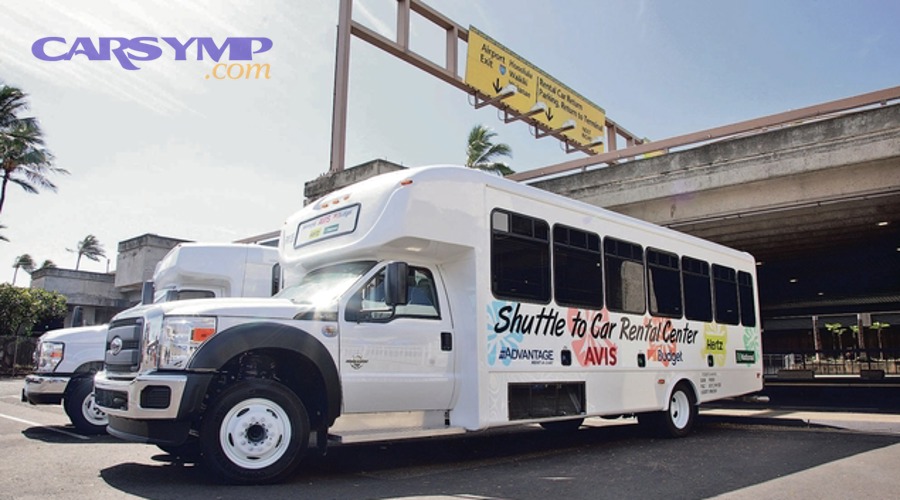
In practice, these options exist because most households rely heavily on personal vehicles for day-to-day life, even when the trip is “just errands.” The moment your car is unavailable, you feel the gap: commuting, school drop-offs, appointments, caregiving, and work travel all compete for the same time blocks.
Theo nghiên cứu của U.S. Department of Commerce (Census Bureau) từ American Community Survey, vào October 2024, dữ liệu tổng hợp cho thấy năm 2023 chỉ khoảng 8% hộ gia đình có 0 xe sẵn có, nghĩa là phần lớn hộ gia đình phụ thuộc vào ít nhất một phương tiện cá nhân.
Loaner car: what it typically includes (and what it doesn’t)
A loaner car is usually offered by dealerships and some independent repair facilities, especially when repairs take longer than a single visit; however, availability is limited, and the vehicle type may be basic rather than identical to your own.
To keep things moving, many programs require a valid driver’s license, a signed agreement, and a deposit or credit-card authorization—so the “free” feel can still come with financial holds, mileage rules, and return-time expectations.
Loaners are best understood as a short-term mobility bridge with rules: you’re borrowing a vehicle with a schedule and a responsibility profile.
Shuttle service: what it usually covers
A shuttle is commonly a local, shop-operated ride within a defined radius and within specific hours, designed to help you get home, to work, or to nearby pickup points.
As a transition into the decision logic, think of the shuttle as “point-to-point assistance,” not unlimited transportation: it shines when your destinations are predictable and close.
Why these options matter more than ever
Even when repair time is short, modern schedules are tightly packed; losing mobility for half a day can cascade into missed meetings, canceled plans, and costly ride-hailing.
Theo nghiên cứu của U.S. Department of Energy từ Vehicle Technologies Office, vào August 2024, “household vehicles were driven an average of 64.6 minutes on a typical day in 2022,” cho thấy xe cá nhân đóng vai trò như “xương sống” của lịch sinh hoạt hằng ngày.
When should you choose a loaner car instead of a shuttle?
Choose a loaner car when you need multi-stop flexibility, you can’t align with shuttle hours, or you expect the repair to span multiple days and you must stay independent.
To make that decision concrete, compare your next 24–48 hours: if your calendar requires freedom to change plans, a loaner prevents the “transportation bottleneck.”
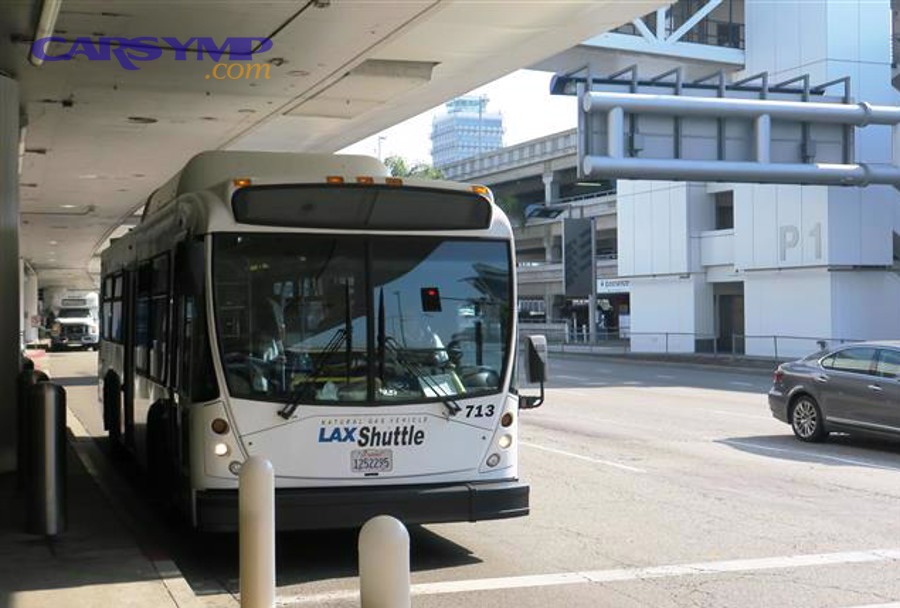
The biggest advantage of a loaner is control. You drive on your timeline, take detours, handle childcare, pick up supplies, and respond to surprises. That control becomes priceless when the shop can’t guarantee an exact completion time, or when the repair could expand after inspection.
Loaners also reduce dependence on phone calls and availability windows. Instead of coordinating multiple rides, you simply continue your life with a substitute vehicle.
If your day requires multiple stops, a loaner is usually superior
A shuttle is typically optimized for one outbound drop-off and one return pickup, while your real day might include school, pharmacy, work, and groceries—so a loaner removes coordination overhead.
To extend that logic, if you must be at two places in different parts of town, a loaner is often the only option that doesn’t force compromises.
If the repair could span overnight, a loaner reduces uncertainty
When repairs take longer—parts delays, additional findings, or extended testing—a loaner protects you from being “stranded” in between updates.
In real service environments, first-time fixes don’t always happen; and when your vehicle needs a follow-up visit, having independent mobility can prevent a second disruption.
Theo nghiên cứu của J.D. Power từ U.S. Customer Service Index (CSI) Study (Press Release), vào March 2025, “12% of repairs are not completed correctly on the first visit,” cho thấy rủi ro phát sinh là có thật, nên phương án di chuyển linh hoạt thường giúp giảm căng thẳng.
If you have accessibility or privacy needs, driving yourself can be simpler
A loaner can be more comfortable for customers who need specific seating preferences, quiet space, or privacy—especially if the shuttle is shared or involves waiting time.
As a transition into policy reality, that comfort comes with tradeoffs: you must accept the loaner agreement terms and manage the vehicle responsibly.
When is a shuttle the better choice than a loaner car?
A shuttle is better when your destination is nearby, you want to avoid deposits and liability exposure, and your schedule fits the shop’s pickup and drop-off windows.
To connect convenience with cost, shuttles often reduce “administrative friction” because you’re not signing for a vehicle, managing fuel, or worrying about mileage limits.
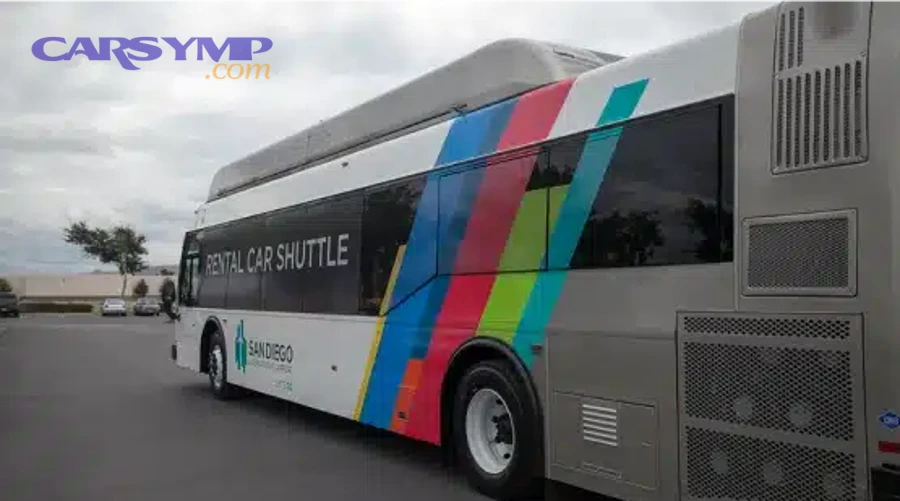
Shuttles are underappreciated because they look “smaller” than a loaner, but for many customers they’re the cleanest solution. If you just need to get home, to a local office, or to a nearby transit stop, a shuttle can be faster than waiting for rental paperwork or availability.
Another advantage is psychological: some customers simply don’t want to drive an unfamiliar car, especially in heavy traffic or bad weather. A shuttle lets you offload that burden.
If you want to minimize financial holds and paperwork
Many loaner programs require a credit-card hold, identity verification, and signature agreements; a shuttle frequently requires far less.
To keep the flow practical, if you dislike surprises on your card statement (even temporary authorizations), a shuttle is often the calmer choice.
If your shop visit is short and predictable
For routine maintenance with a known timeline, a shuttle can be perfect: drop off, ride out, and come back when notified.
However, when timelines expand, shuttle logistics can become awkward—so the next section explains how shuttle operations typically work and where the limits appear.
If you’re not comfortable with loaner liability
Even careful drivers can face minor incidents—parking lot scrapes, windshield chips, toll misunderstandings—so a shuttle reduces your personal exposure to “borrowed vehicle” risks.
This doesn’t mean shuttles are risk-free; it means your role is simpler, because the driving responsibility remains with the service provider.
How do loaner car programs usually work at repair facilities?
Loaner programs usually follow a set flow: eligibility check, agreement signing, vehicle walkaround, rules review, and return inspection—so you should treat it like a mini rental with shop-specific policies.
To move from theory to action, the easiest way to win with a loaner is to confirm requirements before you arrive and document the vehicle condition clearly.
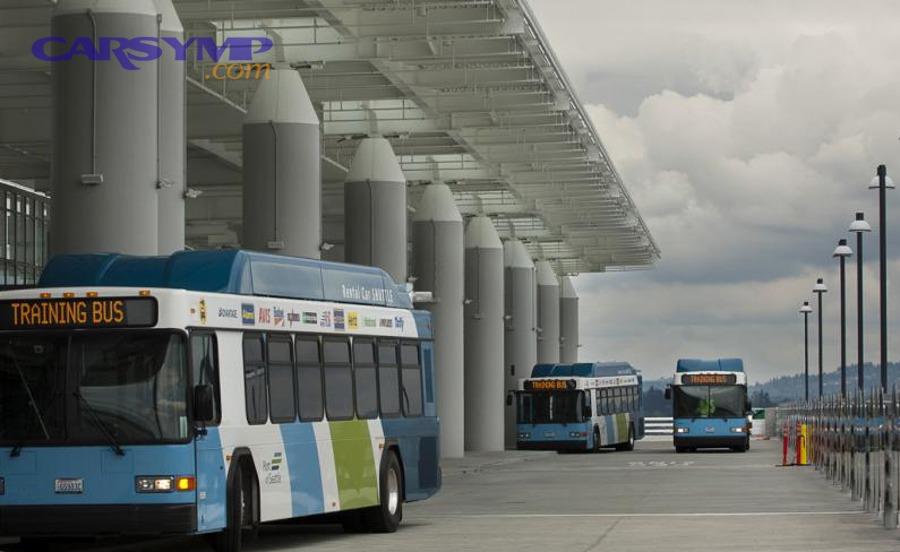
Most programs try to keep the process quick, but the details matter. A small misunderstanding—fuel level, mileage cap, return deadline, who may drive the loaner—can turn an otherwise helpful perk into a stressful add-on.
Step 1: Confirm eligibility and availability before arrival
Some facilities reserve loaners for warranty work, longer jobs, or customers who booked early; others prioritize first-come, first-served scheduling.
To avoid disappointment, ask whether a loaner must be reserved in advance, whether there’s a minimum repair duration, and what happens if your repair finishes earlier than expected.
Step 2: Understand insurance, responsibility, and who can drive
Loaner agreements often specify that only listed drivers may operate the vehicle and that you’re responsible for tickets, tolls, damage, and interior condition.
To reduce risk, verify whether your personal auto insurance extends to the loaner and whether the shop provides any supplemental coverage—then align that with your comfort level before taking the keys.
Step 3: Do a quick walkaround and document condition
Take photos of existing scratches, wheel scuffs, windshield chips, and fuel gauge position; then confirm that the return inspection will follow the same criteria.
This small step is a strong “móc xích” into smooth returns, because it prevents disputes and protects both sides.
Step 4: Clarify return rules (time, fuel, mileage, and fees)
Common rules include returning at a specific time, refueling to the original level, and staying within a daily or total mileage limit.
To keep things predictable, ask the shop to summarize the top three return expectations in one sentence—then repeat it back to confirm you understood.
How do shuttle services usually work for service customers?
Shuttle services typically run on a schedule within a local radius, grouping passengers efficiently—so your best results come from timing your drop-off and sharing a clear destination plan.
To connect this to planning, the shuttle is easiest when you treat it as a “window-based” service, not an on-demand taxi.
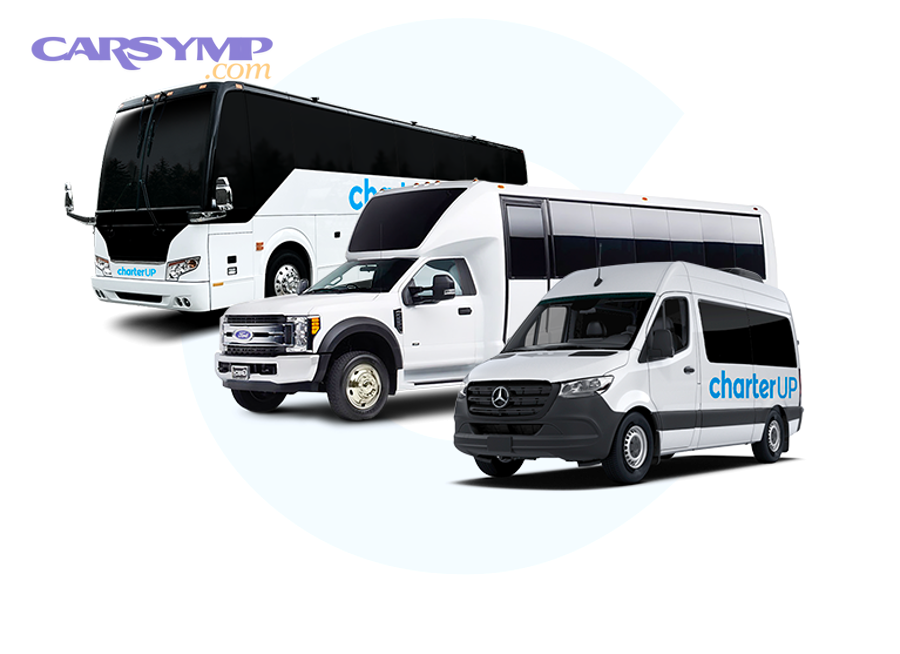
Most shuttles operate during business hours, and some pause during lunch or peak check-in periods. The shuttle driver may run a route: drop off one customer, then another, then return for pickups as the shop receives completion updates.
This means your experience depends on alignment: your drop-off time, your destination proximity, and the shop’s workflow.
Radius and destinations: know what’s realistic
Many shuttles serve a limited area: nearby homes, local offices, rental partners, transit stations, or shopping centers.
To keep your day from derailing, confirm the maximum distance (or time) and whether multi-stop routes are allowed; if not, plan a single destination that supports your day.
Timing: the hidden factor that makes or breaks shuttle satisfaction
If you arrive at peak hours, you may wait longer for the next shuttle run; if you arrive too late, the last shuttle may have already left.
To reduce waiting, aim to drop off when the shop opens or slightly after the first rush, and ask whether there are “best times” for shuttle availability.
Pickup coordination: how you’ll be notified and what you should do
Some shops call or text when the car is ready, then you request a pickup; others schedule the return ride as soon as they estimate completion.
To avoid confusion, confirm the notification method, the pickup point, and whether you should call back to confirm you’re ready—especially if you’ll be in a large office complex or busy area.
What should you ask and prepare to avoid surprises with either option?
Prepare by sharing clear constraints, confirming policies in plain language, and matching the mobility option to repair uncertainty—so you don’t discover critical details after you’ve already committed.
To bridge into action, the best approach is to treat transportation as part of the service plan, not an afterthought you “figure out later.”
Here’s the subtle truth: the “right” mobility choice depends on how predictable the job is. When a repair is clearly defined (for example, a known part replacement), transportation planning is simple. When the root cause is unclear, the repair timeline becomes fluid—and your transportation plan must be more resilient.
Share the most useful information early (so the shop can match you to the right option)
Tell the service advisor your timing constraints (must leave by X time, must be back by Y), your destination area, and whether you can return during business hours.
Also describe the symptom pattern and timing because it can affect how long testing takes; the more precise you are, the more realistic the shop’s estimate becomes, and that estimate is the foundation for your mobility choice.
Ask the “decision questions” before you confirm the visit
Instead of only asking “Do you have a loaner?” ask: “What would make me not eligible for a loaner today?” and “If the repair extends, what transportation fallback do you offer?”
To make your planning stronger, bring up appointment booking logistics as a transportation topic: confirm whether the shop can reserve a loaner at the time you schedule, and whether the reservation is tied to a specific arrival window. (This is where many misunderstandings start.)
Match transportation to job uncertainty: diagnostics vs a defined repair
If you’re Booking for diagnostics vs specific repair, assume more timeline variability: diagnostic work can reveal additional failures, require test drives, or depend on intermittent symptoms, so a loaner (or a shuttle plus a backup plan) is often safer.
By contrast, for a clearly defined repair with parts in stock, a shuttle may be the most efficient and lowest-stress option.
Use a short checklist that prevents 80% of surprises
Ask for a one-sentence summary of transportation rules: “What do I need to bring, what am I responsible for, and what time must I return?”
Then ask the clarifying follow-up that customers often skip: Questions to ask before confirming an appointment include whether there are fees for late returns, whether tolls are billed automatically, and whether another household member can drive the loaner if needed.
Theo nghiên cứu của Cox Automotive từ online consumer survey (4,455 participants), vào July 2015, khảo sát ghi nhận 92% người tiêu dùng muốn có nhiều lựa chọn địa điểm dịch vụ hơn—gợi ý rằng “convenience” là yếu tố cốt lõi, và phương án di chuyển trong lúc sửa xe cần được lên kế hoạch rõ ràng.
How can shops design better transportation options without losing money?
Shops can offer better mobility by tiering options, setting clear policies, and aligning capacity to demand—so customers feel supported while the business avoids chaotic scheduling and runaway costs.
To connect customer experience with operational reality, the strongest programs treat transportation like a managed service: predictable rules, predictable availability, and predictable handoffs.
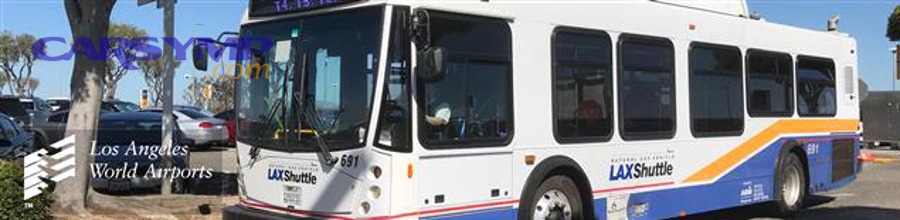
Even if you’re reading as a customer, this section helps you recognize what “good” looks like—and what to ask for. A well-designed program doesn’t just hand you keys; it reduces friction and prevents disputes.
Offer a simple ladder of choices (so customers self-select)
A practical structure is: shuttle within radius during set hours, limited loaners for multi-day repairs, and partnerships with rentals or ride-hail credits when demand spikes.
This approach creates a clear “mobility menu,” so customers understand what they can expect without negotiating.
Make policies transparent and repeatable
Programs fail when policies are ambiguous: unclear return deadlines, vague fuel rules, inconsistent enforcement, or surprise holds. Clear, standardized rules reduce conflict and speed up handoffs.
To keep customer trust high, the shop should communicate these rules before arrival, not at the counter when the customer is already stressed.
Align mobility promises to staffing and real capacity
A shuttle can be excellent, but only if the shop can run it reliably; a loaner program can be loved, but only if vehicles are available when promised.
When a business overpromises, it turns a perk into disappointment, so the best operations tie transportation offers to measurable capacity.
Use customer feedback to refine the experience
Transportation is part of the service experience, and service experience drives loyalty; improving communication, accuracy, and convenience typically produces better repeat intent.
In that spirit, monitoring when customers struggle—wait times, confusing rules, availability—helps the shop upgrade the program without blindly expanding cost.
Contextual border: Up to this point, the focus has been choosing and using loaner car and shuttle options effectively. Next, we narrow into the fine print people miss—small details that can create big frustration if you don’t catch them early.
What fine-print details do people miss in loaner and shuttle policies?
Most frustrations come from missed policy details—driver eligibility, insurance assumptions, mileage and fuel rules, and “who pays for what”—so checking these items upfront protects your time and money.
To keep the flow practical, treat this as a quick “risk scan” before you accept keys or confirm a shuttle pickup.
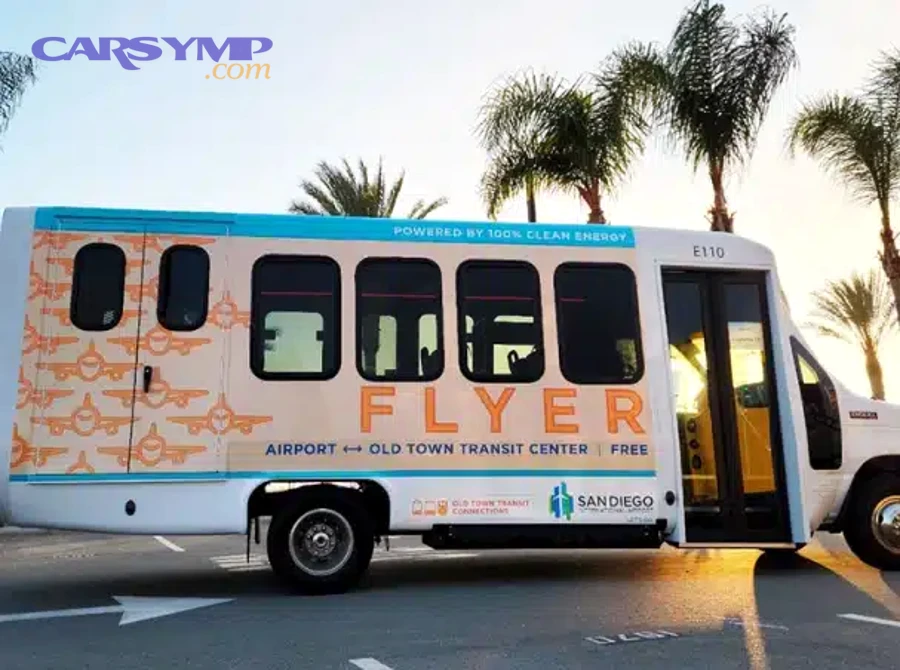
Who can drive the loaner—and what ID or age rules apply?
Some programs allow only the person who signed the agreement to drive; others allow additional listed drivers. Age restrictions may apply, and some facilities require proof of insurance.
To avoid last-minute denial, confirm whether a spouse or coworker can drive and what documents are required at pickup.
Insurance assumptions and deductibles: don’t guess
Many customers assume their insurance automatically covers any loaner; often it does, but coverage can vary by policy, vehicle type, and jurisdiction.
To prevent costly surprises, ask: “If there’s damage, what is my responsibility first—your deductible, my deductible, or a fixed fee?” and confirm whether any optional coverage is offered.
Mileage, fuel, tolls, tickets, and cleaning fees
Common fine print includes mileage caps, fuel return expectations, toll billing, and responsibility for tickets. Interior condition standards can also trigger cleaning fees.
To keep it simple, ask for the top three cost triggers and write them down: fuel rule, mileage rule, and return time rule.
Shuttle boundaries: last run, shared routes, and wait expectations
Shuttles often have a last departure time, may combine multiple passengers, and may not provide guaranteed immediate pickup upon completion.
To avoid being stuck, confirm the last shuttle window and your backup plan if your car finishes after that time.