


Cancellation and reschedule policies are the “rules of the road” that tell you what happens when plans change—whether you need to move your service time, can’t make it at all, or arrive late. Done well, these policies protect both you and the shop by keeping expectations clear and costs predictable.
Most confusion comes from one gap: customers assume “I can always change it,” while shops must plan technician time, bay availability, parts ordering, and workflow sequencing. When a slot goes unused, that loss can ripple into longer waits for everyone else.
This guide explains what these policies typically include, how notice windows work, when fees or deposits are reasonable, and how to reschedule without losing your place in line. The goal is simple: you stay in control, and the shop can still run on time.
Giới thiệu ý mới: Next, we’ll break down each policy component so you can read any shop’s terms and instantly know what’s fair, what’s negotiable, and what to do in real-world scenarios.
What do cancellation and reschedule policies usually cover?
They usually cover when you can cancel or move an appointment, how you must notify the shop, and what consequences apply if you cancel late, don’t show up, or repeatedly reschedule.
To connect the dots, think of a shop schedule like a production line: every booked slot is a planned chain of steps—check-in, inspection, diagnosis, authorization, repair, quality check, and pick-up—so a single change affects the entire day’s timing.

Which “policy sections” matter most when you’re comparing shops?
The most important sections are the notice window, fee triggers, deposit handling, and the reschedule limit. In practice, these determine whether you can move the time freely, whether you’ll pay a no-show charge, and whether your deposit rolls forward or gets forfeited.
For example, a policy that allows one free reschedule but charges a fee for a second last-minute change is often designed to be forgiving once while discouraging repeated disruption.
Why do shops need these policies in the first place?
They need them because labor is scheduled in blocks, bays are finite, and parts may be ordered or reserved. When a slot disappears unexpectedly, the shop can’t always “fill it instantly,” especially if the job required a specialized technician or diagnostic equipment.
That’s why a clear policy can be more customer-friendly than a vague one: it reduces surprise charges and sets a shared expectation before anything goes wrong.
What’s the difference between “cancel,” “reschedule,” and “no-show” in policy language?
Cancel ends the appointment. Reschedule moves it to another time. No-show usually means you didn’t arrive and didn’t notify the shop within the stated window (sometimes “no-call, no-show”).
This distinction matters because many shops treat rescheduling as less disruptive than canceling—especially if you reschedule early enough for them to refill the slot.
The evidence behind these rules comes from scheduling science: missed slots reduce utilization and create backlogs. Theo nghiên cứu của Mashhad University of Medical Sciences từ Department of Medical Informatics, vào 07/2024, các nghiên cứu tổng hợp cho thấy tỷ lệ “no-show” có thể dao động khoảng 12%–42% và bị ảnh hưởng bởi cách thiết kế hệ thống lịch hẹn.
How much notice should you give to cancel or reschedule?
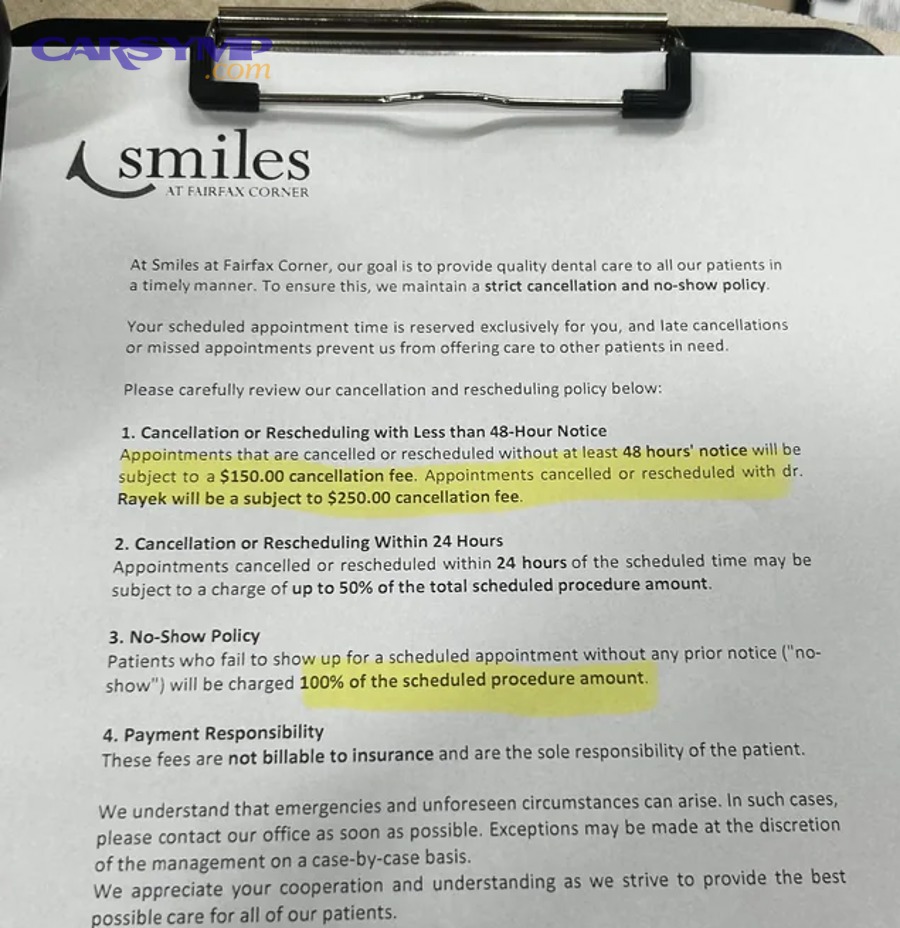
You should give notice as early as possible, and many policies treat 24–48 hours as the practical minimum for a smooth reschedule—because it gives the shop a realistic chance to reassign the slot.
To make it actionable, match your notice to the job type: routine services often have more flexibility, while diagnostic or complex repairs typically require longer blocks and are harder to refill at the last minute.
What notice window is “reasonable” for routine service vs diagnostics?
Routine maintenance slots (oil service, inspections, basic fluids) are often easier to swap, so policies may allow same-day changes with minimal penalty when the shop has capacity. Diagnostic bookings are more scheduling-sensitive because they often require a specific technician’s time and a bay block, so the policy may be stricter.
In other words, “reasonable” is less about a universal number and more about whether the shop could have filled that specific slot with another customer’s needs.
When does “same-day reschedule” usually work without penalties?
Same-day reschedule tends to work when (1) you notify the shop early, (2) the shop already has walk-ins or a waitlist, and (3) your job doesn’t require pre-ordered parts or long bay time. If those conditions don’t exist, same-day changes are more likely to trigger a fee or require a new slot later in the week.
To keep things smooth, ask whether moving your time will “free the bay” or still hold the technician block—because that often decides whether the shop charges.
What if you’re not sure you can make it—should you cancel early or wait?
If you have real uncertainty, it’s usually better to call early and discuss options. Many shops will offer a “soft hold” (confirm later) or move you to a standby slot. Waiting until the last minute increases the risk of a no-show outcome—even if your reason is legitimate.
That’s the practical purpose of notice windows: they reward early communication and give you more alternatives.
Scheduling research supports this logic: shorter lead times and proactive reminders reduce missed slots. Theo nghiên cứu của Mashhad University of Medical Sciences từ Department of Medical Informatics, vào 07/2024, dữ liệu tổng hợp cho thấy khi thời gian “lead time” tăng lên thì tỷ lệ no-show có xu hướng tăng, và các hệ thống giảm lead time thường cải thiện tỷ lệ đến đúng hẹn.
Are cancellation fees or deposits allowed, and when are they fair?
Yes, cancellation fees or deposits are generally allowed in many places, but they’re fair only when they’re clearly disclosed, reasonable, and tied to the shop’s real scheduling loss rather than a surprise penalty.
To keep the flow clear, the key is transparency: you should understand the fee trigger (late cancel vs no-show), the amount, and how to avoid it before you confirm the time slot.

This table helps you decode common policy terms and what they mean in practice, so you can compare shops without guesswork.
| Policy element | What it usually means | What you should check |
|---|---|---|
| Notice window | Minimum time before the appointment to cancel or reschedule without penalty. | Is it different for diagnostics, special-order parts, or long jobs? |
| Deposit | Pre-authorization or payment used to reserve time or cover initial diagnostic work. | Is it applied to the final invoice, refundable, or transferable when rescheduling? |
| Late-cancel fee | Fee charged when cancellation occurs inside the notice window. | Does a first-time waiver exist, and what counts as “late” (hours vs end of previous day)? |
| No-show fee | Fee charged when you don’t arrive and don’t notify within the stated rules. | Is there a grace period, and how is “arrival” defined (check-in vs car drop-off)? |
| Reschedule limit | Number of changes allowed before a fee applies or a deposit becomes non-transferable. | Does the limit reset after you complete a visit, or is it per calendar period? |
What makes a fee “reasonable” rather than punitive?
A reasonable fee is proportional to the shop’s likely loss: technician time reserved, administrative effort, and missed opportunity to fill the slot. It’s also communicated in writing or at booking, with a clear way to avoid it by giving timely notice.
In contrast, a fee feels punitive when it’s hidden, vague, or charged even when the shop easily filled the slot or when you notified them inside a reasonable time.
When is a deposit more common than a fee?
Deposits are more common when the shop expects real upfront cost or scheduling risk: complex diagnostics, specialty labor, large time blocks, or parts that are ordered specifically for your vehicle. A deposit can also protect you by reserving the right technician and preventing your slot from being bumped.
Still, deposit rules should clearly state whether the amount applies to the final bill and whether it transfers if you reschedule.
What do consumer guidance sources emphasize about cancellation fees?
Consumer-oriented legal guidance often emphasizes that businesses can charge deposits and cancellation fees, but the details matter: fees should be disclosed, comply with local law, and avoid being excessive or unclear.
That’s why you should treat a policy like a mini-contract: if it’s not explained before booking, ask for it in writing.
Theo nghiên cứu của University of Freiburg từ Eye Center, Medical Center—University of Freiburg, vào 05/2025, các lịch hẹn được quản lý số hóa ghi nhận rằng khách hàng thường hủy/đổi trong khoảng 24–48 giờ trước giờ hẹn, giúp đơn vị có thể lấp đầy “slot” trống và tăng hiệu quả vận hành.
What happens if you’re a no-show or late to drop-off?
If you’re a no-show or significantly late, the shop may charge a fee, move you to the end of the day, or require a new appointment—because the original slot can’t always be recovered once the workflow has advanced.
To keep it practical, the most important question is whether the shop’s policy includes a grace period and what “check-in” means for your service type.

What is a typical grace period, and why does it exist?
A grace period is a short buffer (for example, 5–15 minutes) that recognizes real-life delays like traffic or parking. It exists to keep customer service humane while still protecting the schedule. If you miss it, the shop may reassign your bay time to the next job or a walk-in.
Even when a shop is flexible, they may still need to adjust your repair timing—because the technician and bay are already in motion.
Why do some shops treat “late” the same as “no-show” for certain bookings?
Some bookings are tightly timed: a diagnostic block, a waiting appointment, or a job that requires immediate parts verification. In those cases, being late can cause the same operational loss as not arriving at all, so policies may treat them similarly—especially when the slot is too short to salvage.
This is why the safest move is to call as soon as you realize you’ll be late: it often converts a “no-show” into a “reschedule,” which usually reduces penalties.
How can you protect yourself if you’re running late?
Send a quick message or call with an ETA, confirm whether the shop can still take you, and ask if you should switch from a “wait” style visit to a “drop-off” plan. This keeps your place in the workflow even if the exact start time changes.
Also ask whether the fee is waived when you provide notice—many policies are designed to reward communication rather than punish inconvenience.
Theo nghiên cứu của University of Freiburg từ Eye Center, Medical Center—University of Freiburg, vào 05/2025, dữ liệu cho thấy việc dùng nhắc lịch qua SMS có liên hệ với giảm rủi ro no-show (OR 0.93), gợi ý rằng nhắc lịch và xác nhận kịp thời giúp hạn chế bỏ lỡ slot.
How should you cancel or reschedule the “right way” to avoid problems?
You should cancel or reschedule through the shop’s approved channel, capture confirmation, and clearly state your name, vehicle, and the original time so the change is recorded correctly.
To make the process smoother, treat the message like a short service request: the less back-and-forth, the faster the shop can free the slot or rebook you.
Which channels are usually safest?
Written channels (text, email, booking portal) are often safest because they produce a time-stamped record. Phone calls can work well too, but ask for a confirmation text or note if the policy is strict.
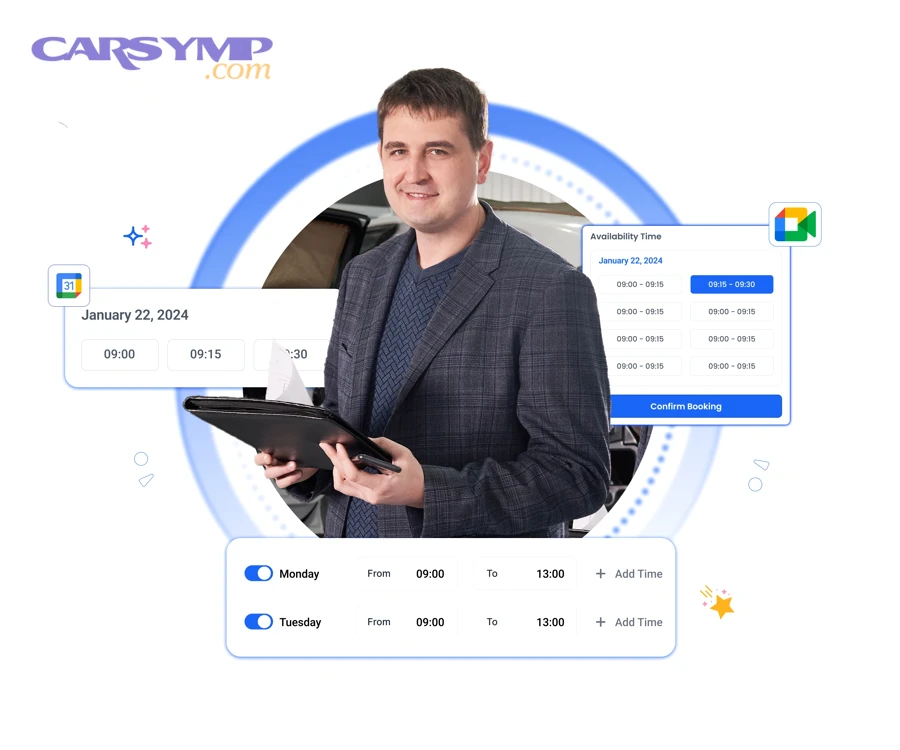
When a shop uses a digital scheduling system, a portal cancellation can immediately free the slot and reduce confusion about whether the change “counted.”
What should your cancellation/reschedule message include?
Include your full name, vehicle year/make/model, original time, and the reason in one sentence. If you’re rescheduling, include your preferred next windows (two or three options) to speed up rebooking.
Later in the process, when you’re doing appointment booking, providing these details upfront reduces mismatches and improves how quickly the shop can confirm or move your slot without errors.
Why does documentation matter even when everyone is friendly?
Because scheduling disputes are rarely about intentions—they’re about missing information. If the shop believes you didn’t cancel on time but you have a time-stamped message, it’s easy to resolve without tension.
That’s the hidden value of clear processes: they keep the relationship professional even on a bad day.
Theo nghiên cứu của Mashhad University of Medical Sciences từ Department of Medical Informatics, vào 07/2024, các nghiên cứu về hệ thống lịch cho thấy can thiệp như nhắc lịch và quy trình xác nhận giúp giảm bỏ lỡ, qua đó giảm lãng phí slot và tăng hiệu quả vận hành.
How do online systems change cancellation and reschedule rules?
Online systems usually make changes faster and more trackable, but they also introduce cut-off times, automated confirmations, and sometimes stricter rules because the schedule updates in real time.
To see the connection, a digital calendar can be more flexible for you while also being less forgiving if you miss the portal’s cancellation deadline—so you need to know the system’s timing rules.

What changes when you book and manage a visit through a portal?
When a shop uses a portal, cancellations and reschedules often happen instantly, and the slot can reopen to other customers. That’s good for fairness—because it reduces “ghost holds”—but it can also enforce strict cutoffs that a phone conversation might have softened.
In simple terms, the system is consistent: it follows the rules exactly, which is why you should learn the deadline before you rely on it.
Where do customers get tripped up with digital cutoffs?
The most common slip is thinking “I’ll do it later” and missing the cut-off by minutes—especially overnight or on weekends. Another issue is assuming the request went through without checking the confirmation screen or message.
This is where understanding How online auto repair booking works becomes useful: portals may offer a “request” that still needs approval, and approval timing can affect whether a cancellation counts as “in time.”
Do reminders and confirmations actually reduce missed visits?
Yes, reminders can reduce missed visits by keeping the appointment top-of-mind and making it easier to reschedule early. In practice, a reminder paired with a one-click reschedule link can convert “no-show risk” into “early notice,” which protects both you and the shop.
That’s why many shops combine reminders with policy links: the system is teaching you the rule at the moment you’re most likely to use it.
Theo nghiên cứu của University of Freiburg từ Eye Center, Medical Center—University of Freiburg, vào 05/2025, nghiên cứu ghi nhận tỷ lệ no-show khác nhau giữa lịch online và offline tùy bối cảnh, đồng thời cho thấy SMS reminders liên quan đến giảm rủi ro no-show.
How can you reschedule without losing your slot, deposit, or priority?
You can usually reschedule without losing priority by communicating early, offering flexible time windows, and confirming whether your deposit transfers—because most policies are designed to reward early notice and reduce last-minute schedule disruption.
To make that work, your goal is to help the shop “rebuild the plan” quickly: when they can refill your original slot, they’re more likely to transfer deposits and keep you near the front of the line.

What are the most effective reschedule steps?
Step 1: Notify the shop immediately and ask whether your slot can be converted to a different format (drop-off vs waiting). Step 2: Provide 2–3 alternative windows, not a single time. Step 3: Confirm the deposit rule and ask for written confirmation of the new time.
Those steps reduce friction because the shop can make one decision quickly instead of trading messages across a full day.
What details help the shop reschedule you faster?
Details matter most when they change bay time or technician selection. If you provide symptoms, when the issue happens, warning lights, recent repairs, and whether the car is drivable, the shop can allocate the right slot and avoid a mismatch that forces another reschedule.
In other words, Best info to provide when booking a repair is also the best info to provide when rescheduling—because it lets the shop estimate time and prioritize correctly.
How should you handle special-order parts or long jobs?
If parts are already ordered, ask whether the parts can be held and whether rescheduling changes storage fees or return windows. For long jobs, ask if the shop can split the work into phases (diagnosis first, repair later) so you don’t lose momentum.
This is where policy flexibility becomes a service quality signal: good shops will explain tradeoffs rather than simply say “no.”
Theo nghiên cứu của Mashhad University of Medical Sciences từ Department of Medical Informatics, vào 07/2024, các phân tích tổng hợp cho thấy giảm lead time và thiết kế lịch phù hợp với nhu cầu thực tế giúp giảm no-show, qua đó tăng khả năng tái sắp xếp lịch hiệu quả khi có thay đổi.
From here, we’ve covered the core rules most drivers will face. Next, we cross the boundary into edge cases—where policies get tricky, exceptions matter, and the “right move” depends on context.
Edge cases: emergencies, after-hours changes, and disputed fees
Yes, edge cases can be handled fairly, but only if you know what to say, what proof to keep, and how shops typically decide exceptions—because emergencies and after-hours changes are where misunderstandings most often become disputes.
To keep the chain of logic intact, each edge case below connects back to one principle: clear notice, documented confirmation, and a realistic view of what the shop lost (or didn’t lose).

What if you have an emergency breakdown and can’t make the appointment?
If you break down, call or message immediately, share your situation, and request a reschedule rather than a cancel if you still want service. Many shops will treat documented emergencies as exception cases—especially if you notified them early enough that they could still repurpose the slot.
To illustrate, if you’re stranded at night, focus on safety first, then notify the shop as soon as you’re stable; the earlier the notice, the more likely the shop can waive a fee.

How do after-hours cancellations usually work?
After-hours changes usually depend on whether the shop’s system records the timestamp. If a portal allows cancellation anytime, use it and keep the confirmation. If not, leave a voicemail or email and reference the time; the shop may honor the message if it clearly arrived before the window closed.
In disputes, the question is often “when did they notify us?”—so time-stamped records are your best protection.

What if you disagree with a fee—how should you handle it?
Disagree calmly, show your confirmation evidence, and ask for a manager review. If the policy wasn’t disclosed, say so and request a one-time waiver. If the shop did disclose it clearly, negotiate based on fairness (first-time exception, partial fee, or deposit transfer) rather than insisting “fees are never valid.”
Consumer guidance commonly emphasizes disclosure and reasonableness as the foundation for enforceable fees—so the conversation should center on what you were told and what loss occurred.
How do you avoid repeated reschedules that push you to the back of the line?
Be honest about your availability, offer wider windows, and convert uncertain visits into a “call me when there’s an opening” standby slot. Repeated last-minute reschedules often trigger stricter handling because the shop can’t reliably plan around you, even if your reasons are understandable.
To prevent that, lock down transportation plans in advance and confirm the appointment the day before—because reliability is what earns flexibility.
Theo nghiên cứu của University of Freiburg từ Eye Center, Medical Center—University of Freiburg, vào 05/2025, nghiên cứu ghi nhận rằng nhắc lịch qua SMS có tương quan với giảm tỷ lệ no-show, cho thấy việc xác nhận kịp thời giúp giảm tranh chấp liên quan đến bỏ lỡ lịch.