


Before you confirm a service visit, the smartest move is to ask a short, specific set of questions that turns vague promises into clear expectations about cost, time, responsibility, and results.
Beyond preventing surprises, the right questions help you describe the problem precisely, choose the correct type of visit, and avoid scheduling the wrong amount of time for your car.
You’ll also learn how to compare shops fairly—without falling into “lowest price wins”—by focusing on what’s included, how decisions get approved, and what quality controls exist.
Giới thiệu ý mới: the sections below give you a practical script you can use on the phone, in chat, or at the counter so you can confirm with confidence.
What outcome do you want from this visit—diagnosis, repair, or maintenance?
You should pick the visit type by outcome: confirm whether you need problem-finding, a specific fix, or routine service so the shop schedules the right technician, tools, and time. To connect this decision to a smoother call, start by naming your goal before you name your symptoms.
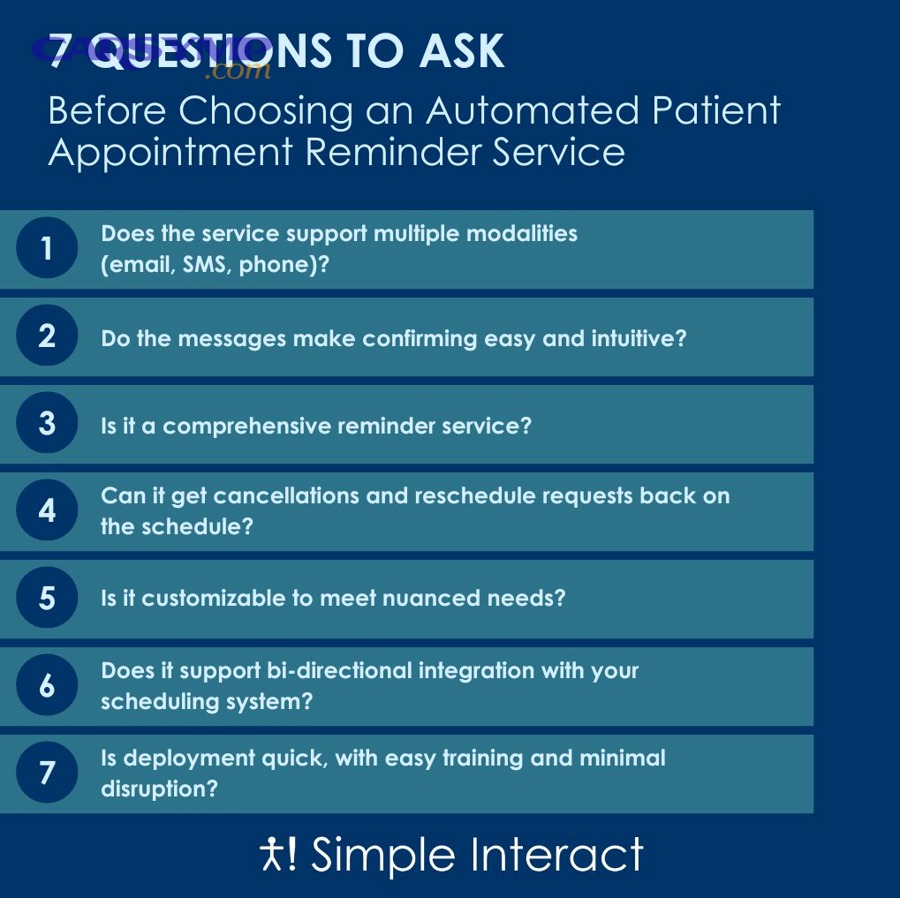
Many appointment problems begin when you book the wrong “shape” of visit. A quick oil change slot is not the same as a drivability concern that needs test time, scan data, and possibly a cold start. A “replace part X” request might also be premature if you’re guessing, because multiple failures can share the same symptoms.
Use these questions to lock in the outcome:
- “Is this appointment for inspection/diagnosis, or will you start repairs the same day?” (This separates time used to identify the cause versus time used to fix it.)
- “If you find the issue quickly, do you call for approval before doing any additional work?” (This sets the decision boundary.)
- “If the diagnosis points to multiple possible causes, how do you confirm the right one?” (This reveals whether they test or guess.)
How do you book the right slot when you’re not sure what’s wrong?
You book the right slot by asking for a diagnostic-style visit that includes test time and a structured inspection rather than requesting a specific part replacement. Next, connect that request to a clear description of what the car does, when it happens, and how often.
In practical terms, say: “I’m not sure what’s causing it; I need an evaluation and a clear plan.” Then ask how much test time is included, whether they road-test, and whether scan data is part of the process. This is the moment to avoid “internet certainty,” where you show up expecting a single part swap and leave with a bill for extra time because the original guess was wrong.
How do you book the right slot when you already know the needed repair?
You book the right slot by confirming parts availability, labor time, and any prerequisites (like additional inspection or calibration) before you commit. Then, connect that to a simple confirmation question: “If the part arrives late, do we reschedule or keep the slot for installation?”
If you have a confirmed repair (for example, a clearly failed battery or a torn belt visible on inspection), ask whether the shop needs to verify the diagnosis first, how they handle customer-supplied parts (if you plan that), and whether there are “while you’re in there” items that could change time or cost.
What information should you provide so the shop can quote and schedule accurately?
You should provide identifiers, symptoms, and constraints so the shop can match the correct parts, assign the right technician, and avoid rework. To keep your call efficient, share the essentials in a predictable order: car details, problem details, then scheduling limits.
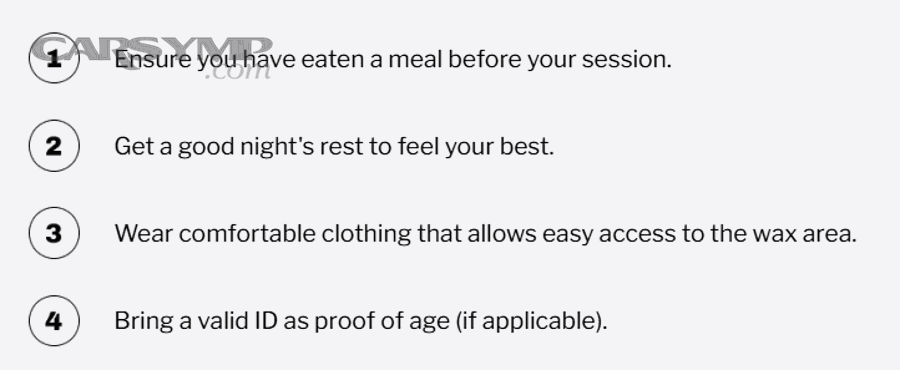
When you give partial information, shops either under-schedule (leading to delays) or over-schedule (leading to long waits and inflated “just-in-case” estimates). The best approach is to deliver a structured mini-brief that removes ambiguity.
Provide these basics up front:
- Vehicle ID basics: year/make/model, engine size if known, mileage, and VIN if the issue is parts-specific.
- Symptoms and timing: when it happens (cold start, after highway driving, turning, braking), how often, and whether it’s getting worse.
- Dash lights / messages: which lights are on, whether they flash, and whether you have any stored codes from a scan.
- Recent work: repairs in the last 30–90 days, battery replacement, tire work, body work, or anything that changed right before the issue started.
- Constraints: must-have completion time, need for the car same day, and whether you can leave it overnight.
What’s the fastest symptom description that still helps a technician?
The fastest useful description is a short “when–what–how often” statement that avoids conclusions and focuses on observable behavior. Next, connect that to one follow-up: “What extra detail would help you confirm it during the test?”
Example: “At 30–45 mph, I hear a rhythmic humming that gets louder when I turn left; it started last week and is worsening.” This is much more actionable than “I think my wheel bearing is bad,” because the technician can test, compare sides, and verify with a lift inspection.
What should you not say if you want an accurate quote?
You should avoid demanding a fix for a guessed cause, because it nudges the conversation toward confirmation bias and away from testing. Next, connect that caution to a better framing: “Can you confirm the root cause before replacing anything?”
Shops can still do what you request, but if you want accuracy, don’t anchor them to your hypothesis. If you do have a strong reason (like a previous diagnostic report), share the document and ask whether they agree with the plan and what assumptions it depends on.
Who will actually work on your car, and how are technicians qualified?
You should confirm who performs the work and who supervises it so you know whether your job is handled by a specialist, a generalist, or a trainee, and what quality checks exist. To keep it respectful, ask about process rather than judging credentials.
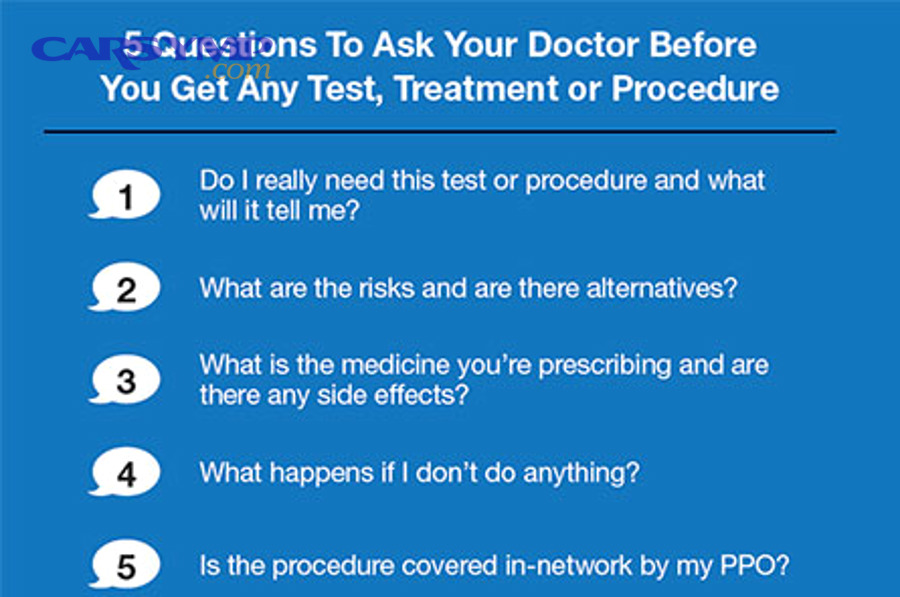
This matters most for complex diagnostics, electrical issues, intermittent faults, and newer vehicles that require updated scan tools and procedures. Even routine jobs benefit from clear accountability because it reduces mistakes like loose clamps, missing fasteners, or incorrect fluid specs.
Ask these questions before confirming:
- “Will a certified/lead tech handle this, or will it be assigned to the next available technician?”
- “Who verifies the work before delivery—service advisor, foreman, or a second tech?”
- “Do you follow manufacturer procedures (torque specs, calibrations) for this model?”
How do you verify the shop can handle your specific vehicle and issue?
You verify capability by asking about tooling, recent similar jobs, and whether they perform required calibrations or programming when applicable. Next, connect this to confidence by asking: “What would make this job take longer than expected?”
If you drive a newer vehicle with driver-assistance features, a basic repair can sometimes require calibrations after suspension, windshield, or alignment work. Asking “Do you have the equipment to calibrate and document it?” reveals maturity without turning the conversation into a technical contest.
What’s a fair way to ask about parts quality without sounding accusatory?
A fair approach is to ask for options and tradeoffs—new, remanufactured, OEM-equivalent—so you can choose based on reliability, warranty, and budget. Next, connect that to a written estimate: “Can you list the part brand and warranty on the quote?”
Quality is not only about “OEM vs aftermarket.” It’s also about the supplier, whether the shop stands behind it, and whether they will handle warranty labor. Your goal is transparency, not perfection.
What will the estimate include—and what can change after inspection?
You should confirm what the estimate covers, what triggers changes, and how approvals work so you don’t get surprised by additional labor, parts, or fees. To bridge from cost to control, ask how they document findings and how they price additional work.
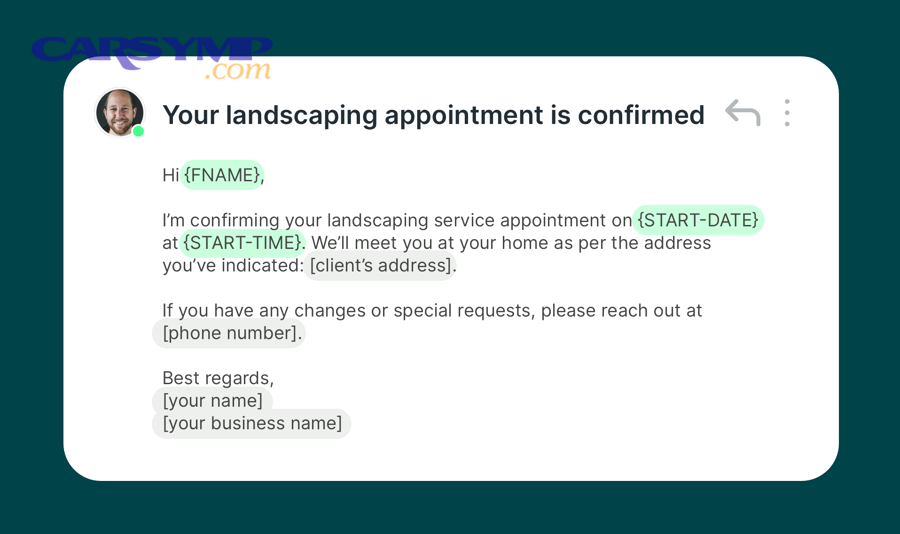
Most disputes come from mismatched expectations: you thought you approved a total, but the shop thought you approved an initial step. A good estimate is a map—line items, assumptions, and a decision point—rather than a single number.
Ask these estimate-defining questions:
- “Is this an inspection/diagnostic fee, and is any of it credited toward repairs?”
- “What exactly is included in the quote—parts, labor, shop supplies, taxes, and disposal?”
- “What could change the price after inspection, and how do you show proof?”
- “Do you provide photos/video or measured data to support recommendations?”
The key is to request a clear “approval gate.” For example: “Please do the inspection, then call me with findings and options before ordering parts.” This keeps you in control while still respecting the shop’s workflow.
How do you prevent ‘scope creep’ on repairs?
You prevent scope creep by setting a maximum authorization amount and requiring explicit approval for anything beyond it. Next, connect that boundary to communication: “If I miss your call, do you pause work or proceed?”
A practical script: “You’re authorized up to $X for diagnosis and essential safety issues; call me for anything above that.” This keeps the shop moving while preventing a cascade of add-ons you didn’t expect.
How do you handle ‘recommended’ versus ‘required’ items?
You handle it by asking the shop to label items by urgency—safety, drivability, preventive, and optional—so you can decide rationally. Next, connect urgency to evidence: “What risk occurs if I postpone this 30–60 days?”
When you request this categorization, you shift the conversation from persuasion to planning. It also reduces pressure because both sides agree on what must happen now and what can wait.
How long will the job take, and what happens if parts are delayed?
You should confirm realistic time windows and delay policies so you can plan transportation and avoid frustration if the schedule shifts. To connect time to certainty, ask what needs to happen before the clock truly starts—inspection, parts ordering, or a bay opening.
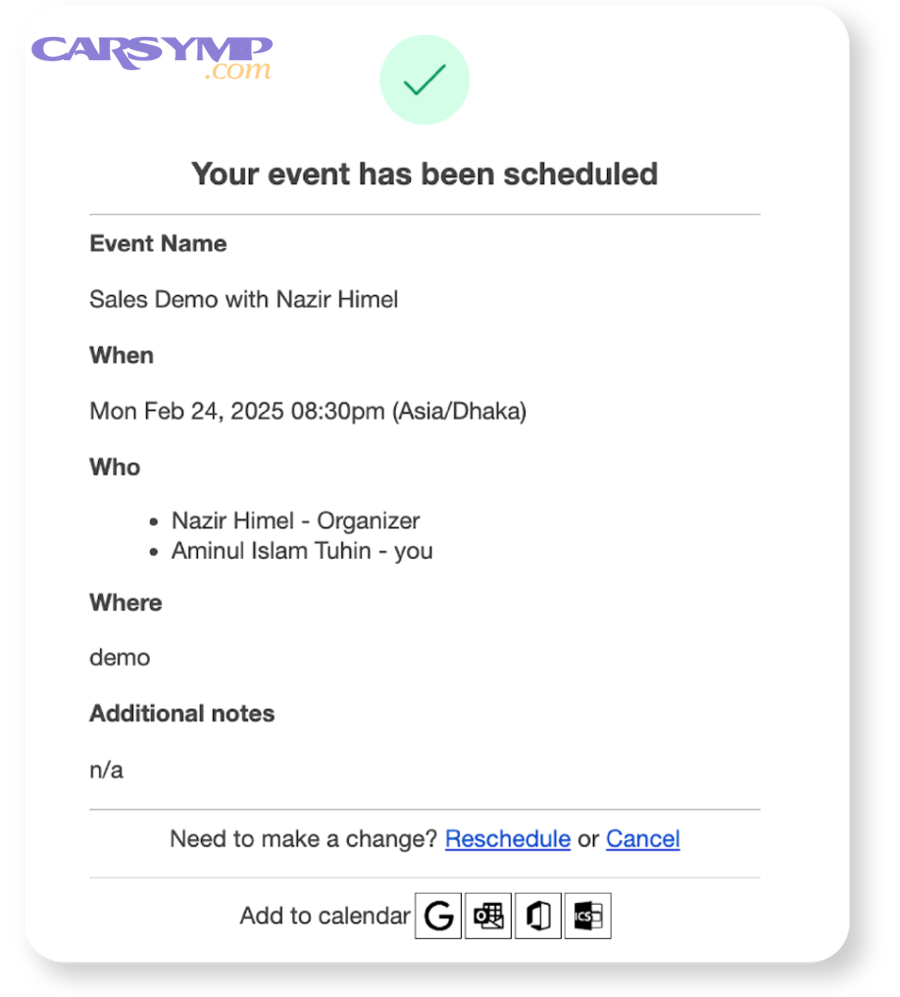
Time is a blend of labor hours, shop capacity, and parts logistics. A two-hour repair can still take two days if the bay isn’t available, the part arrives late, or the job requires test cycles. Your goal is to understand the timeline structure.
Ask these scheduling questions:
- “Is my appointment time for drop-off, diagnosis, or actual wrench time?”
- “What’s the expected completion window, and what would push it later?”
- “If a part is backordered, do you hold my place or reschedule?”
- “Do you prioritize safety issues or first-come-first-served?”
The capacity issue is real in many markets. Theo nghiên cứu của J.D. Power từ U.S. Customer Service Index (CSI) Study, vào March 2024, owners of mass-market vehicles waited an average of 5.2 days for a service appointment.
How do you request a realistic timeline without sounding demanding?
You request realism by asking for a range and the decision points that narrow it, rather than demanding an exact promise. Next, connect that to updates: “When will you know whether it’s same-day or overnight?”
A helpful phrasing is: “If everything goes normally, when should I expect it; and if it doesn’t, when will you tell me?” That invites transparency and makes it easier for the shop to communicate early rather than late.
What should you ask about parts sourcing and quality?
You should ask which parts line they plan to use and whether alternatives exist if the first choice is unavailable. Next, connect that to your priorities: “If we switch brands to get it sooner, how does warranty or longevity change?”
Speed can conflict with quality. The best shops can explain tradeoffs clearly and offer you a choice, especially for non-safety-critical components.
What is the shop’s policy on authorizations, updates, and communication?
You should confirm how the shop communicates, how often, and through which channel so you don’t miss approvals that stall the job or trigger unwanted work. To keep the process smooth, ask what happens if they can’t reach you quickly.
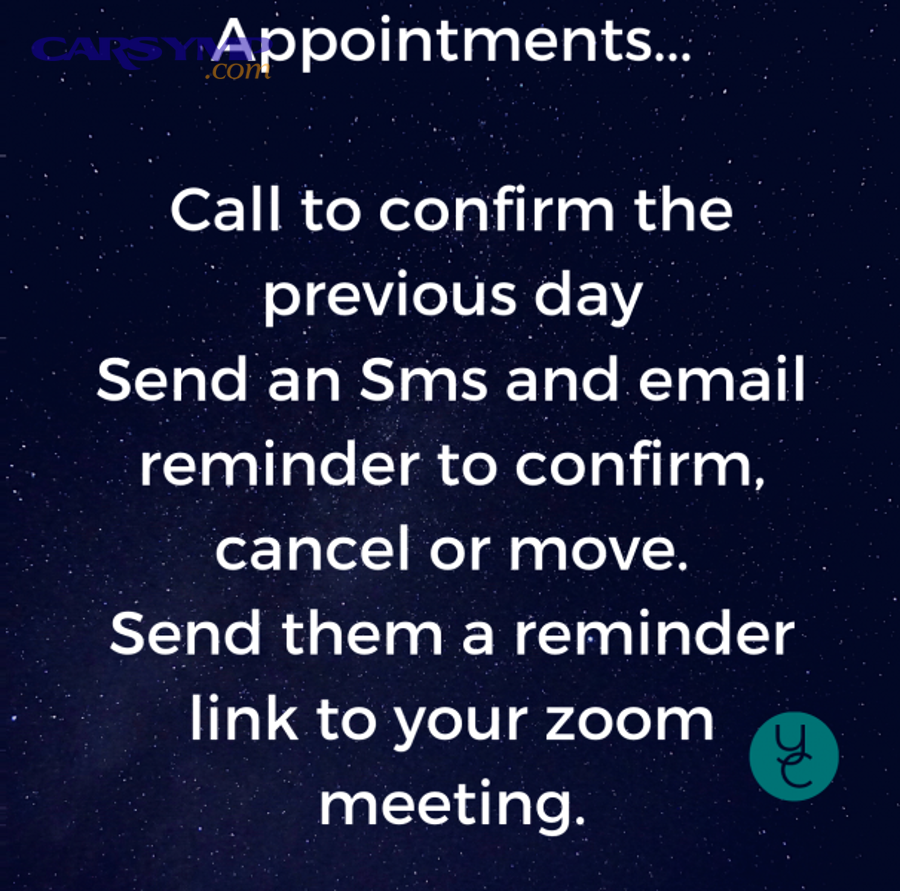
Communication is not a “nice to have”—it is a cost-control tool. Clear approval steps reduce misunderstandings and keep the car from sitting idle while everyone waits for a phone tag moment.
Ask these communication questions:
- “How do you send updates—call, text, email, or portal?”
- “Do you send photos/video evidence with recommendations?”
- “What’s your standard approval process before ordering parts or doing additional work?”
- “If you can’t reach me, do you pause work or proceed with pre-approved limits?”
If you prefer fast, low-friction coordination, request one primary channel and one backup. Theo nghiên cứu của J.D. Power từ 2024 CSI Study, vào March 2024, customers strongly preferred service updates via text (68%) versus phone calls (16%).
How do you avoid missed calls that delay your repair?
You avoid delays by setting explicit contact windows and giving permission for text updates if you can’t take calls. Next, connect that to speed: “If you text a quote link, I can approve faster.”
Even if you prefer phone calls, text often works better for approvals because you can respond between meetings. Ask whether they can send a written summary and a simple “approve/decline” prompt.
What if you’re booking online and worry about details being lost?
You should confirm there’s a way to add notes and that someone reviews them before the visit, so the right slot and technician are reserved. Next, connect that to a quick check-in call: “Can you confirm you saw my notes and booked adequate time?”
This is where the phrase appointment booking matters in a practical sense: the channel you use (phone, web form, chat) should still produce the same clarity on scope, time, and approvals, not a weaker version of the conversation.
What warranty applies to parts and labor, and what voids it?
You should confirm warranty length, coverage rules, and documentation so you know what protection you truly have if the issue returns. To connect warranty to real-world value, ask whether labor is covered and how claims are handled.
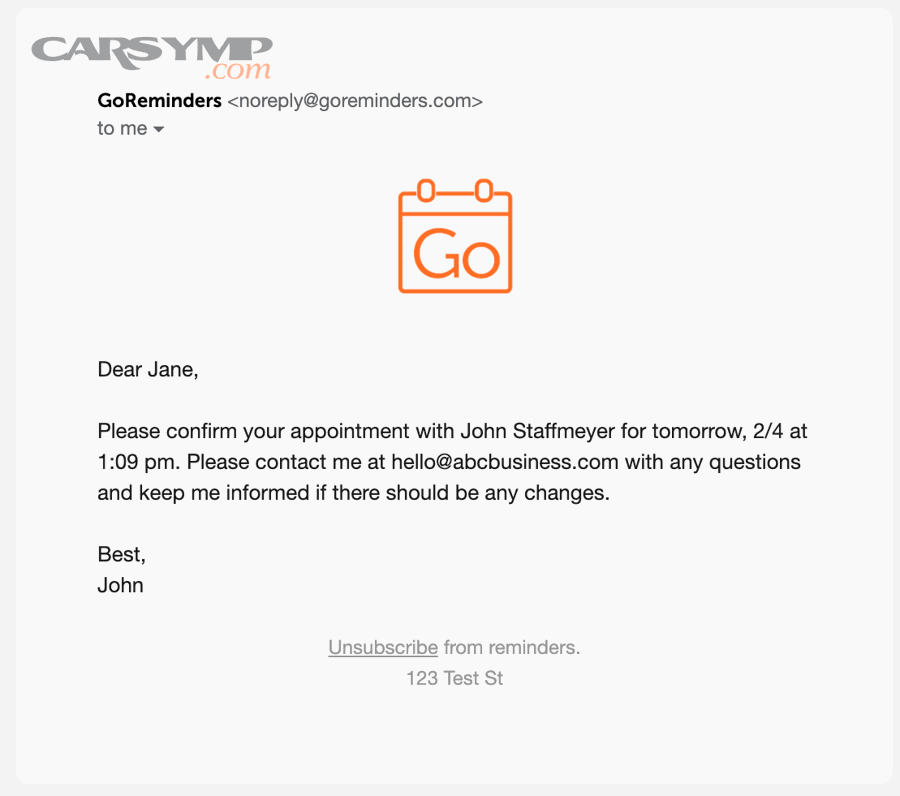
A warranty is only helpful if you understand its conditions. Some warranties cover parts only, some cover parts and labor, and many require maintenance records or proof that related issues weren’t ignored. You’re not being suspicious; you’re being prepared.
Ask these warranty questions:
- “What is the warranty term for parts and for labor, and are they different?”
- “If the part fails, do you cover labor to replace it?”
- “What documentation do you provide—invoice detail, part brand, and test results?”
- “What behaviors or conditions could void coverage?”
What’s the difference between shop warranty and part manufacturer warranty?
Shop warranty usually covers the complete repair experience, while manufacturer warranty often covers only the component and may require separate claim steps. Next, connect that to convenience: “If something fails, do I come back here and you handle the warranty process?”
Your ideal outcome is one point of contact who resolves the issue without you coordinating between seller, manufacturer, and installer.
How do you confirm the repair was verified before delivery?
You confirm verification by asking what tests were performed after installation and whether results are documented. Next, connect that to confidence: “Can you note the post-repair readings or checks on my invoice?”
For many issues, a good shop can document charge voltage, leak tests, alignment specs, scan tool readiness monitors, or a road-test note. Documentation isn’t bureaucracy; it’s proof of process.
What should you expect at drop-off and pick-up to avoid delays?
You should clarify logistics—keys, check-in steps, payment, and final review—so you don’t lose time at the counter and you leave with the right paperwork. To tie this to a smooth day, ask what the shop needs from you the moment you arrive.
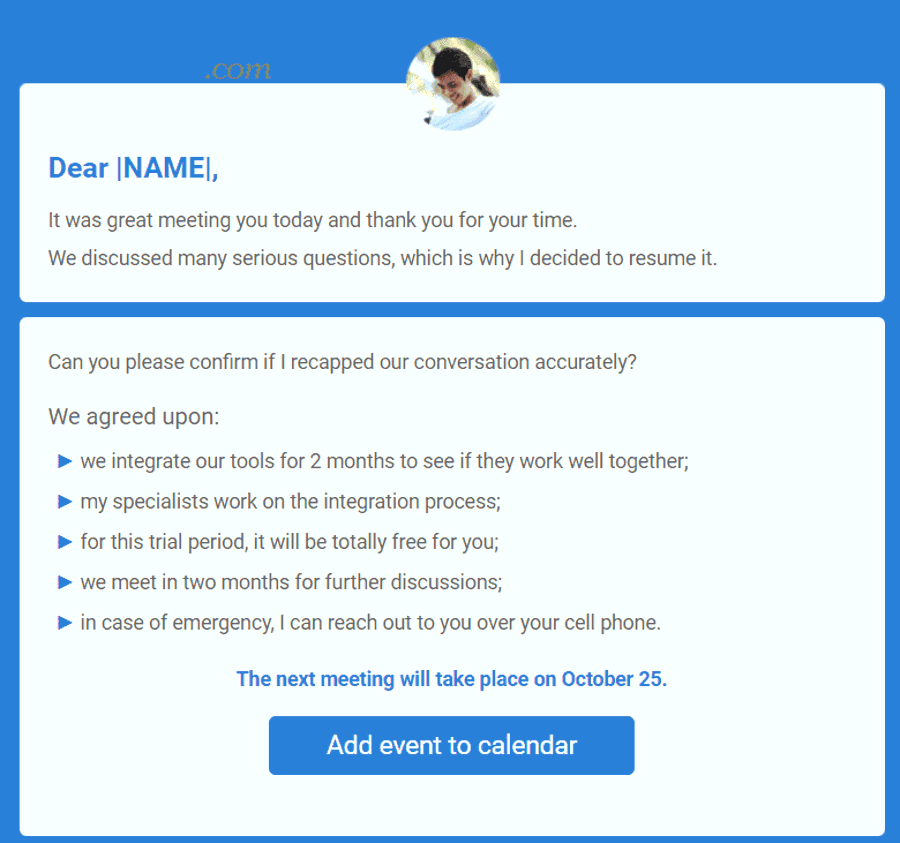
Drop-off and pick-up are where misunderstandings become friction. If you arrive without needed authorization, a lock-nut key, or permission to test-drive, the vehicle can sit while paperwork catches up. On pick-up, if you don’t review what was done, you can miss important next steps or warranty instructions.
Ask these practical questions:
- “What time should I arrive, and how long does check-in typically take?”
- “Do you need my wheel lock key, security code, or special tool for this model?”
- “Will you need to keep the car for a road test, and do you require a signed authorization?”
- “At pick-up, can we do a quick walkthrough of the work performed?”
What should you do if the problem is intermittent and may not appear during the visit?
You should provide evidence and conditions that reproduce it, so the shop can chase it efficiently rather than guessing. Next, connect that to documentation: “If you can’t reproduce it, what’s the next best step—data logging, extended test, or return visit?”
Bring a short video of the sound, a photo of the warning message, or a note of the exact temperature/time it occurs. The more you reduce uncertainty, the fewer billable “maybe” hours you buy.
How do you review the invoice so you understand what changed?
You review it by matching each symptom to a performed action and confirming whether any recommendations are immediate or future. Next, connect that to peace of mind: “If the symptom returns, what should I do first and how quickly should I contact you?”
Ask for plain-language notes if the invoice is technical. A good advisor can translate: what failed, why it caused the symptom, what was replaced, and what was tested after.
How can you reduce downtime with transportation and scheduling options?
You reduce downtime by asking about transportation support and by aligning the appointment type with your daily constraints, so you’re not stranded or forced into rushed decisions. To connect convenience to planning, ask what options exist if the car must stay longer than expected.
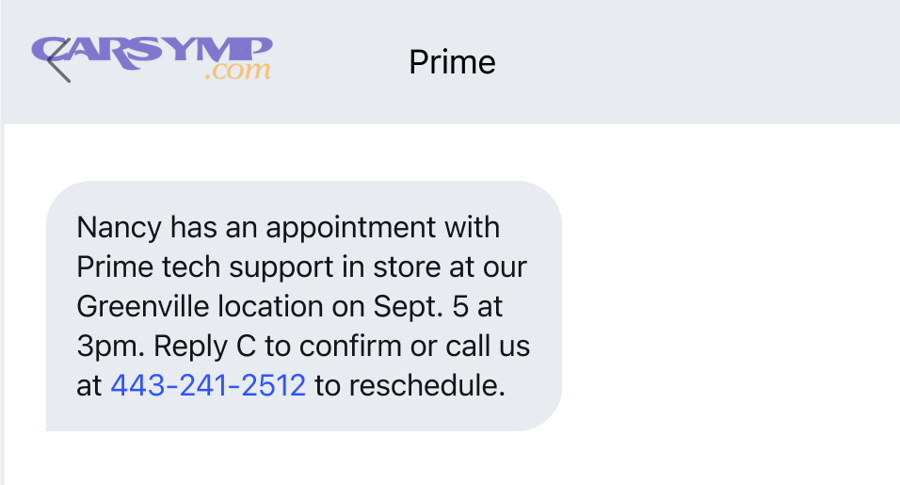
Many people focus only on repair cost and forget the hidden cost of lost time. If the repair needs parts ordering or multiple test cycles, you might be without the vehicle longer than you assumed. That’s why you ask about transportation before you confirm.
Use questions like:
- “If you need the car overnight, what transportation support do you offer?”
- “Is there a local shuttle within a certain radius or hours?”
- “Do you offer a loaner for multi-day repairs, and what are the eligibility rules?”
- “If I arrange my own ride, can you text me when the car is ready so I don’t wait?”
Be careful not to assume every shop has the same resources. Some shops can coordinate rides; others can only suggest nearby options. Your goal is simply to remove uncertainty before you commit your time.
How do you decide whether to leave the car all day or request a tight window?
You decide by matching your repair type to uncertainty: high-uncertainty problems usually need an all-day or overnight plan, while defined, parts-in-stock work can fit a tighter window. Next, connect that to scheduling: “What’s the earliest time you can start diagnosing if I drop off at opening?”
Dropping off early often helps because the shop can test the vehicle before heat soak, traffic, or end-of-day fatigue. If your symptom occurs only under specific conditions, ask how they plan to recreate those conditions.
How do you protect yourself when you must use a rental or loaner?
You protect yourself by clarifying insurance responsibility, mileage limits, fuel policy, and any deposits before you sign. Next, connect that to simplicity: “Can you send those terms in writing so I can review them quickly?”
This is also where you can ask whether the shop coordinates with your warranty provider, roadside assistance, or insurance claim if applicable.
How do you choose the best day and time to confirm without sacrificing quality?
You choose the best timing by balancing urgency, shop capacity, and the type of work needed, so you don’t rush complex problems into slots meant for quick services. To connect timing to better outcomes, ask when diagnostic staff and specialty tools are most available.
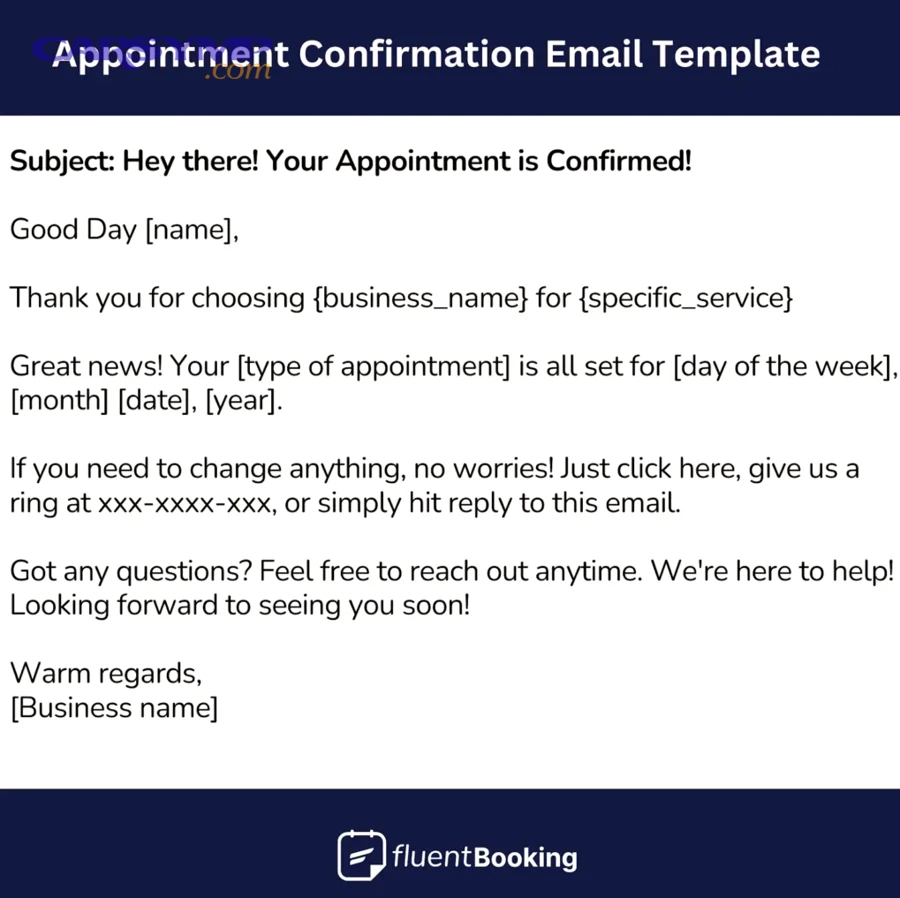
Some issues truly are urgent—no-start situations, overheating, brake concerns, or severe warning lights. Others feel urgent mainly because they’re annoying. The best scheduling decision is one that protects safety without forcing a bad process.
Ask these timing questions:
- “If I come in today, will you actually start diagnosis today, or will the car sit?”
- “Is tomorrow better because the right technician is available?”
- “If the shop is fully booked, is there a cancellation list I can join?”
- “What’s the best drop-off time for the quickest initial inspection?”
In the body of your conversation—not in the headline—this is where Same-day vs next-day appointment tips become practical: same-day can be great for urgent problems, but next-day can be better if it ensures the right tech, parts, and uninterrupted diagnostic time.
When is same-day a good idea, and when is it a trap?
Same-day is a good idea when the issue is safety-related or the shop confirms they can start work quickly, but it’s a trap when “same-day” only means drop-off while diagnosis won’t begin until later. Next, connect that to clarity: “If I drop off now, when will the first test happen?”
If the shop can’t begin until tomorrow, you may prefer to keep the car today and bring it back at opening tomorrow—unless the vehicle is unsafe to drive. The key variable is whether the car will be actively worked on or simply queued.
How do you request priority ethically if the issue is urgent?
You request priority by explaining the safety risk and asking whether they can fit an initial safety check or triage, rather than demanding full repair immediately. Next, connect that to flexibility: “If you can check it today, I can return for the full repair when parts arrive.”
This approach respects the shop’s schedule while still protecting you and other drivers. Many shops can do a quick safety assessment even when they can’t complete the entire job right away.
Contextual border: Up to this point, you’ve focused on confirmation questions that control scope, cost, time, and responsibility; next, you’ll expand into extra checks that reduce misunderstandings, improve comparisons between shops, and protect you if plans change.
Extra checks that prevent surprises after you confirm
You prevent surprises by validating the shop’s process, comparing options with consistent criteria, and preparing evidence that helps diagnosis, especially when the symptom is hard to reproduce. To connect preparation to confidence, treat these checks as a short “pre-flight” routine.
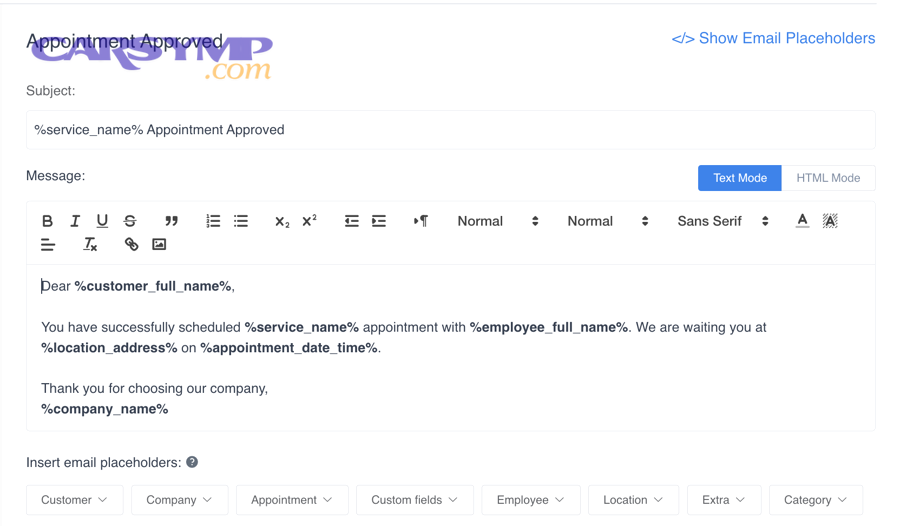
These are not “extra work.” They’re small actions that reduce the odds of delays, re-quotes, or mismatched expectations. They also help you communicate like a calm, organized customer—something that naturally improves the service experience.
How do you bring evidence that speeds up diagnosis without overcomplicating it?
You bring evidence by capturing the symptom in a short video, noting the conditions, and sharing any scan codes or dashboard messages. Next, connect that to efficiency: “If you can’t reproduce it, this evidence helps you choose the right tests.”
Keep it simple: a 10–20 second clip, one note about speed/temperature/time, and any relevant warning lights. If you have a basic code reader, write down the codes exactly; don’t interpret them. If you don’t, just share the dashboard behavior and your observations.
If you’re describing Car Symp (your vehicle’s symptoms) in a way that’s easy to misunderstand—like “vibration” or “noise”—add one extra anchor: “It changes with speed” or “It changes with engine RPM.” That single detail often cuts the diagnostic path in half.
How do you compare two shops without comparing apples to oranges?
You compare shops by matching scope, parts quality, warranty, and communication process—not just the bottom-line number. Next, connect that to fairness: “Can each shop quote the same plan: diagnose first, then present options?”
One shop may quote a higher number because it includes testing, documentation, and a stronger warranty. Another may quote low because it excludes hidden items or assumes the easiest outcome. A fair comparison asks: what’s included, what’s excluded, and what changes after inspection?
Also ask whether they can provide written estimates with itemized labor and parts. Written clarity is the easiest way to spot differences in scope.
What should you ask about rescheduling and cancellations so you keep control of your time?
You should ask about notice windows, fees, and how far out the next available slot might be, so you don’t lose leverage if your schedule changes. Next, connect that to planning: “If I need to reschedule, do I keep priority or go to the back of the line?”
Some shops have busy calendars and limited bays, so missing an appointment can push you out several days. Clarify whether they have a cancellation list, how they handle late arrivals, and what happens if the shop runs behind. The goal is to avoid a day where both sides feel trapped.
What red flags and green flags should you look for before you confirm?
Green flags include clear authorization steps, documented findings, and a willingness to explain tradeoffs; red flags include pressure tactics, vague totals, and reluctance to provide written scope. Next, connect that to action: “If something feels unclear, pause and ask for the policy in writing.”
Green flags you can listen for:
- They ask clarifying questions about symptoms, timing, and constraints before quoting.
- They explain the process (diagnose, present options, get approval, then repair).
- They offer evidence (photos, video, measurements) and categorize urgency.
- They clarify warranty for parts and labor without getting defensive.
Red flags you should not ignore:
- They refuse to define scope and only give a vague total.
- They push immediate approval without inspection results or options.
- They won’t explain changes if the job expands after teardown.
- They discourage questions or treat basic clarifications as “difficult customer” behavior.
One more practical benchmark: Theo nghiên cứu của CDK Global từ khảo sát khách hàng dịch vụ, vào April 2025, 64% service customers booked by phone while 19% booked online—suggesting many people still value a short, clarifying conversation before confirming.
Frequently asked questions
What are the top 5 questions to ask right before you confirm?
The top 5 are: what the visit type is, what the estimate includes, how approvals work, the realistic completion window, and the warranty coverage. Next, connect that to simplicity: ask them in that order so the conversation stays structured and fast.
- “Is this diagnosis-only or will repairs begin the same day?”
- “What’s included in the estimate, and what could change after inspection?”
- “Do you call for approval before any additional work or parts orders?”
- “What’s the completion window, and what would delay it?”
- “What warranty applies to parts and labor, and how do claims work?”
Should you authorize repairs over the phone without seeing evidence?
Usually no, unless the issue is urgent and the shop provides clear findings, options, and documented reasoning that you understand. Next, connect that to safety: if it’s a safety risk, approve the minimum needed to make the car safe, then review the rest.
Ask for photos, a short video, measurements, or the diagnostic steps that led to the recommendation. You don’t need to “prove” them wrong; you just need enough clarity to consent.
How do you book correctly when you suspect one part but aren’t sure?
You book a diagnostic-style visit and ask the shop to confirm the root cause before replacement. Next, connect that to language: say, “I suspect X, but I want you to verify it with testing first.”
This prevents paying twice—once for a guess and again for the real fix. It also helps the shop schedule proper test time rather than rushing a part swap.
Is it okay to ask for the old parts back?
Yes, it’s okay to ask, and it often improves transparency, though some items (like fluids) may not be practical to return. Next, connect that to respect: request it at drop-off so the shop can plan, label, and store parts appropriately.
For many repairs, seeing the replaced part helps you understand what failed and why the recommendation was made.
What’s the best way to confirm the shop understood your concern?
The best way is to ask them to repeat the problem statement back to you and confirm the test plan. Next, connect that to accuracy: “If you had to verify this in one drive, what conditions would you recreate?”
When a shop can restate your concern clearly, you know the “translation” from customer language to technician language succeeded.
Final reminder: If you want the cleanest confirmation call, focus on outcomes, scope, approvals, timeline, and warranty—then provide crisp symptom details and constraints. That combination protects your budget, your time, and your confidence.