Master How-To Appointment Booking for Drivers: Online vs Phone
Appointment booking is the fastest way to secure a repair slot, reduce waiting, and make sure the shop is prepared for your exact issue—especially when parts, bays, and technicians are scheduled tightly.
Beyond choosing a time, good booking means describing the problem clearly, selecting the right visit type, and confirming how estimates, approvals, and updates will happen so there are no surprises.
You can also use appointment booking to control convenience: pick a drop-off window that matches your day, ask about transportation help, and choose how urgently you need the vehicle back.
Giới thiệu ý mới: Below is a practical, end-to-end guide to booking the right appointment, asking the right questions, and arriving prepared so the visit runs smoothly.
What does appointment booking mean for vehicle service, and why does it matter?
Appointment booking is a planned reservation for service that aligns technician time, bay availability, and parts flow—so your car is diagnosed and repaired with less delay and fewer handoffs. Next, you’ll see how booking choices affect speed, accuracy, and cost clarity.
In real-world service lanes, “walk-in” often works for quick tasks, but anything involving diagnostics, parts ordering, or multi-step labor benefits from a scheduled slot. A booked time helps the team stage tools, plan test drives, and confirm whether a specialist (electrical, drivability, HVAC) is needed.
It also protects your time. When you book properly, you can request a specific drop-off window, clarify when updates will happen, and set expectations for same-day pickup vs a longer stay. That reduces the common frustration of “I dropped it off and heard nothing for hours.”
For busy seasons (winter battery issues, summer A/C, holiday road trips), booking early becomes even more important because shops fill up faster and parts can take longer to arrive.
Theo nghiên cứu của J.D. Power từ U.S. Customer Service Index (CSI) Study, vào March 2024, owners of mass-market vehicles waited an average of 5.2 days for a service appointment.
Should you book online or call—what’s the best approach?
Online booking is fastest for standard maintenance, while calling is best when symptoms are unclear, urgency is high, or you need special handling—so the “best” choice depends on complexity and your need for human triage. Next, learn what happens behind the scenes in each method.
When online booking shines: oil service, tire rotation, routine inspections, basic fluid services, and any visit where you can select a clear service package. Online tools typically offer 24/7 access and let you choose times without waiting on hold.
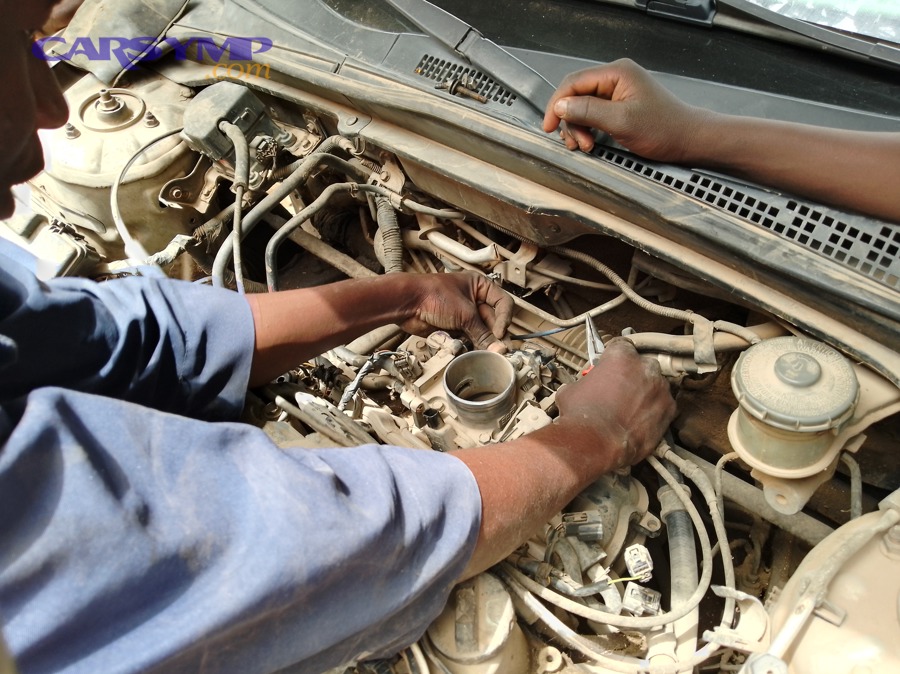
When a phone call is smarter: intermittent problems, noises that come and go, electrical issues, warning lights that appeared suddenly, or anything that may require a longer diagnostic block. Calling lets you describe context (when it happens, what changed, what you already tried) and ask the shop to schedule the right time length.
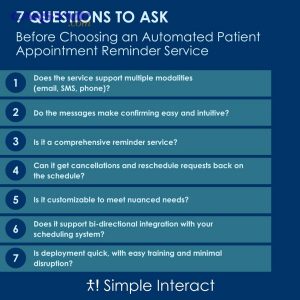
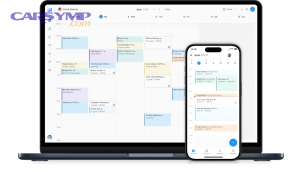
What “digital scheduling” usually does: it routes your request into a calendar, attaches your vehicle info, and may trigger automated confirmations and reminders. That sounds simple, but it’s powerful because it reduces missed communications and keeps your visit consistent even if staff changes mid-day.
Theo nghiên cứu của CDK Global từ khảo sát Service customers, vào April 2025, 64% service customers preferred calling while 19% used web-based booking for service appointments.

To keep it simple: book online when the service menu matches your need; call when the story matters more than the label.
How do you choose the right appointment type without guessing?
You choose the right appointment type by matching your problem to the shop’s workflow: maintenance for known items, a diagnostic slot for uncertain symptoms, and a repair slot only when the fix is already confirmed. Next, we’ll break those categories down with examples.
Type 1: Maintenance appointment. Use this when you’re confident about what you need (oil service, brakes inspection, alignment check, scheduled service interval). These are predictable and often shorter.
Type 2: Diagnostic appointment. Use this when you have signs but not a proven cause—warning lights, odd smells, squeals, vibration, intermittent starting, charging issues, or anything you’d describe as “it happens sometimes.” This visit is built around testing, scan data, and a plan.
Type 3: Specific repair appointment. Use this only when the issue is already verified (for example, a confirmed alternator failure, a confirmed leaking component, or a documented part replacement recommendation). This helps the shop allocate labor time and parts ordering more accurately.
A practical rule: if you’re not 90% sure what part or system is failing, book diagnostics first. That prevents wasted time, unnecessary parts, and a frustrating “we need to diagnose it anyway” reset.
Theo nghiên cứu của University of Freiburg từ Eye Center/Faculty of Medicine, vào March 2024, no-show rates were 1.6% for online-booked appointments versus 6.8% for offline-booked appointments in their observation period—highlighting how structured scheduling and reminders can improve attendance.
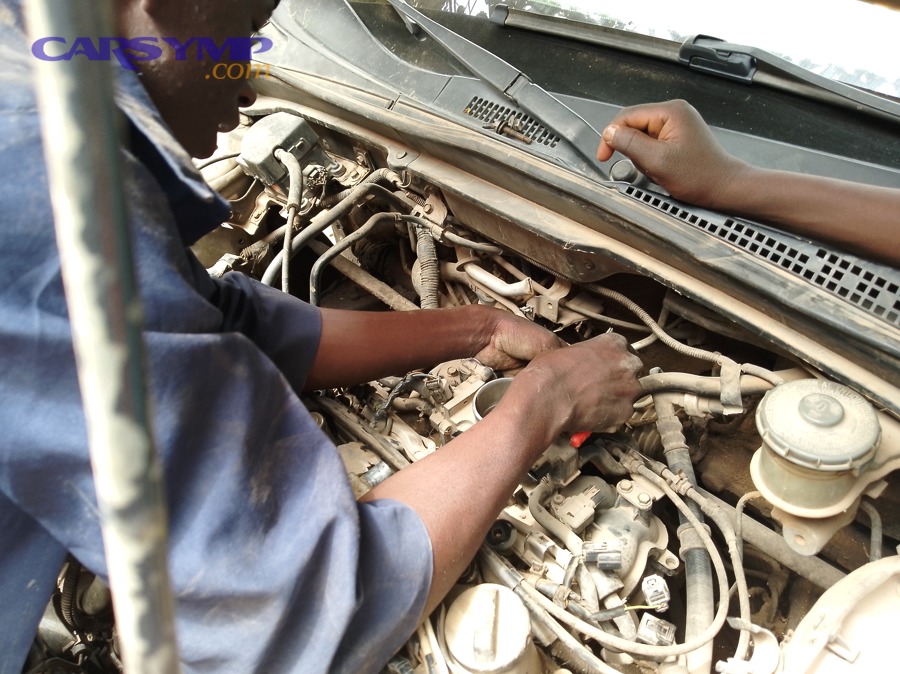
To describe the problem well, include Car Symptoms in plain language: what you notice, when it happens, how long it lasts, and what makes it better or worse.
What information should you share during booking to avoid delays?
You should share identity, vehicle, symptom, and logistics details—so the shop can reserve the right time block, tools, and parts pathway. Next, use the checklist and table below to package your info in a way service teams can act on immediately.
Start with the basics: name, best contact method, and a second backup contact if you’re hard to reach during work hours.
Then add vehicle specifics: year, make, model, engine (if known), mileage, and whether it’s AWD/4WD or has modifications. These details influence labor access, parts selection, and diagnostic steps.
Describe the issue like a timeline: when it started, what changed recently (battery replaced, jump-started, new tires, collision, fuel quality), and whether warning lights are present.
Add constraints: “Need the car by 5pm,” “can leave it overnight,” “cannot leave valuables,” or “please call before any additional work.”
This table contains a booking-ready checklist you can copy/paste into a phone call or online form, helping the shop triage your request faster.
| Info to Provide | Example | Why It Helps |
|---|---|---|
| Vehicle ID | 2020 Toyota Camry, ~52,000 miles | Confirms service intervals, common parts, and labor access |
| Primary symptom | Battery light on; headlights dim at idle | Directs testing path (charging system vs battery vs wiring) |
| When it occurs | After 20 minutes driving; worse with A/C on | Helps reproduce the fault and reduce “couldn’t duplicate” outcomes |
| Any recent changes | Jump-started twice last week; new battery installed | Signals possible upstream cause; avoids misdiagnosis |
| Urgency & constraints | Need a plan today; ok to leave overnight | Improves scheduling accuracy and expectation management |
| Authorization preferences | Call before additional work; approve estimates by text | Prevents delays when approvals are needed mid-repair |
Theo nghiên cứu của Cox Automotive từ Service Industry Study, vào October 2025, a large share of customers rated digital features like scheduling service visits and reviewing/approving estimates as important—showing why complete booking info speeds decisions once the car is in the bay.
What questions should you ask before you confirm the appointment?
Ask about time block, diagnostic fees, estimate/approval process, parts policy, and updates—so you know what “booked” truly includes and avoid hidden friction. Next, use these questions to confirm expectations without sounding confrontational.
1) “Is this booked as diagnostics or a specific service?” This prevents mismatch between your need and the time reserved.
2) “What is the diagnostic charge, and what does it cover?” Clarify whether it includes scan time, road test, smoke test, electrical testing, or only a basic code read.
3) “How will you send the estimate, and how do I approve it?” Ask whether approvals are by phone, text, email, or a digital inspection link with photos.
4) “What is the expected timeline if parts are needed?” Get a best-case and worst-case range. Also ask whether they use OEM, aftermarket, or remanufactured parts and what warranty applies.
5) “What happens if you can’t reproduce the issue?” Good shops will tell you what data they’ll capture and what follow-up options exist.
Theo nghiên cứu của J.D. Power từ CSI Study, vào March 2024, the study expanded to include emerging convenience features and measures their effect on the service experience—so asking about process details aligns with what drivers value most.

Once these are answered, you can confirm with confidence because you’re aligning your needs with the shop’s workflow.
How can you get a same-day or next-day slot without stressing everyone out?
You can often get a faster slot by being flexible on drop-off time, agreeing to a diagnostic-first approach, and allowing the shop to call you when a bay opens—so you trade strict timing for faster service. Next, use these tactics to improve your odds.
Be flexible with drop-off windows. Early morning drop-offs and mid-day “gap” windows are easier to fit than late-afternoon arrivals.
Choose “diagnostics first” for urgent unknowns. If you insist on a specific repair without confirmation, you may lose time when the shop has to re-triage the visit.
Ask about short-notice openings. Many shops have cancellations; if you can be on standby, you may get pulled forward.
Keep your phone available. Fast decisions reduce dead time. If approvals take hours, same-day turnaround becomes unlikely.
Theo nghiên cứu của University of Freiburg từ Eye Center/Faculty of Medicine, vào March 2024, 36.9% of interactions with online scheduling occurred outside regular hours—suggesting that after-hours booking and reminders can help fill openings more efficiently.
For true emergencies, describe safety impact plainly (stalling, burning smell, brake warning, overheating). That helps the shop prioritize responsibly without guessing.
What should you expect at drop-off, and how do you prepare your car beforehand?
Expect a quick intake, mileage check, symptom review, and authorization rules—so preparation means removing valuables, documenting key symptoms, and being ready to answer follow-up questions. Next, follow this drop-off routine to avoid rework and confusion.
Before you arrive: remove valuables, clear the trunk if the shop needs access, and bring any wheel lock keys or specialty lug tools. If the problem is intermittent, note conditions that trigger it (speed, temperature, wet roads, A/C on, uphill).
At intake: you’ll confirm contact details, sign authorization language, and provide permission for a test drive if needed. Ask how updates will be delivered and when you should expect the first call or message.
If you have warning lights: take a photo of the dashboard. If you hear a noise, record a short video—this can save time if the issue disappears at the shop.
Be clear about boundaries: “Call me before any work beyond diagnosis,” or “You can proceed with maintenance items up to $X.” That reduces approval delays while keeping you in control.
Theo nghiên cứu của Cox Automotive từ Service Industry Study, vào October 2025, customers reported frustrations tied to service taking longer than expected and weak communication—so setting update expectations at drop-off directly reduces the most common pain points.
How do cancellations and reschedules usually work, and what should you confirm?
Cancellations and reschedules typically require notice windows, and late changes may move you to the back of the queue—so you should confirm policy upfront and ask how to reschedule without losing priority. Next, use a policy-first approach that stays fair to both sides.
What to confirm: minimum notice (24 hours, 48 hours, or same-day rules), whether deposits apply, and whether diagnostic blocks have special restrictions. Also ask whether the shop charges a missed-appointment fee and under what conditions.
How to reschedule without losing your place: offer alternative windows, ask if you can be waitlisted, and keep your original appointment until the new one is confirmed. If you’re waiting on parts or a work schedule, communicate early—shops can often adapt if they have time.
If you must cancel last minute: call, don’t rely on a form. That helps the shop reuse the slot and keeps your relationship strong for future urgent needs.
Theo nghiên cứu của University of Freiburg từ Eye Center/Faculty of Medicine, vào March 2024, the study documented measurable differences in missed appointments and no-shows between booking methods—reinforcing why reminders and clear reschedule paths matter for maintaining schedule efficiency.
Context boundary: Up to this point, you’ve learned how to book the right visit and manage timing, information, and policies. Next, we’ll expand into a convenience layer that often determines whether booking feels easy or stressful.
How can transportation support make appointment booking easier?
Transportation support reduces downtime by matching your mobility needs to the shop’s options—so you should select the option that fits trip length, service duration, and eligibility rules. Next, compare the four most common support patterns and how to request them clearly.
When does a temporary replacement vehicle make sense, and what should you ask?
A temporary replacement vehicle makes sense when repairs extend beyond a workday or your route is non-negotiable—so ask about eligibility, insurance requirements, mileage limits, and reservation timing. Next, confirm whether it must be booked days in advance.
Be precise: your pick-up time, expected return time, and whether you can swap to a later day if parts delay the repair. Also ask whether fuel must be returned full and whether age or license rules apply.
Theo nghiên cứu của J.D. Power từ CSI Study, vào March 2024, convenience-related features are measured for their impact on service satisfaction—so transportation support can directly influence perceived service quality.
How should you request a ride to/from the shop without confusion?
Request a ride by specifying pickup address, timing flexibility, and whether you need a return ride—so the shop can coordinate schedules without interrupting the service flow. Next, confirm how far the ride covers and whether it’s shared.
Provide your first destination (home/work), your preferred pickup window, and a backup plan in case the driver is delayed. If you have meetings, make that clear so the shop doesn’t promise an unrealistic time.
Theo nghiên cứu của Cox Automotive từ Service Industry Study, vào October 2025, convenience is highlighted as a major driver of where customers choose to service—making transportation support a strategic part of booking, not an afterthought.
What’s the smart way to handle pickup/delivery or mobile service requests?
The smart way is to confirm address, key handoff method, photo documentation, and approval flow—so the vehicle can move safely through custody changes. Next, clarify who is insured and what happens if the issue changes mid-service.
Ask how the shop documents condition at pickup (photos/video), whether you sign digitally, and how you’ll receive estimates. Also confirm whether diagnostics can be performed off-site or whether the car still needs to come to the shop for certain tests.
Theo nghiên cứu của Cox Automotive từ Service Industry Study, vào October 2025, the report discusses interest in convenience models including mobile servicing and pickup/delivery—showing these options are increasingly mainstream in booking decisions.
How do you avoid delays when approvals are needed mid-repair?
You avoid delays by pre-authorizing diagnostic scope, choosing a fast approval channel, and setting a spending threshold—so the technician doesn’t stop work waiting for a callback. Next, align your approval plan with your daily availability.
If you’ll be in meetings, choose text/email approvals and request a digital inspection summary with photos. If you prefer phone calls, tell the shop your “best time” window to reduce missed connections.
Theo nghiên cứu của Cox Automotive từ Service Industry Study, vào October 2025, customers rated digital features such as reviewing/approving estimates and scheduling as important—supporting the idea that approval speed is a core part of a smooth service experience.
FAQ
Is it okay to book without knowing the exact problem?
Yes—book a diagnostic appointment and describe what you observe, when it happens, and how it changes with speed, temperature, or accessory load; that gives the shop enough to reserve the right time block and testing steps.
What if the shop can’t reproduce the issue?
Ask what evidence they captured (scan data, freeze-frame codes, test results), what conditions they tested, and what the next step is (longer diagnostic time, ride-along, or monitoring); this prevents a “no problem found” dead end.
How early should I book during busy seasons?
If you can, book several days ahead for routine work and earlier for complex issues. If the problem is safety-related (overheating, brake warnings, stalling), call immediately and explain urgency so the shop can triage responsibly.
Should I approve repairs by phone or digitally?
Digitally is often faster because you can review photos and line items quickly, but phone approval can be better if you need explanation. Choose the method you can respond to fastest during your day.