


After you’ve read a shop’s reviews, the best next step is simple: ask targeted questions that turn opinions into verifiable facts—about process, proof, and accountability—before you book.
Beyond that, you want to know whether the praise is consistent for the same kind of work you need, and whether the shop’s communication style matches your expectations when something changes mid-repair.
It also helps to separate “good outcomes” from “good systems,” because reliable repairs come from repeatable steps—diagnosis discipline, documentation, and clear authorizations—not luck.
Tiếp theo, you’ll use a practical question set to confirm fit, reduce surprise costs, and choose with confidence—without over-trusting stars alone.
What should you clarify first after reviews narrow your shortlist?
Clarify your goal, constraints, and decision threshold first, because the right questions depend on whether you’re optimizing for speed, certainty, budget control, or long-term reliability.
To begin, set a “yes/no” booking rule you can defend after the call.
Start with three anchors:
- Goal: fix a symptom, confirm a diagnosis, complete maintenance, or pass inspection.
- Constraints: deadline (pickup time), maximum spend without approval, and parts preference (OEM/aftermarket/reman).
- Decision threshold: what proof you require before authorizing work (photos, test results, failed-part return, written estimate).
After that, write your “call script” as 6–10 questions that map to the same three anchors, so you can compare shops fairly instead of being swayed by tone or discounts.
According to BrightLocal’s research team in the Local Consumer Review Survey, in January 2025, 42% of consumers said they trust online reviews as much as personal recommendations, which is a reminder to verify rather than assume.
Which review patterns matter more than the star rating?
Patterns matter more than stars: consistency across time, detail level, and how the shop handles problems are stronger predictors of your experience than a single average number.
Next, translate those patterns into specific follow-up questions you can ask in minutes.
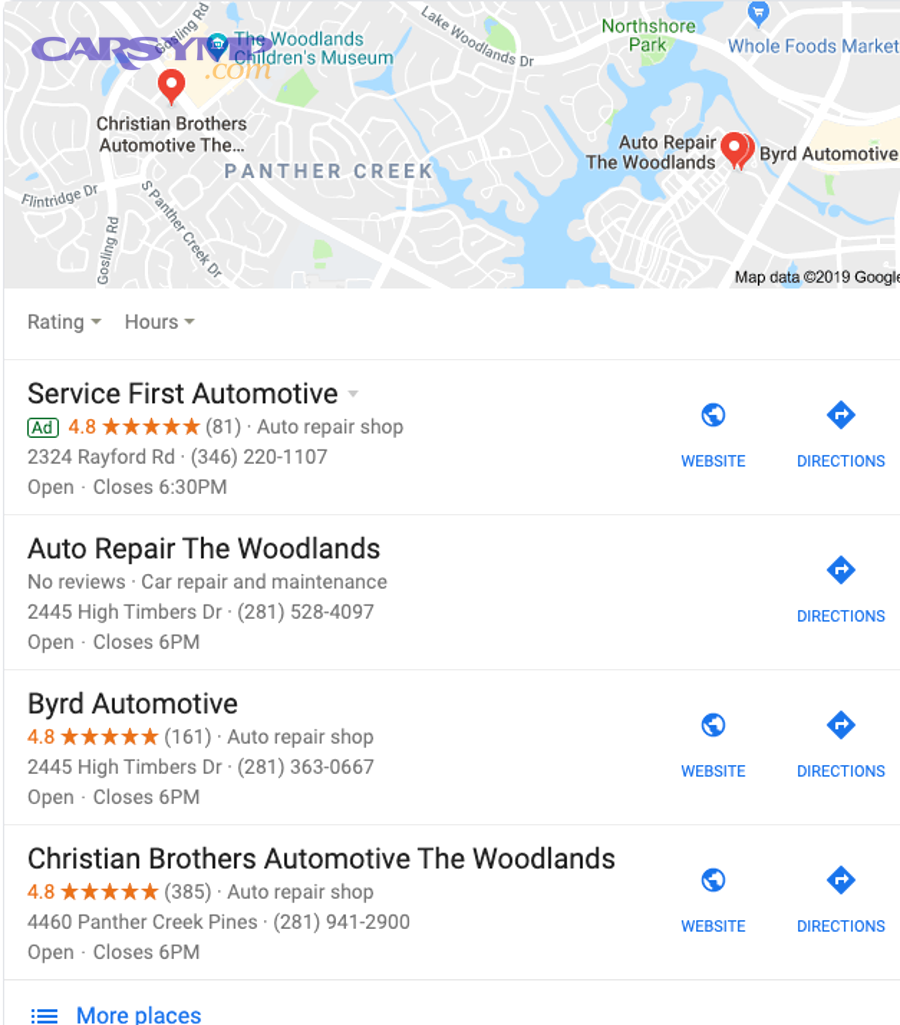
Look for these “repeat signals” in the text:
- Process repeatability: reviewers mention diagnostics steps, inspection reports, or explained options.
- Expectation setting: multiple reviews describe accurate timelines and proactive updates when delays happen.
- Documentation: photos, part numbers, itemized invoices, or returned old parts.
- Resolution behavior: the shop fixes comebacks, honors warranties, or corrects mistakes without drama.
Turn each signal into a question: “How do you document findings?” “How often do you update customers?” “What does your estimate include?” “How do you handle a comeback?”
To make comparisons easier, use the table below to convert common review themes into practical questions that expose the shop’s system (not just the outcome).
| Review theme you notice | What it might mean | Question to ask the shop |
|---|---|---|
| “They explained everything clearly.” | Strong communication process | “Do you provide photos or test results with the estimate?” |
| “Price changed, but they called first.” | Authorization discipline | “What’s your policy for approval before extra work?” |
| “Fixed it the first time.” | Good diagnostics and QA | “What checks confirm the repair solved the symptom?” |
| “Made it right after an issue.” | Accountability culture | “If the issue returns, what’s the comeback process and timeline?” |
According to Harvard Business School research by the Digital Initiative, a one-star increase in Yelp rating was associated with a 5–9% revenue increase for independent restaurants, showing ratings can influence demand—but your questions should still validate quality.
Are reviewers describing the same car, symptom, and constraints you have?
Yes—matching context is crucial, because a shop can be excellent at brakes yet average at electrical diagnostics, and reviews often mix many job types.
After that, your task is to confirm “fit” by asking about your specific vehicle and failure mode.
Ask these fit-check questions:
- Vehicle familiarity: “How often do you work on my make/model/engine?”
- Symptom similarity: “Based on my symptoms, what are the top 3 likely causes you’ll test first?”
- Constraint awareness: “If I need the car by Friday, what’s realistic—diagnosis only, or diagnosis plus repair?”
What you’re listening for: they propose tests, not guesses; they talk about decision points; they distinguish “most likely” from “confirmed.”
To connect this back to the review text, if you see repeated mentions of certain repairs, bring them up: “I noticed many reviews about AC work—do you handle compressor diagnostics in-house or refer out?”
What do negative reviews reveal, and which questions should follow?
Negative reviews are useful when they reveal a recurring failure mode—poor updates, unclear estimates, missed deadlines, or disputed charges—because you can ask how the shop prevents that outcome.
To understand more, treat complaints as a checklist, not a verdict.

Common complaint → follow-up question:
- “No updates” → “How and when do you send updates—text, call, or email—and who is responsible?”
- “Price higher than expected” → “Do you require approval before additional work, and can you cap spend without my consent?”
- “Kept my car too long” → “What causes delays most often here—parts, scheduling, diagnostics—and how do you communicate changes?”
- “Felt talked down to” → “Can you walk me through your estimate format and what each line means?”
Red flag: defensiveness, blaming the customer, or refusing to explain policy. Green flag: a calm explanation of steps, documentation, and what they changed to prevent repeats.
AAA’s Auto Repair team recommends paying attention to the shop environment and staff interactions—how you’re greeted and how customers are treated—because those cues correlate with service experience.
How should you question the shop’s responses to public feedback?
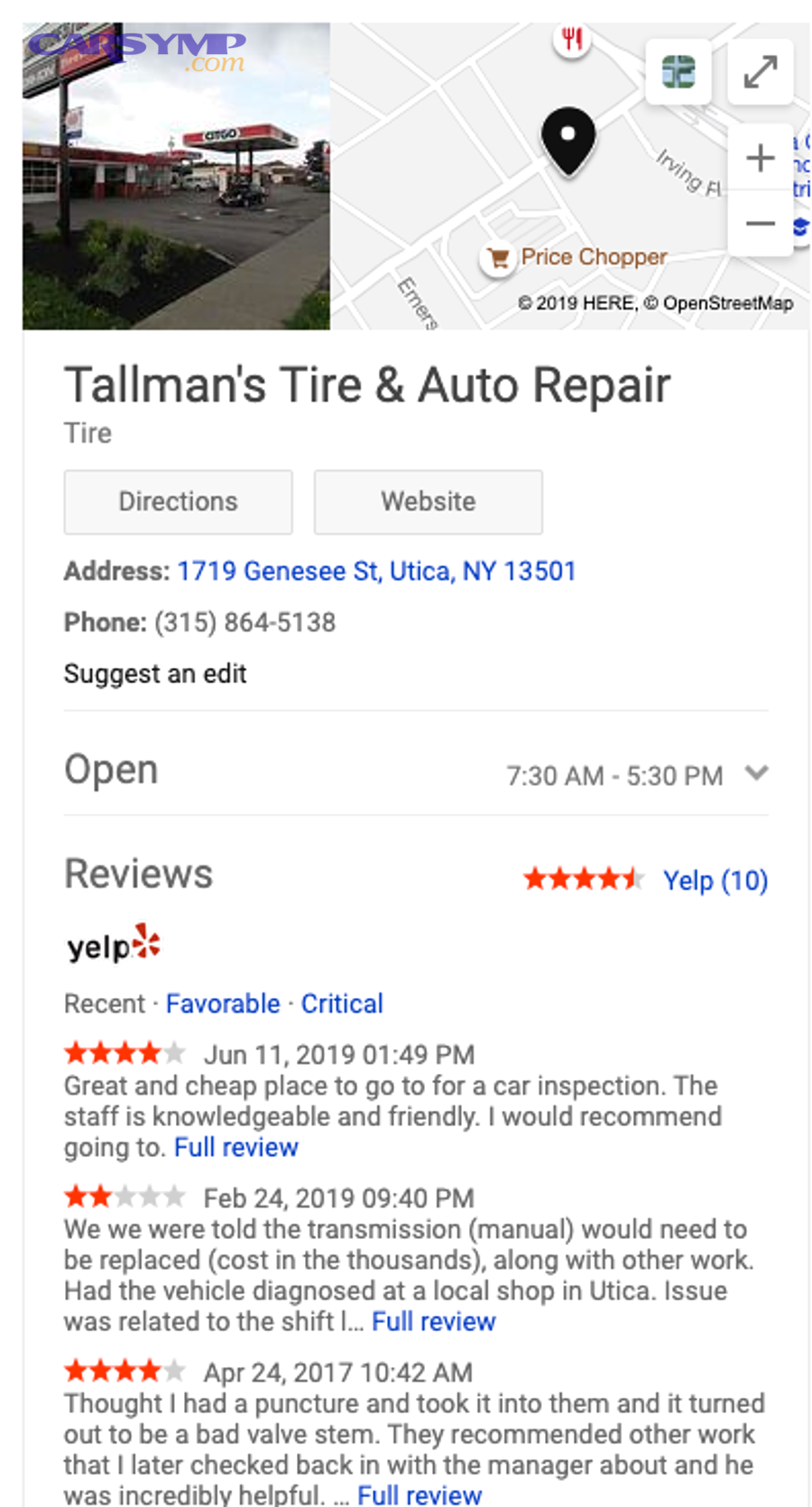
You should ask how the shop handles feedback internally, because thoughtful public replies often reflect clear procedures for resolving disputes, correcting errors, and protecting customers.
Next, verify whether their “we’ll make it right” language is backed by a specific process.
Use a two-layer question:
- Layer 1 (policy): “If there’s a misunderstanding on price or scope, what’s the resolution path?”
- Layer 2 (proof): “Who makes the final decision, and how quickly do you respond to a comeback or complaint?”
Ask about documentation: “Do you log complaints and their outcomes? Can you show an example of how you corrected a prior issue (without naming the customer)?”
Also ask whether they encourage reviews ethically. The FTC has warned about fake reviews and emphasizes reporting suspicious activity, reminding customers that not all review content is equally trustworthy.
What questions confirm pricing transparency and authorization control?
Confirm pricing transparency by asking what the estimate includes, what can change, and what requires your explicit approval—so you stay in control even when surprises appear after teardown.
After that, you can compare shops on structure, not just the final number.
Ask these must-answer questions:
- Estimate format: “Is your estimate itemized by parts, labor, shop supplies, and taxes?”
- Labor basis: “Do you charge by flat-rate time, actual time, or a blended approach?”
- Authorization gate: “Will you proceed with any extra work without my approval?”
- Not-to-exceed option: “Can you set a not-to-exceed limit unless you reach me?”
- Parts policy: “What brands do you typically use, and will you offer options at different price points?”
Follow-up that prevents confusion: “If you find additional issues, do you send photos and a revised estimate first?”
To connect this to reviews, if you see repeated praise like “fair pricing,” ask what “fair” means operationally: posted labor rate, standardized parts markup, or written labor guides.
What questions prove diagnostic discipline instead of parts-swapping?
Prove diagnostic discipline by asking what tests they will run, what results would confirm or eliminate each hypothesis, and what decision point triggers repair authorization.
Next, listen for a clear sequence rather than a confident guess.
Use this “test-first” question set:
- Hypothesis list: “What are the top causes you suspect, and why?”
- Test plan: “What tests will you run first, and what would each test tell you?”
- Stop rule: “At what point do you stop diagnosing and recommend a repair?”
- Evidence sharing: “Will you share the readings, scan results, photos, or failed-part evidence with me?”
What a strong answer sounds like: “We’ll verify the symptom, pull codes (if any), inspect basics, test the circuit/component under load, then confirm the fix with a road test.”
What a weak answer sounds like: “It’s probably X, we’ll replace it and see.”
According to AAA guidance on choosing a repair shop, observing how staff communicate and whether they answer questions directly is part of assessing trustworthiness—diagnostics is as much communication as it is technical work.
How do you ask about warranties and “comeback” accountability without sounding confrontational?
Ask calmly and specifically: warranty coverage, exclusions, documentation, and the exact comeback procedure—because clarity protects both you and the shop if the symptom returns.
After that, compare policies side by side instead of assuming “warranty” means the same everywhere.
Use these neutral questions:
- Coverage: “What parts and labor warranty do you provide for this repair, and for how long?”
- Exclusions: “What would void the warranty—misuse, unrelated failures, or aftermarket parts I provide?”
- Proof: “Will the invoice list part numbers, labor operations, and warranty terms?”
- Comeback process: “If the issue returns, how soon can you recheck it, and is re-diagnosis covered?”
Make it easier for them to answer: “I’m asking because I’m deciding between two shops and want to compare policies fairly.”
Now, incorporate your review-reading: this is where you naturally reference Warranty and comeback rate clues in reviews by asking whether repeated mentions of “made it right” represent a formal process or an informal courtesy.
How can specialty and certification questions confirm you’re choosing the right shop?
Specialty questions confirm fit by validating tools, training, and repeat experience for your job type, which matters most for electrical issues, drivability problems, and advanced driver assistance systems.
Next, match the shop’s strengths to the review evidence you saw.
Ask for specifics, not labels:
- Special tools: “Do you have the equipment needed for this job (programming, calibration, smoke test, scope)?”
- Training: “What training do your techs have for my vehicle brand or system?”
- Repeat work: “How often do you repair this exact issue, and what usually causes delays?”
- Sublet work: “Do you do this in-house or sublet it—and if sublet, who is responsible for warranty?”
Then connect to your review analysis by using the phrase Choosing a shop based on specialty reviews as a decision method: if reviewers repeatedly praise one category (AC, transmissions, diagnostics), ask whether that work is performed by a dedicated specialist or simply common volume.
What logistics questions prevent surprises after you decide to book?
Prevent surprises by confirming check-in steps, communication channels, payment expectations, and pickup rules—because even great repairs can feel stressful if logistics are unclear.
Next, you’ll lock in a plan that matches your schedule and comfort level.
Ask these practical questions:
- Drop-off: “What do you need from me at drop-off (keys, wheel lock, records)?”
- Updates: “When should I expect the first update, and will it be by text or call?”
- Payment: “Do you take cards, digital pay, or financing—and when is payment due?”
- Timeline: “If parts are delayed, what’s your process—pause and update, or proceed with alternatives?”
- Vehicle storage: “Is there a daily storage fee after completion if pickup is delayed?”
To keep the flow from reviews to real life, reference what reviewers complained about most (wait time, missed calls, unclear pickup) and confirm how this shop avoids those issues.
Where is the contextual border between “review interpretation” and “decision certainty”?
The border is where opinions stop helping and verification starts: once you have a shortlist, you must confirm policy, documentation, and evidence-sharing—otherwise you’re still guessing, just with more reading.
After that, shift from “What do others feel?” to “What will you show me?”
Cross the border with three commitments:
- Written terms: estimate, authorization, and warranty in writing.
- Evidence: photos, test results, or returned parts when appropriate.
- Communication: a clear update schedule and named contact method.
Once those are confirmed, your decision becomes defensible—even if the outcome isn’t perfect—because you chose a process you can trust, not just a rating you hope is true.
How can you write a review that actually helps the next driver?
You can help most by describing the situation, the process, and the proof: what the symptom was, what tests or explanations you received, what was authorized, and how the result held up over time.
Next, aim for clarity over emotion so your review becomes useful data, not just a reaction.
What details make your review “diagnostic” instead of vague?
Include the vehicle context, the exact symptom, what the shop did to confirm the cause, and what evidence you saw—because future readers need comparable inputs to judge relevance.
After that, add one sentence on outcomes: fixed, partially improved, or returned—plus how quickly the shop responded.
This is how you naturally deliver How to leave a helpful repair review without turning it into a rant or a cheerleading post.
How should you mention price without misleading readers?
State whether the estimate matched the final invoice and why it changed if it changed—so readers learn about authorization discipline rather than just the dollar amount.
Next, mention whether the invoice was itemized and whether you received options (good/better/best) for parts and labor.
How do you responsibly warn others about issues?
Describe the specific breakdown—missed callbacks, unclear approvals, incorrect diagnosis—and what happened when you raised it, because the resolution behavior matters as much as the initial mistake.
Next, note whether you were offered a recheck, refund, redo, or explanation, and how long it took.
Should you include photos, and what should they show?
Yes, photos add credibility when they show invoices (with personal data removed), replaced parts, or documented findings, but they should never expose private information.
Next, a short caption explaining what the photo proves is more valuable than uploading many images without context.
According to the FTC’s business guidance on consumer reviews and testimonials, practices that distort or misrepresent reviews can create compliance risk—another reason to keep your own review factual and evidence-based.
FAQ
Should you ignore a shop with a few bad reviews?
No—one or two bad reviews can be normal; what matters is whether the complaints repeat the same issue and whether the shop explains the fix process consistently.
Next, ask the shop directly how they handle that exact failure mode, then judge the clarity of the answer.
How many reviews are “enough” to trust the pattern?
There’s no universal number, but you should look for a stable trend across months, multiple job types, and multiple voices—then verify with your question set before booking.
After that, prioritize recent, detailed reviews over older, generic praise.
According to BrightLocal’s research team, review trust levels have shifted over time, which supports focusing on patterns and verification rather than assuming reviews alone settle the decision.
What’s the fastest way to detect suspicious reviews?
Look for repetitive wording, extreme claims without details, unnatural timing spikes, and reviews that never mention the actual service—then ask the shop to explain their feedback process and documentation habits.
Next, remember the FTC has actively warned about fake reviews, so skepticism and verification are reasonable.
What if the shop refuses to answer your questions?
If they won’t explain estimates, tests, or policies, treat that as a decision signal and move on—because transparency is part of repair quality when money and safety are involved.
Next, choose a shop that can calmly describe process, proof, and accountability in plain language.