


Safety inspection vs emissions inspection differences come down to one core idea: safety inspections focus on whether your vehicle is safe to operate on the road, while emissions inspections focus on whether your vehicle’s pollution controls are working within legal limits.
Beyond that headline, most drivers want to know what parts get checked, what “fail” actually means, and how each test affects registration—because the consequences can be very different depending on where you live.
You also need a realistic plan for avoiding surprise repairs: many failures are predictable (lights, tires, warning lights, “not ready” monitors), and small fixes done early can prevent retest loops.
To start, we’ll define both inspections in plain terms, then compare steps, failure points, time, and cost—Tiếp theo, you’ll get a practical preparation strategy that works even when state rules vary.
What is a safety inspection, and what does it try to prevent?
A safety inspection is a roadworthiness check that verifies critical systems (like brakes, lights, tires, and visibility equipment) meet minimum legal standards to reduce crash risk and equipment-related hazards.
To understand the difference clearly, the next step is seeing what “safety” really means in an inspection checklist.
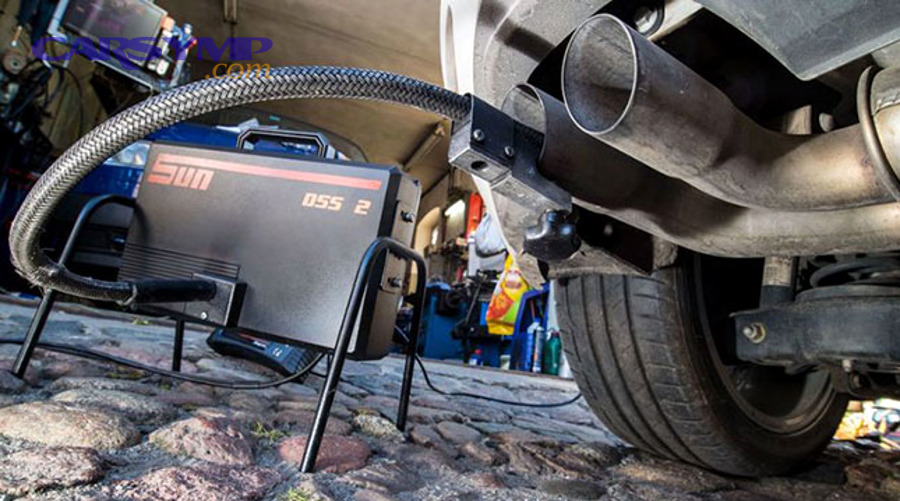
Safety inspection = “Can this vehicle be driven safely today?” Inspectors typically look for obvious defects and performance issues that could endanger you or other road users. In many states that run safety programs, the checklist is standardized, and a failure blocks registration renewal until repairs are made.
Which systems are usually considered “safety-critical”?
Most safety inspections prioritize stopping ability, visibility, control, and basic integrity—because those directly affect crash avoidance and survivability.
To connect this to the next section, notice how the list emphasizes “road control” rather than “engine performance.”
- Brakes: pad/shoe thickness, leaks, hydraulic integrity, parking brake function.
- Lights & signals: headlights, brake lights, turn signals, hazards, license plate lamps.
- Tires & wheels: tread depth, damage, mismatched sizes, wheel/rim condition, lug security.
- Steering & suspension: looseness, worn joints, damaged components affecting stability.
- Windshield/visibility: wipers, defroster (in many programs), glass condition/obstructions.
- Safety equipment: seat belts, mirrors, horn (varies by state/program).
For example, Virginia’s official safety inspection program lays out inspection points that include items like windshield wipers/defroster and exhaust system components, reflecting how states turn “roadworthiness” into a detailed checklist. (Virginia State Police safety inspection program overview)
Why can a “minor” item cause a failure?
Because safety inspections are minimum-standard compliance checks, not “severity scoring”; a single illegal defect (like a non-functioning brake light) can fail the entire inspection.
However, this leads directly into the big comparison: emissions inspections can fail for reasons that don’t feel “broken” at all.
In practical terms, safety failures are often visible and mechanical: cracked windshield in a critical area, bald tires, missing mirror, leaking brake line, lights that don’t illuminate, or steering play beyond allowance.
In many places, the goal is enforcement of basic equipment laws; even in states where programs change, agencies still remind drivers that operating with non-working lights, wipers, or tires is unsafe and can be illegal. (Texas Department of Public Safety notice on inspection changes and continuing safety expectations)
What is an emissions inspection, and what does it measure?
An emissions inspection checks whether your vehicle’s pollution-control system is operating correctly—either by reading onboard diagnostics (OBD) data, measuring exhaust gases, or both—so emissions stay within legal limits.
To make this concrete, the next step is understanding how modern emissions tests “see” your engine.
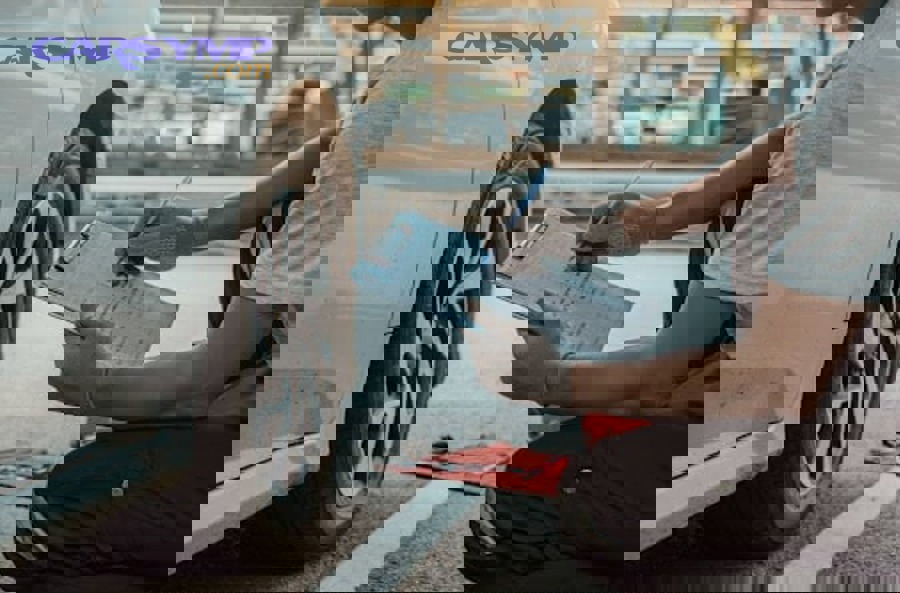
What gets tested in an emissions inspection?
Most emissions programs evaluate both tailpipe pollution and the vehicle’s ability to detect and report emissions-control problems through onboard monitoring.
To link forward, remember that “reporting” is where OBD testing becomes very strict.
- OBD-based checks (common for 1996+ vehicles): readiness monitors, diagnostic trouble codes, MIL (“check engine”) status, VIN matching (in some programs).
- Tailpipe testing (common in some areas/older vehicles): measured concentrations of regulated pollutants under idle or loaded conditions.
- Evaporative emissions checks: fuel cap integrity or EVAP system-related checks in some jurisdictions/programs.
- Tampering/visual checks: ensuring catalytic converters and key emissions equipment appear present (varies widely).
Some state rules define emissions inspection components explicitly, such as including exhaust testing, fuel cap testing, tampering inspection, and OBD system checks where applicable.
Why can the car “drive fine” but still fail emissions?
Because emissions tests are about pollution controls and self-monitoring, not drivability; a car can run smoothly while emitting too much or while its monitors aren’t ready to prove compliance.
Next, we’ll compare emissions vs safety checks side-by-side so the differences stop feeling abstract.
Common examples include a catalytic converter that’s weak but not yet causing misfires, an EVAP leak that doesn’t affect driving, or readiness monitors that reset after a battery disconnect and haven’t completed drive cycles.
According to the U.S. Environmental Protection Agency from the Office of Transportation and Air Quality, in October 2021, I/M programs were described as a tool to identify high-emitting vehicles and require repairs so emissions remain within legal limits.
Safety inspection vs emissions inspection: which parts are checked?
Safety inspection vs emissions inspection differences are clearest in the checklist: safety targets roadworthiness components you can see and feel, while emissions targets the engine-management and pollution-control systems you may never notice day-to-day.
To make the comparison actionable, we’ll map “what’s checked” to what you can fix quickly before test day.
What safety inspection focuses on
Safety inspections concentrate on defects that increase crash risk, reduce visibility, or create immediate hazards.
In contrast, emissions inspections can pass a vehicle with worn brakes—but fail it for a single diagnostic status.
- Stopping and control: brakes, steering, suspension integrity.
- See-and-be-seen: headlights, brake lights, turn signals, reflectors (where applicable).
- Grip and stability: tires, wheels, tread depth, damage.
- Driver protection: seat belts (in many programs), mirrors, horn.
- Basic visibility tools: wipers, defroster (depending on program).
What emissions inspection focuses on
Emissions inspections concentrate on whether emission controls are present, working, and self-reporting correctly.
To bridge into process differences, note that emissions often starts with plugging into a port rather than lifting a vehicle.
- Catalytic converter efficiency (often inferred through OBD monitors/sensors).
- Oxygen sensors and fuel control (monitors and codes).
- EVAP system (leak detection, purge/vent behavior).
- Readiness monitors proving self-tests completed since last reset.
- MIL status and diagnostic codes indicating detected faults.
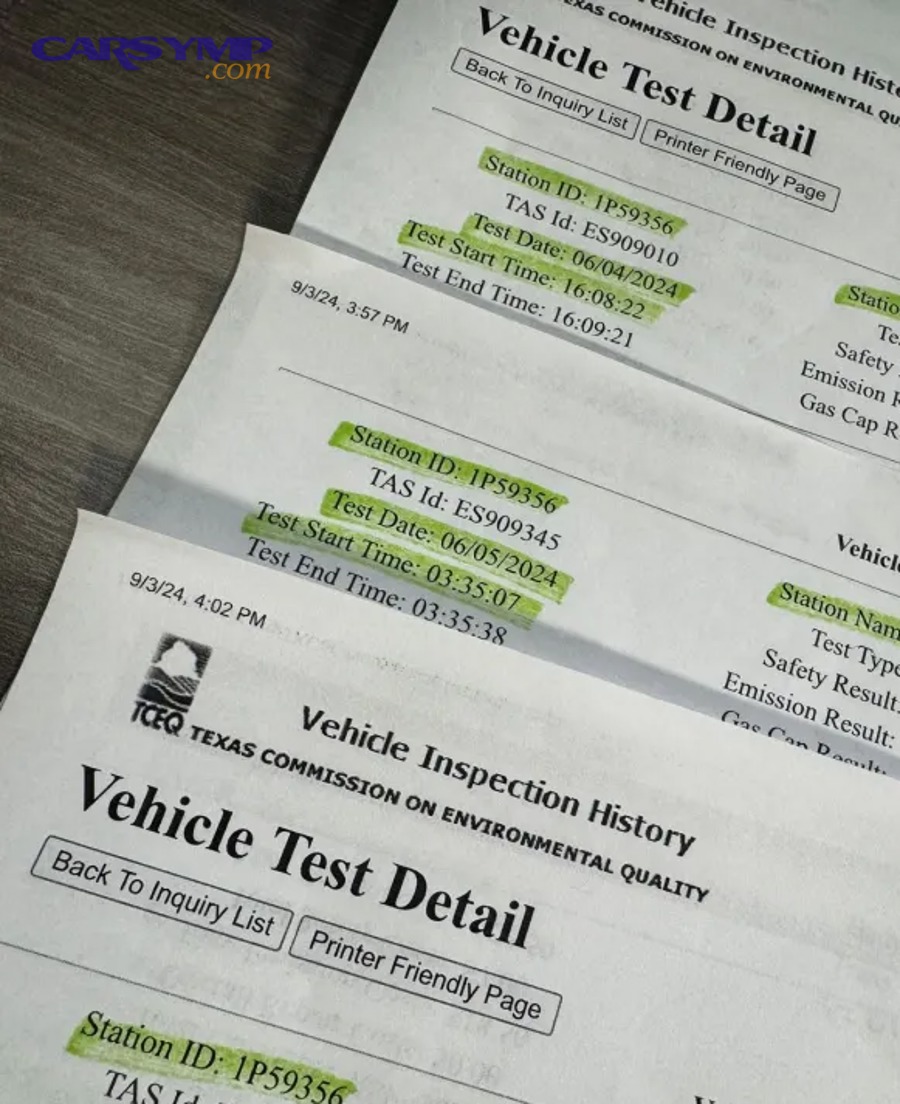
Texas DPS makes the distinction plainly: emissions tests are different than vehicle safety inspections, and even when safety inspections were eliminated for many non-commercial vehicles, emissions tests remained required in emissions counties.
Why do some places require one test, both tests, or neither?
Some jurisdictions prioritize crash reduction through safety programs, others prioritize air quality through emissions programs, and many combine both—because the legal drivers, local risks, and enforcement models differ.
To see why, we need to connect federal air rules, local air quality, and state-level vehicle regulation.

Emissions requirements often tie to air quality and federal standards
Emissions testing is commonly tied to regions that must meet national air quality standards, especially in dense metro areas with higher traffic emissions.
Next, you’ll see why this creates county-by-county rules even within the same state.
The EPA notes that the 1990 Amendments to the Clean Air Act established I/M requirements for several areas across the country.
That’s why emissions testing is often limited to specific counties rather than statewide—and why changes to safety inspection laws may not change emissions requirements in those areas.
Safety programs are state-driven and can change quickly
Safety inspection programs are created and adjusted by states, so they can shift due to legislation, funding, and administrative priorities.
However, this variability makes the “difference” question even more important for drivers who move or register in different counties.
Texas, for example, publicly explained changes that eliminated many safety inspections for non-commercial vehicles starting January 1, 2025, while keeping emissions tests for vehicles registered in emissions counties.
“Neither required” doesn’t mean “nothing matters”
Even where neither test is required for registration, equipment laws still apply, and unsafe defects can still lead to citations, liability, or breakdown risk.
To transition into real-world process, let’s look at what happens when you actually show up for testing.
Think of inspections as a gate for registration in some places—but vehicle condition still affects safety outcomes and legal exposure everywhere.
How does the testing process differ at the station?
Safety inspections are typically a hands-on, visual-and-functional exam of components, while emissions inspections are typically data-driven (OBD) and/or instrument-driven (tailpipe analyzers) with strict pass/fail thresholds.
To make this easy to picture, we’ll walk through each process from arrival to results.
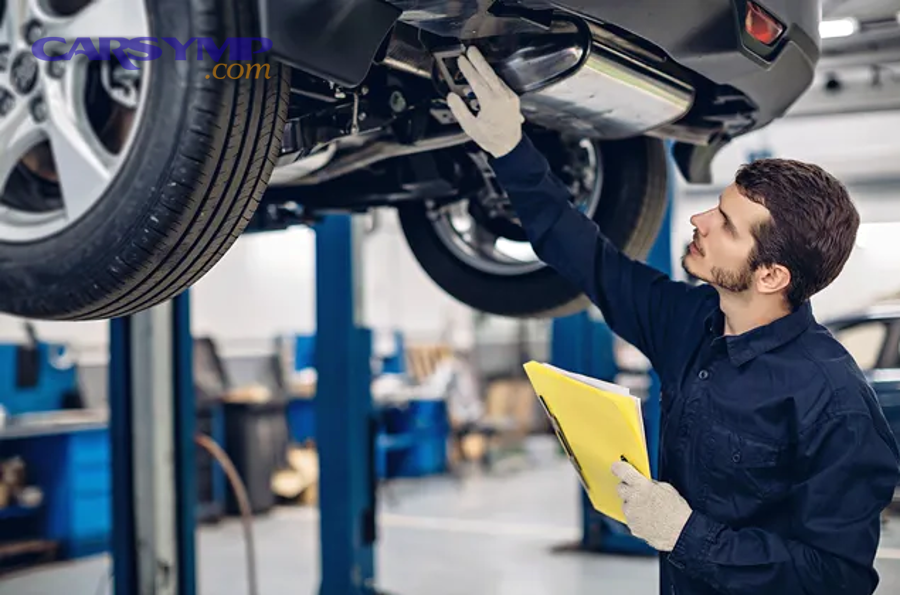
What a safety inspection appointment looks like
A technician follows a checklist, verifies operation, and may measure wear items (like tread depth or brake components) depending on rules and visibility.
In contrast, emissions often begins with a scan tool before anyone checks physical parts.
- Check-in: confirm vehicle type, registration/ID requirements.
- Walk-around: lights, signals, hazards, mirrors, windshield condition.
- Functional checks: horn, wipers, sometimes parking brake.
- Under-vehicle/under-hood (if required): leaks, steering/suspension components, exhaust integrity in some programs.
- Result: pass sticker/certificate or rejection report listing defects.
What an emissions inspection appointment looks like
An emissions test usually verifies OBD readiness and fault status, then applies any additional program-specific checks (tailpipe, cap test, visual/tamper) for that vehicle type and model year.
To connect to the next topic—failures—pay attention to “readiness,” because it’s one of the most common surprises.
- OBD connection: scan tool reads vehicle info, MIL status, codes, readiness monitors.
- Program checks: depending on location and vehicle, may include tailpipe sampling or EVAP-related checks.
- Result: pass certificate or fail report specifying the reason (codes, monitors, measured values).
Where the “grey areas” show up
Safety failures are often “component clearly defective,” while emissions failures are often “status not acceptable” even if no symptoms exist.
Next, we’ll break down the most common fail reasons for each so you can preempt them.
This is why many drivers feel emissions is more confusing: it’s compliance-by-data, not compliance-by-eyeballing.
What usually causes a failure in each inspection?
Safety inspection failures usually come from worn or non-functioning road-safety parts, while emissions failures usually come from diagnostic trouble codes, an illuminated check-engine light, or incomplete readiness monitors after a reset.
To move from theory to prevention, we’ll group the most common failures you can check at home first.
Top safety inspection failure triggers
Safety failures often involve visibility and contact-with-road basics because those are easy to verify and high-impact for crash risk.
However, once you fix the obvious items, you should also scan for less visible issues like steering play or leaks.
- Lights out: brake light, headlight, turn signal, license plate lamp.
- Tires: tread too low, sidewall damage, cords showing, wrong rating in some programs.
- Wipers/visibility: torn blades, wipers not functioning, windshield damage in critical viewing area.
- Brakes: obvious leaks, severely worn friction material, parking brake not holding (where tested).
- Steering/suspension: excessive play, damaged ball joints, broken components.
For a simple benchmark drivers recognize, NHTSA reminds motorists that tire tread should be at least 2/32 inch and highlights basic checks like lights and wipers as part of vehicle safety checks.
Top emissions inspection failure triggers
Emissions failures most often come from the OBD system declaring a problem or being unable to prove tests are complete since the last reset.
To lead into preparation steps, note that many of these failures are preventable without major repairs if caught early.
- Check Engine Light (MIL) on for emissions-related faults.
- Stored codes for EVAP leaks, catalyst efficiency, oxygen sensor issues, misfires.
- Readiness monitors “not ready” after battery disconnect, code clearing, or recent repairs.
- Tamper/visual issues where required (missing catalytic converter, obvious modifications).
EPA explains that I/M programs identify high-emitting vehicles and notify owners to make repairs so emissions are within legal limits, reflecting why “codes and monitors” are central to pass/fail.
How can you prepare to pass both inspections without overspending?
You can prepare efficiently by doing a two-layer plan: first fix fast, cheap “certainty failures” (lights, tires, wipers), then confirm emissions readiness with a scan tool before you pay for an official test.
To make this practical, we’ll use a step-by-step approach that reduces retests and avoids guesswork.
Step 1: Handle the fastest safety wins first
Start with items that fail often and cost little: bulbs, wiper blades, windshield washer fluid, tire pressure, and obvious tire wear.
Next, use this momentum to catch issues that are cheap now but expensive later—like uneven tire wear or fluid leaks.
- Verify all exterior lights at night against a wall or garage door.
- Replace torn wiper blades and test washer spray coverage.
- Check tire tread depth and sidewall condition; correct pressures.
- Look for visible leaks under the vehicle after parking.
- Listen for brake grinding or metal-on-metal noises during slow stops.
Step 2: Check emissions readiness before you show up
Use a basic OBD reader (or many parts-store free scans) to confirm: no active emissions codes, MIL off, and readiness monitors sufficiently complete for your program.
However, if you recently cleared codes, you may need a drive cycle to set monitors before you retest.
In real-world budgeting terms, a scan-before-test prevents paying twice, and it’s the most efficient way to avoid a “surprise fail.”
Step 3: Plan for the “hidden triggers” that cause repeat failures
Small behavioral or maintenance factors can cause repeated failures, especially for emissions readiness and EVAP-related issues.
To transition into legal/registration impact, remember: failing isn’t just inconvenient—it can block registration in many systems.
- Battery disconnect: resets monitors; avoid right before testing.
- Loose gas cap: common EVAP code trigger; tighten until it clicks.
- Short trips only: may delay monitor completion; mix highway and city driving.
- Aftermarket parts: some can trigger catalyst or O2 sensor efficiency problems.
When you’re using a professional car inspection service, ask whether they will pre-scan emissions readiness before the official test—this single step often prevents unnecessary reinspection fees and wasted time.
If you’re building a routine for How often to schedule preventive inspections, treat safety items (lights, tires, wipers, brakes) as monthly quick checks, and treat emissions readiness as a “before registration month” scan—especially after battery work or code clearing.
How do results affect registration, legality, and risk?
In many jurisdictions, passing one or both inspections is a registration gate; failing can delay renewal, trigger repair requirements, or require retesting—while driving with known defects can raise safety and legal risk even outside formal programs.
To connect consequences to action, we’ll separate “administrative impact” from “roadside risk.”

Registration impact: pass/fail as a gate
Where required, proof of pass is often transmitted electronically or provided as documentation needed for registration renewal.
However, programs vary: some allow temporary waivers, repair-cost thresholds, or hardship options (especially for emissions), while others do not.
For a practical example of program separation, Texas DPS emphasized that emissions tests remain required in emissions counties even after many safety inspections were eliminated for non-commercial vehicles—illustrating that the registration gate can differ by inspection type and location.
Legality and roadside risk: defects still matter
Even if your state doesn’t require a periodic safety inspection, it is typically illegal (and unsafe) to operate a vehicle with non-functioning critical safety equipment like lights or severely worn tires.
To lead into budgeting, this is why it’s smart to treat inspections as a planning tool—not just a last-minute hurdle.
Failing an emissions test also matters beyond paperwork: the underlying fault can reduce fuel economy, damage components (like catalysts), or mask a developing engine issue.
How much time and money should you budget?
Safety inspections often cost less and take longer hands-on time, while emissions tests are often faster but can trigger more diagnostic work if they fail—so the real budget is “test fee + likely fix category,” not just the sticker price.
To make planning easier, the table below summarizes what each inspection typically involves and what drivers most often pay for after a failure.
This table helps you compare typical inspection scope, time, and common “post-fail” expenses so you can decide what to check first.
| Inspection Type | Main Goal | Typical Station Time | Common Fail Reasons | Most Common Low-Cost Fixes | Potential High-Cost Fixes |
|---|---|---|---|---|---|
| Safety inspection | Roadworthiness & crash-risk reduction | 15–45 minutes (varies by program) | Lights out, tires worn, wipers, brake defects, steering play | Bulbs, wiper blades, tire rotation/pressure, minor adjustments | Brakes, suspension joints, tires set, windshield replacement |
| Emissions inspection | Pollution-control compliance | 5–20 minutes (OBD often fastest) | MIL on, stored codes, monitors not ready, EVAP faults | Gas cap, vacuum line, minor sensor issues, completing drive cycle | Catalytic converter, EVAP components, deeper electrical/engine diagnostics |
| Combined programs | Safety + emissions in one visit | 20–60 minutes | Any of the above | Pre-check basics + pre-scan readiness | Mix of safety and emissions repairs |
How to budget smarter than “average cost”
Instead of guessing, budget by risk tier: a small reserve for quick fixes (bulbs, wipers), and a separate reserve for “if emissions fails” diagnostics (scan interpretation and targeted testing).
Next, we’ll close the main content with a set of questions drivers ask most—so you can decide what to do today.
If you’re referencing a Pre-purchase inspection checklist for buying a used car, treat it as separate from state inspections: it’s broader, deeper, and designed to reveal hidden issues—not just confirm minimum legal compliance.
FAQ: common questions drivers ask before inspection day
Yes—safety inspection vs emissions inspection differences can change what you should fix first, and these FAQs focus on the situations that most often cause repeat failures and wasted retests.
To keep it practical, each answer includes a “do this next” action so you can move forward immediately.
Can I pass emissions with the check engine light off but codes stored?
Sometimes no, because some programs fail vehicles for stored emissions-related codes or monitor status even if the light is off; the safest move is to scan for codes and readiness before the official test.
To connect this to preparation, your next step is verifying “readiness complete” after repairs and before retesting.
Will clearing codes right before the test help?
Usually it hurts, because clearing codes often resets readiness monitors; many programs require monitors to be complete, so you may fail for “not ready” even if the underlying problem is temporarily hidden.
Instead, fix the cause, then drive enough to complete monitors.
If my tires are worn but I only need emissions, do I still need to replace them?
For the emissions test itself, maybe not—but worn tires are still a safety and legal risk, and you could fail any safety component check if your jurisdiction combines programs or if you’re inspected elsewhere.
So, it’s smarter to address worn tires early than to treat them as “optional.”
Do electric vehicles need safety or emissions inspections?
EVs are commonly exempt from emissions testing because there’s no tailpipe, but they may still be subject to safety inspections depending on the jurisdiction’s rules for roadworthiness.
To avoid surprises, confirm local requirements before renewal—then apply the same safety basics (tires, brakes, lights, visibility).
Contextual Border: From here, we shift from core “differences” into decision-making scenarios—how to choose the right inspection path, avoid retest loops, and interpret borderline results.
How should you choose the right inspection strategy for your situation?
The best strategy depends on whether you’re facing a safety-only program, emissions-only program, or combined requirements—and whether your vehicle recently had battery work, warning lights, or deferred maintenance.
To keep the flow clear, we’ll use a few scenario-based decisions you can apply immediately.
Scenario 1: You’re in an emissions area and recently disconnected the battery
Prioritize an OBD readiness scan and a short drive-cycle plan before paying for the official test, because monitor resets are a frequent “instant fail” even when the car feels fine.
Next, confirm no pending codes and ensure the MIL stays off during the monitor-completion drive.
Scenario 2: You’re in a safety program and your car “feels fine”
Start with a walk-around and functional checks (all lights, wipers, horn, tire condition), because many safety fails are simple non-functioning items you may not notice from the driver seat.
Then, listen and look for leaks or steering play to prevent a surprise failure.
Scenario 3: Your state changed rules and you’re unsure what still applies
Separate “safety program changes” from “emissions requirements,” because they can move independently; for example, public guidance has clarified that emissions testing can remain required in certain counties even when safety inspections are reduced.
After that, confirm your registration county’s rule set, not just your state’s headline.
Scenario 4: You’re selling or buying a used car
Don’t treat state inspections as a substitute for deeper evaluation; a passing inspection means “minimum compliance,” not “no problems,” so use a broader evaluation approach to reduce purchase risk.
From there, you can decide whether to negotiate repairs, request documentation, or walk away.