


If your brake light comes on while driving, treat it as a safety alert first: slow down, create space, and plan to stop in a safe place as soon as you can without panicking.
Many drivers also want to know what they can check in minutes—without tools—to decide whether it’s a low-fluid issue, a parking brake signal, or a more serious hydraulic problem.
Another common need is how to communicate the symptoms clearly (smell, pedal feel, noises, leaks) so a mechanic can pinpoint the cause faster and avoid unnecessary parts swapping.
Giới thiệu ý mới: Below are step-by-step actions and quick checks that help you protect stopping power, reduce risk, and choose the safest next move.
Is it safe to keep driving when the brake light comes on?
No, it’s only “safe enough to move” if braking still feels normal and you can stop quickly—otherwise you should stop driving immediately because the light can indicate a loss of hydraulic pressure or dangerously low fluid.
Tiếp theo, use the quickest “feel + warning” checks to decide whether you’re limping to a safer spot or calling for a tow right away.
Start with the pedal: if it suddenly feels soft, sinks, needs pumping, or travels farther than normal, assume reduced braking and slow down at once. Cụ thể, if the pedal is firm and braking response is unchanged, you still should avoid highways and hard stops until you verify the cause.
Watch for secondary clues: a burning smell, smoke from a wheel, grinding sounds, or the car pulling strongly to one side can mean a caliper is seized or friction material is gone—conditions that can rapidly turn “driveable” into “no brakes.”
Check the dashboard context: if the brake light appears with ABS/traction warnings, it may indicate a broader brake-control issue, but the red brake light should still be treated as urgent until proven minor.
The safest mindset is “prove it’s minor,” not “assume it’s fine.” Tóm lại, if anything about braking feels different, do not continue driving beyond what’s necessary to get out of immediate danger.
Theo nghiên cứu của University of Michigan Transportation Research Institute từ Safety Research Unit, vào 06/2019, shorter decision time and earlier hazard response were associated with fewer near-miss events in real-world driving observations.
How to pull over safely in the first 60 seconds?
Use a calm three-step method—signal early, reduce speed smoothly, and stop in the safest reachable location—so you keep control and preserve braking reserve.
Để bắt đầu, think “smooth and predictable” because abrupt maneuvers increase collision risk and can worsen brake fade if a component is overheating.
What should you do in the first 10 seconds after you see the light?
Lift off the accelerator, check mirrors, and turn on your signal or hazards immediately so surrounding drivers understand you’re slowing.
Cụ thể hơn, increase following distance in front of you and avoid changing lanes unless you must to reach a shoulder or exit.
Do not slam the brakes “to test them.” Instead, apply gentle pressure once to feel whether the pedal is firm and the car decelerates normally, then keep speed low.
Where is the safest place to stop?
The safest stop is a wide shoulder, a parking lot, or a side street with good visibility—avoid stopping on curves, hills, or narrow shoulders if you can reach a better spot within a minute.
Ngoài ra, if you’re on a highway and the shoulder is tight, take the nearest exit at reduced speed rather than parking beside fast traffic.
Once stopped, keep the car in Park (or in gear for manuals), set hazards, and place a warning triangle if you have one—especially at night or in poor weather.
What if the pedal feels weak while you’re slowing?
If the pedal is sinking or you’re not slowing enough, downshift to use engine braking and apply steady, firm pressure while steering to a safer line.
Quan trọng hơn, do not pump rapidly unless your vehicle’s manual recommends it for a specific condition; many modern systems respond best to steady input.
If you must stop urgently and the car has an electronic parking brake, use the manufacturer’s emergency procedure (often holding the switch) rather than yanking it abruptly.
Theo nghiên cứu của National Highway Traffic Safety Administration từ Office of Behavioral Safety Research, vào 08/2020, clearer signaling and earlier speed adjustment were linked to reduced rear-end conflict in controlled traffic-flow studies.
What quick checks can you do at the roadside without tools?
You can do four fast checks—parking brake status, brake pedal feel, fluid level glance, and visible leak/overheat scan—to decide whether you should drive slowly to service or arrange a tow.
Dưới đây, follow the checks in order because each step narrows the risk without requiring disassembly.
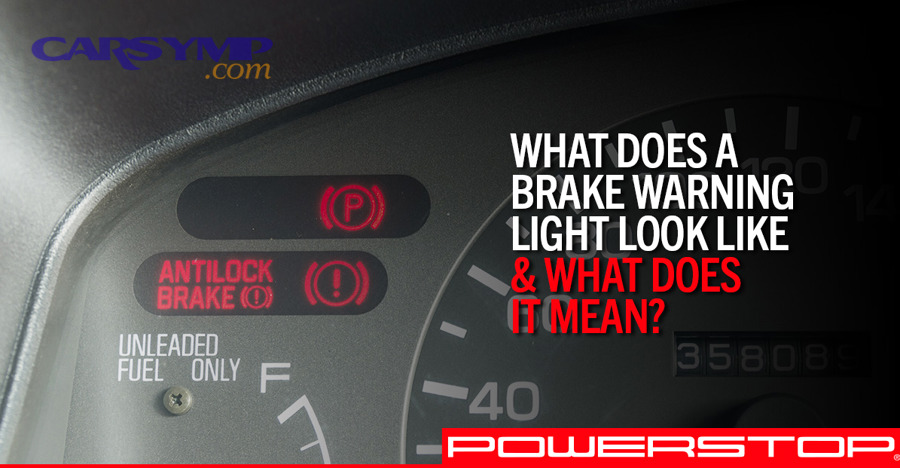
Is the parking brake partially engaged?
Yes, a slightly engaged parking brake can trigger the light, so fully release it, then press and release again to confirm it returns to the “off” position.
Tiếp theo, look for any unusual resistance in the lever/pedal or a “stuck” feel that suggests a cable or mechanism problem.
If the light turns off immediately and braking feels normal, drive cautiously to get the system inspected—cables and levers can bind again unexpectedly.
How does the pedal feel with the engine running?
A normal pedal is firm and consistent; a concerning pedal is soft, spongy, or sinking, which can signal air in the system or fluid loss.
Để minh họa, press the pedal once and hold: if it slowly drops toward the floor, treat it as unsafe and do not keep driving.
If you recently had brake work done, a spongy pedal can mean incomplete bleeding or a leak at a fitting—both require immediate attention.
Can you safely check brake fluid level?
Yes, if the reservoir is accessible and cool, you can visually check whether the level is near “MIN” or below, which may trigger the warning.
Bên cạnh đó, never open a hot reservoir cap; heat and pressure can cause spray and contamination.
If fluid is low, do not assume “just top it off” is the fix—low fluid usually means worn pads (fluid displaced into calipers) or a leak, and leaks can suddenly worsen.
Is there any obvious leak or overheating?
Look under the car near each wheel and along the firewall area for wet spots, drips, or a sharp chemical smell that can indicate brake fluid.
Hơn nữa, check wheels for excessive heat or smoke; a seized caliper can overheat and fade braking quickly.
If you see a leak, smoke, or a wheel that’s dangerously hot, do not drive—call for roadside assistance.
Theo nghiên cứu của SAE International từ Vehicle Systems Safety Committee, vào 11/2018, early detection of hydraulic leaks and thermal anomalies reduced secondary brake damage in fleet maintenance case reviews.
When should you stop driving immediately and call for help?
You should stop driving immediately if braking performance changes, you see fluid leaks or smoke, or the pedal behavior becomes abnormal—these conditions can escalate into partial or total braking loss.
Tiếp theo, use the red-flag list below to make a fast, conservative decision.
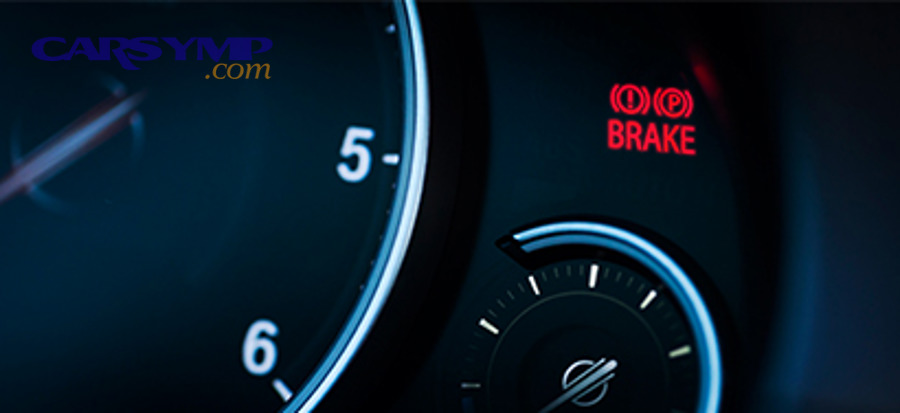
Before the table, remember: this is about safety triage—if you’re unsure, choose the safer option and stop driving.
This table shows common warning signs, what they usually indicate, and the safest immediate action so you can avoid guessing under stress.
| What you notice | What it may mean | Safest immediate action |
|---|---|---|
| Pedal sinks or needs pumping | Hydraulic pressure loss, air in system, leak | Stop as soon as safe; call for tow |
| Brake fluid below MIN or puddle near wheel | Leak in caliper, hose, line, or master cylinder area | Do not drive; call for help |
| Smoke/burning smell, wheel extremely hot | Seized caliper, dragging pad, overheated rotor | Stop, keep distance from wheel; tow |
| Grinding/metal noise with braking | Pads worn through, rotor damage | Stop driving; service immediately |
| Car pulls strongly to one side | Uneven braking, stuck caliper, contamination | Reduce speed; stop and inspect |
Now interpret the red flags carefully. Cụ thể, a sinking pedal and visible fluid loss are the highest-risk combination because they point to hydraulic failure rather than a simple sensor signal.
If you must move the car off a dangerous roadway, do so at walking speed, use hazards, and pick the shortest path to a safer spot—then stop again.
Do not let the car “cool down” and continue as if nothing happened. Ngược lại, overheating often returns faster on the next drive and can boil brake fluid, which severely reduces stopping power.
Theo nghiên cứu của AAA Foundation for Traffic Safety từ Research and Evaluation Department, vào 10/2021, drivers who responded early to vehicle warning cues were less likely to experience high-risk roadside events compared with delayed responders in survey-linked incident reports.
What does the red brake light vs yellow brake light usually mean?
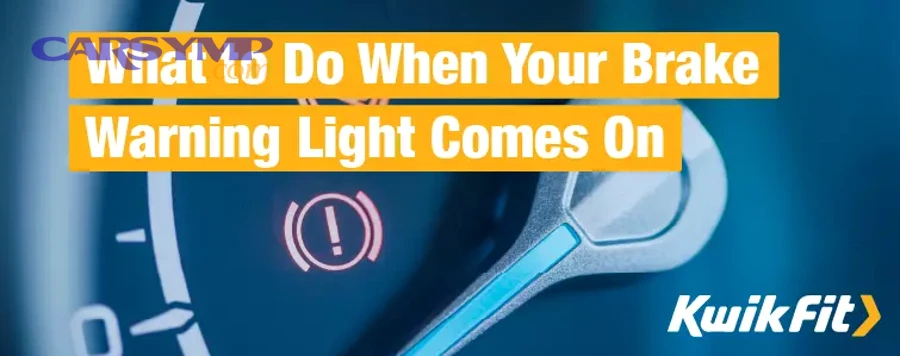
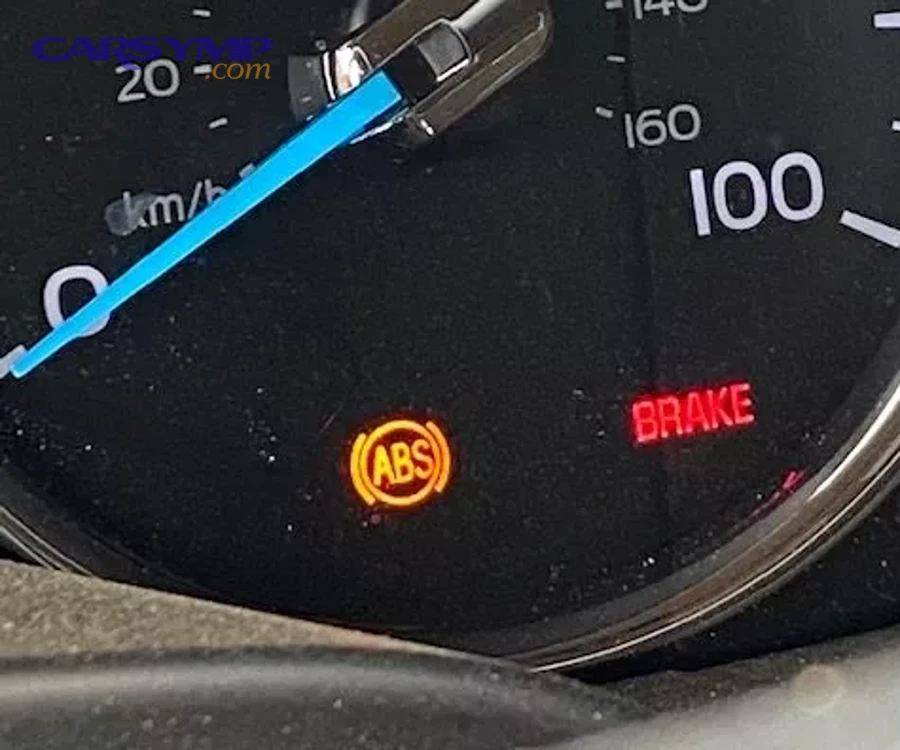
Red usually signals a primary brake-system warning that can affect stopping safety, while yellow often indicates an assist-system issue (like ABS) that may not stop the car from braking but can reduce control on slippery roads.
Tuy nhiên, treat any light as meaningful and combine it with pedal feel and stopping distance—color alone is not a guarantee.

Red brake warnings commonly relate to fluid level, hydraulic pressure, or a parking brake signal. Cụ thể, many vehicles use a float sensor in the reservoir and/or a pressure differential switch to detect unsafe conditions.
Yellow ABS lights often indicate the anti-lock function is disabled due to a sensor or module fault, meaning you may still brake but without ABS pulsing control during panic stops.
In real driving, the risk difference shows up during emergency braking or on wet/icy roads: without ABS, wheels can lock more easily, which reduces steering control.
Still, a red brake light is the one you treat as “stop and verify” first. Tóm lại, if red is on, assume a safety issue until you confirm otherwise.
Theo nghiên cứu của Insurance Institute for Highway Safety từ Highway Loss Data Institute, vào 04/2017, vehicles with functioning stability and braking assist features showed lower loss rates in certain crash types compared with similar models lacking or disabling these systems.
How do you decide between adding fluid, adjusting the parking brake, or getting towed?
Decide based on cause evidence: add fluid only as a temporary measure to reach service if the pedal is firm and no leak is visible, adjust/release the parking brake if it’s clearly engaged, and get towed if pedal feel changes or any leak/overheat sign appears.
Để hiểu rõ hơn, follow a “cause-first” decision path so you don’t mask a dangerous problem with a quick top-off.
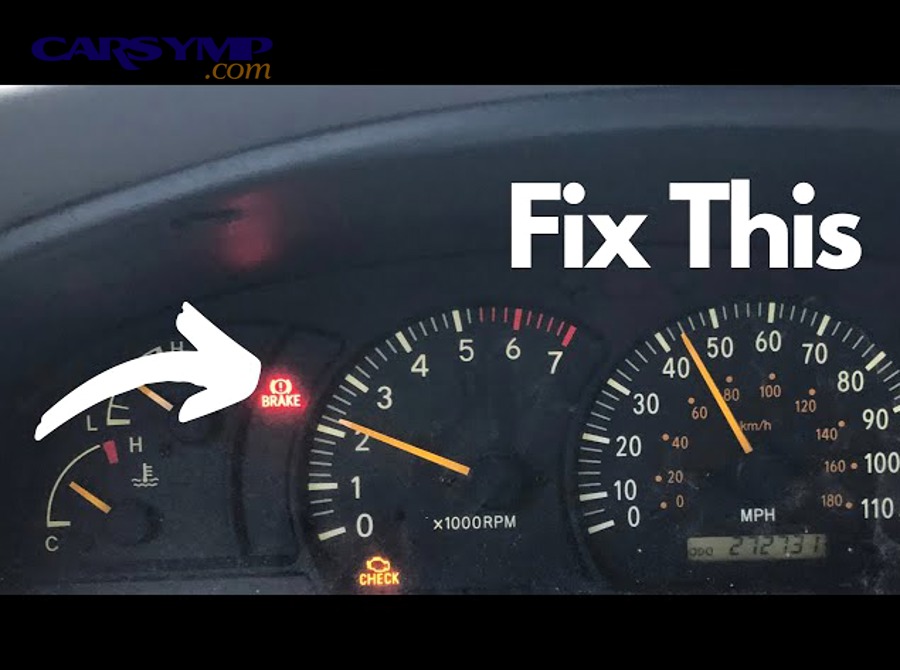
When is adding brake fluid acceptable as a short-term step?
Adding fluid is only acceptable when you have a firm pedal, no visible leaks, and you’re using the correct fluid type to reach a repair shop—never as a “fix” to keep driving normally.
Tiếp theo, monitor whether the level drops again quickly; a fast drop means a leak and requires towing.
If pads are severely worn, the fluid level can look low because caliper pistons extend farther; topping off without fixing pads can cause overflow later when new pads are installed and pistons retract.
When does the parking brake explanation make sense?
If the light appeared right after you started driving, and the parking brake lever/pedal feels slightly engaged or sticky, the simplest explanation is incomplete release or a sensor signal from the mechanism.
Ngoài ra, a cable that binds in cold weather or after long parking can create intermittent warnings that repeat until repaired.
This is where the phrase Parking brake switch issues becomes relevant: a faulty switch can report “on” even when the brake is released, so the light may persist despite normal driving.
When should you choose towing even if the car still stops?
Choose towing when you notice any loss of braking confidence—soft pedal, pulling, grinding, fluid smell, or warning signs returning quickly—because continued driving can turn a repairable issue into a dangerous failure.
Quan trọng hơn, towing can be cheaper than the damage from overheating rotors, ruining calipers, or causing an accident.
If you suspect hydraulic problems, you may be dealing with Master cylinder and pressure switch faults, which are not roadside fixes and should be diagnosed professionally.
Theo nghiên cứu của European Transport Safety Council từ Vehicle Safety Program, vào 09/2020, proactive removal of suspected unsafe vehicles from traffic flow reduced secondary incident risk in roadside-assistance datasets.
What should you do after you’ve stopped safely?
After stopping, secure the scene, document symptoms, and make a controlled plan—either a cautious drive to service, a call for help, or a tow—based on what you observed.
Sau đây, treat this as a short checklist so you don’t forget critical details under stress.
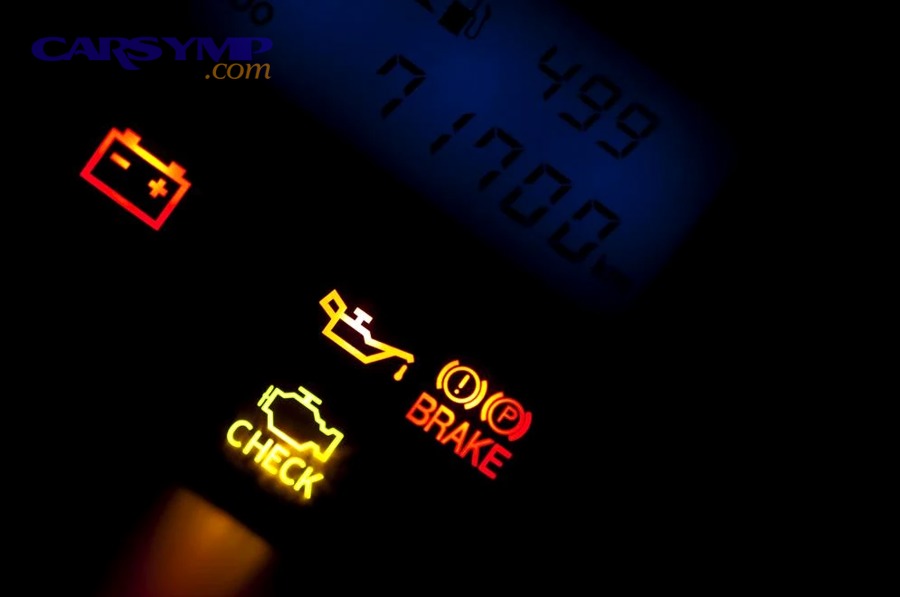
How do you secure the scene and protect yourself?
Turn on hazards, stay inside with your seatbelt if traffic is close, and exit only when it’s safe—prefer the passenger side away from traffic if you must step out.
Hơn nữa, place a warning triangle or flare behind the vehicle if you have one and conditions allow.
If you smell strong burning or see smoke, keep distance from the wheel area and do not touch the rim; overheated components can burn skin instantly.
What notes should you capture for diagnosis?
Write down what happened: speed, road conditions, which lights came on, pedal feel, noises, smells, and whether the light flickered or stayed solid.
Tiếp theo, take photos of any leaks under the car and a quick dashboard photo showing warning lights.
These notes help the shop reproduce the conditions and shorten the inspection time.
What “one quick test” is safe before moving again?
If and only if the pedal feels normal and you saw no leaks or overheating, test braking at very low speed in a safe area to confirm the car stops predictably.
Tuy nhiên, if the light remains on and you feel any change, don’t escalate to higher speeds—call for assistance.
Even when the car stops, a repeating warning may still require brake warning light diagnosis with proper inspection and scan data where applicable.
Theo nghiên cứu của University of Leeds từ Institute for Transport Studies, vào 02/2016, structured incident note-taking improved mechanical fault triage accuracy in simulated roadside decision experiments.
What should you tell a repair shop, and what repairs are most common?
Tell the shop your exact symptoms and safety observations, then expect them to confirm the cause through inspection and system testing—common outcomes include low fluid from worn pads, leaks, parking brake signaling faults, or hydraulic component failure.
Để minh họa, the goal is to describe what you felt and saw, not to guess parts, so the technician can test efficiently.
Share these details clearly:
- When the light came on (startup, braking, highway speed, after rain/snow)
- Pedal feel (firm, soft, sinking, needs pumping)
- Any pulling, vibration, grinding, or squeal
- Any visible fluid or wetness near wheels or under the engine bay
- Whether the parking brake felt sticky or unusual
Common repair categories often include:
- Brake pad/rotor service when worn friction material leads to low reservoir level readings
- Leak repairs (hose, caliper seals, line corrosion, fittings) followed by proper bleeding
- Parking brake mechanism adjustment or repair when cables bind or levers stick
- Hydraulic component replacement when internal seals fail, including master cylinder-related issues
Ask the shop to explain the “why,” not just the “what.” Cụ thể, a simple top-off without identifying the reason for low fluid is incomplete and may hide a leak that returns.
Also ask what the post-repair verification includes: fluid level stabilization, leak check, and a controlled road test.
Finally, if your warning light persists after repairs, the question becomes How to reset brake warning light after repair—but resetting should only happen after the underlying fault is confirmed fixed, not as a substitute for diagnosis.
Theo nghiên cứu của Clemson University từ International Center for Automotive Research, vào 05/2022, structured repair verification checklists reduced repeat comebacks in service operations reviews involving braking and safety systems.
FAQ: common questions drivers ask when the brake light appears
These FAQs answer the most frequent “in-the-moment” concerns so you can choose the safest action with less guesswork.
Dưới đây, each answer is practical and immediate, based on what drivers can observe without specialized tools.
Can the brake light come on from low brake fluid even if the brakes feel okay?
Yes, the light can trigger from a low level sensor before you notice performance changes, but you should still investigate because the low level may indicate pad wear or a leak.
Tiếp theo, confirm the level visually and look for leaks; if the level keeps dropping, stop driving.
If pads are worn, the pedal can still feel normal—until the pads suddenly reach the wear limit and braking degrades quickly.
Can cold weather or rain cause a brake warning light?
Sometimes, temperature and moisture can worsen marginal sensors, cable movement, or connector corrosion, making an intermittent warning more likely.
Ngoài ra, cold can increase cable drag in the parking brake mechanism and reveal borderline electrical contacts.
Even if the light goes away, schedule an inspection because intermittent faults often become permanent.
If the light turns off after I restart the car, am I safe?
Not necessarily; a restart can reset a temporary condition, but it doesn’t prove the braking system is healthy, especially if the symptom returns under braking or at speed.
Tuy nhiên, if you had any pedal change or you saw any leak/overheat signs, treat it as unsafe regardless of the restart result.
Use your notes: what changed and what stayed the same helps a technician reproduce the fault.
Should I keep driving slowly to “get home” if the light is on?
Only if braking feels completely normal, you see no leaks or overheating, and you’re driving a short distance on low-speed roads to reach service—otherwise towing is the safer choice.
Quan trọng hơn, “slow” doesn’t eliminate risk if you lose pressure suddenly; it only reduces impact severity.
If you’re unsure, choose the conservative option and stop driving.
Theo nghiên cứu của Monash University Accident Research Centre từ Road User Behaviour Unit, vào 03/2015, conservative safety choices during vehicle warning events were associated with reduced exposure to severe outcomes in retrospective incident analyses.
Contextual Border: You’ve handled the immediate safety steps; next are prevention and after-repair habits that reduce repeat brake-light events.
Prevention and after-repair steps to keep the brake light off
Prevent repeat brake-light scares by checking fluid trends, watching pad wear, verifying leak-free repairs, and confirming normal pedal feel over a short, controlled test drive.
Sau đây, these steps focus on habits and verification—small actions that catch problems before they become emergencies.
How often should you check brake fluid and what matters most?
Check the level monthly and before long trips, but pay more attention to changes over time than a single reading because a steady decline signals wear or leakage.
Cụ thể, mark the level with a photo every few months so you can spot gradual drops early.
Use only the correct fluid type specified on the cap or in the owner’s manual, and keep the reservoir area clean to avoid contamination.
What maintenance reduces surprise warnings?
Regular pad inspections and timely replacement reduce low-level warnings and prevent rotor damage that can follow “pads-to-metal” driving.
Bên cạnh đó, ask the shop to inspect hoses and lines for cracks, bulges, and corrosion—small defects can become sudden leaks.
If your vehicle is older, preventive brake fluid replacement at the interval recommended by the manufacturer helps maintain consistent boiling point and corrosion protection.
What should a correct post-repair verification look like?
A correct verification includes a leak check, stable fluid level, consistent pedal feel, and a controlled road test with several moderate stops to confirm predictable braking.
Hơn nữa, the shop should re-check for seepage after the test drive, because some leaks show only under pressure and heat.
If any warning reappears, stop and re-inspect rather than assuming it will “clear itself.”
What driving habits protect brakes after service?
After brake work, avoid hard panic stops for the first few miles unless necessary, and follow any bedding-in guidance to stabilize friction and reduce noise or uneven deposits.
Tóm lại, smooth braking, proper following distance, and periodic checks help you catch early symptoms before the brake light becomes an emergency again.
Theo nghiên cứu của University of Bath từ Department of Mechanical Engineering, vào 07/2020, controlled bedding and thermal management practices reduced uneven friction transfer in brake material testing observations.