


A soft brake pedal is caused by seven critical issues: air trapped in brake lines, brake fluid leaks, worn brake components, master cylinder failure, faulty brake booster, caliper and wheel cylinder problems, and contaminated brake fluid. Each of these causes disrupts the hydraulic pressure in your brake system, reducing the firm resistance you normally feel when pressing the pedal. Understanding these causes helps you identify the problem quickly and take appropriate action before your safety is compromised.
Recognizing the specific cause behind your soft brake pedal requires understanding how each component affects pedal feel. Air in the system compresses under pressure, creating sponginess, while fluid leaks reduce the hydraulic volume needed for proper braking force. Worn components increase the distance brake fluid must travel, and failing master cylinders allow fluid to bypass internal seals. Each cause presents distinct symptoms that can guide your diagnosis.
The safety implications of a soft brake pedal vary depending on the underlying cause, but all require immediate attention. Some conditions like minor air in the lines may allow limited driving to reach a repair facility, while catastrophic master cylinder failure demands you stop driving immediately. Knowing the urgency level for each cause helps you make informed decisions about whether to attempt a repair yourself or call for professional assistance.
Beyond identifying the problem, understanding these seven causes empowers you to prevent future occurrences through proper maintenance and early detection. Next, let’s explore each cause in detail, starting with how to recognize what a soft brake pedal actually feels like.
What Does a Soft Brake Pedal Feel Like?
A soft brake pedal is a condition where the brake pedal feels mushy, spongy, or lacks the normal firm resistance when pressed, often requiring more travel distance before the brakes engage effectively. This sensation differs dramatically from a properly functioning brake system, where the pedal should feel solid and responsive with consistent resistance throughout its travel.
To better understand this issue, it’s important to recognize the specific characteristics that distinguish abnormal brake pedal feel. A healthy brake pedal provides immediate feedback when you press it, with firm resistance building progressively as you apply more pressure. The pedal travel should be relatively short—typically one to two inches before the brakes engage. When you release the pedal, it should return quickly to its rest position without hesitation.
In contrast, a soft or spongy brake pedal exhibits several telltale signs. The pedal may sink slowly toward the floor when held under constant pressure, or it might feel like you’re pressing against a foam cushion rather than a hydraulic system. You may need to pump the pedal multiple times to build up enough pressure for effective braking. The pedal might also travel much farther than normal—sometimes halfway to the floor or more—before the brakes begin to engage.
There are important distinctions between different types of brake pedal problems. A soft pedal maintains some resistance throughout its travel but feels mushy and compressible. A spongy pedal has a similar feel but often improves temporarily when pumped. A pedal-to-floor condition is more severe—the pedal travels all the way to the floor with little or no resistance, indicating a critical brake system failure that requires immediate attention. Understanding these differences helps you communicate the problem accurately to mechanics and assess the urgency of the situation.
What Causes Air to Enter Your Brake Lines?
Air enters brake lines through four main pathways: during improper brake bleeding procedures, through loose or damaged fittings, when replacing brake components without proper precautions, and through deteriorated brake hoses with microscopic cracks. Each pathway allows air to infiltrate the sealed hydraulic system, where it becomes trapped and creates compressible pockets that prevent proper brake pressure buildup.

Specifically, the hydraulic brake system relies on the incompressible nature of brake fluid to transmit force from your foot to the brake calipers or wheel cylinders. When air enters this system, it acts like a sponge—compressing when you press the pedal instead of immediately transferring pressure. This is why even a small amount of air can create a noticeably soft brake pedal.
The most common scenario for air entry occurs during brake service or repair work. When mechanics replace brake pads, calipers, brake lines, or the master cylinder, they must open the hydraulic system, which naturally introduces air. If the subsequent bleeding procedure is rushed or performed incorrectly, air bubbles remain trapped in high points of the brake lines, particularly near the master cylinder or in the ABS modulator unit. These bubbles compress each time you press the pedal, creating that characteristic spongy feel.
Loose fittings present another entry point for air. The brake system operates under significant pressure—typically 800 to 1,200 psi during hard braking. If bleeder screws aren’t tightened properly after maintenance, or if brake line fittings corrode and develop microscopic gaps, air can be sucked into the system when you release the brake pedal. This vacuum effect pulls air inward through any opening, even ones too small to allow fluid to leak out noticeably.
Deteriorated brake hoses also allow air infiltration through a process called permeation. Rubber brake hoses naturally age and develop microscopic cracks in their inner lining. While these cracks may be too small to cause visible fluid leaks, they can allow air molecules to pass through over time, especially in older vehicles or those exposed to harsh climates with extreme temperature fluctuations.
How Can You Tell If Air Is in Your Brake Lines?
Several diagnostic signs indicate air in your brake lines, with the spongy pedal feel being the most obvious. Beyond sponginess, you might notice that pumping the pedal two or three times makes it feel firmer temporarily—this happens because repeated pumping compresses the air bubbles and pushes some fluid past them. However, once you release and press again, the soft feel returns as the air bubbles re-expand.
Another telltale sign is uneven braking performance. If air is trapped primarily on one side of the brake system, you may feel the vehicle pull to one side during braking. The side without air will engage more quickly and forcefully, creating this pulling sensation. You might also hear unusual sounds—a hissing or gurgling noise when pressing the pedal can indicate air moving through the brake lines.
A simple test you can perform involves pressing and holding the brake pedal with firm, steady pressure while the engine is running. If the pedal slowly sinks toward the floor over 30-60 seconds, air in the system is likely. A properly sealed, air-free system will maintain pedal height indefinitely under steady pressure. Additionally, if your brake warning light illuminates on the dashboard without an obvious parking brake engagement, it may signal that low fluid levels (often accompanying air entry) have triggered the sensor.
Is Driving with Air in Brake Lines Dangerous?
Yes, driving with air in brake lines is dangerous because air significantly reduces braking effectiveness, increases stopping distances by 20-40%, and can lead to complete brake failure in emergency situations. The compressible nature of air means your pedal travel consumes energy compressing air bubbles instead of applying full force to the brake calipers.
However, the degree of danger depends on how much air has entered the system. A small amount of air from recent brake service might create a soft pedal but still allow reasonably effective braking in normal conditions. In this case, you may be able to drive carefully to a nearby repair facility, avoiding highway speeds and maintaining extra following distance. Even so, your emergency braking capability is compromised.
More substantial air in the system presents severe risks. If you need to pump the pedal multiple times to get any braking action, or if the pedal goes more than halfway to the floor, you should not drive the vehicle. In panic-stop situations, the extra pedal travel and reduced pressure mean you simply cannot stop in time to avoid collisions. The problem becomes critical when air accumulates progressively—what starts as a minor spongy feel can worsen rapidly if there’s an active leak allowing more air entry.
The stopping distance impact is measurable and dangerous. According to research from the National Highway Traffic Safety Administration, brake system defects including air contamination contribute to approximately 5% of all vehicle crashes, with compromised braking being a factor in 22% of all accidents. When your brake pedal is soft due to air in the lines, your reaction time remains the same, but your stopping distance increases dramatically because the brakes don’t engage with full force immediately when you press the pedal.
Why Do Brake Fluid Leaks Cause a Spongy Pedal?
Brake fluid leaks cause a spongy pedal because they reduce the hydraulic volume in the brake system, allowing air to enter through the leak point and preventing the system from building sufficient pressure to engage the brakes firmly. As fluid escapes, the remaining fluid must travel farther to fill the system, and the lost volume is often replaced by air, which compresses easily under pressure.
More specifically, the relationship between fluid loss and pedal pressure is direct and critical. Your brake system is a closed hydraulic circuit designed to operate at specific fluid volumes. When you press the brake pedal, the master cylinder pushes fluid through brake lines to the calipers or wheel cylinders. This fluid pressure forces brake pads against rotors or shoes against drums. If there’s a leak anywhere in this circuit, the master cylinder piston travels farther than normal trying to compress the remaining fluid and fill the void left by the escaped fluid.
Common leak locations include several vulnerable points throughout the brake system. The master cylinder develops internal seal failures that allow fluid to bypass from the high-pressure chamber back to the reservoir, or external leaks where fluid seeps out around the pushrod or at the reservoir connection. Brake lines themselves can corrode and develop pinhole leaks, particularly in areas exposed to road salt and moisture. Where brake lines connect to hoses or components, compression fittings can loosen or corrode, creating leak paths.
Calipers and wheel cylinders contain rubber seals that deteriorate over time. These seals prevent fluid from escaping past the pistons. When they fail, you’ll often see brake fluid pooled inside the wheel, coating the brake components, or dripping onto the ground after the vehicle has been parked. Caliper piston seals typically fail due to age, heat cycling, or corrosion that pits the piston surface and cuts the seal.
Brake hose deterioration presents a particularly insidious leak source. The rubber brake hoses connecting hard brake lines to the moving calipers flex thousands of times during normal driving. Over time, the inner lining can crack and allow fluid to seep into the braided reinforcement layer. This type of leak may not be immediately visible externally, but the hose will often feel soft or swollen when you squeeze it, and you might notice a soft brake pedal that worsens gradually.
Visual signs of brake fluid leaks are distinctive. Brake fluid is typically clear to amber colored (or dark brown if very old) and has a slippery, oily texture. You might notice spots on your garage floor or driveway under the vehicle, particularly near the wheels or under the master cylinder area behind the brake pedal. On the brake components themselves, fresh fluid appears wet and glossy, while old leaked fluid often attracts dirt and appears as dark, greasy deposits.
What Are the Most Common Brake Fluid Leak Locations?
The four most common brake fluid leak locations are master cylinder seals, brake line connections and corrosion points, caliper and wheel cylinder seals, and deteriorated brake hoses, with each location presenting distinct symptoms and visual indicators.
Master cylinder seals represent one of the most frequent leak points. The master cylinder contains two or three rubber seals per piston (depending on design) that maintain hydraulic pressure. These seals wear from constant movement, heat, and contact with brake fluid. Internal leaks allow fluid to bypass back into the reservoir, creating a soft pedal that often sinks to the floor when held under steady pressure. External leaks appear as fluid seeping from the rear of the master cylinder, often running down the brake booster or pooling in the engine bay. You might also notice decreasing fluid levels in the reservoir without visible external leaks—this indicates internal bypass.
Brake line connections and corrosion points fail primarily due to environmental exposure. Steel brake lines corrode from the outside in, particularly where they route along the vehicle’s undercarriage exposed to road salt, moisture, and debris. Corrosion typically concentrates at bends, where the protective coating cracks, and at junction points where dissimilar metals create galvanic corrosion. The threaded connections where brake lines attach to hoses, the master cylinder, the ABS modulator, and the calipers/wheel cylinders are especially vulnerable. These connections can work loose from vibration or corrode to the point where the threads no longer seal properly. Brake fluid leak diagnosis for soft pedal issues should always include a thorough inspection of all brake line connections and the lines themselves for rust perforation.
Caliper and wheel cylinder seals degrade from heat cycling, age, and contaminated brake fluid. Disc brake calipers contain rubber piston seals and dust boots. When the piston seal fails, fluid leaks past the piston, often accumulating inside the dust boot before eventually dripping out. You’ll see fluid on the inside of the wheel, coating the brake pads and rotor. Wheel cylinders in drum brake systems contain two rubber cups per piston. When these fail, fluid leaks into the brake drum, contaminating the shoes and often dripping from the backing plate area. Seized or corroded pistons with rough, pitted surfaces accelerate seal failure by cutting the rubber as the piston moves.
Brake hose deterioration occurs through several mechanisms. The rubber compounds in brake hoses break down from age, ozone exposure, heat, and flexing cycles. External damage from road debris or rubbing against suspension components can create cracks. Internal degradation is particularly problematic—the inner lining can separate and crack while the external braided reinforcement remains intact, making the leak difficult to spot. Brake hose swelling and internal collapse can occur when the inner liner deteriorates, causing the hose to bulge under pressure. This swelling indicates imminent failure. Failed hoses often show wetness at the crimped end fittings where the rubber meets the metal, or the entire hose may appear swollen or cracked. Gently squeezing the hose along its length can reveal soft spots or bulges that indicate internal failure.
Can You Drive with a Brake Fluid Leak?
No, you should not drive with a brake fluid leak because it creates immediate and escalating safety risks, including complete brake failure, drastically reduced stopping power, and the potential for catastrophic accidents. The danger level depends on the leak’s severity, but even minor leaks worsen rapidly and can lead to total brake system failure without warning.
Moreover, the immediate safety risks of driving with a brake fluid leak are severe and multifaceted. As fluid continues to escape, the hydraulic pressure in your brake system decreases progressively. What might start as a slightly soft pedal can deteriorate within minutes to a pedal that goes to the floor with no braking effect whatsoever. If the leak is in the front brake circuit, you lose most of your braking power since front brakes typically provide 60-80% of total braking force. A rear circuit leak is less immediately catastrophic but still dangerous, especially during hard braking when weight transfers forward and rear brake contribution becomes critical for stability.
How quickly fluid levels drop varies based on the leak size and location. A pinhole leak in a brake line might allow you to drive a few miles before the pedal becomes dangerously soft, though this is absolutely not recommended. A failed caliper seal can drain fluid in minutes, especially during active braking when system pressure is high. A catastrophic failure like a ruptured brake line can empty the entire system in seconds, leaving you with no brakes at all. The brake fluid reservoir typically holds only 8-16 ounces of fluid, and losing even half of this volume can render your brakes ineffective.
Emergency measures if you discover a leak while driving include pumping the brake pedal rapidly to build temporary pressure, downshifting to lower gears to use engine braking, and using the parking brake gradually (not suddenly) to slow down. Turn on your hazard lights immediately and try to coast to a safe location off the roadway. Do not attempt to drive to a repair shop—call for a tow truck. Continuing to drive risks not only your safety but also that of other road users, and you could face legal liability if a brake failure causes an accident.
According to the National Highway Traffic Safety Administration, brake system failures account for approximately 22% of vehicle-crash-contributing factors, with fluid leaks representing a significant portion of these failures. The financial and human costs of brake-related accidents far exceed the cost of proper repairs and towing services.
How Do Worn Brake Components Lead to Pedal Softness?
Worn brake components lead to pedal softness because excessive wear increases the distance brake fluid must travel to engage the braking surfaces, creates larger gaps between pads and rotors or shoes and drums, and allows caliper pistons to extend farther than designed, consuming extra pedal travel. This wear-induced travel increase makes the pedal feel soft and requires more pressure to achieve the same braking force.
In addition, understanding the relationship between component wear and the hydraulic system clarifies why this happens. Your brake system is designed with specific tolerances—brake pads should be 8-12mm thick when new, and rotors should maintain minimum thickness specifications. As pads wear down to 2-3mm, the caliper pistons must extend farther out of their bores to push the thinner pads against the rotors. This extended piston travel requires more brake fluid to fill the additional volume created in the caliper.
The same principle applies to drum brakes, where brake shoe wear creates larger gaps between the friction material and the drum surface. Wheel cylinder pistons must travel farther to close this gap, consuming more fluid and more pedal travel. In both cases, the initial portion of your pedal press is taken up simply moving components into position rather than generating braking force.
Worn brake pads and shoes impact pedal travel in measurable ways. When pads wear from their original 10mm thickness to 3mm, the caliper pistons must extend an additional 7mm. Multiply this by four calipers (or two calipers plus two wheel cylinders), and you’ve created an additional 28mm of total piston travel that must be filled with brake fluid. This translates directly to increased brake pedal travel—often an additional inch or more before the brakes begin to generate meaningful stopping force.
Beyond simple thickness loss, worn brake components create secondary issues that worsen pedal feel. Extremely worn pads can lose their backing plates’ structural integrity, allowing flexing that absorbs pedal pressure. Worn rotors that have become too thin can flex and vibrate, creating an inconsistent pedal feel. Grooved or damaged friction surfaces reduce the effective contact area, requiring higher pressure to achieve the same braking force.
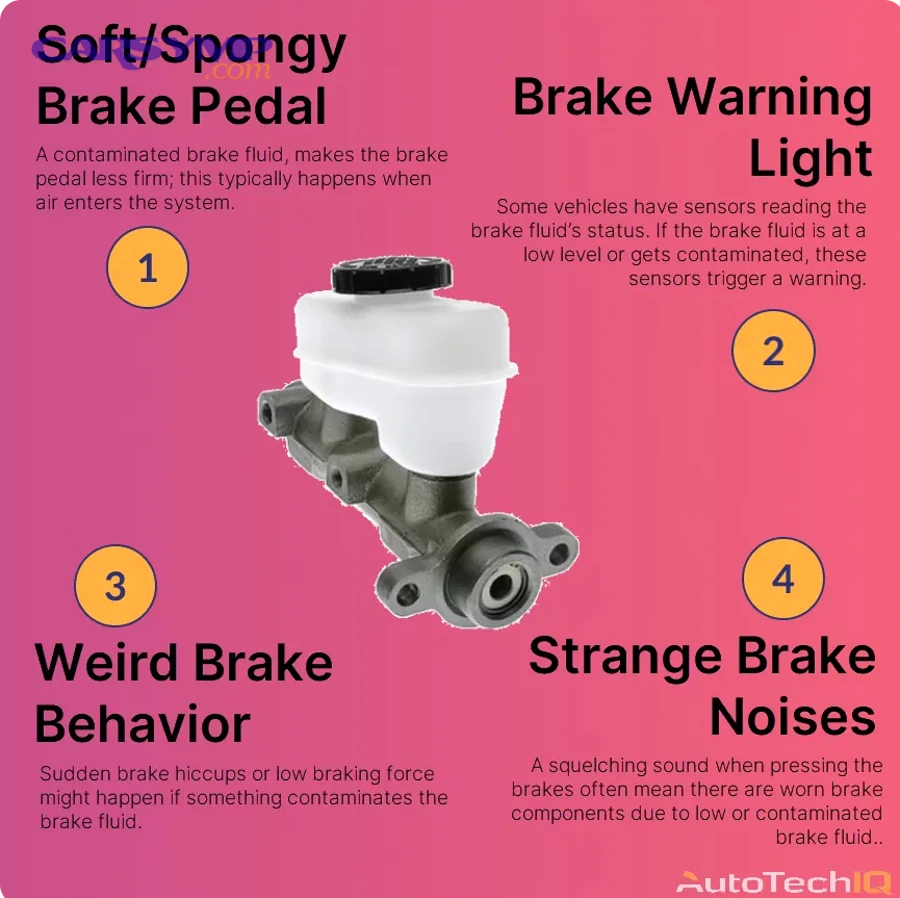
Warning signs beyond pedal feel help identify worn brake components. You’ll typically hear squealing or grinding noises when braking—squealing comes from wear indicators (small metal tabs) contacting the rotor when pads reach minimum thickness, while grinding indicates the pads are completely worn and metal backing plates are destroying the rotors. Vibration or pulsation in the brake pedal often indicates warped rotors or drums. Reduced braking effectiveness—needing to press harder or farther to stop—accompanies wear-related soft pedals. Visual inspection through the wheel spokes can reveal pad thickness; if you can see less than 3mm of friction material, replacement is overdue.
What Is the Connection Between Brake Pad Thickness and Pedal Feel?
Brake pad thickness directly affects pedal feel because thinner pads require caliper pistons to extend farther from their bores, increasing the brake fluid volume needed and consuming additional pedal travel before braking force builds. For every millimeter of pad wear, the pedal must travel farther to close the gap and engage the braking surfaces.
Specifically, the mathematical relationship is straightforward. If you have four-wheel disc brakes with eight brake pads total (two per wheel), and each pad wears 7mm from its original thickness, the total additional piston extension required is 56mm (8 pads × 7mm). This extension requires additional brake fluid volume to fill the space behind the pistons. While brake fluid itself doesn’t compress, the additional travel needed to move this extra fluid translates to softer pedal feel and increased pedal travel.
Minimum safe thickness standards provide critical safety thresholds. Most brake pad manufacturers specify replacement when pads reach 3mm thickness, though many mechanics recommend replacement at 4mm to maintain optimal braking performance. At 2mm or less, pads are dangerously thin—not only does pedal feel suffer dramatically, but braking force decreases significantly, and the risk of complete pad failure increases. The metal backing plate can contact the rotor, causing rapid rotor damage and potentially catastrophic brake failure.
Caliper piston extension effects compound the problem as pads wear. Caliper pistons are designed to operate within a specific range of extension—typically no more than 15-20mm from their fully retracted position. When pads wear excessively, pistons extend beyond their optimal operating range. The piston may partially exit the caliper bore, exposing fresh piston surface that isn’t protected by the seal. This exposed area is vulnerable to corrosion and pitting, which can damage the seal and create fluid leaks. Additionally, extremely extended pistons can cock or tilt in their bores, causing uneven pad wear and potentially seizing in the extended position.
The relationship between pad wear and pedal feel isn’t always linear. The first few millimeters of wear have minimal impact on pedal feel because the brake system compensates through the natural compliance in the hydraulic system. However, once pads wear beyond 50% of their original thickness, pedal feel degradation accelerates. This is why regular brake inspections are essential—catching wear early prevents the soft pedal condition from developing.
What Happens When Your Master Cylinder Fails?
Master cylinder failure causes brake pedal softness because internal seals bypass hydraulic pressure back to the reservoir instead of sending it to the brakes, piston chambers lose their ability to maintain pressure, and the cylinder can no longer generate the force needed to operate the brake system effectively. This failure can be gradual or sudden, depending on which internal components fail.

To better understand this critical issue, consider the master cylinder’s role as the heart of your brake system. When you press the brake pedal, a pushrod transfers force to the master cylinder’s primary piston. This piston compresses brake fluid in the primary chamber, which then pushes against the secondary piston. Most modern vehicles use dual-chamber master cylinders (tandem design) that split the brake system into two independent circuits—typically one for the front brakes and one for the rear, or one for the left front and right rear, and another for the right front and left rear. This redundancy ensures that if one circuit fails, you retain some braking capability.
Internal seal failure represents the most common master cylinder problem. The primary and secondary pistons each have rubber cup seals that prevent high-pressure fluid from flowing backward. When these seals wear, harden, or tear, they allow fluid to bypass from the pressure chamber back into the reservoir. This bypass means your pedal pressure doesn’t translate into proportional brake pressure at the wheels. Instead, the fluid takes the path of least resistance—back through the failed seal. The result is a pedal that feels soft and may sink slowly to the floor under steady pressure, or a pedal that requires excessive travel before the brakes engage.
Progressive versus sudden failure patterns help predict how master cylinder problems develop. Progressive failure is more common and typically starts with a slightly soft pedal that gradually worsens over weeks or months. You might notice the pedal sinking slowly when held at a stoplight, or requiring more travel than usual. The brake fluid reservoir level may drop slightly as fluid fills the extended space behind the pistons, though no external leak is visible. This type of failure usually results from seal wear, scoring of cylinder bores, or contaminated brake fluid that has degraded the rubber seals.
Sudden failure is less common but more dangerous. It typically occurs when a seal tears completely or a piston breaks. You’ll experience a dramatic loss of braking power, often losing one complete circuit of the dual system. The brake pedal will sink to the floor with little resistance, and the brake warning light will illuminate. If the primary seal fails, you may lose all effective braking. If the secondary seal fails, you’ll retain partial braking from the remaining circuit, but with greatly reduced effectiveness. Sudden failures often happen under high-stress conditions like panic stops when system pressures peak.
What Are the Symptoms of a Failing Master Cylinder?
The three primary symptoms of a failing master cylinder are a brake pedal that sinks slowly to the floor when held under steady pressure, visible fluid leaks at the rear of the master cylinder or at the reservoir connection, and uneven braking performance between front and rear or side to side. Each symptom indicates specific types of master cylinder failure.
A pedal that sinks slowly under pressure is the hallmark of internal seal failure. To test this, start the engine (to activate the brake booster), press the brake pedal firmly, and hold steady pressure. In a healthy system, the pedal should maintain its position indefinitely. If the pedal slowly sinks toward the floor over 30-60 seconds, the master cylinder’s internal seals are bypassing. This happens because the failed seals allow high-pressure fluid from the pressure chamber to leak back into the reservoir, gradually reducing the pressure holding the brake calipers engaged.
Fluid leaks at the rear of the master cylinder indicate external seal failure at the pushrod. The master cylinder’s rear seal (where the pushrod enters) can deteriorate, allowing fluid to seep out. This leak often appears as fluid dripping down the brake booster or running down the firewall in the engine bay. Sometimes the fluid leaks internally into the brake booster vacuum chamber. If this happens with a vacuum-style booster, you might notice the engine running roughly or stalling when you press the brakes, as brake fluid is drawn into the engine’s intake manifold through the booster’s vacuum connection. A reservoir connection leak appears as fluid seeping around the reservoir where it attaches to the master cylinder body, often caused by deteriorated O-rings or cracked plastic reservoir mounting points.
Uneven braking between front and rear or side to side can indicate that one chamber of the dual master cylinder has failed while the other continues working. For example, if the primary chamber fails, you might lose front brake pressure while retaining rear brake pressure, or vice versa depending on your vehicle’s brake circuit configuration. This manifests as the vehicle pulling strongly to one side during braking, requiring much more pedal pressure than normal to stop, and significantly increased stopping distances. The brake warning light typically illuminates because the pressure differential switch in the master cylinder detects unequal pressures between the two circuits.
How Long Can You Drive with a Bad Master Cylinder?
You cannot safely drive with a bad master cylinder—you should stop driving immediately and have the vehicle towed because master cylinder failure can progress from partial to complete brake loss within seconds, especially during emergency braking when system pressures peak. The risk of catastrophic brake failure makes driving with a known master cylinder problem extremely dangerous and potentially illegal.
However, understanding the critical safety timeline helps assess the urgency. If you’re experiencing early symptoms like a slowly sinking pedal, you might retain some braking capability in the short term. This does not mean it’s safe to drive—it means that if symptoms appear while driving, you should carefully navigate to the nearest safe location to stop and call for assistance. Do not continue to your destination or attempt to reach a repair shop under your own power.
Risk assessment factors include the failure type and your driving conditions. Internal seal bypass typically worsens gradually but can fail completely without warning, particularly if you need to make a sudden hard stop. External leaks deplete fluid rapidly, and once the reservoir empties, you’ll have no brakes. Dual-circuit failures that affect only one chamber leave you with partially functional brakes, but these can transition to complete failure if the remaining chamber also fails or if fluid loss continues. Driving in traffic, at highway speeds, or in hilly terrain with a failing master cylinder is exceptionally risky.
Temporary versus permanent failure distinctions don’t really exist with master cylinders—once internal seals are bypassing or external leaks have started, the failure is permanent and will only worsen. Some drivers report that pumping the pedal can temporarily restore pressure with a failing master cylinder, but this is unreliable and dangerous to depend on. Pumping may move the pistons to a less-worn portion of the cylinder bore where seals still make contact, but this is purely temporary and unpredictable.
The legal and liability implications of driving with failed brakes are severe. If you knowingly drive a vehicle with brake problems and cause an accident, you could face criminal charges, civil liability for damages and injuries, invalidation of insurance coverage, and prosecution for reckless endangerment. The cost of a tow and master cylinder replacement pales in comparison to these potential consequences.
Why Does a Faulty Brake Booster Create a Soft Pedal?
A faulty brake booster creates a soft pedal because the vacuum or hydraulic assist that normally amplifies your pedal pressure is lost, requiring significantly more physical force to generate the same brake pressure, and in some cases the booster’s internal diaphragm failure can leak brake fluid, introducing air into the system. The distinction from other soft pedal causes is important—a booster failure often makes the pedal feel hard rather than soft, unless the failure mode involves fluid or air leaks.
More specifically, the vacuum booster’s function is to multiply the force you apply to the brake pedal by using engine vacuum (or a vacuum pump in diesel vehicles). A properly functioning booster can amplify your 50-pound pedal pressure to 300-500 pounds of force at the master cylinder, making braking effortless. The booster contains a large diaphragm that divides two chambers. When you press the brake pedal, a valve opens to allow atmospheric pressure into one chamber while maintaining vacuum in the other. This pressure differential pushes on the diaphragm, which assists the pushrod in compressing the master cylinder.
Loss of power assist occurs when the vacuum supply fails or the booster’s internal components malfunction. A ruptured diaphragm, failed check valve, or disconnected vacuum hose eliminates the assist, leaving you with manual brakes. The pedal becomes extremely hard and requires enormous pressure to stop the vehicle. This is technically the opposite of a soft pedal, but drivers sometimes describe it as “soft” because the brakes feel ineffective—you press hard but get minimal stopping power.
However, certain booster failures can cause genuine pedal softness. If the booster’s internal diaphragm tears in a way that connects the vacuum chamber to the hydraulic chamber, air can enter the brake system. This air infiltration creates the classic soft, spongy pedal feel. Additionally, some hydro-boost systems (which use power steering fluid pressure instead of vacuum) can develop internal leaks that allow power steering fluid to mix with brake fluid, contaminating the brake system and causing erratic pedal feel.

The distinction from other soft pedal causes lies in the symptoms’ pattern. If you press the brake pedal with the engine off and it feels firm, but becomes soft only when the engine is running, the booster is likely introducing air. If the pedal feels hard regardless of whether the engine is running, you’ve lost vacuum assist but the hydraulic system is probably intact. If you hear a hissing sound when pressing the brake pedal, air is leaking into the booster through a damaged diaphragm or failed check valve seal.
How Can You Test If Your Brake Booster Is Working?
You can test brake booster function through three simple procedures: the engine-off pump test, the booster hold test, and the vacuum leak listening test, each revealing different aspects of booster performance and helping identify specific failure modes.
The engine-off pump test is the most common diagnostic procedure. With the engine off, press and release the brake pedal 10-15 times to deplete any stored vacuum in the booster. The pedal should feel firm after the vacuum is exhausted. Then press and hold the pedal while starting the engine. If the booster is working properly, you should feel the pedal sink slightly (about 1/4 to 1/2 inch) as the engine starts and vacuum builds in the booster. This pedal drop indicates the booster is receiving vacuum and the internal diaphragm is responding. If the pedal doesn’t drop at all, the booster isn’t functioning—either the vacuum supply is interrupted or the booster’s internal components have failed.
The booster hold test assesses whether the check valve is maintaining vacuum. Run the engine for 1-2 minutes to build full vacuum in the booster, then turn off the engine. Wait one minute, then press the brake pedal several times. The first 2-3 pedal presses should feel power-assisted (easier than the subsequent presses). After several pumps, the pedal should gradually become harder as the stored vacuum depletes. If the first pedal press is already hard without assistance, the check valve is failing and allowing vacuum to leak out when the engine stops.
Hissing sound diagnostics help identify vacuum leaks. With the engine running, press the brake pedal and listen carefully for hissing sounds. A hissing from the front of the vehicle near the brake pedal indicates air leaking into the booster through a ruptured diaphragm or failed seal. This air infiltration not only reduces boost effectiveness but can also introduce air into the brake hydraulic system if the diaphragm tear connects the vacuum chamber to the hydraulic side. Check also for hissing at the check valve or vacuum hose connections—these indicate vacuum leaks that prevent the booster from operating at full efficiency.
Additional tests include inspecting the vacuum hose for cracks, verifying the check valve operation by blowing through it (air should flow only one direction), and measuring vacuum levels with a gauge if available (should be 18-20 inches of mercury at idle for gasoline engines). According to diagnostic data from automotive service facilities, approximately 15% of soft brake pedal complaints involve brake booster issues, with failed check valves being the most common booster-related problem.
What Caliper and Wheel Cylinder Problems Cause Pedal Issues?
Caliper and wheel cylinder problems cause pedal issues through four main mechanisms: stuck or seized calipers that prevent proper piston retraction, internal seal failures that allow fluid bypass, piston retraction problems from corrosion or damaged return seals, and frozen pistons that require excessive pressure to move. Each problem creates distinct pedal feel changes and braking performance issues.

Especially, stuck or seized calipers create a unique situation where braking may seem normal initially but the pedal feel changes because one or more calipers aren’t releasing properly. A seized caliper piston remains extended even when you release the brake pedal. This doesn’t necessarily create immediate pedal softness, but it can lead to it through several pathways. The constantly applied brake pad generates excessive heat, which can boil brake fluid and create vapor pockets (vapor lock) that cause pedal softness. Additionally, a seized caliper forces other calipers to work harder, potentially causing premature wear and increased pedal travel.
Internal seal failures in calipers and wheel cylinders create direct pedal softness. The piston seals serve two purposes: preventing fluid leaks and creating a slight return force that retracts the pistons when you release the brake pedal. When these seals fail, fluid can leak past the pistons (causing external leaks) or the seals lose their ability to retract the pistons properly. This retraction failure leaves larger gaps between pads and rotors (or shoes and drums), increasing pedal travel. Moreover, failed seals often allow some hydraulic pressure to bypass, similar to master cylinder bypass, creating a soft pedal that requires pumping to build pressure.
Piston retraction problems from corrosion or damaged return seals manifest as excessive pedal travel. When you release the brake pedal, the piston seals should pull the pistons back slightly, creating a small clearance between pads and rotors. If corrosion has pitted the piston surface or if the seal has torn or hardened, this retraction doesn’t occur. The pads drag on the rotors constantly, generating heat and wear. More importantly for pedal feel, when you next press the brake pedal, the system must first overcome any hydraulic resistance and push the pistons from wherever they stopped—which might be farther back than normal due to runout or rotor warping. This variability creates inconsistent pedal feel and often softness.
Frozen pistons that require excessive pressure to move occur when severe corrosion binds the piston in its bore. This typically happens to vehicles exposed to road salt, moisture, or from calipers that haven’t been serviced regularly. A frozen piston won’t move at all, or requires much higher hydraulic pressure to overcome the corrosion binding. If multiple pistons are frozen, the pedal may feel hard (because excessive pressure is needed), but if only one or two pistons are frozen while others move freely, you get an imbalanced system. The functioning calipers move easily but can’t generate full braking force because the frozen calipers absorb some pedal travel without contributing to braking, creating a soft pedal sensation.
Is a Soft Pedal Always on Both Sides or Can It Be One Caliper?
A soft pedal can be caused by a single caliper issue, though this is less common than system-wide problems, because hydraulic systems distribute pressure equally throughout the circuit—however, one severely compromised caliper can create enough fluid volume loss or piston travel irregularity to produce soft pedal feel affecting the entire system.
However, single-wheel versus system-wide issues produce different diagnostic signatures. If the soft pedal is caused by a single caliper with a failed seal that’s leaking fluid, you’ll typically see brake fluid pooled inside that wheel. The pedal feels soft because fluid is escaping from the system, reducing overall hydraulic volume. But since the brake system is interconnected, this lost fluid affects pedal feel globally—you can’t press one side of the pedal versus another. The softness is system-wide even though the cause is localized.
Diagnostic differences help identify single-caliper problems. If only one caliper has a stuck piston or frozen piston, you might notice the vehicle pulling to one side during braking (pulling away from the problem caliper toward the side that’s working better). The brake pedal might feel soft, but if you inspect the wheels, one will show minimal brake dust while the others show normal dust accumulation—indicating that caliper isn’t engaging properly. Temperature differences are also telling: after driving and braking several times, check wheel temperatures (carefully—they can be very hot). A significantly cooler wheel indicates that caliper isn’t engaging, while an extremely hot wheel suggests that caliper is dragging or seized.
Asymmetric brake wear patterns confirm single-caliper issues. If one wheel’s brake pads are worn significantly more or less than the others, or if one rotor shows unusual wear patterns, scoring, or heat discoloration, that caliper is problematic. These visual cues combined with soft pedal feel strongly suggest localized caliper failure rather than a systemic issue like air in the lines or master cylinder failure, which would affect all wheels more uniformly.
Hydraulic split-circuit designs in modern vehicles mean that a failure in one caliper might only affect half the brake system. Most vehicles use diagonal split circuits (right front with left rear, left front with right rear) or front/rear split. If one caliper fails completely in a diagonal split system, you retain two wheels’ worth of braking but with a much softer pedal and the brake warning light illuminated. This helps you distinguish between a single caliper problem and other soft pedal causes.
How Does Contaminated Brake Fluid Affect Pedal Feel?
Contaminated brake fluid affects pedal feel because water absorption reduces the fluid’s boiling point from 400°F+ to potentially below 300°F, moisture creates compressible vapor pockets when heated during braking, and chemical breakdown of old fluid degrades its lubricating and hydraulic properties. Each form of contamination progressively worsens brake performance and pedal feel.
More specifically, water absorption is the most common and problematic form of brake fluid contamination. Brake fluid is hygroscopic, meaning it naturally absorbs moisture from the air over time. Even in a sealed brake system, moisture enters through microscopic pores in rubber hoses, past seals, and through the reservoir cap’s vent. Fresh DOT 3 or DOT 4 brake fluid has a dry boiling point above 400°F, but after absorbing just 3-4% water (which can occur in 2-3 years under normal conditions), the wet boiling point can drop to 300°F or below.
Moisture effects on hydraulic performance become dangerous during braking. When you brake repeatedly or descend a long hill, brake components generate substantial heat—brake rotors can reach 500-800°F, and this heat transfers to the brake fluid. If the fluid’s boiling point has dropped due to water contamination, the fluid can boil in the calipers. Boiling fluid creates vapor bubbles, and unlike liquid, vapor compresses easily. When you press the brake pedal, instead of transmitting force directly to the brake pads, you’re compressing vapor bubbles. The pedal becomes soft, spongy, and may sink to the floor. This condition, called “vapor lock,” can result in complete brake failure.
Old versus fresh fluid characteristics differ dramatically in appearance and performance. Fresh brake fluid is clear to light amber colored and flows smoothly. Old, contaminated fluid turns dark brown or black from heat degradation and accumulation of rubber particles from deteriorating seals. The fluid may appear cloudy from suspended moisture and contaminants. Most critically, old fluid loses its viscosity stability—it may become too thin when hot or too thick when cold, affecting how smoothly it flows through the system and how quickly pressure transmits from the master cylinder to the brakes.

Chemical breakdown over time affects multiple fluid properties. The glycol ethers in brake fluid degrade from heat cycling and oxygen exposure. This degradation reduces the fluid’s ability to lubricate moving parts like caliper pistons and master cylinder seals, accelerating wear. Breakdown also reduces corrosion inhibitors in the fluid, allowing internal brake system components to corrode. Corroded steel brake lines can develop internal rust deposits that flake off and circulate through the system, potentially clogging ABS valves or damaging seals, all of which can contribute to soft pedal feel.
What Contaminants Get into Brake Fluid?
Four primary contaminants enter brake fluid: moisture/water accumulation through hygroscopic absorption, petroleum products from accidental mixing or seal degradation, debris and particulates from corroding metal components and deteriorating rubber seals, and chemical breakdown products from the fluid itself degrading under heat and age.
Moisture/water accumulation occurs continuously once brake fluid is exposed to the atmosphere. Each time you open the brake fluid reservoir to check levels or add fluid, humid air enters. The glycol-based brake fluid immediately begins absorbing moisture from this air at the molecular level. This process continues slowly even through sealed systems via permeation through rubber components. The rate of moisture absorption depends on climate—humid environments accelerate absorption significantly. According to studies from the Society of Automotive Engineers, brake fluid in typical passenger vehicles absorbs approximately 2-3% water content by volume every two years under normal conditions, and up to 4-5% in humid coastal climates.
Petroleum products represent severe contamination because they’re incompatible with brake fluid and damage rubber seals throughout the system. This contamination typically occurs through two pathways: accidental addition of wrong fluids (power steering fluid, engine oil, transmission fluid) into the brake reservoir, or contamination from petroleum-based lubricants used on brake parts during service. Even small amounts of petroleum products cause rubber seals to swell, soften, and fail. The degraded seals then allow internal fluid bypass and external leaks, creating multiple soft pedal problems simultaneously. Additionally, petroleum contamination can cause brake hoses to swell internally—brake hose swelling and internal collapse from petroleum exposure creates a unique problem where the hose acts like a check valve, allowing fluid to flow to the brakes but restricting return flow.
Debris and particulates accumulate from normal system wear and corrosion. Steel brake lines rust internally over time, creating iron oxide particles that circulate through the fluid. These particles are abrasive and can score cylinder bores and piston surfaces, damaging seals. Rubber seals themselves deteriorate and shed microscopic particles into the fluid. In systems with ABS, these particles can lodge in the narrow passages of the ABS modulator valves, causing malfunction. Copper brake lines (found in some older vehicles) can shed copper particles as they corrode. All of this debris makes the fluid appear dark and murky, and while the particles themselves don’t directly cause pedal softness, they accelerate wear of components that do.
Chemical breakdown products result from brake fluid’s exposure to the extreme temperatures of braking. When brake fluid exceeds its designed temperature range repeatedly, the glycol ether molecules begin to break down into shorter-chain compounds. These degradation products have different viscosity and lubrication properties than the original fluid. They can be acidic, accelerating corrosion of metal components. The breakdown process also produces sediment that settles in low points of the brake system. This chemical degradation is irreversible—once brake fluid has broken down chemically, it cannot be reconditioned and must be replaced. The degradation process accelerates exponentially with each heat cycle, which is why brake fluid in performance vehicles or vehicles that tow heavy loads needs more frequent replacement than fluid in vehicles used for gentle commuting.
How Can You Prevent Brake Pedal Problems Before They Start?
You can prevent brake pedal problems through four essential maintenance practices: following manufacturer-recommended brake fluid replacement schedules, conducting regular visual brake system inspections, avoiding common maintenance mistakes that accelerate wear, and understanding vehicle-specific vulnerabilities. Proactive maintenance prevents most soft pedal issues before they develop into safety hazards.
This preventive approach saves money and enhances safety by addressing potential problems during routine service rather than waiting for component failure. A soft brake pedal rarely develops suddenly without warning signs—there’s almost always a progression from minor symptoms to serious problems. Catching issues early, when a caliper seal is just beginning to leak rather than after it has failed completely, or replacing brake fluid before water content becomes critical, prevents the cascade of problems that lead to soft pedal feel and potential brake failure.
The relationship between prevention and the causes we’ve discussed is direct. Each of the seven critical causes of soft pedal—air in lines, fluid leaks, worn components, master cylinder failure, booster issues, caliper problems, and contaminated fluid—can be prevented or detected early through systematic maintenance. Air in lines is prevented through proper bleeding procedures during service. Fluid leaks are caught through visual inspections. Worn components are identified through regular brake inspections. Master cylinder and caliper failures are prevented by maintaining clean, fresh brake fluid that doesn’t corrode internal components. Booster issues are detected through simple tests. Contaminated fluid is addressed through scheduled replacement.
What Is the Recommended Brake Fluid Replacement Schedule?
The recommended brake fluid replacement schedule varies by manufacturer but typically ranges from every 2-3 years or 24,000-36,000 miles for most passenger vehicles, though this interval should be shortened based on climate conditions, driving patterns, and brake fluid moisture testing results. Some manufacturers specify longer intervals while others recommend more frequent replacement for severe service conditions.
Manufacturer guidelines versus real-world conditions often differ significantly. Many vehicle manufacturers specify brake fluid replacement intervals in the owner’s manual or maintenance schedule, typically ranging from 2-5 years. However, these schedules are often based on ideal conditions—moderate climate, normal driving patterns, and sealed garage storage. Real-world conditions are rarely ideal. Vehicles driven in humid coastal areas, extreme temperatures, or subjected to frequent heavy braking (towing, mountain driving, performance driving) should have brake fluid replaced more frequently than manufacturer recommendations.
Climate and driving condition factors significantly impact how quickly brake fluid degrades. High humidity accelerates moisture absorption—brake fluid in Florida or coastal regions can reach problematic water content in half the time as the same fluid in Arizona. Frequent hard braking from towing or mountain driving subjects the fluid to higher temperatures, accelerating chemical breakdown. Cold climates with road salt increase corrosion in the brake system, which contaminates the fluid with debris. Performance driving with repeated high-speed braking can heat brake fluid to near its boiling point regularly, dramatically shortening its useful life.

DOT 3, DOT 4, and DOT 5.1 fluid differences affect replacement intervals and performance. DOT 3 fluid is the most common and least expensive, with a dry boiling point of 401°F and wet boiling point of 284°F. It absorbs moisture relatively quickly and should be replaced every 2 years in normal use. DOT 4 fluid has higher boiling points (446°F dry, 311°F wet) and better heat resistance, making it suitable for heavier vehicles or more demanding use, but it still requires replacement every 2-3 years. DOT 5.1 is a high-performance glycol-based fluid with even higher boiling points (500°F+ dry, 356°F wet) but absorbs moisture at similar rates to DOT 4 and requires similar replacement intervals. DOT 5 (without the .1) is silicone-based, doesn’t absorb moisture, and never needs replacement due to water contamination, but it’s incompatible with most modern ABS systems and isn’t recommended for regular passenger vehicles.
Testing brake fluid moisture content provides objective data for replacement decisions. Electronic brake fluid testers measure the percentage of water in the fluid by measuring its electrical conductivity or boiling point. Most experts recommend replacing brake fluid when moisture content reaches 3-4%. Simple test strips that change color based on moisture levels are also available and inexpensive. These tests cost far less than brake repairs and can prevent soft pedal problems before they develop. If your fluid tests above 3% water content, replacement is advisable regardless of time since last service.
How Often Should You Have Your Brake System Inspected?
Your brake system should receive visual inspection every oil change or 5,000-7,500 miles, comprehensive professional assessment annually or 12,000 miles, and immediate self-inspection whenever you notice changes in brake pedal feel, braking performance, or hear unusual noises. This multi-layered inspection approach catches problems at various stages before they cause soft pedal conditions or brake failure.
Visual inspection intervals should align with regular maintenance schedules for convenience and consistency. Every time you have oil changed or tires rotated (typically every 5,000-7,500 miles for most vehicles), request or perform a basic brake inspection. This quick check should include looking at brake pad thickness through the wheel spokes, checking for fluid leaks around calipers and wheel cylinders, inspecting brake hoses for cracks or bulging, verifying brake fluid reservoir level, and checking fluid color. This frequent inspection catches progressive problems like pad wear before they become severe.
Professional assessment timing provides deeper diagnostic capability. Once per year or 12,000 miles, have a qualified mechanic perform a comprehensive brake inspection that includes removing wheels to measure pad and rotor thickness precisely, checking caliper slide pins and mounting hardware, inspecting brake lines for corrosion, testing brake fluid moisture content, checking master cylinder and booster operation, and examining all rubber components for deterioration. This thorough inspection identifies issues that aren’t visible during quick visual checks, such as early seal deterioration, minor brake line corrosion, or brake fluid contamination.
Self-inspection checklists empower you to monitor brake health between professional services. Monthly or before long trips, you can perform quick checks: press the brake pedal with the engine off (should feel firm and hold position), listen for grinding or squealing when braking, feel for vibration or pulsation in the pedal, check for pulling to one side during braking, verify the brake fluid reservoir is at the full mark and fluid appears clean (not dark brown), and look for fluid drips or wet spots inside the wheels. Any abnormality warrants immediate professional inspection. How to bleed brakes to restore pedal firmness should be part of your knowledge base if you perform your own brake service.
What Maintenance Mistakes Make Brake Problems Worse?
Five common maintenance mistakes accelerate brake problems: improper bleeding techniques that leave air in the system, using wrong brake fluid types that damage seals or provide inadequate protection, delaying minor repairs until they cascade into major failures, attempting repairs without proper tools or knowledge, and reusing worn hardware during brake service. Each mistake compounds the original problem and often creates additional issues.
Improper bleeding techniques represent one of the most frequent sources of persistent soft pedal problems. Brake bleeding requires specific procedures to ensure all air is purged from the hydraulic system. Common mistakes include bleeding wheels in the wrong order (proper sequence is typically farthest from the master cylinder to closest), not maintaining adequate fluid in the reservoir during bleeding (allowing it to run dry sucks more air into the system), opening bleeder screws too far or leaving them open while pressing the pedal (pulling air past the threads), and failing to bleed the ABS modulator on vehicles where this is necessary. Some modern vehicles require electronic activation of ABS valves during bleeding to purge air from the modulator—skipping this step leaves air trapped in the system. Professional mechanics use specialized scan tools or follow specific pedal sequence procedures to activate ABS during bleeding.
Using wrong brake fluid type creates immediate and long-term problems. Each vehicle specifies DOT 3, DOT 4, DOT 5, or DOT 5.1 fluid based on the system’s design and seal materials. Mixing incompatible fluids can cause seal swelling or shrinkage, crystallization of fluid compounds, and inadequate boiling point protection. Using DOT 5 silicone fluid in a system designed for glycol-based fluids causes seal failure because the seal materials aren’t compatible. Using lower-spec fluid (like DOT 3 in a system requiring DOT 4) provides insufficient heat protection, causing premature boiling and vapor lock. Always use the fluid type specified in your owner’s manual, and never mix different types.
Delaying minor repairs allows problems to cascade into expensive failures. A small brake fluid leak that seeps a few drops per week seems minor, but ignoring it allows air to enter the system, fluid levels to drop dangerously low, and potentially leads to complete brake failure. A slightly soft pedal that you “get used to” by pressing harder is warning you of deteriorating components—continuing to drive while pressing harder accelerates wear on other brake parts and risks catastrophic failure. Squealing brake pads are designed to warn you at 3-4mm thickness; ignoring the noise until grinding occurs destroys rotors that could have been saved, multiplying repair costs 3-5 times.
Attempting repairs without proper tools or knowledge creates new problems. Brake system work requires specific tools like proper flare-nut wrenches (which prevent rounding off brake line fittings), brake bleeder wrenches, and sometimes scan tools for ABS bleeding. Using incorrect tools damages components. Likewise, without understanding brake system principles, well-intentioned repairs can introduce air, cause leaks, or result in incorrectly assembled components that fail dangerously. When in doubt, consult professional mechanics—brake systems are safety-critical and not the place for trial-and-error learning.
Reusing worn hardware during brake service introduces failure points. Brake caliper mounting bolts, slide pins, anti-rattle clips, and pad shims wear out and should be replaced during pad replacement. Reusing corroded slide pins causes calipers to bind, leading to uneven wear and potentially soft pedals. Old anti-rattle hardware doesn’t hold pads correctly, causing noise and uneven contact. Brake line washers and copper crush washers should never be reused—they compress once to create a seal and won’t seal properly when reused, causing leaks. Quality brake service includes replacing these inexpensive hardware items to ensure reliable operation.
Are Some Vehicles More Prone to Soft Brake Pedal Issues Than Others?
Yes, some vehicles are more prone to soft brake pedal issues due to factors including vehicle age and mileage, climate-related vulnerability based on design and materials, vehicle type and weight class affecting brake system stress, hybrid and electric vehicle regenerative braking system complexity, and ABS-equipped vehicles versus non-ABS systems. Understanding these vulnerabilities helps target prevention efforts.
Vehicle age and mileage factors directly correlate with brake system deterioration. Vehicles over 10 years old or with more than 100,000 miles have brake components that have experienced thousands of heat cycles, absorbed significant moisture, and faced years of environmental exposure. Older vehicles are statistically more likely to develop master cylinder seal failures, caliper piston corrosion, brake line rust perforation, and brake hose deterioration—all causes of soft pedal feel. Additionally, older vehicles may have accumulated neglected maintenance, compounding age-related wear.
Climate-related vulnerability varies by brake system design and materials. Vehicles in northern climates with road salt exposure face accelerated brake line corrosion, particularly on vehicles with steel brake lines routed along the undercarriage where salt spray concentrates. Coastal humid environments accelerate moisture absorption into brake fluid and promote corrosion of ferrous components. Desert climates with extreme heat subject brake fluid to higher temperatures, accelerating chemical breakdown. Vehicles designed for one climate but operated in another may be particularly vulnerable—a car engineered for the European market with minimal undercoating driven in the salt belt will corrode faster than domestic vehicles designed with appropriate protection.
Vehicle type considerations show that trucks, SUVs, and vehicles used for towing stress brake systems more than light passenger cars. The additional weight and higher brake temperatures from controlling heavier loads accelerate brake pad wear, heat-stress brake fluid, and put more demand on hydraulic components. Vehicles with larger brake systems (larger rotors, multi-piston calipers) have more seals and components that can fail. Performance vehicles with high-performance brake systems often use more aggressive brake pads that wear rotors faster and generate higher temperatures that stress fluid and seals.
Hybrid and electric vehicle regenerative braking considerations introduce unique soft pedal vulnerabilities. These vehicles use regenerative braking (converting kinetic energy to electrical energy) for most routine slowing, with conventional friction brakes engaging only for final stops or emergency braking. This means the friction brakes operate less frequently, but paradoxically can develop more problems. Caliper pistons that don’t move regularly corrode and seize in their bores. Brake rotors develop surface rust from lack of use, affecting pad contact and potentially pedal feel. The brake fluid still ages and absorbs moisture despite reduced friction brake use, but owners often neglect brake fluid service because the brakes “aren’t used much.” Additionally, the complex integration between regenerative and friction braking systems involves electronic controls and hydraulic actuators that can malfunction, causing unexpected pedal feel changes.
ABS-equipped vehicles versus non-ABS differences affect soft pedal diagnosis and repair. ABS systems contain additional components—the hydraulic control unit with multiple solenoid valves, the accumulator, and sometimes additional sensors. These components create additional points of potential air entrapment during bleeding and additional seals that can leak. ABS modulators can develop internal valve problems that affect pedal feel. Some ABS systems require special bleeding procedures or electronic activation to purge air fully. Non-ABS vehicles have simpler systems with fewer components to fail, but they lack the diagnostic capabilities that ABS systems provide through trouble codes. Modern vehicles with electronic stability control and brake assist have even more complex brake systems with additional components that can contribute to soft pedal conditions.
According to data from the National Highway Traffic Safety Administration’s vehicle complaint database, certain vehicle makes and model years show patterns of brake system problems, including soft pedal issues. Researching your specific vehicle’s known issues through NHTSA’s database, manufacturer technical service bulletins, and owner forums can alert you to model-specific vulnerabilities requiring extra attention during maintenance.
This comprehensive guide to the seven critical causes of soft brake pedals equips you with the knowledge to identify, diagnose, and prevent this dangerous condition. Remember that any significant change in brake pedal feel demands immediate attention—your safety and the safety of others depends on a properly functioning brake system. Regular maintenance, particularly brake fluid replacement every 2-3 years and annual comprehensive inspections, prevents most soft pedal problems before they develop. When you do experience soft pedal symptoms, understanding the specific cause helps you communicate effectively with mechanics and make informed decisions about repairs. Never delay brake repairs or attempt to “live with” a soft pedal—the progression from minor inconvenience to catastrophic failure can happen with terrifying speed, especially during emergency braking when you need your brakes most.